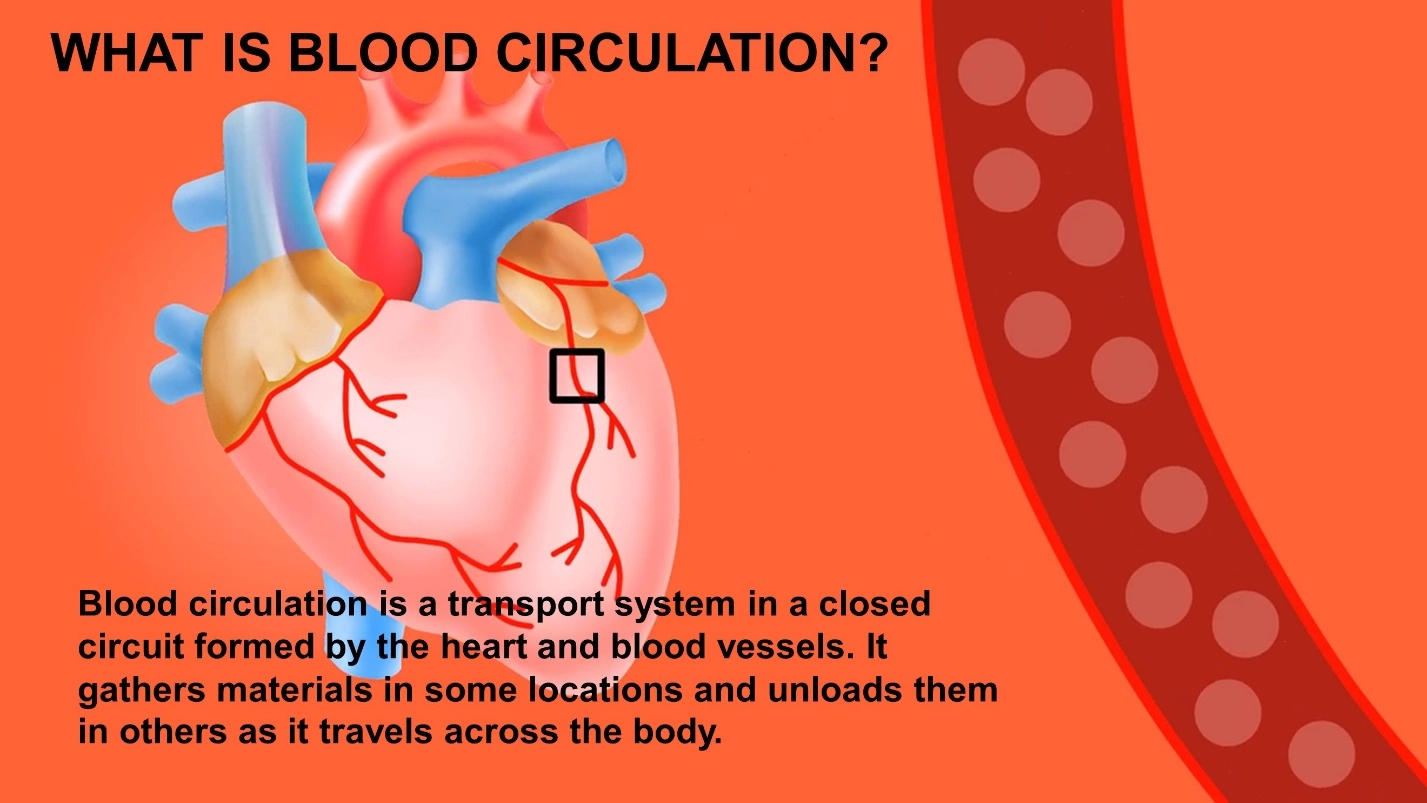
WHAT IS BLOOD CIRCULATION?
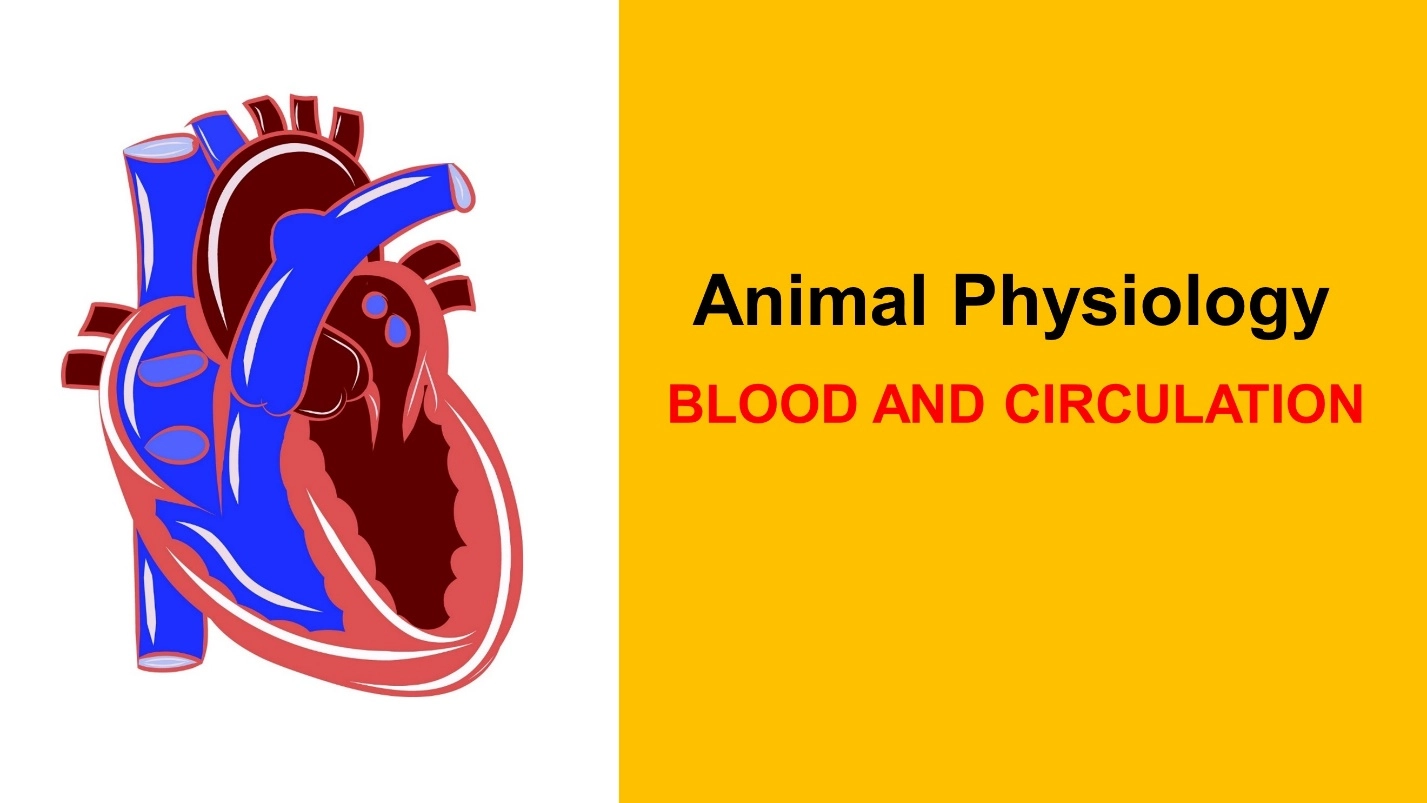
Blood circulation is a transport system in a closed circuit formed by the heart and blood vessels. It gathers materials from some locations and, unloads them in others, as it travels across the body.
Materials transported through the blood in mammals are
- Oxygen
- Carbon dioxide
- Nutrients
- Urea
- Hormones
- Antibodies
Blood also distributes heat around the body.
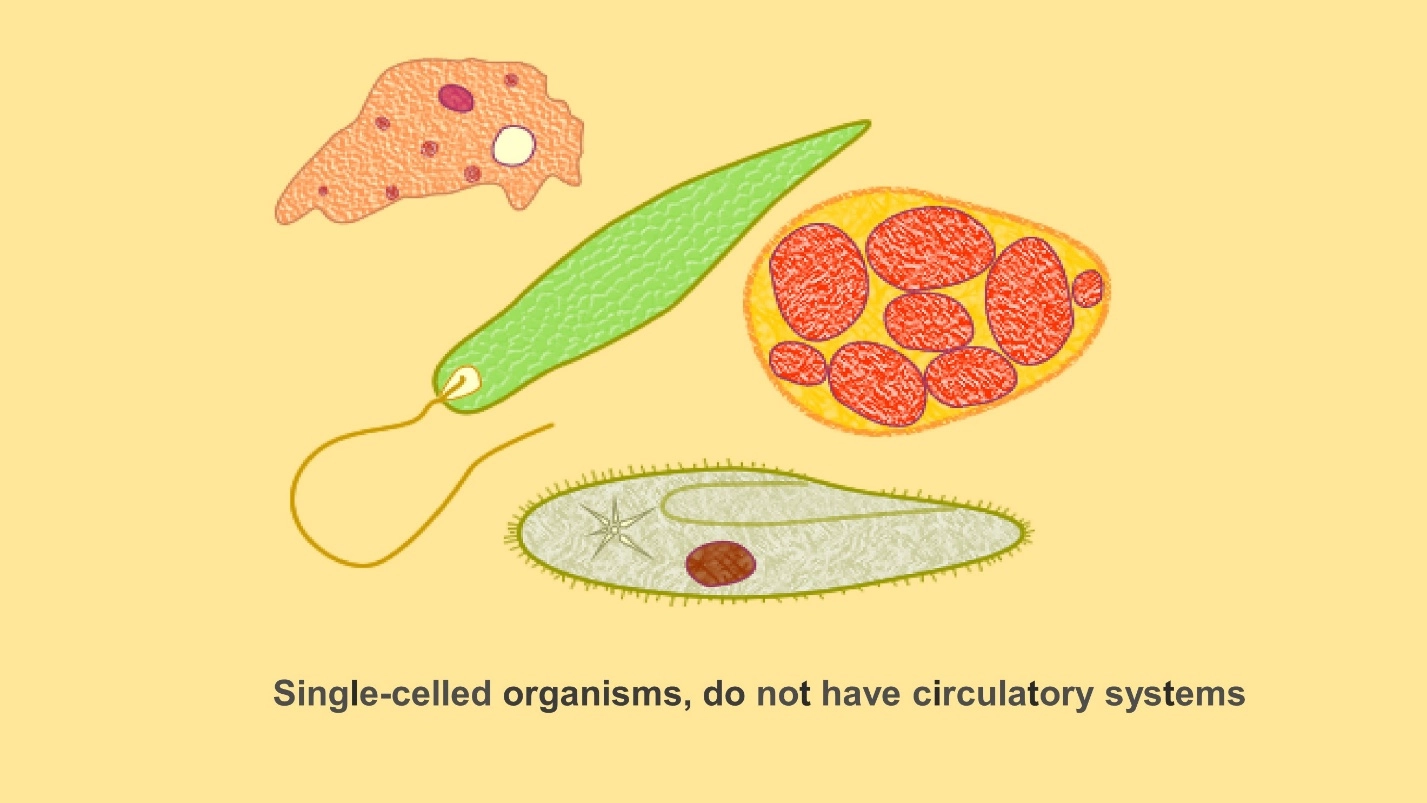
Single-celled organisms, do not have circulatory systems
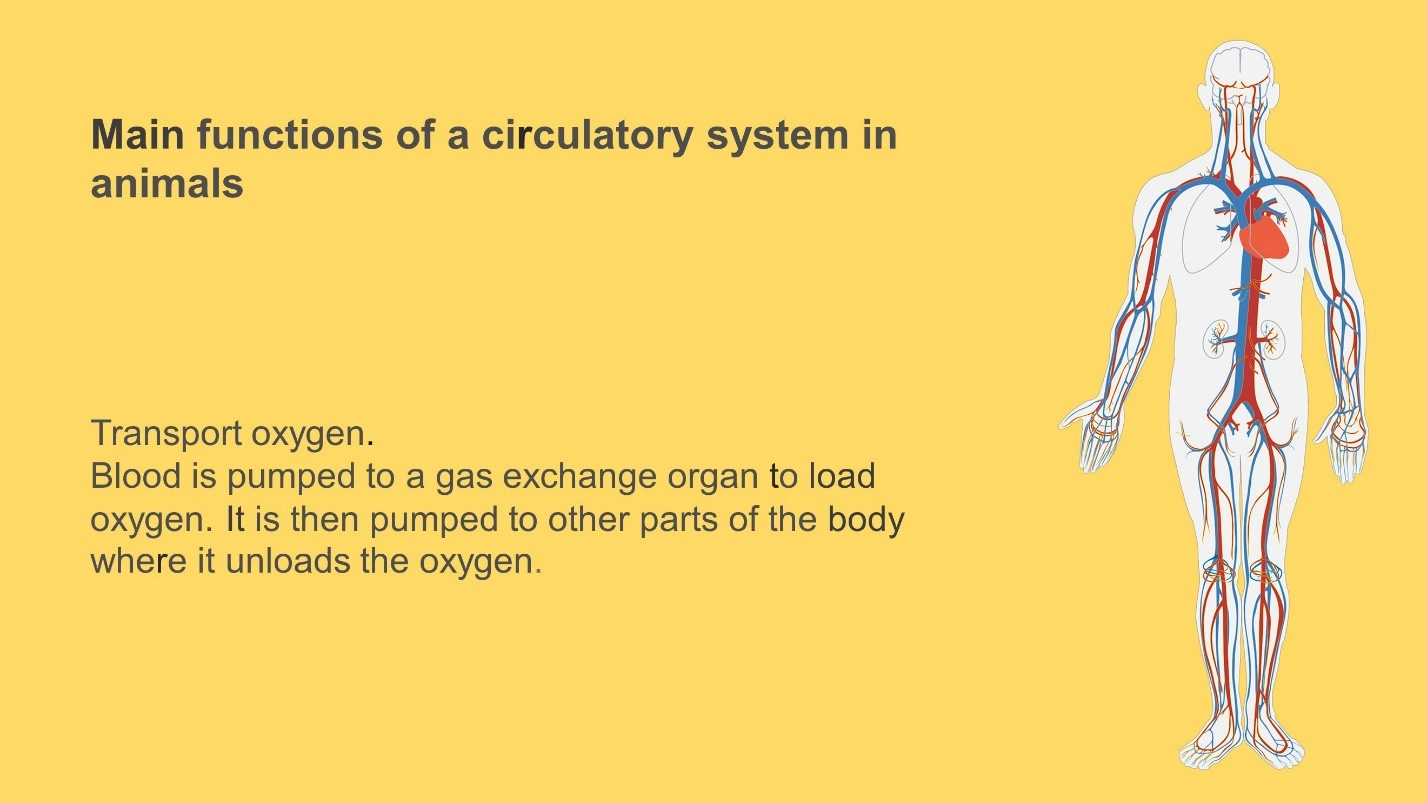
Some major functions of a circulatory system in animals
It Transport oxygen.
Blood is pumped to a gas exchange organ in order to load oxygen from it. It is then pumped to other parts of the body where it unloads oxygen.
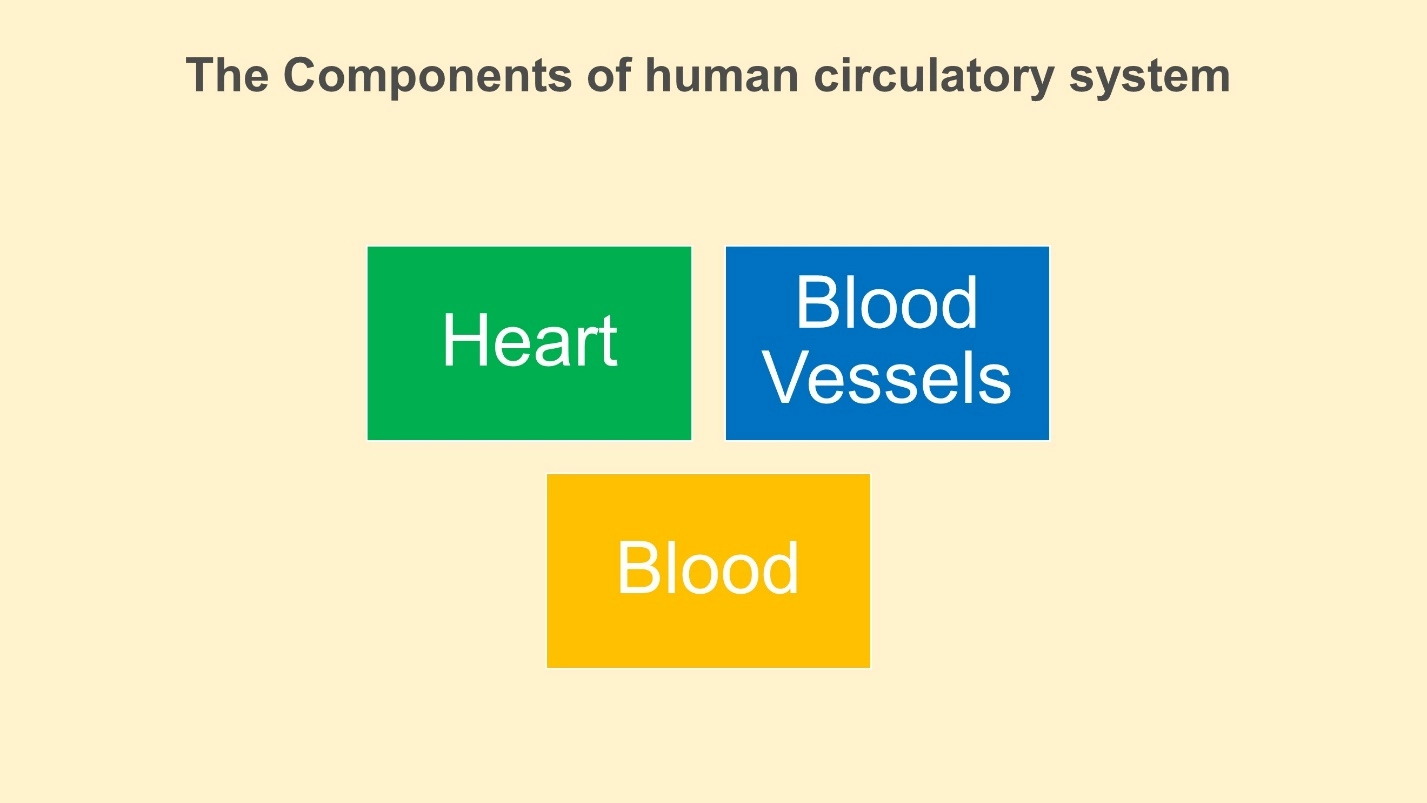
The Components of the human circulatory system
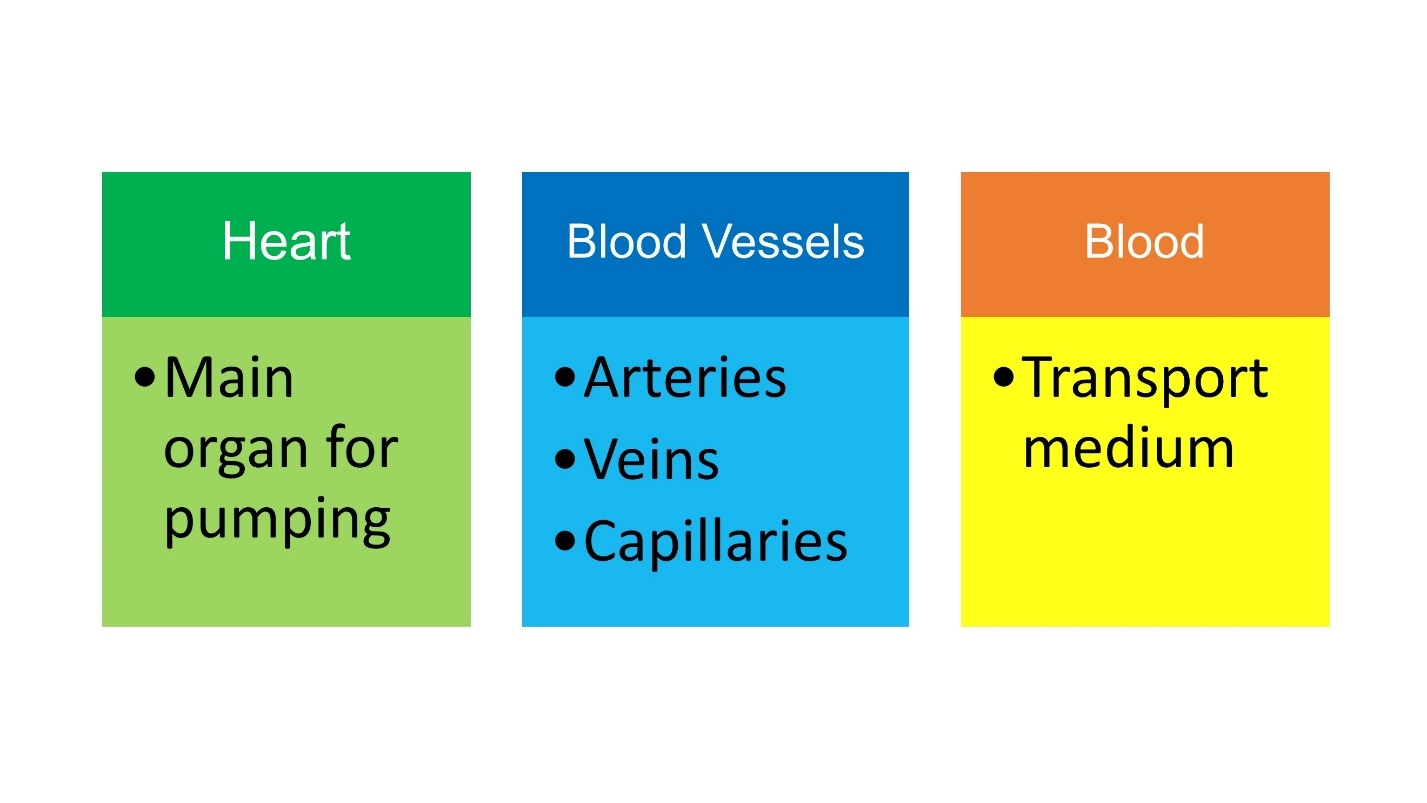
- Heart
- Blood Vessels
- Blood
The heart is the main organ in human body, for pumping blood.
Blood Vessels are
- Arteries
- Veins
- Capillaries
Blood is the Transport medium
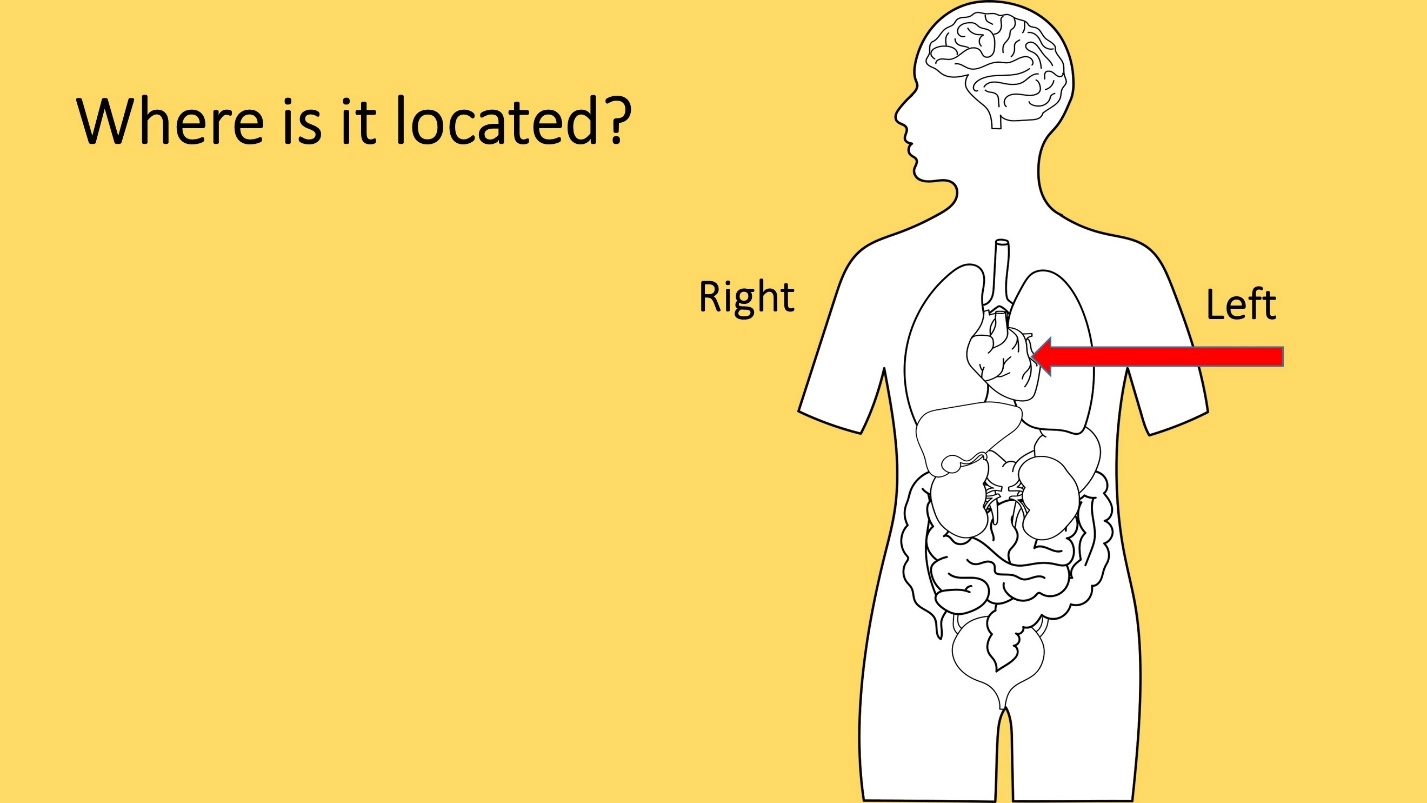
Human Blood circulatory system - location
Where is it located? It is in the front of our chest, slightly behind and to the left of the sternum (breastbone)
Here is the External and Internal Appearance
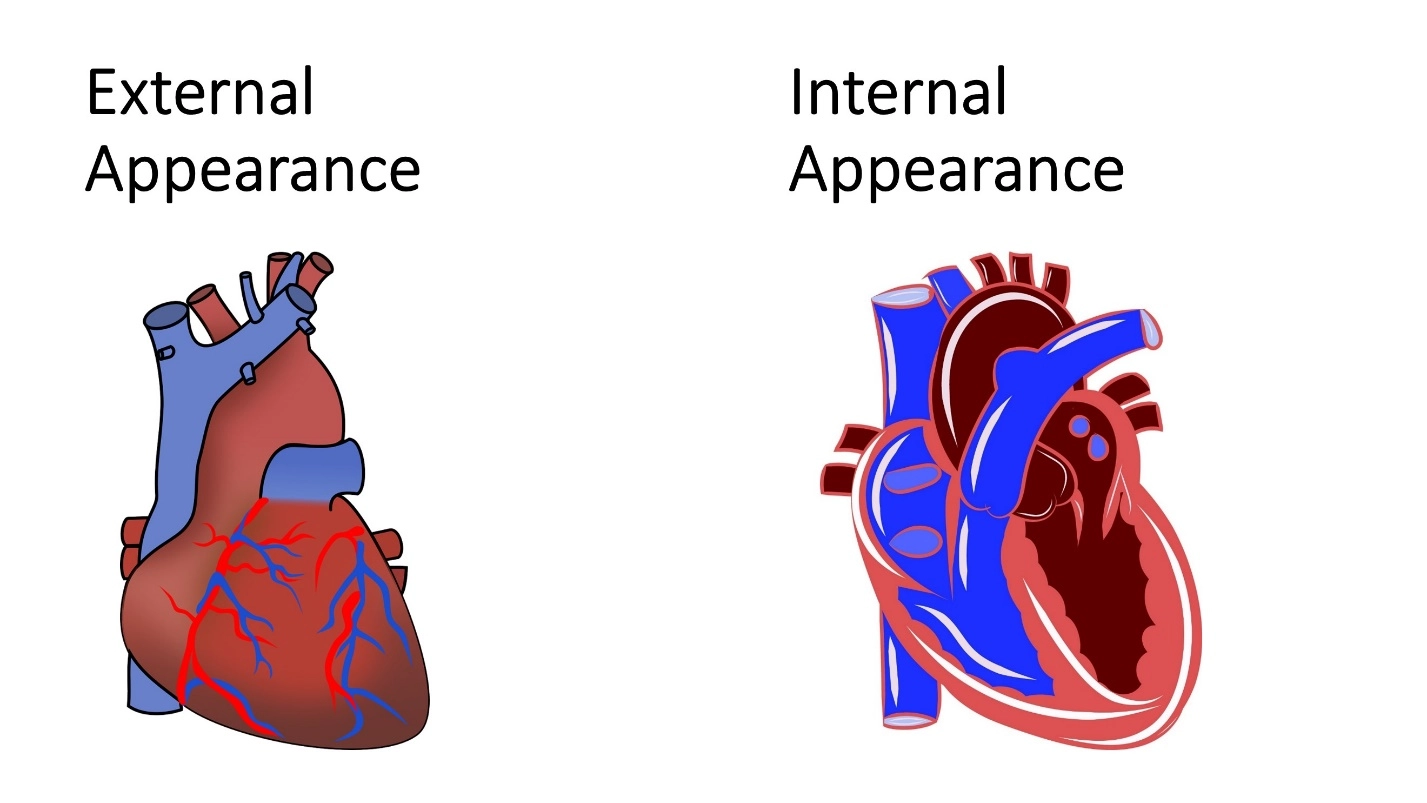
Which vessels supply blood to the heart muscles?
It is by the Coronary Arteries
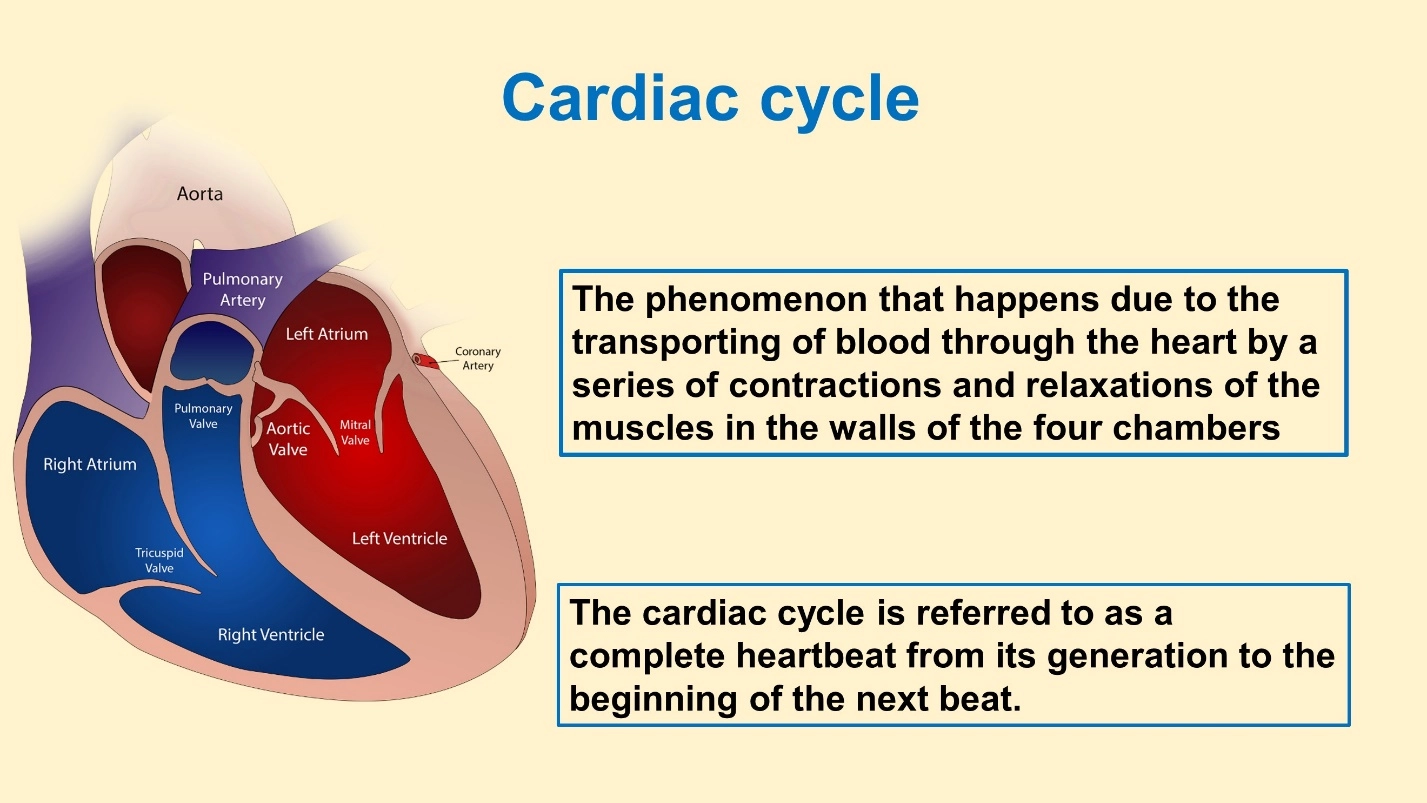
The heart is a muscular organ in animals, that pumps blood.
In humans, the heart is divided into four chambers
Structure of the Human Heart
Identify the parts of the human heart
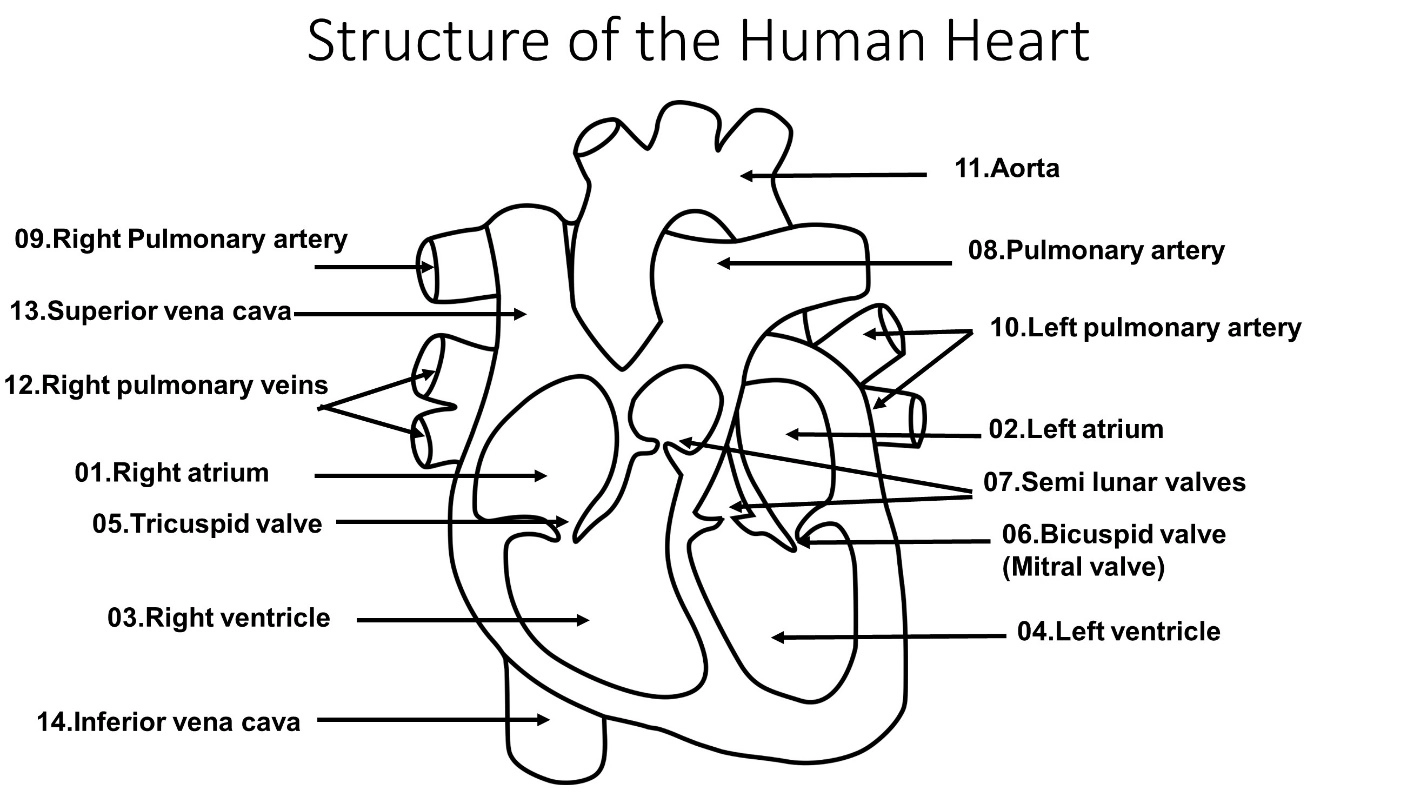
01. Right atrium
02. Left atrium
03. Right ventricle
04. Left ventricle
05. Tricuspid valve
06.Bicuspid valve (Mitral valve)
07. Semi lunar valves
08. Pulmonary artery
09. Right Pulmonary artery
10. Left pulmonary artery
11. Aorta
12. Right pulmonary veins
13. Superior vena cava
14. Inferior vena cava
Atrium (plural is atria)
The upper chambers are called atria
It consists of a Right atrium and a Left atrium
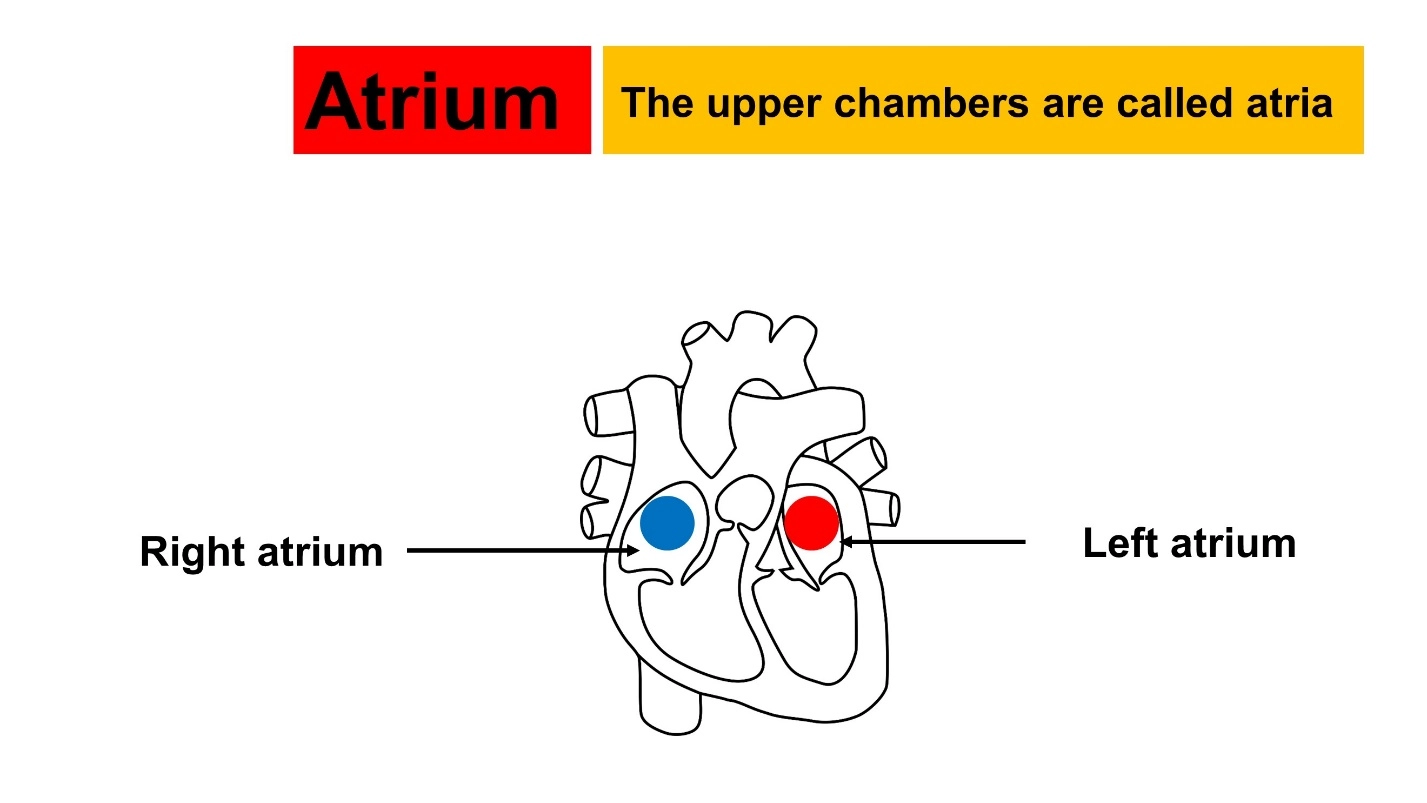
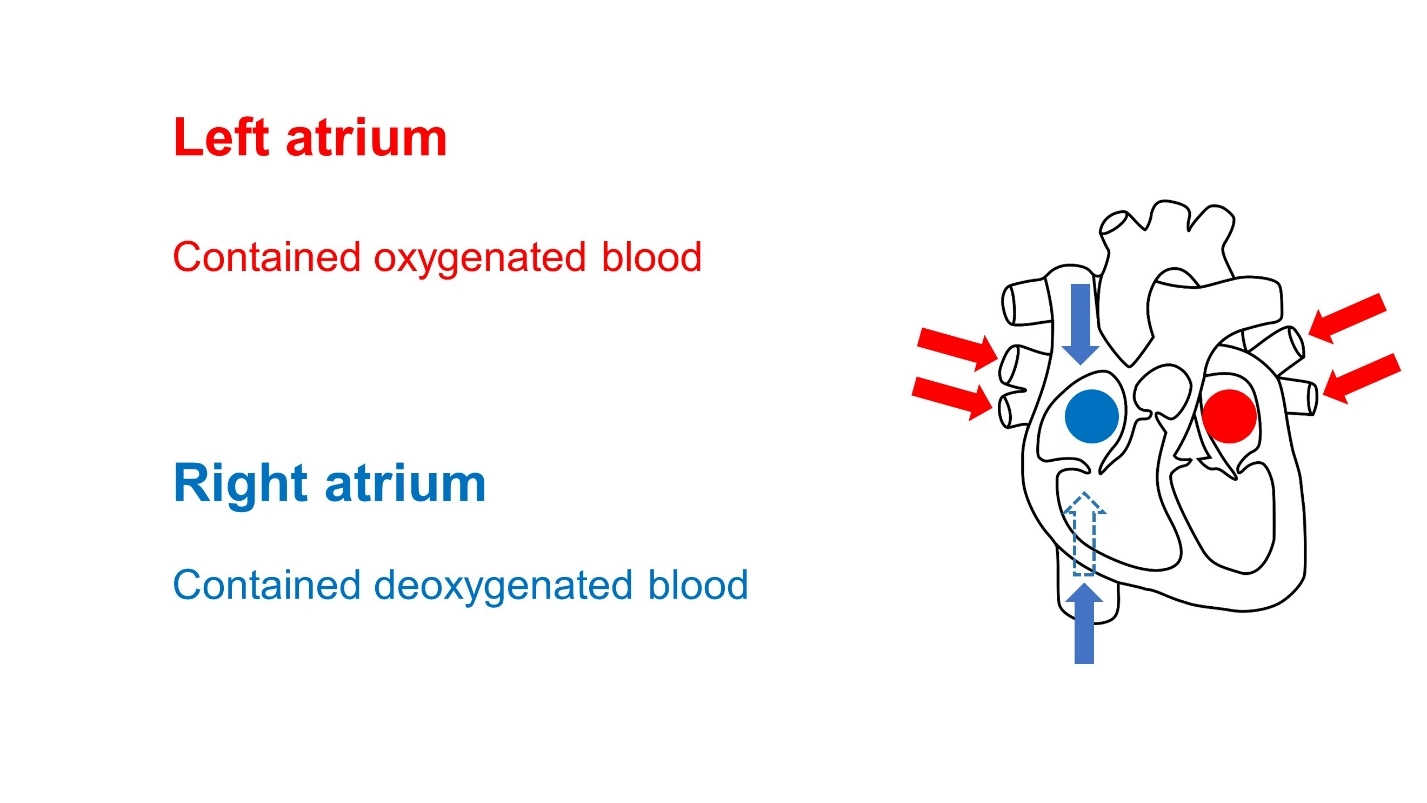
The left atrium contains oxygenated blood
The right atrium contains deoxygenated blood
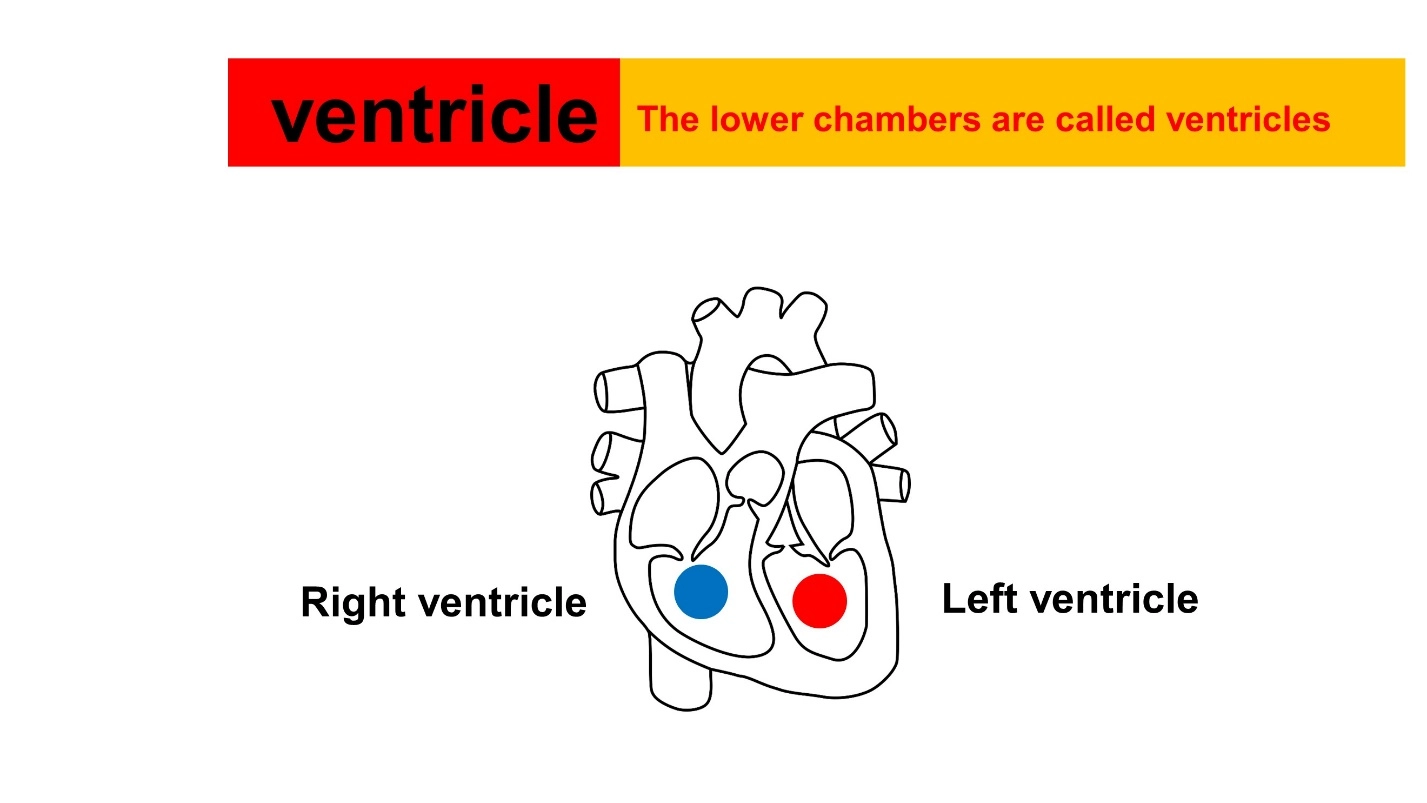
Ventricles
The lower chambers are called ventricles
Ventricles are in right and left sides.
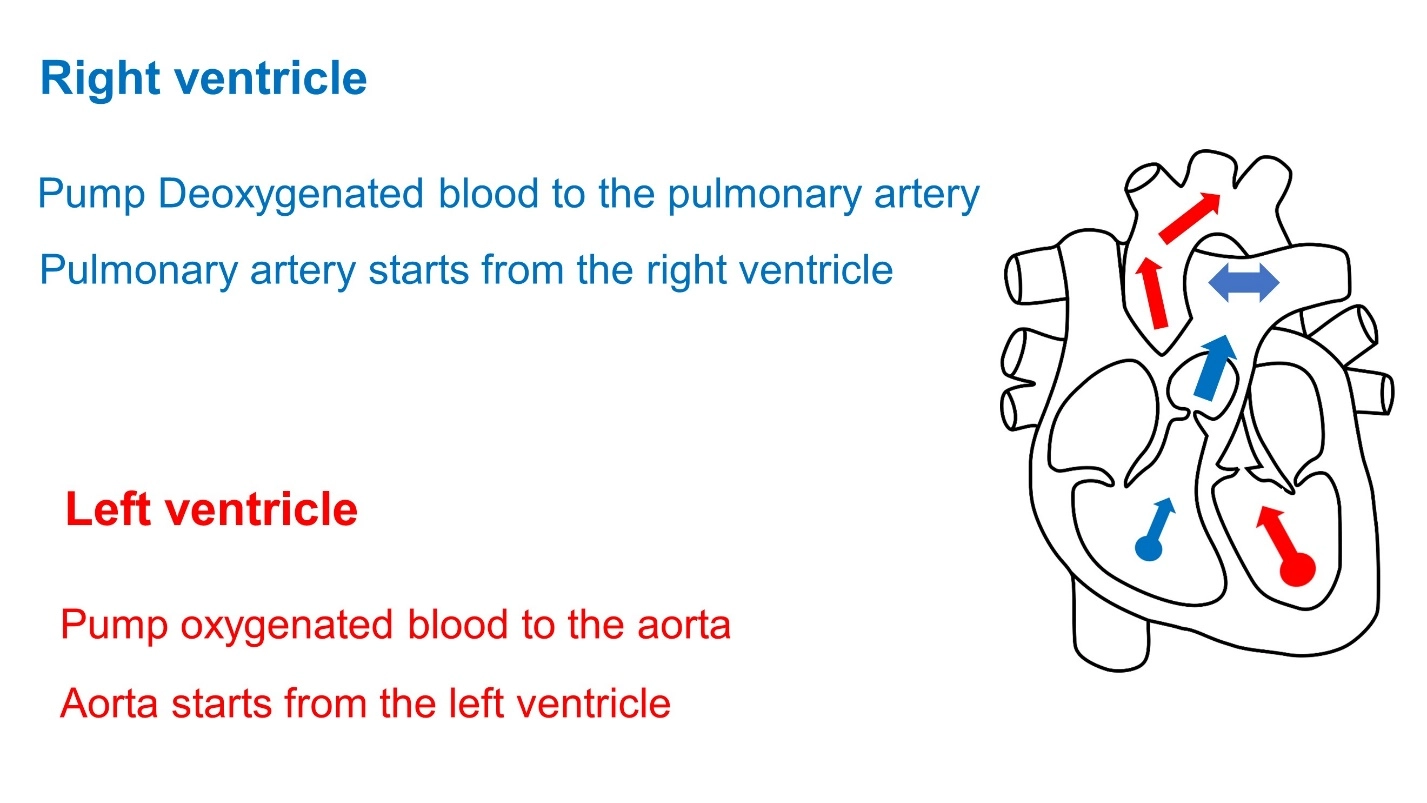
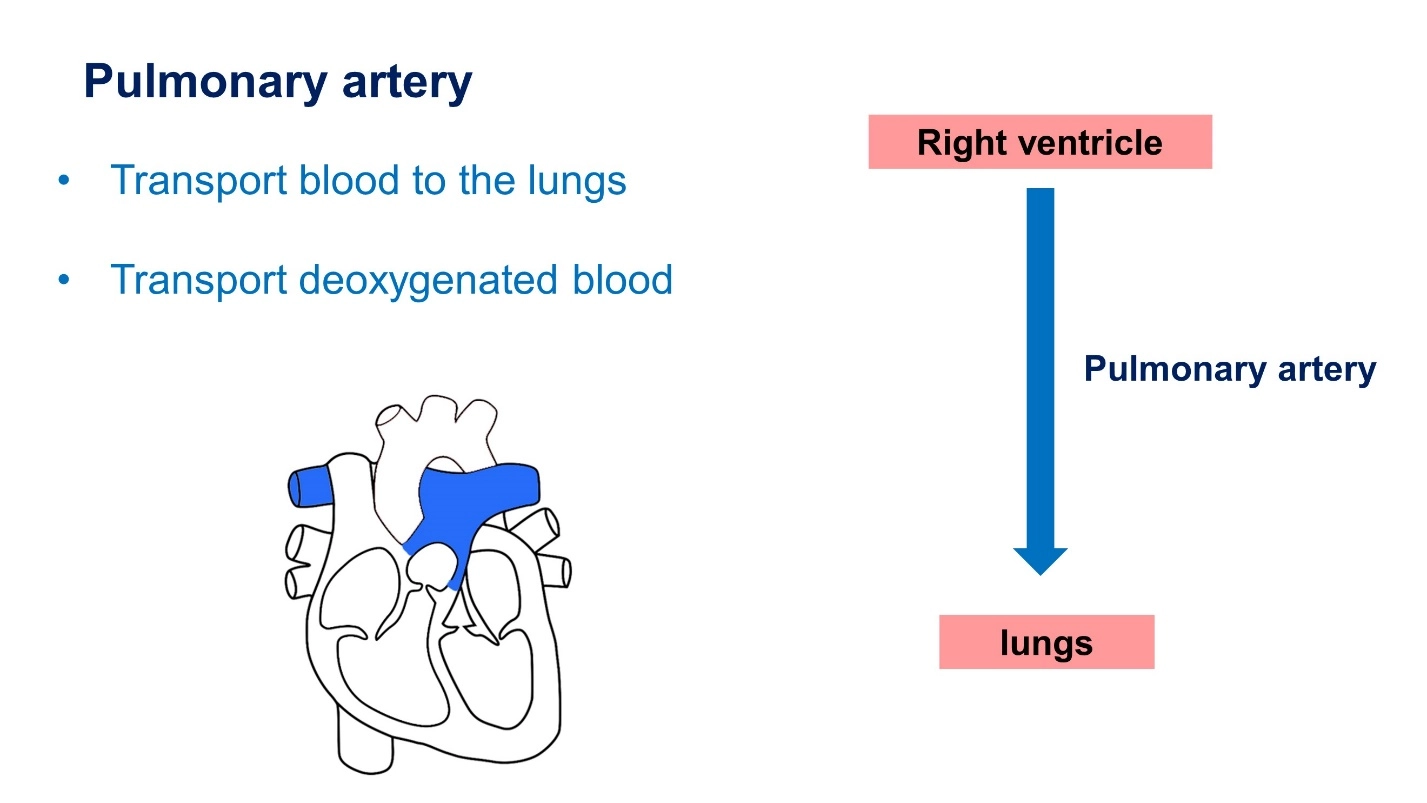
The right ventricle contracts to pump deoxygenated blood into the pulmonary artery.
The pulmonary artery starts from the right ventricle.
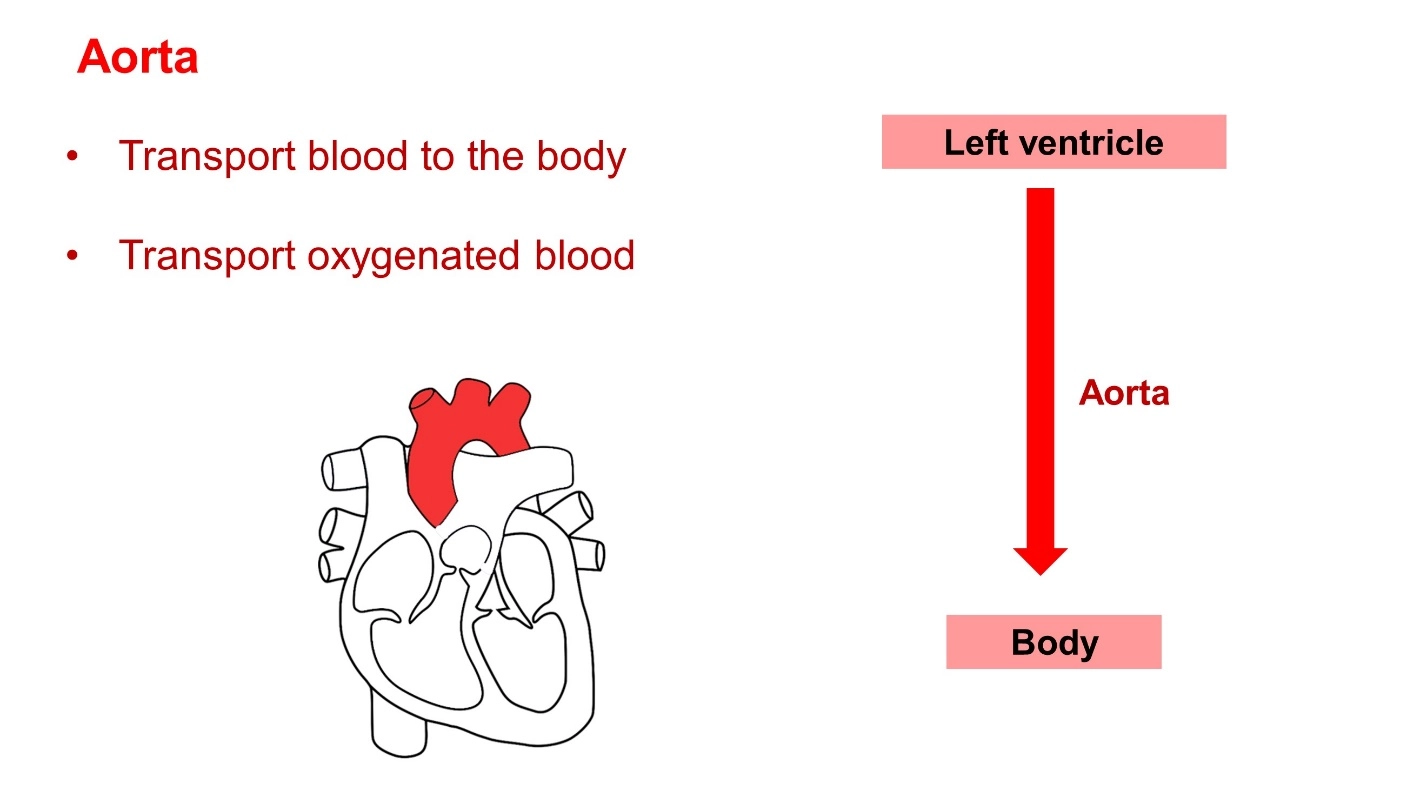
The left ventricle pumps, oxygenated blood into the aorta.
Aorta starts from the left ventricle.
Valves
Letter M shows the Bicuspid valve.
Letter T shows the Tricuspid valve.
Letter S shows Semi lunar valves.
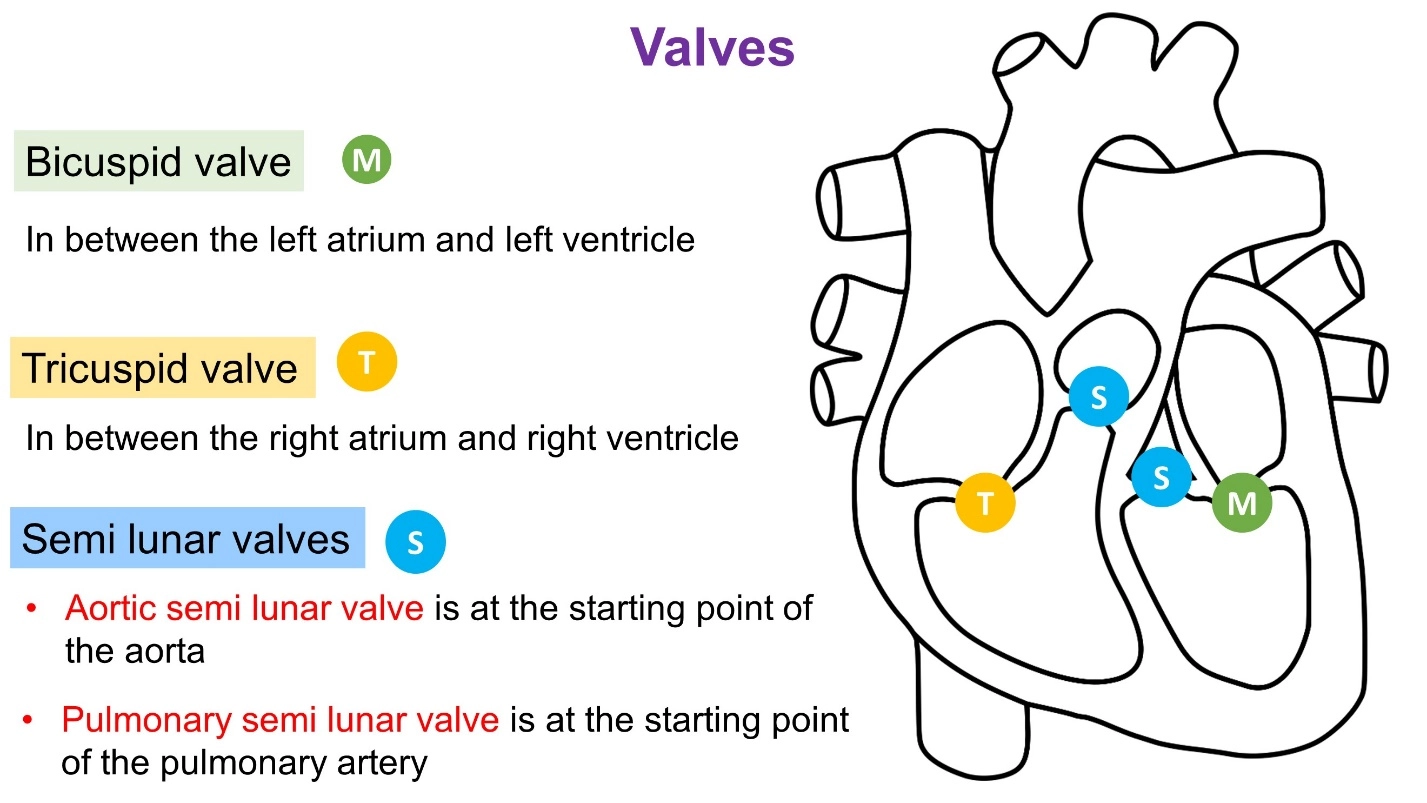
The bicuspid valve is found between the left atrium and left ventricle.
The tricuspid valve is found between the right atrium and right ventricle.
There are two types of Semi-lunar valves.
- The aortic semilunar valve is at the starting point of the aorta.
- The pulmonary semilunar valve is at the starting point of the pulmonary artery.
Blood Vessels are
- Arteries
- Veins
- Blood capillaries
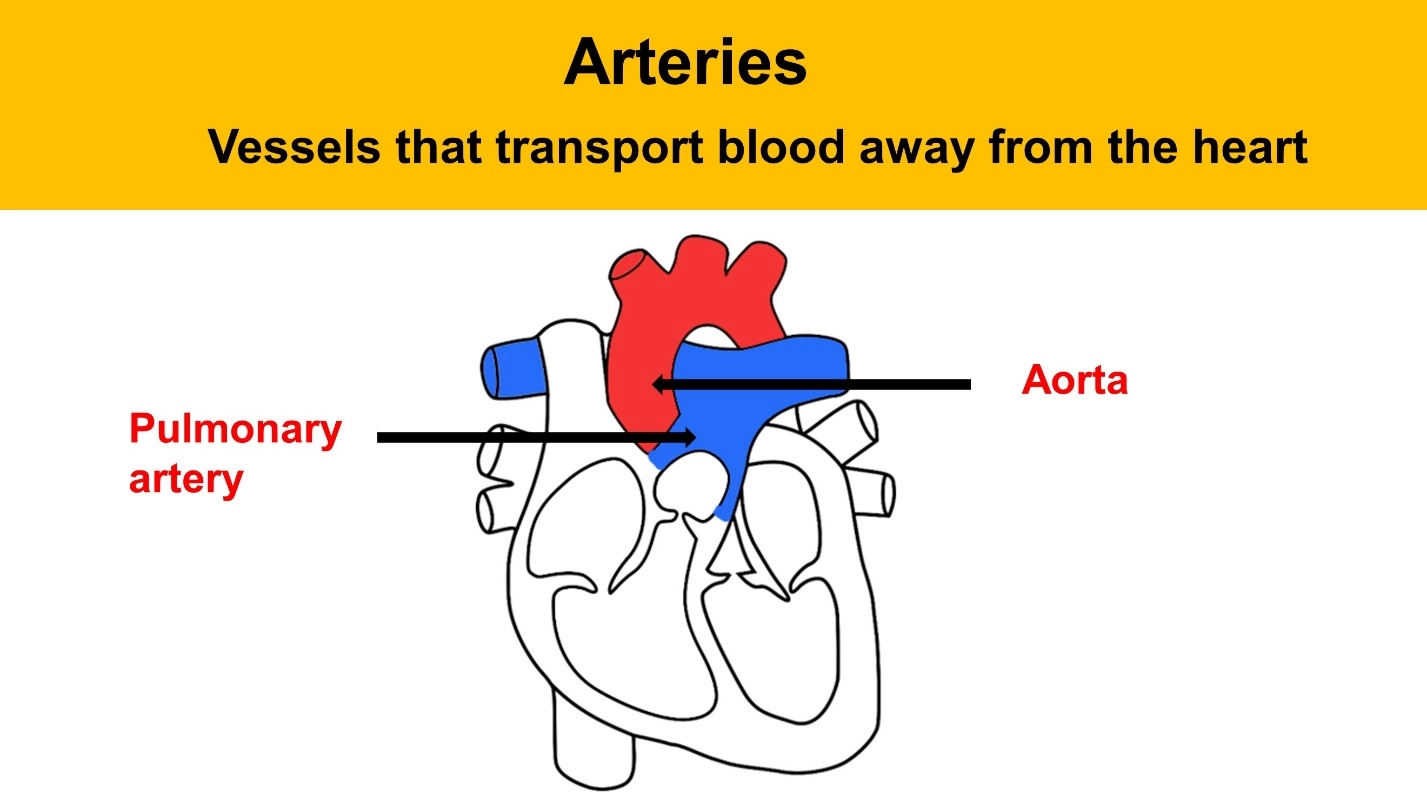
Arteries
Vessels that transport blood away from the heart
The main arteries are Aorta and Pulmonary artery
Aorta
- Transport blood to the body
- Transport oxygenated blood
Pulmonary artery
- Transport blood to the lungs
- Transport deoxygenated blood
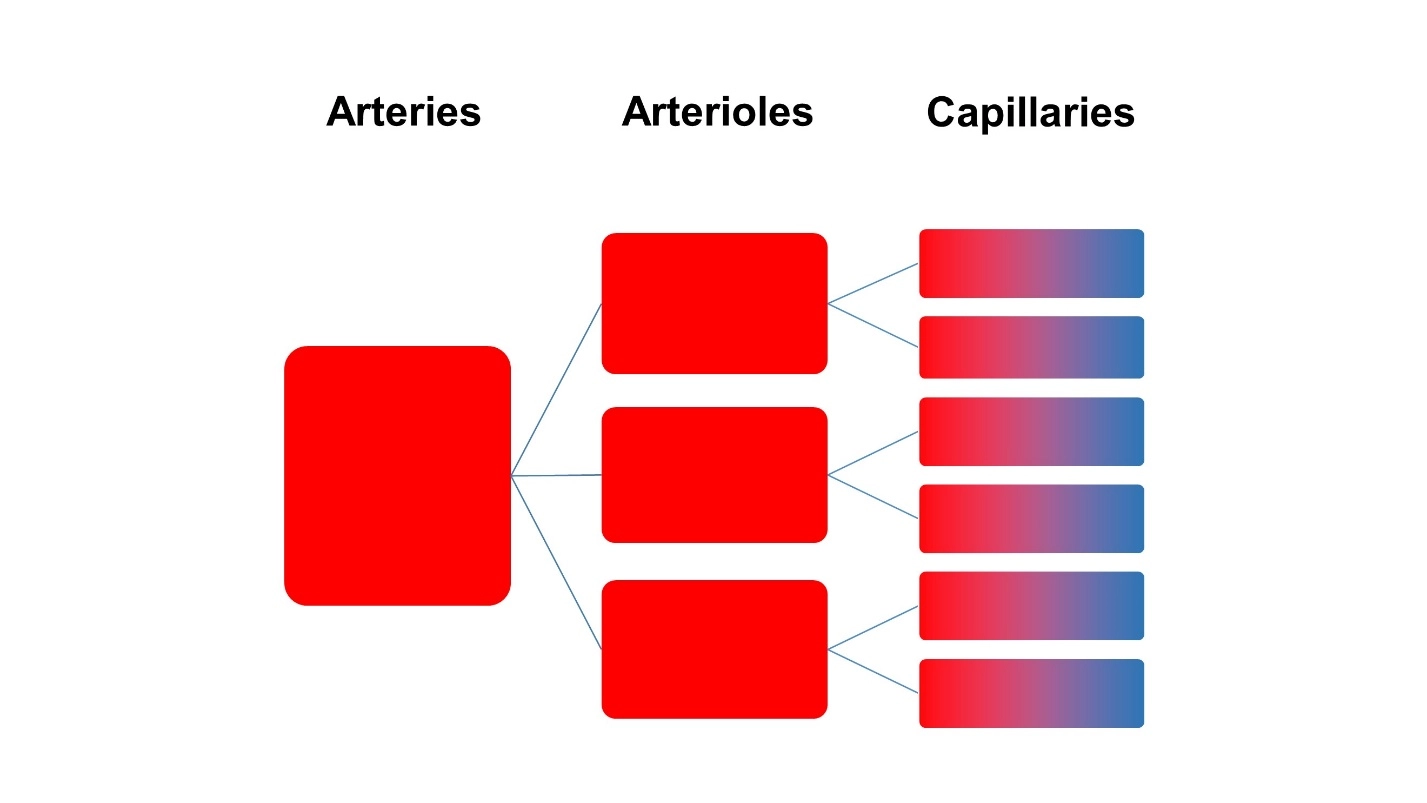
Within an organ, an artery further divides into arterioles and then into capillaries
Features of Arteries
- Transport blood away from the heart
- Artery walls are thick and elastic
- Blood pressure is high inside the arteries
Veins
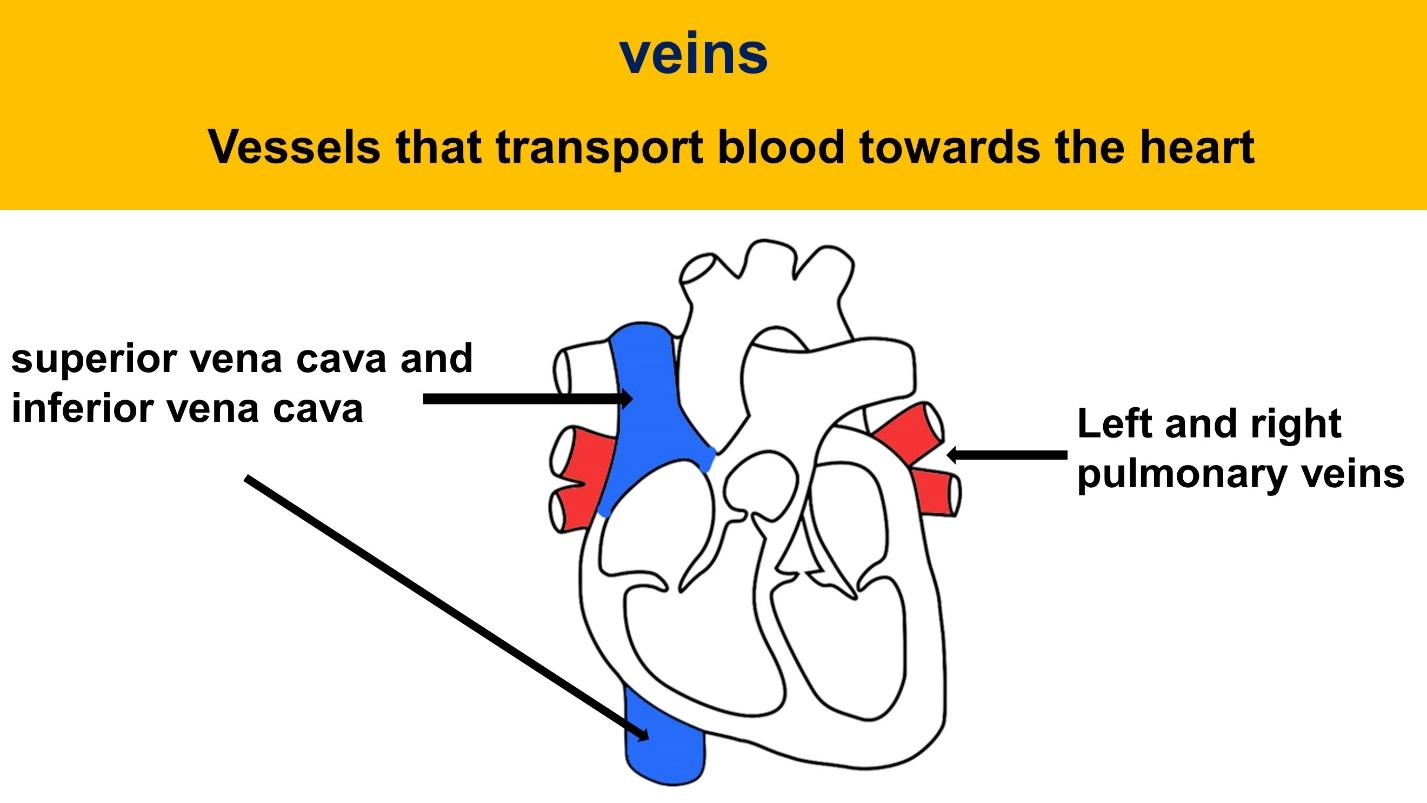
The main veins are superior vena cava, inferior vena cava, and Left and right pulmonary veins
Inferior and Superior Vena cava
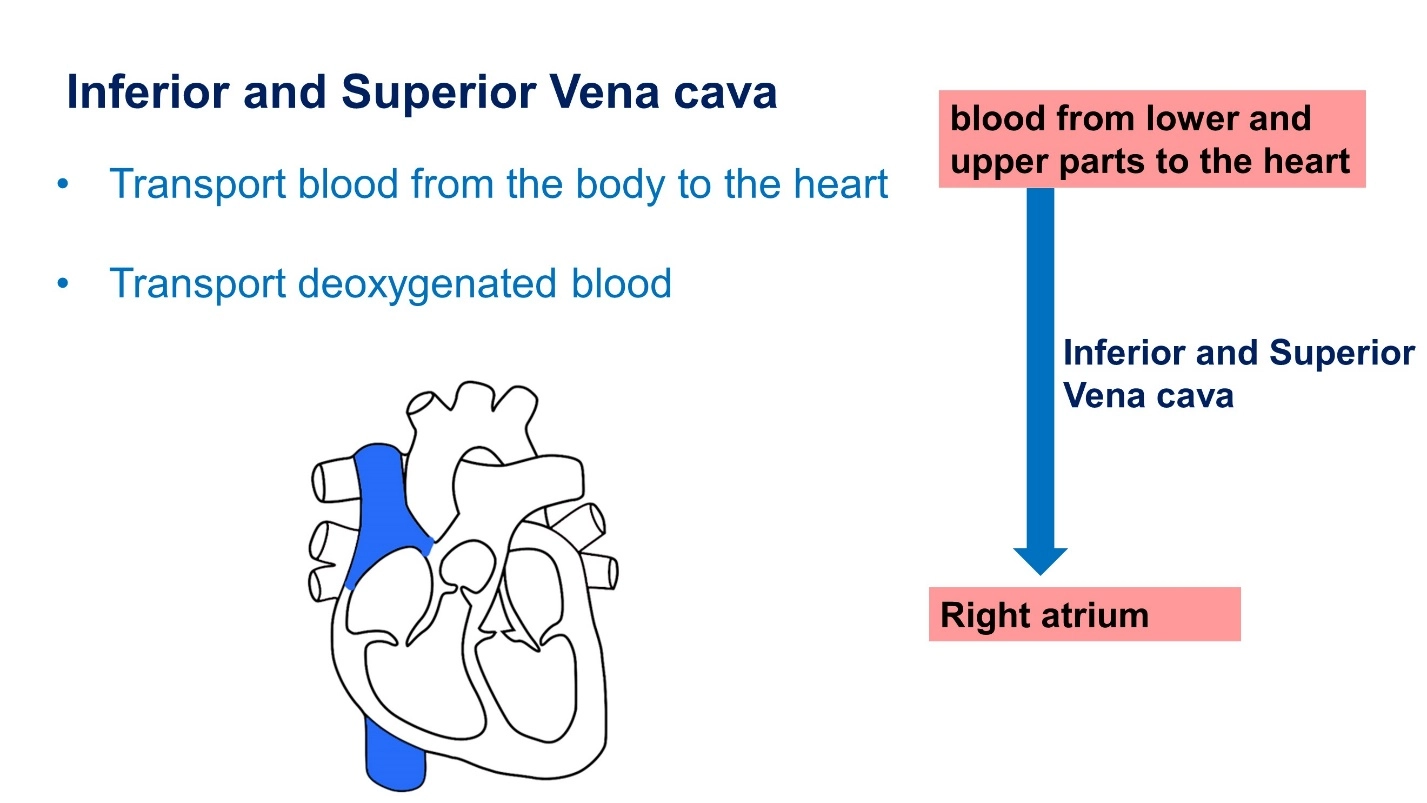
- Transport blood from the body to the heart
- Transport deoxygenated blood
Left and right pulmonary veins
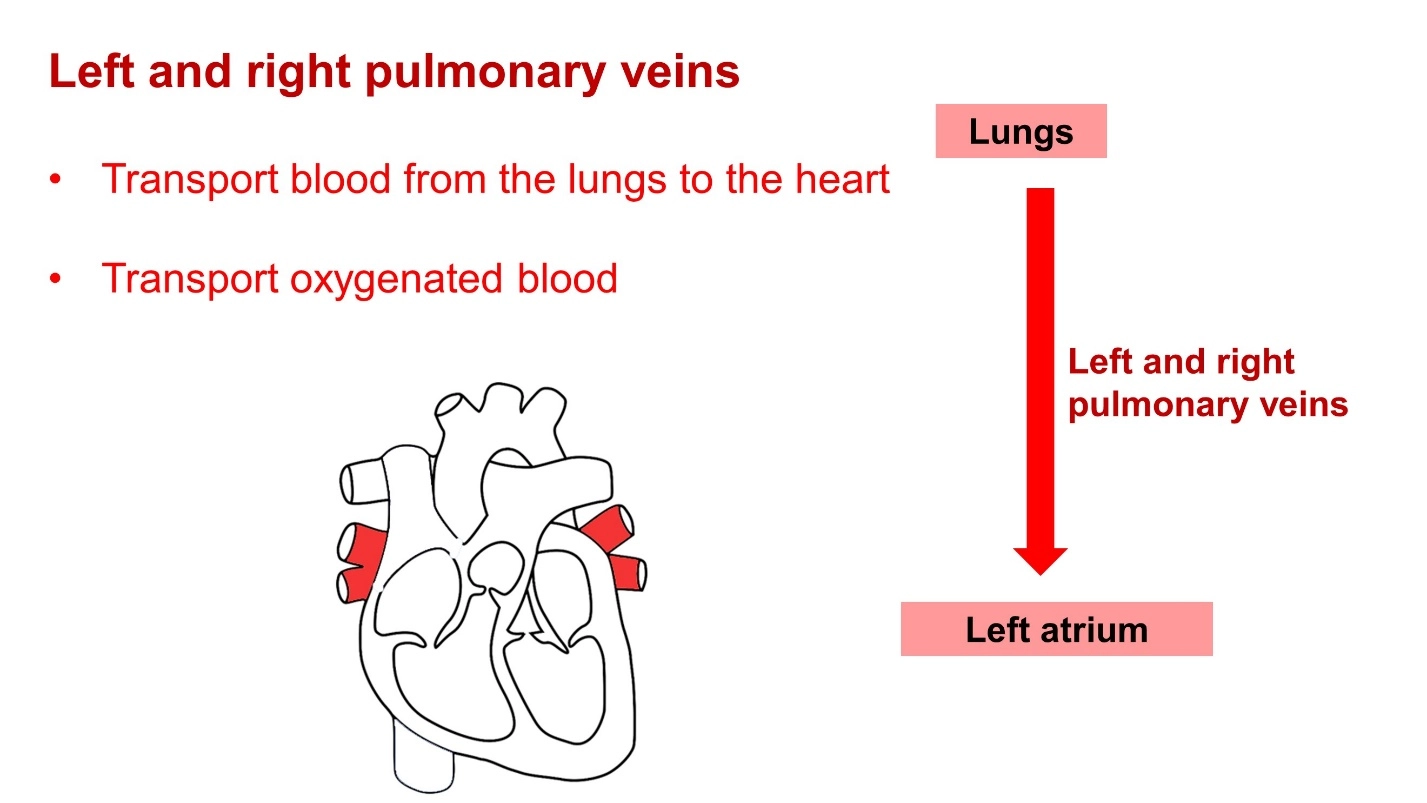
- Transport blood from the lungs to the heart
- Transport oxygenated blood
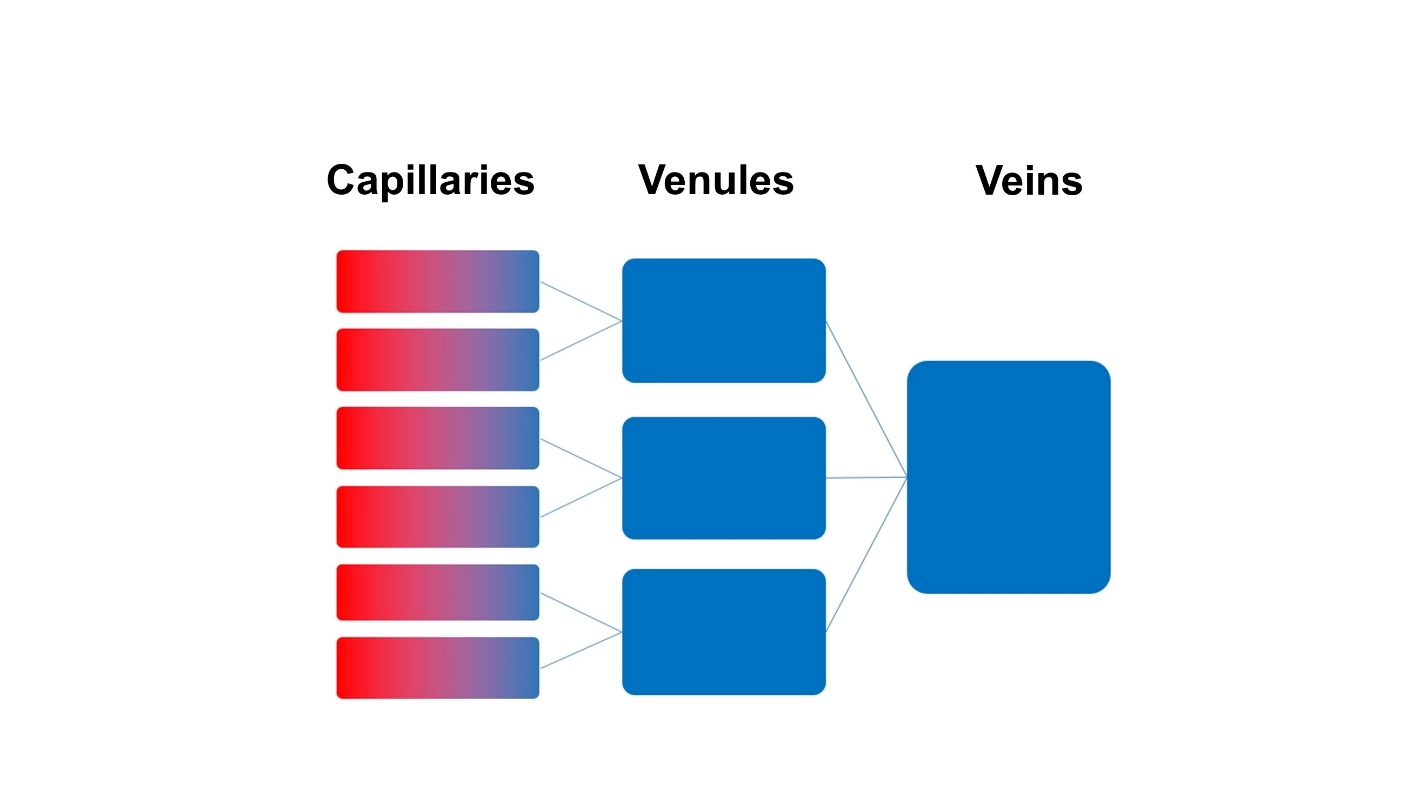
The capillaries join together to form venules. Then, venules join together to form
veins
Feature of Veins
Transport blood to the heart.
The walls are thin and less elastic.
Blood pressure is relatively low inside the veins.
There are valves in the veins that open toward the heart.
The difference between arteries and veins
A cross-section of vessels shows the thickness of the wall. The Wall of an artery is thicker than a vein.
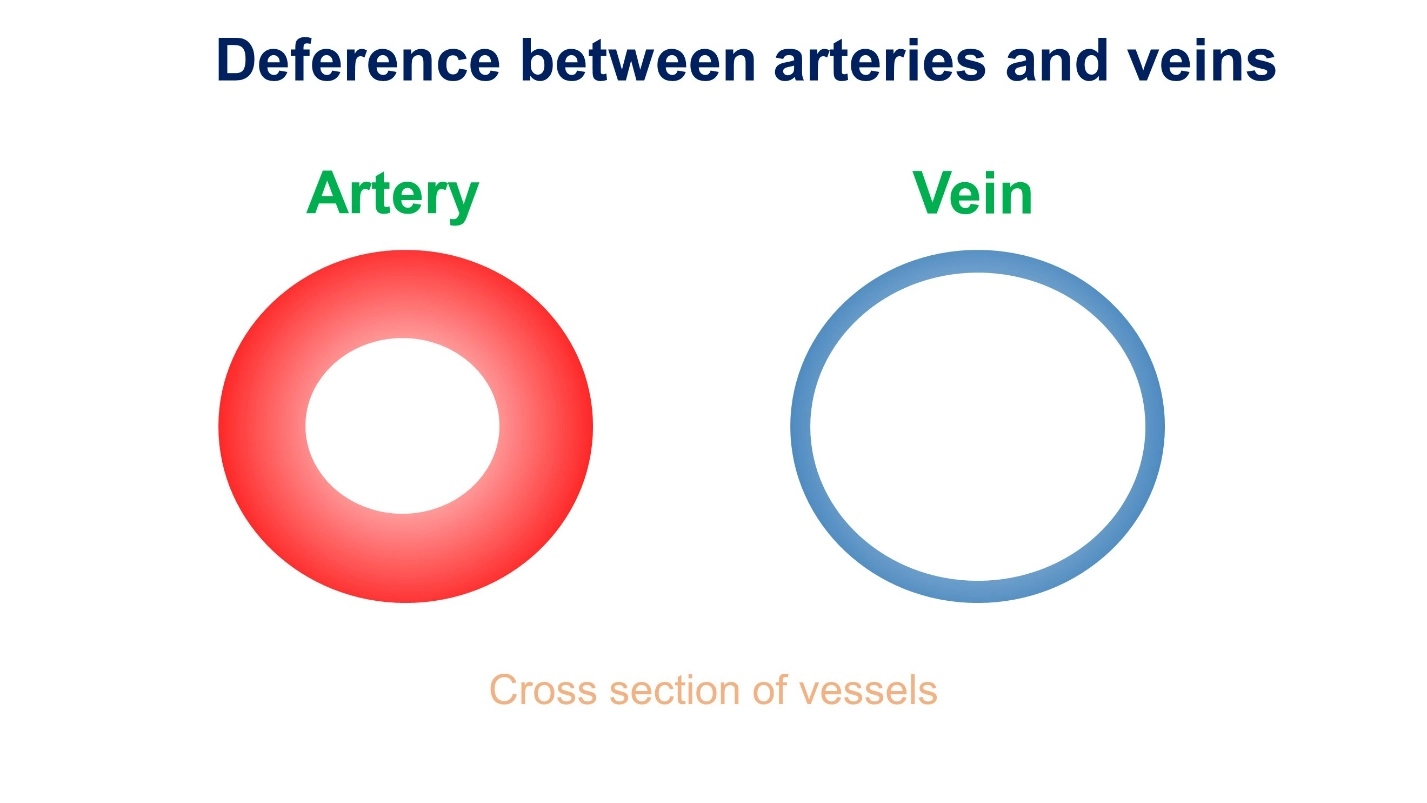
- Arteries transport blood away from the heart but veins transport blood to the heart
- Artery walls are thick and elastic but, walls of veins are thin and less elastic
- Blood pressure is higher inside the arteries whereas it is relatively low inside the veins
- There are valves inside veins that open toward the heart.
Blood capillaries
The capillaries join together to form venules and venules join together to form veins.
Within an organ, an artery may further divide into arterioles. Then it branch into capillaries
Features of capillaries
- They consist of a single cell layer
- Nutrients and gases in blood diffuse into the cells
- Waste matter in the cells diffuses into the blood capillaries
- Capillaries Spread among the cells
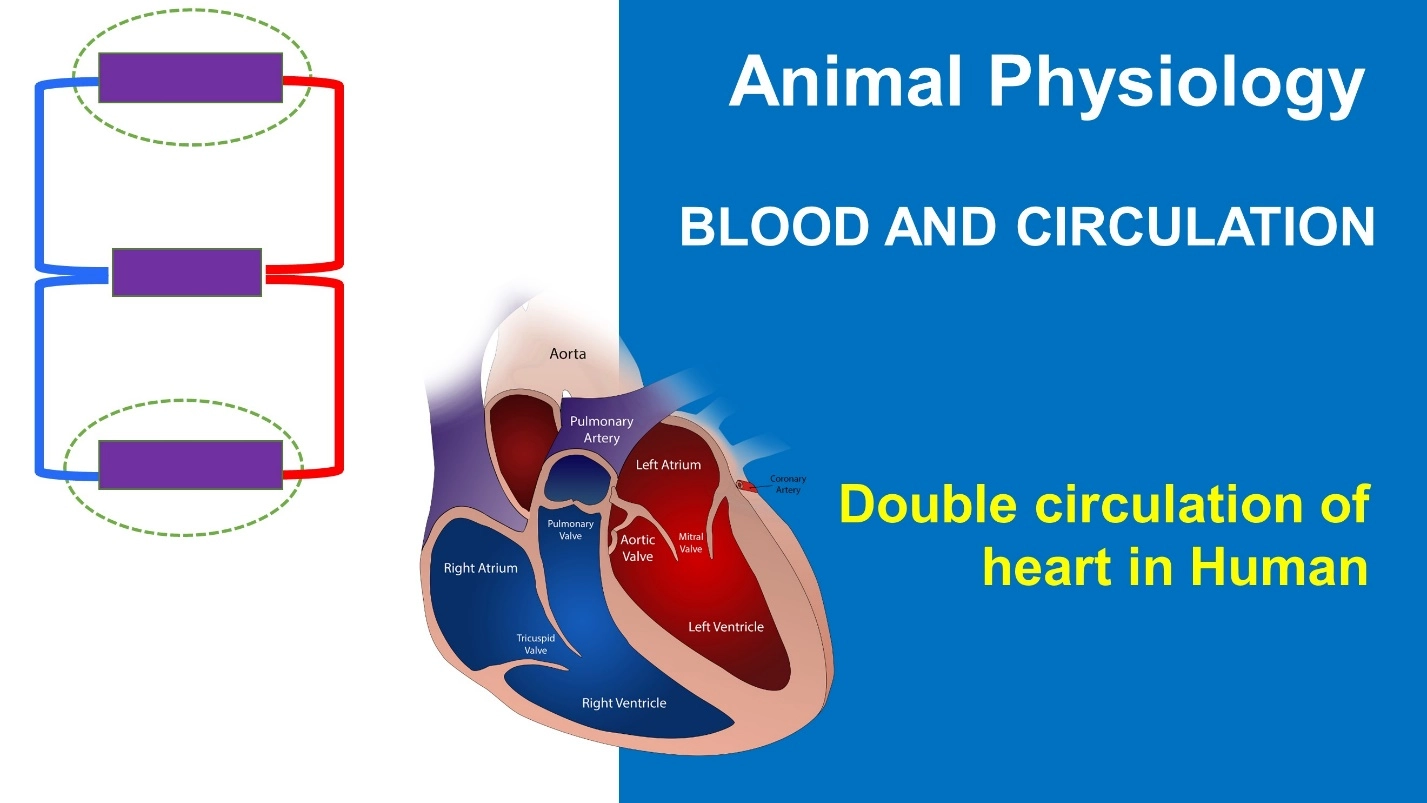
The blood circulation of human beings
This figure shows the circulation of deoxygenated blood through the body and the heart.
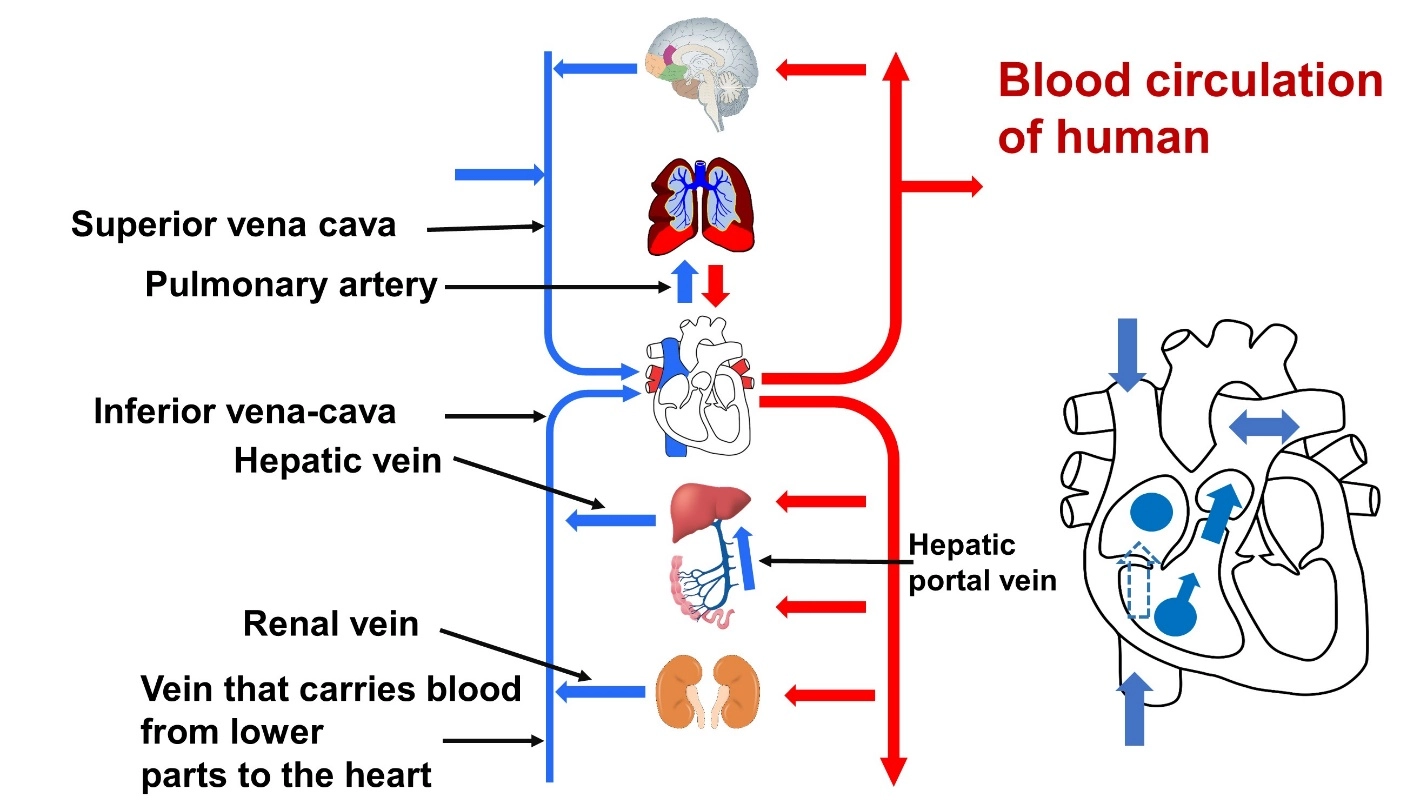
Superior vena cava and Inferior vena cava collect the deoxygenated blood from the upper and lower parts of the body to the heart, respectively.
The hepatic vein, the Hepatic portal vein, and the Renal vein carry blood from the lower parts of the heart. They are connected to the inferior vena cava
The pulmonary artery transports the deoxygenated blood to the lungs.
This figure is showing the circulation of oxygenated blood through the body and the heart.
Arteries carry blood to the head and hands and also to the lower parts of the body and legs.
Pulmonary veins carry oxygenated blood to the heart.
The main artery is divided to distribute Oxygenated blood to other organs.
The hepatic artery, the artery that supplies blood to the intestines, and the Renal artery are branches that carry blood to certain organs.