Introduction
Blood is a special complex connective tissue.
Blood is a homogeneous fluid, that contains plasma and a suspension of corpuscles.
Components of blood.
When blood is centrifuged in a centrifuge machine and thereafter kept aside, blood separates into two different layers.
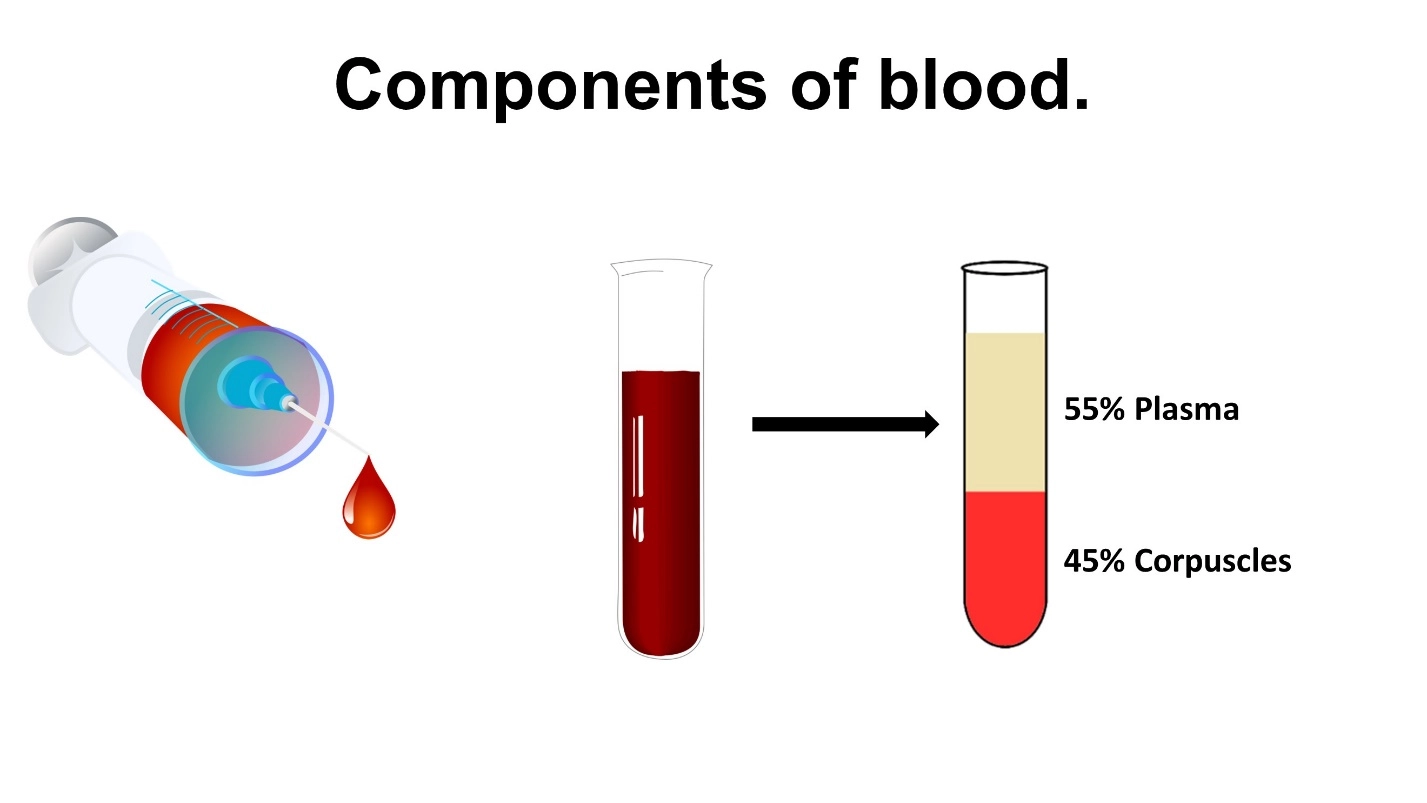
The dark red layer is composed of blood corpuscles, whereas the pale-yellow layer is composed of plasma.
55% of blood is plasma, and 45% of blood is corpuscle.
When a blood sample is examined under a microscope, it will include a variety of blood cells.
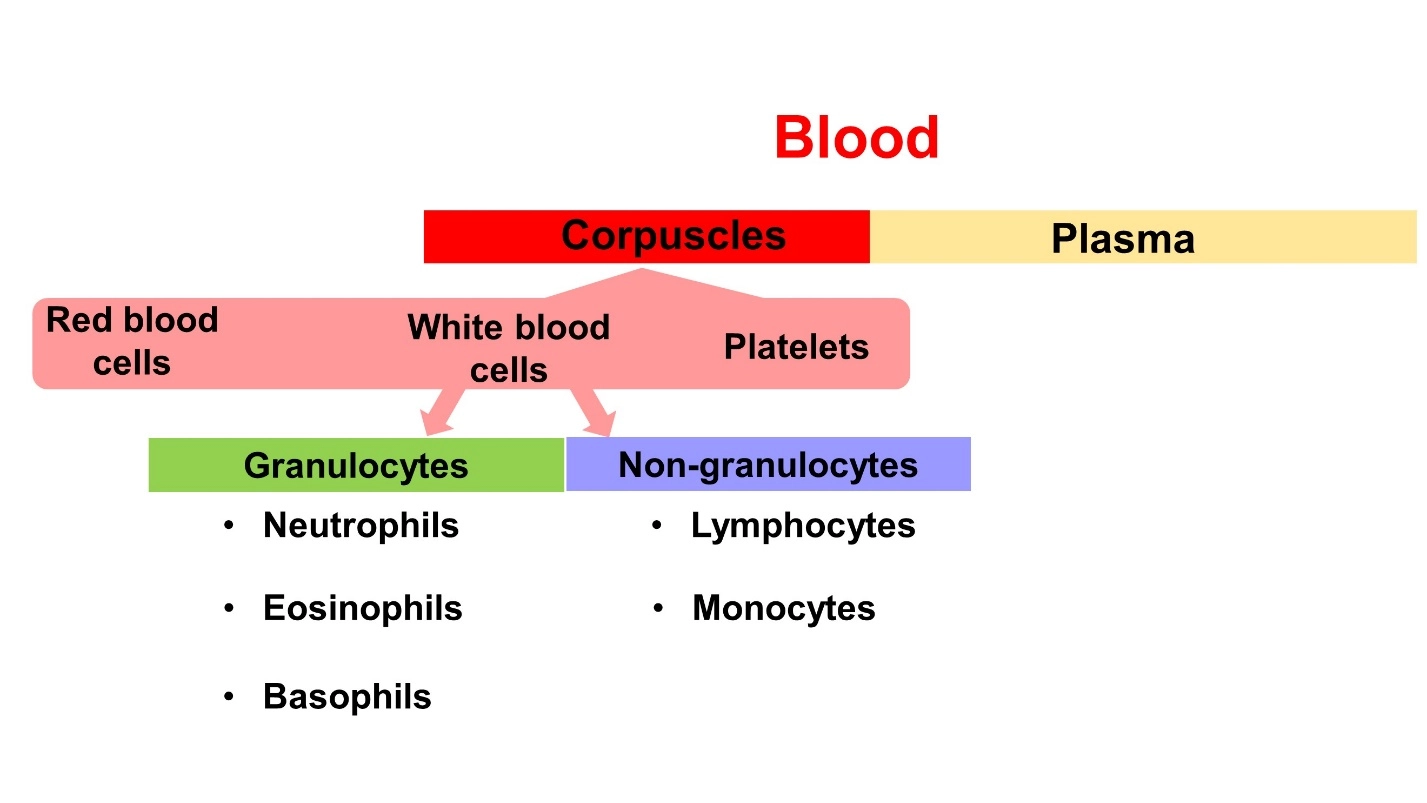
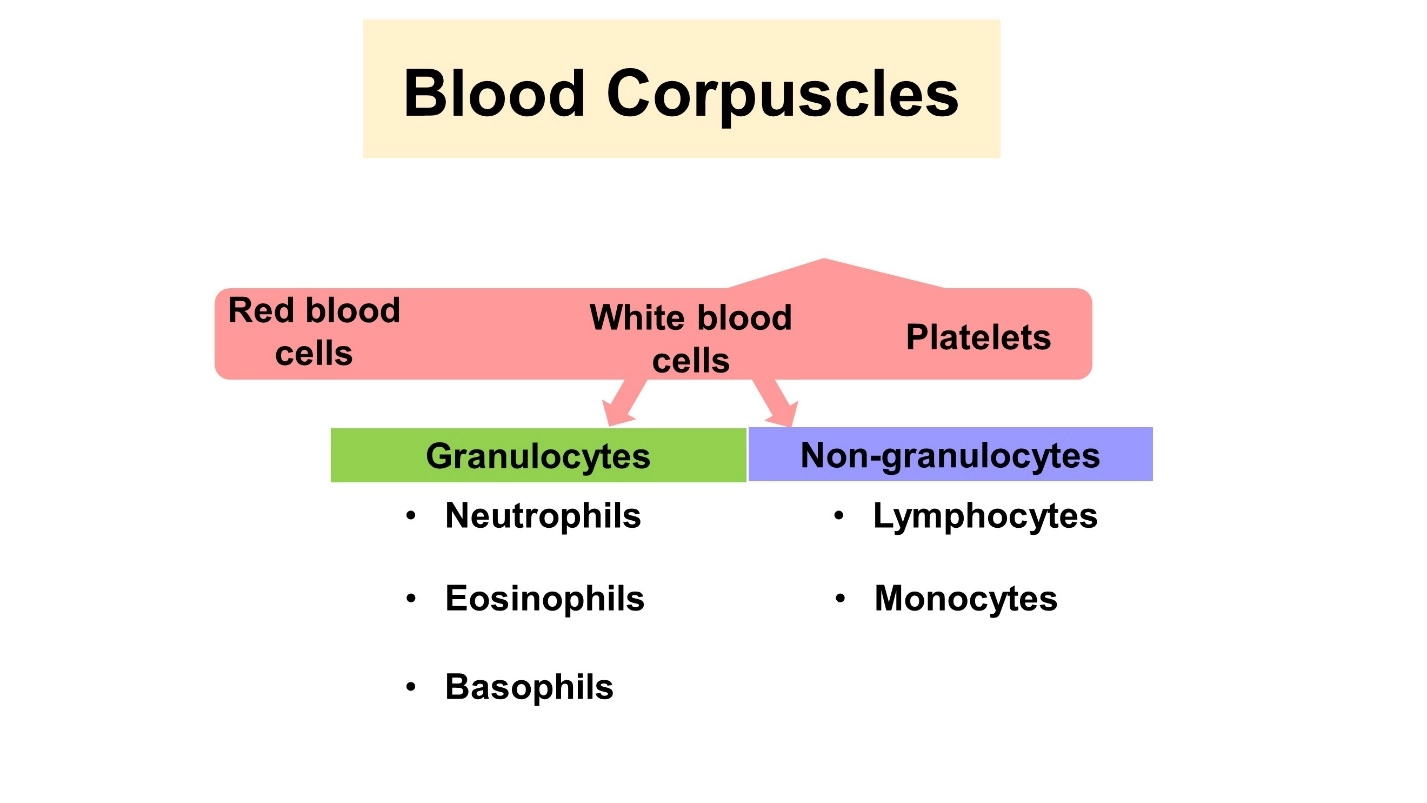
Therefore, corpuscles can be divided into three parts. They are,
Red blood cells, white blood cells, platelets.
Blood Cells
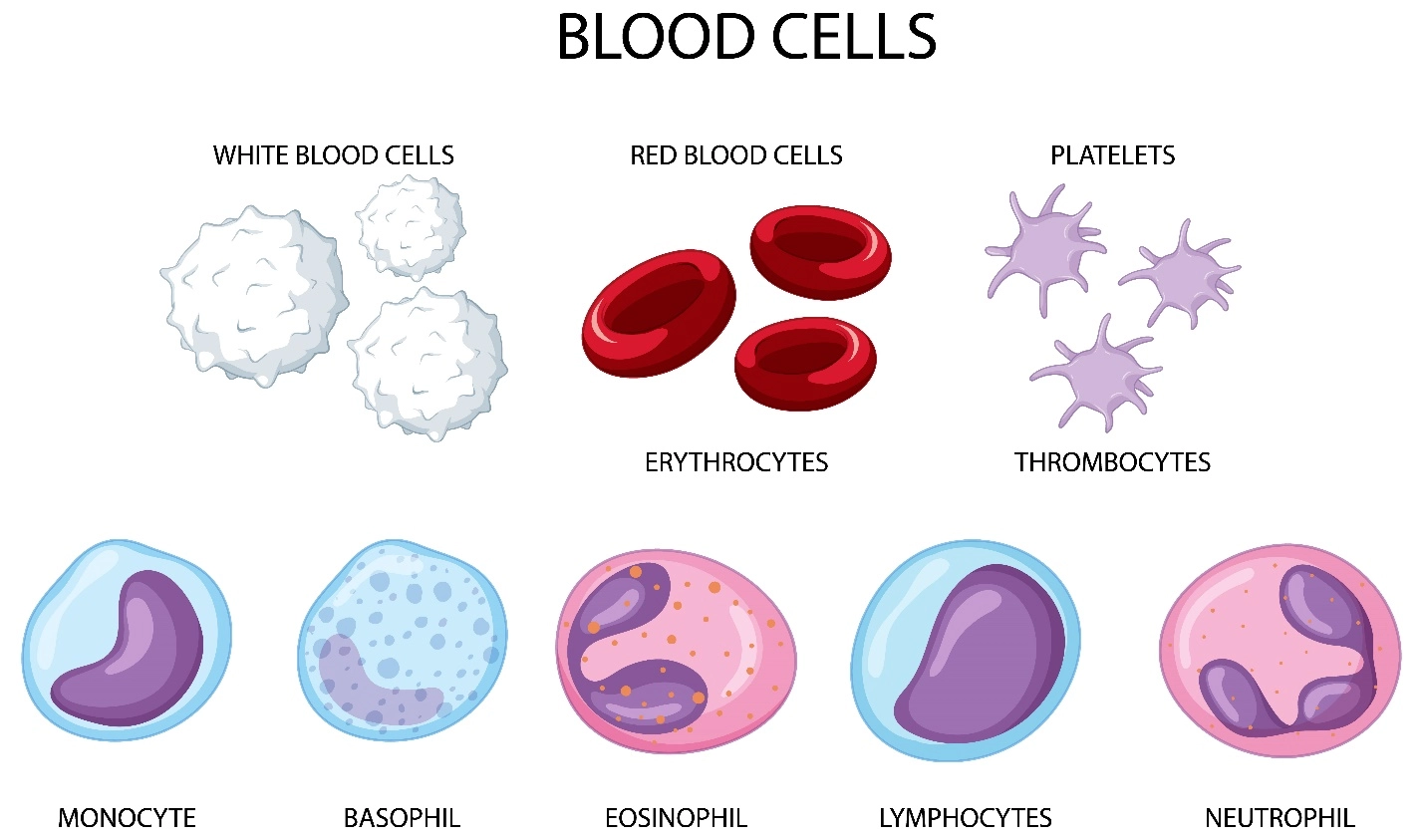
White blood cells are in two forms based on the presence or absence of granules. They are,
Granulocytes and non-granulocytes.
If they have granules, they are considered granulocytes. The types of granulocytes are three. They are Neutrophils, Eosinophils, and Basophils.
White blood cells without granules are called non-granulocytes. They are Lymphocytes and Monocytes.
Blood
Blood plasma
92% of blood plasma is water.
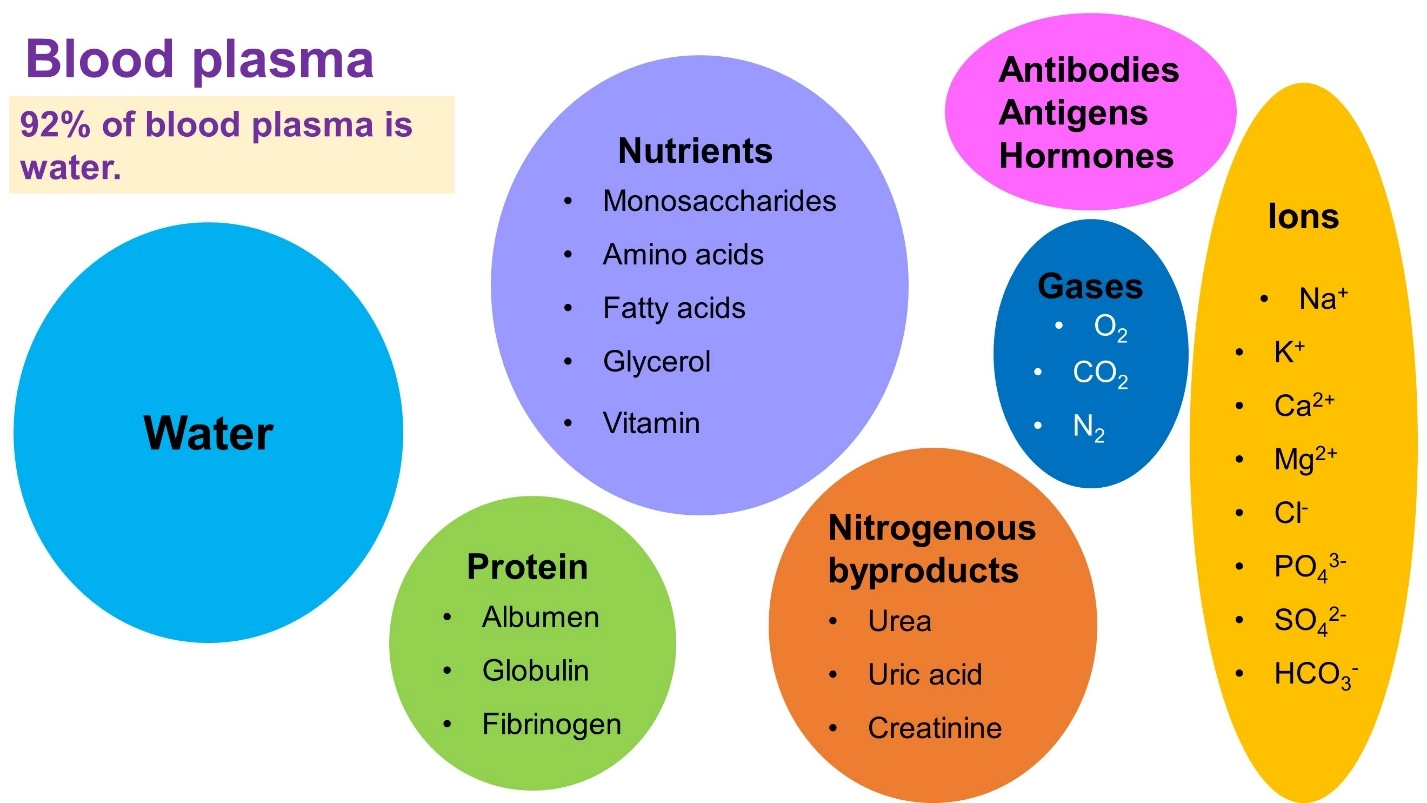
Protein is the second most abundant component in plasma and water is the most common component in plasma.
Nutrients, gases, Nitrogenous byproducts, Ions, Antibodies, Antigens, and Hormones are present in blood plasma.
Blood cells
This is the blood corpuscle categorization that was previously described.
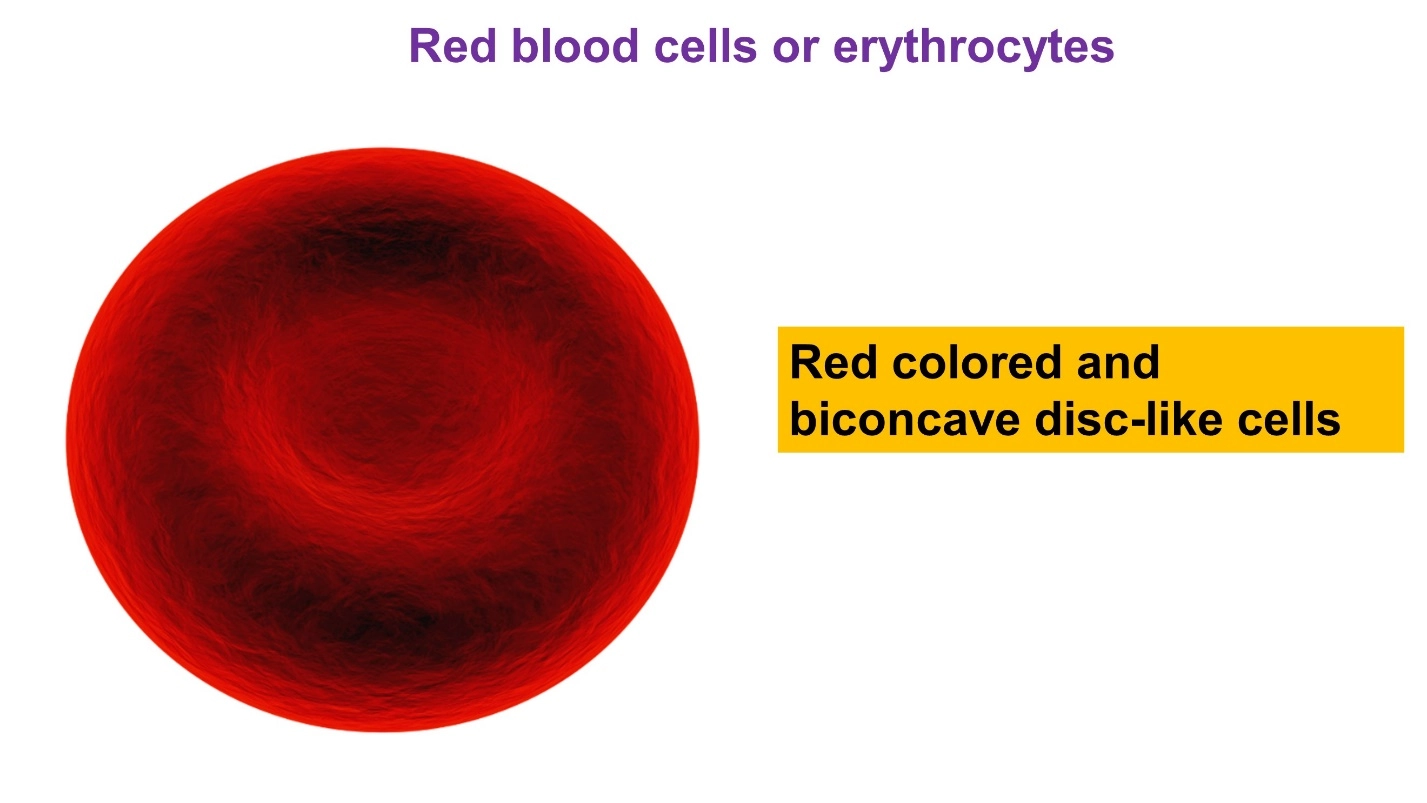
Red blood cells or erythrocytes.
They are red-colored and biconcave disc-like cells.
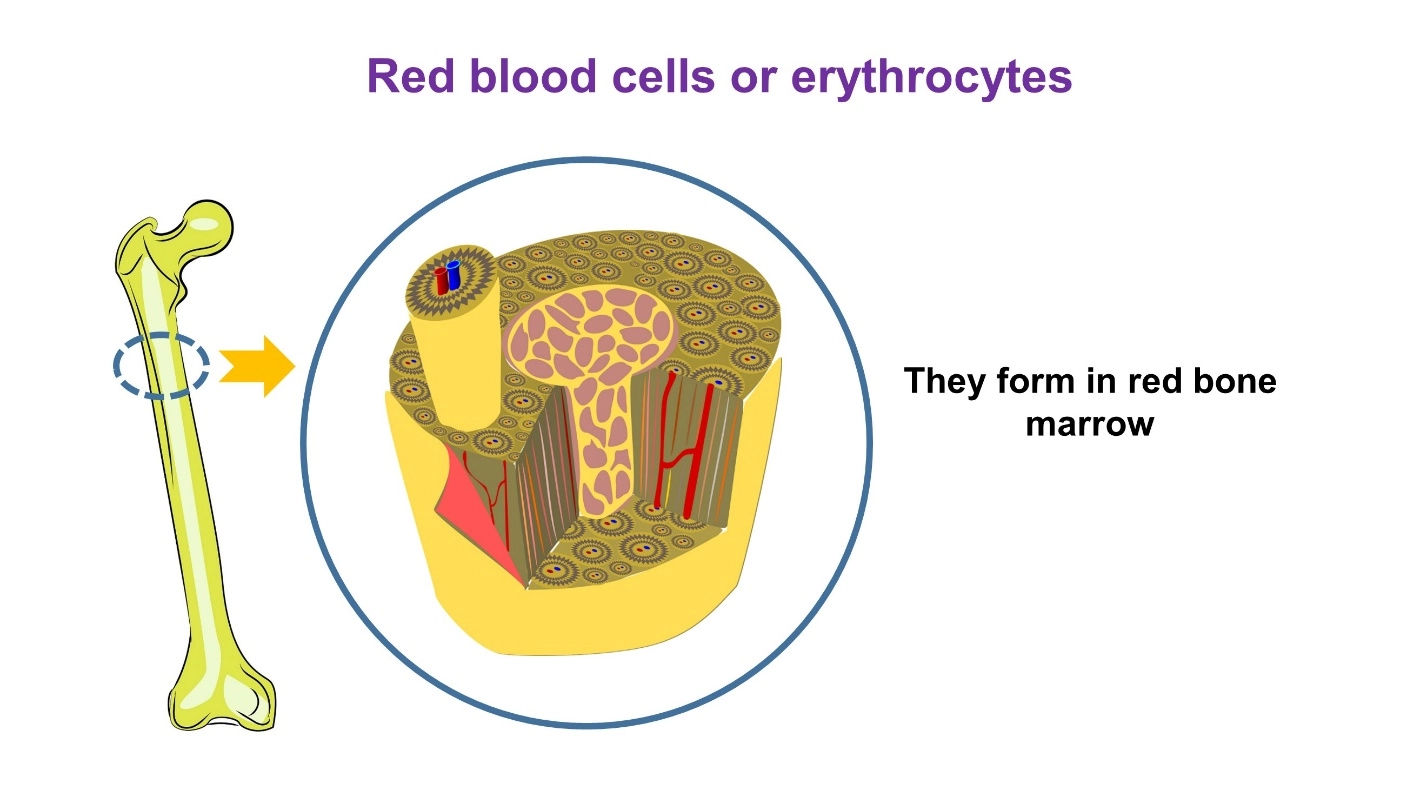
They form in the red bone marrow.
One cubic millimeter of human blood contains about five million red blood cells.
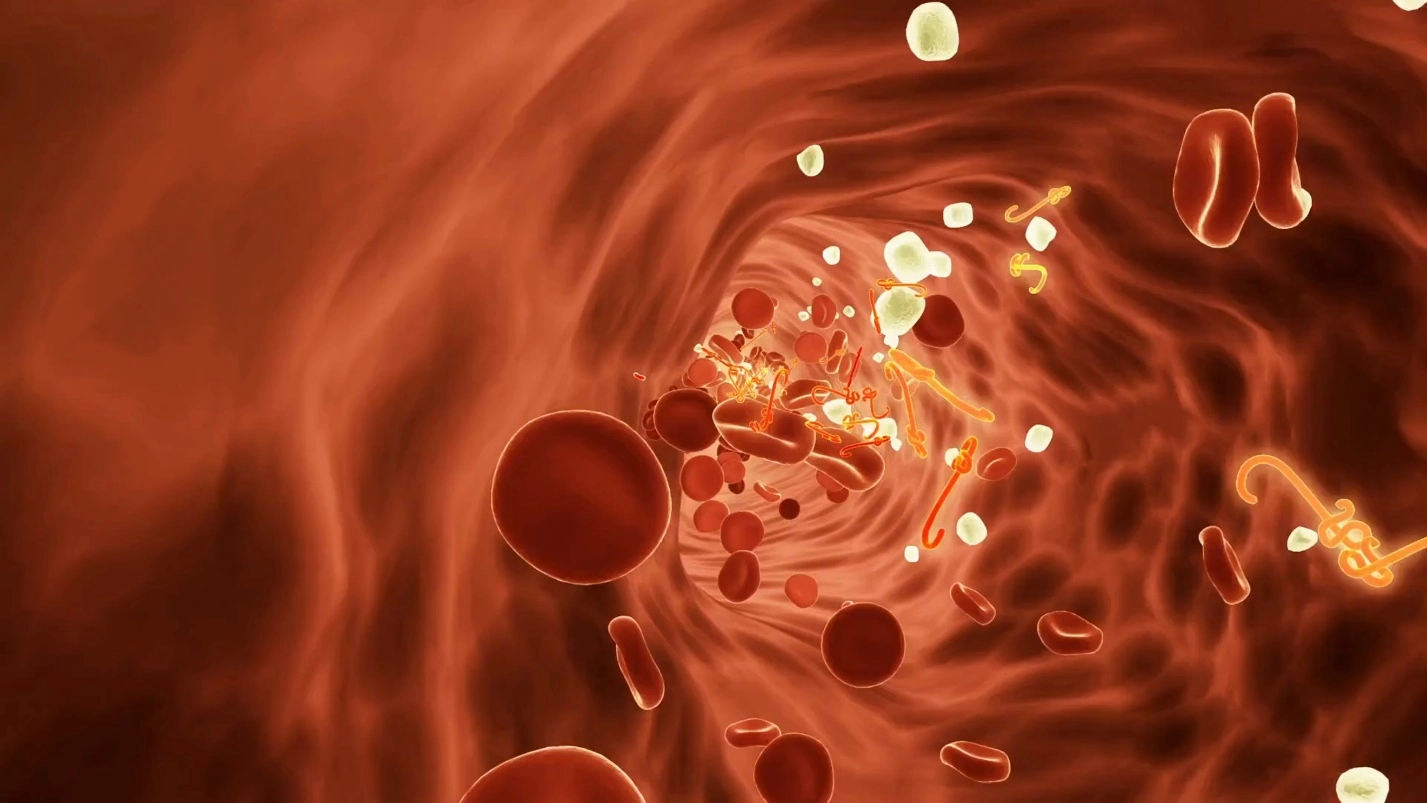
It has no nucleus. The absence of a nucleus in red blood cells provides a large surface area to absorb more oxygen.
The life span of RBC is about four months or 120 days.
Functions of erythrocytes
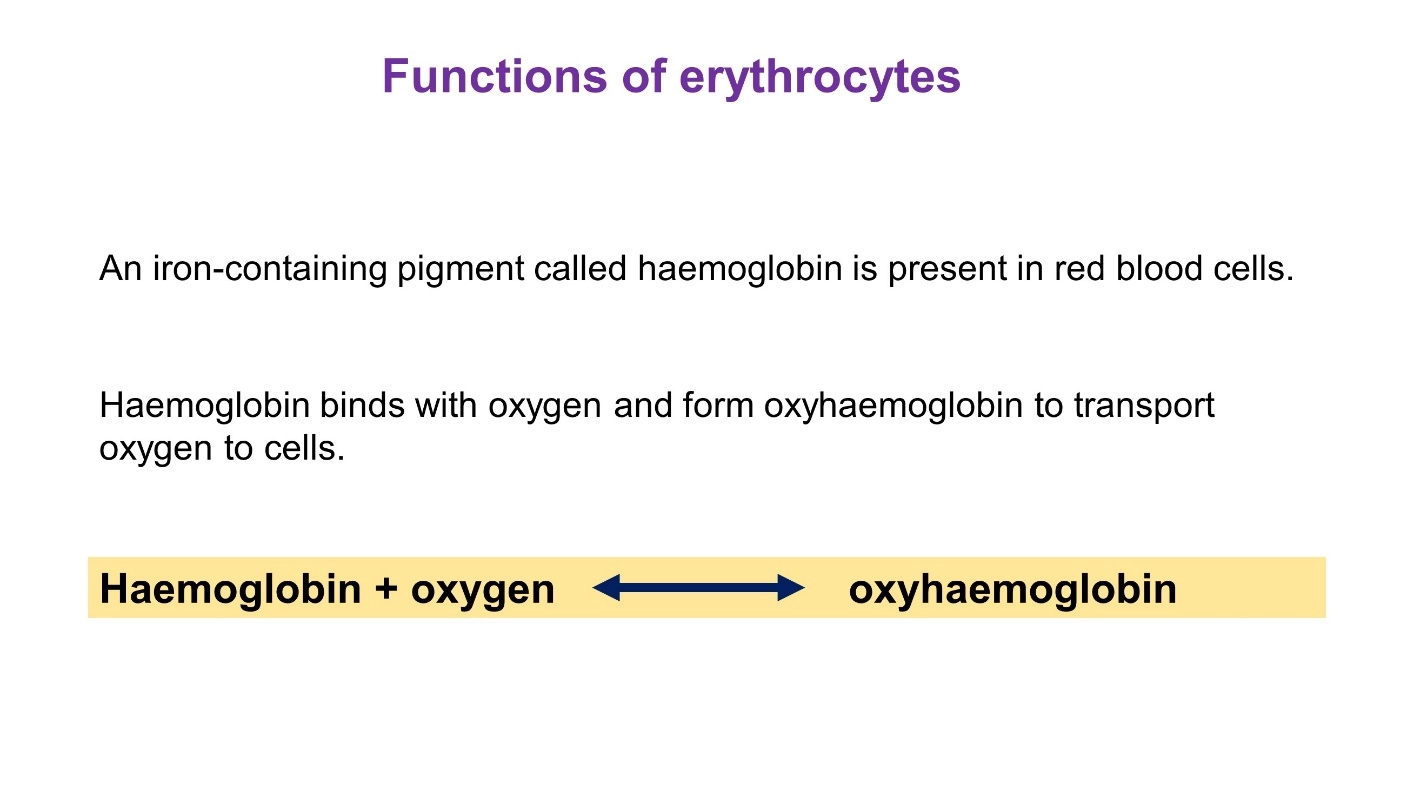
- An iron-containing pigment called haemoglobin is present in red blood cells.
- Haemoglobin binds with oxygen and form oxyhaemoglobin to transport oxygen to cells.
- Haemoglobin transports oxygen from the lungs to the cells and, gives blood its red color.
White Blood cells or WBC
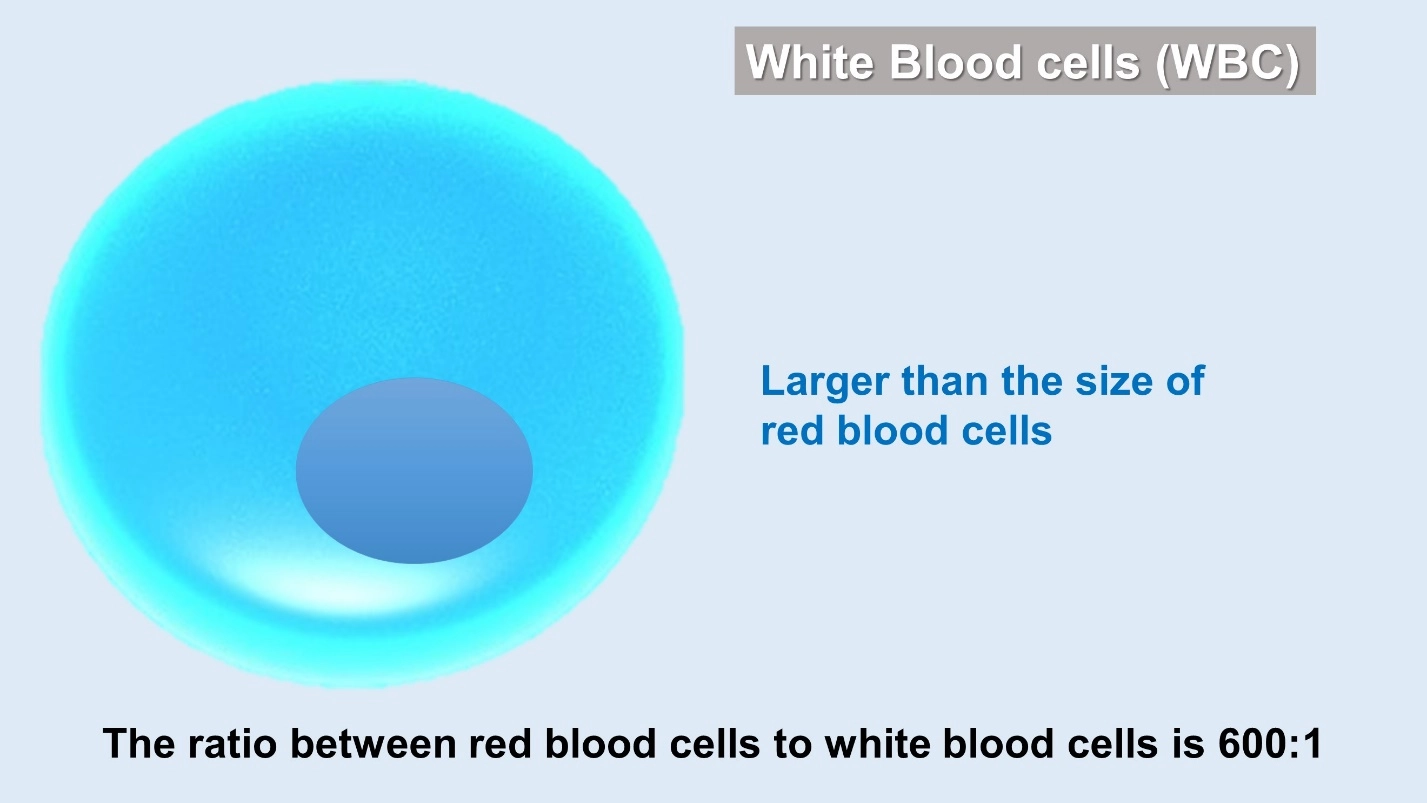
Larger than the size of red blood cells.
The ratio between red blood cells to white blood cells is a unique one. It is 600:1. That means for 600 RBCs there is 1 WBC usually.
They are with nuclei and, form in the bone marrow.
They are colorless cells.
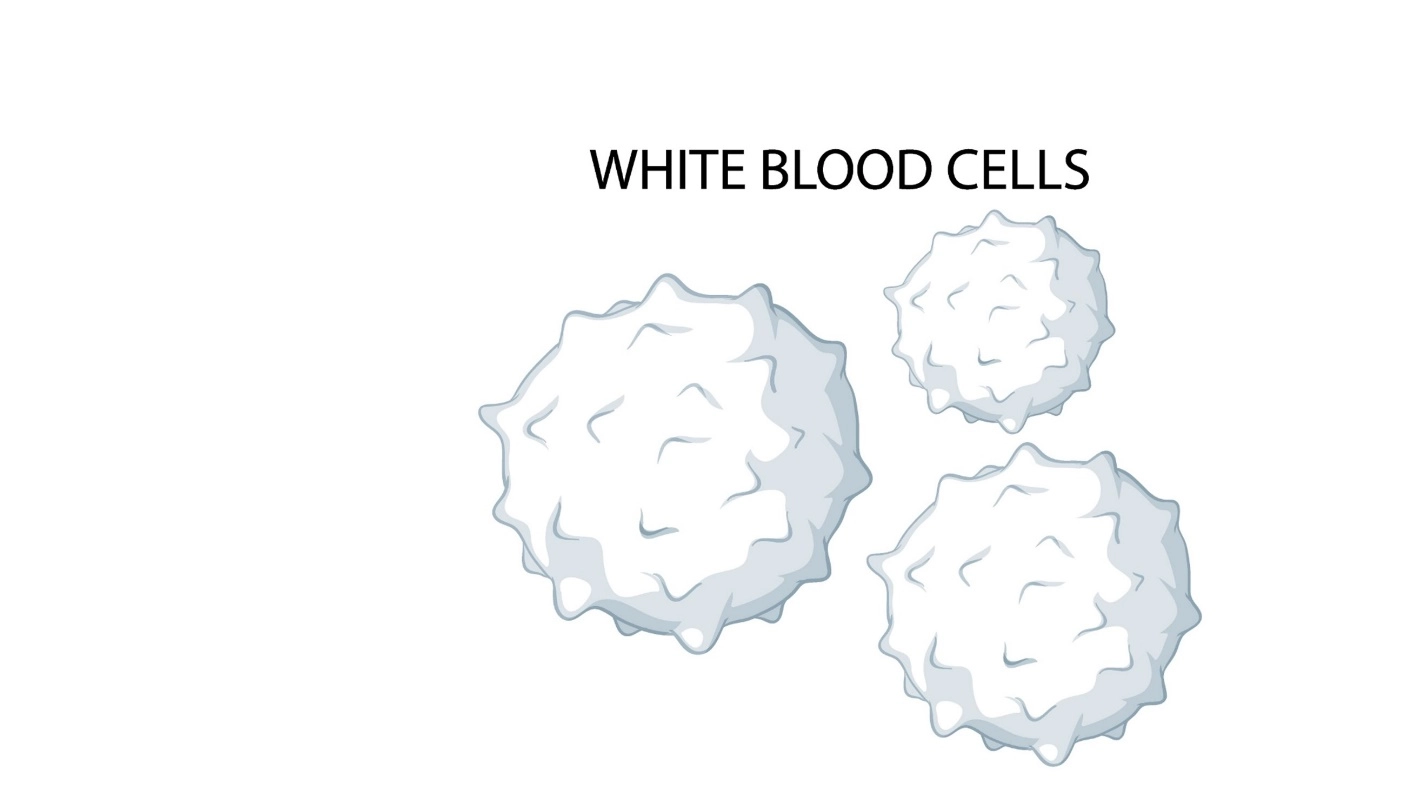
One cubic millimeter (1 mm3) of human blood contains 4 000 - 11 000 Number of WBC.
Two Types of WBC are present in the blood.
They are, Granulocytes and non-granulocytes.
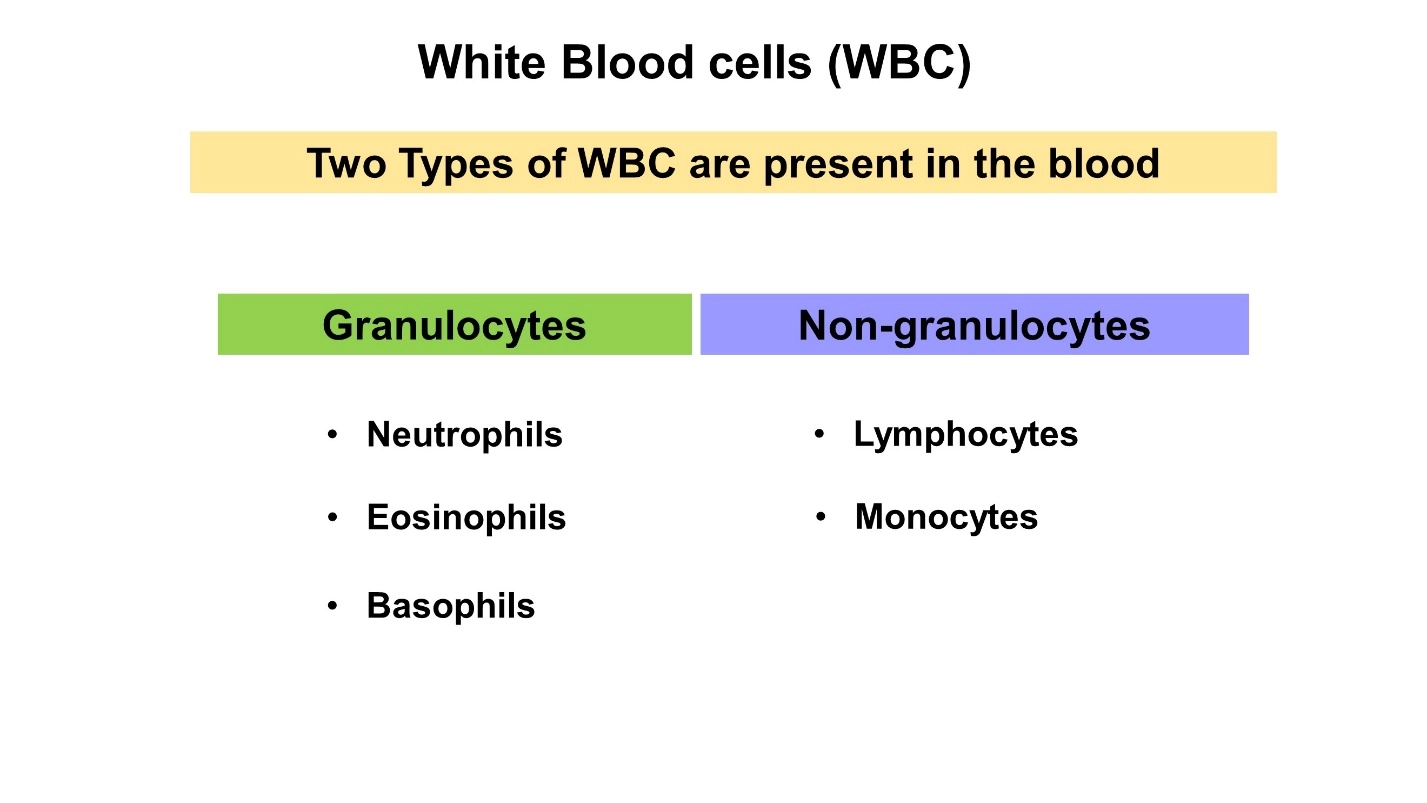
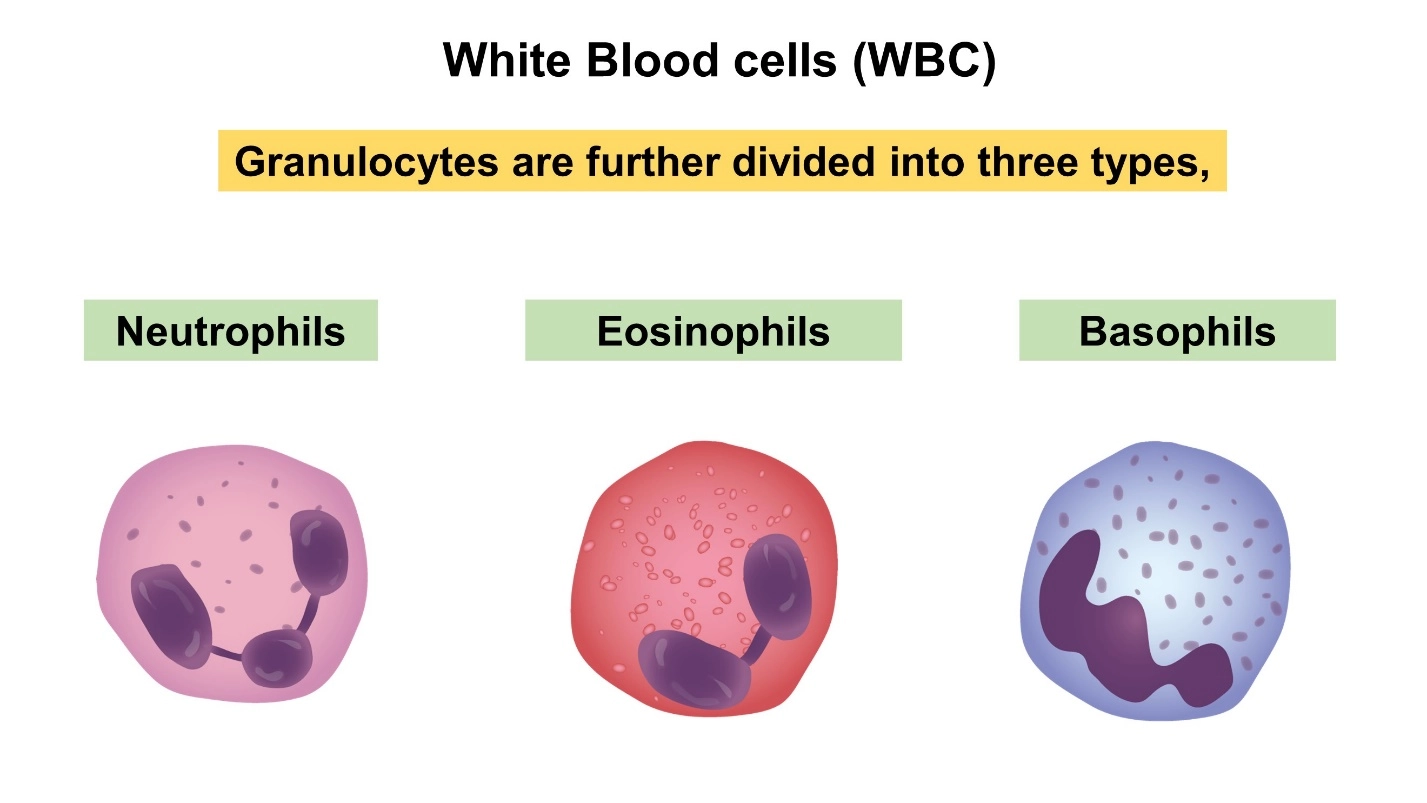
If they have granules, they are considered granulocytes. There are three types of granulocytes known as Neutrophils, Eosinophils, and Basophils.
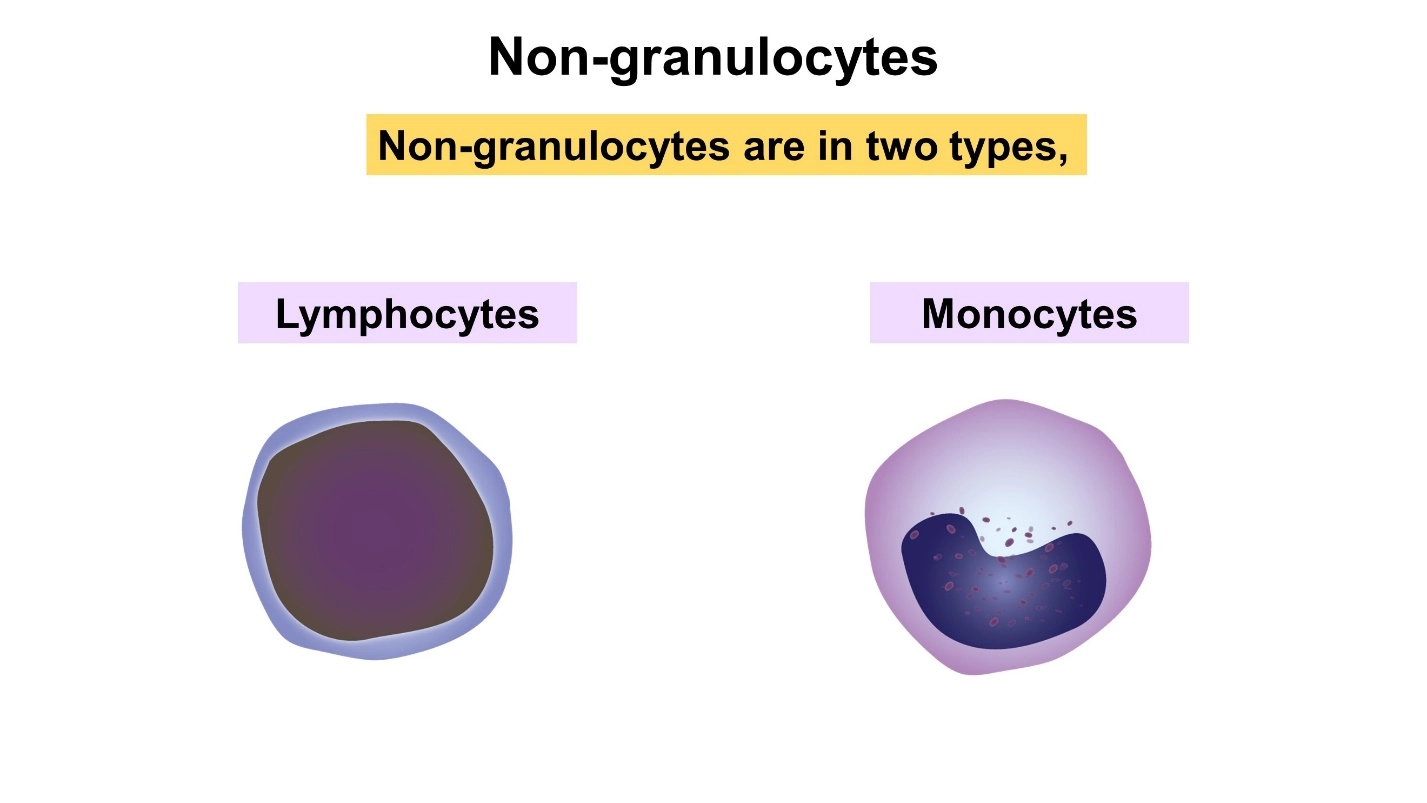
Non-granulocyte WBCs
White blood cells without granules are called non-granulocytes. They are Lymphocytes and Monocytes.
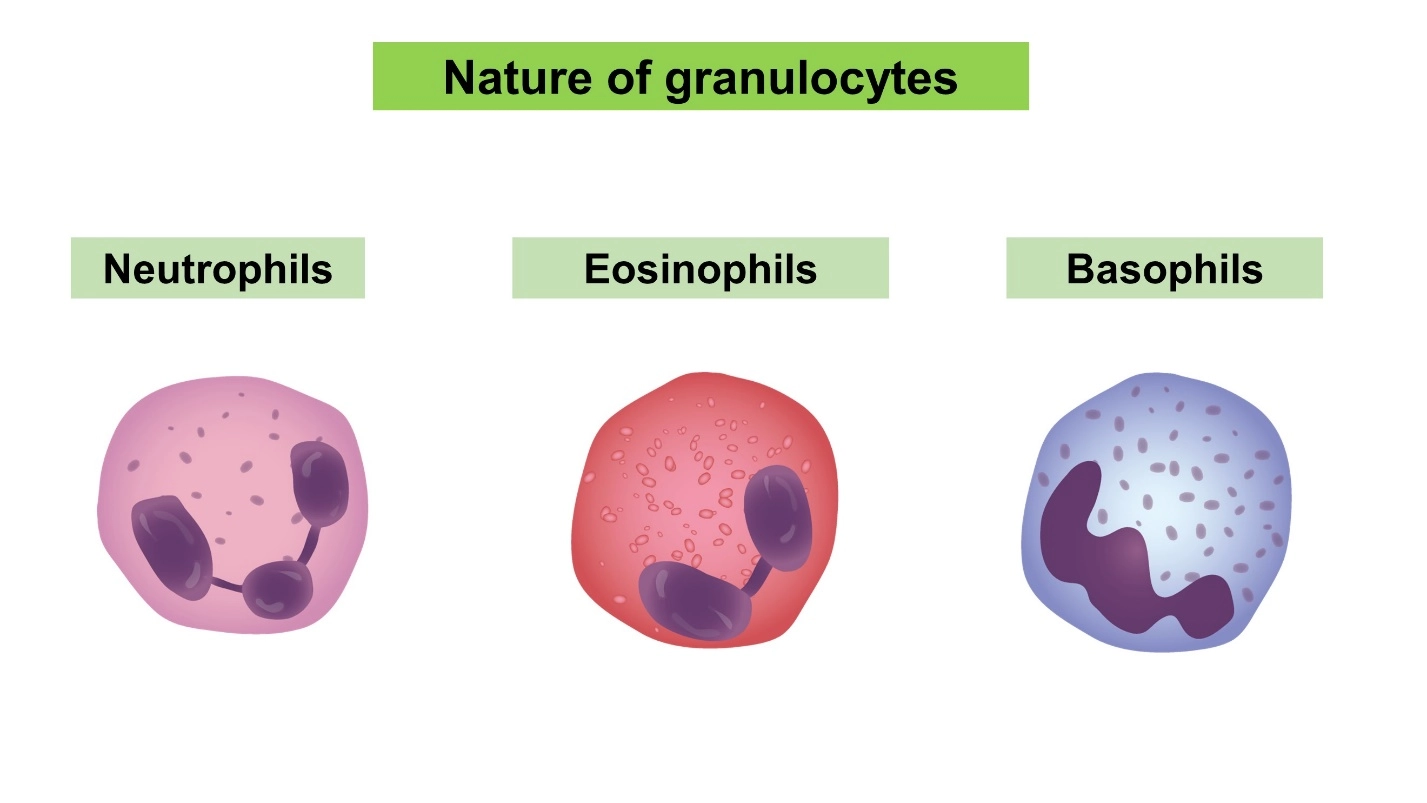
Nature of granulocytes
Each granulocyte can be identified with its nucleus.
Nature of non-granulocytes
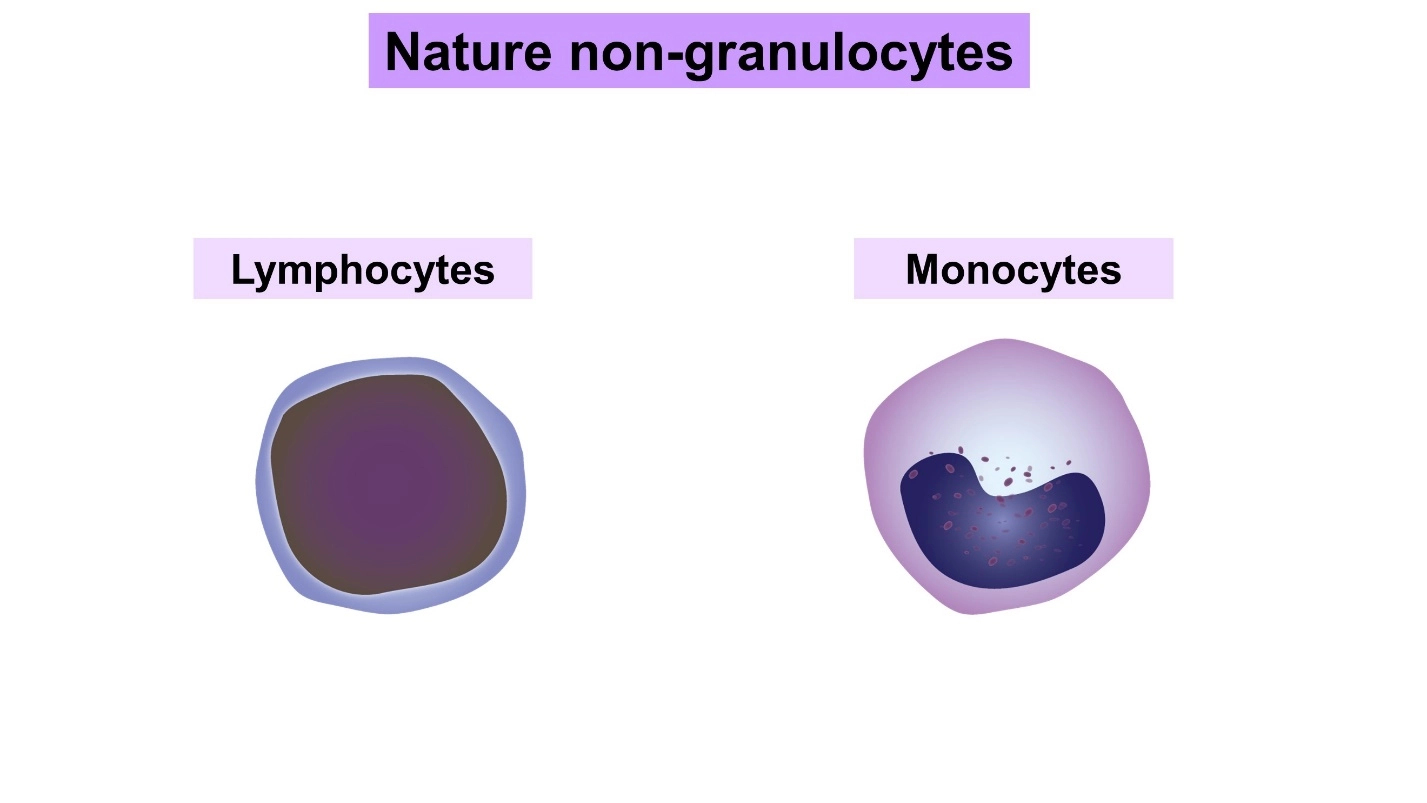
Lymphocytes have a large nucleus and monocytes contain a kidney-shaped nucleus.
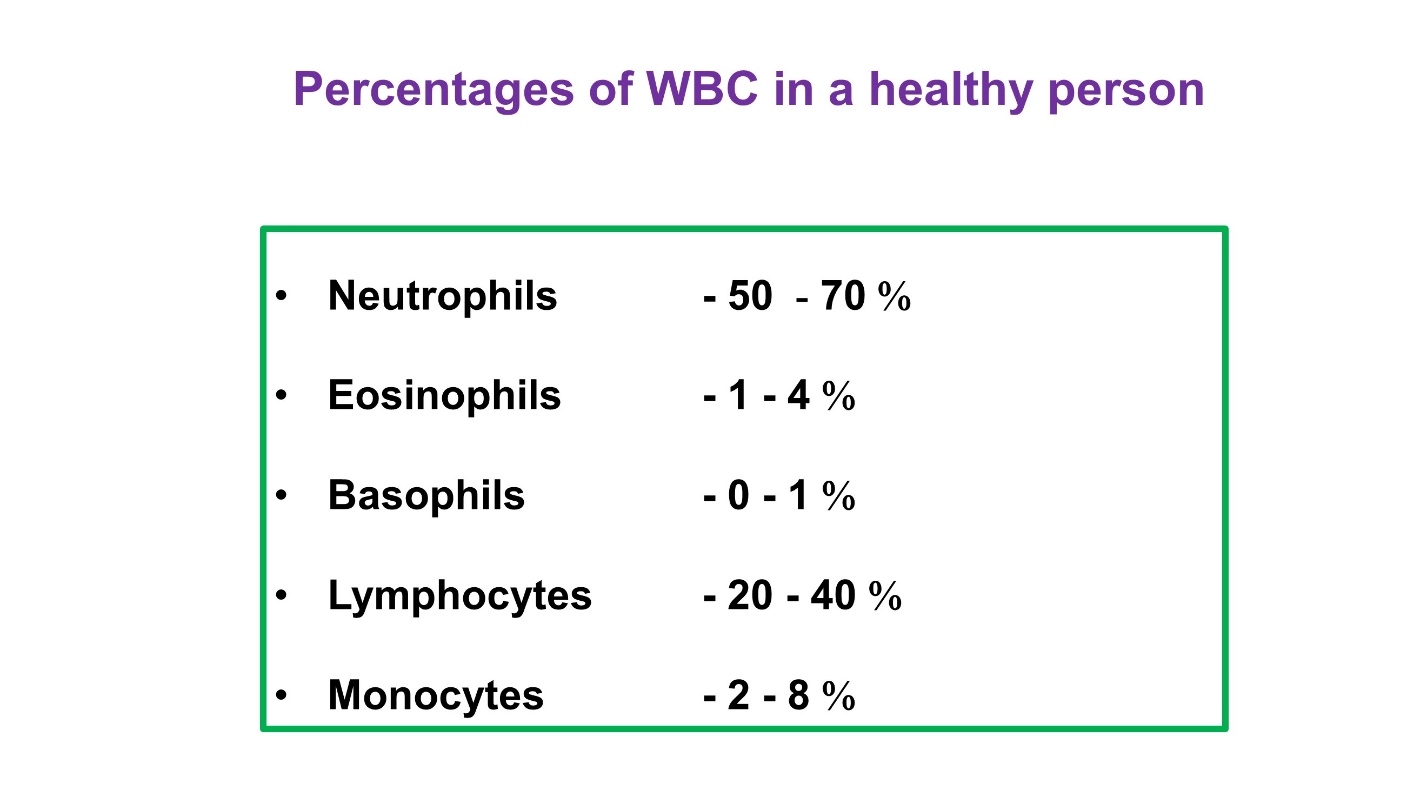
WBC Percentages
This chart shows the percentages of WBC in a healthy person.
The function of WBC
- Protect the body from disease-causing germs (pathogens) such as bacteria and viruses.
Pathogens are destroyed by WBC in two ways:
- By phagocytosis
- By producing antibodies.
Phagocytosis
The ingestion (take in) of microorganisms such as, bacteria is called phagocytosis.
They can change their shape, and produce extensions of their cytoplasm, called pseudopodia.
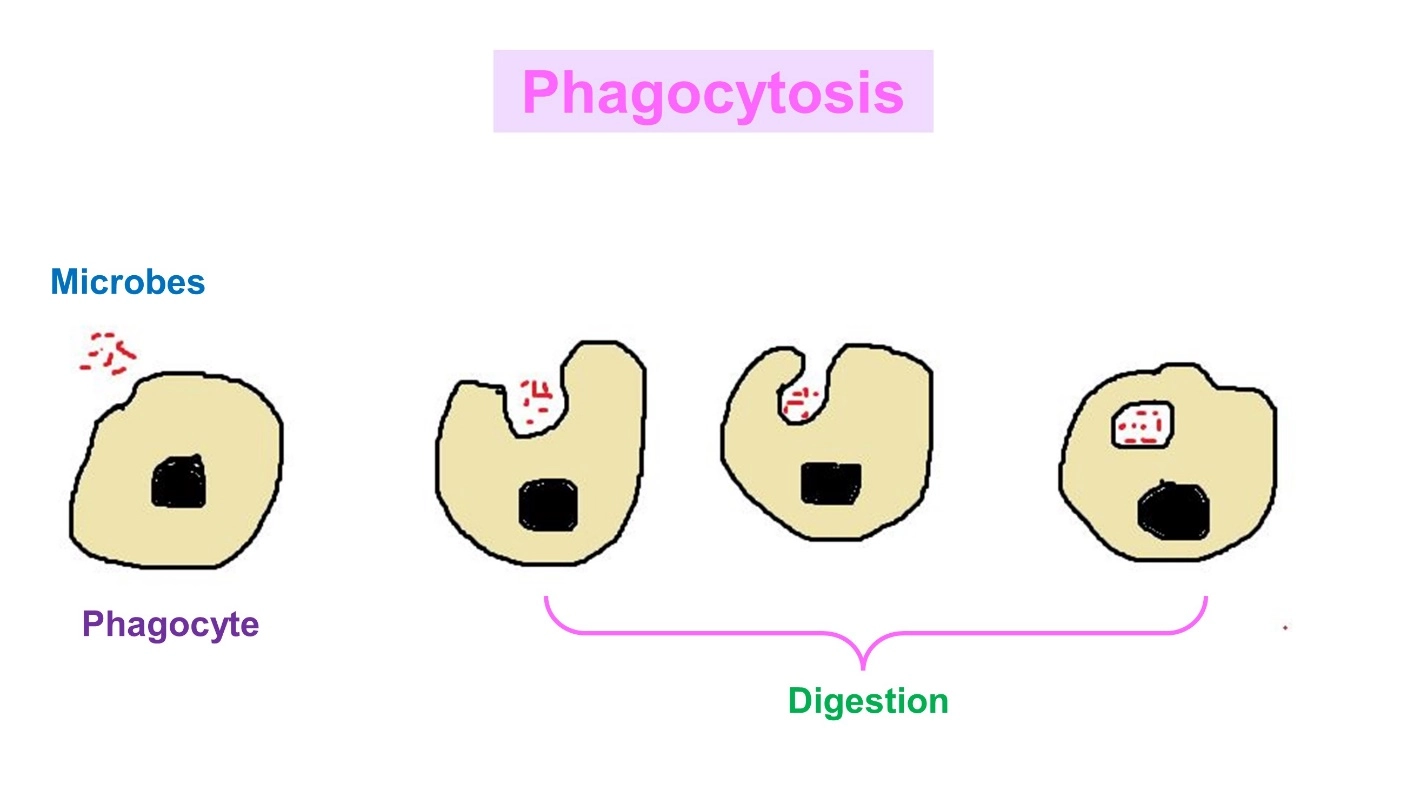
The pseudopodia surround, and enclose the microorganism in a vacuole.
Then, the phagocyte secretes enzymes into the vacuole, to break the microorganism down. This is called cell eating.
Production of antibodies
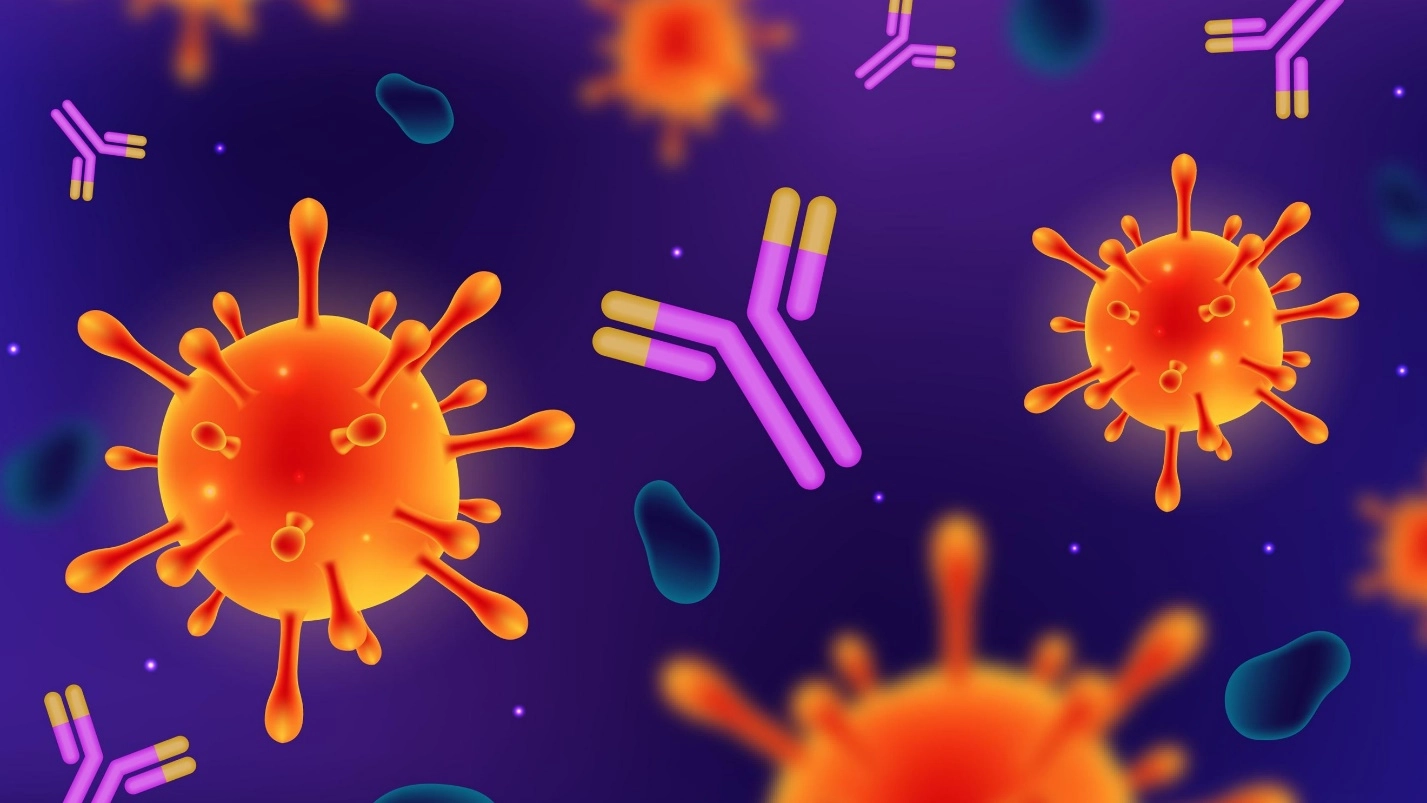
Lymphocytes can make chemicals called, antibodies.
Antigens are chemical markers that pathogens such as bacteria and viruses have. The antibodies bind to the pathogen's surface antigens and kill it.
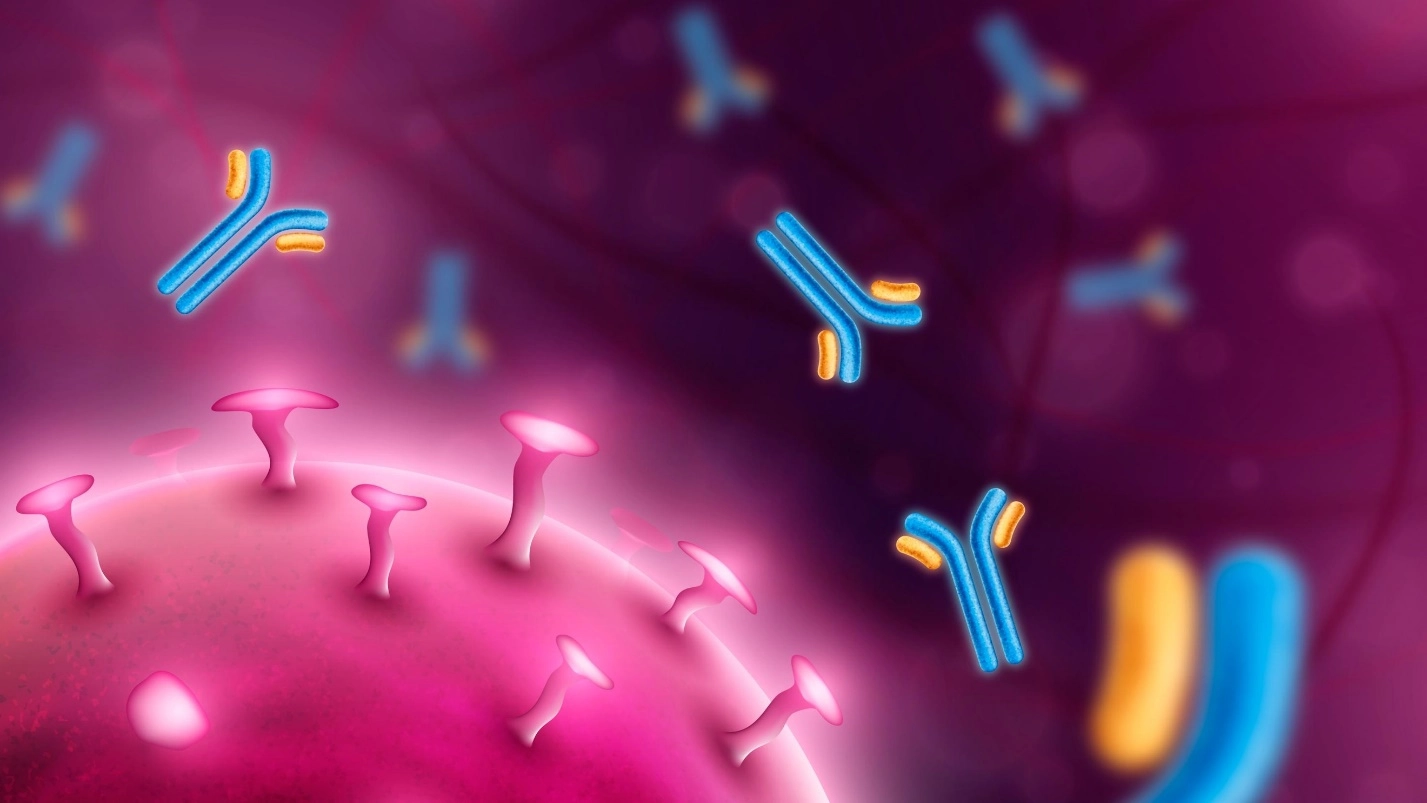
The production of antibodies following the first exposure to a foreign antigen is called the primary immune response.
Platelets
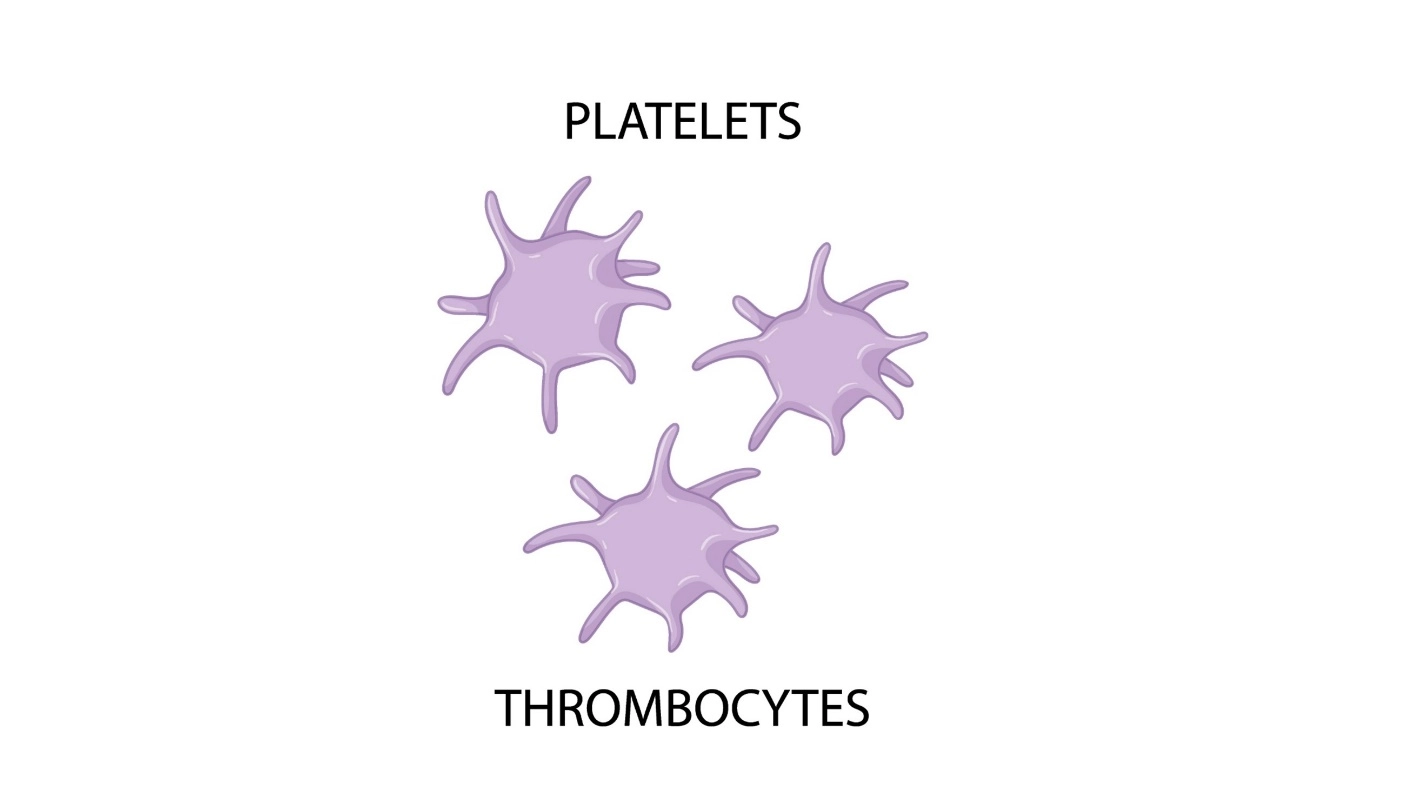
They are fragments of cells in human blood.
One cubic millimeter of blood contains 150 000-400 000 platelets.
The life span of platelets is approximately 5-7 days.
They also form in the bone marrow.
The function of platelets
Platelet count declines drastically as a result of infections such as Dengue and Leptospirosis.
Platelets contain thromboplastin which helps in the coagulation of blood.
When there is an injury or internal bleeding, blood clotting or coagulation is a useful mechanism that avoids excessive bleeding.
In summary, there are three main functions of blood.
- Transportation of materials.
- Protect the body against pathogenic microbes by phagocytosis and by producing antibodies.
- Maintenance of chemical coordination and homeostasis among tissues and organs.