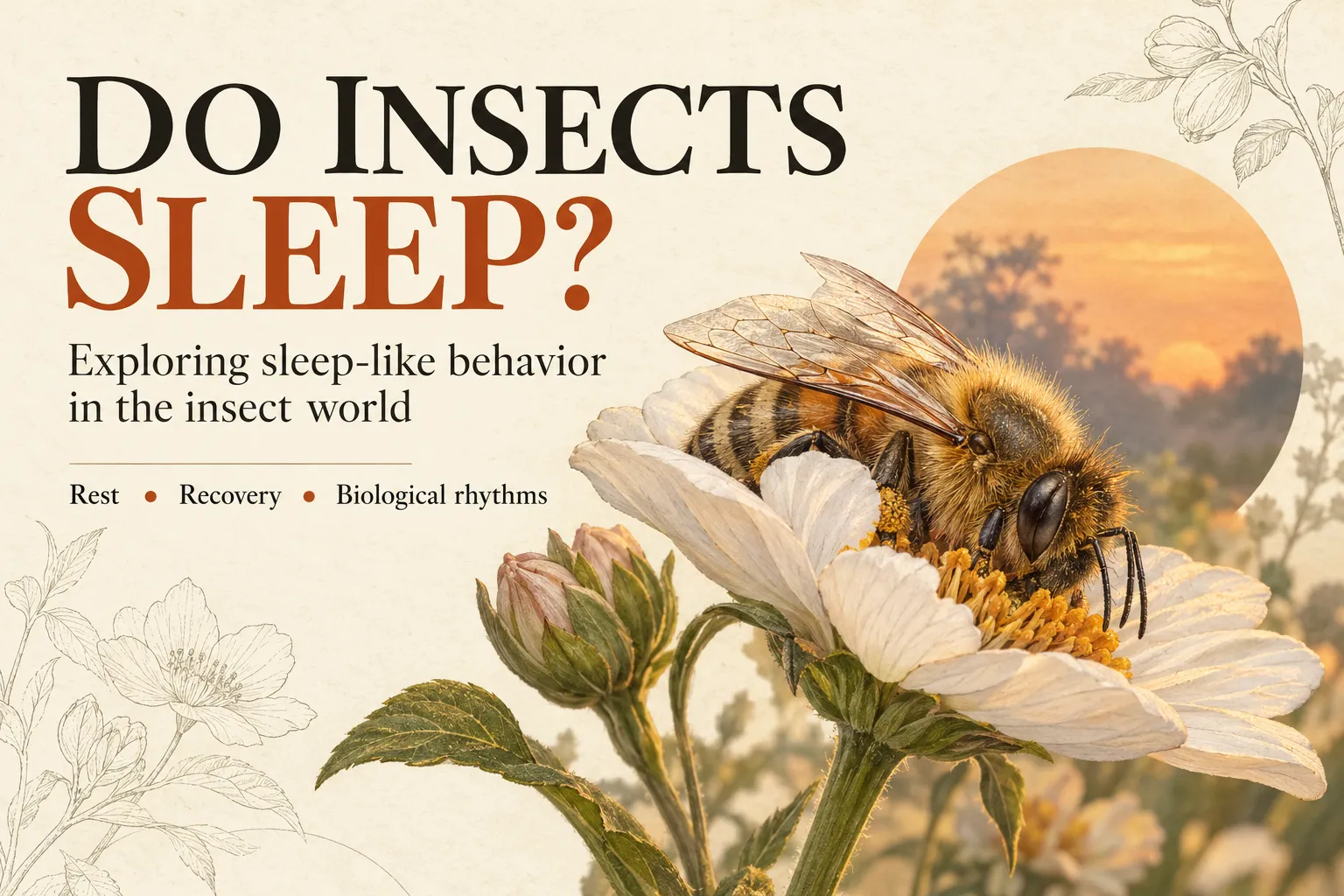
Do insects sleep? Yes. Many insects, including fruit flies, honeybees, cockroaches and wasps, have regular periods when they stop moving, take up a typical posture, respond less to the world around them and need extra rest if they are kept awake. Scientists count that as sleep, although it is not identical to human sleep.
A bee does not shut its eyes, because insects have no eyelids. A fly does not snore. So how can anyone say that an animal with a brain the size of a sesame seed is "asleep"? This guide shows you the evidence, step by step, from famous experiments on fruit flies and honeybees to the work on body clocks that won a Nobel Prize.
If you are wondering whether insects count as animals in the first place, they do. We cover that in our guide to whether insects are animals, so here we can focus on what they do at night.
How do scientists decide that an animal is asleep?
You cannot ask an insect whether it slept well. Researchers therefore rely on behaviour, and they use a short list of tests that work for any animal, from a dog to a dragonfly. An insect is said to be sleeping when it shows all of the following.
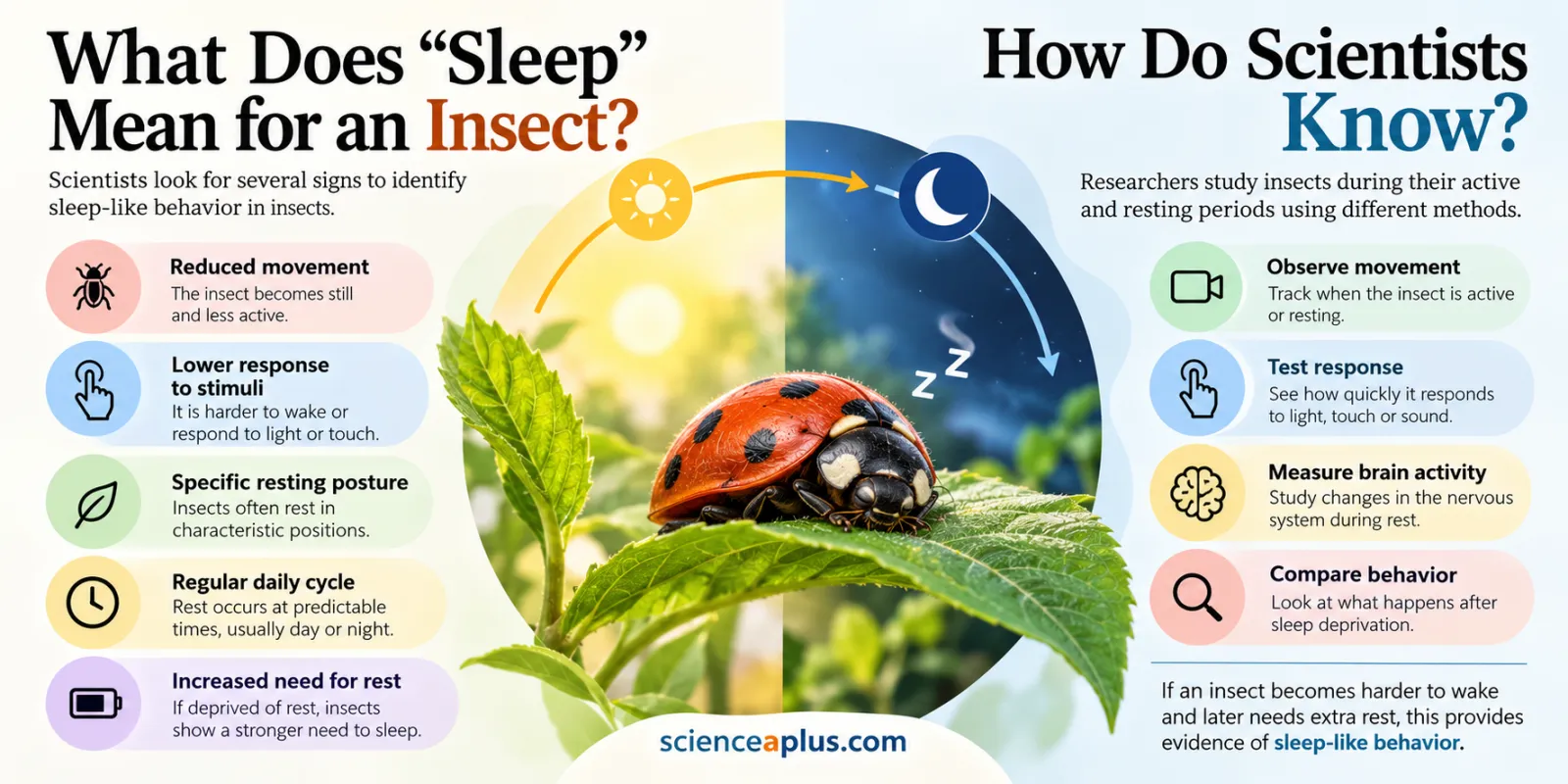
- Reduced movement. The animal is still for a long period, usually at a regular time of day or night.
- A typical posture or resting place. It often settles in the same sort of spot, with antennae drooping or legs tucked in.
- A higher response threshold. A stronger touch, vibration or light is needed to get it moving. This is what makes sleep different from simply keeping still while watching for danger.
- Quick reversibility. A strong enough stimulus wakes it up straight away. That separates sleep from a coma or from long winter dormancy.
- Sleep rebound. If you keep the animal awake, it makes up for it by resting more afterwards. This is the strongest clue that the rest is a regulated need and not just boredom.
Notice that this definition does not depend on brain waves. Mammals and birds show clear patterns of electrical activity in the brain during sleep, and that is how we split their sleep into stages. In insects, brain recordings are much harder to make, so most of the early evidence comes from watching behaviour. Brain studies in flies and bees now add to that picture, but behaviour is still the starting point.
Try it yourself: a home observation checklist
You can use the same criteria on a garden insect, a pet stick insect or the flies and moths that gather by a lit window. Tick each item as you check it. Do this gently and never harm the insect.
- Note the time and watch the insect for ten minutes. Has it been still the whole time?
- Record its posture. Are the legs folded or the body lowered onto a leaf or twig?
- Gently blow a very light puff of air nearby. Does it react quickly, slowly or not at all?
- Check again at the same time the next day. Is it resting in the same place?
- Write down whether it is a day-active or night-active kind of insect.
Remember that one still insect proves nothing. It might be warming up, hiding from a bird or just dead. The pattern repeated over several days is what counts, and that is exactly what researchers do with hundreds of insects at a time.
Fruit flies: the insects that made sleep research possible
The fruit fly Drosophila melanogaster is a tiny fly that breeds in rotting fruit. It reproduces quickly, its genes are well mapped and it is easy to keep by the thousand, which is why biologists have used it for over a century. In the year 2000, two separate research groups showed that it also sleeps.
The 2000 experiments
In a paper published in the journal Science in March 2000, Paul Shaw, Chiara Cirelli, Ralph Greenspan and Giulio Tononi reported that rest in fruit flies has the main features of sleep. Resting flies had a higher arousal threshold, so a stronger stimulus was needed to make them move. The need for rest was regulated by a "sleep homeostasis" system that is separate from the body clock. Young flies rested more than old flies, and drugs that act as stimulants or sleep aids changed the amount of rest, much as they do in people.
The same year, Joan Hendricks and colleagues published "Rest in Drosophila is a sleep-like state" in the journal Neuron. They described flies in a relaxed, immobile posture in a preferred spot, with long immobile bouts at particular times of the circadian day. During these bouts the flies were relatively unresponsive to sensory stimuli.
How do you watch a sleeping fly?
Researchers place each fly in a thin glass tube with some food at one end. The tube sits in a monitor with an infrared beam that records every time the fly crosses it. Hundreds of flies can be tracked at once for days. If a fly does not cross the beam for a set period, scientists record it as resting. Then they test it by tapping or vibrating the tube, to see how easily it wakes.
This method let scientists run big experiments. They kept flies awake with gentle shaking, then measured the rest that followed. They also searched for fly mutants that slept less than normal and traced the genes responsible. The results gave sleep science its first fast, cheap animal model that is not a mammal.
Why does this matter? Because it suggested that sleep does not need a big brain. If a fly, with a brain far smaller than a mammal's, needs sleep, then sleep is probably doing something essential for nervous systems in general. We return to that idea in the section on why sleep exists. For now, notice how closely the fly story matches the five criteria in the checklist above.
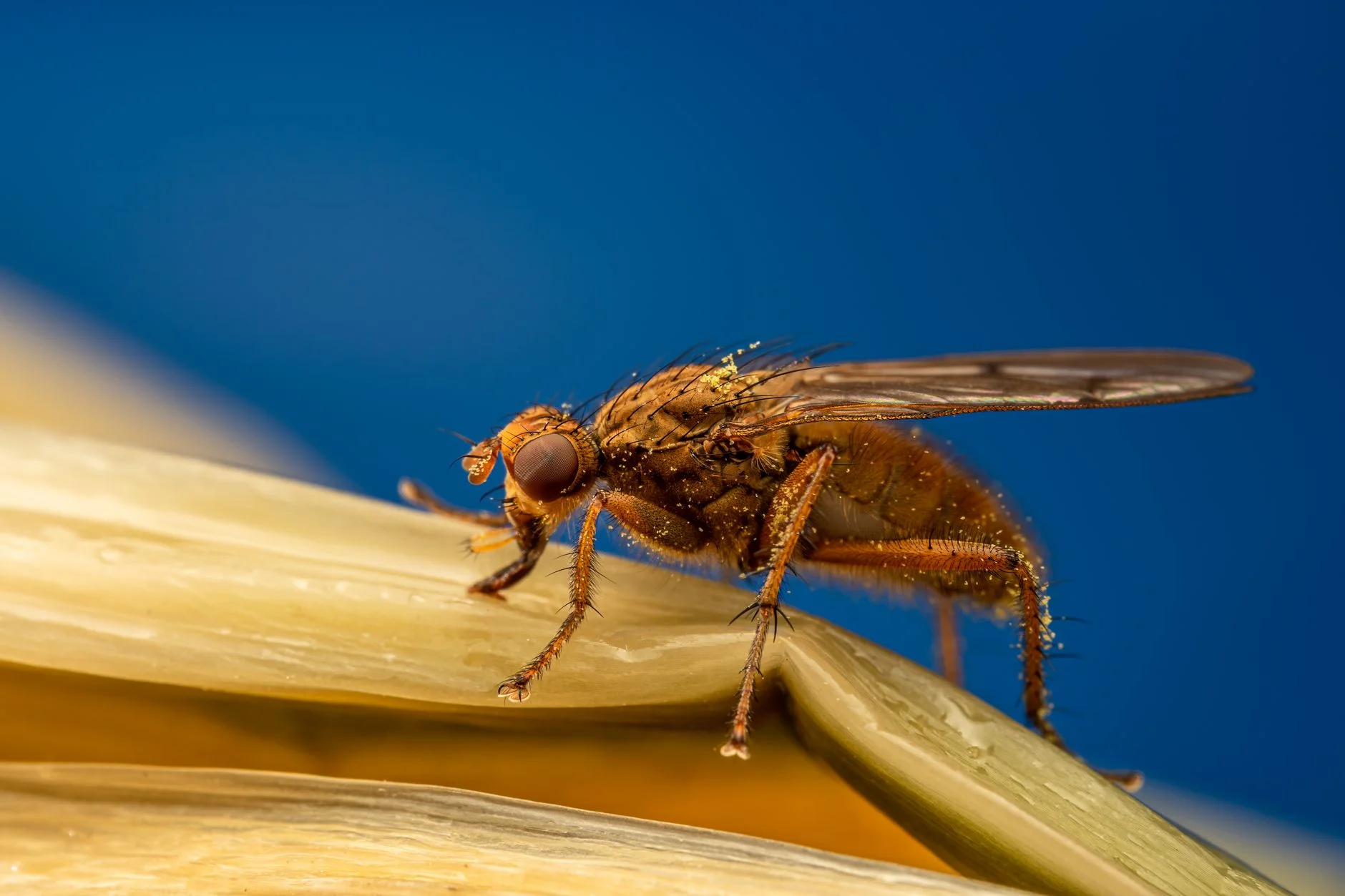
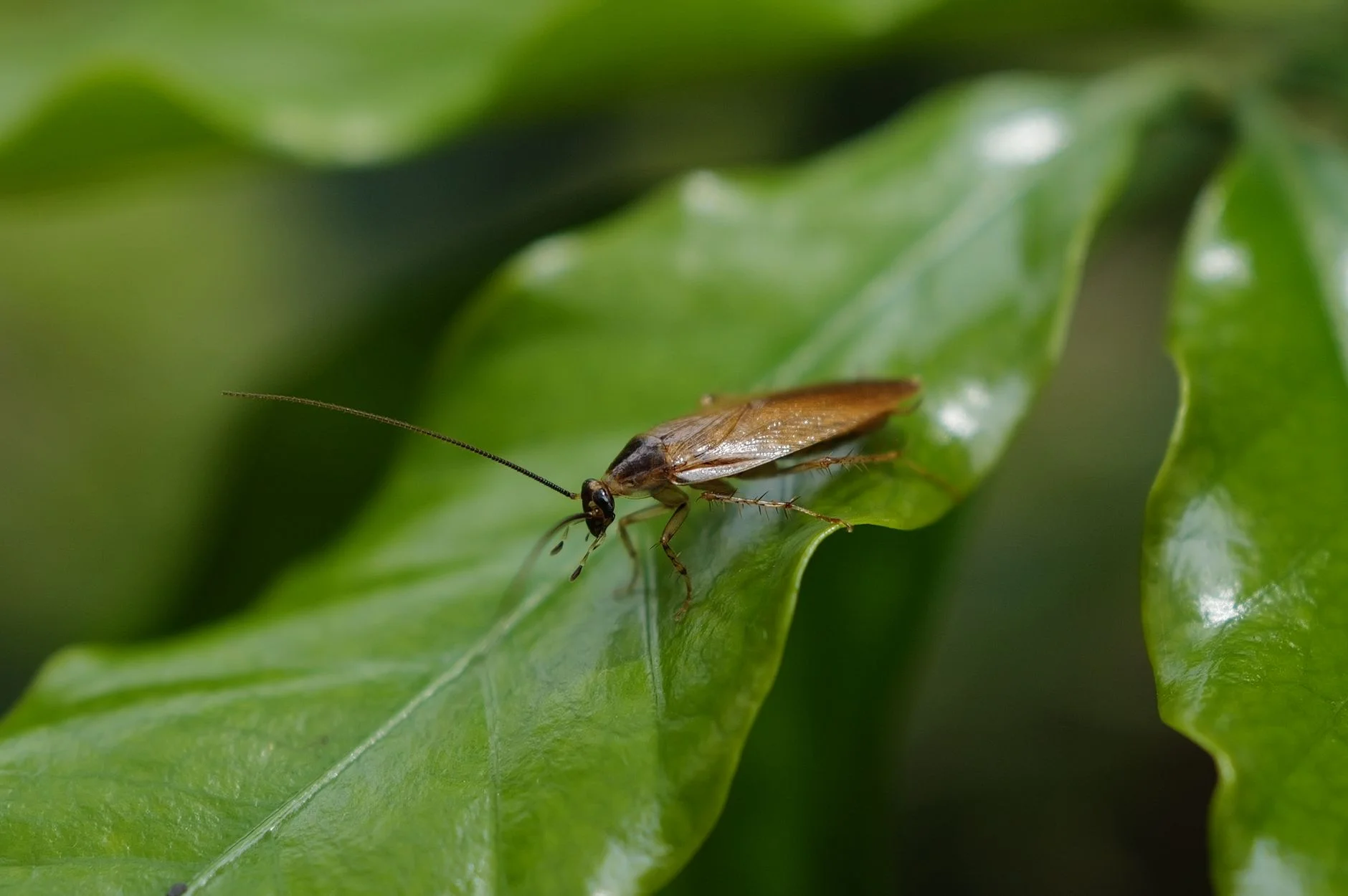
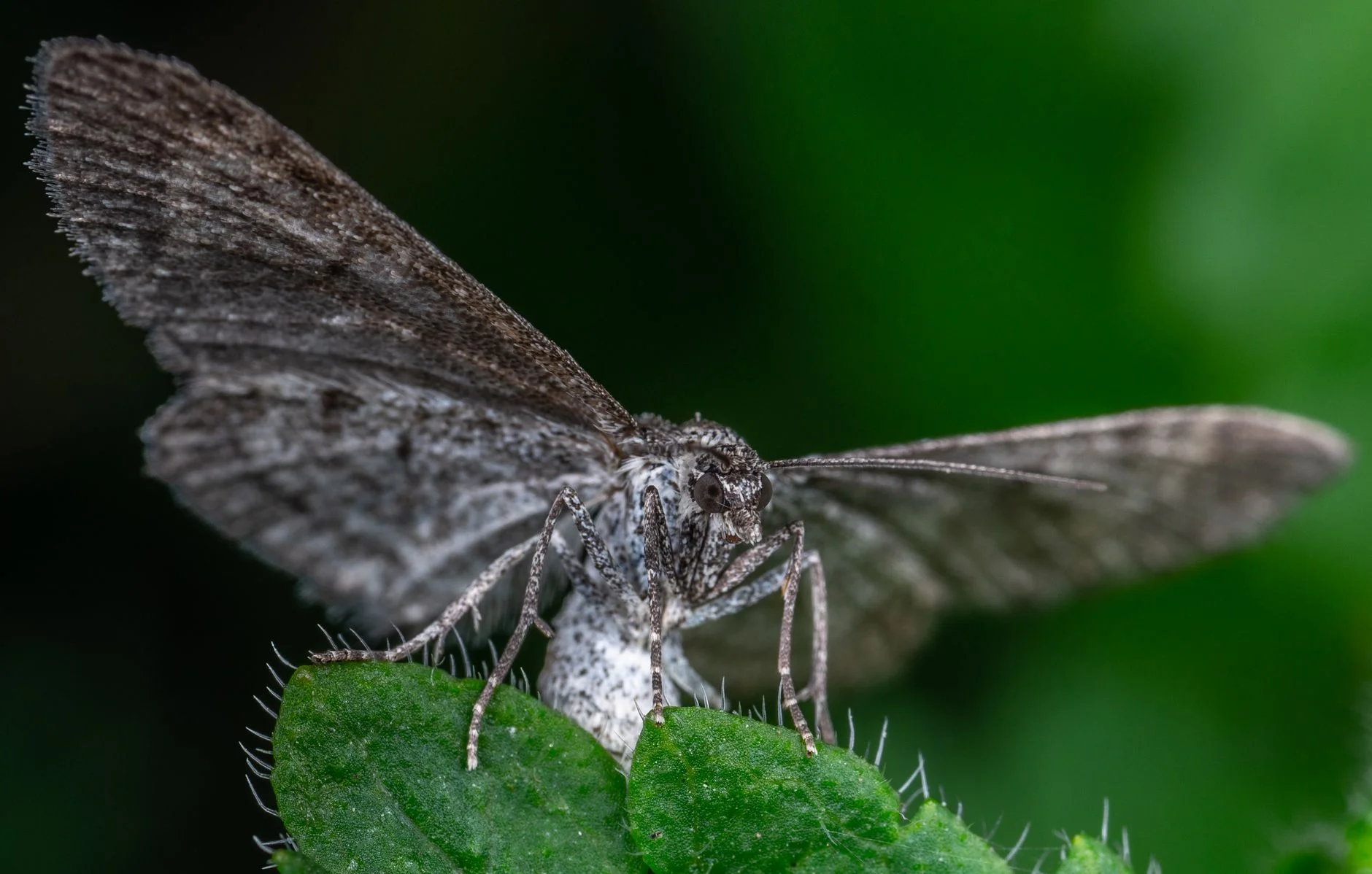
Of course, a tube in a laboratory is a long way from a hedgerow. That is why researchers also work with insects that have more varied lives, such as honeybees and wasps, which we meet next.
Honeybees: workers that need their rest
If you watch a hive, you could easily believe that bees never stop. In reality, honeybees (Apis mellifera) also have a clear rest state. In the 1980s the German biologist Walter Kaiser studied honeybees in detail and described behaviour that looks very like sleep in birds and mammals. In his 1988 work on honeybee rest, a resting bee showed reduced muscle tone, a lower body temperature, less movement and a higher threshold for reacting to stimuli. Its body and legs slumped in the direction of gravity.
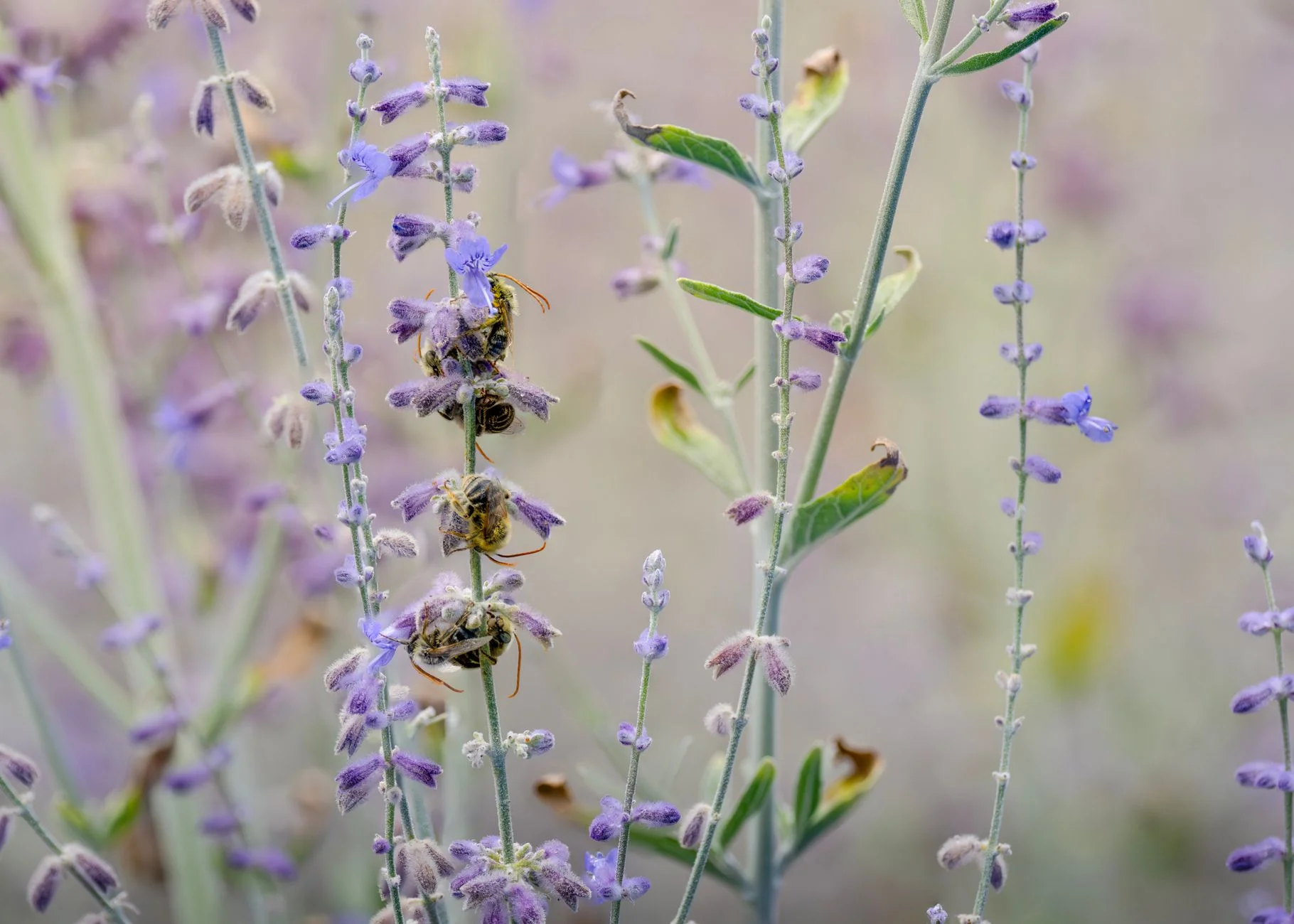
That is exactly the pattern from the checklist in the first part of this guide: stillness, posture and a higher response threshold. Later work showed that bees in the same hive can sleep differently depending on their jobs. A bee out foraging all day tends to sleep at night, while young nurse bees that care for the brood are active around the clock and sleep in short, irregular bouts without a clear day–night rhythm. The colony never closes down completely, so somebody has to stay on duty.
What happens when a bee loses sleep?
The most famous honeybee experiment is a test of sleep deprivation. In 2010, Barrett Klein and colleagues, working with Thomas Seeley's group at Cornell University, published a paper in the Proceedings of the National Academy of Sciences entitled "Sleep deprivation impairs precision of waggle dance signaling in honey bees". The team used a magnetic device nicknamed the "insominator" to keep bees awake.
Why the waggle dance? Because it is a form of communication that can be measured. A forager that finds a good patch of flowers returns to the hive and dances on the comb. The direction of the waggle run tells her nestmates which way to fly and the length of the run tells them how far. Klein's team found that sleep-deprived bees danced less precisely, so the direction they signalled was less accurate. The authors expect this to reduce how efficiently the other bees find food.
Cockroaches: rest that is made up for
Cockroaches are active mainly after dark and rest through the day, wedged into cracks. In 1983 the researcher Irene Tobler tested whether this rest is just inactivity or something the body regulates. She forced cockroaches to keep moving, then watched what they did when released. They showed long periods of immobility afterwards, a recovery rest that depended on how much they had been made to move earlier.
This is sleep rebound. An animal that simply had nothing to do would not need to catch up. An animal with a regulated need for rest does. Rebound has since been seen in flies, honeybees and cockroaches, and it is one of the strongest signs that insect rest is true sleep.
Paper wasps and ants: sleep in social insects
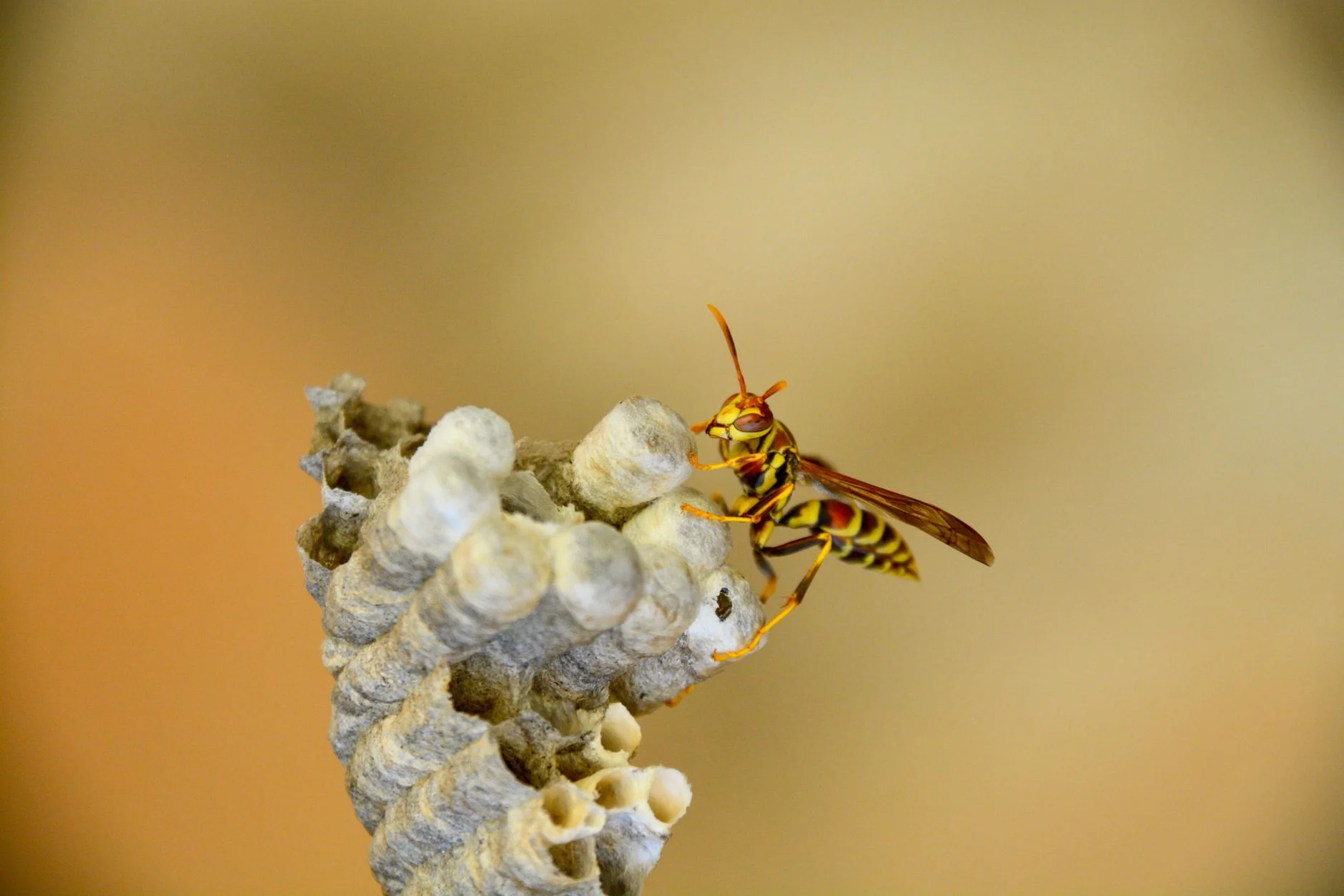
Researchers, including Barrett Klein and colleagues, have also studied paper wasps (Polistes). In one species, wasps adopt a distinctive posture during long, repeated, easily reversed periods of stillness and stay inactive from about an hour after dusk until several hours after dawn; in another, Polistes canadensis, wasps respond less to vibrations while still and show effects of sleep loss. Treat this as developing research, since much of it has been presented at scientific meetings.
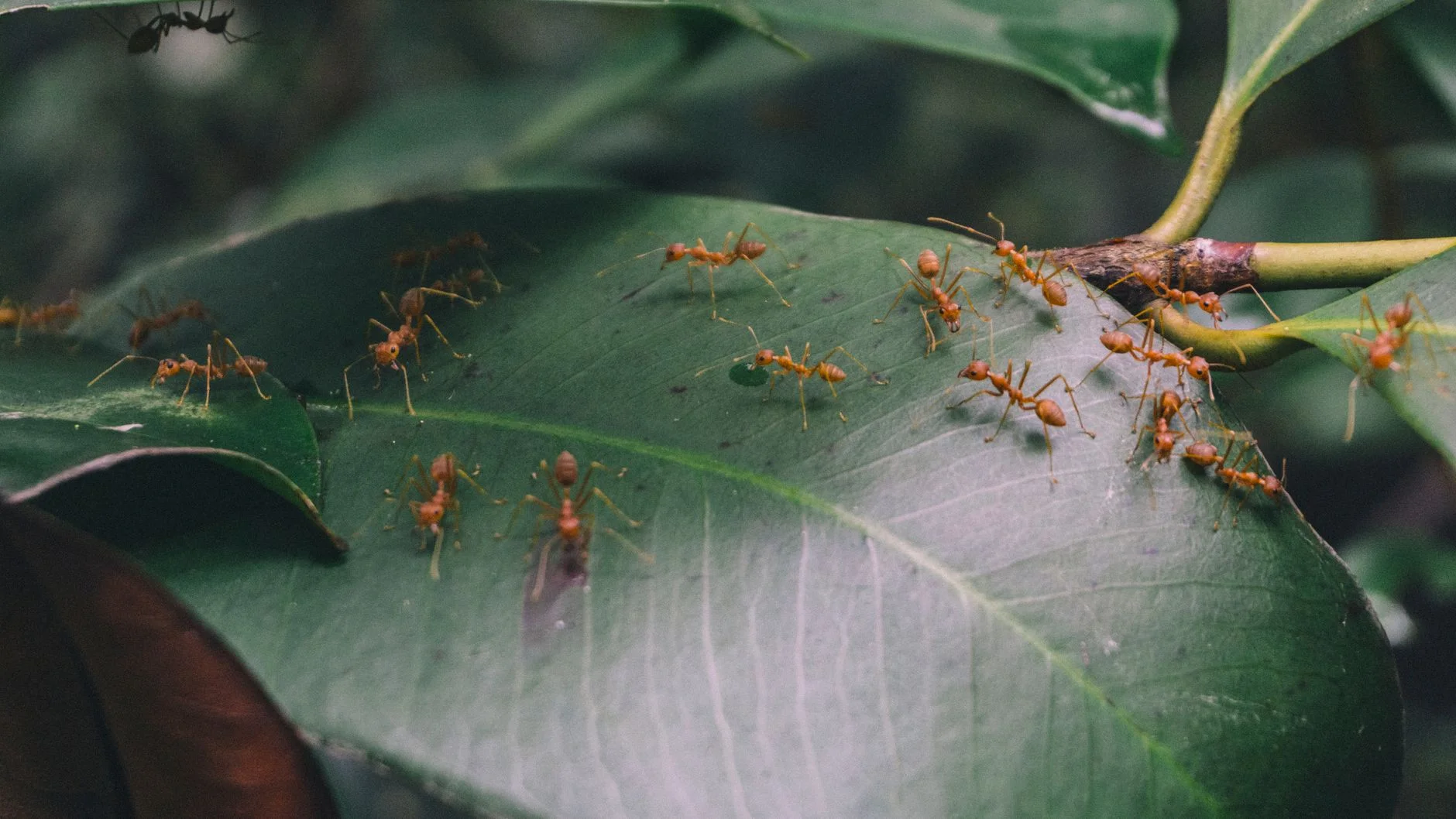
Ants take a very different approach. A study of the fire ant Solenopsis invicta by Cassill and colleagues in 2009 found that sleep is chopped into many short naps. A queen had about 92 sleep episodes a day, each around 6 minutes, adding up to roughly 9.4 hours. Workers took about 253 episodes a day of just over a minute each, about 4.8 hours in total. Queens even huddled together and fell into step with each other.
The body clock: why insects know when to sleep
Why do flies rest at roughly the same time every day? Because they have an internal circadian clock, a cycle of about 24 hours that runs even without light. If you want to review the basics, our page on what a circadian rhythm is explains the idea in humans.
Fruit flies played a starring role in discovering how this clock works. In 1971, Ronald Konopka and Seymour Benzer found fly mutants whose daily rhythm was faster, slower or missing, and traced the problem to one gene, later called period. In 1984, Jeffrey Hall and Michael Rosbash isolated that gene. They then showed that its protein, PER, builds up at night and breaks down during the day, which makes a cycle lasting about 24 hours. In 1994, Michael Young discovered a second clock gene, timeless, whose protein TIM joins with PER, and together they enter the cell nucleus to switch the period gene off.
That is a feedback loop. The gene makes a protein, the protein builds up, and then it shuts down its own gene. When the protein is broken down, the gene can switch on again. In 2017, Hall, Rosbash and Young shared the Nobel Prize in Physiology or Medicine for their discoveries of the molecular mechanisms controlling the circadian rhythm.
The clock genes in flies have counterparts in mammals, including humans. That is why a discovery made in a tiny fly in the 1970s and 1980s turned out to matter for human health, jet lag and shift work. The genes themselves are covered in our overview of DNA, genes and inheritance.
Why do insects need sleep?
Here we reach one of the biggest open questions in biology. Nobody has yet explained fully why any animal sleeps, from fruit flies to people. Sleeping is risky: a still animal is easier prey, and it cannot feed or find a mate. Because evolution has kept sleep in nearly every animal that has been studied carefully, sleep is probably doing something that cannot be skipped.
The evidence from insects points to several jobs, and scientists still argue about which are the most important:
- Keeping the nervous system working properly. The waggle-dance study shows that bees kept awake lose precision in a task that needs the brain to be accurate.
- Saving energy. A resting insect is likely to use less energy than an active one, which matters for small animals that burn fuel quickly.
- Timing behaviour to the day. An insect that rests when it is least useful to be active, such as a day-flying butterfly at night, avoids wasting energy and may avoid some predators.
What the illustration shows
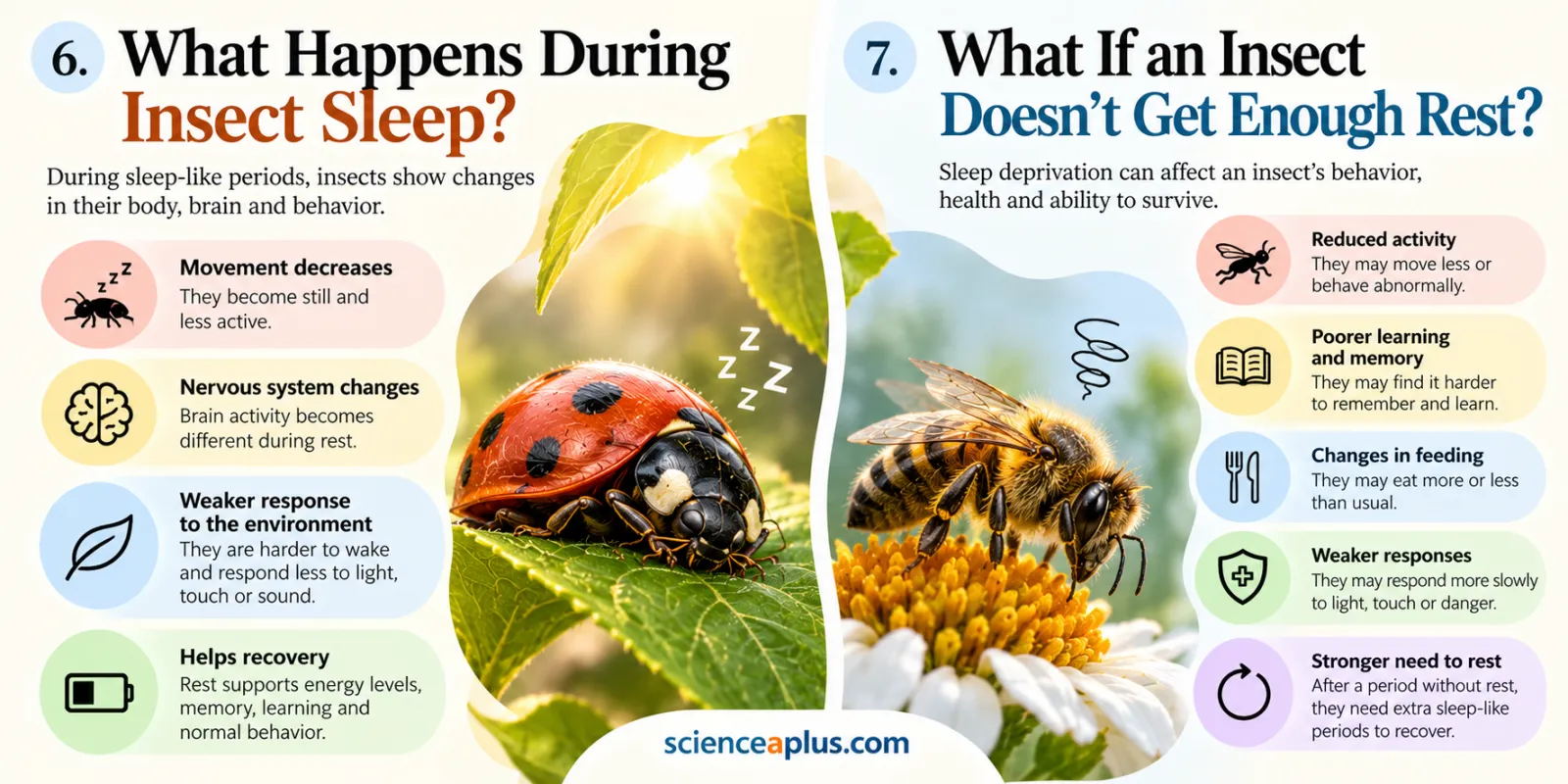
The infographic above summarises what scientists have seen in sleepless insects: less activity, slower reactions to light, touch or danger, and a strong need for extra rest afterwards. Treat it as a summary of general findings, since the effects differ between species and between experiments.
Sleep, torpor, quiescence and diapause: what is the difference?
Insects have more than one way of switching down. The words are easy to mix up, and exam boards like to test them. They are different states, not four names for the same thing.
| State | What it is | How long | What triggers it |
|---|---|---|---|
| Sleep | Regular, quickly reversible rest with a higher response threshold and sleep rebound | Minutes to hours, usually daily | The body clock and the build-up of need for sleep |
| Torpor | A temporary fall in metabolism and activity to save energy | Short-term | Cold or shortage of food |
| Quiescence | Stopping activity or development straight away in response to harsh conditions | As long as the harsh conditions last | The conditions themselves, such as drought or cold |
| Diapause | A hormone-controlled suspension of growth and reproduction, with strongly reduced metabolism | Weeks to months | Advance warning cues, usually day length |
The key difference is planning. Diapause is programmed in advance. An insect in diapause has been prepared by hormones before winter arrives, and it does not simply wake up if one warm afternoon comes along. It must complete internal changes first. Quiescence, by contrast, is an immediate response, so it ends as soon as conditions improve.
Many temperate insects, for example, overwinter as eggs, larvae, pupae or adults in diapause, and some tropical insects use a summer version to avoid heat and drought. If this reminds you of mammals that hibernate, you are on the right track. Our page on why animals hibernate covers the mammal case. In both groups, a hibernating or diapausing animal is doing something quite different from taking a nightly sleep.
Diapause is one of many adaptations seen in plants and animals that help living things survive hard seasons, so it is worth including in a GCSE answer on adaptation.
Do all insects sleep the same way?
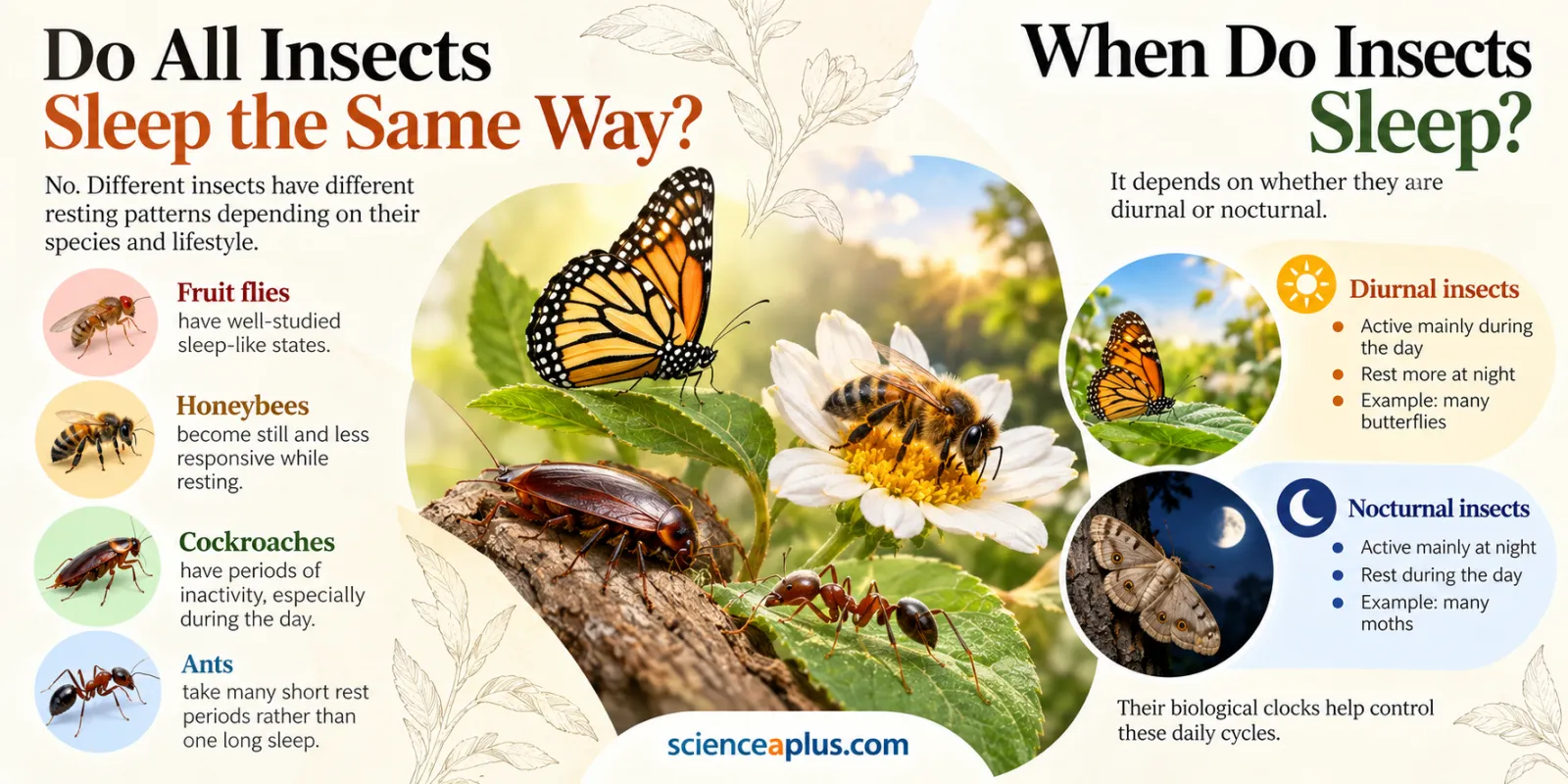
No. Insects differ in when they sleep, how long they sleep for and how deeply they rest. Butterflies are mostly active by day (diurnal) and rest at night, while most moths are active at night (nocturnal) and rest by day. Fruit flies, honeybees, cockroaches and ants all show different patterns, as we have seen, and the patterns shift with age, caste and season.
Flip the cards: insect sleep in one line each
Test your memory before you move on. Tap each card to see the answer.
Is insect sleep the same as human sleep?
Not exactly. Humans and other mammals have distinct stages of sleep, including rapid eye movement (REM) sleep, which are defined by electrical activity in a large, folded brain. Insects have no such cortex, and the stages of their sleep are still being worked out. What they share with us is the set of behavioural features: stillness, posture, a higher threshold for waking, a daily rhythm and rebound after deprivation.
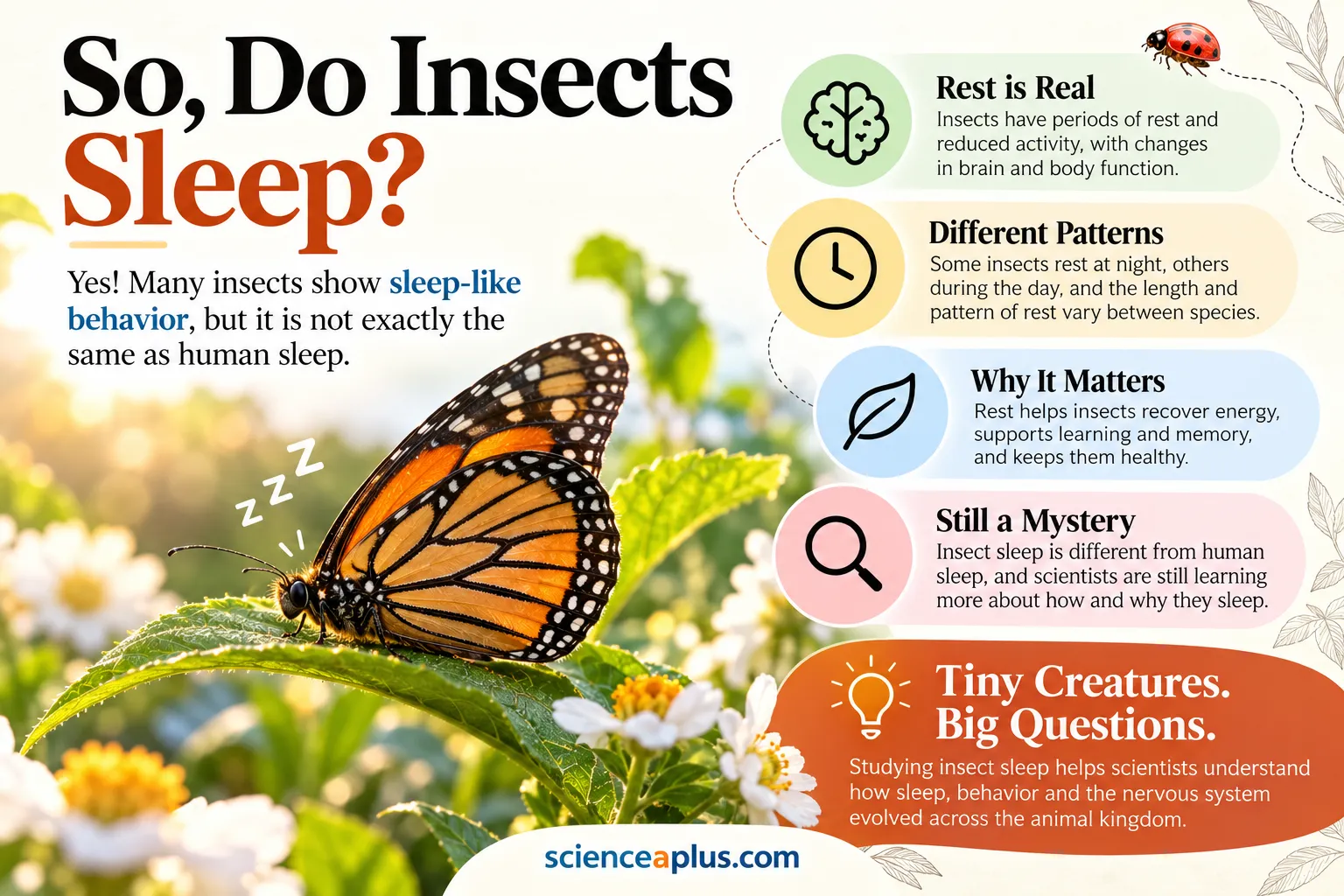
So the careful answer to "do insects sleep?" is that they show sleep, or at least a state that meets every behavioural test we use for sleep in other animals. Whether it feels like anything to an insect, we cannot say. Scientists generally avoid claims about dreams or feelings in insects, because there is no good way to test them.
Why study sleep in tiny animals?
Studying insect sleep has three big payoffs. First, it tests ideas about why sleep evolved. If animals as different as flies, bees and mammals all need it, then sleep probably appeared early and has an important job. Second, insects are easy to study in large numbers, and fly genes helped to reveal how the body clock works. Third, understanding insect behaviour matters for farming and conservation, because pollinators such as bees rely on rest to forage well.
Human sleep is more complex, since it involves the whole nervous system, but the basic questions are shared. If you are looking for practical advice for your own sleep, our guide to sleep hygiene and mental health is a good place to start.
Practice question: reveal the model answers
Give two behavioural features used to decide that an insect is sleeping. (2 marks)
Any two from: reduced movement or stillness; a typical resting posture; a higher response threshold (harder to rouse); rapid reversibility; extra rest after deprivation (rebound); a regular daily pattern.
Describe how Klein and colleagues showed that sleep matters to honeybees. (3 marks)
They kept bees awake using a magnetic device. They then recorded the waggle dances of the bees. Dances by sleep-deprived bees were less precise in the direction they signalled, so lack of sleep impaired their communication about food.
Explain the difference between diapause and quiescence. (2 marks)
Diapause is a hormone-controlled dormancy that is programmed in advance by cues such as day length, and it continues for a set time. Quiescence is an immediate response to harsh conditions that ends when conditions improve.
Frequently asked questions about insects and sleep
Do insects sleep?
Yes. Fruit flies, honeybees, cockroaches, paper wasps and ants all show regular, reversible periods of stillness with a higher response threshold, and they rest more after being kept awake. Scientists treat this as sleep, although it is not identical to human sleep.
Do insects have eyelids, so how can they tell if one is asleep?
Insects have no eyelids, so you cannot see closed eyes. Scientists use behaviour instead: how still the insect is, its posture, how hard it is to rouse, and whether it rests more after being deprived of rest.
Do bees sleep?
Yes. Walter Kaiser showed that resting honeybees have reduced muscle tone, a lower body temperature and a higher threshold for reacting. Sleep-deprived bees also dance less precisely, so bees appear to need sleep to work well.
Do flies sleep?
Yes. Studies published in 2000 by Shaw and colleagues and by Hendricks and colleagues showed that fruit flies have rest periods with a higher arousal threshold that are regulated by need, so scientists call it sleep.
Do cockroaches sleep?
Cockroaches rest for long periods, usually by day. In a 1983 experiment, cockroaches made to keep moving rested for longer afterwards. That recovery rest suggests that their stillness is regulated like sleep.
Do ants sleep?
Ants do, but in short naps. A 2009 study of fire ants found queens took about 92 naps a day of roughly 6 minutes, while workers took about 253 naps of just over a minute, so ant sleep is spread over the day.
Do insects dream?
Nobody knows. Dreaming in people is tied to certain brain states and reports from the sleeper, and neither can be measured in an insect. Scientists make no claim about dreams in insects.
What is the difference between sleep and diapause in insects?
Sleep is daily, quickly reversible rest. Diapause is a hormone-controlled dormancy, often lasting weeks or months, that is triggered in advance by cues such as day length. Diapause is not simply a long sleep.
Which fly experiments won a Nobel Prize?
The 2017 Nobel Prize in Physiology or Medicine went to Jeffrey Hall, Michael Rosbash and Michael Young for discovering how the circadian clock works. Their research on the period gene in fruit flies explained how a 24-hour cycle is produced inside cells.