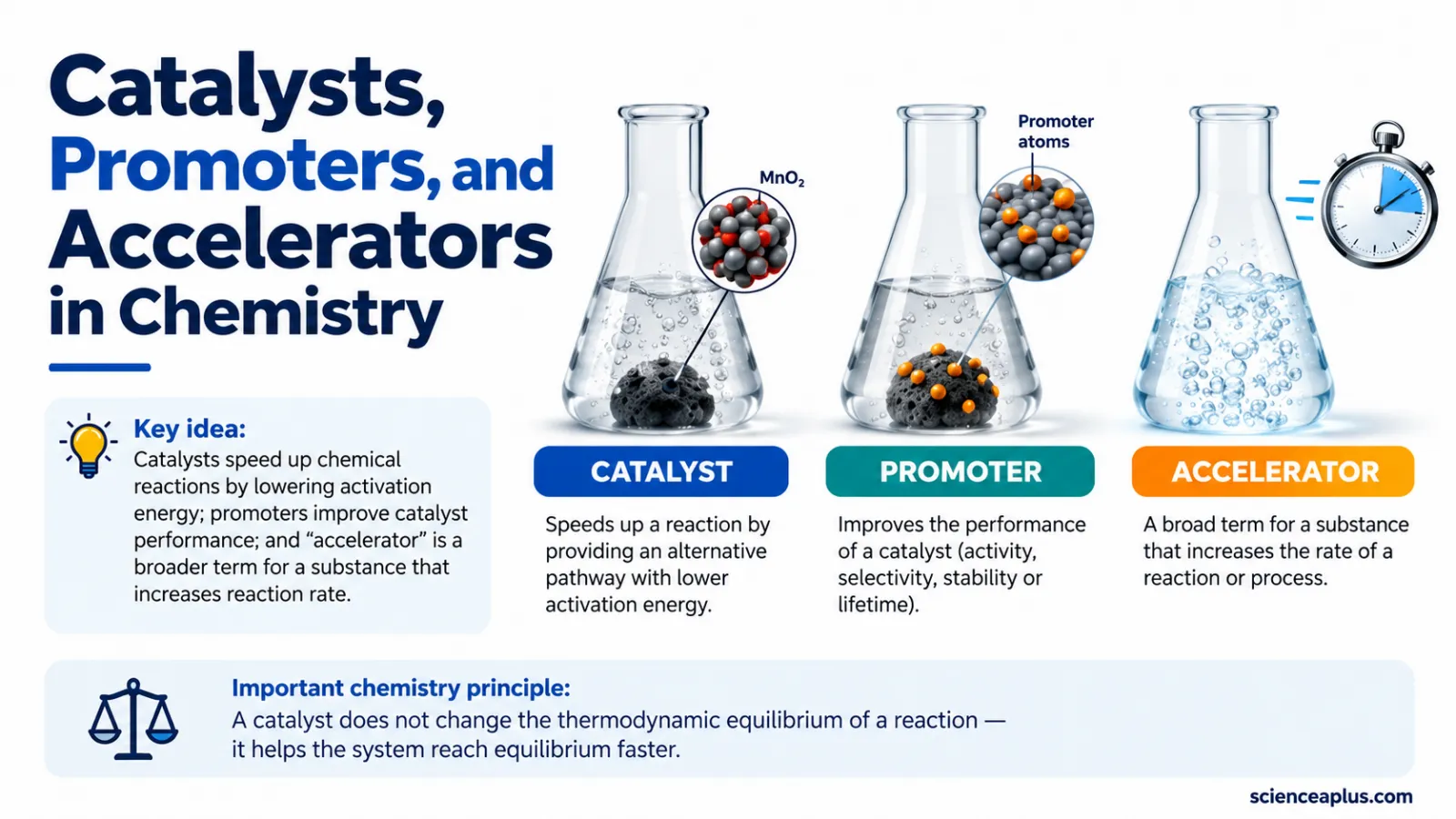
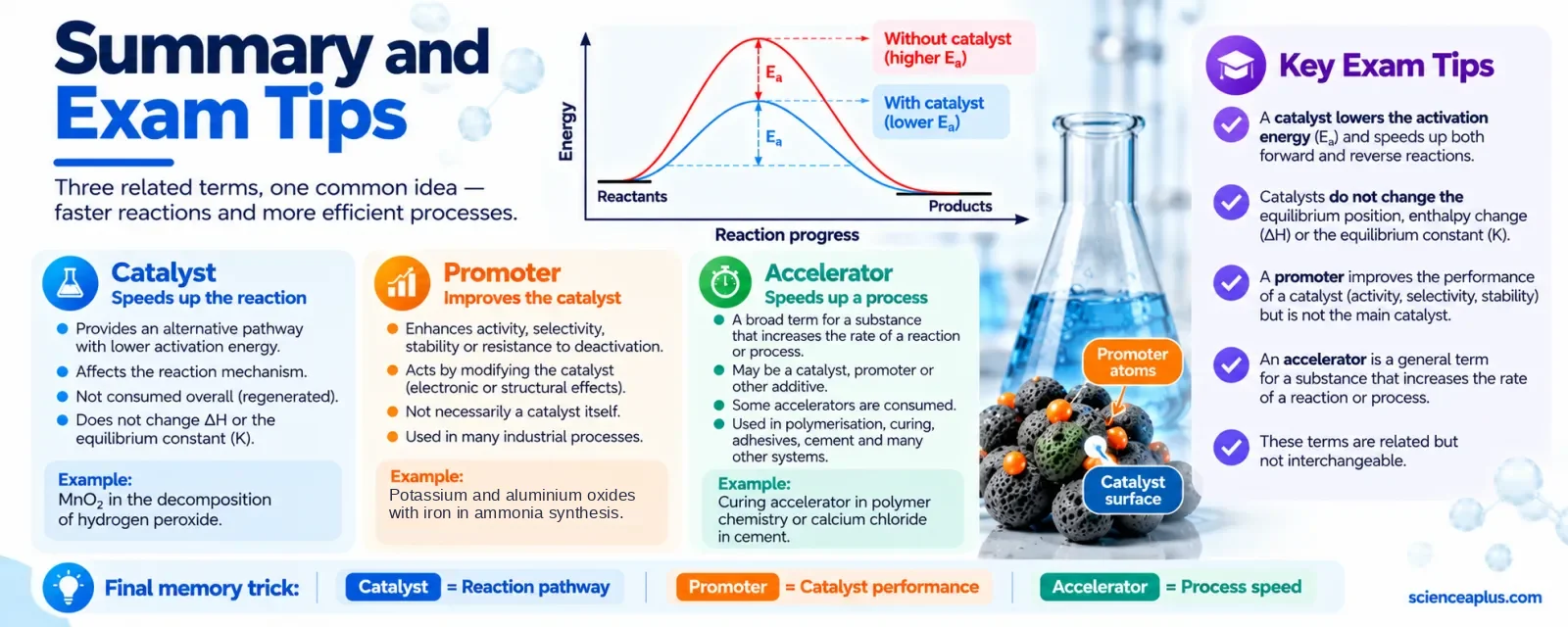
Catalysts vs promoters vs accelerators: what is the difference? A catalyst speeds up a reaction by giving it an easier route, and it is regenerated at the end. A promoter is a small amount of an extra substance that makes a catalyst work better or last longer. An accelerator is a broad word for anything that speeds up a reaction or process, and it may or may not be a catalyst.
Many websites and even some textbooks treat the three words as if they meant the same thing. They do not. This article separates them cleanly, uses real examples from industry, and corrects several common mistakes, including a stubborn myth about the Haber process. There is a calculator and a quiz to test yourself along the way.
Catalysts vs promoters vs accelerators at a glance
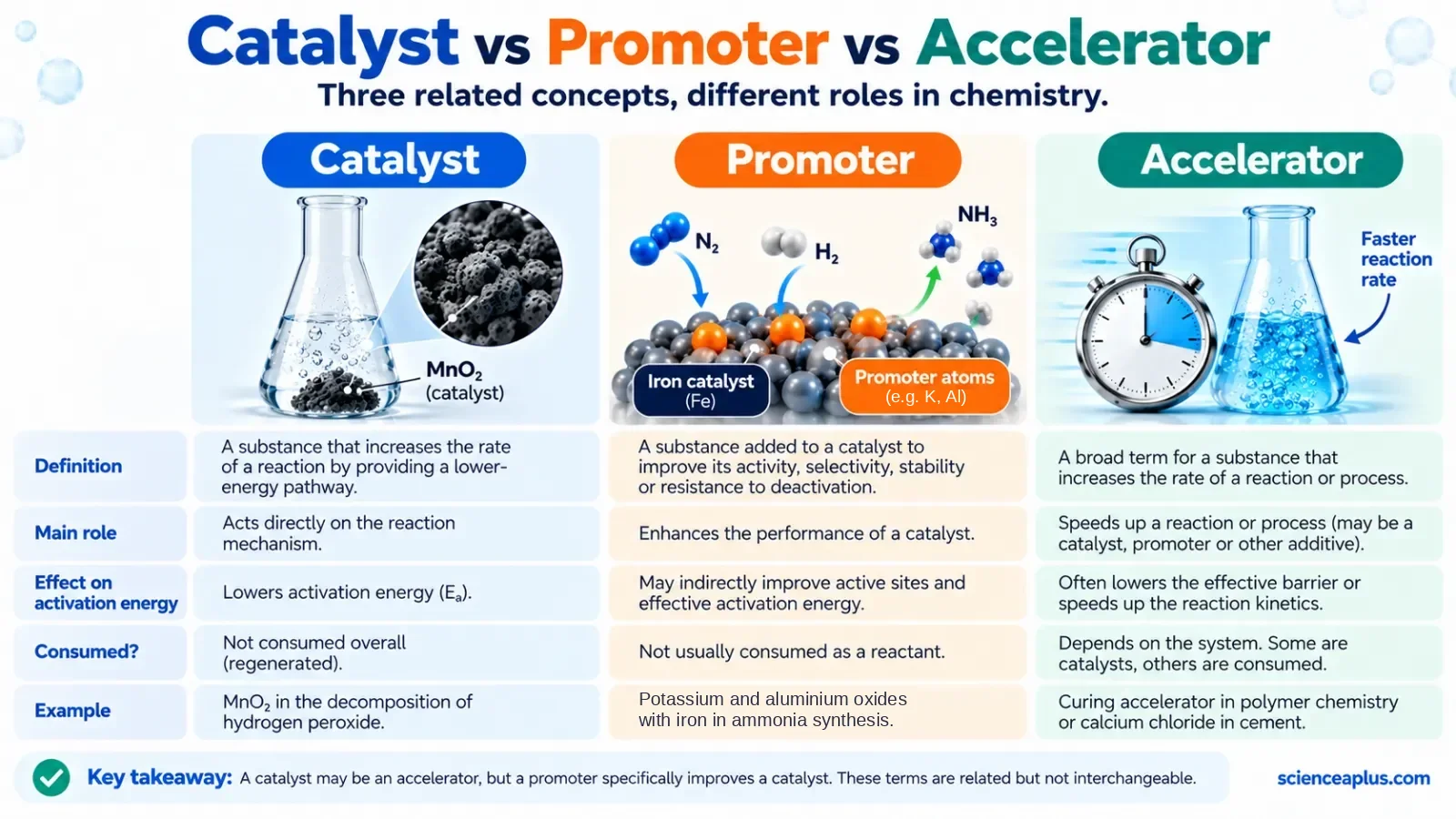
Start with the big picture. The table gives a one-line answer for each term, and the sections below explain every row in detail.
| Term | What it does | Used up? | Changes activation energy? | Example |
|---|---|---|---|---|
| Catalyst | Speeds up a reaction by providing an alternative pathway | No, it is regenerated | Yes, it lowers it | Iron in the Haber process; MnO₂ with hydrogen peroxide |
| Promoter | Improves the activity, selectivity or lifetime of a catalyst | Not a reactant; usually has little or no catalytic effect on its own | Indirectly, by making the catalyst better | K₂O and Al₂O₃ on the Haber iron; ceria in catalytic converters |
| Accelerator | Speeds up a reaction or process (curing, setting, vulcanising) | Depends: a catalyst is not, but many accelerators stay in the product | Depends on the type | MBT in rubber; calcium chloride or calcium nitrate in concrete |
What is a catalyst?
The International Union of Pure and Applied Chemistry (IUPAC) describes a catalyst as a substance that increases the rate of a reaction without changing the overall standard Gibbs energy change of the reaction. In plain English, it makes the reaction quicker but does not change where the reaction ends up. IUPAC also points out that a catalyst takes part in the reaction and is then regenerated, so it appears on both sides of the story: used in one step, made again in another.
At GCSE the same idea is written like this. A catalyst changes the rate of a chemical reaction but is not used up, so it has the same mass at the start and at the end. It works by providing an alternative pathway with a lower activation energy. Because the energy barrier is lower, a greater proportion of collisions between particles are successful, and the reaction goes faster.
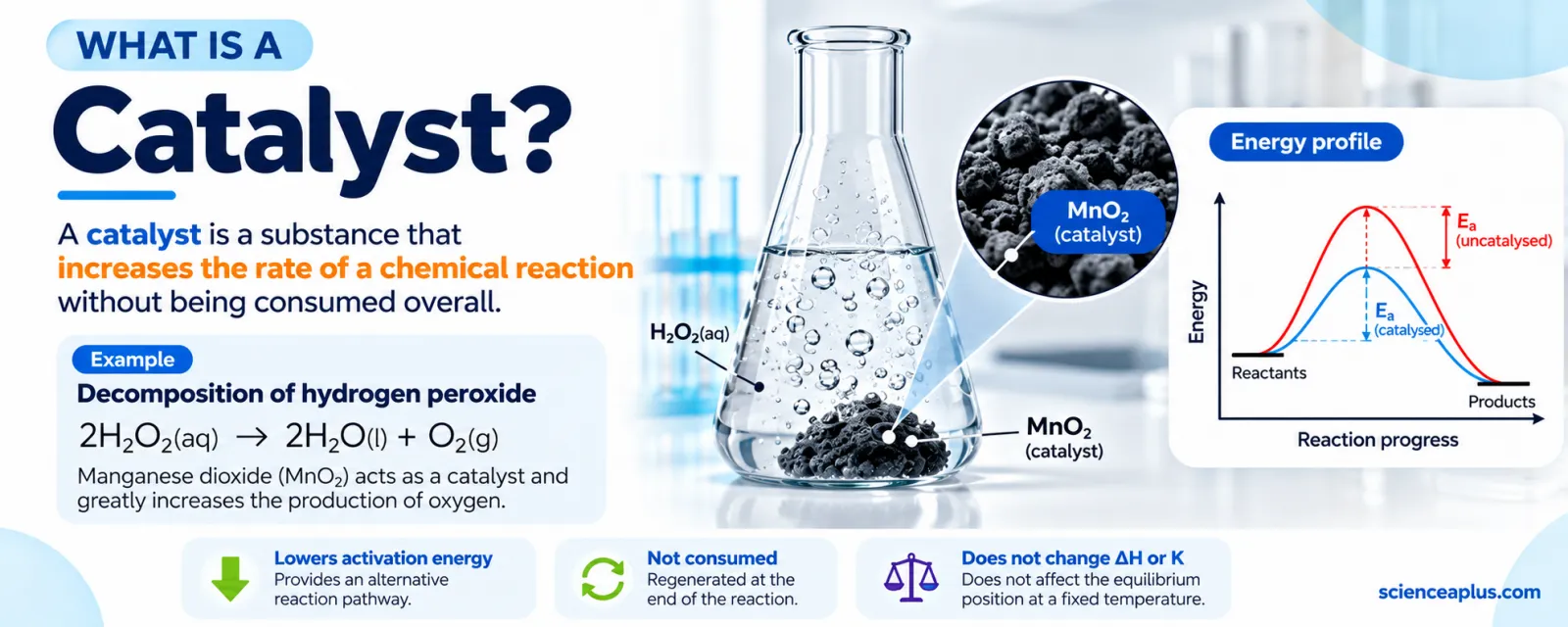
The classic example is hydrogen peroxide. On its own it breaks down very slowly, but add a spoonful of manganese(IV) oxide (MnO₂, also called manganese dioxide) and it fizzes at once, giving off oxygen gas. The black powder is still there, unchanged, when the bubbling stops.
2H₂O₂(aq) → 2H₂O(l) + O₂(g) (MnO₂ catalyst)
What a catalyst does not change
A catalyst changes the speed of a reaction and nothing else about the overall chemistry. It does not change the enthalpy change (ΔH), and it does not make extra product. In a reversible reaction it speeds up the forward and the reverse reactions equally. That means the equilibrium position stays exactly where it was, but the mixture gets there sooner. As the chemistry site chemguide puts it, the catalyst has no effect whatsoever on the position of the equilibrium.
Homogeneous and heterogeneous catalysts
Chemists sort catalysts by their phase compared with the reactants. A homogeneous catalyst is in the same phase as the reactants, for example iodide ions dissolved in a solution. A heterogeneous catalyst is in a different phase, for example a solid catalyst working on gas reactants.
The iron in the Haber process is heterogeneous: solid iron with nitrogen and hydrogen gases flowing over it. Heterogeneous catalysts are popular in industry because the solid is easy to separate from the product. The reaction happens on the surface, which is why a catalyst is often made as a powder, a mesh or a coating with a huge surface area.
Enzymes: nature’s catalysts
Living things rely on catalysts too. Enzymes are proteins that act as biological catalysts, speeding up reactions in cells that would otherwise be far too slow at body temperature. Each enzyme usually works on one type of molecule.
A neat link with the lab example above: the enzyme catalase, found in liver, also breaks down hydrogen peroxide into water and oxygen. That is why a piece of liver or potato makes hydrogen peroxide froth, a trick used in school practicals.
So much for the catalyst itself. The next section puts catalysts to work in the school laboratory and then in some of the largest chemical plants on Earth, before we look at the promoters that help them and the accelerators that are often confused with them.
Catalyst examples you can see in the lab
The easiest way to understand a catalyst is to watch one work. The decomposition of hydrogen peroxide is the standard school experiment. The Royal Society of Chemistry (RSC) practical compares several catalysts on the same reaction: manganese(IV) oxide, lead(IV) oxide, iron(III) oxide, potato and liver. The three oxides are used as 0.5 g of powder and the potato and liver as 1 cm³ pieces, and the height of foam in a measuring cylinder (with a drop of washing-up liquid added) shows how quickly oxygen is being made.
The result is a ranking of catalysts. Some make the foam shoot up in seconds, while others barely beat the uncatalysed reaction. The surface area of the solid matters too, so the order can change if one powder is finer than another.
Elephant’s toothpaste: a catalyst you can see

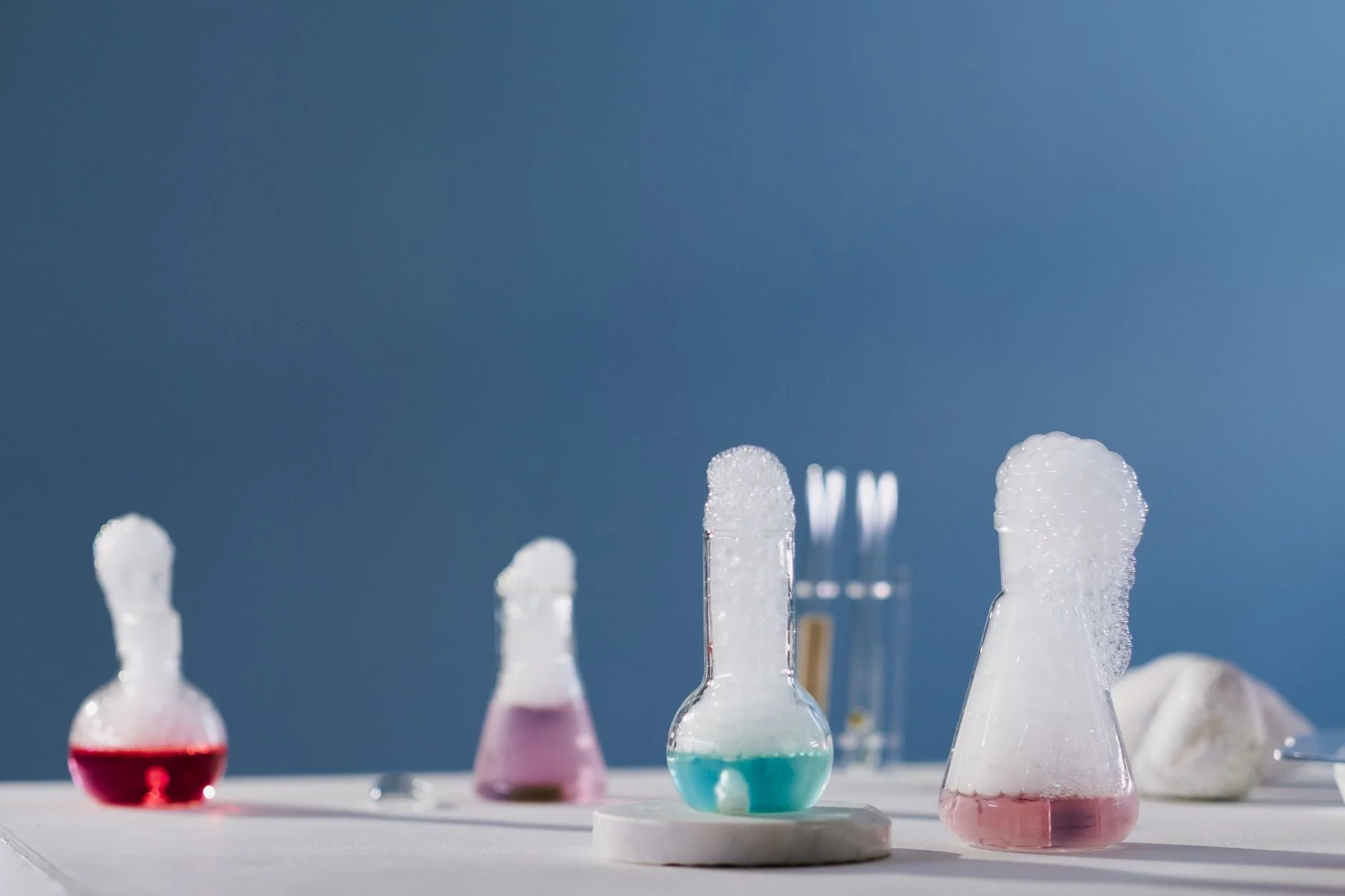
A famous show-off version of the same reaction is called elephant’s toothpaste. Concentrated hydrogen peroxide is mixed with washing-up liquid and a catalyst such as potassium iodide (yeast or catalase also work). The catalyst makes the peroxide release oxygen so quickly that the gas is trapped in a column of foam that pours out of the container. The iodide is not used up: it is regenerated and keeps working until the peroxide has gone.
Measure the speed with a gas syringe
To turn “fizzes faster” into numbers, a common gas-syringe method (as in A-level practical guides) puts 0.5 g of MnO₂ into 50 cm³ of hydrogen peroxide solution and reads the volume of gas every 10 seconds. A graph of volume against time is steep at the start and flattens as the peroxide runs out. The initial rate comes from the gradient of a tangent drawn at the start.
The simple version of the sum is the mean rate:
mean rate = volume of gas ÷ time
Try it yourself. The calculator below is filled with example results (not real measurements) for the same amount of oxygen collected with and without a catalyst. Change the numbers to see how the comparison changes.
Notice that the volume is the same in both columns. The catalyst changes how fast the gas appears, not how much you get in the end.
Practical checklist: is MnO₂ really a catalyst?
- Put on goggles and check your hydrogen peroxide is the dilute school solution.
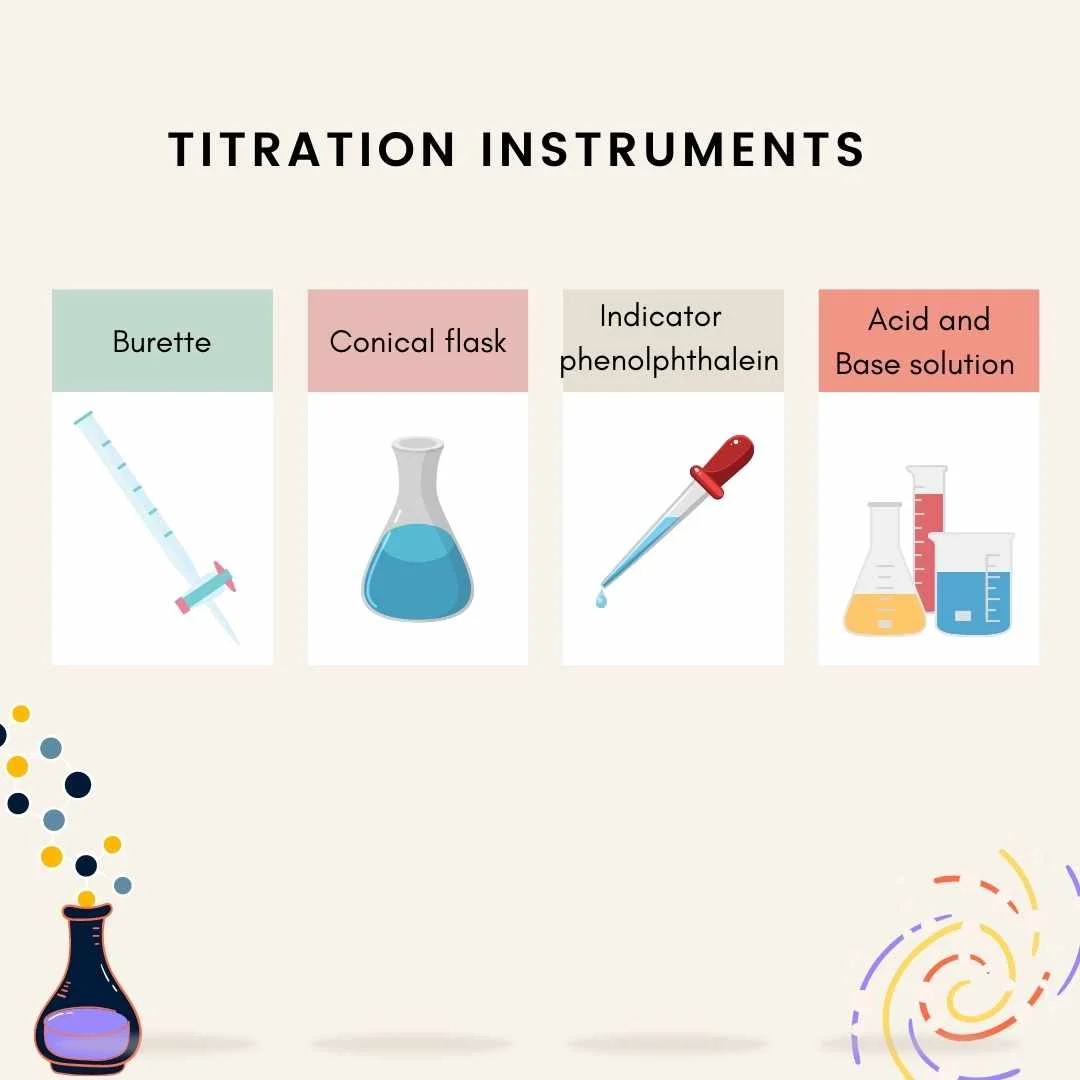
- Measure 50 cm³ of hydrogen peroxide solution into a conical flask.
- Connect the gas syringe and check that the bung is tight.
- Weigh 0.5 g of manganese(IV) oxide on a balance.
- Add the powder, replace the bung quickly and start the timer.
- Record the gas volume every 10 seconds until it stops rising.
- Filter, wash and dry the manganese(IV) oxide, then reweigh it to show it was not used up.
How could you show that manganese(IV) oxide is a catalyst and not a reactant? (3 marks)
Show that gas is produced much faster with the manganese(IV) oxide than without it. At the end, filter, wash, dry and weigh the solid: it has the same mass as at the start. If you add it to fresh hydrogen peroxide it still works, so it has not been used up.
Industrial catalysts that feed and power the world
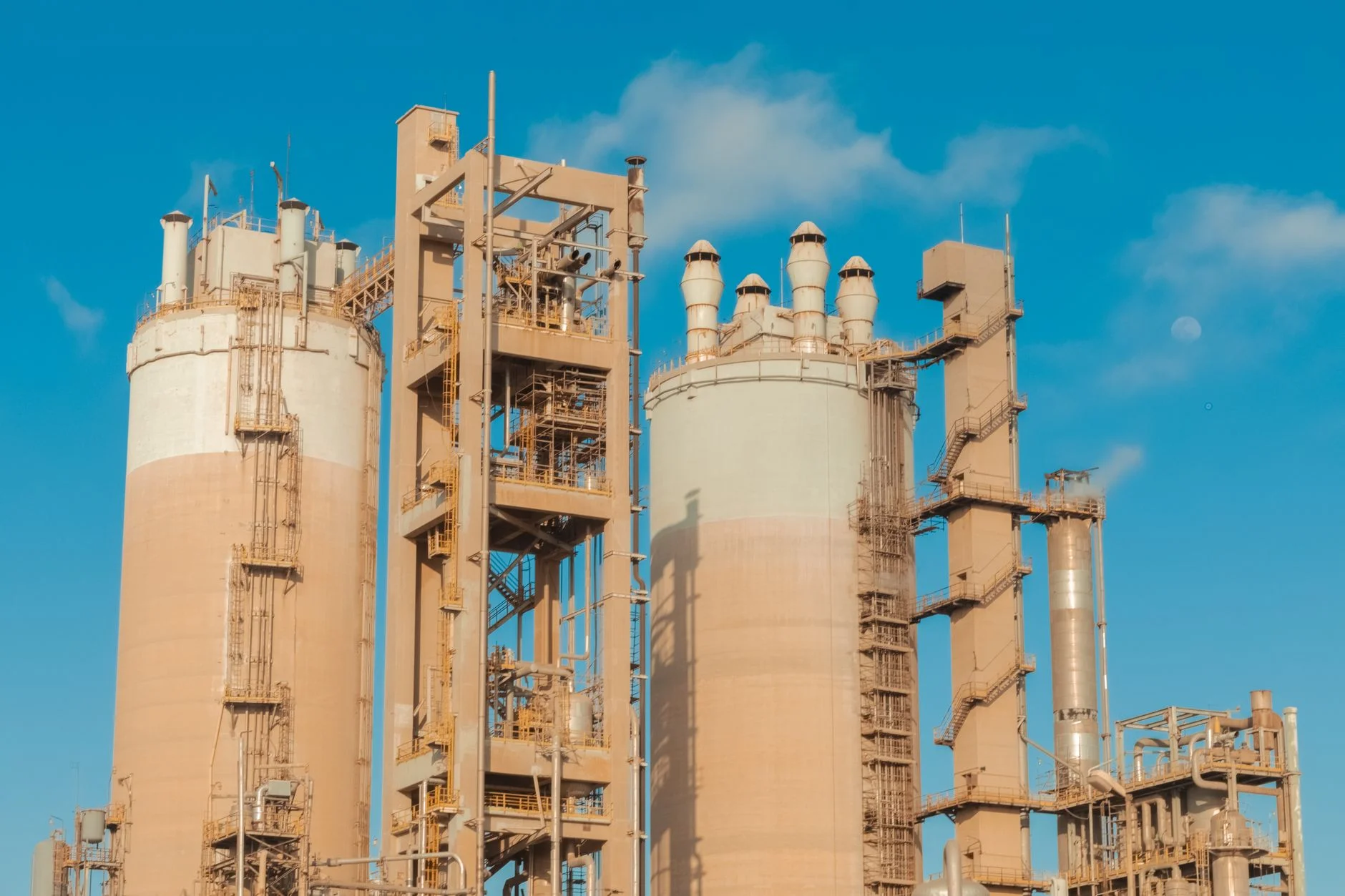
Catalysts matter most in industry, where a faster reaction means a smaller plant and lower costs. Three examples are worth knowing well. Each one also has a supporting cast, and we meet those helpers in the next section on promoters.
Haber process: iron makes ammonia
The Haber process joins nitrogen from the air with hydrogen to make ammonia. It is a reversible reaction:
N₂(g) + 3H₂(g) ⇌ 2NH₃(g)
The catalyst is iron, and the usual GCSE conditions are about 450 °C and 200 atmospheres. Only about 15 % of the nitrogen and hydrogen is converted each time the gases pass through the reactor. The ammonia is removed, the unreacted gases are recycled, and the overall conversion reaches about 97–98 %.
Remember that the catalyst does not shift the equilibrium. What it does is make the reaction fast enough at a moderate temperature. The cheap iron-based catalyst still used as the basis of today’s catalysts was found by Alwin Mittasch at BASF in 1909, working with Fritz Haber’s process. Today ammonia production takes roughly 1–2 % of the world’s energy, and about 230 million tonnes of ammonia were made in 2018. Much of it ends up in fertilisers. The iron in a real reactor is not pure, though, and the next section explains why.
Contact process: vanadium(V) oxide makes sulfuric acid
Sulfuric acid is made by the contact process. The key step turns sulfur dioxide into sulfur trioxide:
2SO₂(g) + O₂(g) ⇌ 2SO₃(g)
The catalyst is vanadium(V) oxide, V₂O₅, at about 450 °C and 1–2 atmospheres. Platinum was used originally, but it reacts with arsenic impurities and stops working, so vanadium(V) oxide replaced it.
Catalytic converters
A car’s catalytic converter is a catalyst you probably walk past every day. A three-way converter uses platinum-group metals to clean exhaust gases. Rhodium is the reduction catalyst, turning nitrogen oxides into nitrogen. Palladium is an oxidation catalyst, turning carbon monoxide into carbon dioxide and burning leftover hydrocarbons to carbon dioxide and water. Platinum can do both jobs.
These metals are easily damaged. Lead compounds coat the catalyst surface and poison it, which is why cars with catalytic converters must run on unleaded fuel.

What is a promoter in chemistry?
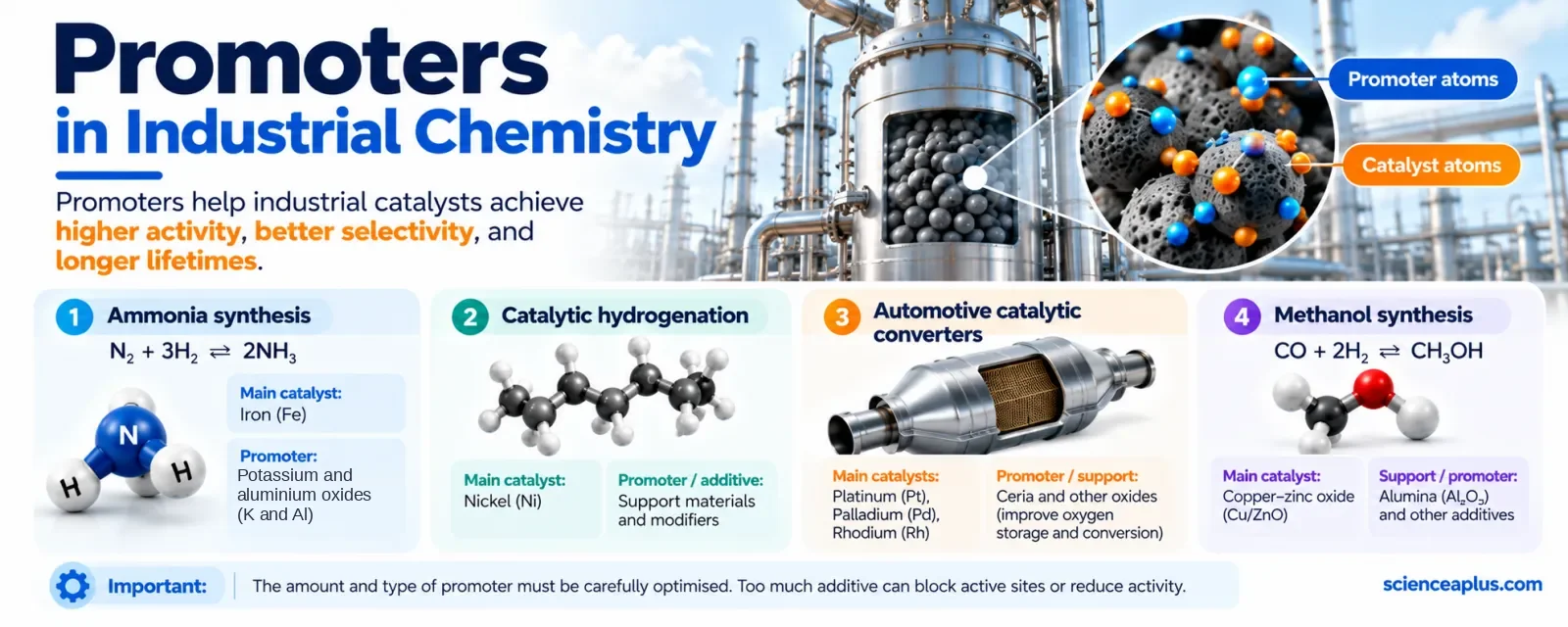
A promoter is a substance added in a small amount to a catalyst to improve it. The IUPAC definition for catalysis says that a promoter is a relatively small quantity of one or more substances which, when added to a catalyst, improves its activity, its selectivity or its useful lifetime. A promoter can either boost the reaction you want or suppress one you do not want.
The classic textbook version adds a second idea: on its own, a promoter usually has little or no catalytic effect. It is the catalyst that does the job, and the promoter helps the catalyst do it. Think of a pit crew in motor racing. The crew does not drive the car, but without it the car would go slower and wear out sooner.
Three words in that definition are worth separating:
- Activity: how fast the catalyst makes the reaction go.
- Selectivity: how much of the wanted product you get compared with unwanted by-products.
- Lifetime: how long the catalyst keeps working before it needs replacing.
Difference between a catalyst and a promoter
The difference between a catalyst and a promoter comes down to who does what. The catalyst provides the alternative pathway. The promoter modifies the catalyst so that the pathway works better.
- Job: a catalyst speeds up the reaction; a promoter improves the catalyst.
- Amount: a catalyst is the main solid in the reactor; the promoter is only a few per cent of the catalyst by mass.
- Remove the catalyst: the reaction slows right down.
- Remove the promoter: the catalyst still works, but it is less active, less selective or it dies sooner.
Promoters in the Haber process (and the molybdenum myth)
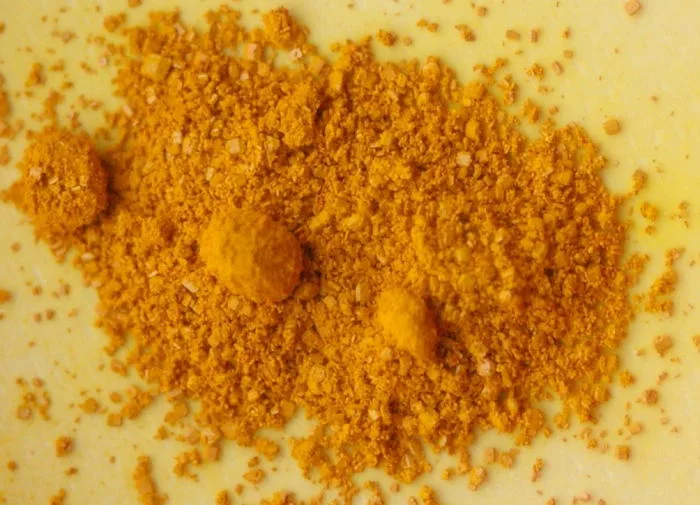
The Haber process catalyst promoter is the textbook example. The industrial catalyst starts as magnetite, an iron oxide, and is reduced to iron inside the plant. It is promoted with potassium oxide (K₂O), aluminium oxide (Al₂O₃), calcium oxide (CaO) and, in many recipes, silicon dioxide (SiO₂). Typical patents list only about 0.1–0.6 % K₂O, about 1–2.3 % Al₂O₃ and about 1–2 % CaO, so the additives really are a few per cent at most.
Two different kinds of help are at work, according to a 2023 review of fused iron catalysts in RSC Advances.
Structural promoters
Iron’s activity depends on surface area. At 450 °C the tiny iron crystals want to clump together, which is called sintering, and the surface shrinks. Aluminium oxide and calcium oxide act as structural promoters: they keep the crystals apart so that the catalyst keeps its high surface area for a long time.
Electronic promoters
Potassium oxide is an electronic promoter. It increases the electron density on the iron surface and helps ammonia leave (desorb) from the surface, which frees active sites for the next molecules. Some simplified sources, including chemguide, describe the additive as potassium hydroxide acting as a promoter.
Other promoters at work
Promoters appear in many industrial catalysts, and the pattern is always the same: a small amount of an extra substance makes the main catalyst better.
- Contact process: the working catalyst is vanadium(V) oxide with alkali-metal sulfates, usually potassium and sometimes caesium, on a silica support. The potassium and caesium salts act as promoters. Caesium-promoted grades can work at lower temperatures, about 390–410 °C.
- Catalytic converters: ceria or ceria–zirconia is added mainly as an oxygen-storage promoter. It stores oxygen when the exhaust has plenty and releases it when the exhaust is short of it.
- Ostwald process: the platinum gauze is alloyed with about 10 % rhodium to increase its strength and the yield of nitric oxide. This is an alloy, but the rhodium does a promoter-like job.
More is not always better. Too much additive can block active sites and lower the activity, so the amount has to be optimised.
Promoters vs poisons and inhibitors
Promoters help catalysts. Poisons and inhibitors do the opposite, but they are not the same as each other.
A catalyst poison binds, usually irreversibly, to the surface of a catalyst so that reactants cannot attach. The activity drops or disappears. Lead in petrol poisoning a catalytic converter is the standard example, and arsenic poisoning platinum in the early contact process is another.
An inhibitor is a substance that slows a reaction down. It is sometimes called a negative catalyst. The two ideas are different: a poison attacks the catalyst, while an inhibitor slows the reaction itself.
The line between promoter and poison can depend on what you want. Lindlar’s catalyst is palladium that is deliberately poisoned so that it stops the hydrogenation of an alkyne at the alkene stage. Here a controlled amount of poison improves the selectivity.
Flip cards: test your vocabulary
What is an accelerator in chemistry?
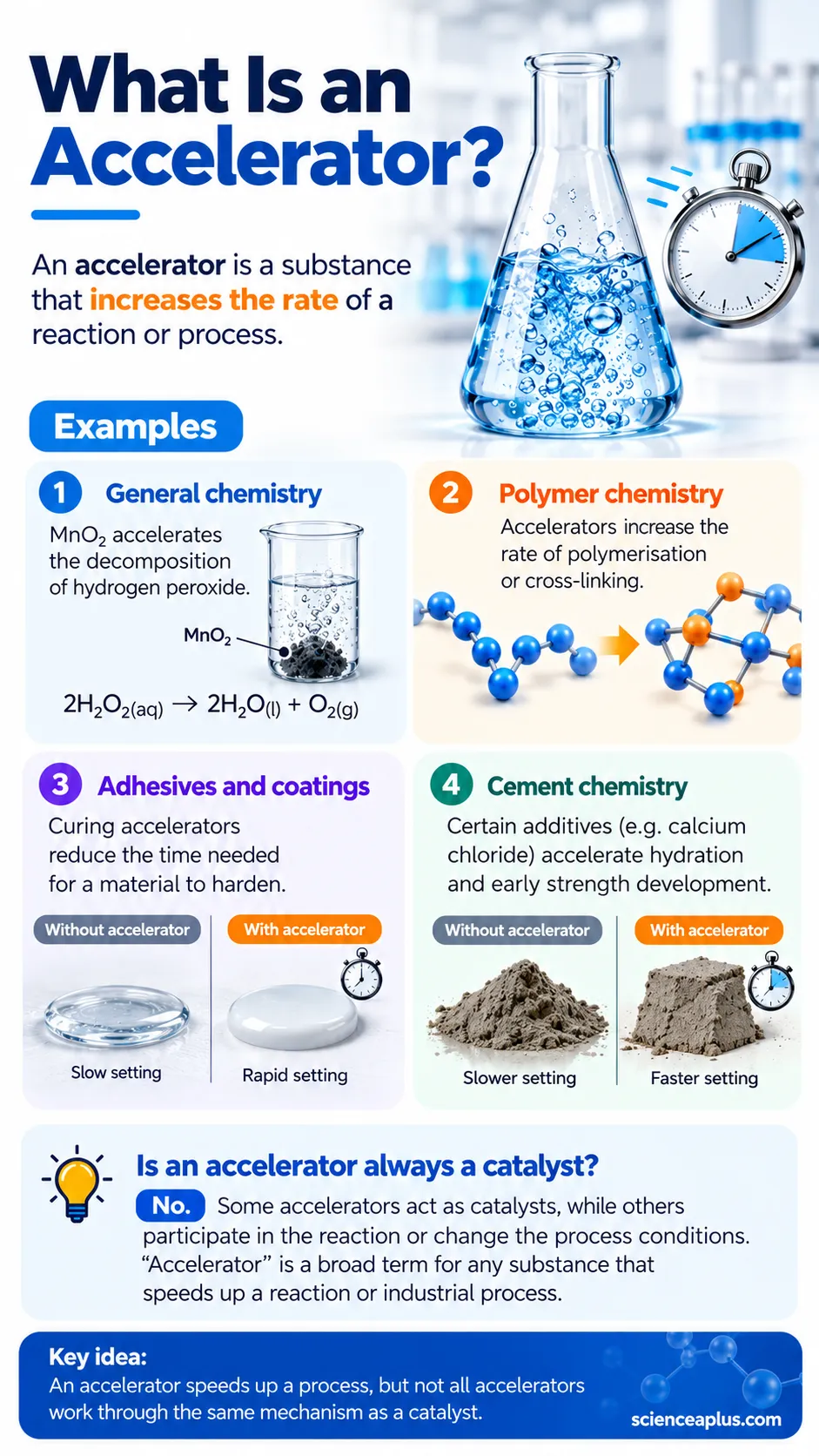
“Accelerator” is the loosest of the three words. In chemistry and industry it is a broad, field-specific term for a substance that speeds up a reaction or process, such as curing, setting or vulcanising. Sometimes the accelerator is a true catalyst. Manganese(IV) oxide “accelerates” the breakdown of hydrogen peroxide and is not used up, so there the accelerator is a catalyst.
Often it is not. Many accelerators take part in the reaction and remain in the final product. That is why an accelerator is not always a catalyst, and why treating the two words as synonyms causes mistakes.
Rubber accelerators and vulcanisation
Natural rubber is soft and sticky until it is cross-linked with sulfur, a process called vulcanisation. Charles Goodyear developed sulfur vulcanisation in 1839, but sulfur on its own is slow. Rubber accelerators let the process happen faster and at lower temperatures.
The most important rubber accelerators are sulfur- and nitrogen-containing compounds, especially benzothiazole derivatives such as 2-mercaptobenzothiazole (MBT). Early additives included metal oxides such as zinc oxide and magnesium oxide. In the early 20th century, an aniline derivative was found to speed up sulfur vulcanisation, and MBT came into use in the 1920s.
Unlike a catalyst, accelerator residues stay in the finished rubber. Thiurams, carbamates and mercaptobenzothiazole are well-known causes of rubber allergy, a form of allergic contact dermatitis. This is a clear sign that rubber accelerators are not “unchanged and recoverable” in the way a catalyst is.
Concrete accelerators
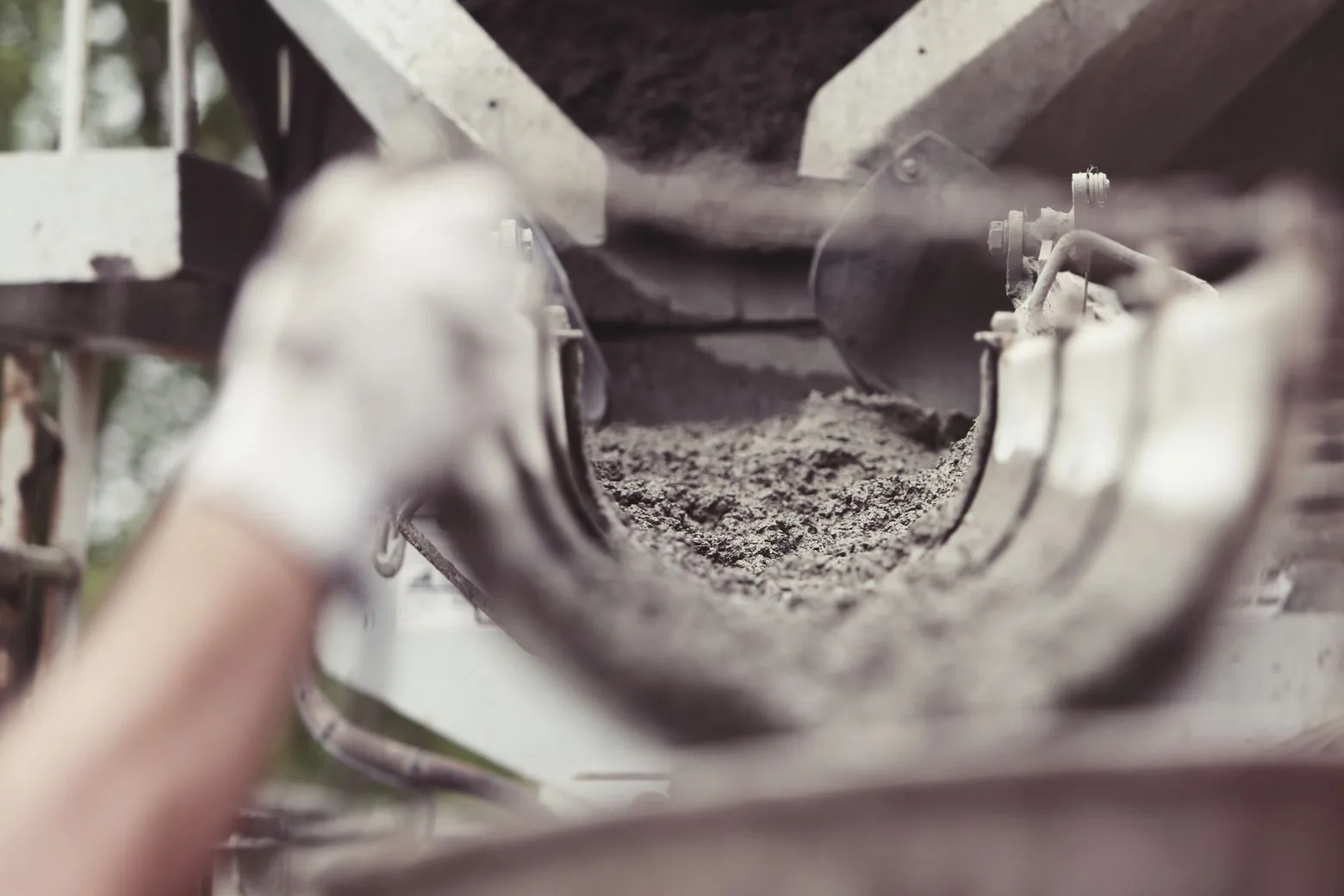
Concrete hardens because cement reacts with water, a process called hydration. A concrete accelerator speeds this up, which is useful in cold weather when setting would otherwise be slow. Typical accelerators are calcium chloride, calcium nitrate and sodium nitrate.
There is a catch. Chlorides can corrode the steel reinforcement inside concrete, so some countries restrict them, and nitrates are often preferred even though they are less effective. The opposite of an accelerator is a retarder, which slows setting. Sugar, sodium gluconate and citric acid are examples.
Adhesives, coatings and polymers
The same word turns up in adhesives and coatings. A curing accelerator shortens the time a material takes to harden, and in polymer chemistry accelerators help speed up cross-linking. The details change from product to product, so the safe rule is to ask whether the substance is recovered unchanged at the end.
Is an accelerator the same as a catalyst?
No, not always. A catalyst is defined by what it does at the end: it is regenerated. An accelerator is defined by what it does to the speed of a reaction or process. So every catalyst can be called an accelerator of its reaction, but not every accelerator is a catalyst.
Explain why calcium chloride in concrete is called an accelerator rather than a catalyst. (2 marks)
It speeds up the setting (hydration) of concrete, so it is an accelerator. However, it is not recovered unchanged like a catalyst: it stays in the hardened concrete.
Test yourself
Frequently asked questions about catalysts vs promoters vs accelerators
What is the difference between a catalyst and a promoter?
A catalyst speeds up a reaction by providing an alternative pathway with a lower activation energy. A promoter is a small amount of another substance added to the catalyst to improve its activity, selectivity or lifetime. The promoter usually has little or no catalytic effect by itself.
Is a promoter a catalyst?
No. A promoter is an additive that makes a catalyst work better, but on its own it usually has little or no catalytic effect. The catalyst does the main job. For example, K₂O and Al₂O₃ are promoters for the iron catalyst in the Haber process, not catalysts themselves.
What is an accelerator in chemistry?
An accelerator is a broad term for a substance that speeds up a reaction or a process such as curing, setting or vulcanisation. Examples include benzothiazole compounds in rubber and calcium nitrate in concrete. Some accelerators are catalysts, but many take part in the reaction and stay in the product.
Is an accelerator the same as a catalyst?
Not always. A catalyst is regenerated at the end of a reaction. An accelerator is any substance that speeds things up, and it may be a catalyst, like manganese(IV) oxide with hydrogen peroxide, or a chemical that stays in the product, like rubber accelerators.
What is the promoter in the Haber process?
The iron catalyst in the Haber process is promoted mainly by potassium oxide (K₂O) and aluminium oxide (Al₂O₃), often with calcium oxide too. Aluminium oxide helps keep the iron’s surface area high, and potassium oxide helps ammonia leave the surface. Molybdenum is not the standard industrial promoter.
Does a catalyst change the position of equilibrium?
No. A catalyst speeds up the forward and the reverse reactions equally, so the equilibrium position and the enthalpy change stay the same. What changes is the time: equilibrium is reached sooner. To change the yield you must change conditions such as pressure or temperature.
Is a catalyst used up in a reaction?
No. A catalyst takes part in the reaction but is regenerated, so it has the same mass at the end as at the start. You can show this by filtering, drying and weighing manganese(IV) oxide after a hydrogen peroxide experiment. It can then be used again.
What is a catalyst poison?
A catalyst poison is a substance that binds, usually irreversibly, to a catalyst’s surface so that reactants cannot attach to it. Activity drops or stops. Lead compounds poison the catalyst in a car’s catalytic converter, which is why those cars must use unleaded fuel.
Are enzymes catalysts?
Yes. Enzymes are proteins that act as biological catalysts, speeding up reactions in living things without being used up. Catalase is one example: it is found in liver and breaks hydrogen peroxide down into water and oxygen, just as manganese(IV) oxide does in a school practical.
What is the difference between an inhibitor and a catalyst?
A catalyst speeds a reaction up, while an inhibitor slows a reaction down, so an inhibitor is sometimes called a negative catalyst. An inhibitor is also different from a catalyst poison. A poison attacks the catalyst itself, whereas an inhibitor reduces the rate of the reaction.