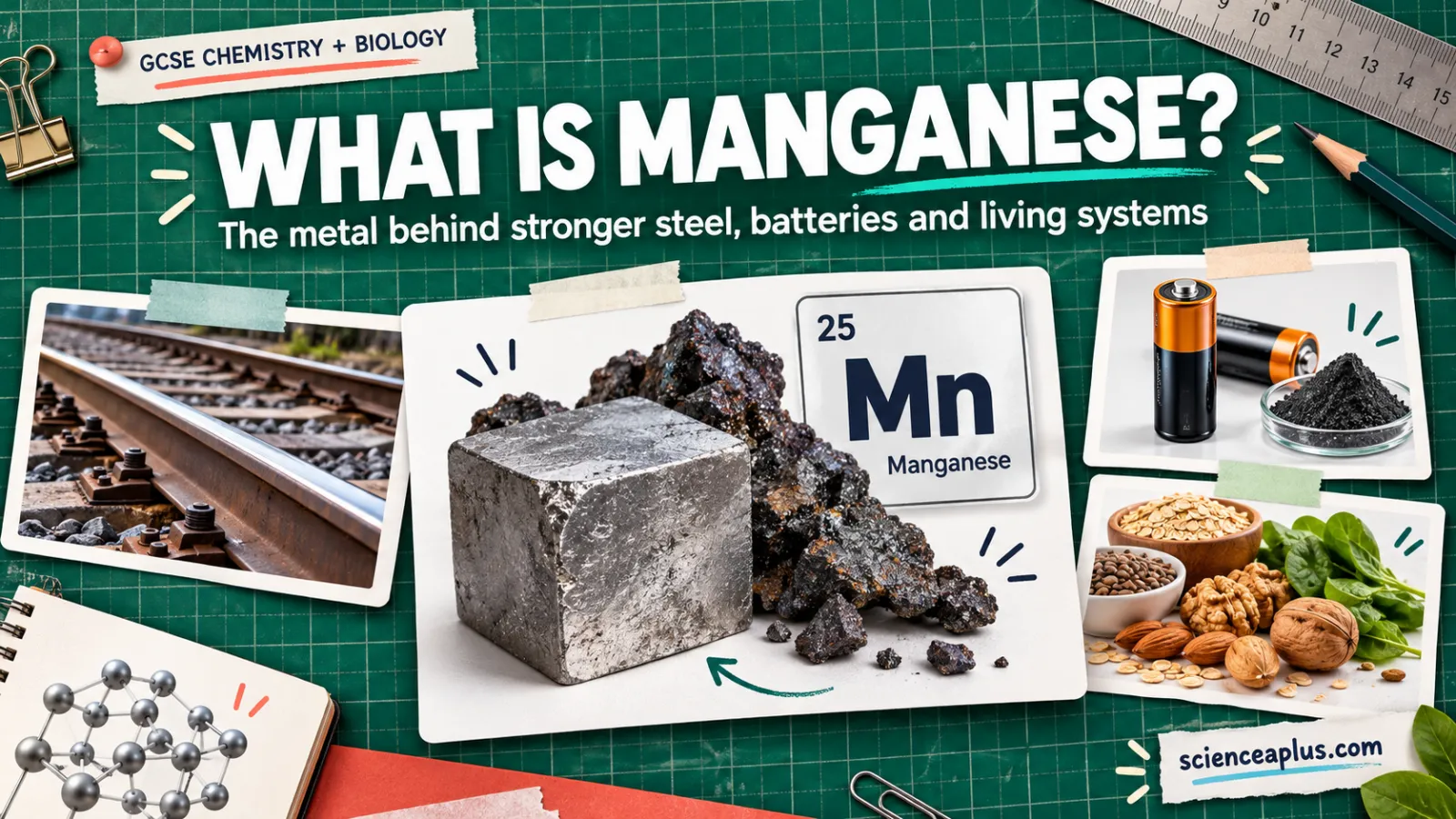
Manganese is a hard, brittle, silvery-grey transition metal with the symbol Mn and atomic number 25. It sits in Group 7 of the periodic table, between chromium and iron. So what is manganese good for? Mostly strengthening steel: roughly nine-tenths or more of all the manganese we use ends up in it. It is also an essential trace element that your body needs in tiny amounts.
This guide explains what manganese is, its atomic structure and electron configuration, its physical and chemical properties, its colourful oxidation states, where it comes from, what it is used for, and what it does in your body. You will also meet manganese nodules on the deep-sea floor, try two calculators and test yourself with a quiz.
What is manganese?
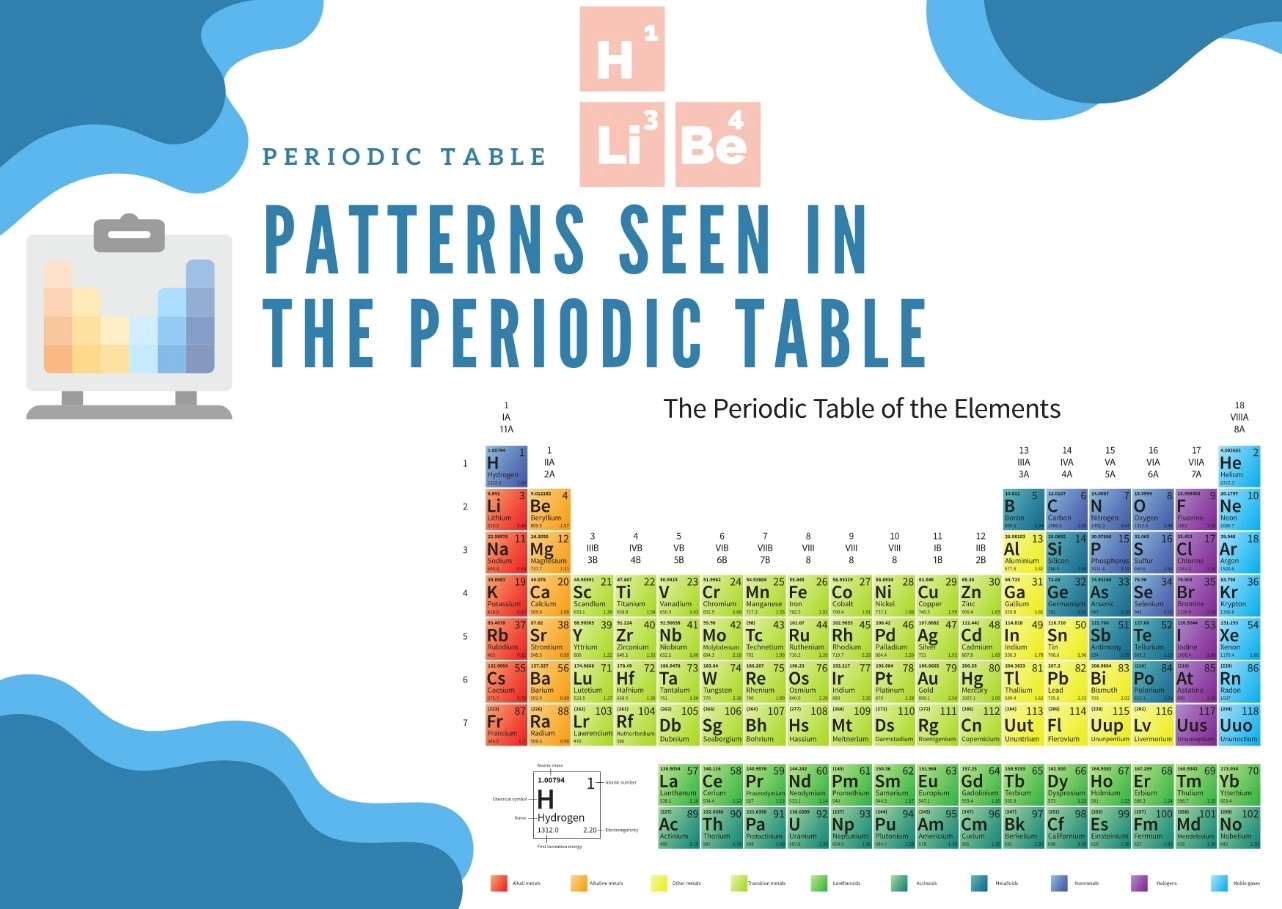
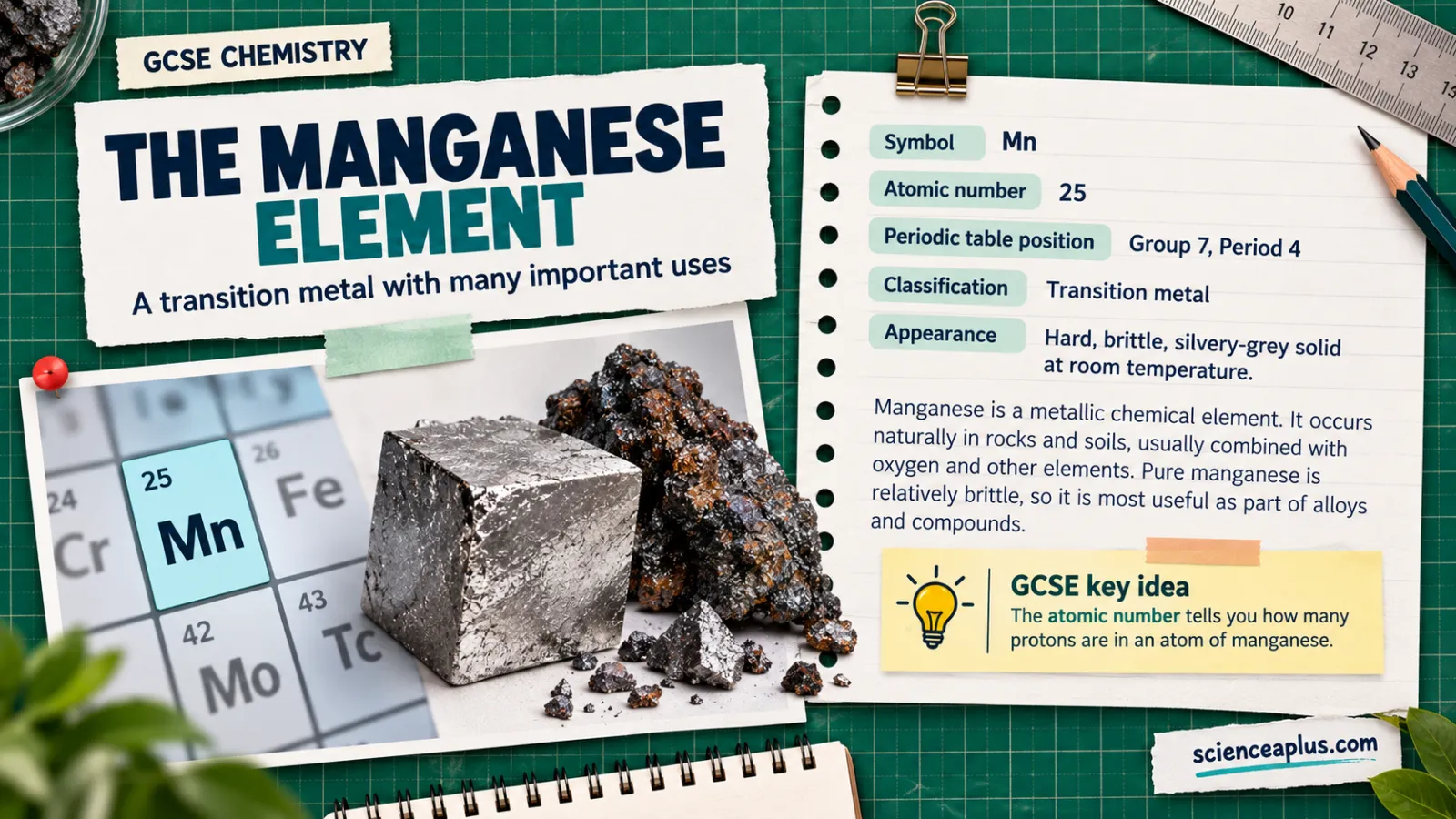
Manganese is a chemical element in the d-block of the periodic table. It is a metal in Period 4, Group 7, squeezed between chromium (24) and iron (26). Like iron and chromium on either side of it, it is a transition metal, which means that its atoms and its ions have a partly filled d sub-level.
You will not find a lump of pure manganese lying around in nature. It is always combined with other elements in minerals, mostly as oxides, carbonates and silicates. Even so, it is common: manganese makes up about 950 parts per million of Earth’s crust, which is roughly 0.1%. Among the transition metals only iron and titanium are more abundant in the crust.
The metal looks a lot like iron, but it is harder and much more brittle. That brittleness is the reason you never see a manganese spanner or a manganese bridge. Instead, manganese does its work as an ingredient in alloys, as compounds in batteries and glass, and as a trace nutrient in living things. For the wider picture of where it sits among the other elements, see our guide to all the metals on the periodic table.
Manganese atomic structure and electron configuration
The atomic number tells you the number of protons, so a manganese atom has 25 protons. A neutral atom has the same number of electrons, so there are also 25 electrons. Natural manganese has just one stable isotope, manganese-55. Its mass number is 55, so the number of neutrons is 55 − 25 = 30.
The 25 electrons fill the shells in the pattern 2, 8, 13, 2. In sub-level notation the manganese electron configuration is:
Mn: 1s² 2s² 2p⁶ 3s² 3p⁶ 3d⁵ 4s² = [Ar] 3d⁵ 4s²
The shorthand [Ar] stands for the 18 electrons of the argon core. Five electrons sit singly in the five 3d orbitals, so a manganese atom has five unpaired electrons. That half-filled d sub-level makes it a very stable arrangement, and it is part of the reason manganese has such a rich chemistry.
When a transition metal forms a positive ion, the 4s electrons are lost first. So the Mn²⁺ ion has this configuration:
Mn²⁺: [Ar] 3d⁵
Write the electron configurations of a manganese atom and a Mn²⁺ ion. (2 marks)
Mn: 1s² 2s² 2p⁶ 3s² 3p⁶ 3d⁵ 4s² (or [Ar] 3d⁵ 4s²). Mn²⁺: 1s² 2s² 2p⁶ 3s² 3p⁶ 3d⁵ (or [Ar] 3d⁵), because the two 4s electrons are lost first.
There are two common definitions of a transition metal. One says that the atom has a partly filled d sub-level. The other says that it forms at least one ion with a partly filled d sub-level. Manganese passes both tests: the atom has 3d⁵ and Mn²⁺ also has 3d⁵. So the answer to “is manganese a transition metal?” is a clear yes.
Physical properties of manganese
At room temperature manganese is a grey-white to silvery-grey solid. It is a reactive metal, although lumps only tarnish slowly in air. Here are its main physical properties.
| Property | Manganese |
|---|---|
| Appearance | Hard, brittle, silvery-grey metal |
| State at room temperature | Solid |
| Relative atomic mass | 54.938 |
| Melting point | 1,246 °C (1,519 K) |
| Boiling point | 2,061 °C (2,334 K) |
| Density | about 7.3 g/cm³ |
| Electronegativity (Pauling) | 1.55 |
| Allotropes | Four (the alpha form is stable at room temperature) |
Its density of about 7.3 g/cm³ is a little below iron’s 7.87 g/cm³, and its melting point of 1,246 °C is well below iron’s 1,538 °C. Manganese is also a metal with several allotropes, meaning that the same atoms can pack together in four different crystal structures. Because the pure metal is so brittle, it is rarely used on its own.
Manganese vs magnesium: what’s the difference?
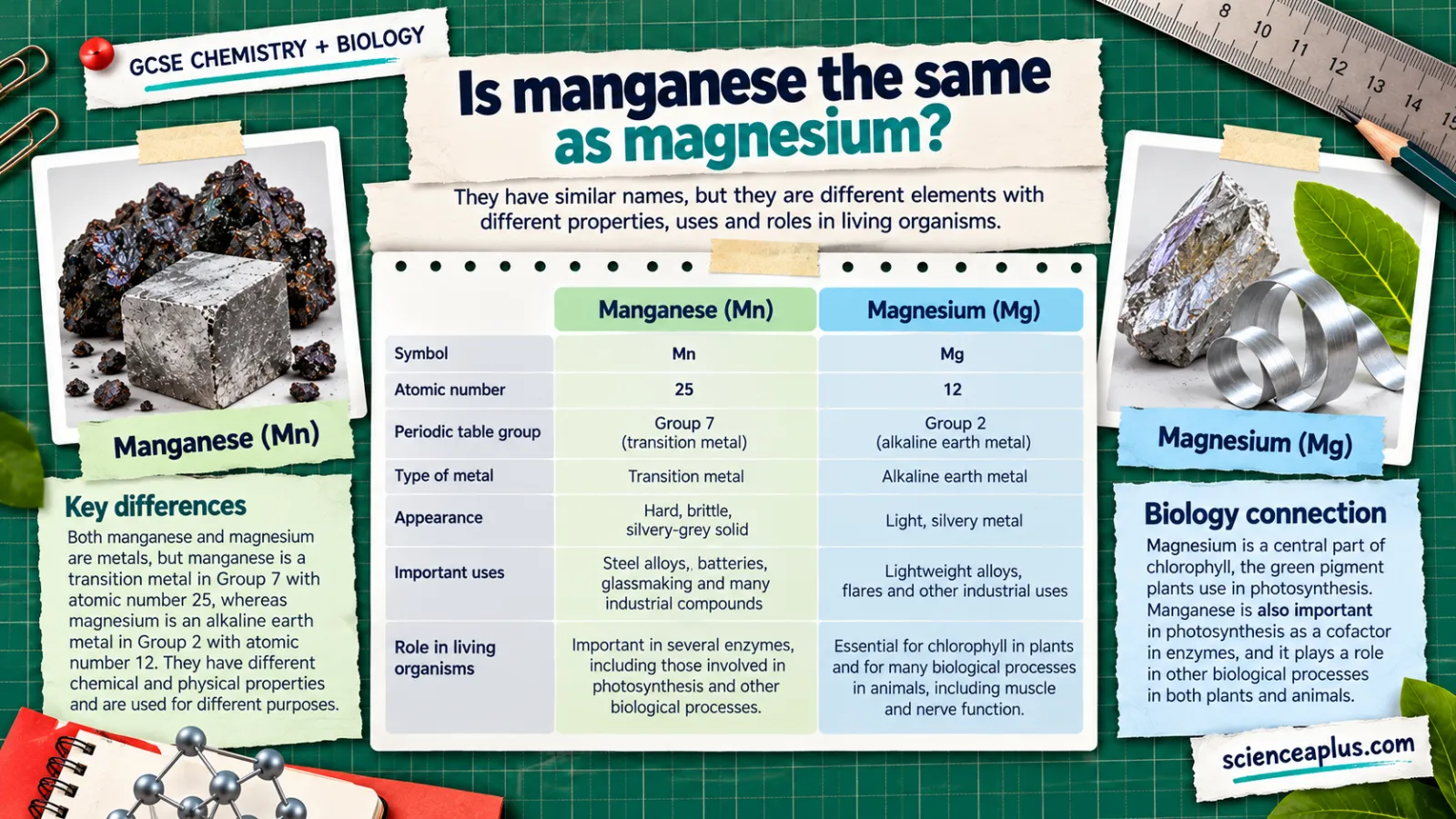
Almost everyone mixes these two up at some point, and there is a good reason. Both names come from the same place. Both names trace back to Magnesia, a region of Greece. Early chemists spoke of “magnesia nigra” for the black ore (now known to be manganese dioxide) and “magnesia alba” for a white substance, and the two elements that were later separated out kept very similar names.
The elements themselves are very different. Here is a side-by-side comparison.
| Manganese | Magnesium | |
|---|---|---|
| Symbol | Mn | Mg |
| Atomic number | 25 | 12 |
| Block and group | d-block, Group 7, transition metal | s-block, Group 2, alkaline earth metal |
| Electron configuration | [Ar] 3d⁵ 4s² | [Ne] 3s² |
| Melting point | 1,246 °C | 650 °C |
| Density | about 7.3 g/cm³ | 1.74 g/cm³ |
| Oxidation states | Many (commonly +2, +4, +7) | Only +2 |
Both are needed by the body, but they do different jobs. You can read about the lighter metal in our guide to magnesium (Mg).
Chemical properties of manganese
Manganese is a fairly reactive metal. In the reactivity series it sits below magnesium and aluminium but above zinc and iron, so the order is Mg > Al > Mn > Zn > Fe. If you need a refresher on how the series works, see our guide to the reactivity of metals and chemical equations.
Reaction with air and oxygen
A lump of manganese is only slowly attacked by air, because a thin oxide layer forms on the surface. Finely divided manganese is much more reactive and burns in air or oxygen to form the mixed oxide Mn₃O₄:
3Mn + 2O₂ → Mn₃O₄
Mn₃O₄ contains manganese in two states: one Mn²⁺ and two Mn³⁺ for every formula unit. The metal also burns in nitrogen to make manganese nitride:
3Mn + N₂ → Mn₃N₂
Reaction with water
Manganese barely reacts with cold water, so you will not see fizzing the way you would with calcium or sodium. That fits its position below magnesium in the series.
Reaction with dilute acids
Manganese dissolves readily in dilute acids, giving the manganese(II) ion Mn²⁺ and hydrogen gas. The solution is virtually colourless, or very pale pink.
Mn + H₂SO₄ → MnSO₄ + H₂
Mn + 2HCl → MnCl₂ + H₂
Both reactions have the same ionic equation, which is the one examiners like to see:
Mn + 2H⁺ → Mn²⁺ + H₂
Reaction with halogens
Manganese reacts with chlorine to form manganese(II) chloride:
Mn + Cl₂ → MnCl₂
Use the calculator below to see how much hydrogen gas a given mass of manganese makes with excess acid, and how that compares with other metals.
Manganese oxidation states and their colours
Manganese has one of the widest ranges of oxidation states of any element. PubChem lists everything from −3 to +7, but the ones you meet in school and college chemistry are +2, +3, +4, +6 and +7. The reason is that the 3d and 4s electrons have similar energies, so manganese can lose just two electrons or give up as many as all seven of its outer electrons.
Each state has its own typical colour, which makes manganese chemistry one of the most colourful topics on the syllabus.
| Oxidation state | Example | Colour |
|---|---|---|
| 0 | Mn metal | Shiny silvery-grey |
| +2 | Mn²⁺(aq), MnSO₄ | Very pale pink, almost colourless |
| +3 | Mn³⁺ (in Mn₃O₄: one Mn²⁺ and two Mn³⁺) | Found in the mixed oxide Mn₃O₄ |
| +4 | MnO₂ | Black or dark brown solid |
| +6 | MnO₄²⁻ (manganate(VI)) | Green |
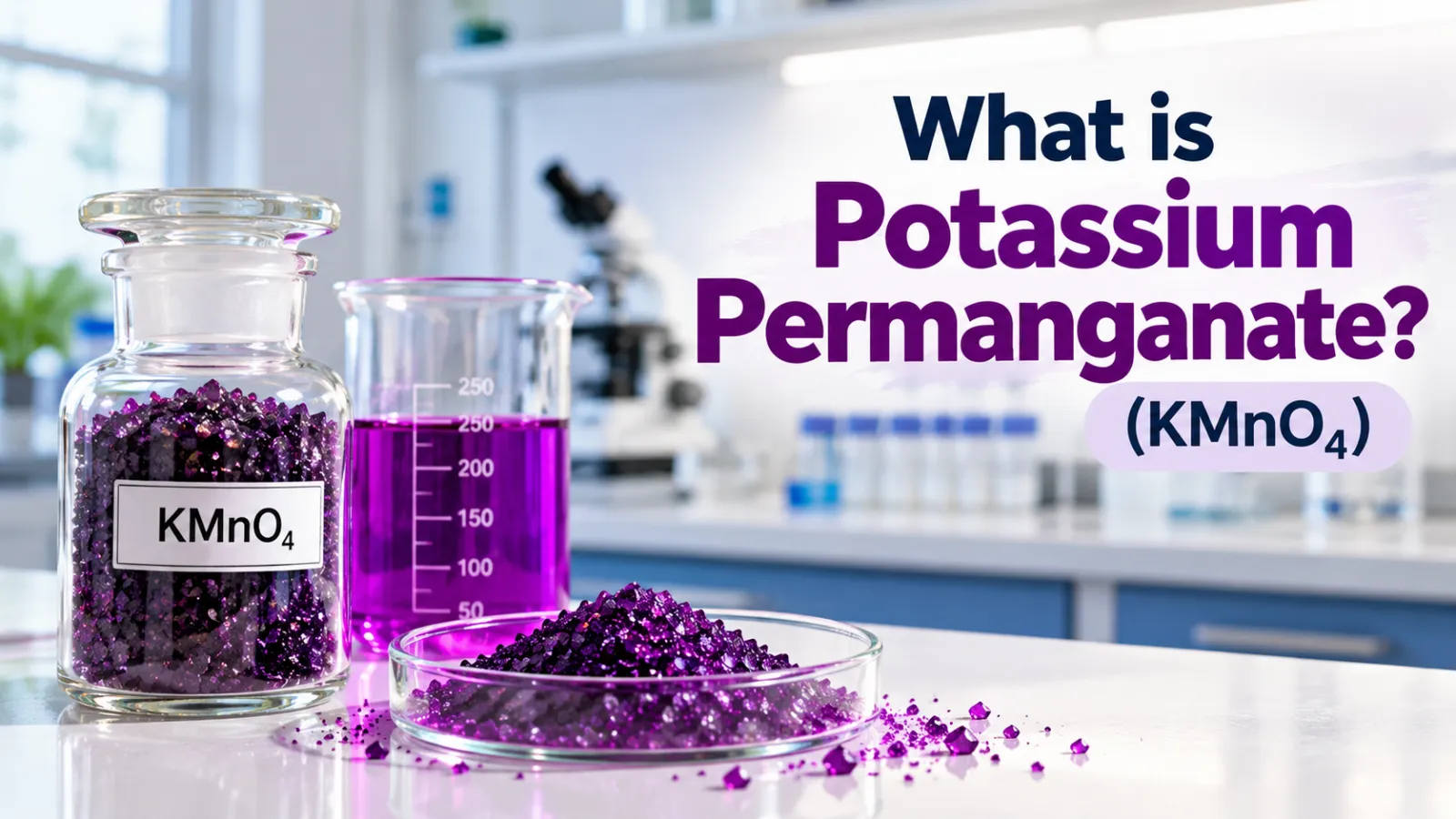
| +7 | MnO₄⁻ (permanganate, manganate(VII)) | Purple |
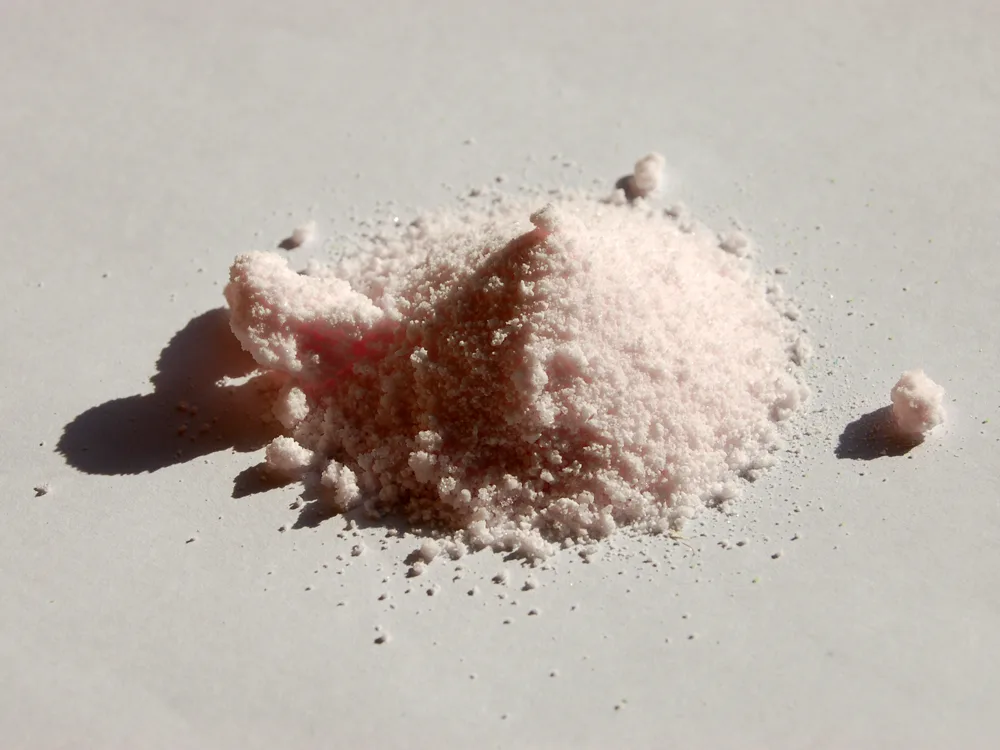
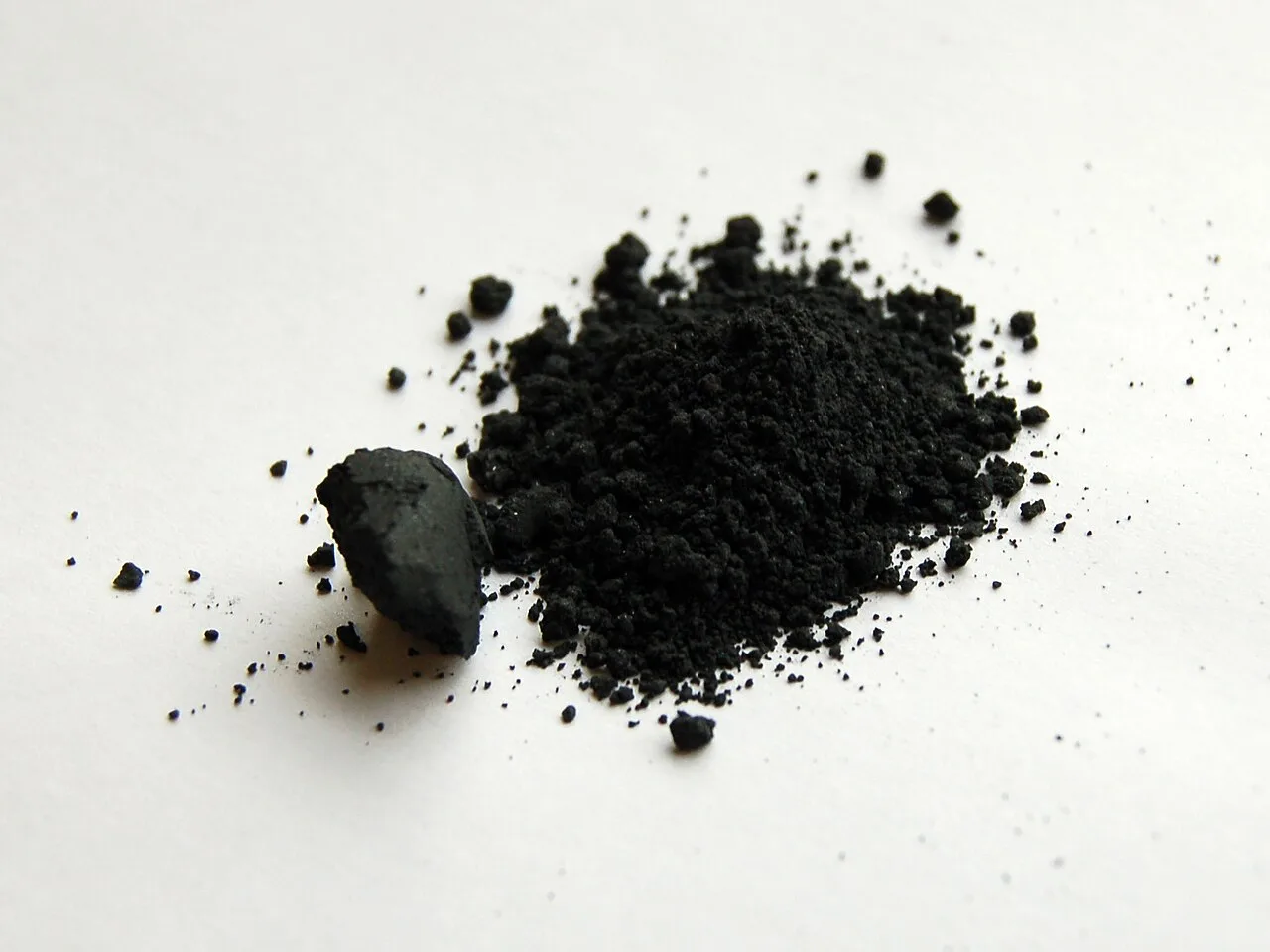
Mn²⁺ ions in solution also give a pale brown precipitate of manganese(II) hydroxide when you add sodium hydroxide, which darkens as it is oxidised by the air:
Mn²⁺ + 2OH⁻ → Mn(OH)₂
Test your memory of the colour ladder with these flip cards. Try to answer before you tap.
To work out an oxidation state yourself, remember that the oxidation numbers in a neutral compound add up to zero, and that oxygen is usually −2. In potassium permanganate, KMnO₄, the sum is +1 + Mn + 4(−2) = 0, so manganese is +7. In MnO₂ it is +4, in the MnO₄²⁻ ion it is +6, and in MnCl₂ it is +2. Try your own examples in the calculator.
Manganese in redox reactions and titrations
The permanganate ion is a powerful oxidising agent. In acidic solution it gains five electrons and is reduced from purple MnO₄⁻ (+7) to almost colourless Mn²⁺ (+2). This is the half-equation to learn:
MnO₄⁻ + 8H⁺ + 5e⁻ → Mn²⁺ + 4H₂O
Iron(II) ions are oxidised to iron(III), and the ratio of permanganate to iron(II) is 1 : 5:
MnO₄⁻ + 8H⁺ + 5Fe²⁺ → Mn²⁺ + 4H₂O + 5Fe³⁺
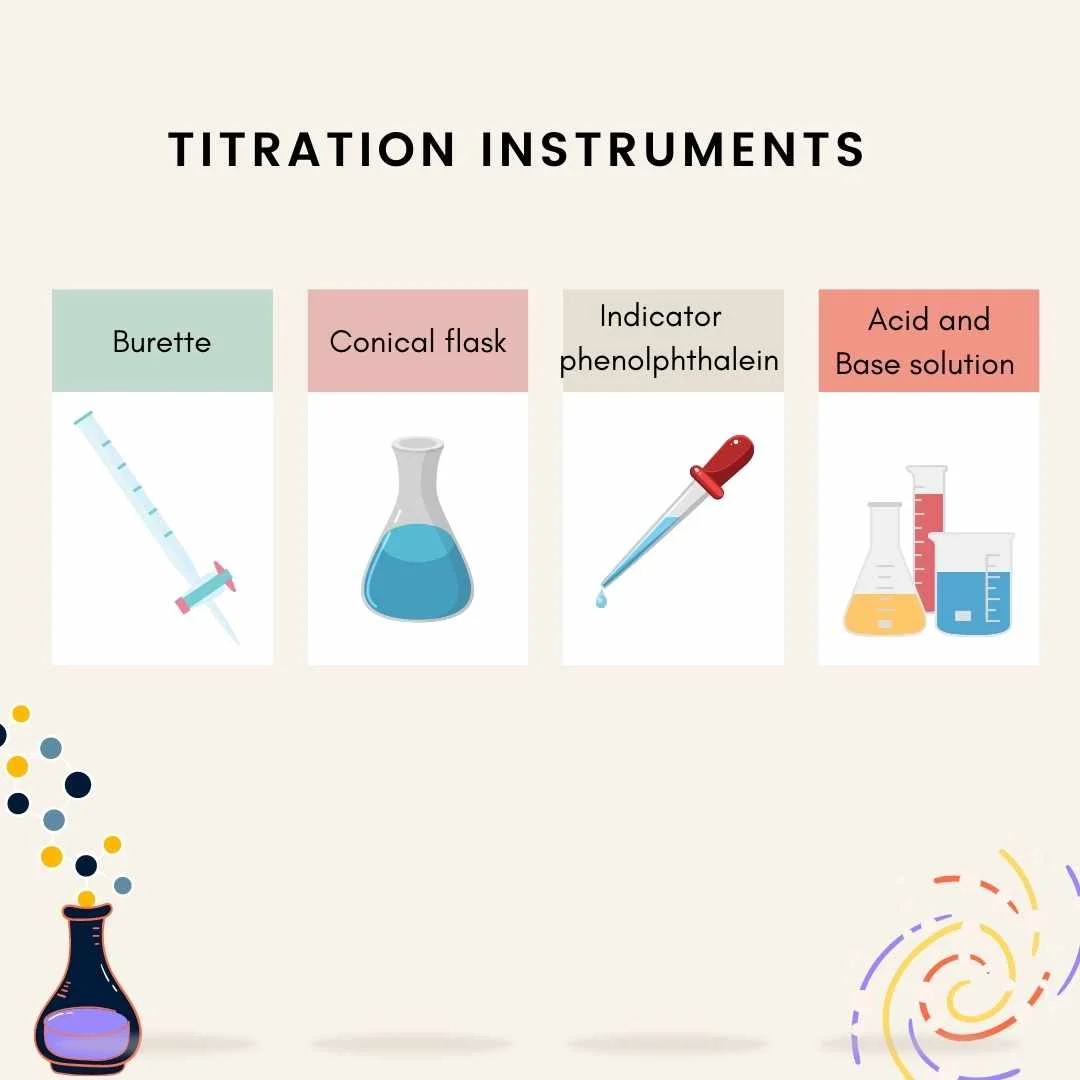
These titrations are always carried out with dilute sulfuric acid. The purple permanganate solution is added from the burette, and it turns colourless as it reacts. The end point is the first permanent pale pink in the flask, which means a tiny excess of permanganate. For the full method and a worked calculation, read our guide to potassium permanganate (KMnO₄).
Why does a manganate(VII) titration not need an indicator? (2 marks)
The permanganate ion is purple, but the Mn²⁺ it forms is almost colourless. At the end point the first drop of excess permanganate gives a permanent pale pink colour, so the reaction signals its own end point (it is self-indicating).
Manganese dioxide as a catalyst
Manganese dioxide, MnO₂, is the black powder you may have used in a GCSE rates practical. It speeds up the breakdown of hydrogen peroxide into water and oxygen:
2H₂O₂ → 2H₂O + O₂
The black powder is not used up. If you filter, dry and weigh it at the end, you get back the mass you started with, and that is the definition of a catalyst in action. Bubbles of oxygen are given off, and you can collect them in a gas syringe or an upturned measuring cylinder to compare the rate with different amounts of catalyst.
Who discovered manganese?
Manganese was recognised as an element in the 1770s by Swedish chemists. The story involves three people and one black mineral, pyrolusite.
- Torbern Bergman (1770) suspected that pyrolusite contained a new metal, but he could not reduce it to get the metal out.
- Carl Wilhelm Scheele (1774) recognised manganese as an element after studying pyrolusite for about three years. During that work he also made chlorine gas by treating the mineral with hydrochloric acid.
- Johan Gottlieb Gahn (1774) isolated the metal, in an impure form, by heating manganese dioxide with carbon in the form of charcoal.
Scheele’s reaction is still a neat balanced equation to practise:
MnO₂ + 4HCl → MnCl₂ + Cl₂ + 2H₂O
The gas Scheele made was the same chlorine element we now use to treat drinking water.
Where is manganese found?
Manganese is never found as the free metal. Its two main ores are pyrolusite, which is black manganese dioxide (MnO₂), and rhodochrosite, which is pink manganese carbonate (MnCO₃). It also occurs widely in other oxides, silicates and carbonates. To learn how rocks like these form, see our guide to rocks and minerals.
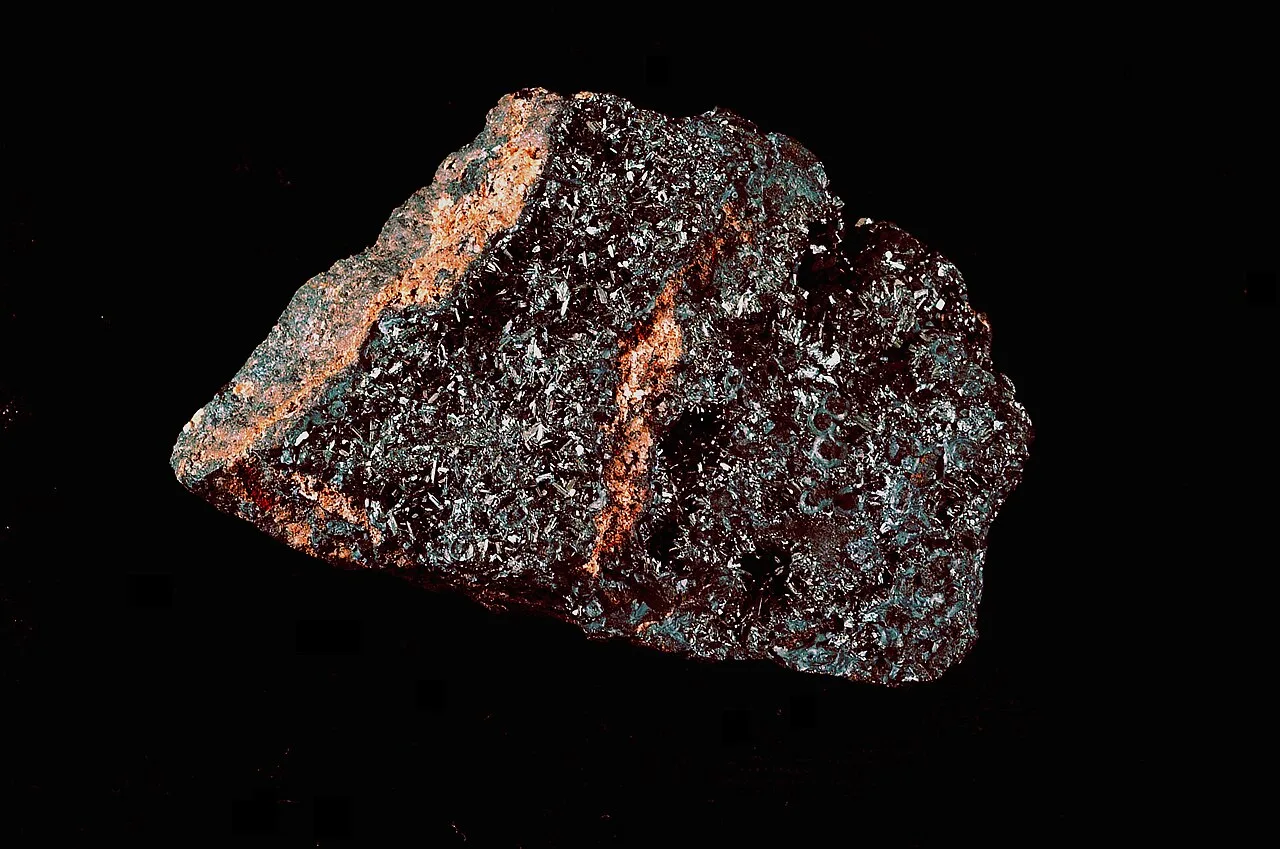
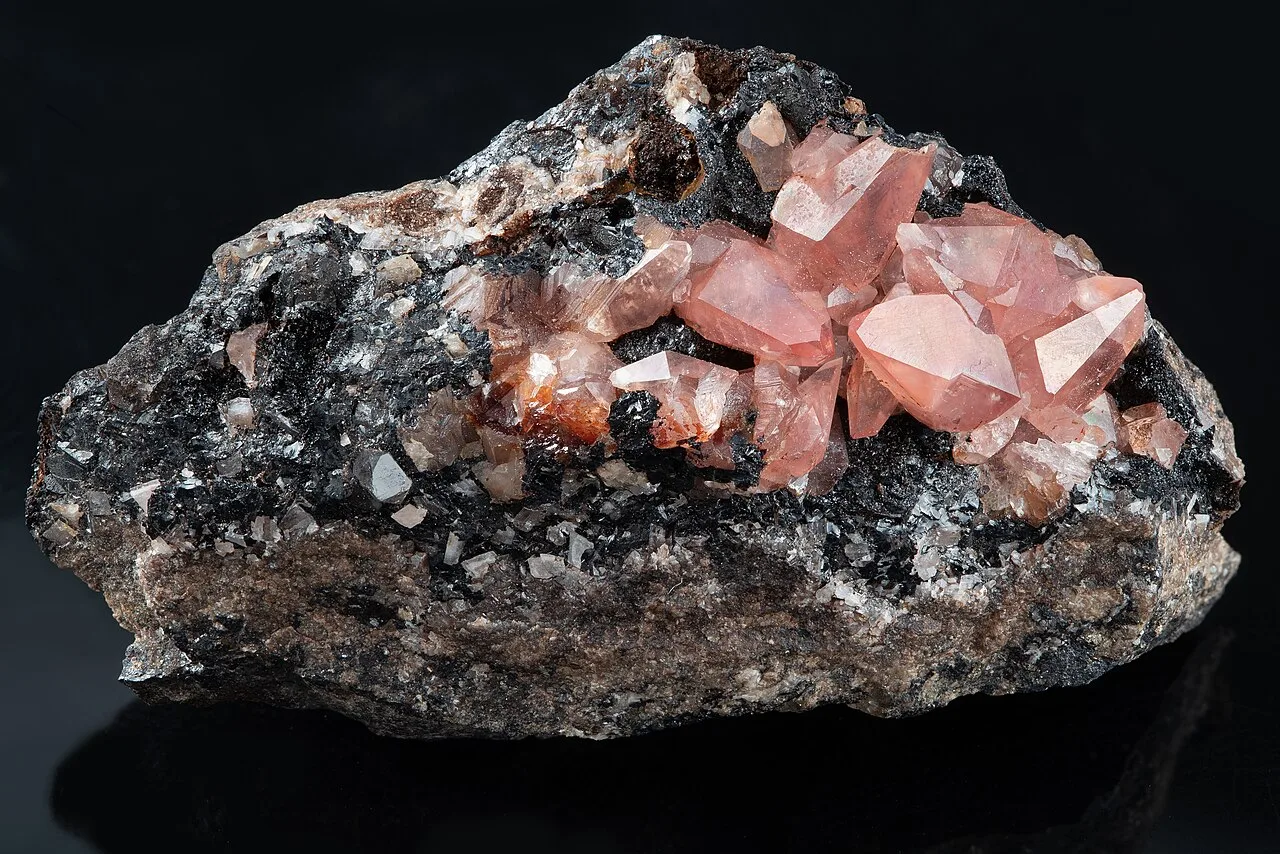
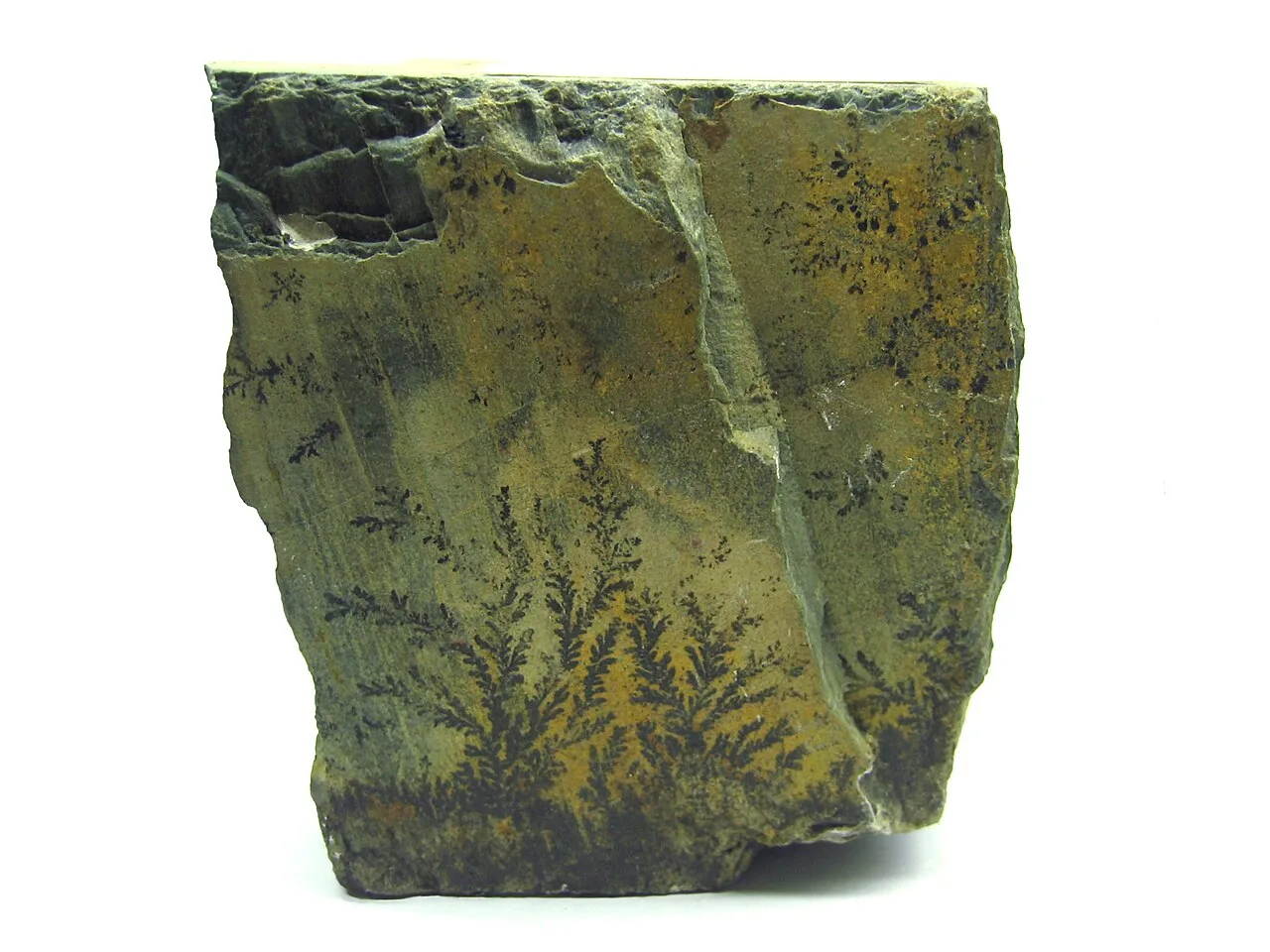
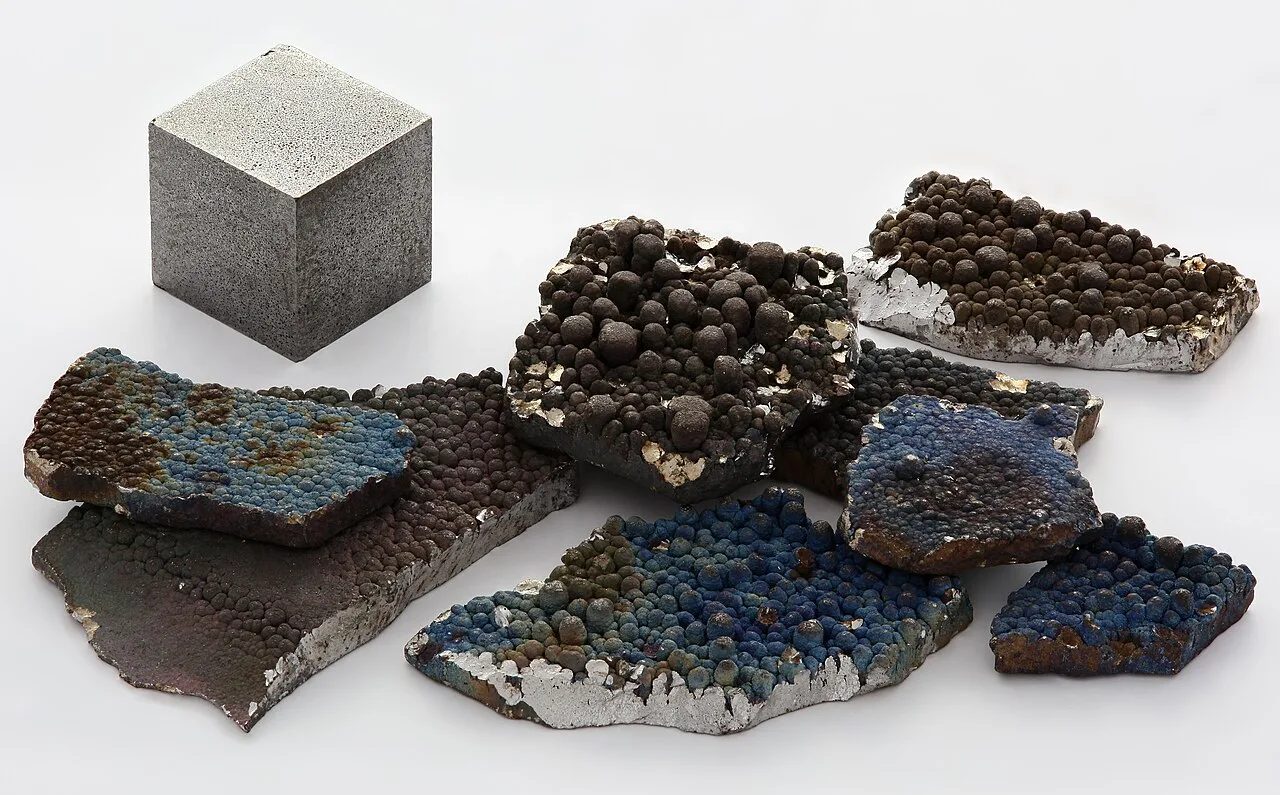
The black branching patterns in the third photo are manganese oxide dendrites. They grow in thin cracks in rock and look like tiny ferns or plants, which is why people often mistake them for fossils. They are purely mineral.
The US Geological Survey estimates that world mine production in 2025 was about 20 million tonnes of manganese content. A handful of countries dominate:
| Country | 2025 mine production (estimated, manganese content) |
|---|---|
| South Africa | about 7.6 million tonnes |
| Gabon | about 5.0 million tonnes |
| Ghana | about 2.0 million tonnes |
| Australia | about 1.6 million tonnes |
| Brazil | about 0.8 million tonnes |
| India | about 0.79 million tonnes |
| China | about 0.7 million tonnes |
| World | about 20 million tonnes |
South Africa also holds an estimated 70% of the world’s manganese resources. World reserves are around 1.8 billion tonnes of manganese content. By contrast, the United States has mined no manganese ore containing 20% or more manganese since 1970, so it relies entirely on imports.
The USGS notes that manganese has no satisfactory substitute in its major applications. That is one reason the European Union lists manganese as a critical raw material, and battery-grade manganese as a strategic one, under its Critical Raw Materials Act, which came into force in May 2024. It also appears on the US critical minerals list.
How is manganese extracted?
There are two main routes to the metal. In the first, manganese dioxide is reduced with aluminium, which is the more reactive metal and takes the oxygen away:
3MnO₂ + 4Al → 3Mn + 2Al₂O₃
In the second, the ore is treated with sulfuric acid to make a solution of manganese(II) sulfate, MnSO₄, and the solution is then electrolysed. This gives electrolytic manganese, the pure flakes you saw in the photograph earlier.
Most manganese does not need to be that pure, though. Steelmakers mainly add it as alloys with iron and silicon: ferromanganese, which is roughly 74% to 95% manganese, and silicomanganese.
Why is manganese added to steel?
Steelmaking takes the lion’s share of the world’s manganese. Sources differ on the exact figure, from about 90% to as much as 97%, but the message is the same: nearly all of it goes into steel. Manganese is added for several jobs at once.
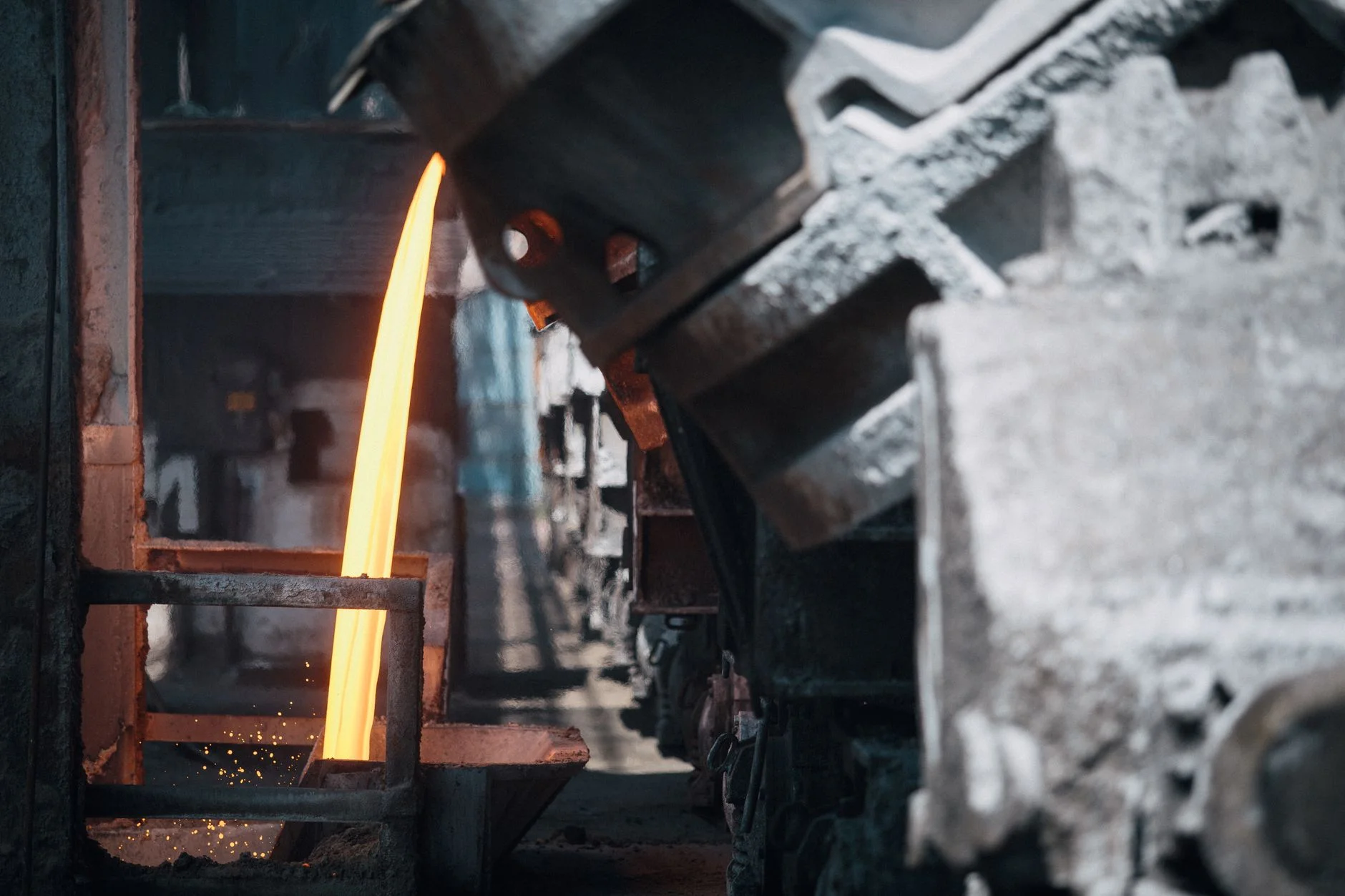
- It removes oxygen. Manganese deoxidises molten steel, so the metal is not full of gas bubbles and oxide.
- It neutralises sulfur. Manganese combines with sulfur to form manganese sulfide (MnS), which has a high melting point. Without it, low-melting iron sulfide would form and cause the hot steel to crack during rolling.
- It adds strength, hardness and wear resistance, and makes the steel easier to roll and forge.
Give two reasons manganese is added to almost all steel. (2 marks)
It removes oxygen from the molten steel (deoxidiser), and it combines with sulfur to form manganese sulfide, which stops the steel cracking when it is hot-rolled. It also makes the steel stronger and harder.
Why does adding manganese make steel stronger? Steel is an alloy, a mixture of iron with other elements. In many alloys, atoms of a different size disturb the neat layers of iron atoms and make it harder for them to slide; manganese atoms are close in size to iron atoms, so its effect comes mainly from strengthening the iron crystals in other ways and from the chemistry above: it cleans the steel of oxygen and sulfur while it is still molten.
Hadfield manganese steel
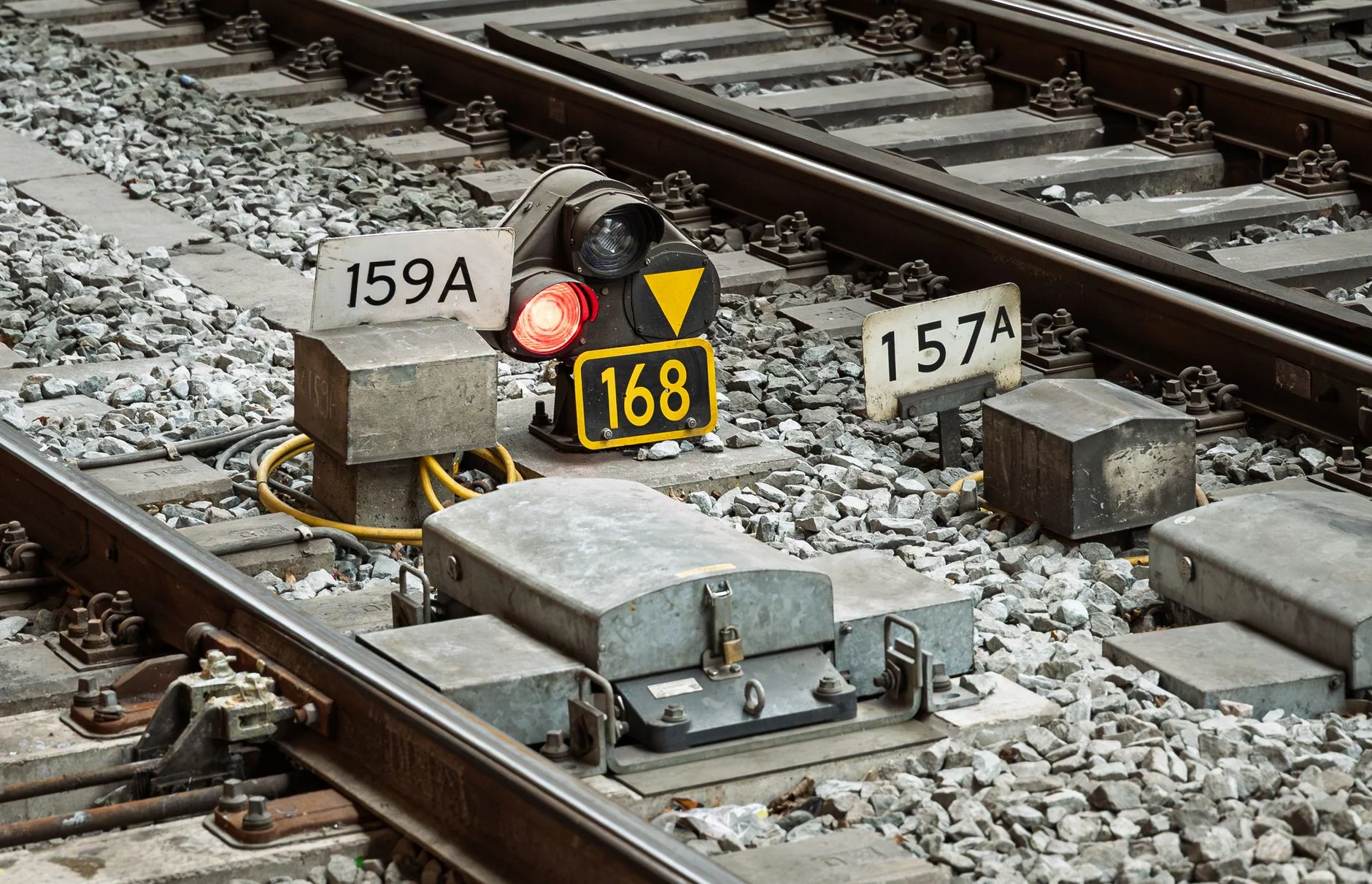
One special steel deserves its own name. In 1882 the Sheffield metallurgist Robert Hadfield, later Sir Robert, developed a steel with 11% to 14% manganese and about 1% to 1.4% carbon. Its great trick is work hardening: the surface gets harder each time it is hit. That makes it very resistant to wear.
Hadfield steel is used wherever long service life matters. Examples include railway points, rock crushers and the teeth of excavators.
What is manganese used for besides steel?
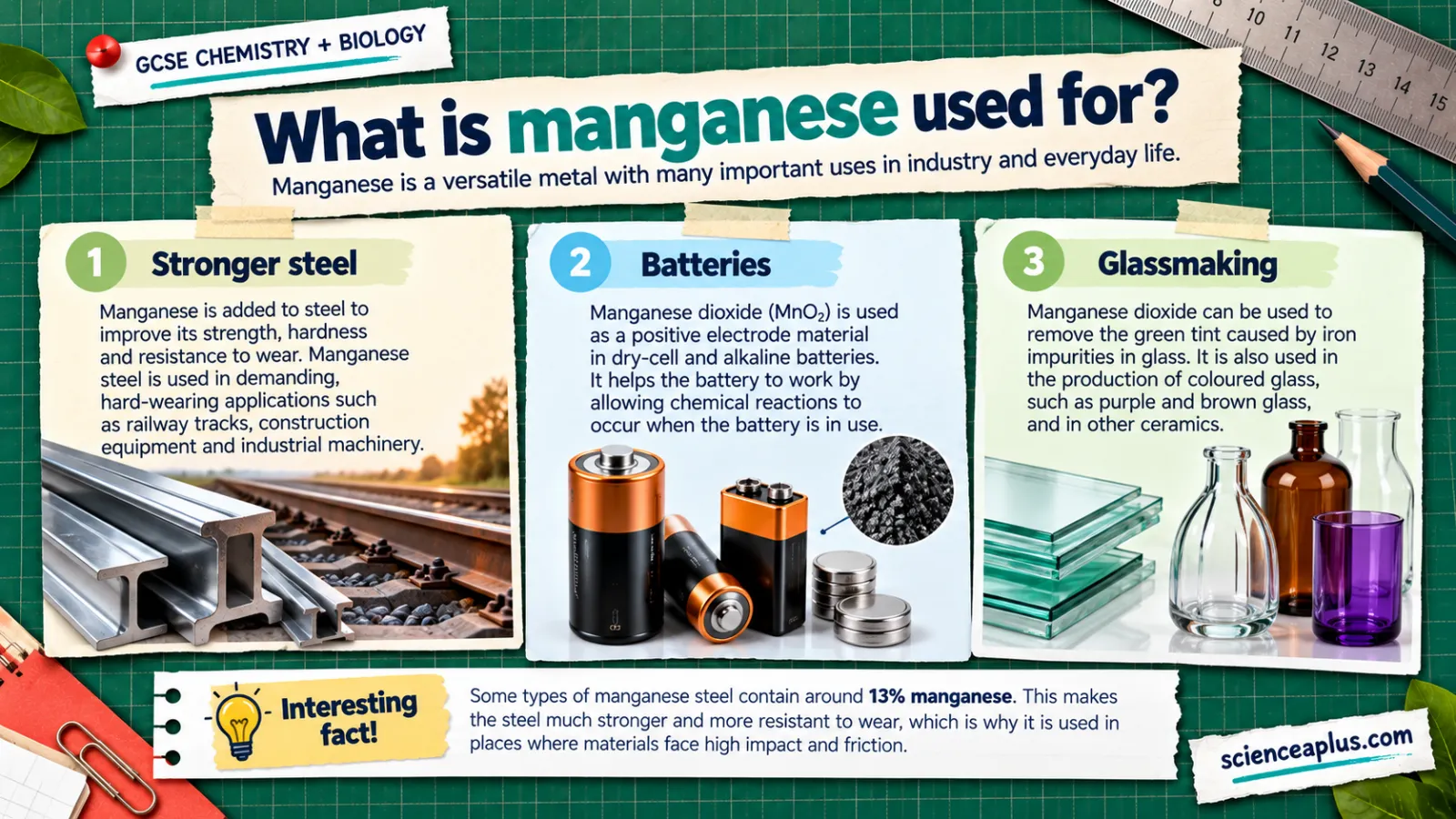
Steel is the headline use, but manganese turns up in plenty of other places. This infographic gives the big picture.
Aluminium alloys
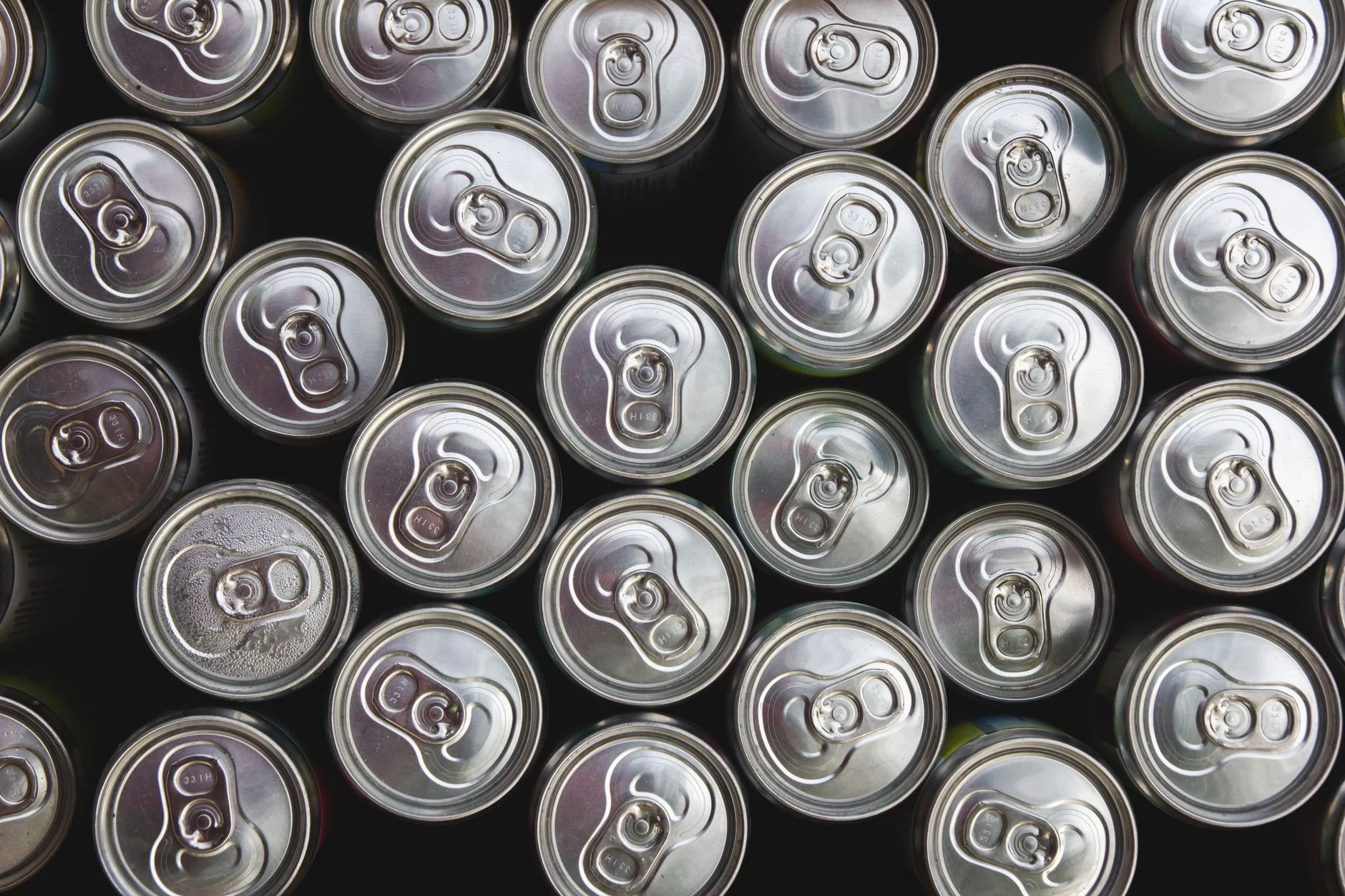
Aluminium is alloyed with manganese in the 3xxx series of alloys, known as aluminium–manganese alloys. The alloy 3004, widely used for drink-can bodies, contains about 1% manganese and a similar amount of magnesium.
Batteries
Manganese dioxide is the cathode material in an ordinary alkaline battery. The cell has a zinc powder anode, a manganese dioxide cathode and potassium hydroxide as the electrolyte, and it delivers about 1.5 V. MnO₂ is also used in zinc–carbon dry cells. If you want to compare batteries more widely, read our guide to the technology in different types of batteries.
Manganese is also found in lithium-ion batteries, in two main forms:
- LMO (lithium manganese oxide, LiMn₂O₄) has a spinel structure. It gives good power but lower energy storage, and it degrades when hot. It was used in first-generation Nissan Leaf cars.
- NMC (lithium nickel manganese cobalt oxide) has a layered structure and is widely used in electric vehicles. The manganese adds stability.
Manganese-rich cathodes are being developed to cut cost and reduce the amount of cobalt needed.
Glass, paints, fertilisers and animal feed
Iron impurities give glass an unwanted green tint, and a little manganese dioxide removes it, which is why it is called a “decolouriser”. Add more manganese and the glass turns purple or violet. Manganese dioxide is also used as a drying agent in black paints. Manganese sulfate goes into fertilisers and animal feed, and manganese compounds are used as a brick colourant.
Manganese in the body
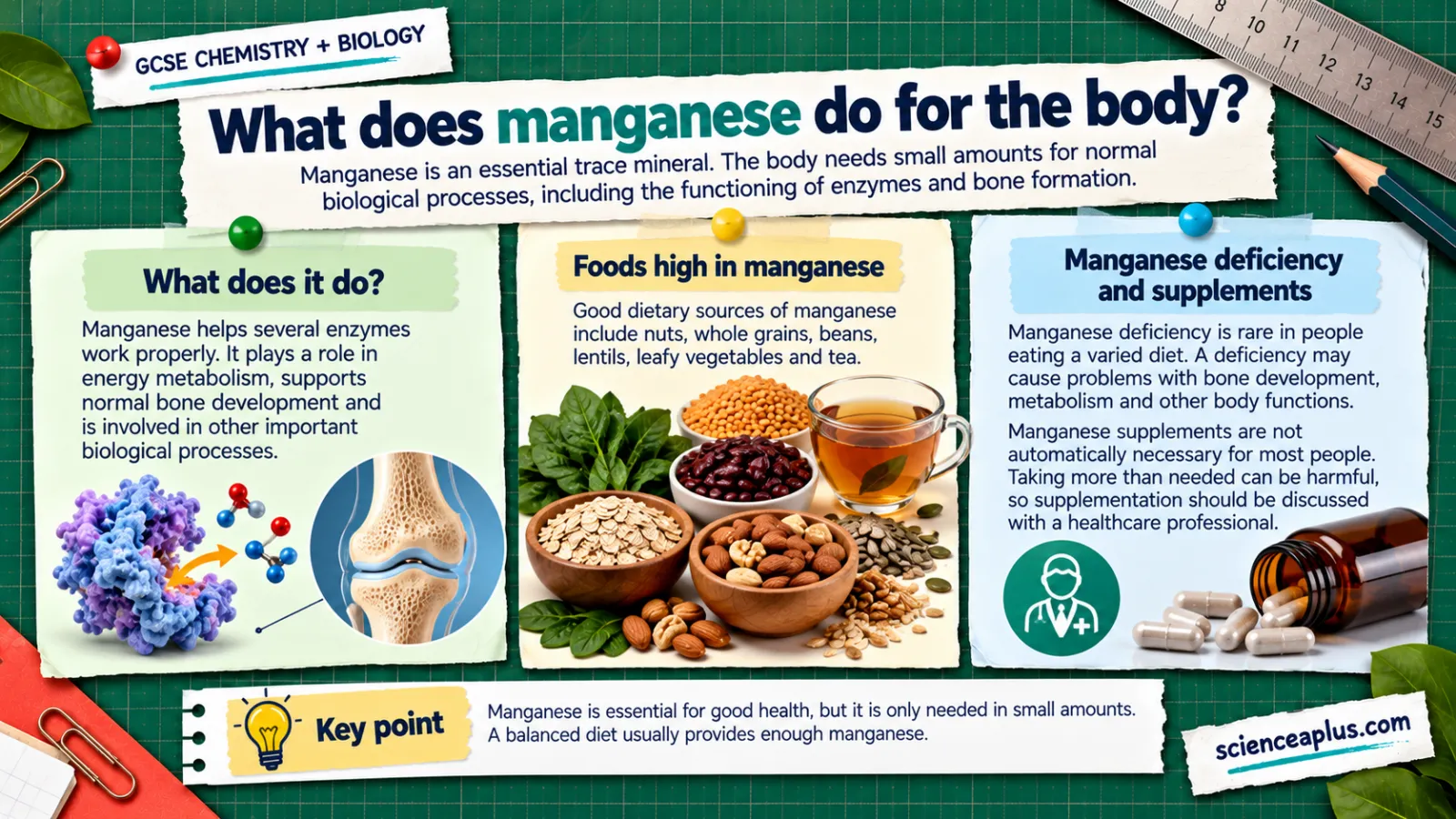
Manganese is an essential trace mineral. Your body needs only tiny amounts, but it uses them to make and activate enzymes. One of the best known is manganese superoxide dismutase (MnSOD), found in the mitochondria, which turns harmful superoxide radicals into hydrogen peroxide and oxygen. Manganese is also a cofactor for arginase and pyruvate carboxylase, and it is needed for bone development and normal metabolism.
Good food sources include bread, nuts, breakfast cereals (especially wholegrain ones), green vegetables such as peas, legumes, and tea and coffee. According to the NHS, you should be able to get all the manganese you need from a varied, balanced diet. The European Food Safety Authority sets an adequate intake of 3 mg a day for adults, and in the United States the figures are 2.3 mg for men and 1.8 mg for women. Deficiency is rare in people who eat a varied diet.
Manganese in plants
Manganese is also at the heart of photosynthesis. A cluster of four manganese atoms and one calcium atom (Mn₄CaO₅) in photosystem II splits water and releases oxygen:
2H₂O → O₂ + 4H⁺ + 4e⁻
When soil does not supply enough manganese, leaves develop pale patches between the veins. In oats this is called “grey speck”. It is more likely in high-pH soils, for example ones that have been over-limed, and farmers can correct it with sprays of manganese sulfate or chelates.
Is manganese toxic? Manganism explained
Too little manganese is rare, but too much, in the wrong form, can cause harm. The best-known problem is manganism, a nervous-system disorder caused by breathing in high levels of manganese dust or fumes over a long period. It affects workers such as miners, welders, and people in smelters, ferroalloy plants and battery factories.
Symptoms start with weakness and lethargy and may progress to difficulty walking, tremors and speech problems. It is similar to, but distinct from, Parkinson’s disease. The risk comes from inhaling industrial dust and fumes, not from eating normal foods.
This section is for education only. If you are worried about symptoms or about workplace exposure, speak to a GP or call NHS 111.
Manganese nodules on the deep-sea floor
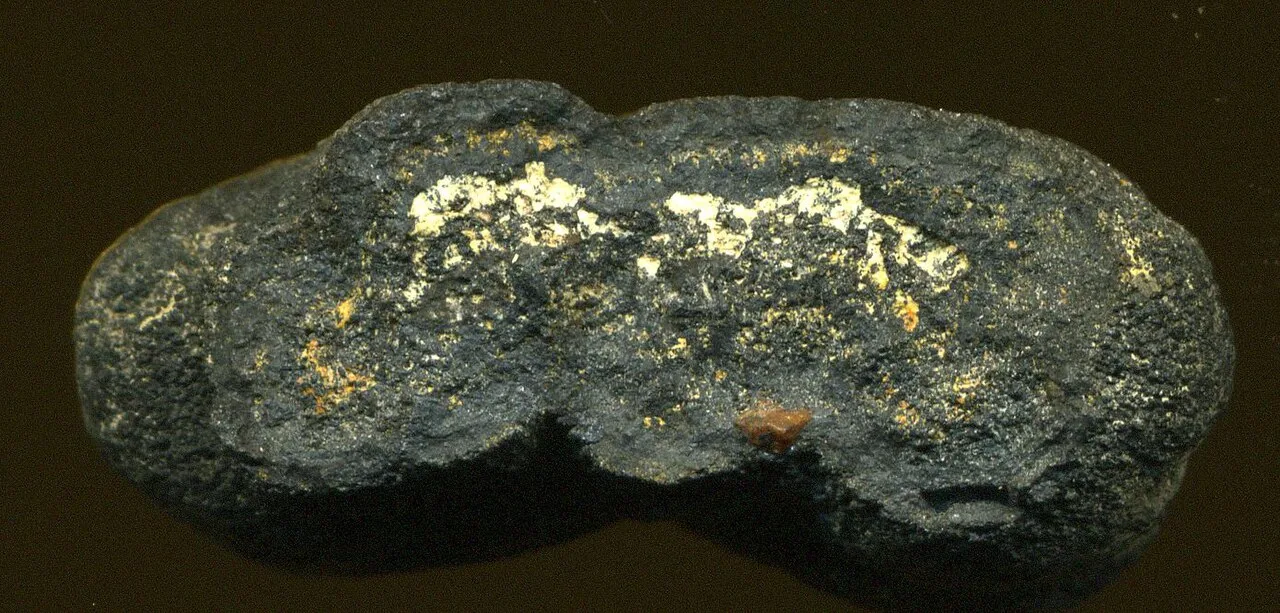
On the abyssal sea floor, there are potato-sized lumps called polymetallic or manganese nodules. They contain about 24% manganese, plus iron, nickel, copper and cobalt. They grow incredibly slowly, only a few millimetres in a million years.
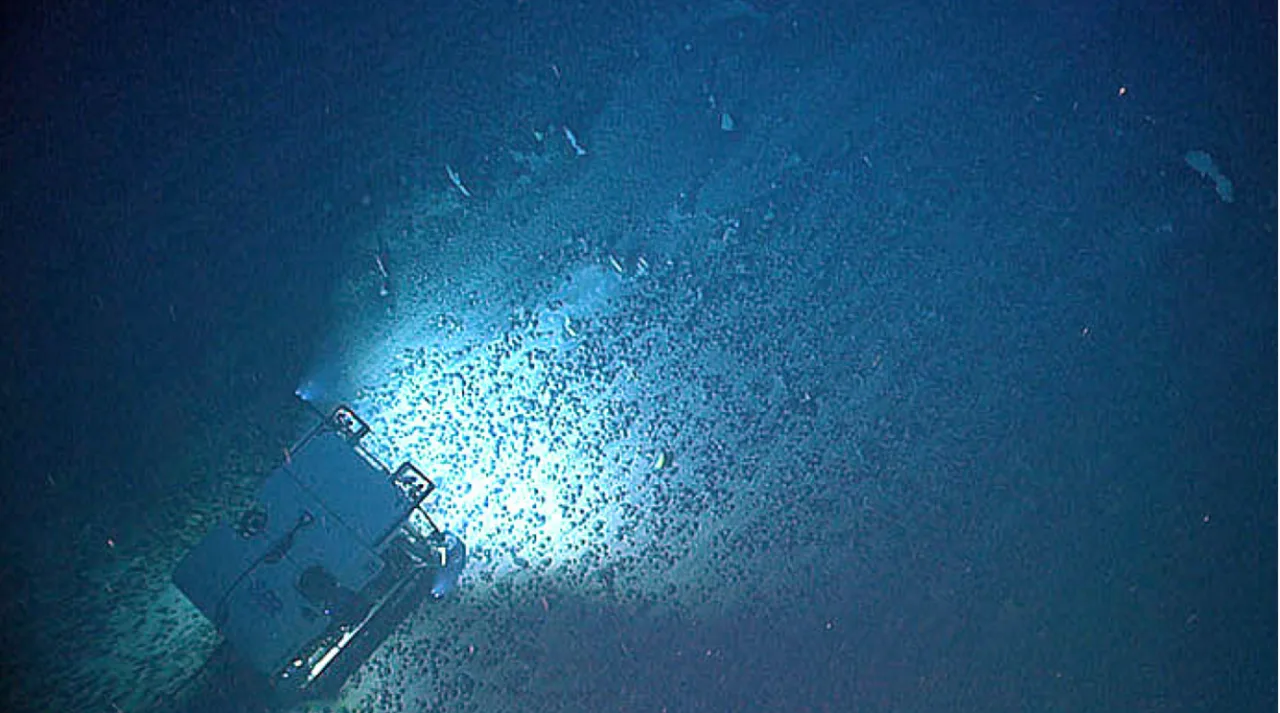
The Clarion–Clipperton Zone in the Pacific Ocean, between Hawaii and Mexico, is the best-known nodule field and holds billions of tonnes of nodules.
As of October 2026, the International Seabed Authority has still not adopted the rules (the “Mining Code”) that would allow commercial mining in international waters. The Metals Company is seeking a commercial-recovery permit from the US agency NOAA under a 1980 US law. NOAA found its application in full compliance in 2026, but no permit has been granted yet, and whether the route is legal under international law is disputed. Scientists warn that mining would destroy seabed habitats that recover very slowly.
Frequently asked questions about manganese
What is manganese?
Manganese is a chemical element with the symbol Mn and atomic number 25. It is a hard, brittle, silvery-grey transition metal in Group 7 of the periodic table. Most of it is used to make steel, and it is also an essential trace mineral that the human body needs in small amounts.
Is manganese a metal?
Yes. Manganese is a metal and a transition metal in the d-block, Period 4 and Group 7. It is a solid at room temperature, with a melting point of 1,246 °C. It looks like iron, but it is harder and very brittle, so it is mostly used in alloys.
What is manganese used for?
Mostly steel, which takes about 90% or more of the world’s manganese. Manganese removes oxygen and sulfur and adds strength. It is also used in aluminium alloys for drink cans, in alkaline and lithium-ion batteries, in glass, paints, fertilisers and animal feed.
Is manganese the same as magnesium?
No. Manganese (Mn, atomic number 25) is a Group 7 transition metal. Magnesium (Mg, atomic number 12) is a Group 2 alkaline earth metal. Their names share a root in the Greek region of Magnesia, but their properties differ. Magnesium is the more reactive metal and has only a +2 oxidation state.
Why does manganese have so many oxidation states?
The 3d and 4s electrons in manganese have similar energies, so it can lose different numbers of them. It can give up just the two 4s electrons to form Mn²⁺, or as many as seven outer electrons to reach +7, as in the purple permanganate ion MnO₄⁻.
What foods are high in manganese?
Good sources include bread, nuts, breakfast cereals (especially wholegrain), green vegetables such as peas, legumes and leafy vegetables. Tea and coffee also contain manganese. According to the NHS, most people get all they need from a varied, balanced diet without supplements.
How much manganese do you need a day?
The European Food Safety Authority sets an adequate intake of 3 mg a day for adults. In the United States the figures are 2.3 mg for men and 1.8 mg for women. The NHS says a varied diet should provide enough, so talk to a GP or pharmacist before taking supplements.
Is manganese toxic to humans?
The amount in a normal diet is safe. Harm comes mainly from breathing high levels of manganese dust or fumes over many years, which can cause a nervous-system disorder called manganism. Long-term high-dose supplements might also cause problems. If you are worried, speak to a GP or call NHS 111.
What are manganese nodules?
Manganese nodules are potato-sized lumps on the deep-sea floor, made of about 24% manganese plus iron, nickel, copper and cobalt. They grow only a few millimetres in a million years. As of October 2026, commercial mining of them in international waters has not been approved.