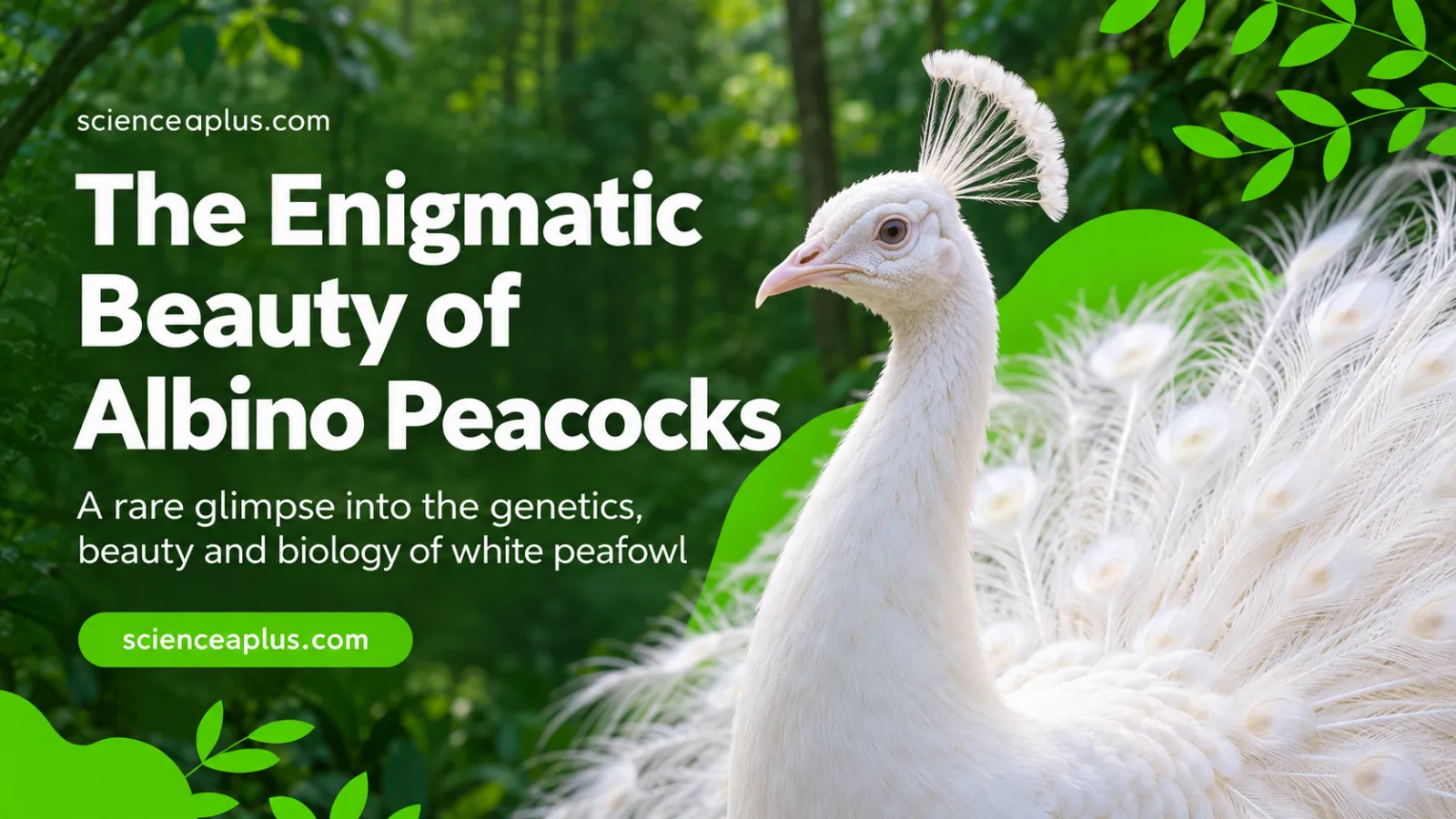
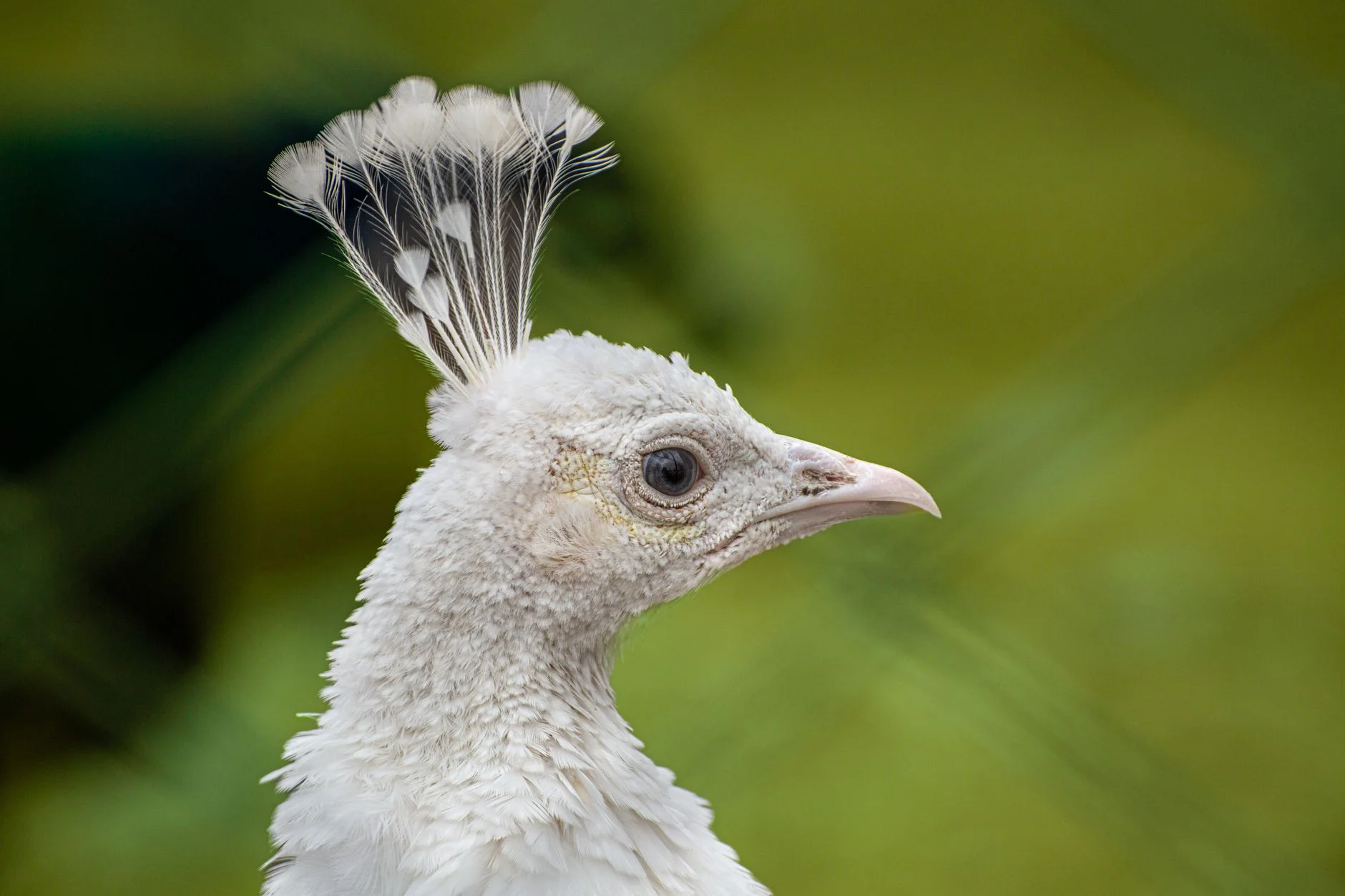
Is an albino peacock a real thing? In theory, yes: a bird that makes no melanin at all would be an albino, with white feathers and pink or red eyes. In practice, almost every white peacock you see in a park or zoo is not albino. It is leucistic: its feathers are white because pigment never reaches them, but its eyes are dark or blue-grey and its legs are usually grey. This article explains the difference, the biology of peafowl and why the white form exists.
Albino peacock or white peacock: what is the difference?
People search for "albino peacock" because that is the word everyone knows for a white animal. It is a fair guess, but it is often wrong. Albinism and leucism both make an animal look pale, yet they happen for different reasons and leave different clues.
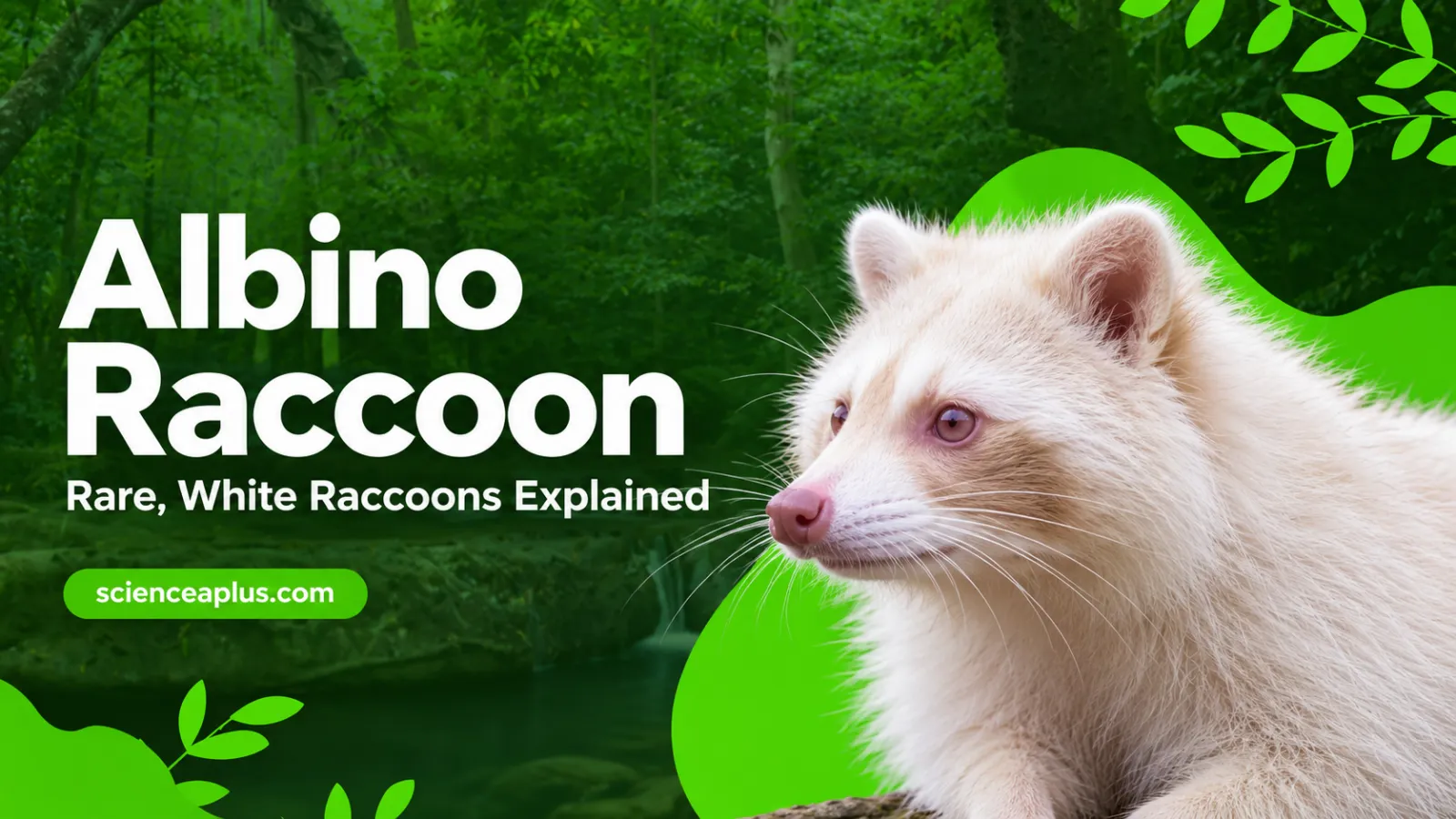
In a true albino, the body cannot make the pigment melanin anywhere. Melanin is the dark pigment that colours skin, feathers and eyes. With none present, the feathers are white and the iris looks pink or red, because blood vessels show through. Albino animals often have poor eyesight and are sensitive to bright light. You can read more about the condition in our guide to albino animals.
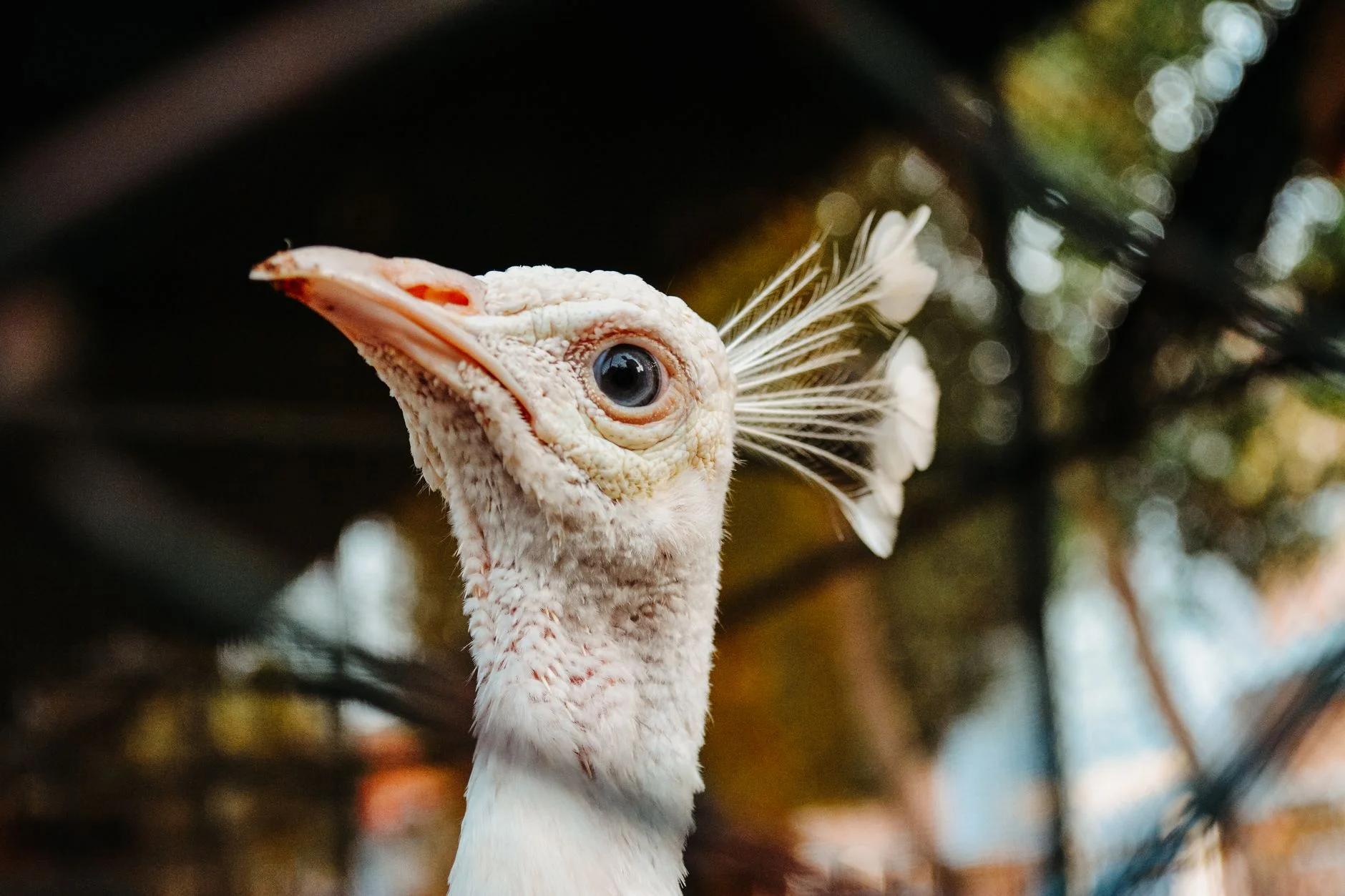
In a leucistic bird, the pigment-making cells (melanocytes) fail to reach the developing feathers. The feathers come out white, but the eyes are unaffected, because eye pigment forms from a different part of the embryo. That is why a leucistic peafowl keeps dark or blue-grey eyes. This is the quickest field test: check the eyes.
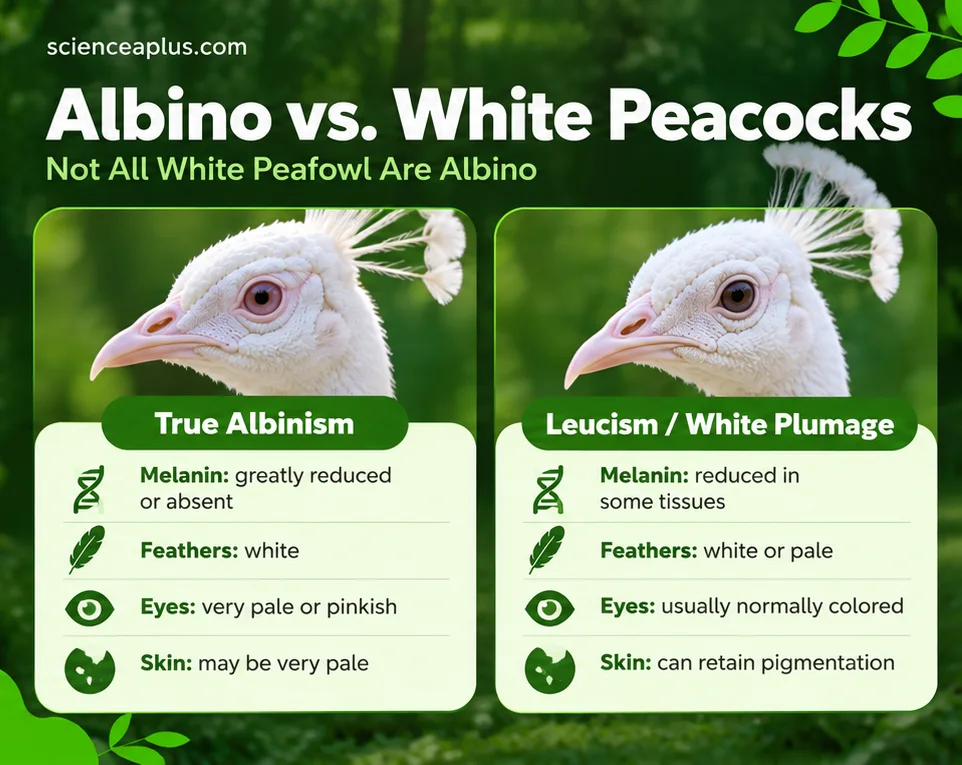
A quick comparison
| Clue | Albino | Leucistic |
|---|---|---|
| Cause | Cannot make melanin in any tissue | Pigment cells do not reach some or all feathers |
| Feathers | White | White (or patchy pale) |
| Eyes | Pink or red | Dark or blue-grey |
| Legs and beak | Pale pink | Often grey; can keep some colour |
| Vision | Often reduced; light-sensitive | Usually normal |
The table is a guide, not a law. Colour variants in birds can be messy, and specialists in bird colour (such as Hein van Grouw) have argued for years about which names to use. For peafowl, though, the eye test works well. Genuine pink-eyed albino peafowl are very rarely reported, while white peafowl with dark eyes are common in captivity.
What does "peacock" actually mean?
Before we go further, a vocabulary check, because "peacock" is used loosely. The bird group is called peafowl. Only the male is a peacock. The female is a peahen and the young are peachicks. So when people say "peacock feathers", they mean the male's display feathers.
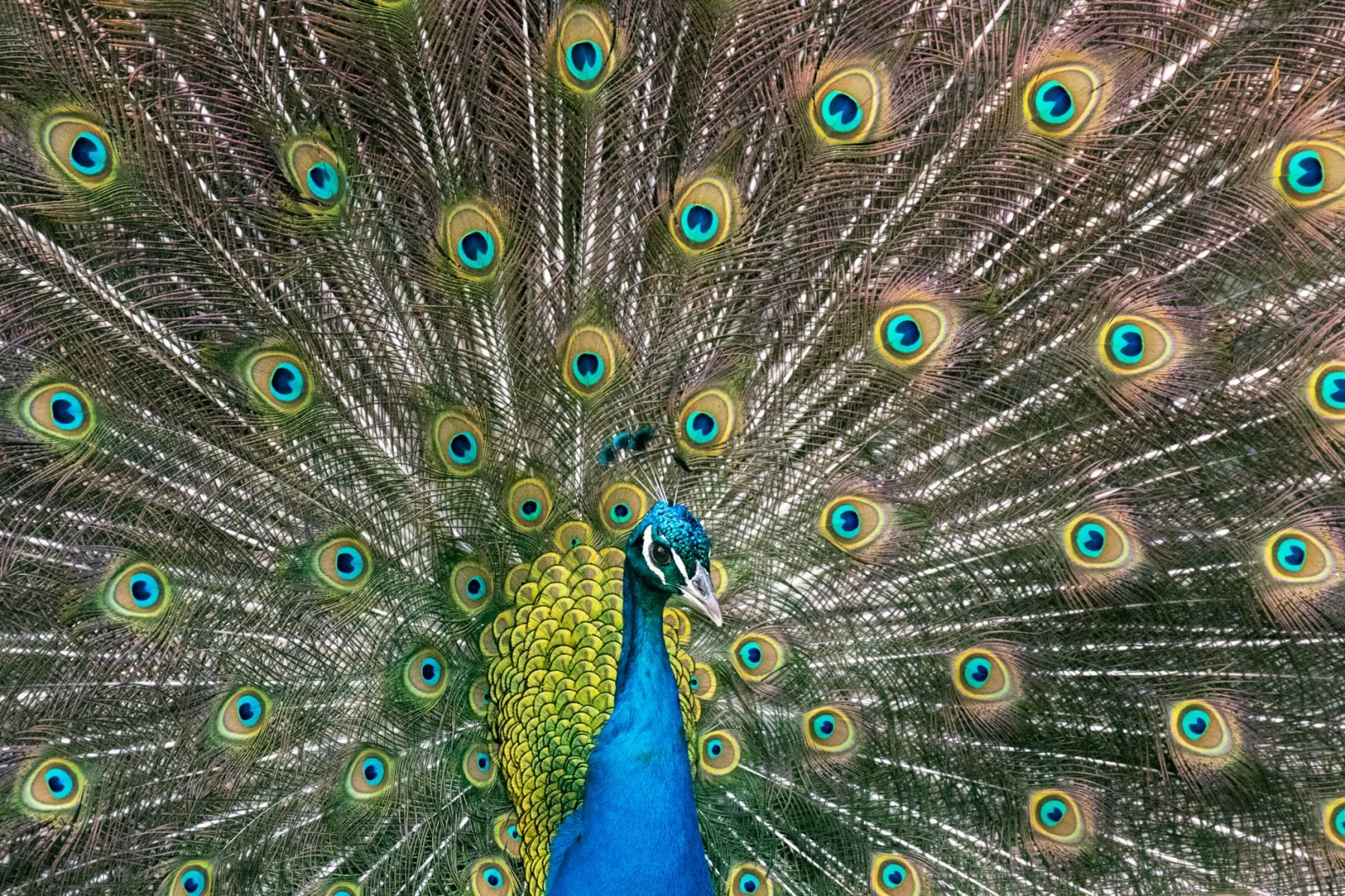
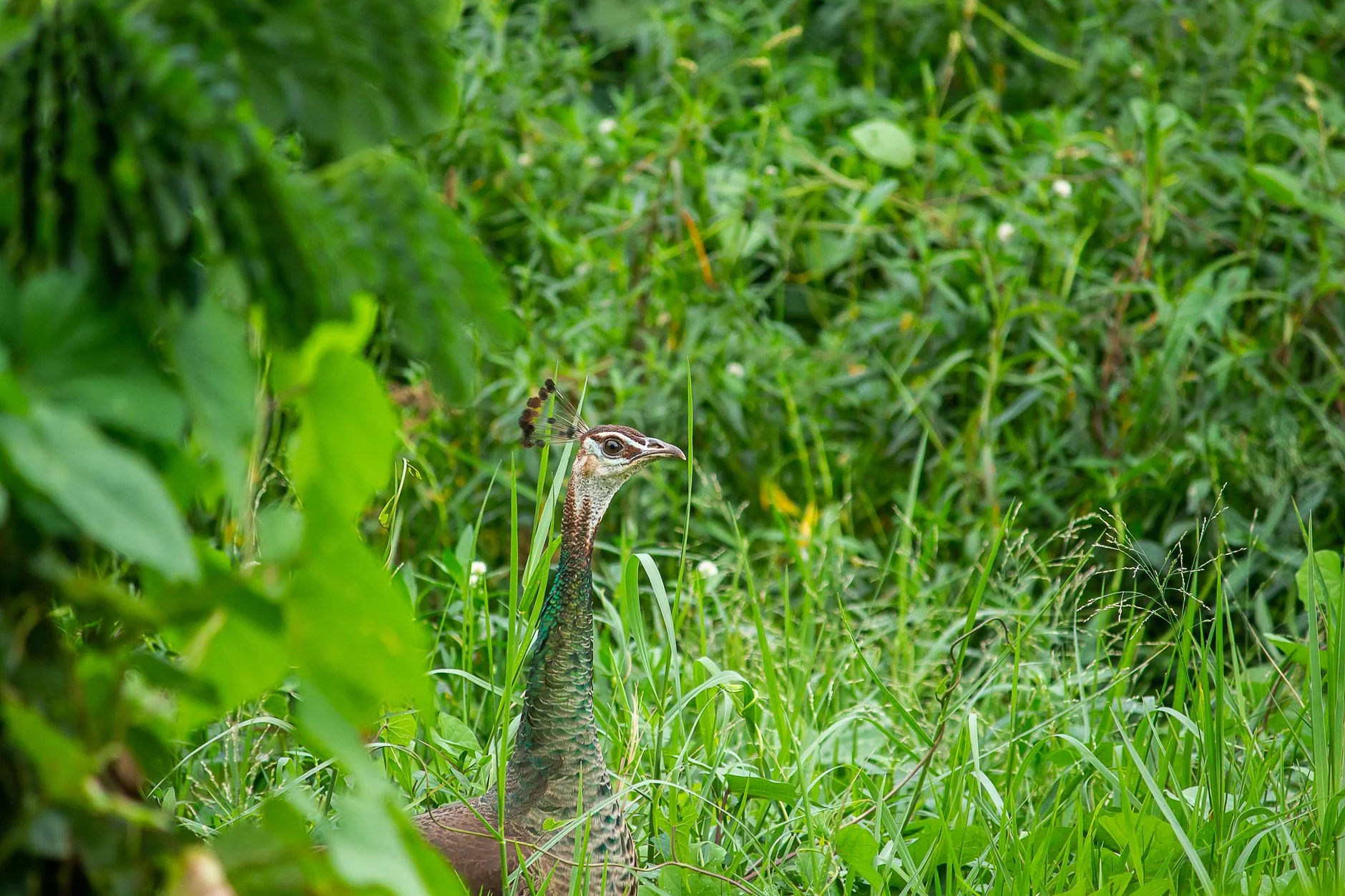
The famous fan is not really a tail. It is called the train, and it is made of very long feathers that grow from the bird's back (the upper-tail coverts), covering the true tail feathers underneath. In the Indian peafowl, a male measures roughly 2 to 2.3 m from beak to the end of the train, and he weighs about 4 to 5 kg. The peahen is smaller, about 3 to 4 kg, and has no train.
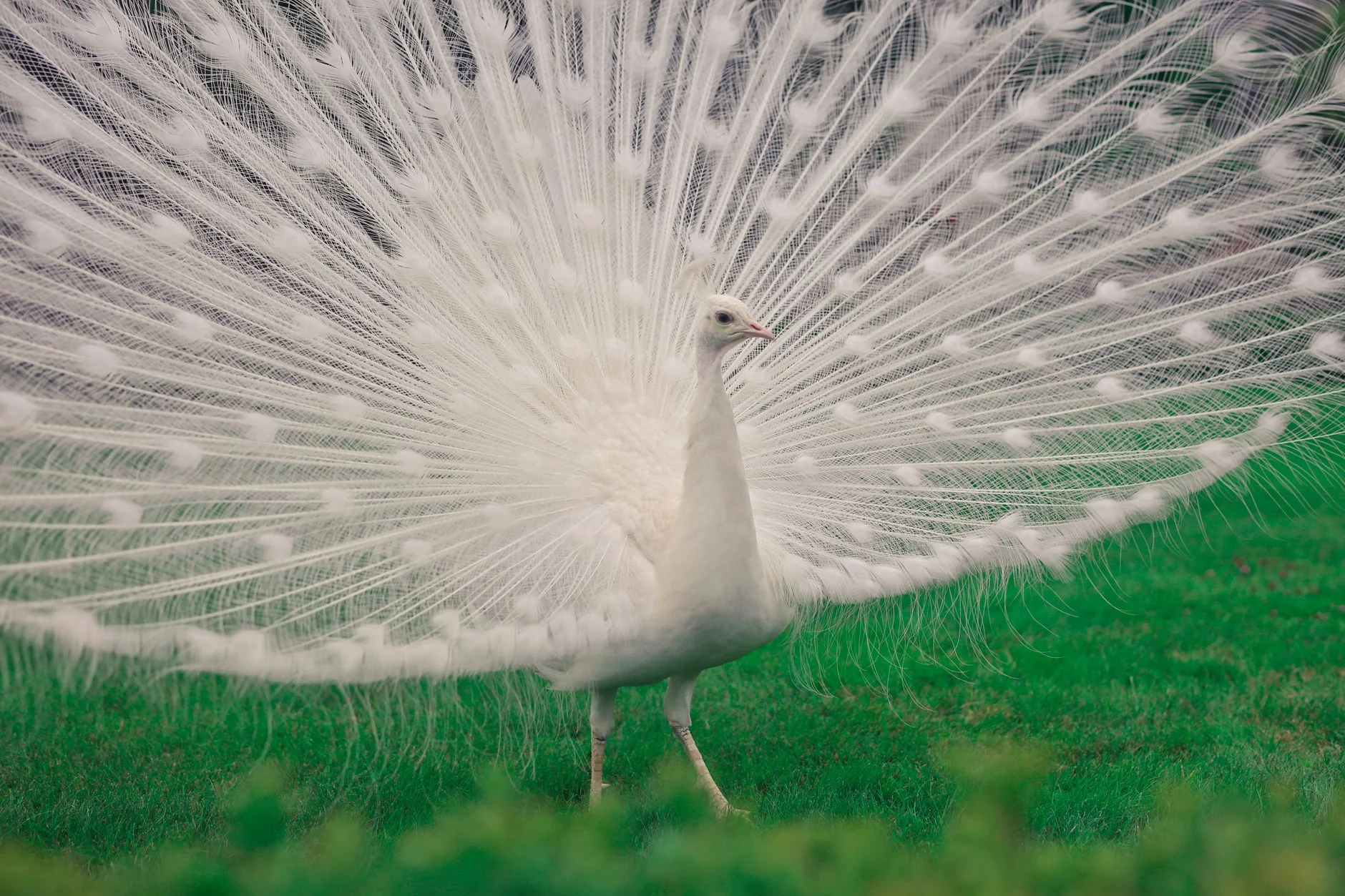
The male spreads the train, shivers it and turns to face the female during courtship. Males gather at display sites called leks, where females walk past and choose a mate. A white male can do all of this too. His train still has its ring-shaped eye-spots, called ocelli, but they show only as faint pale circles against white.
Why does the question matter?
It matters because the right word helps you ask the right question. If a bird is leucistic, its white feathers tell us about pigment cells and development. If it were albino, they would tell us about one enzyme pathway that makes melanin. Both are inherited, both are genetics, but they are different stories. Getting the label right is part of thinking like a scientist: you collect a clue (the eye colour), then choose the explanation that fits it.
The rest of this guide covers the three peafowl species, the physics behind their shimmering blue and green colours, how the white form is inherited, how to care for peafowl in captivity, and the myths that cling to white peacocks.
The three peafowl species
There are only three species of peafowl, and white peacocks belong to just one of them. Knowing which is which also clears up a mistake in many older web pages, which say that "albino peacocks" live wild in Africa. The peafowl of Africa is a completely different species, and it is not white.
1. Indian peafowl (Pavo cristatus)
This is the species most people picture. Males are glossy blue on the head, neck and chest, with the huge train of eye-spotted feathers. The Indian peafowl is native to the Indian subcontinent, including India and Sri Lanka, and it is the national bird of India. People have also introduced it to many other parts of the world, and wild-living (feral) groups now exist far from its home range.
It is classed as Least Concern on the IUCN Red List, meaning it is not currently at risk of extinction. It eats grass, seeds, fruit, insects and small reptiles, so it copes well with farmland and villages. In the wild it lives for around 15 years; in captivity it can reach about 23.
The white peafowl you see in parks and zoos is a colour form of this species. It is not a separate species and not a different kind of peacock: it is the same bird with a pigment difference.
2. Green peafowl (Pavo muticus)
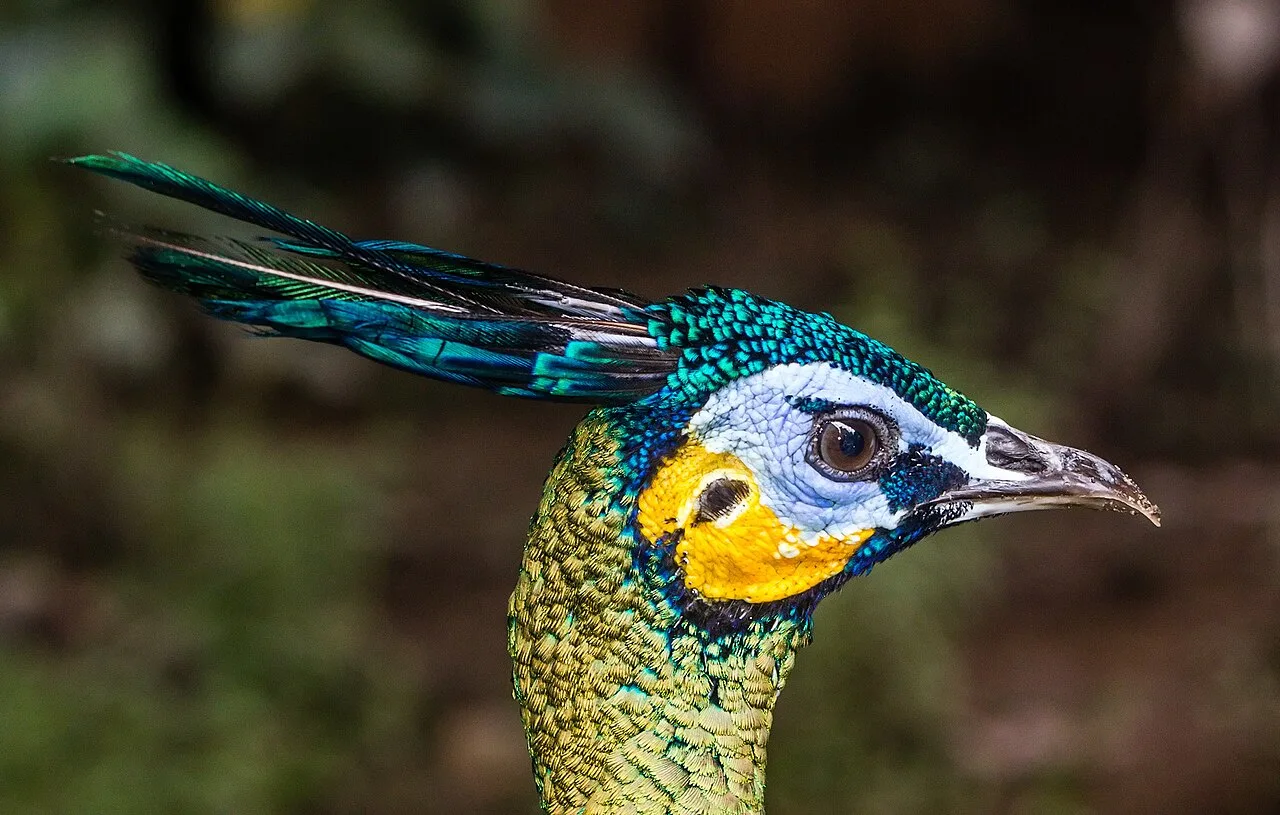
The green peafowl lives in the forests of South-East Asia and southern China, but its range has shrunk. Today only small, scattered populations survive, in countries including Cambodia, Vietnam, Laos, Thailand, Myanmar, southern China and the Indonesian island of Java. Its neck and breast feathers have a scale-like pattern in iridescent green and gold, and the male also has blue wing coverts. Only the male grows the long train, which is roughly 1.4 to 1.6 m long.
The IUCN lists the green peafowl as Endangered, and it has had that status since 2009. The main causes are loss and fragmentation of forest, farming, poaching and the pet trade. Where Indian peafowl have been introduced, they can also interbreed with green peafowl and produce fertile hybrids, which blurs the genetics of the endangered species. To learn how these categories are decided, see our explainer on the IUCN Red List.
3. Congo peafowl (Afropavo congensis)
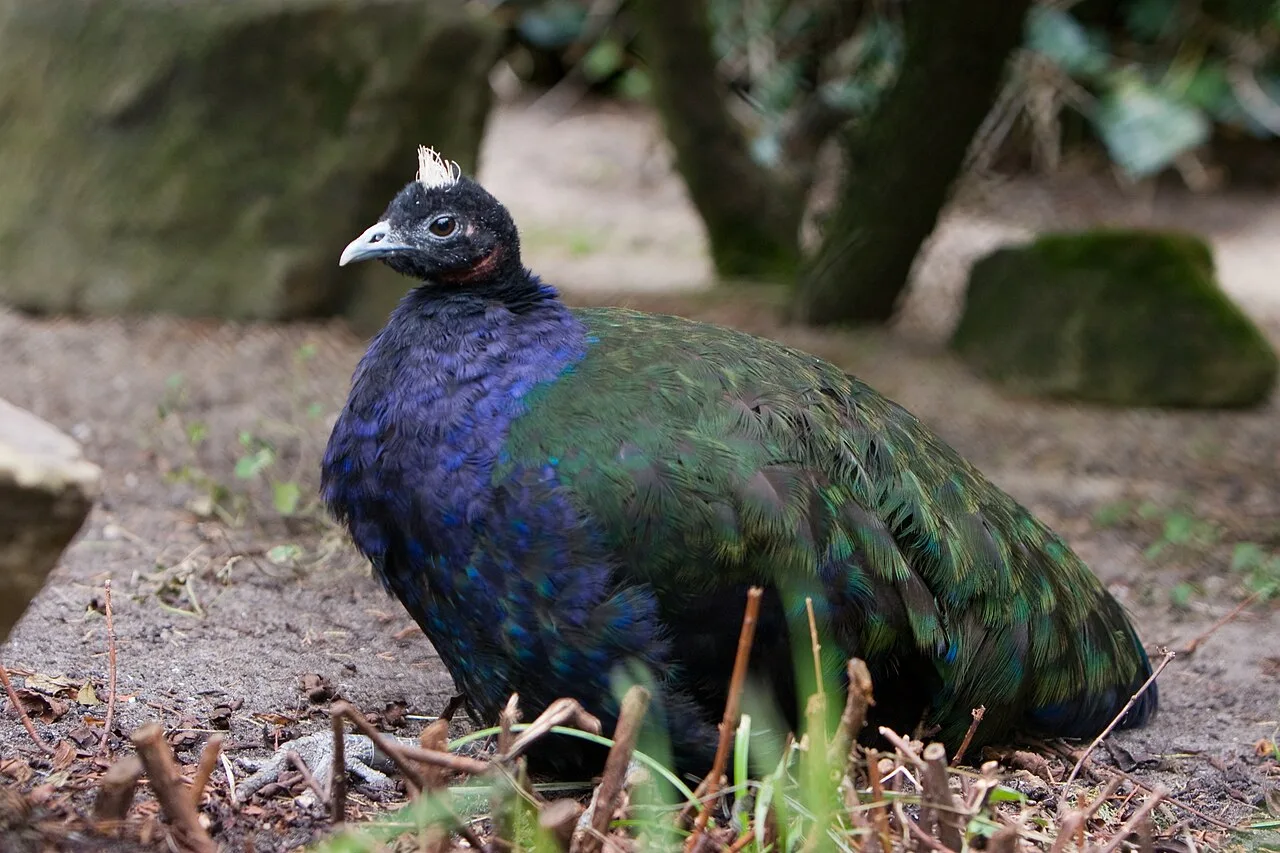
The Congo peafowl is the odd one out. It lives only in the lowland rainforest of the Democratic Republic of the Congo, where it is the national bird. It is smaller than the Asian species, about 64 to 70 cm long, and the male has dark blue and green plumage with a short white crest. It has no giant train and no ocelli.
Western science did not describe it until 1936. The American ornithologist James Chapin noticed unfamiliar feathers in a Congolese headdress. Years later, in 1934, he found museum specimens that had been mislabelled as other birds, and he described the new species in 1936. It eats fruit and insects. Habitat loss from mining, farming and logging, plus hunting and snares, are its main threats. Its latest IUCN assessment that we could confirm lists it as Near Threatened (2022), with a wild population estimated at 2,500 to 9,999 mature birds and falling. Because older sources give a different category, always check the Red List for the current one.
Species at a glance
| Species | Home | IUCN status | Train? |
|---|---|---|---|
| Indian peafowl (Pavo cristatus) | India and Sri Lanka (introduced widely) | Least Concern | Yes (male) |
| Green peafowl (Pavo muticus) | South-East Asia, southern China | Endangered | Yes (male) |
| Congo peafowl (Afropavo congensis) | DR Congo rainforest | Near Threatened (2022) | No |
Where do white peafowl live?
Because the white form is a colour variant of the Indian peafowl, the only wild "home" of this bird is the Indian subcontinent. Many white peafowl today are bred in captivity for parks, estates and zoos, and a pale bird living free is unusual. Older web pages claim that albino peacocks live wild in Africa and Indonesia. We could not find reliable evidence for that, and the only African peafowl, the Congo peafowl, is a different species.
In the wild, tigers, leopards and dholes (Asian wild dogs) take adult Indian peafowl, and large birds of prey and dogs take the chicks. Peafowl usually spend the night roosting in tall trees, which gets them off the ground and away from many predators.
Is a white peacock easier for predators to spot?
It seems likely. A peacock's train is not camouflage, but the peahen's brown-green colours do blend in with leaf litter, which helps protect the nest. A bright white bird stands out against green forest. That is one reason colour mutations like this are usually kept at low levels in the wild: they are easy to see. In parks and gardens, where predators are fewer, a white bird survives easily. The forests where peafowl evolved are rich in predators and prey, a balance explained in our piece on biodiversity in jungle ecosystems.
Why are peacock feathers blue and green? Structural colour
Here is a surprise: the blue and green of a peacock's train are not pigments. The brilliant colours come from the structure of the feather, which is why scientists call them structural colours. The same idea appears in many other birds; see our guide to why birds have different coloured feathers.
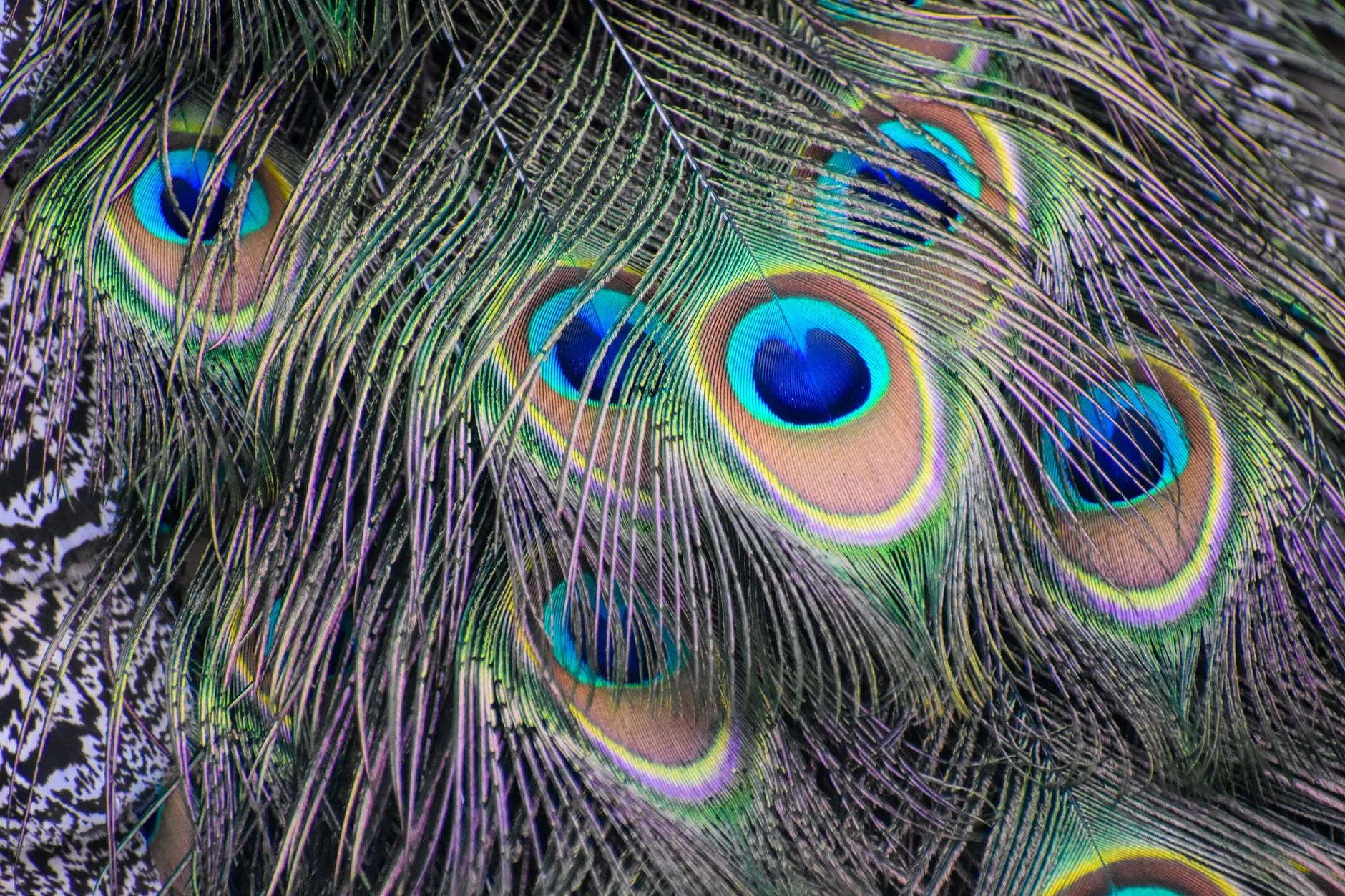
A feather is made of keratin, the same protein as your hair and nails. A central shaft carries side branches called barbs, and the barbs carry even smaller branches called barbules. In the 2003 study "Coloration strategies in peacock feathers" (Zi and colleagues, PNAS), researchers showed that the outer layer of each barbule contains a regular, repeating pattern: a two-dimensional photonic crystal. It is built from tiny rods of melanin and channels of air, embedded in keratin.
Light bounces between these layers. Some wavelengths reinforce each other and are strongly reflected, while others cancel out. The colour you see depends on the spacing of the pattern. Change the spacing slightly and the colour changes: blue, green, yellow or brown. The same team found that changing the number of repeating layers adds extra, mixed colours. This is why tilting a feather changes its shade: the angle of view changes which wavelengths reach your eye.
So why do white peafowl have no colour?
Notice the ingredient in that photonic crystal: melanin. The coloured structure needs melanin rods to build the regular pattern. In a white feather, melanin is missing, so the feather has no coloured crystal. Instead it contains many tiny air cavities that scatter all visible wavelengths of light equally. When every colour is reflected back, you see white.
White is therefore structural too, but in a different way. A white feather is like snow or a cloud: it is not coated in white paint, it is full of tiny surfaces that scatter light. You can show this with a simple test. A white feather soaked in a clear liquid that fills the air gaps becomes see-through, because the scattering stops.
That is also why a white peacock still looks magnificent. The train's shape, size and eye-spot pattern are unchanged. Only the colour-making layer is missing.
How is the white colour inherited?
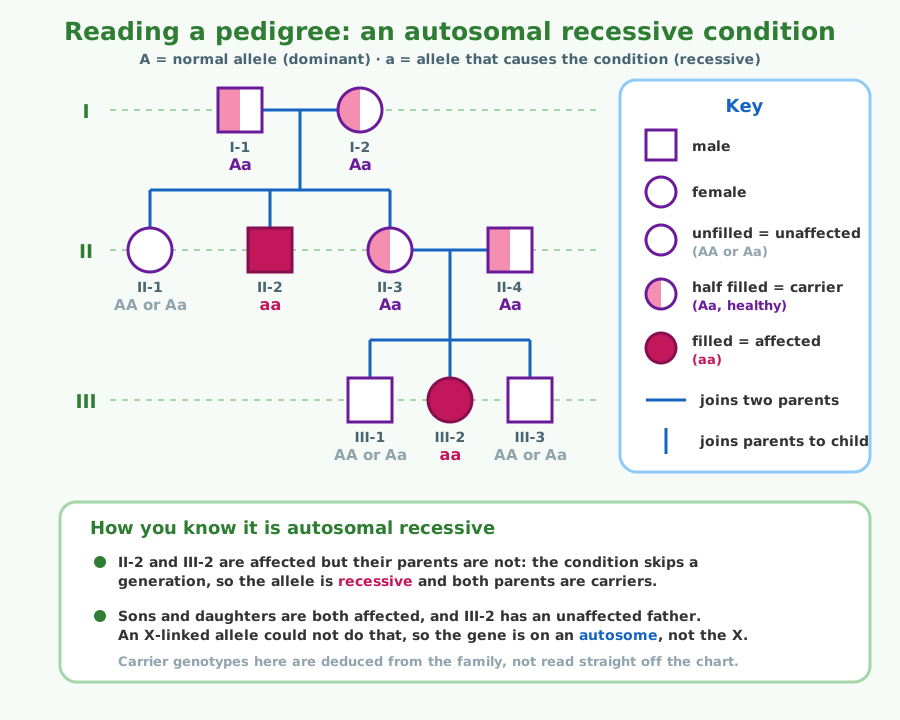
White peafowl are born white. The trait is passed on through genes, and in the Indian peafowl it behaves as a recessive trait. In other words, a chick shows the white form only if it inherits the white allele from both parents. A peafowl with one normal allele and one white allele looks normally coloured but is a carrier.
That has a surprising consequence for breeders: two blue peafowl that are both carriers can have a white chick. It is the same pattern you study in GCSE biology with Punnett squares; revise the vocabulary in our guide to alleles and inheritance. We will use W for the normal allele and w for the white allele.
- WW: normal blue peafowl, not a carrier.
- Ww: normal blue peafowl, carrier of the white allele.
- ww: white (leucistic) peafowl.
Cross two carriers (Ww × Ww) and each chick has a 1 in 4 chance of being ww, a 1 in 2 chance of being a carrier and a 1 in 4 chance of being WW.
Ww × Ww → 1 WW : 2 Ww : 1 ww
Chance works on every chick separately. Four chicks from two carriers do not have to include exactly one white one. You could get none or two. The percentages describe probability, and they only match the real counts well when there are many offspring.
Albino or leucistic: which gene is it?
Albinism in most animals comes from changes in genes that make or process melanin, such as the gene for the enzyme tyrosinase. Leucism involves genes that control how pigment cells develop and move into the skin and feathers. Different genes, different effects. Researchers have also studied the genetics of white plumage in peafowl and sequenced the peafowl genome. A 2022 study in the journal GigaScience found that the white form behaves as a single recessive trait and pointed to a pigment-cell gene called PMEL as a strong candidate, though the exact mutation is still being worked out. This article sticks to what is well established: the white form is recessive, the eyes stay dark, and the feathers lack melanin-based colour.
A white peahen and a white peacock breed. What colour will all their chicks be, and why? (2 marks)
All the chicks will be white. Both parents are ww (homozygous recessive), so every chick can only inherit a w allele from each parent.
A blue peacock and a blue peahen have a white chick. What are the parents' genotypes? (2 marks)
Both must be carriers, Ww. The chick is ww, so it received a w allele from each parent. The parents are blue because the normal allele W is dominant over w.
Do white peacocks have health problems?
The answer depends on which kind of white bird you mean. A truly albino animal makes no melanin in its eyes, so it may see poorly and be uncomfortable in bright light. A leucistic peafowl has normal eye pigment, so the eye problems of albinism are not expected. That is another reason the eye-colour check matters: it tells you which welfare worries apply.
The other issue is visibility. A white bird stands out against green and brown surroundings, so it is easier for predators to spot. You could ask a simple question: would this variation help or harm survival in the wild? In a forest with leopards, probably harm. In a walled garden, probably neither. This is how natural selection works on variation, and you can find the wider idea in our explainer on camouflage in biology.
Keeping peafowl in captivity: welfare basics
White peafowl are popular on estates, farms and in zoos, but keeping any peafowl is a long commitment. These are big, loud, strong birds. They can live for many years (up to around 23 in captivity for Indian peafowl), so owners need to plan for the long term. The notes below are general welfare points, not a substitute for advice from a vet or a local bird-keeping group, and the law on keeping and moving birds differs between countries.
- Space: a large, secure area to walk, scratch and forage, not a small cage.
- Roosting: high, sturdy perches, because peafowl naturally roost in trees at night.
- Shelter: a dry, draught-free house for bad weather, and shade in hot sun.
- Safety: strong fencing and a closed night house against foxes, dogs and other predators.
- Food: a balanced diet that suits peafowl, with fresh water always available. Wild Indian peafowl eat seeds, grass, fruit, insects and small reptiles, so variety matters.
- Company: peafowl are social birds, so think carefully before keeping one alone.
- Health: regular checks, and a vet who knows poultry or game birds.
- Neighbours: peafowl calls are loud, so consider noise before you buy.
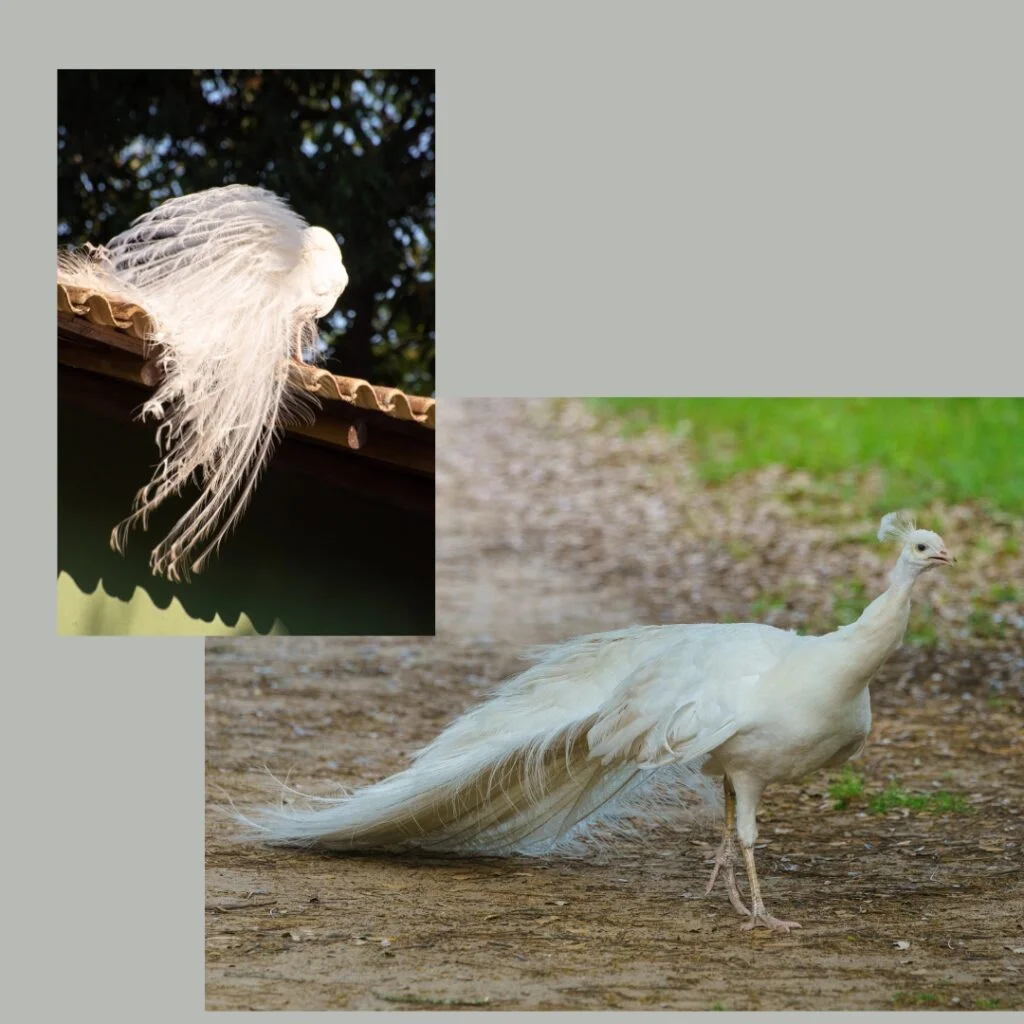
Peafowl can fly short distances, which surprises many people. A wing-clipped or poorly fenced bird may still escape, so the enclosure needs a roof or a design that takes this into account. If you are only interested in seeing white peafowl, visiting a zoo or a reputable bird park is a better way to enjoy them.
Peacock myths, corrected
Why peafowl matter to science
Peafowl have helped biologists think about how animals evolve. The male's train is large and costly to grow and carry, and it is thought to help males attract females, a process called sexual selection. Peafowl belong to the pheasant family, and like every bird they descend from dinosaurs; for the deeper history, see what birds and dinosaurs have in common. And the green peafowl's decline shows how habitat loss can push even a spectacular species towards extinction, a theme explored in the extinction crisis.
Frequently asked questions about albino peacocks
Are there albino peacocks?
True albino peacocks, with no melanin and pink or red eyes, are very rarely reported. Nearly all white peafowl are leucistic. They have white feathers but dark or blue-grey eyes because their eye pigment is unaffected. The two conditions look similar at a distance, but the eyes give the answer.
What is the difference between an albino and a leucistic peacock?
An albino cannot make melanin anywhere in the body, so its eyes are pink or red. A leucistic bird has pigment cells that fail to reach the feathers, so it is white but keeps normal eye colour. Leucism is therefore usually partial or limited to the feathers, and albinism affects the whole body.
Why are white peacocks white?
White peafowl inherit a recessive allele that stops pigment reaching their feathers. Without melanin, the feathers cannot build the coloured nanostructure that makes blue and green. Instead, tiny air spaces scatter all wavelengths of light equally, which looks white. Their eyes stay dark because eye pigment develops separately.
Are white peacocks rare?
White peafowl are uncommon compared with blue ones, but they are widely bred in captivity for parks, zoos and estates. They are a colour form of the Indian peafowl, which is not threatened. A bird being rare in colour does not mean its species is endangered.
Is a white peacock a different species?
No. A white peacock is an Indian peafowl, Pavo cristatus, with a colour variation. It can breed with blue peafowl. Whether the chicks are white depends on whether both parents carry the recessive white allele.
Are peacock feathers really blue?
The colour is real to your eyes, but it is not made by blue pigment. It comes from a photonic crystal in the feather barbules, which reflects certain wavelengths of light. That is structural colour, and it is why the shade seems to shift as you move.
What is the difference between a peacock and a peahen?
A peacock is the male and a peahen is the female. The peacock has the long, eye-spotted train and brighter colours. The peahen is smaller, browner and has no train. Together they are called peafowl, and their young are peachicks.
Which peafowl species is endangered?
The green peafowl, Pavo muticus, is listed as Endangered by the IUCN, and has been since 2009. Habitat loss, poaching and the pet trade are the main threats. The Indian peafowl is Least Concern, and the Congo peafowl was assessed as Near Threatened in 2022.
Can peacocks fly?
Yes, but only for short distances. Peafowl are heavy birds, but they can fly up into trees to roost at night, and they may fly over fences.