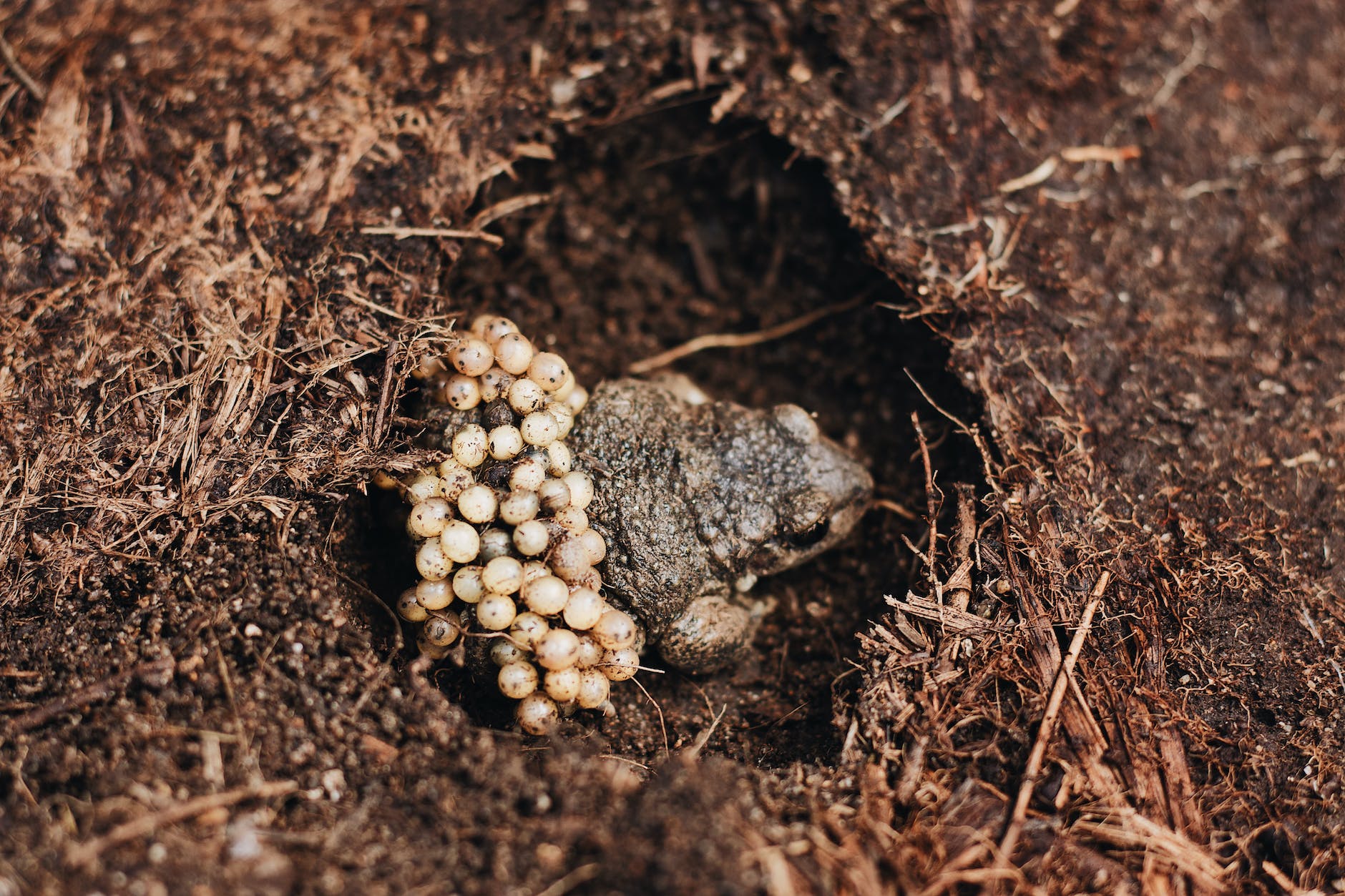
Animals that start with C range from the cheetah, the fastest animal on land, to the coelacanth, a deep-sea fish that was once thought to have vanished with the dinosaurs. This guide lists 76 animals that start with C, with photographs, scientific names and conservation status, for homework, quiz nights and alphabet games.
Quick answer: the best-known animals that start with C are the cat, cow, cheetah, chimpanzee, camel, crocodile and crab. Forty-eight have photos, from capybaras and cassowaries to cuttlefish and coconut crabs.
Going through the alphabet? See the animals that start with B first, then the animals that start with D next.
Animals that start with C: the full list of 76
This table lists every animal beginning with C. The last column shows the IUCN Red List status, from Least Concern through Near Threatened, Vulnerable, Endangered and Critically Endangered, to Extinct. Domesticated animals have no global assessment, and “Not assessed” means the species has none either. Animals with photos have their own entry below.
| # | Animal | Scientific name | Group | Habitat | IUCN status |
|---|---|---|---|---|---|
| 1 | Cheetah | Acinonyx jubatus | Mammal | African savannah, central Iran | Vulnerable |
| 2 | Chimpanzee | Pan troglodytes | Mammal | Forests and savannas, equatorial Africa | Endangered |
| 3 | Capybara | Hydrochoerus hydrochaeris | Mammal | Wetlands and forests, South America | Least Concern |
| 4 | Camel (dromedary) | Camelus dromedarius | Mammal | Deserts of Africa and Middle East | Domesticated (not assessed) |
| 5 | Coyote | Canis latrans | Mammal | North and Central America, cities | Least Concern |
| 6 | Caracal | Caracal caracal | Mammal | Dry country, Africa and Asia | Least Concern |
| 7 | Cougar | Puma concolor | Mammal | Canada to Patagonia | Least Concern |
| 8 | Clouded leopard | Neofelis nebulosa | Mammal | Dense forest, Himalayas to South-East Asia | Vulnerable |
| 9 | Caribou (reindeer) | Rangifer tarandus | Mammal | Arctic tundra and boreal forest | Vulnerable |
| 10 | Cape buffalo | Syncerus caffer | Mammal | Savannah and woodland, sub-Saharan Africa | Near Threatened |
| 11 | Chinchilla (long-tailed) | Chinchilla lanigera | Mammal | Rocky Andean slopes, Chile | Endangered |
| 12 | Chipmunk (eastern) | Tamias striatus | Mammal | Woodland, eastern North America | Least Concern |
| 13 | Coati (South American) | Nasua nasua | Mammal | Forests of South America | Least Concern |
| 14 | Colobus monkey (mantled guereza) | Colobus guereza | Mammal | Forests, central and east Africa | Least Concern |
| 15 | Cotton-top tamarin | Saguinus oedipus | Mammal | Forest edges, north-west Colombia | Critically Endangered |
| 16 | Cuvier's beaked whale | Ziphius cavirostris | Mammal | Deep ocean, all non-polar seas | Least Concern |
| 17 | Crab-eating macaque | Macaca fascicularis | Mammal | Forests and mangroves, South-East Asia | Endangered |
| 18 | Cuscus (common spotted) | Spilocuscus maculatus | Mammal (marsupial) | Rainforest, New Guinea and Cape York | Least Concern |
| 19 | Civet (African) | Civettictis civetta | Mammal | Woodland, sub-Saharan Africa | Least Concern |
| 20 | Coypu (nutria) | Myocastor coypus | Mammal | Wetlands, South America | Least Concern |
| 21 | Commerson's dolphin | Cephalorhynchus commersonii | Mammal | Coasts of southern South America | Least Concern |
| 22 | Capuchin monkey (white-faced) | Cebus imitator | Mammal | Forests of Central America | Vulnerable |
| 23 | Cow (cattle) | Bos taurus | Mammal | Farms worldwide | Domesticated (not assessed) |
| 24 | Cat (domestic) | Felis catus | Mammal | Homes worldwide | Domesticated (not assessed) |
| 25 | Cassowary (southern) | Casuarius casuarius | Bird | Rainforest, Australia and New Guinea | Least Concern |
| 26 | Cardinal (northern) | Cardinalis cardinalis | Bird | Woodland and gardens, North America | Least Concern |
| 27 | Crow (carrion) | Corvus corone | Bird | Farmland and towns, Europe and Asia | Least Concern |
| 28 | Cockatoo (sulphur-crested) | Cacatua galerita | Bird | Woodland, Australia and New Guinea | Least Concern |
| 29 | Condor (Andean) | Vultur gryphus | Bird | Andes mountains, South America | Vulnerable |
| 30 | Crane (common) | Grus grus | Bird | Wetlands, Europe and Asia | Least Concern |
| 31 | Cuckoo (common) | Cuculus canorus | Bird | Summer visitor, Europe and Asia | Least Concern |
| 32 | Chaffinch | Fringilla coelebs | Bird | Woods, parks and gardens, Europe | Least Concern |
| 33 | Crested tit | Lophophanes cristatus | Bird | Conifer forests, Europe | Least Concern |
| 34 | Canary (Atlantic) | Serinus canaria | Bird | Canary Islands, Azores, Madeira | Least Concern |
| 35 | Cowbird (brown-headed) | Molothrus ater | Bird | Open country, North America | Least Concern |
| 36 | Cormorant (great) | Phalacrocorax carbo | Bird | Coasts and lakes on several continents | Least Concern |
| 37 | Chicken | Gallus gallus domesticus | Bird | Farms worldwide | Domesticated (not assessed) |
| 38 | Curlew (Eurasian) | Numenius arquata | Bird | Moors, wetlands and coasts, Eurasia | Near Threatened |
| 39 | Cockatiel | Nymphicus hollandicus | Bird | Australia | Least Concern |
| 40 | Crocodile (saltwater) | Crocodylus porosus | Reptile | Estuaries and coasts, Asia to Australia | Least Concern |
| 41 | Chameleon (panther) | Furcifer pardalis | Reptile | Forest, northern Madagascar | Least Concern |
| 42 | Cobra (Indian) | Naja naja | Reptile | Indian subcontinent | Least Concern |
| 43 | Copperhead (eastern) | Agkistrodon contortrix | Reptile | Woodland, eastern USA | Least Concern |
| 44 | Caiman (spectacled) | Caiman crocodilus | Reptile | Rivers and swamps, Central and South America | Least Concern |
| 45 | Crested gecko | Correlophus ciliatus | Reptile | Forests of southern New Caledonia | Vulnerable |
| 46 | Cane toad | Rhinella marina | Amphibian | Central and South America; invasive elsewhere | Least Concern |
| 47 | Chinese giant salamander | Andrias davidianus | Amphibian | Mountain streams, Yangtze basin | Critically Endangered |
| 48 | Chuckwalla (common) | Sauromalus ater | Reptile | Deserts, south-west USA and Mexico | Least Concern |
| 49 | Corn snake | Pantherophis guttatus | Reptile | South-eastern and central USA | Least Concern |
| 50 | Coral snake (eastern) | Micrurus fulvius | Reptile | South-eastern USA | Least Concern |
| 51 | Clownfish (orange) | Amphiprion percula | Fish | Coral reefs, western Pacific | Least Concern |
| 52 | Cuttlefish (common) | Sepia officinalis | Mollusc | Eastern Atlantic, North Sea, Mediterranean | Least Concern |
| 53 | Coelacanth (West Indian Ocean) | Latimeria chalumnae | Fish | Deep caves and slopes, Comoros and East Africa | Critically Endangered |
| 54 | Coral (elkhorn) | Acropora palmata | Coral (cnidarian) | Shallow Caribbean reefs | Critically Endangered |
| 55 | Cownose ray | Rhinoptera bonasus | Fish | Coastal waters, western Atlantic | Vulnerable |
| 56 | Catfish (wels) | Silurus glanis | Fish | Rivers and lakes, Europe | Least Concern |
| 57 | Cod (Atlantic) | Gadus morhua | Fish | North Atlantic, including North Sea | Vulnerable (old assessment) |
| 58 | Cookiecutter shark | Isistius brasiliensis | Fish | Warm open oceans | Least Concern |
| 59 | Carp (common) | Cyprinus carpio | Fish | Lakes and rivers, Europe and Asia | Vulnerable (native populations) |
| 60 | Conch (queen) | Aliger gigas | Mollusc | Seagrass beds, Caribbean | Near Threatened |
| 61 | Colossal squid | Mesonychoteuthis hamiltoni | Mollusc | Southern Ocean | Least Concern |
| 62 | Cicada (Mediterranean) | Cicada orni | Insect | Warm woods and scrub, southern Europe | Not assessed |
| 63 | Coconut crab | Birgus latro | Crustacean | Islands, Indian and Pacific Oceans | Vulnerable |
| 64 | Centipede (Amazonian giant) | Scolopendra gigantea | Centipede | Northern South America | Not assessed |
| 65 | Cockchafer | Melolontha melolontha | Insect | Woods, fields and gardens, Europe | Not assessed |
| 66 | Comma butterfly | Polygonia c-album | Insect | Woodland edges and gardens, Europe | Not assessed |
| 67 | Cricket (house) | Acheta domesticus | Insect | Worldwide (originally south-west Asia) | Not assessed |
| 68 | Cockroach (American) | Periplaneta americana | Insect | Buildings worldwide (native to Africa) | Not assessed |
| 69 | Cabbage white butterfly | Pieris rapae | Insect | Europe and Asia; introduced worldwide | Not assessed |
| 70 | Crayfish (white-clawed) | Austropotamobius pallipes | Crustacean | Streams in Europe | Endangered |
| 71 | Christmas Island red crab | Gecarcoidea natalis | Crustacean | Christmas and Cocos (Keeling) Islands | Not assessed |
| 72 | Columbian mammoth | Mammuthus columbi | Extinct mammal | Ice Age North America | Extinct (prehistoric) |
| 73 | Carolina parakeet | Conuropsis carolinensis | Extinct bird | Eastern and central USA | Extinct |
| 74 | Cave bear | Ursus spelaeus | Extinct mammal | Ice Age Europe and Asia | Extinct (prehistoric) |
| 75 | Cave lion | Panthera spelaea | Extinct mammal | Ice Age Eurasia, north-west North America | Extinct (prehistoric) |
| 76 | Compsognathus | Compsognathus longipes | Extinct dinosaur | Late Jurassic Europe | Extinct (prehistoric) |
Animals that start with C by group
The list covers nearly every major animal group.
Mammals
There are 24 mammals, from cheetahs, chimpanzees and capybaras to Cuvier’s beaked whale, the cow and the cat.
Birds
There are 15 birds, from the cassowary and cardinal to the condor, crane, cuckoo and chicken.
Reptiles and amphibians
There are 11 reptiles and amphibians, from the saltwater crocodile and panther chameleon to the cane toad and Chinese giant salamander.
Fish and sea life
There are 11 fish and sea creatures, including the clownfish, coelacanth, elkhorn coral, cod and colossal squid.
Insects and other invertebrates
There are 10 insects and other invertebrates, including the cicada, coconut crab, giant centipede, cockchafer and comma butterfly.
Extinct animals
There are 5 extinct animals: the Columbian mammoth, Carolina parakeet, cave bear, cave lion and the small dinosaur Compsognathus.
Biggest, fastest, cutest and most dangerous animals that start with C
Here are the record-breakers among animals that start with C that we can back up with sources.
Fastest
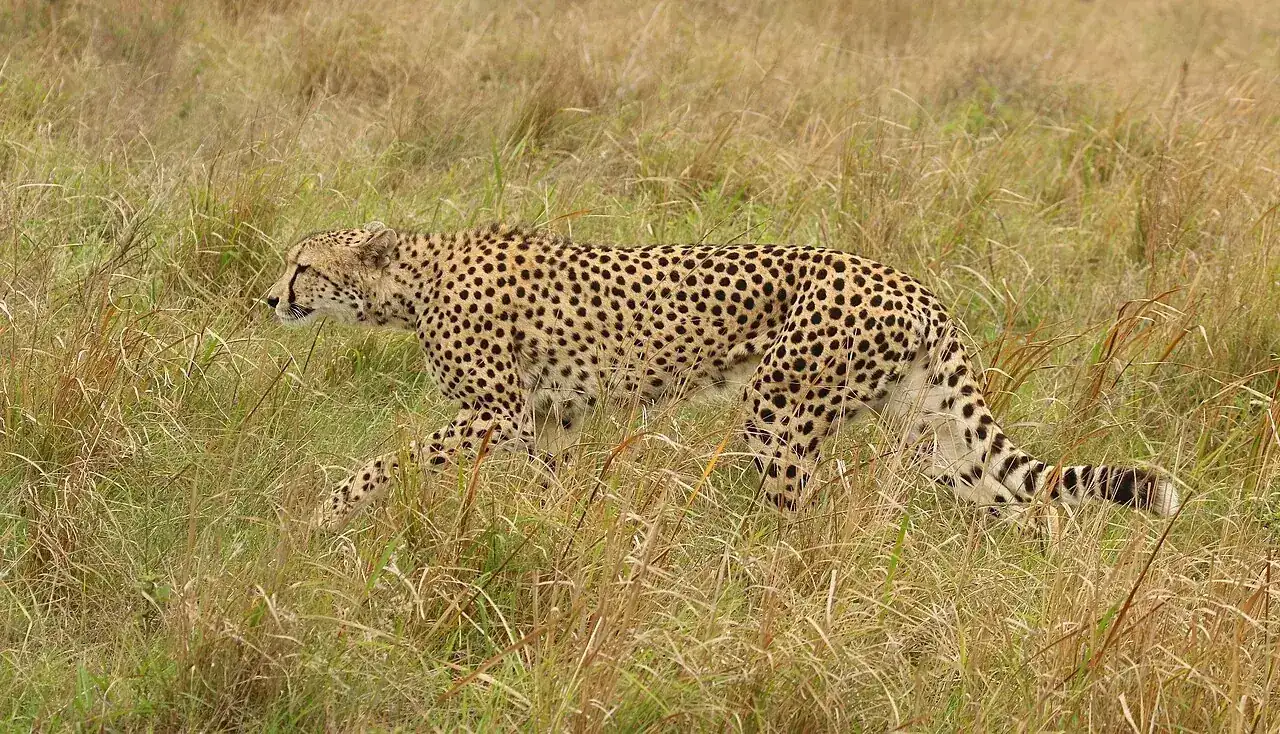
The cheetah is the fastest land animal, reaching 93–104 km/h (58–65 mph) in short sprints. For more speed records, see the fastest animals on the planet.
Biggest
The largest living animal on the list is Cuvier’s beaked whale, up to 8 m long and about 3,100 kg. The saltwater crocodile is the largest living reptile, the capybara the largest rodent and the coconut crab the largest land arthropod. The colossal squid is the heaviest invertebrate, at least 495 kg, while the extinct Columbian mammoth weighed up to 12.5 tonnes. Compare these with the largest animals in the world.
Deepest diver and longest-lived
Cuvier’s beaked whale holds the mammal diving records: 2,992 m deep and 222 minutes long. The coelacanth may live for about 100 years, the Andean condor for more than 70, and the white-faced capuchin has been recorded living for over 54 years.
Most dangerous
We say “can be dangerous” rather than ranking animals by deaths. The saltwater crocodile is regarded as dangerous to humans, and the Indian cobra is one of India’s “Big Four” snakebite species. The cassowary has a fearsome reputation, but only two human deaths are on record.
Rarest and most threatened
Four animals on the list are Critically Endangered: the cotton-top tamarin, Chinese giant salamander, coelacanth and elkhorn coral. Endangered species include the chimpanzee, long-tailed chinchilla, crab-eating macaque and white-clawed crayfish.
Cutest (our picks)
Cuteness is opinion, but our picks are the capybara, chinchilla, coati, chipmunk, cotton-top tamarin and clownfish.
Mammals that start with C
Mammals that start with C include big cats, apes, rodents and even a deep-diving whale. To see how they fit into the wider picture, read about the families of mammals.
Cheetah
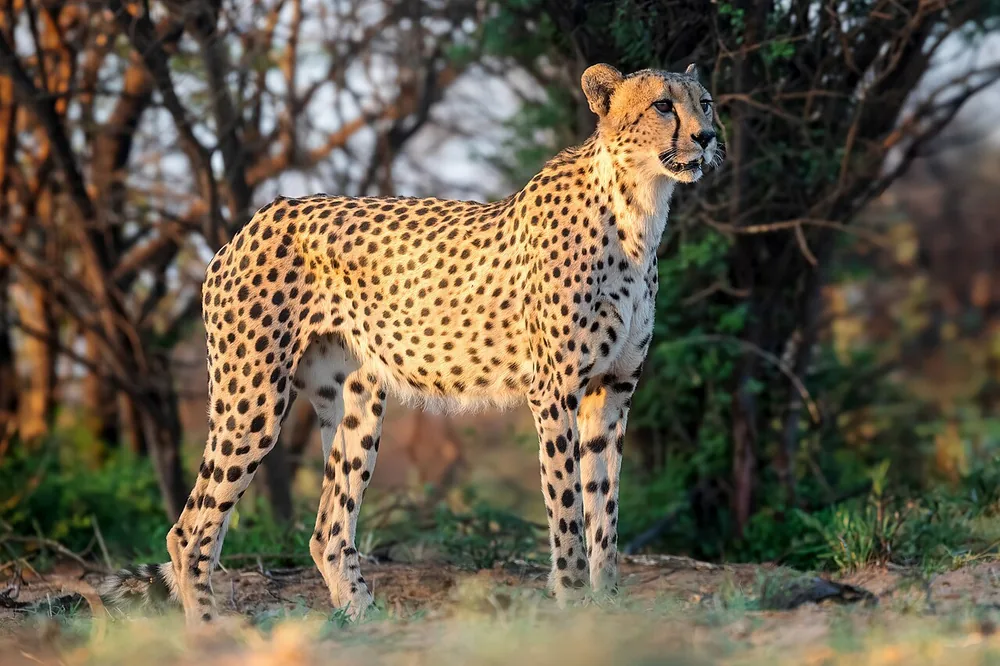
Scientific name: Acinonyx jubatus
Group: mammal (big cat)
Lives: African savannahs and dry grassland, plus a small population in central Iran
Size: 21–65 kg, 67–94 cm at the shoulder
Diet: carnivore (gazelles, hares and other small prey)
IUCN status: Vulnerable
The cheetah is the fastest land animal, reaching about 93–104 km/h (58–65 mph) in short sprints. Black “tear marks” run from its eyes to its mouth. See how big cats hunt and catch their prey.
Chimpanzee
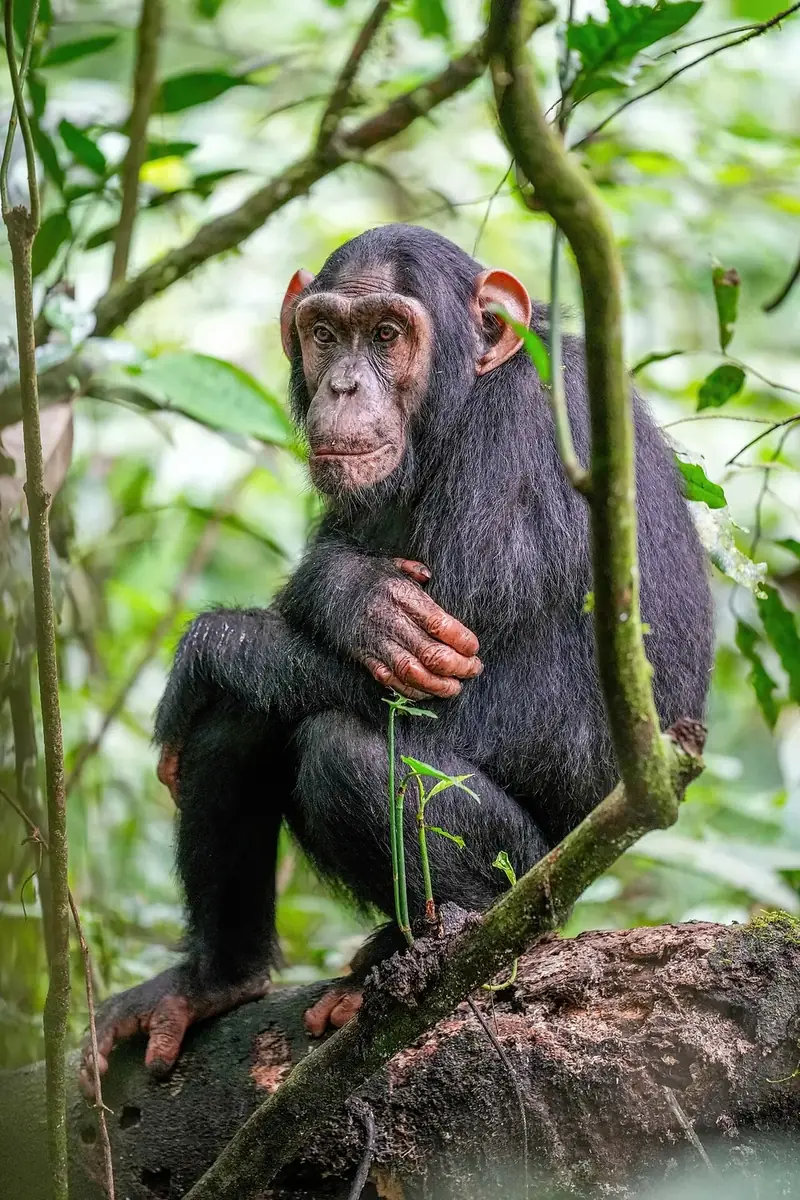
Scientific name: Pan troglodytes
Group: mammal (great ape)
Lives: forests and savannas of equatorial Africa
Size: males about 40 kg, females about 30 kg
Diet: mostly fruit, plus insects, and sometimes monkeys
IUCN status: Endangered
Chimpanzees and bonobos are our closest living relatives; humans share about 98.8% of their DNA with chimps. Nearly all populations use tools, such as sticks to extract termites, ants or honey and stones to crack nuts.
Capybara
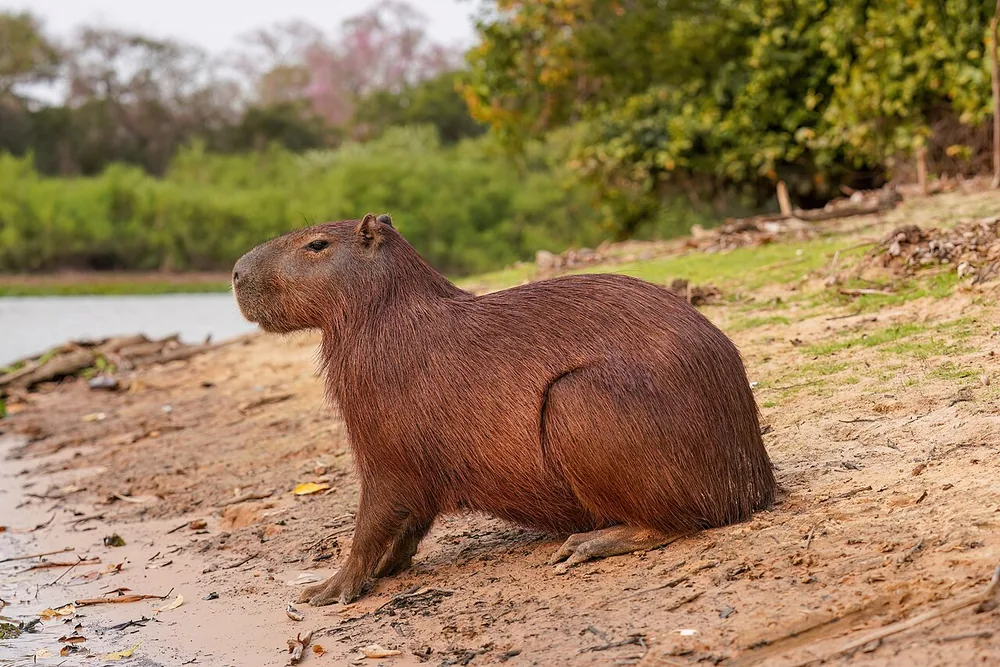
Scientific name: Hydrochoerus hydrochaeris
Group: mammal (rodent)
Lives: wetlands, savannas and forests near fresh water in South America (not Chile)
Size: 106–134 cm long, 50–62 cm tall
Diet: herbivore (grasses and water plants)
IUCN status: Least Concern
The capybara is the world’s largest living rodent. It lives in groups of 10–20, sometimes up to 100.
Camel (dromedary)
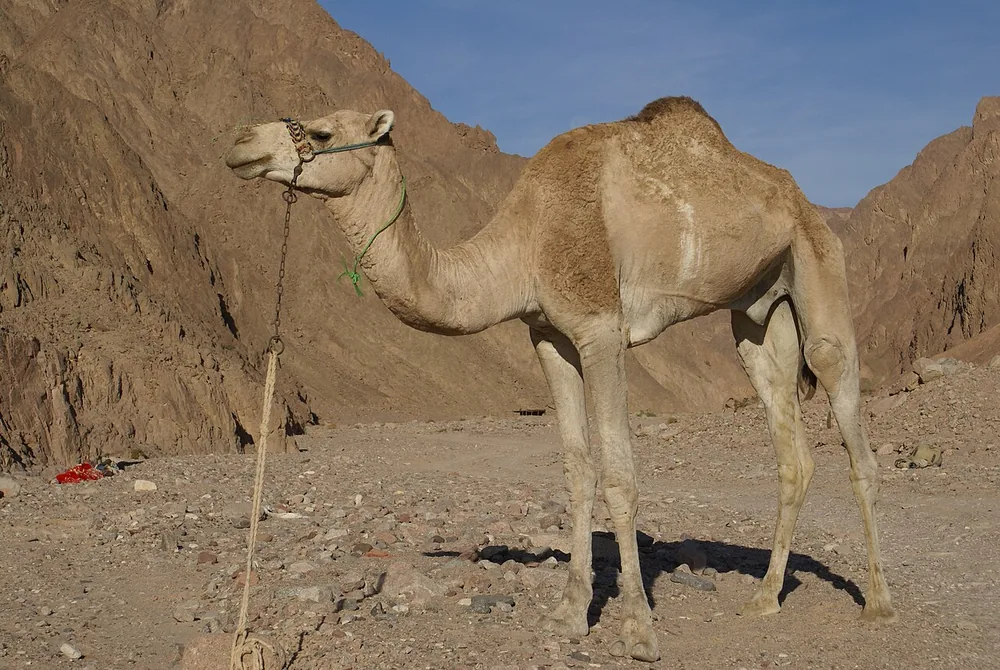
Scientific name: Camelus dromedarius
Group: mammal
Lives: deserts of North Africa, the Middle East and beyond (domesticated)
Size: males 1.8–2.4 m at the shoulder, 400–690 kg
Diet: herbivore (desert plants)
IUCN status: Domesticated (not assessed)
No truly wild dromedaries have existed for nearly 2,000 years; it was domesticated about 4,000 years ago in Arabia. The single hump is made of fat, not water, and a dromedary can tolerate losing more than 30% of its body water.
Coyote
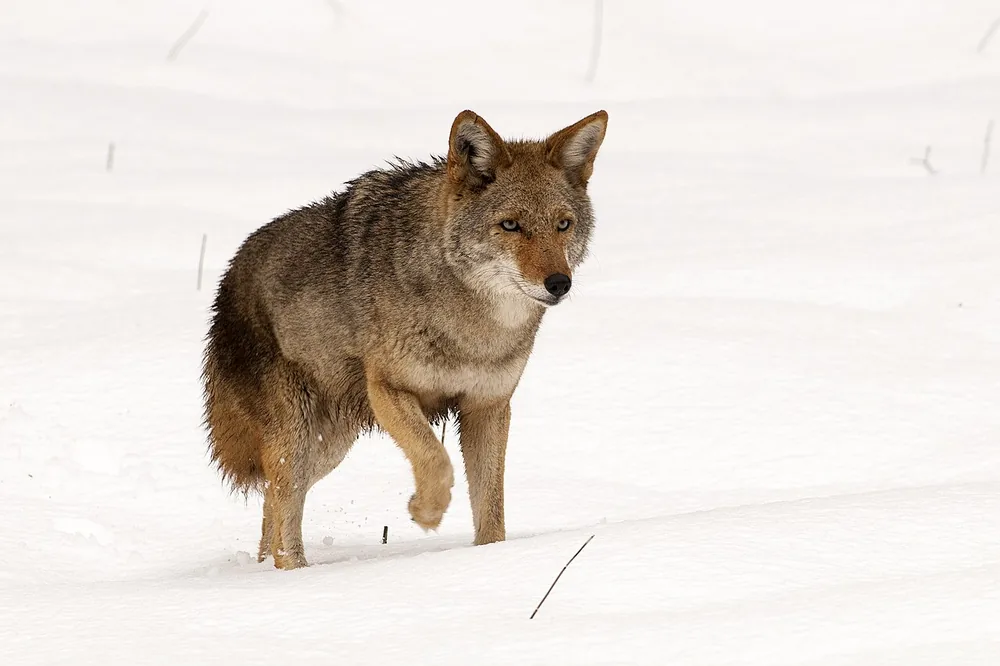
Scientific name: Canis latrans
Group: mammal (dog family)
Lives: North and Central America, including many cities
Size: 8–20 kg (males), 1.0–1.35 m in total length
Diet: omnivore, mostly meat (rabbits, rodents, deer, birds, fruit)
IUCN status: Least Concern
Coyotes are famous for howling. They have spread so far south that one was first recorded in eastern Panama, beyond the canal, in 2013.
Caracal
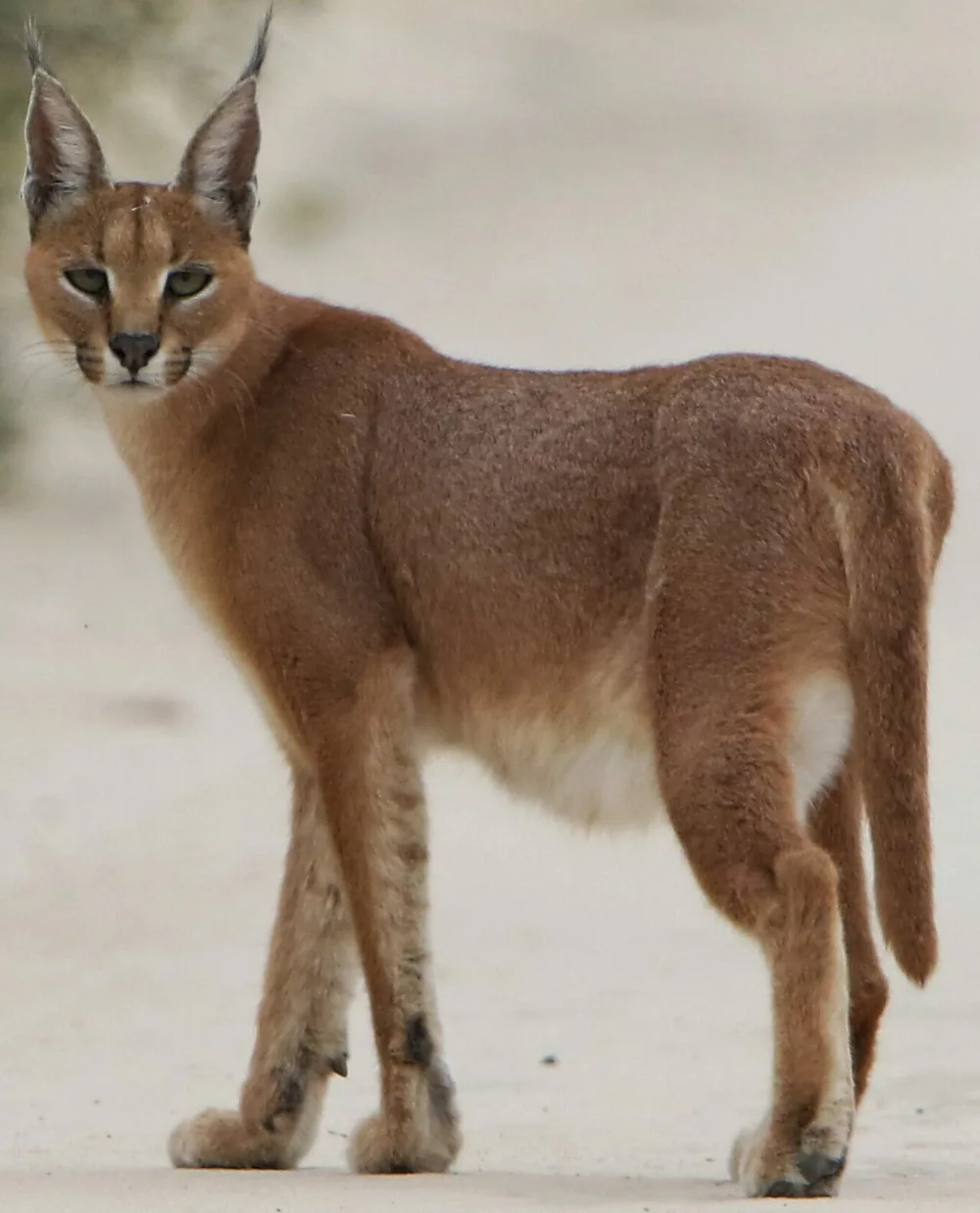
Scientific name: Caracal caracal
Group: mammal (wild cat)
Lives: Africa, the Middle East, Central Asia and north-west India
Size: 8–19 kg, 40–50 cm at the shoulder
Diet: carnivore (birds, rodents and other small mammals)
IUCN status: Least Concern
The caracal is easy to recognise by its long black ear tufts. It can leap higher than 3 m, which helps it snatch birds out of the air.
Cougar
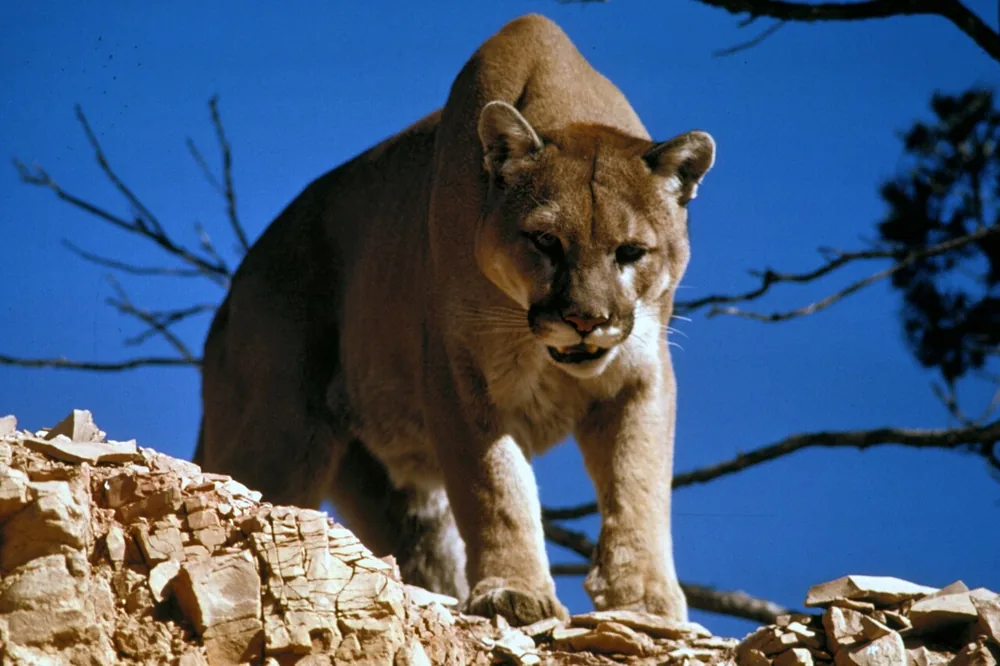
Scientific name: Puma concolor
Group: mammal (big cat, also called puma or mountain lion)
Lives: from Canada to Patagonia
Size: males 53–72 kg, 1.5–2.75 m from nose to tail
Diet: carnivore (mainly deer)
IUCN status: Least Concern
The cougar is the most widely distributed wild land mammal in the Western Hemisphere, and also goes by puma, mountain lion, catamount and panther. Compare the cougar vs leopard and other big cats.
Clouded leopard
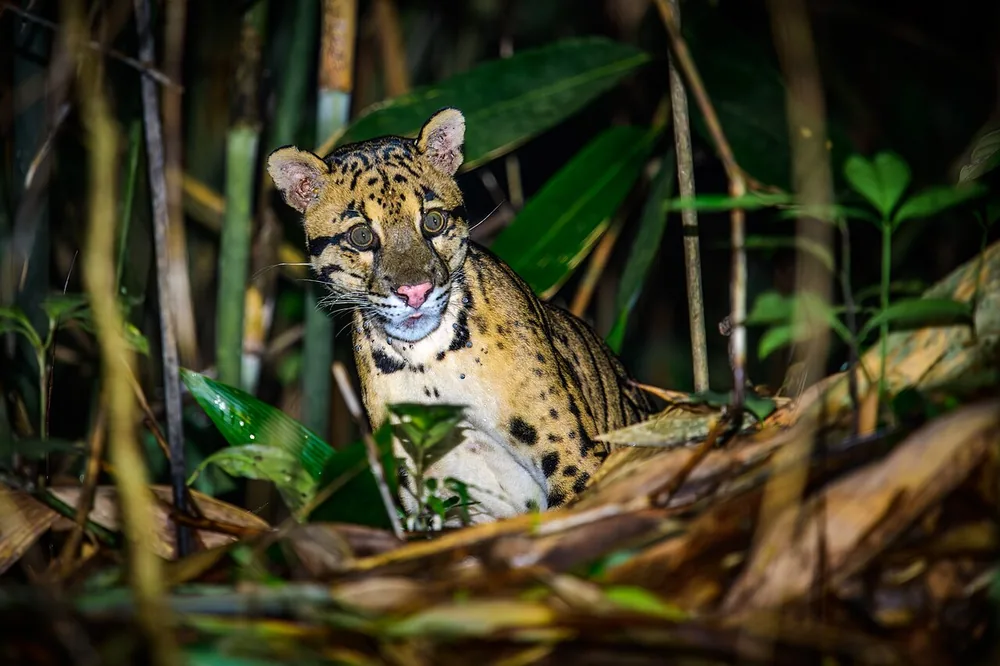
Scientific name: Neofelis nebulosa
Group: mammal (wild cat)
Lives: dense forest from the Himalayan foothills to South-East Asia and South China
Size: head and body 69–108 cm, plus a tail of 61–91 cm
Diet: carnivore
IUCN status: Vulnerable
Fewer than 10,000 adults are thought to remain. This agile tree-climber can climb down trunks head first.
Caribou (reindeer)
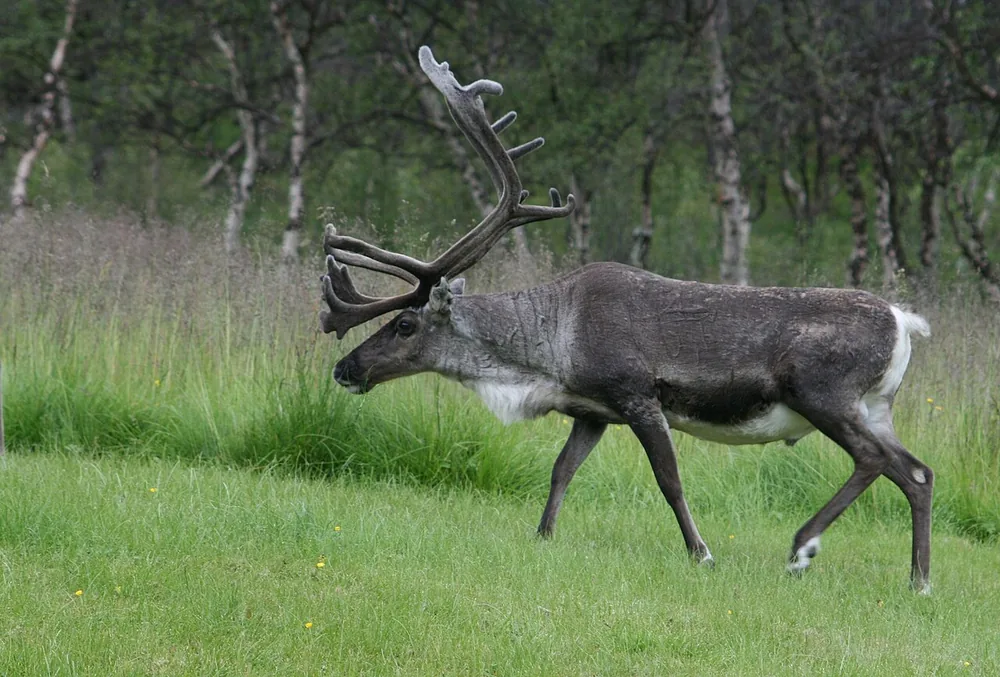
Scientific name: Rangifer tarandus
Group: mammal (deer)
Lives: Arctic tundra and boreal forest of Europe, Siberia and North America
Size: females 162–205 cm long and 80–120 kg (males are bigger)
Diet: herbivore (lichens, grasses and other plants)
IUCN status: Vulnerable
Caribou is the North American name for the reindeer. This is the only deer in which females may also grow antlers.
Cape buffalo
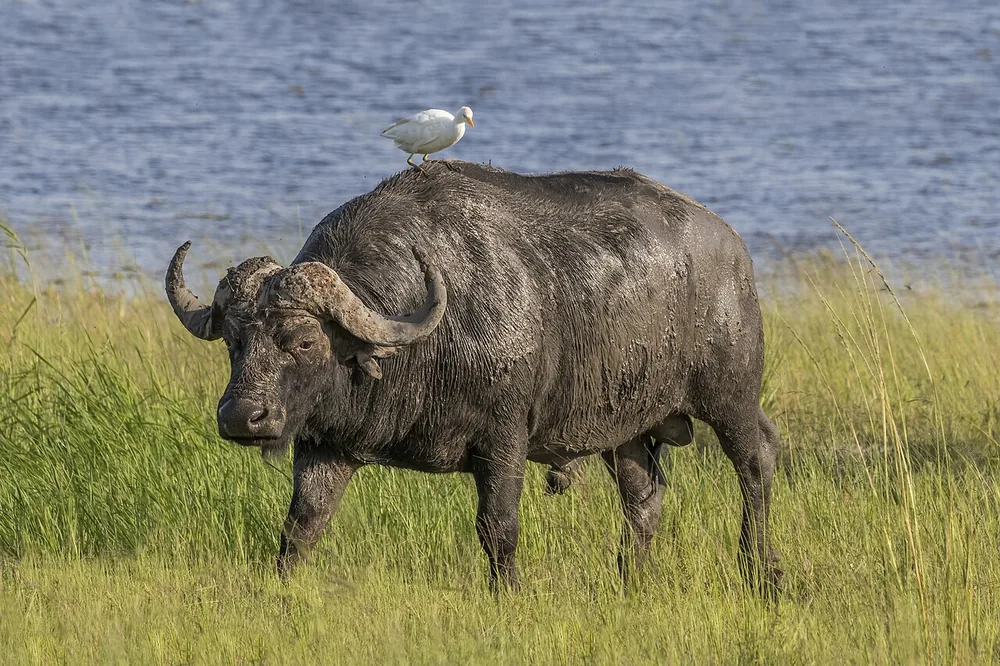
Scientific name: Syncerus caffer
Group: mammal (cattle family)
Lives: savannah and woodland in sub-Saharan Africa
Size: bulls 650–900 kg, 140–160 cm at the shoulder
Diet: grazer (grass)
IUCN status: Near Threatened (African buffalo as a species)
The Cape buffalo is the largest subspecies of the African buffalo. Herds can number over a thousand, and adults have few natural predators other than lions.
Chinchilla (long-tailed)
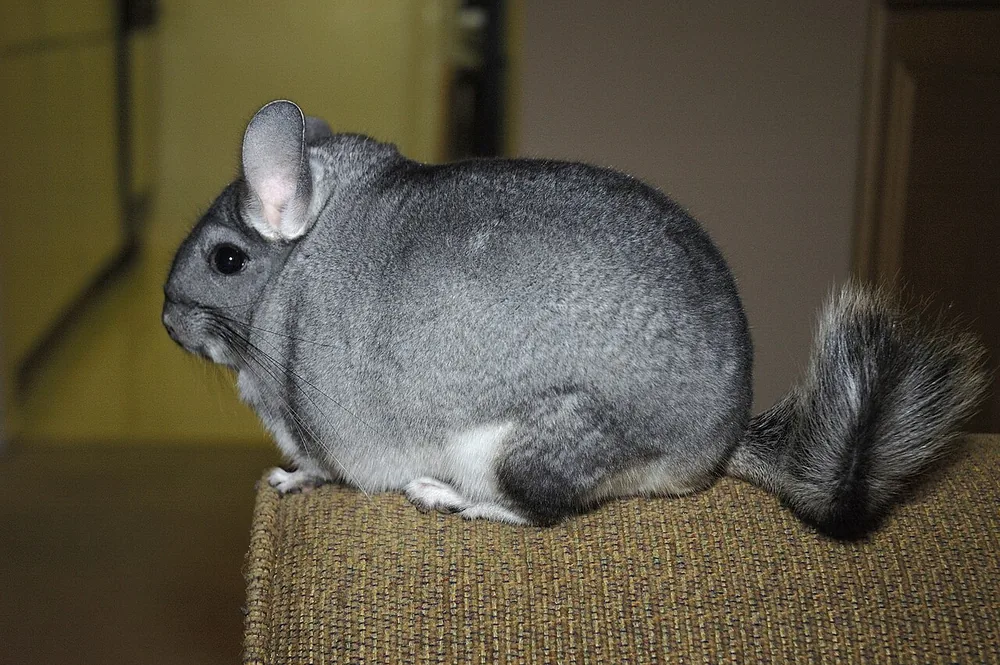
Scientific name: Chinchilla lanigera
Group: mammal (rodent)
Lives: rocky Andean foothills in north-central Chile
Size: body up to about 26 cm, around 400 g in the wild
Diet: herbivore (grasses and seeds)
IUCN status: Endangered
It has the densest fur of any land animal (see the fact box above). That fur nearly drove the species to extinction, because chinchillas were hunted for it; today’s pet chinchillas are descended from this species.
Chipmunk (eastern)
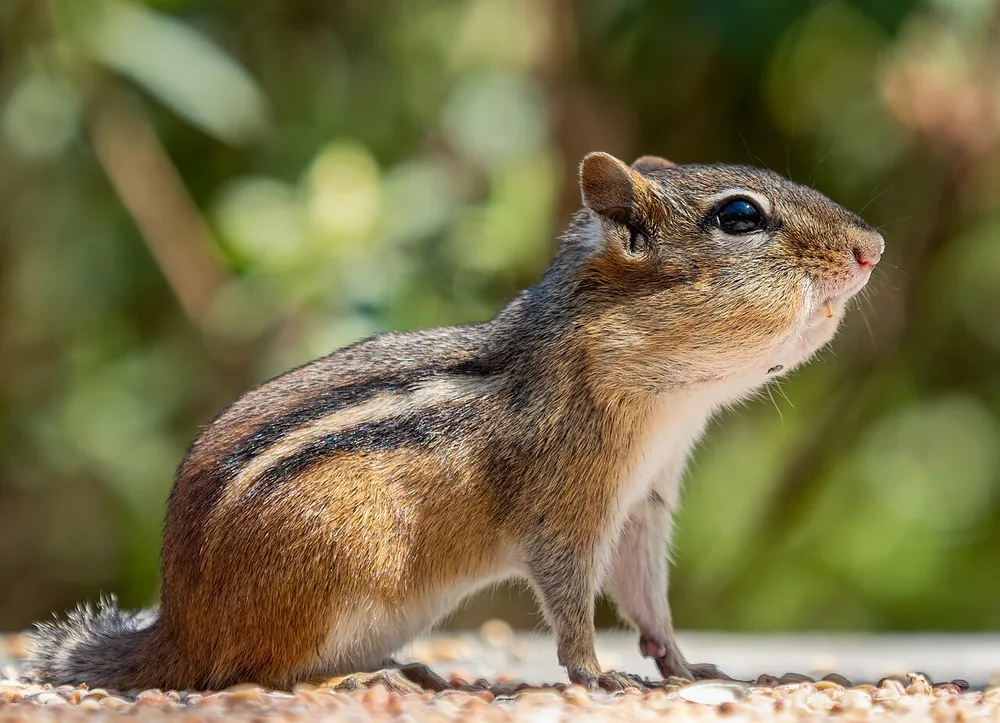
Scientific name: Tamias striatus
Group: mammal (squirrel family)
Lives: woodland and gardens of eastern North America
Size: about 30 cm including the tail, 66–150 g
Diet: omnivore (nuts, seeds, berries and insects)
IUCN status: Least Concern
Eastern chipmunks carry food in stretchy cheek pouches, which can bulge impressively when they are full.
Coati (South American)
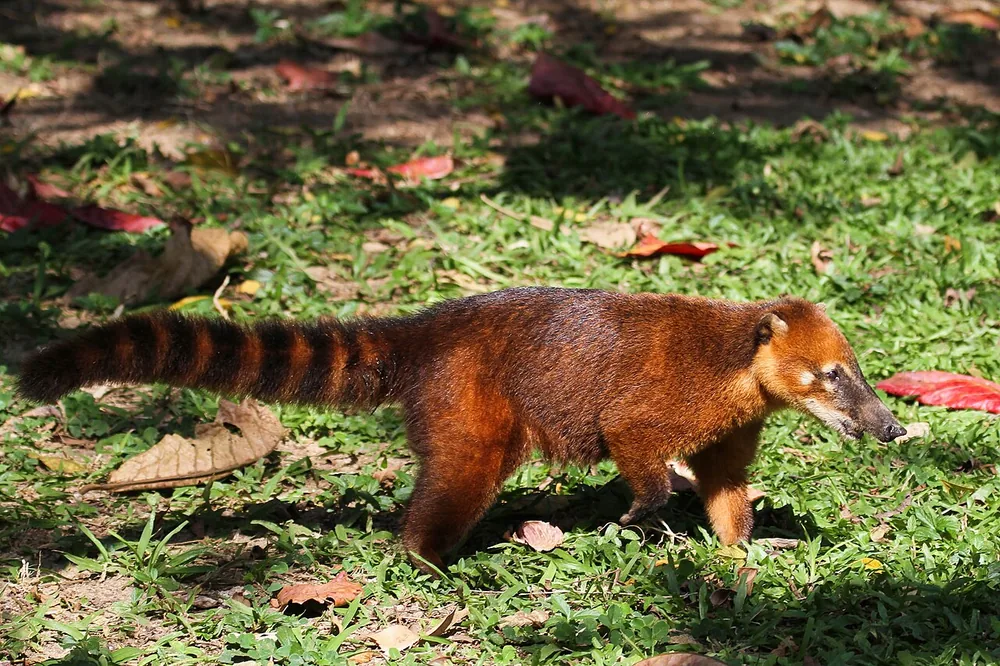
Scientific name: Nasua nasua
Group: mammal (raccoon family)
Lives: tropical and subtropical forests of South America
Size: 85–113 cm including the tail (about half is tail), 2–7.2 kg
Diet: omnivore (fruit, insects and small animals)
IUCN status: Least Concern
The coati has a ringed tail and a long, flexible snout that it uses to root around in leaf litter for food.
Colobus monkey (mantled guereza)
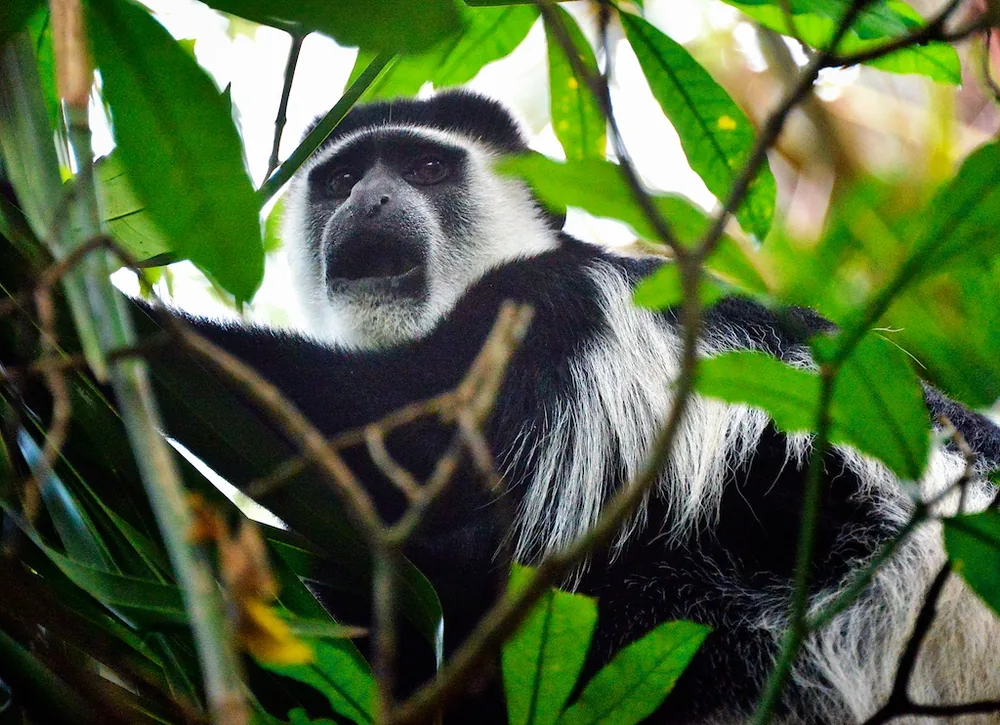
Scientific name: Colobus guereza
Group: mammal (Old World monkey)
Lives: forests of central and east Africa
Size: a medium-sized monkey with a long, white-tufted tail
Diet: mostly leaves, plus seeds and fruit
IUCN status: Least Concern
It is named for the long white “mantle” of hair along its sides. It lives in groups of 3–15, and its many-chambered stomach helps it digest tough leaves.
Cotton-top tamarin
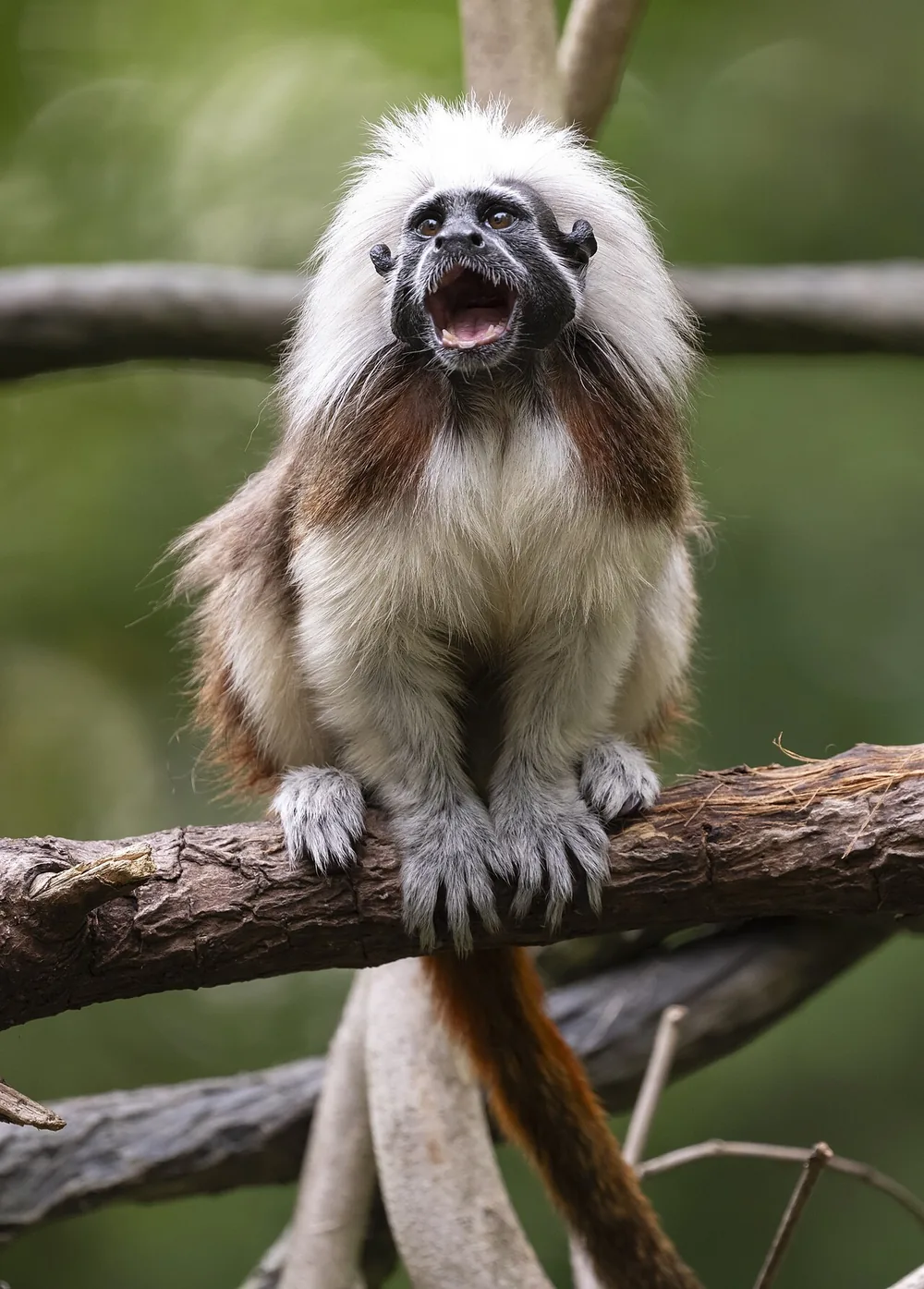
Scientific name: Saguinus oedipus
Group: mammal (New World monkey)
Lives: forest edges in north-west Colombia only
Size: about 432 g, head and body 21–26 cm plus a tail of 33–41 cm
Diet: insects, fruit and plant gums
IUCN status: Critically Endangered
Its white “cotton” crest is unmistakable. Females usually have twins, but its lowland forest has shrunk to about 5% of its former area, and up to 40,000 tamarins were exported for medical research before 1976.
Cuvier’s beaked whale
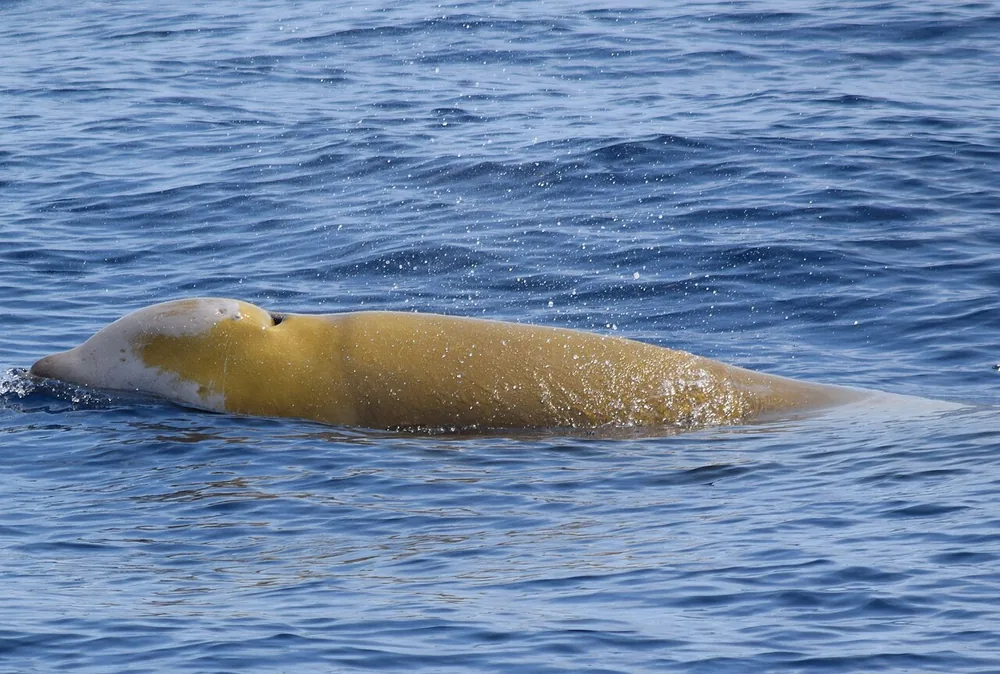
Scientific name: Ziphius cavirostris
Group: mammal (toothed whale)
Lives: deep offshore water (usually over 1,000 m) in all non-polar oceans
Size: 4.5–8 m long, 1,800–3,100 kg
Diet: squid and deep-sea fish
IUCN status: Least Concern
This whale holds the record for the deepest (2,992 m) and longest (222 minutes) dive of any mammal.
More mammals: The crab-eating macaque is one of the few monkeys known to use stone tools in daily foraging. The cow was domesticated from the wild aurochs about 10,500 years ago, and the domestic cat about 7500 BCE. The others are the common spotted cuscus, African civet, coypu, Commerson’s dolphin and white-faced capuchin.
Birds that start with C
Birds that start with C range from the flightless cassowary to the condor, one of the biggest flying birds on Earth. Here are nine you should know.
Cassowary (southern)
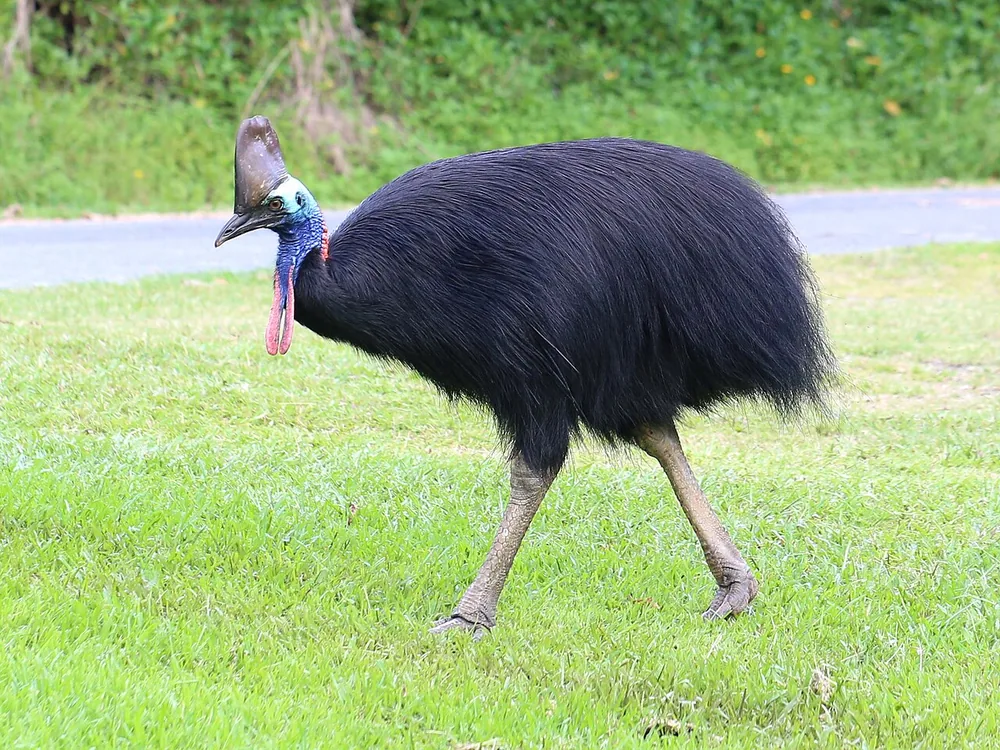
Scientific name: Casuarius casuarius
Group: flightless bird
Lives: rainforest in north-east Australia, New Guinea and Indonesia
Size: usually 1.5–1.8 m tall; the largest about 2 m and 85 kg
Diet: mainly fruit
IUCN status: Least Concern globally (Endangered in Australia)
One of the heaviest birds, it has a dagger-like inner claw and a reputation as the “most dangerous bird”. A Queensland study of 221 attacks found that 150 involved people, mostly from birds that had been fed by humans, and only two human deaths are on record.
Cardinal (northern)
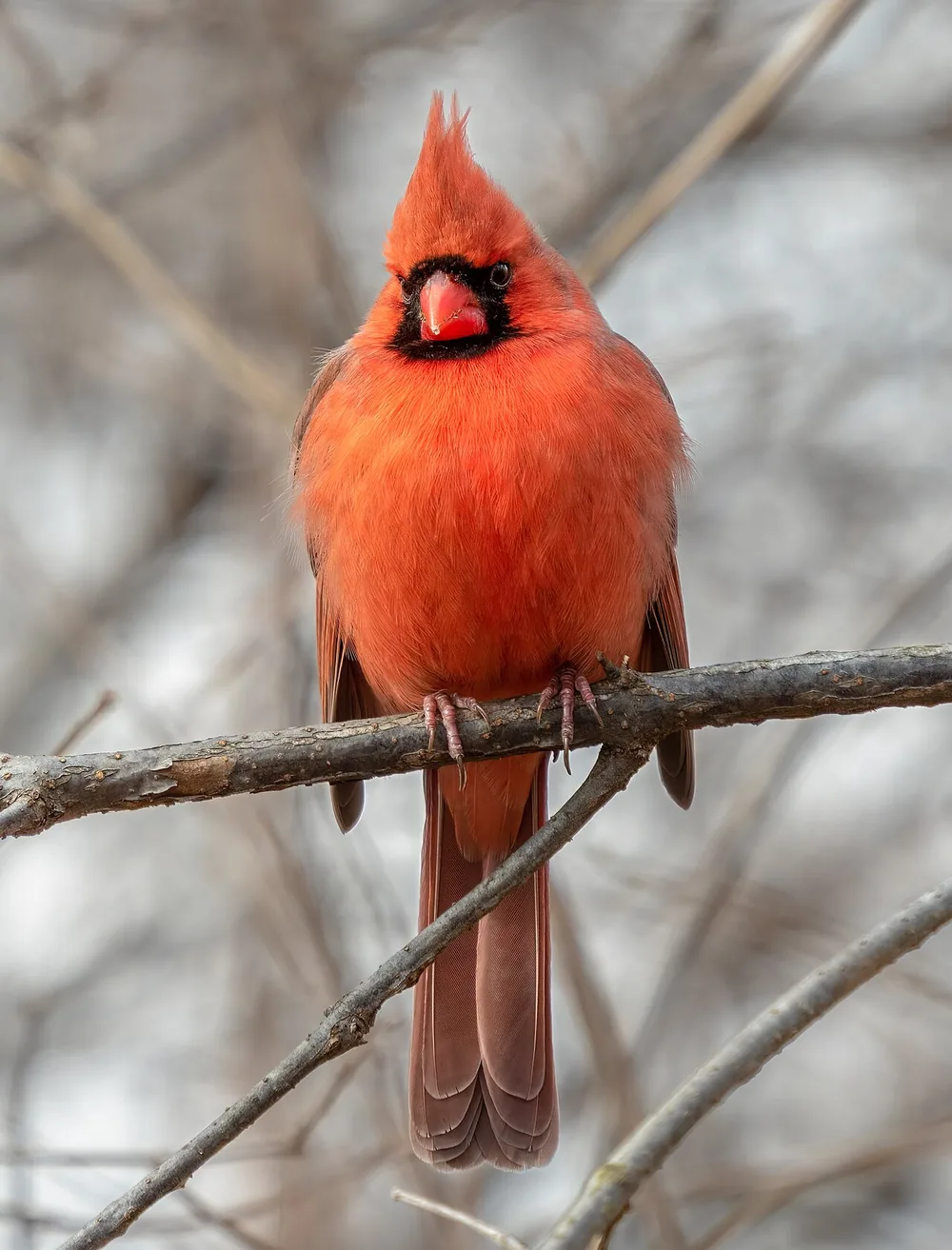
Scientific name: Cardinalis cardinalis
Group: songbird
Lives: woodland and gardens of eastern and central USA, Mexico and Guatemala
Size: 21–23 cm long
Diet: mainly seeds, plus insects and fruit
IUCN status: Least Concern
Only the male is bright red; the female is reddish-olive. It is the state bird of seven US states, including Ohio, Kentucky and Virginia.
Crow (carrion)
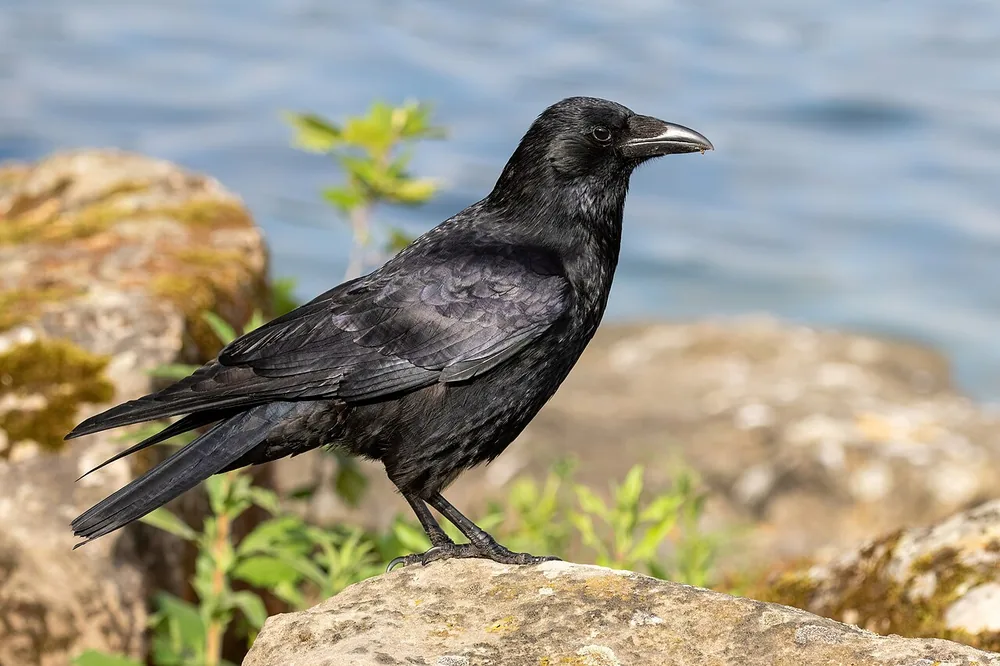
Scientific name: Corvus corone
Group: songbird (crow family)
Lives: western Europe, including most of Britain, and the eastern Palearctic
Size: 48–52 cm long, wingspan 84–100 cm, 400–600 g
Diet: omnivore and scavenger
IUCN status: Least Concern
The all-black carrion crow is smaller than a raven (about 63 cm). In Ireland and north-west Scotland it is replaced by the grey-and-black hooded crow.
Cockatoo (sulphur-crested)
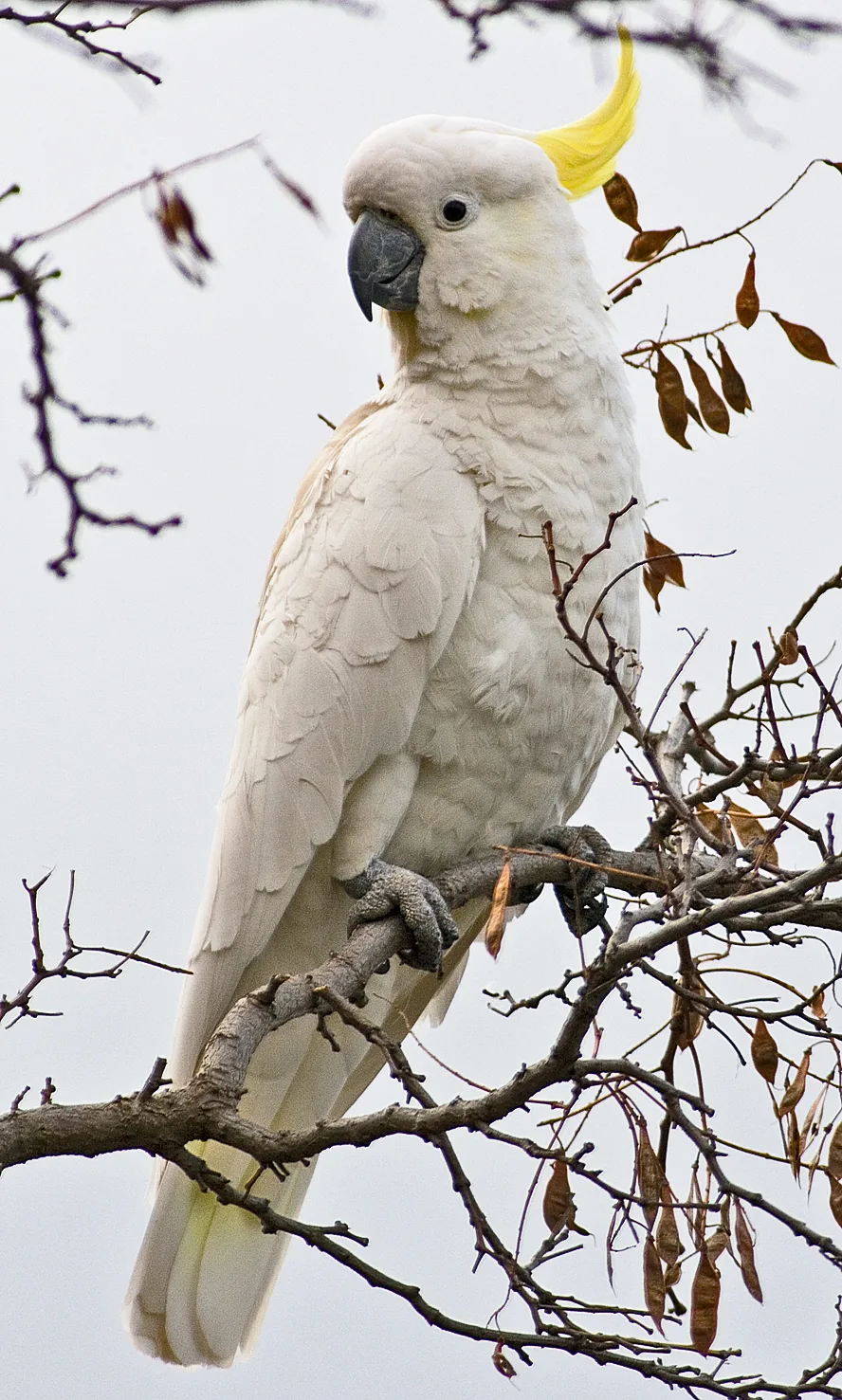
Scientific name: Cacatua galerita
Group: parrot
Lives: wooded habitats in Australia, New Guinea and parts of Indonesia
Size: 44–55 cm long
Diet: seeds, nuts and roots
IUCN status: Least Concern
In Sydney, these clever parrots learned to lift wheelie-bin lids, and the trick spread between neighbourhoods (Science, 2021).
Condor (Andean)
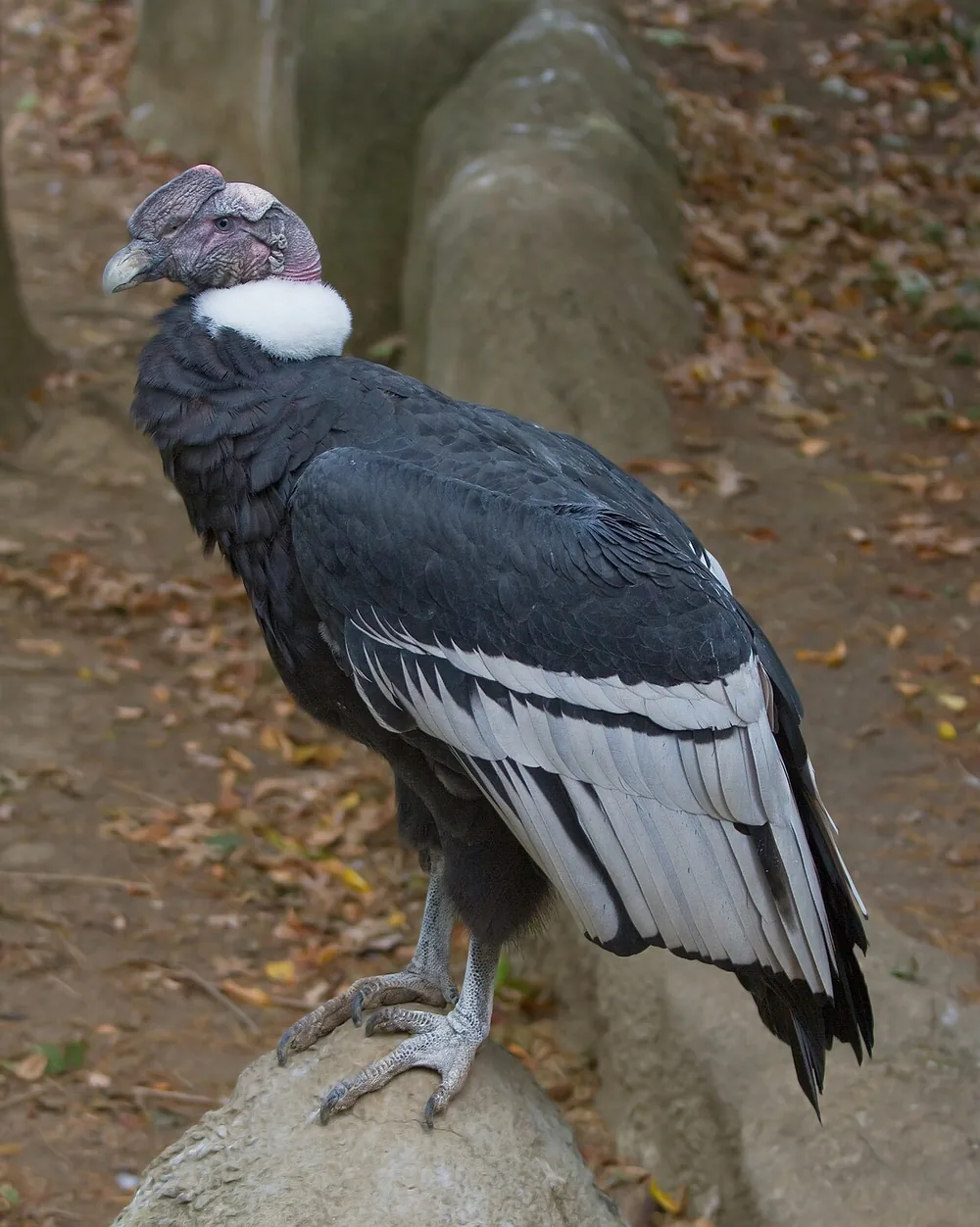
Scientific name: Vultur gryphus
Group: New World vulture
Lives: the Andes mountains and Pacific coast of western South America
Size: wingspan up to 3.3 m, weight up to 15 kg
Diet: scavenger (carrion)
IUCN status: Vulnerable
The Andean condor is one of the largest flying birds, and it is generally considered the largest bird of prey. It can live for over 70 years and is a national symbol of several Andean countries.
Crane (common)
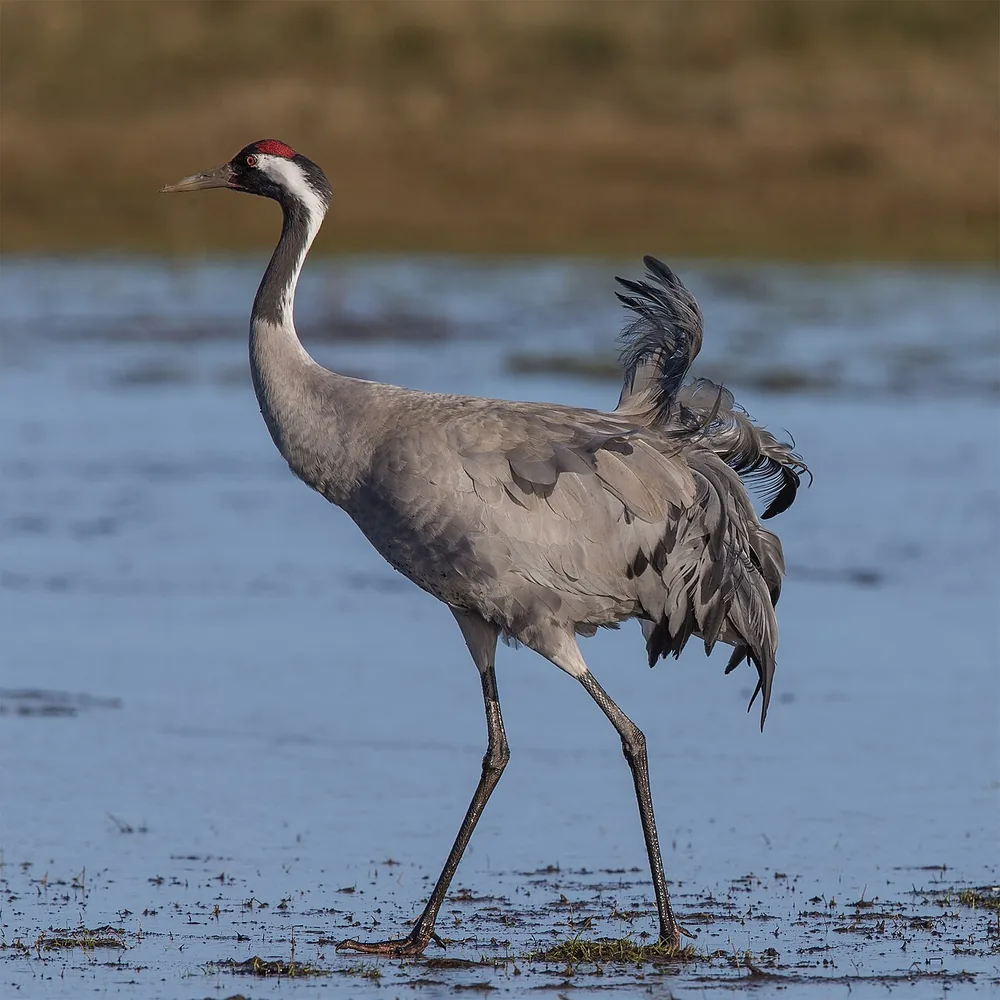
Scientific name: Grus grus
Group: wading bird
Lives: wetlands across Europe and Asia; winters in Africa and southern Asia
Size: 100–130 cm long, wingspan 180–240 cm, 3–6 kg
Diet: omnivore (plants, seeds, insects and small animals)
IUCN status: Least Concern
Common cranes are tall, long-legged wading birds. Their return to Britain is a conservation success story, described in the box below.
Cuckoo (common)
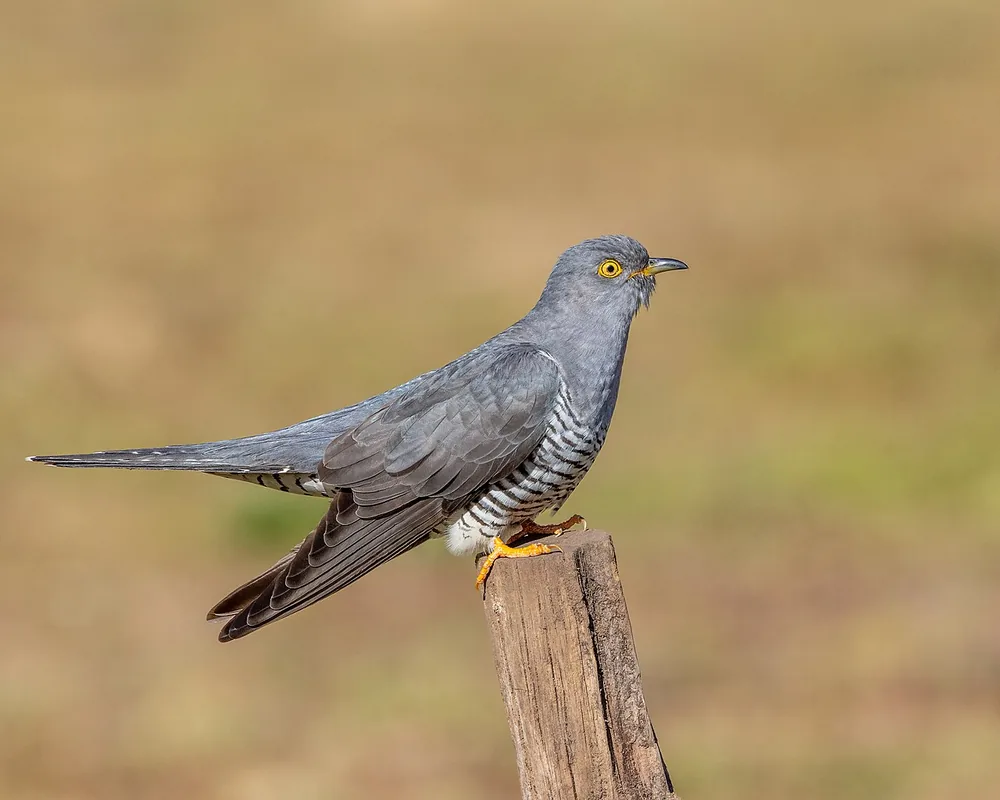
Scientific name: Cuculus canorus
Group: bird
Lives: summer visitor to Europe and Asia; winters in Africa
Size: pigeon-sized
Diet: mainly hairy caterpillars and other insects
IUCN status: Least Concern
The cuckoo is a brood parasite: it lays its eggs in the nests of dunnocks, meadow pipits and reed warblers, and its eggs mimic theirs. The grey, barred adult can look like a sparrowhawk.
Chaffinch
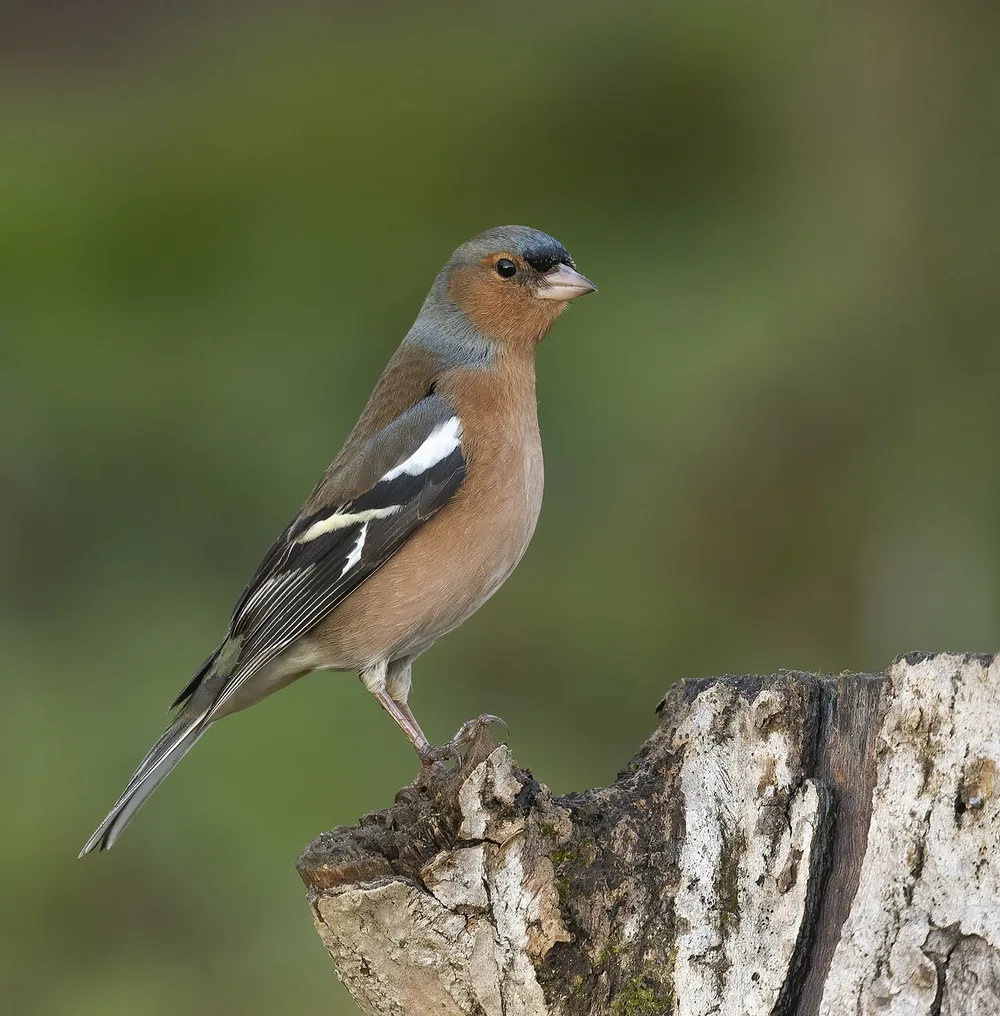
Scientific name: Fringilla coelebs
Group: finch
Lives: woods, parks and gardens across Europe to Siberia (common in the UK)
Size: about 14.5 cm long, 18–29 g
Diet: seeds in winter; caterpillars and insects for its chicks
IUCN status: Least Concern
The male has a blue-grey cap and pinkish-rust underparts, and both sexes show two white wing bars. It is common in the UK.
Crested tit
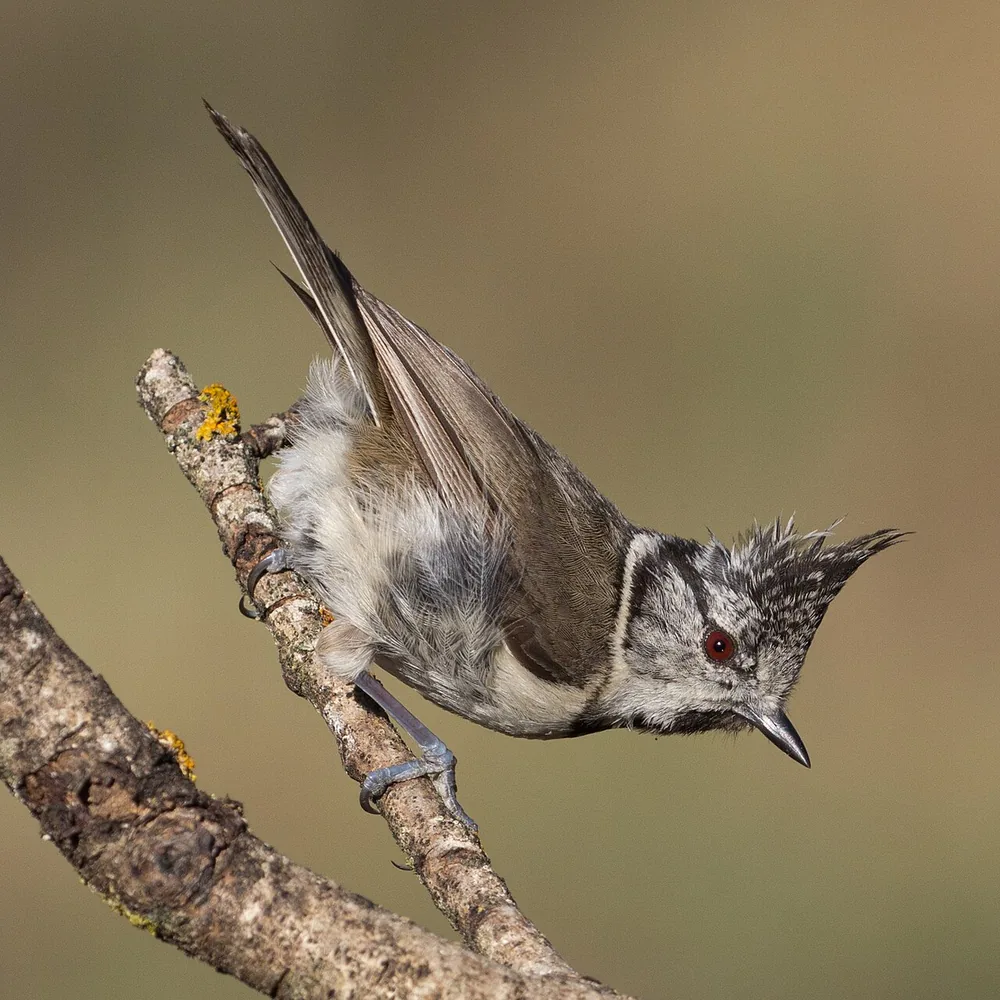
Scientific name: Lophophanes cristatus
Group: small songbird (tit family)
Lives: conifer forests of Europe; in Britain, mainly the Caledonian pinewoods of Scotland
Diet: insects, spiders and seeds
IUCN status: Least Concern
This bird is smaller than a house sparrow and is easy to identify by its black-and-white speckled crest.
More birds: The brown-headed cowbird is a brood parasite, like the cuckoo. The chicken descends from the red junglefowl of South-East Asia, and there were more than 26.5 billion chickens in 2023. The cockatiel is the smallest member of the cockatoo family. The others are the Atlantic canary, great cormorant and Eurasian curlew (Near Threatened). To find out how birds feed, see what birds eat.
Reptiles and amphibians that start with C
Reptiles and amphibians that start with C include the largest living reptile, colour-changing lizards, deadly snakes and some of the most threatened amphibians on Earth.
Crocodile (saltwater)
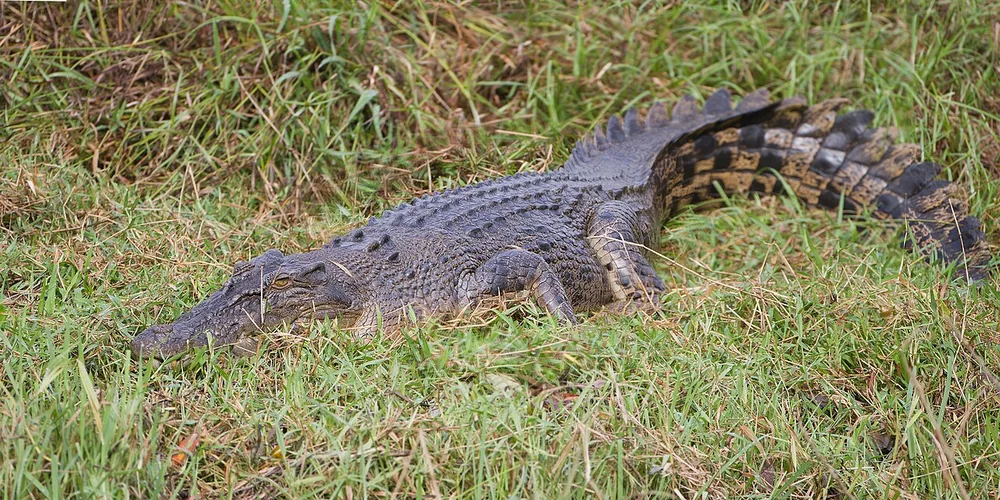
Scientific name: Crocodylus porosus
Group: reptile
Lives: estuaries, mangroves, rivers and coasts from eastern India to northern Australia and Micronesia
Size: males up to about 6 m and 1,000–1,500 kg (females rarely exceed 3 m)
Diet: hypercarnivore (fish, birds, mammals, even sharks)
IUCN status: Least Concern
The saltwater crocodile is the largest living reptile and is regarded as dangerous to humans. Compare it with its relatives in crocodile vs alligator.
Chameleon (panther)
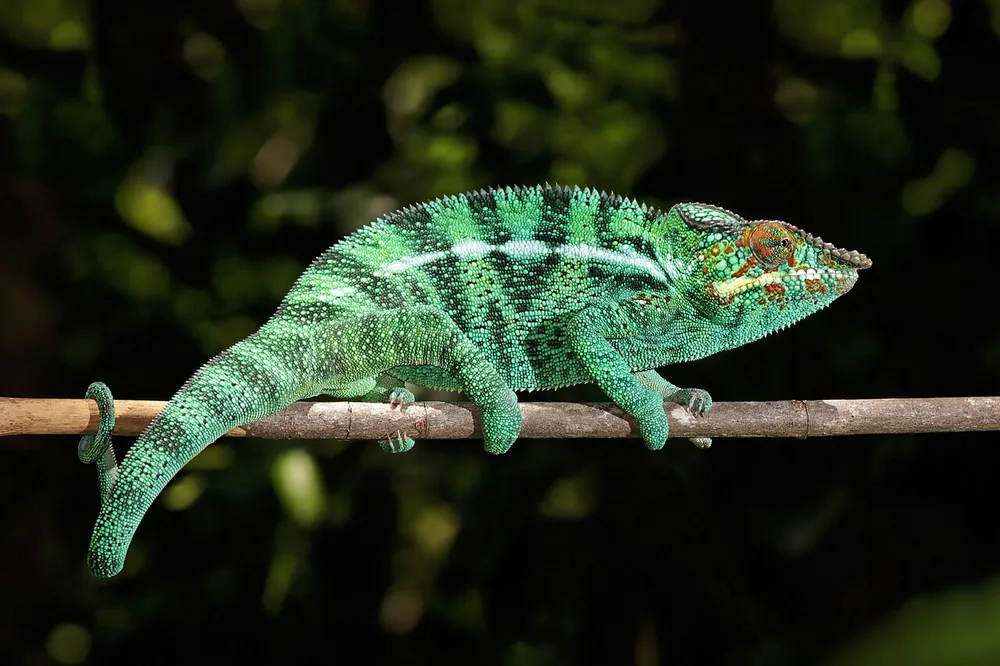
Scientific name: Furcifer pardalis
Group: reptile (lizard)
Lives: tropical forest in northern and eastern Madagascar
Size: 40–51 cm long (females are smaller)
Diet: insects
IUCN status: Least Concern
Males change colour using skin cells containing tiny guanine nanocrystals; when the spacing changes, they reflect light differently (Nature Communications, 2015).
Cobra (Indian)
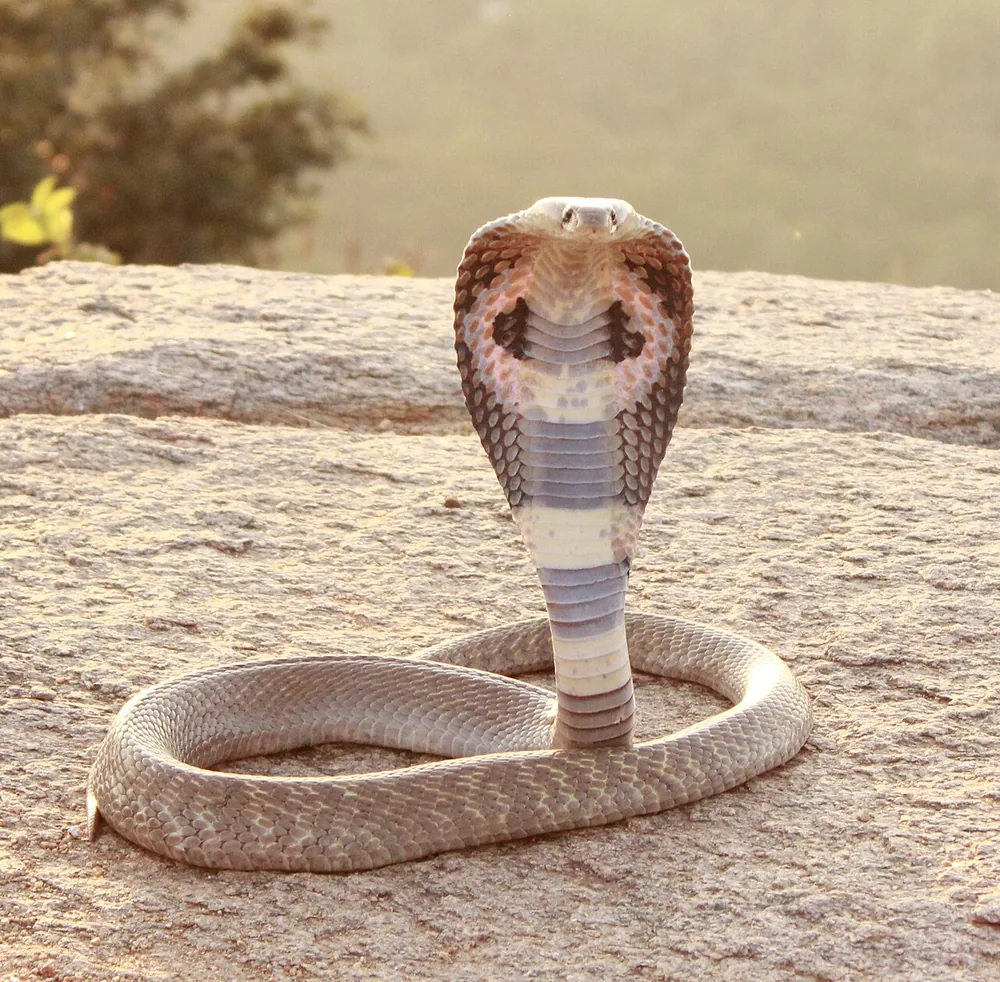
Scientific name: Naja naja
Group: venomous snake (spectacled cobra)
Lives: the Indian subcontinent
Size: about 1–1.5 m long
Diet: rodents, toads and birds
IUCN status: Least Concern
A spectacle-like pattern marks the back of its hood. It is one of the “Big Four” snakes behind most snakebites in India and Sri Lanka (see venomous snakes in Sri Lanka) and is protected by India’s Wildlife Protection Act (1972).
Copperhead (eastern)
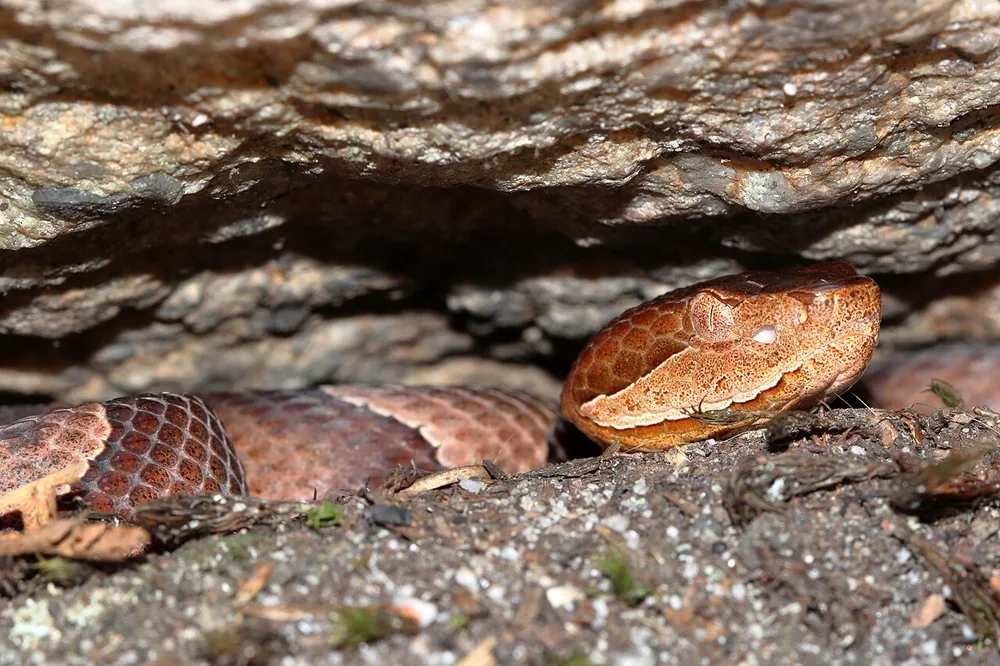
Scientific name: Agkistrodon contortrix
Group: venomous pit viper
Lives: deciduous forest and rocky woodland in the eastern USA
Size: 50–95 cm long
Diet: rodents, frogs and insects such as cicadas
IUCN status: Least Concern
It has hourglass-shaped bands and often freezes instead of fleeing, so most bites happen when people step near one by accident. Babies are born with yellow-green tail tips.
Caiman (spectacled)
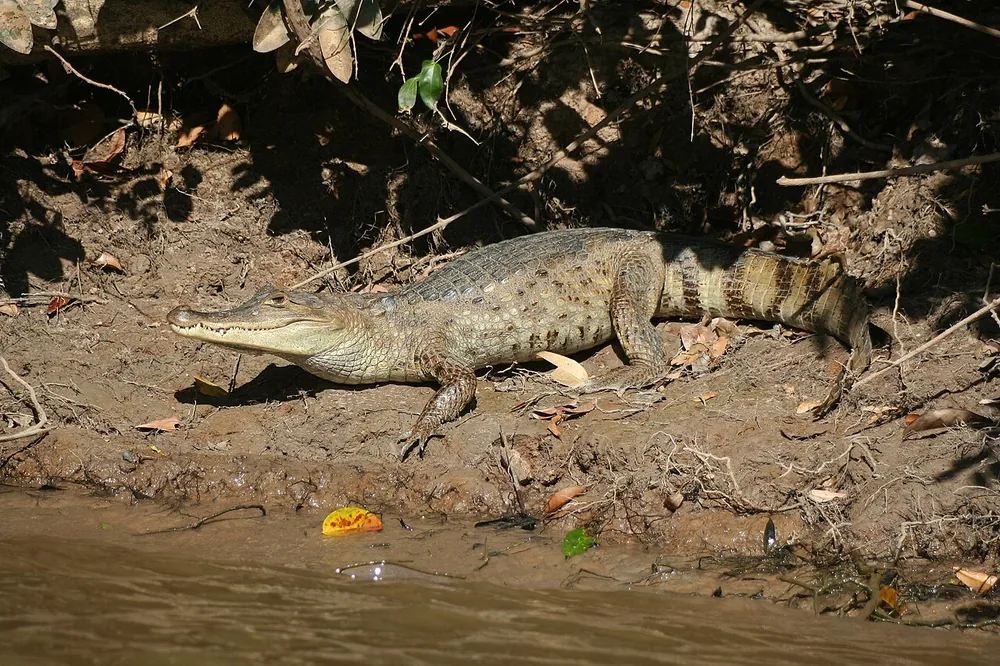
Scientific name: Caiman crocodilus
Group: reptile (alligator family)
Lives: rivers and swamps of Central and South America
Size: 1.4–2.5 m long, 7–40 kg
Diet: crabs, fish, snails and small mammals
IUCN status: Least Concern
It is named for a bony ridge between its eyes that looks like the bridge of a pair of glasses.
Crested gecko
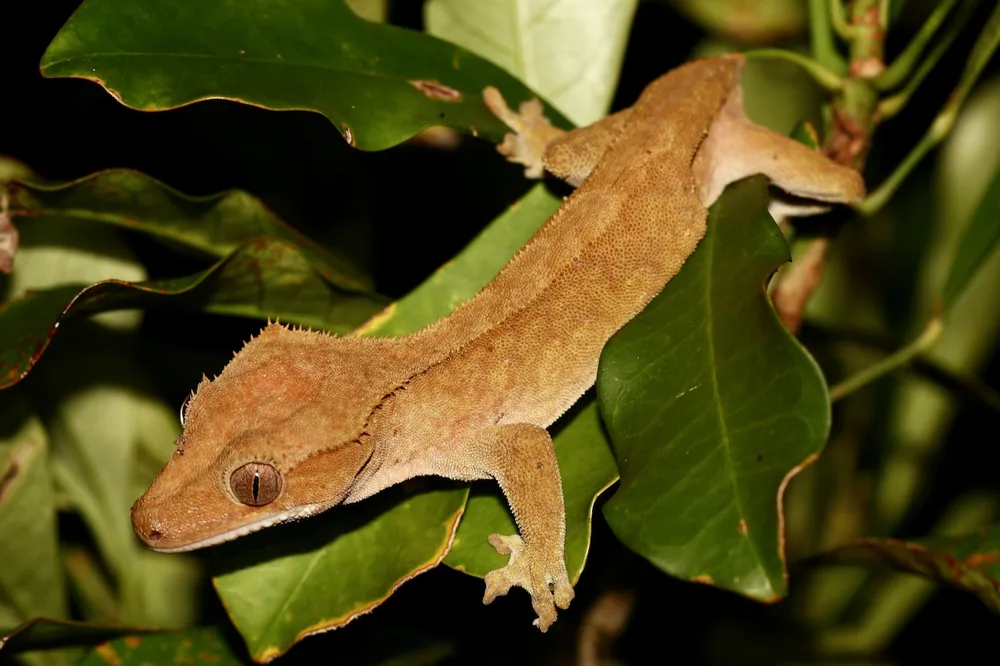
Scientific name: Correlophus ciliatus
Group: reptile (lizard)
Lives: forests of southern New Caledonia
Size: 20–25 cm long including the tail
Diet: fruit, nectar and insects
IUCN status: Vulnerable
It was thought extinct until its rediscovery in 1994. “Eyelash” spines grow above its eyes, and it is now a popular pet.
Cane toad
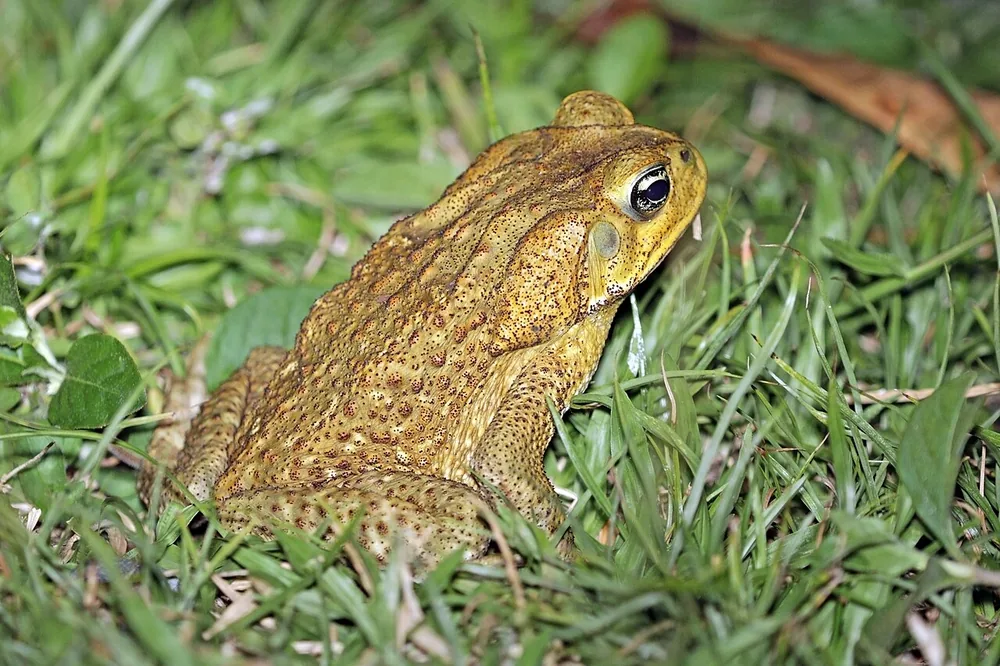
Scientific name: Rhinella marina
Group: amphibian
Lives: native to Central and South America; invasive in northern Australia and many islands
Size: adults usually 10–15 cm
Diet: almost anything, alive or dead
IUCN status: Least Concern
Its poison glands make it toxic to pets and native predators. About 2,400 were released in Queensland in August 1935 to control cane beetles; the plan failed, and the toads spread as far as Western Australia.
Chinese giant salamander
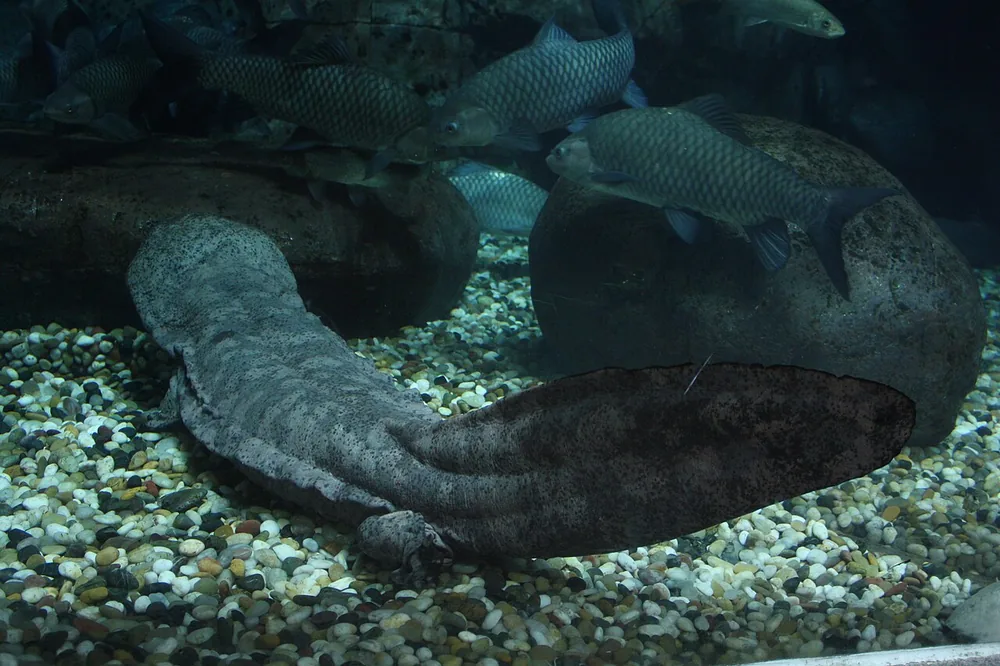
Scientific name: Andrias davidianus
Group: amphibian
Lives: rocky mountain streams in the Yangtze basin, China
Size: average 1.3 m and 25–30 kg; up to 1.8 m
Diet: fish, frogs, crabs and worms
IUCN status: Critically Endangered
One of the largest amphibians in the world, it may actually be several species: the South China giant salamander (Andrias sligoi), split off in 2019, is now reckoned the largest. Wild numbers have fallen by over 80% since the 1950s.
More reptiles: the common chuckwalla, a desert lizard; the harmless corn snake, often mistaken for a copperhead; and the highly venomous eastern coral snake, which harmless mimics such as the scarlet kingsnake resemble.
Fish and sea animals that start with C
Sea animals that start with C include true fish, molluscs and corals. If you like these, you will enjoy our guide to 10 amazing marine fish. Remember that a cuttlefish is not a fish, and coral is an animal.
Clownfish (orange)
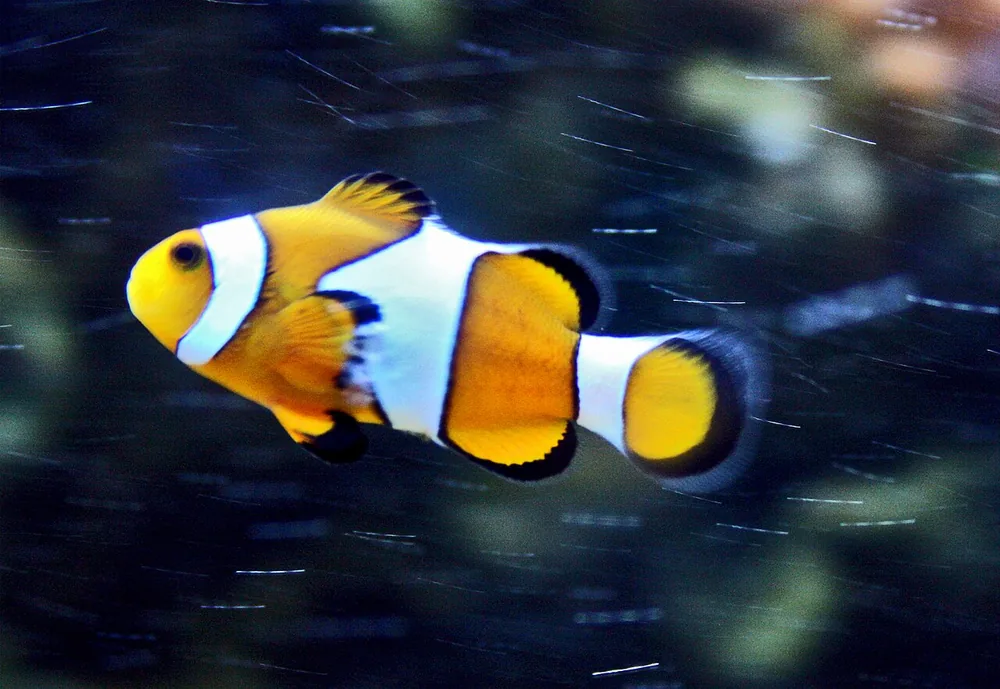
Scientific name: Amphiprion percula
Group: fish
Lives: coral reefs of the western Pacific, including northern Queensland and Melanesia
Size: up to 11 cm (average 8 cm)
Diet: tiny animals and algae
IUCN status: Least Concern
It lives among the stinging tentacles of sea anemones, and both partners benefit. All clownfish start life as males, and the largest in a group can become the female.
Cuttlefish (common)
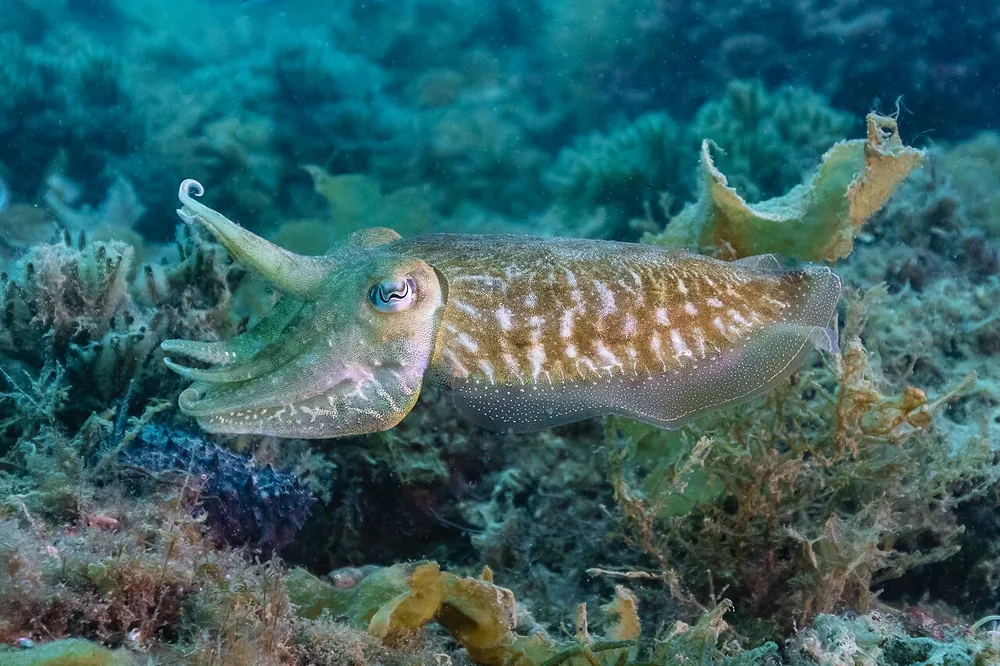
Scientific name: Sepia officinalis
Group: mollusc (cephalopod, not a fish)
Lives: the eastern Atlantic, North Sea and Mediterranean
Size: mantle up to 49 cm, weight up to 4 kg
Diet: crabs, shrimps and fish
IUCN status: Least Concern
A cuttlefish can change its skin colour and pattern in an instant. It has three hearts and blue-green, copper-based blood.
Coelacanth (West Indian Ocean)
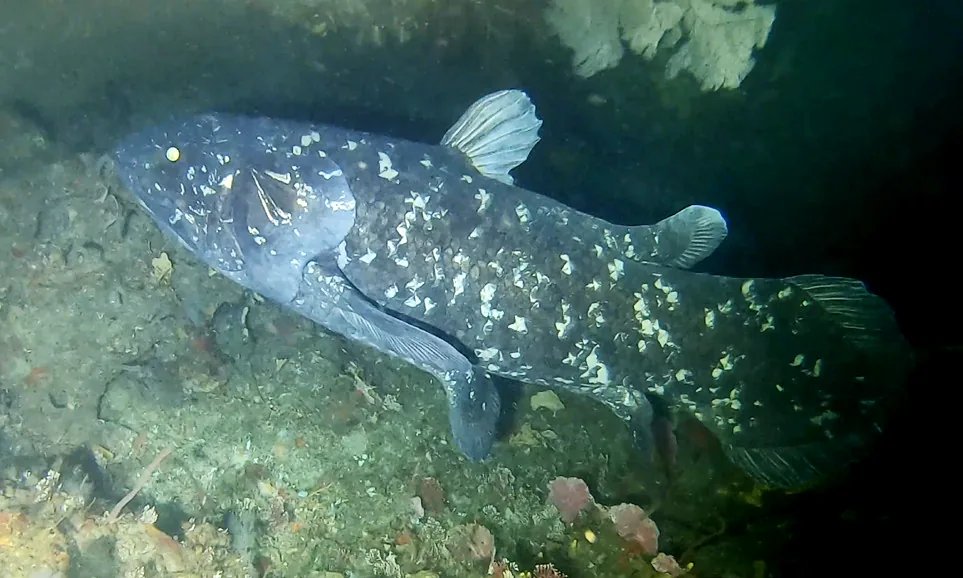
Scientific name: Latimeria chalumnae
Group: lobe-finned fish
Lives: deep rocky slopes and caves off the Comoros and East Africa
Diet: fish and squid
IUCN status: Critically Endangered
Known only from fossils, it was thought extinct until a live one was caught off South Africa in 1938. It is more closely related to lungfish and four-legged animals than to most fish, and a 2021 study found individuals about 84 years old.
Coral (elkhorn)
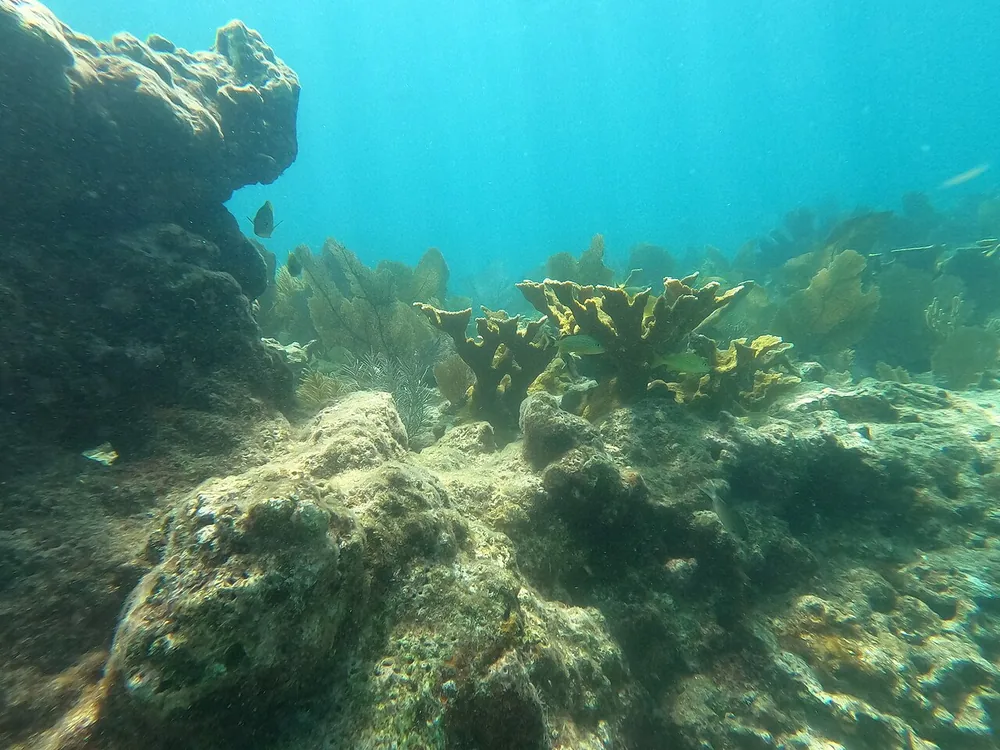
Scientific name: Acropora palmata
Group: animal (cnidarian colony)
Lives: shallow Caribbean reefs
Size: colonies up to 4 m across and 2 m tall
Diet: algae living in its tissues, plus plankton
IUCN status: Critically Endangered
Corals are animals, not plants. Elkhorn branches grow 5–10 cm a year, but the Caribbean population fell by about 97% between 1980 and 2006, and after the 2023 marine heatwave it is considered functionally extinct on Florida’s Coral Reef. See our overview of corals.
Cownose ray
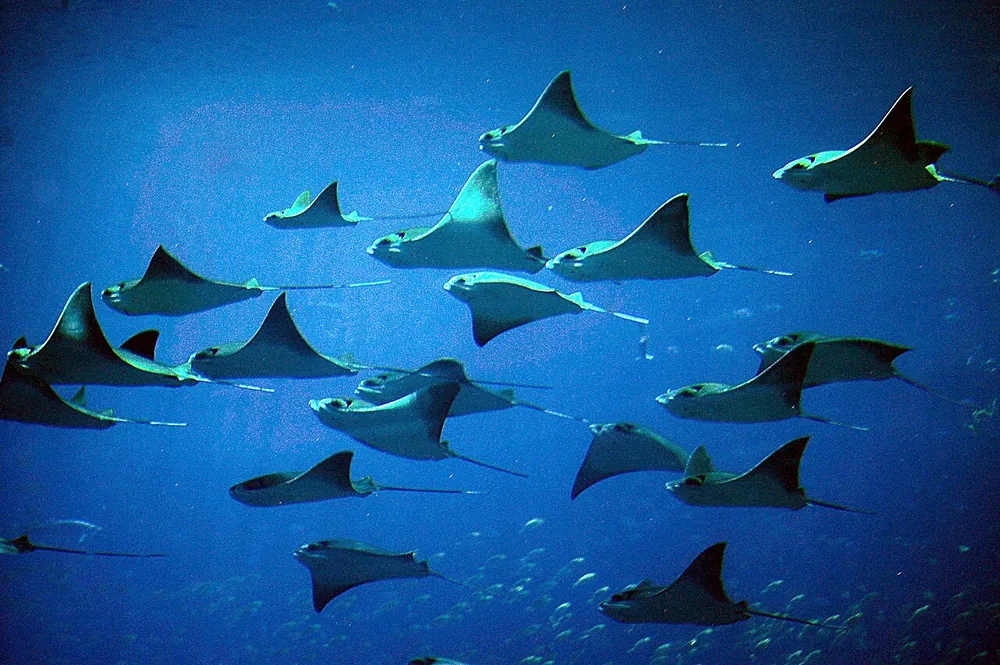
Scientific name: Rhinoptera bonasus
Group: fish (ray)
Lives: coastal waters and estuaries of the western Atlantic
Diet: clams and crustaceans
IUCN status: Vulnerable
Its two-lobed head looks like a cow’s nose. Cownose rays migrate in large schools, north in summer and south in winter, and live for 16–21 years.
Catfish (wels)
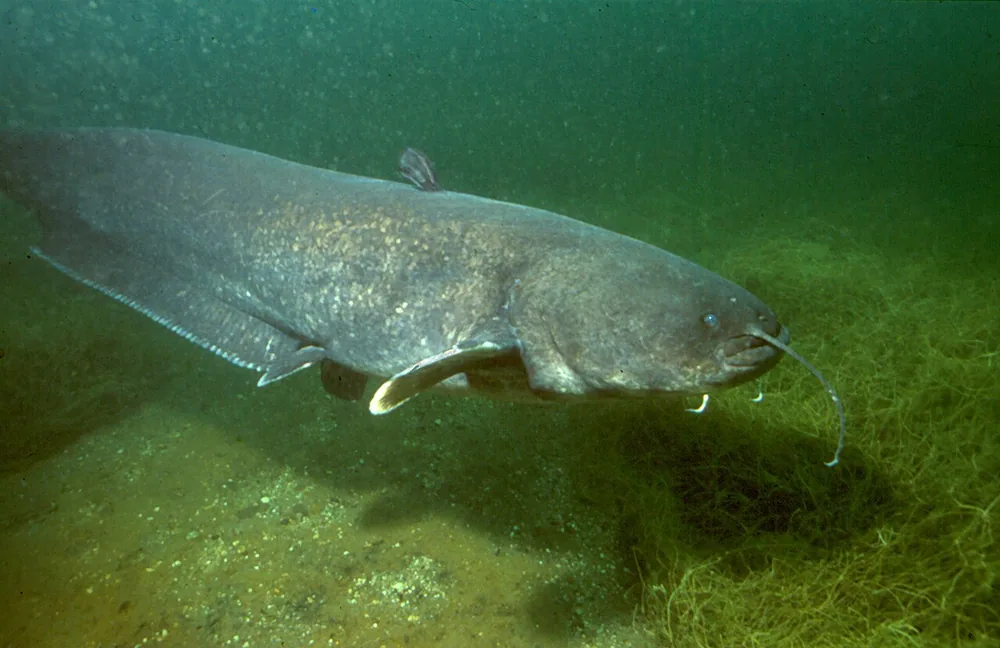
Scientific name: Silurus glanis
Group: fish
Lives: rivers and lakes of central, southern and eastern Europe (introduced to the UK)
Size: most adults 1.3–1.6 m; exceptional fish grow well over 2.5 m
Diet: fish, frogs, crayfish and other animals
IUCN status: Least Concern
Among Europe’s biggest freshwater fish, the wels uses long whisker-like barbels to sense food in murky water.
Cod (Atlantic)
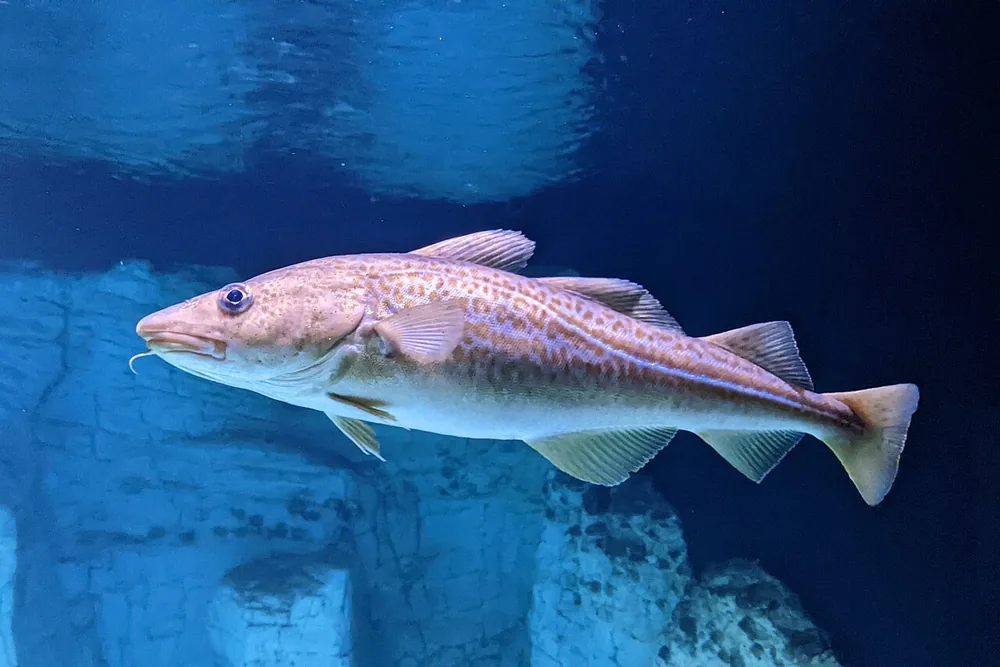
Scientific name: Gadus morhua
Group: fish
Lives: the North Atlantic, including the North Sea and British waters, to 300 m deep
Size: usually 100–140 cm; can live for 25 years
Diet: fish and invertebrates
IUCN status: Vulnerable (the assessment dates from 1996)
Several cod stocks collapsed in the 1990s, with declines of more than 95%, and Canada banned cod fishing on the Grand Banks in 1992.
More sea life: The cookiecutter shark (42–56 cm) gouges round plugs out of whales and big fish, and has even bitten submarines and undersea cables. The queen conch is a Caribbean sea snail with a shell up to 35 cm long. The colossal squid is the heaviest invertebrate, at least 495 kg, with the largest eyes of any known animal; a juvenile was first filmed alive in the wild in March 2025. The fourth is the common carp.
Insects and other invertebrates that start with C
Invertebrates are animals without a backbone. If you wonder whether bugs count, read whether insects are animals.
Cicada (Mediterranean)
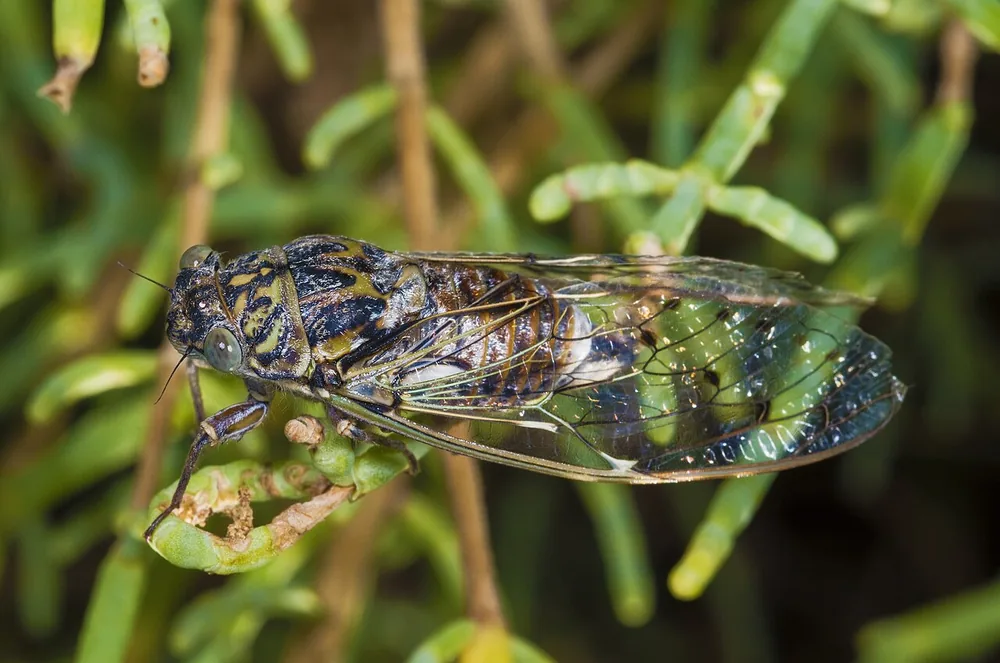
Scientific name: Cicada orni
Group: insect (true bug)
Lives: warm woods and scrub in southern Europe
Diet: sap, sucked from plants
IUCN status: Not assessed
Male cicadas “sing” to attract mates. North American periodical cicadas (Magicicada) spend about 99.5% of their lives underground and emerge together every 13 or 17 years, living as adults for only 4–6 weeks.
Coconut crab
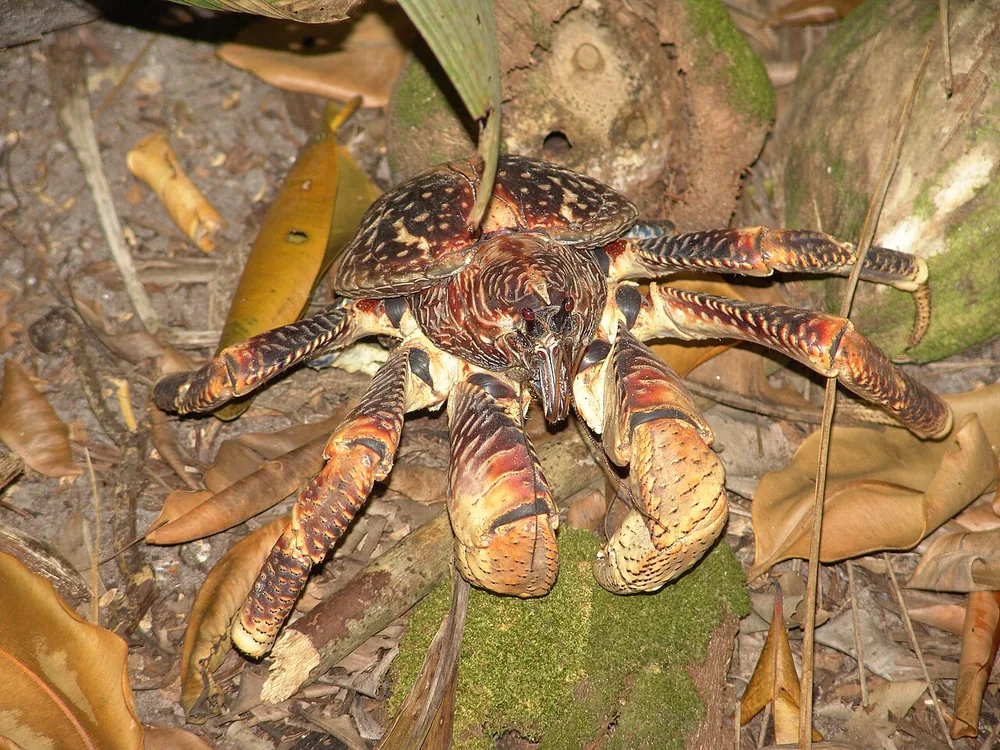
Scientific name: Birgus latro
Group: crustacean (giant land hermit crab)
Lives: islands of the Indian and Pacific Oceans
Size: up to 4.1 kg, leg span up to about 90 cm
Diet: fruit, nuts, seeds and carrion
IUCN status: Vulnerable
It is the largest land-living arthropod. Adults breathe with special “lungs” and drown if kept underwater for too long.
Centipede (Amazonian giant)
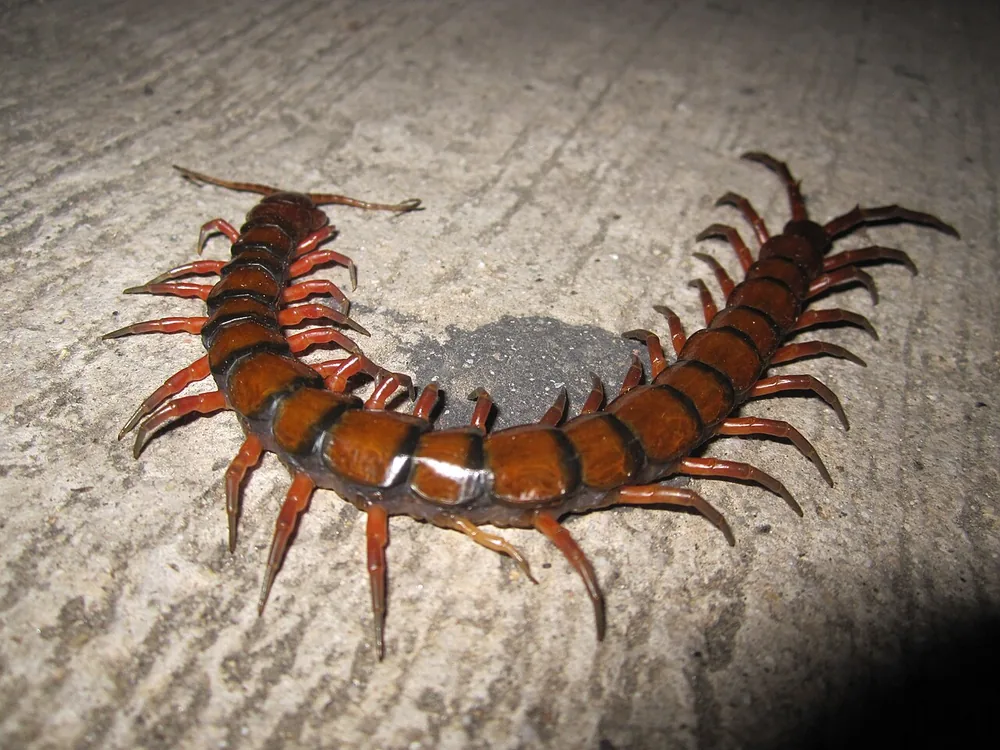
Scientific name: Scolopendra gigantea
Group: arthropod (centipede, not an insect)
Lives: northern South America and the southern Caribbean
Size: over 30 cm long, with 21–23 body segments
Diet: arthropods, frogs, lizards and small mammals such as mice
IUCN status: Not assessed
It is the largest centipede species in the world, and it has a venomous bite.
Cockchafer
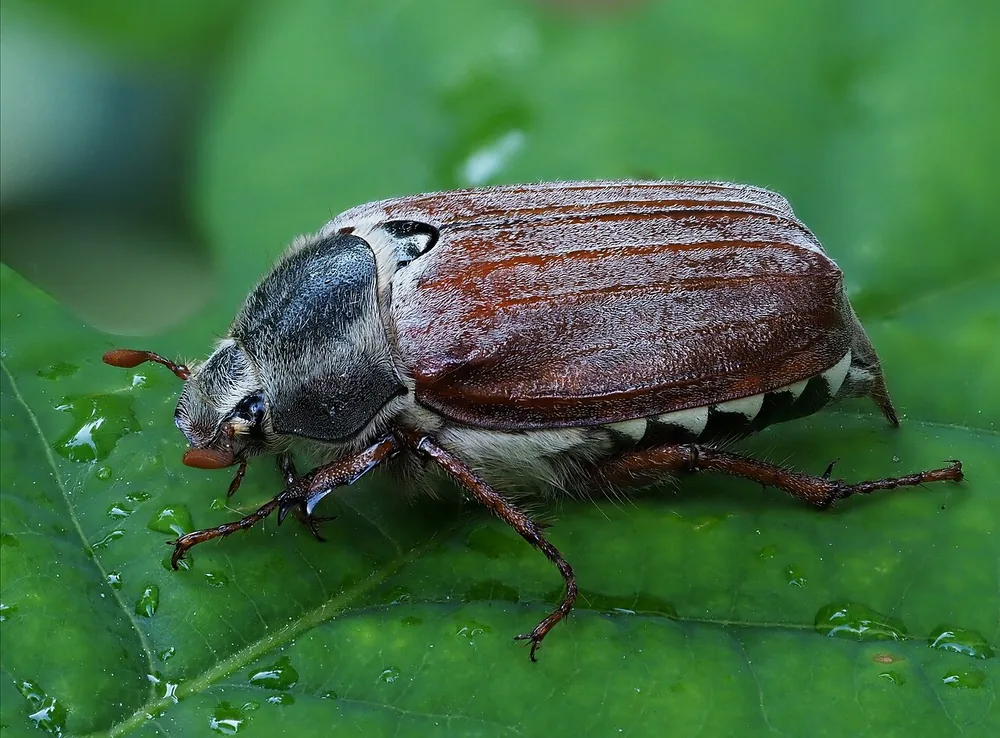
Scientific name: Melolontha melolontha
Group: insect (scarab beetle, or “May bug”)
Lives: Europe, including Britain
Size: adults 25–30 mm long
Diet: adults eat leaves; the larvae (grubs) eat roots
IUCN status: Not assessed
The grubs live underground for three to four years (up to five in cold climates) before they turn into adults.
Comma butterfly
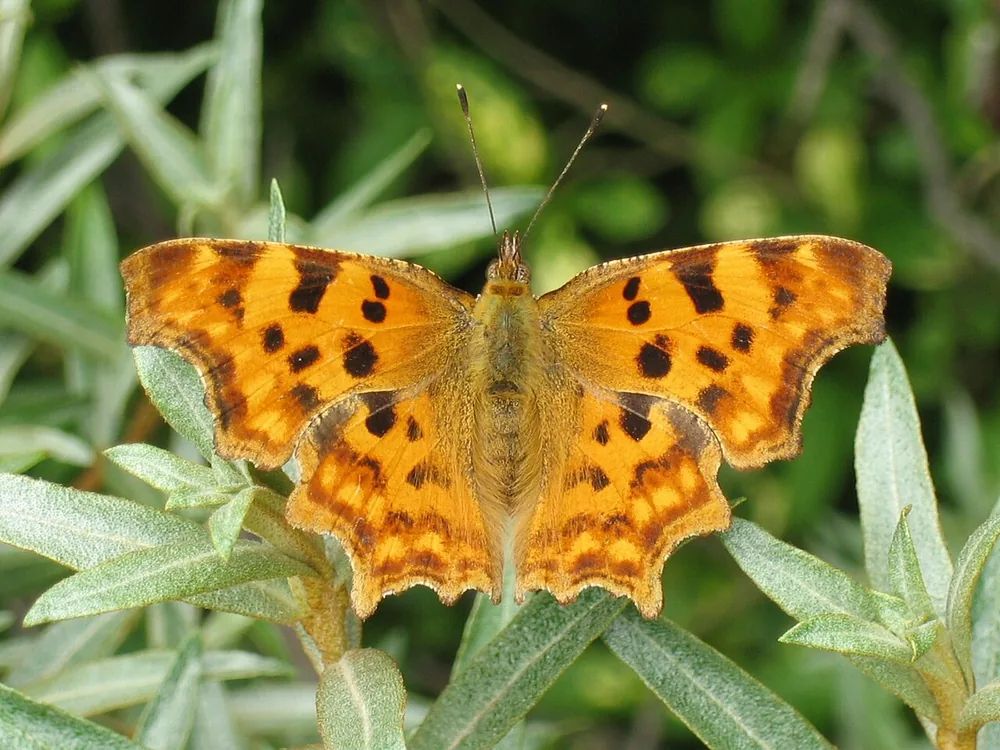
Scientific name: Polygonia c-album
Group: insect (butterfly)
Lives: woodland edges and gardens in Europe, North Africa and Asia
Diet: caterpillars eat nettles, hops and elm
IUCN status: Not assessed globally
A small white comma-shaped mark under each hindwing gives it its name; c-album means “white C”. Ragged wing edges make it look like a dead leaf, and it hibernates as an adult.
More invertebrates: The American cockroach is actually native to Africa and the Middle East. The white-clawed crayfish is the only crayfish native to the British Isles and is Endangered. On Christmas Island, millions of red crabs migrate to the sea each year to breed, and roads are closed for them. The others are the house cricket and cabbage white butterfly.
Extinct animals that start with C
Extinct animals that start with C remind us why conservation matters. You can read more in our article on the extinction crisis.
Columbian mammoth
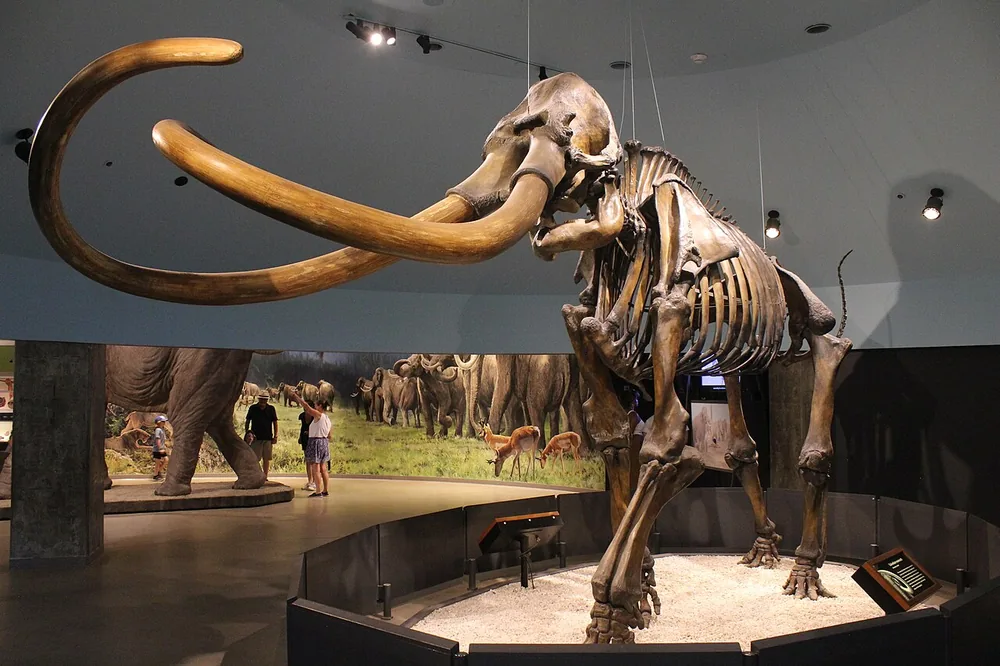
Scientific name: Mammuthus columbi
Group: prehistoric mammal (extinct)
Lives: North America, from southern Canada to Costa Rica, in the Pleistocene
Size: 3.7–4.2 m at the shoulder, 9.2–12.5 tonnes
Diet: grasses and sedges
IUCN status: Extinct (prehistoric; not on the IUCN list)
It was bigger than the woolly mammoth and bigger than the African bush elephant, and its closest living relative is the Asian elephant.
Carolina parakeet
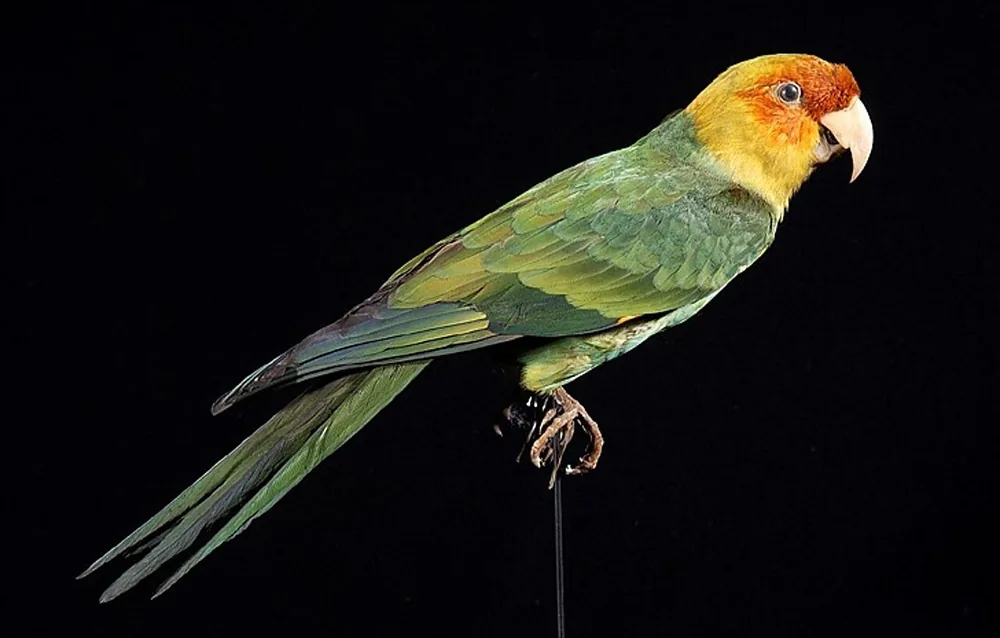
Scientific name: Conuropsis carolinensis
Group: parrot (extinct)
Lives: eastern, Midwest and Plains USA
Diet: seeds and fruit
IUCN status: Extinct
It was the only native parrot in its range. The last known bird, a male named Incas, died at Cincinnati Zoo in 1918.
Cave bear
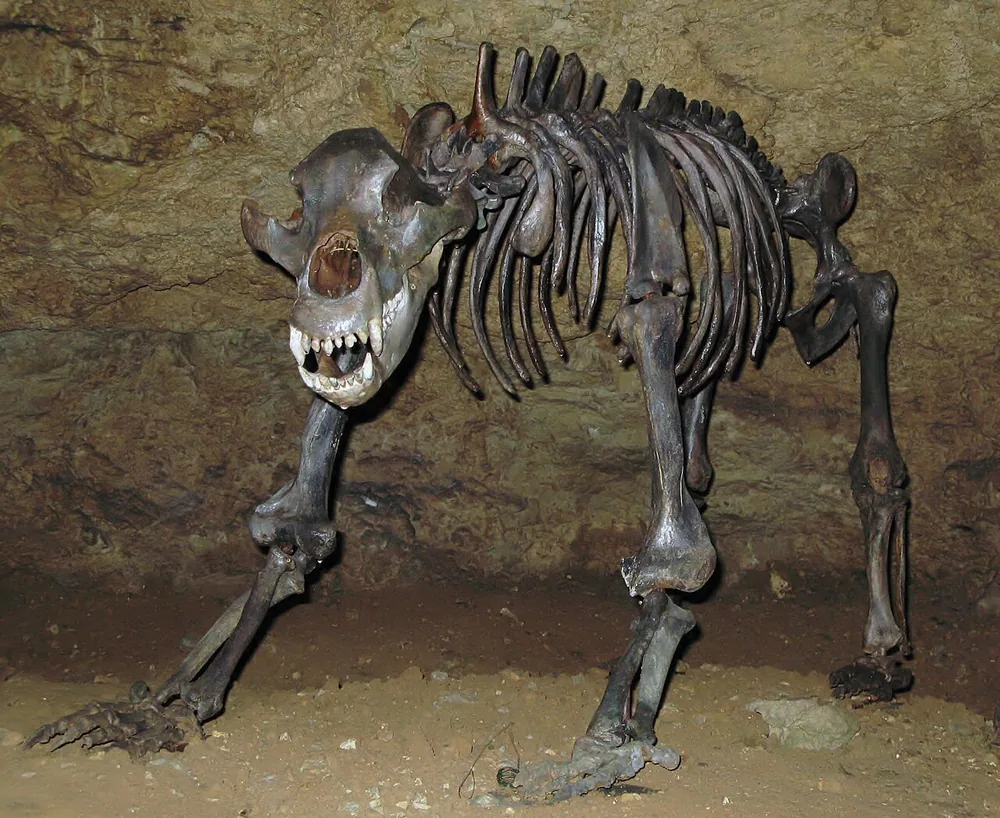
Scientific name: Ursus spelaeus
Group: prehistoric mammal (extinct)
Lives: Europe and Asia during the Pleistocene
Size: up to about 2 m long; males 350–600 kg
Diet: almost entirely plants
IUCN status: Extinct about 24,000 years ago (Last Glacial Maximum)
It was named because its bones are found mostly in caves, where it hibernated.
More extinct animals: The cave lion (Panthera spelaea) lived in Ice Age Eurasia and was genetically distinct from the modern lion. Compsognathus longipes was a chicken-sized meat-eating dinosaur from Late Jurassic Europe, about 150 million years ago, and fossils have been found with lizards in their stomachs. See a list of all the dinosaurs.
Animals that start with C for kids
For parents and teachers, here are ten easy animals that start with C for kids and preschool alphabet lessons.
- Cat is a furry pet that lives in many homes.
- Cow is a farm animal that gives us milk.
- Chicken is a farm bird that lays eggs.
- Crab is a sea animal with claws and a hard shell.
- Crocodile is a big reptile with strong jaws.
- Camel is a desert animal with a hump on its back. The dromedary has one.
- Cheetah is the fastest animal on land.
- Chimpanzee is a clever ape that can use tools.
- Caterpillar is a baby butterfly or moth (a stage of life, not a species).
- Clownfish is a bright orange fish that lives among sea anemones.
Can you guess these animals from the clues? Tap a card to find out.
C animal spotting challenge
Tick off each of these UK animals when you spot it; your ticks are remembered in your browser.
- Carrion crow
- Chaffinch
- Cat
- Cow
- Chicken
- Comma butterfly
- Cockchafer
- Cormorant
Want more? Try our animals and habitats science worksheet, or go right back to the start of the alphabet with the animals that start with A.
Fun facts about animals that start with C
- The comma butterfly’s scientific name, c-album, means “white C” because of the comma-shaped mark under its wings.
- A cuckoo’s eggs mimic those of the host bird whose nest it uses.
- Coconut crabs drown if kept underwater for too long.
- A cuttlefish has three hearts and blue-green blood.
- Periodical cicadas spend about 99.5% of their lives underground and emerge every 13 or 17 years.
- Cuvier’s beaked whale once dived for 222 minutes.
Key points
- This list has 76 animals that start with C, from mammals to extinct species.
- The cheetah is the fastest land animal, at 93–104 km/h.
- Cuvier’s beaked whale dived 2,992 m deep and for 222 minutes.
- Coral is an animal, and the cuttlefish is not a fish.
- Four animals here are Critically Endangered: the cotton-top tamarin, Chinese giant salamander, coelacanth and elkhorn coral.
- IUCN Red List categories run from Least Concern to Extinct.
Frequently asked questions about animals that start with C
What animal starts with C?
The best-known animals that start with C are the cat, cow, cheetah, chimpanzee, camel, crocodile and crab. This list has 76, covering mammals, birds, reptiles, amphibians, fish, insects and extinct species, each with a scientific name and Red List status.
What is the fastest animal that starts with C?
The cheetah is the fastest animal that starts with C, and the fastest on land. It reaches about 93–104 km/h (58–65 mph) in short sprints while chasing prey such as gazelles and hares.
What is the biggest animal that starts with C?
The biggest living animal on this list is Cuvier’s beaked whale, up to 8 m long and about 3,100 kg. The colossal squid is the heaviest invertebrate, at least 495 kg, and the extinct Columbian mammoth weighed up to 12.5 tonnes.
What sea animals start with C?
Sea animals that start with C include the clownfish, cod, elkhorn coral, cuttlefish, cownose ray, coelacanth, cookiecutter shark, queen conch, colossal squid and Commerson’s dolphin. Not all are fish: coral is an animal, and cuttlefish, conchs and squid are molluscs.
What birds start with C?
Birds that start with C include the cassowary, cardinal, carrion crow, cockatoo, condor, common crane, cuckoo, chaffinch, crested tit, canary, cormorant, curlew, cockatiel and chicken. In the UK you may see carrion crows, chaffinches and cormorants.
What is the rarest animal that starts with C?
Four animals on this list are Critically Endangered, the IUCN category for species at extremely high risk of extinction in the wild: the cotton-top tamarin, Chinese giant salamander, coelacanth and elkhorn coral. The Carolina parakeet is already extinct.
What farm animals start with C?
The main farm animals that start with C are the cow (cattle) and the chicken. There were more than 940 million cattle in 2022 and over 26.5 billion chickens in 2023. In desert regions, farmers also keep camels, domesticated about 4,000 years ago.
What pets start with C?
Popular pets that start with C include the cat, canary, cockatiel, chinchilla, corn snake and crested gecko, as well as dog breeds such as the Chihuahua and Cocker Spaniel. Pet chinchillas descend from the long-tailed chinchilla, which is Endangered in the wild.
What is the most dangerous animal that starts with C?
Several animals that start with C can be dangerous. The saltwater crocodile is regarded as dangerous to humans, and the Indian cobra is one of India’s “Big Four” snakebite species. The cassowary has a fierce reputation, but only two human deaths are on record.
What 3-letter animals start with C?
The three-letter animals that start with C are the cat, the cow and the cod. The cat is a domestic animal, the cow is a farm animal and the cod is a fish of the North Atlantic whose stocks collapsed in the 1990s.