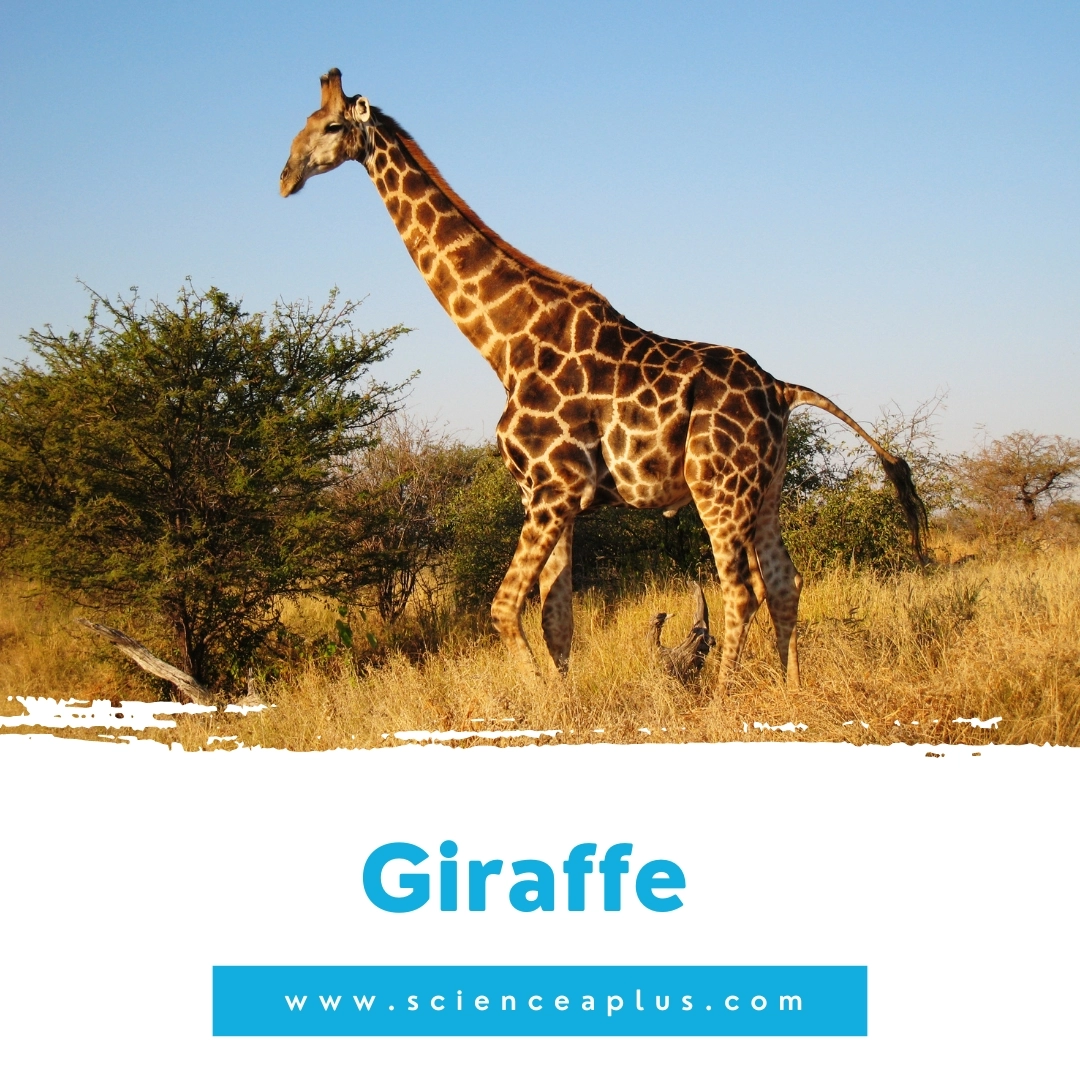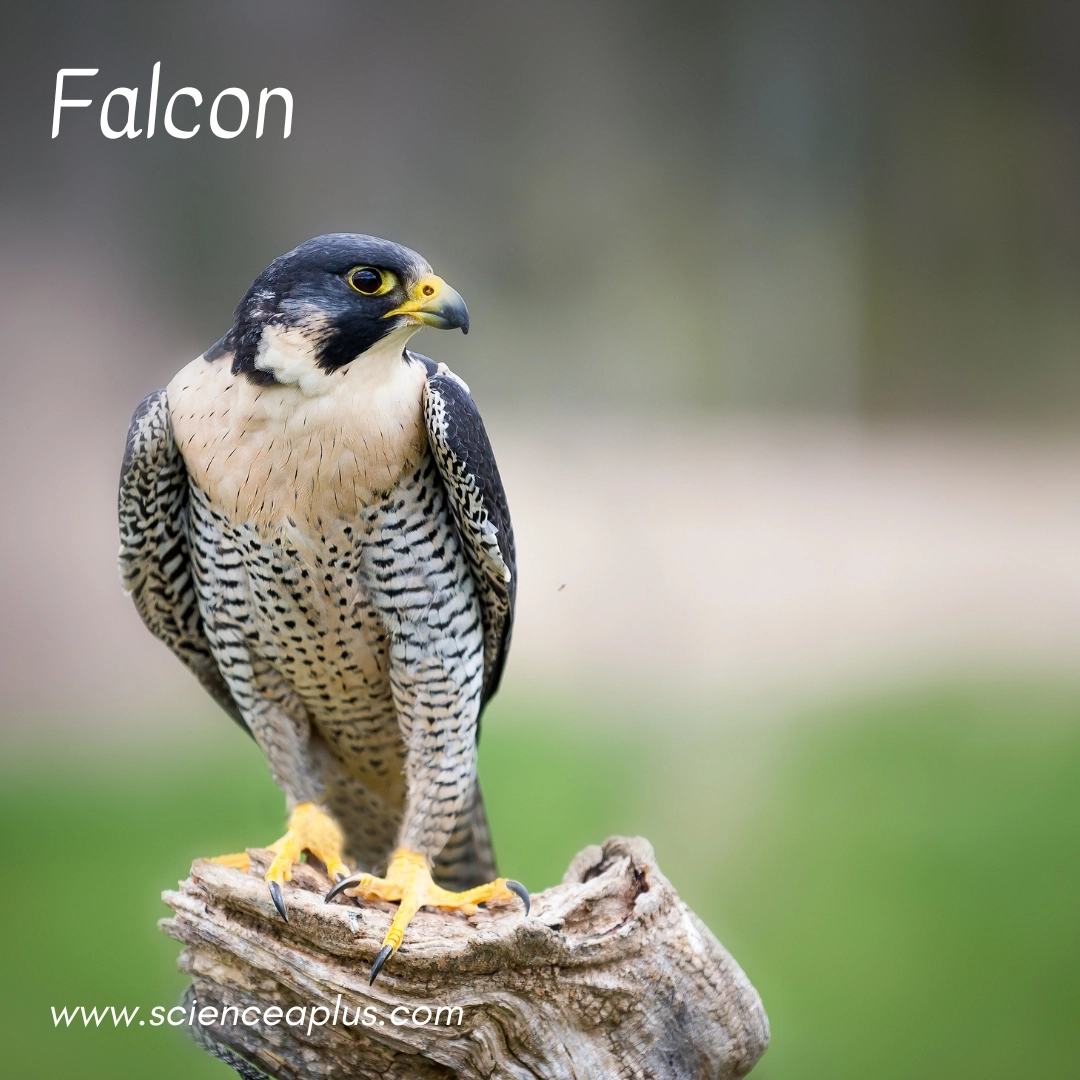
Animals that start with A include the aardvark, albatross, alligator, alpaca, anteater, Arctic fox and axolotl, plus dozens more from every corner of the animal kingdom. This guide lists 70 animals that start with A, with photographs, scientific names, where each one lives and its conservation status, so it works for homework, quiz nights and alphabet games.
Quick answer: the best-known animals beginning with A are the aardvark, alligator, alpaca, anteater, addax, albatross, armadillo and axolotl. Fifty have their own entry with a photo, and the rest are in short lists. This is the first guide in our A–Z series, so it covers the very start of the alphabet.
Every picture is credited to its photographer. Conservation statuses come from the IUCN Red List, the global register of how close species are to extinction, and we name the year where an assessment is old.
Animals that start with A: the quick list
Here are all 70 animals that start with A, in seven groups. Fifty have a full entry with a photo below.
Mammals (20)
- Aardvark
- Aardwolf
- Addax
- African bush elephant
- African wild dog
- Agouti
- Alpaca
- Alpine ibex
- American bison
- American black bear
- Amur (Siberian) tiger
- Amur leopard
- Anteater (giant)
- Arabian camel (dromedary)
- Arabian oryx
- Arctic fox
- Arctic hare
- Armadillo (nine-banded)
- Asian elephant
- Aye-aye
Birds (11)
- Abyssinian ground hornbill
- Adélie penguin
- African fish eagle
- African grey parrot
- Albatross (wandering)
- American flamingo
- Andean condor
- Anhinga
- Arctic tern
- Atlantic puffin
- Avocet (pied)
Reptiles & amphibians (12)
- Adder
- African bullfrog
- Agama (common)
- Aldabra giant tortoise
- Alligator (American)
- Alligator snapping turtle
- Alpine newt
- American toad
- Anaconda (green)
- Anole (green)
- Asp viper
- Axolotl
Fish & sea life (10)
- Abalone
- Anchovy (European)
- Anemone (beadlet)
- Anemonefish (clown)
- Angelfish (freshwater)
- Anglerfish (monkfish)
- Arapaima
- Archerfish (banded)
- Atlantic bluefin tuna
- Atlantic salmon
Insects & other invertebrates (8)
- Ant (red wood)
- Antlion
- Aphid (pea)
- Apollo butterfly
- Arizona bark scorpion
- Army ant
- Assassin bug
- Atlas moth
Extinct animals (5)
- Allosaurus
- Ammonite
- Ankylosaurus
- Archaeopteryx
- Aurochs
Pets & farm breeds (4)
- Abyssinian cat
- Afghan hound
- Akita
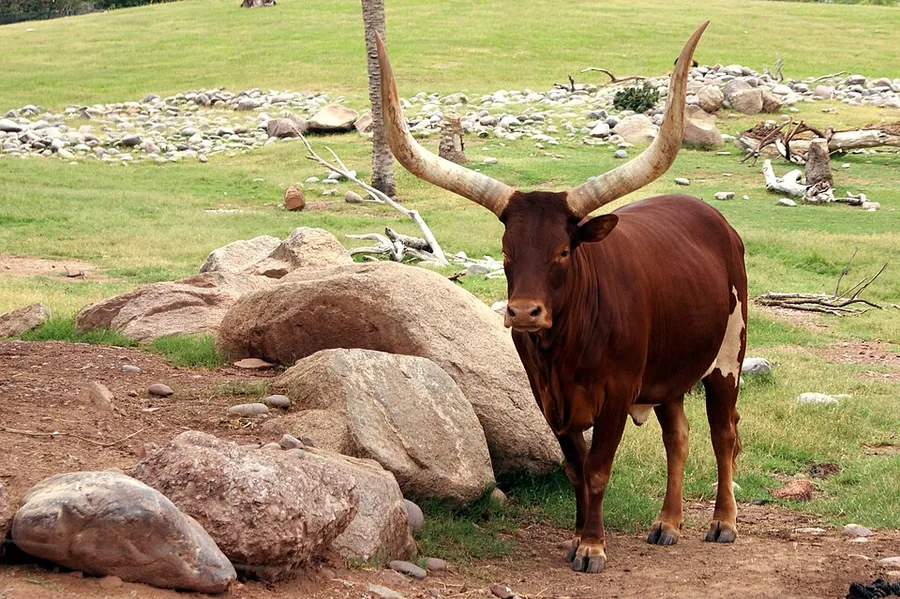
- Ankole-Watusi cattle
Mammals that start with A
Mammals are warm-blooded animals that feed their young on milk. There are many families of mammals, and the letter A covers a wide range of them. Here are fifteen.
1. Aardvark
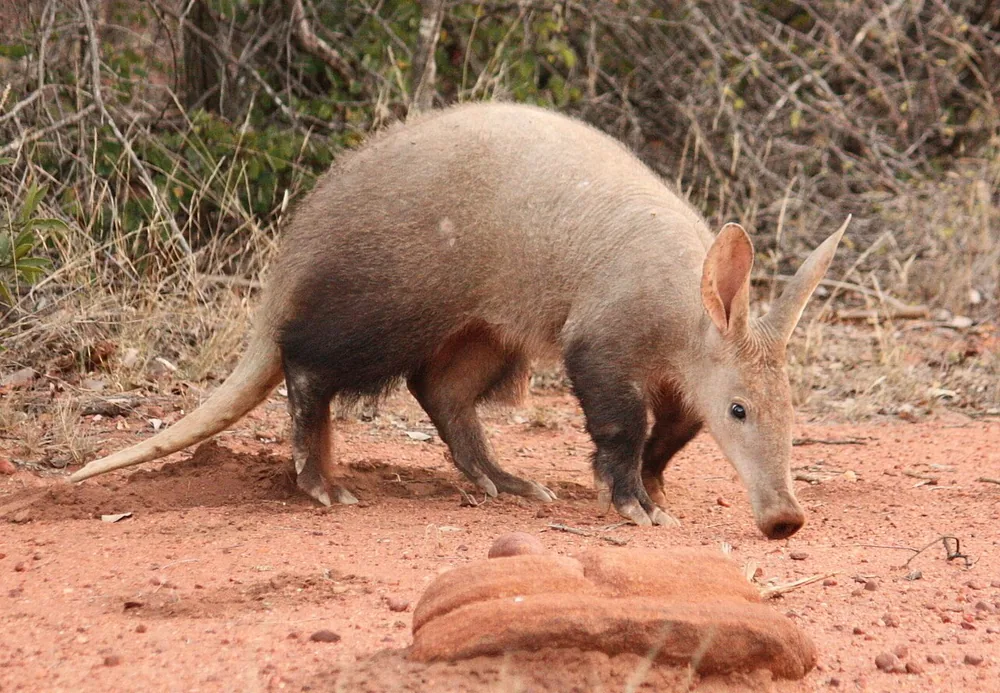
Scientific name: Orycteropus afer · Group: mammal · Lives: savannas, grasslands and woodlands of sub-Saharan Africa · Size: 105–130 cm long plus a tail up to 70 cm; 60–80 kg · Eats: ants and termites, licked up with a long sticky tongue · IUCN status: Least Concern
The name is Afrikaans for “earth pig”, though it is not a pig at all. Its order, the Tubulidentata, is named after its tube-like teeth.
2. Aardwolf
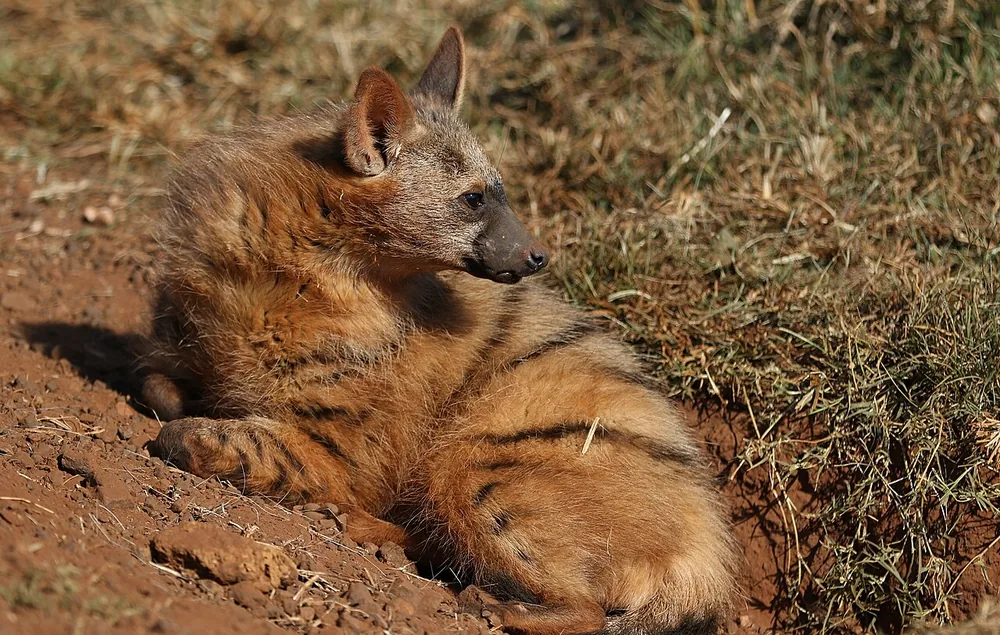
Scientific name: Proteles cristata · Group: mammal (hyena family) · Lives: dry grassland and scrub of eastern and southern Africa · Size: 55–80 cm long; 7–10 kg · Eats: almost only termites · IUCN status: Least Concern
This hyena relative eats termites, not meat: roughly 200,000–300,000 of them in a night. It leaves the mound intact.
3. Addax
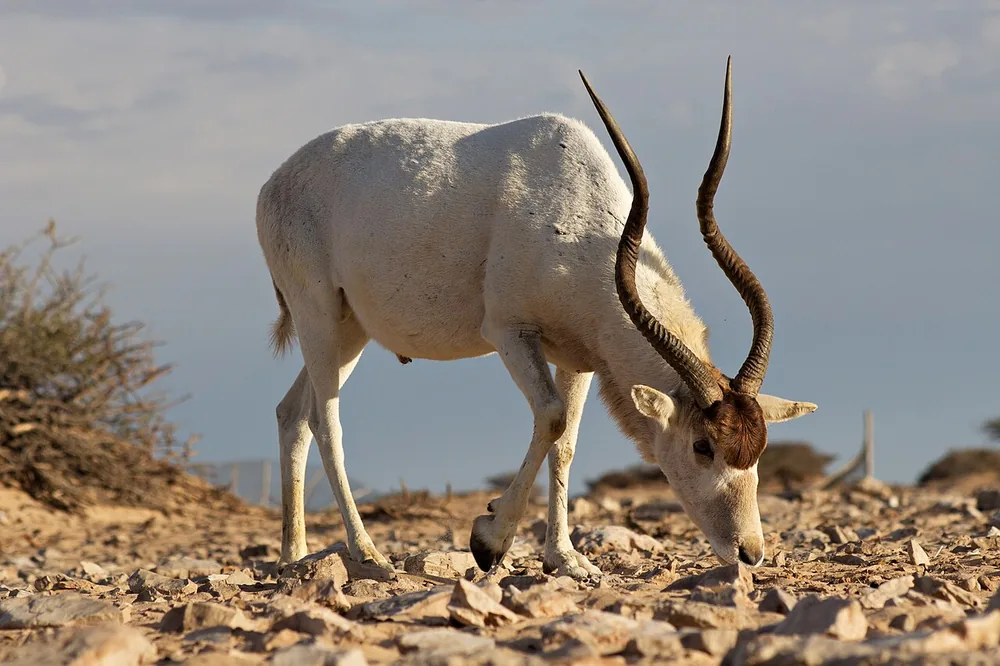
Scientific name: Addax nasomaculatus · Group: mammal (antelope) · Lives: Sahara Desert, in Niger and Chad · Size: males 105–115 cm at the shoulder and 100–125 kg; spiral horns 70–85 cm · Eats: desert grasses and shrubs · IUCN status: Critically Endangered
Very few addax remain in the wild. It can go long periods without drinking.
4. African bush elephant
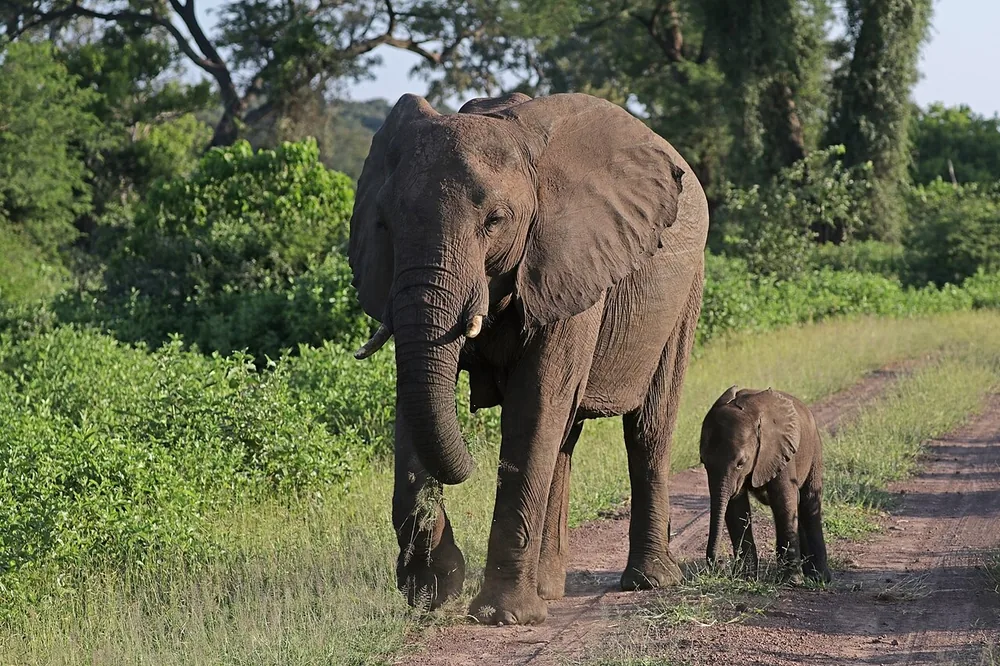
Scientific name: Loxodonta africana · Group: mammal · Lives: savannas, forests and deserts of sub-Saharan Africa · Size: bulls about 3.0–3.4 m at the shoulder and 5.2–6.9 t (record about 10.4 t) · Eats: grass, leaves, bark and fruit, about 150 kg a day · IUCN status: Endangered
The largest living land animal. The IUCN has assessed it separately from the African forest elephant since 2021. For more giants, see our guide to the largest animals in the world, and for the difference between the two elephant species, African and Asian elephants.
5. African wild dog
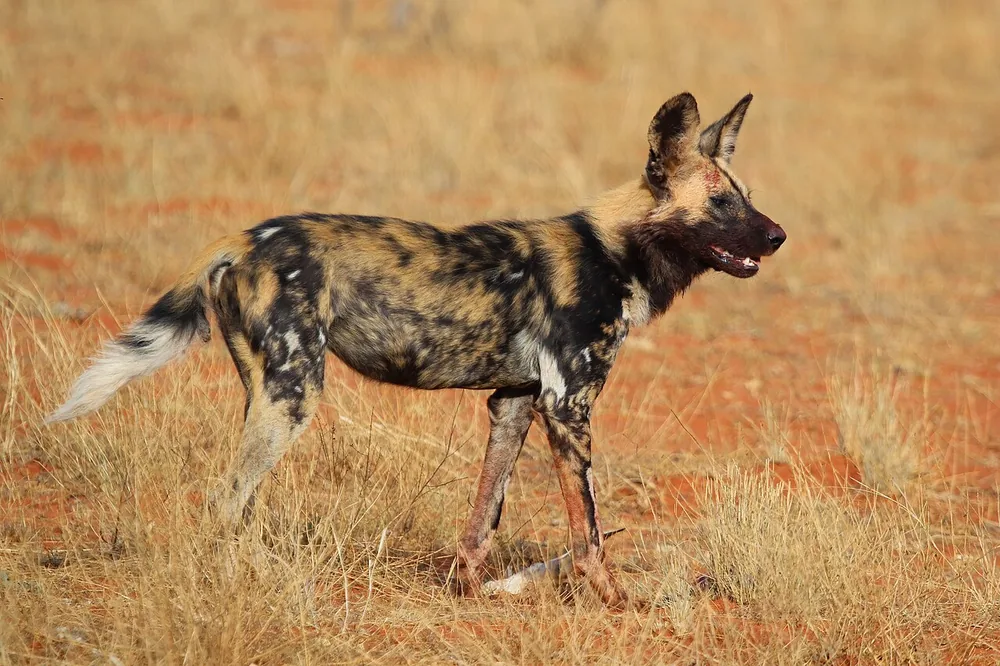
Scientific name: Lycaon pictus · Group: mammal (dog family) · Lives: savannas and open woodland of sub-Saharan Africa · Size: 60–75 cm at the shoulder; 18–36 kg · Eats: antelopes and other mammals, hunted in packs · IUCN status: Endangered
Every dog has its own patchy coat pattern. A GPS-collar study in Botswana recorded peak speeds of about 68 km/h (42 mph).
6. Alpaca
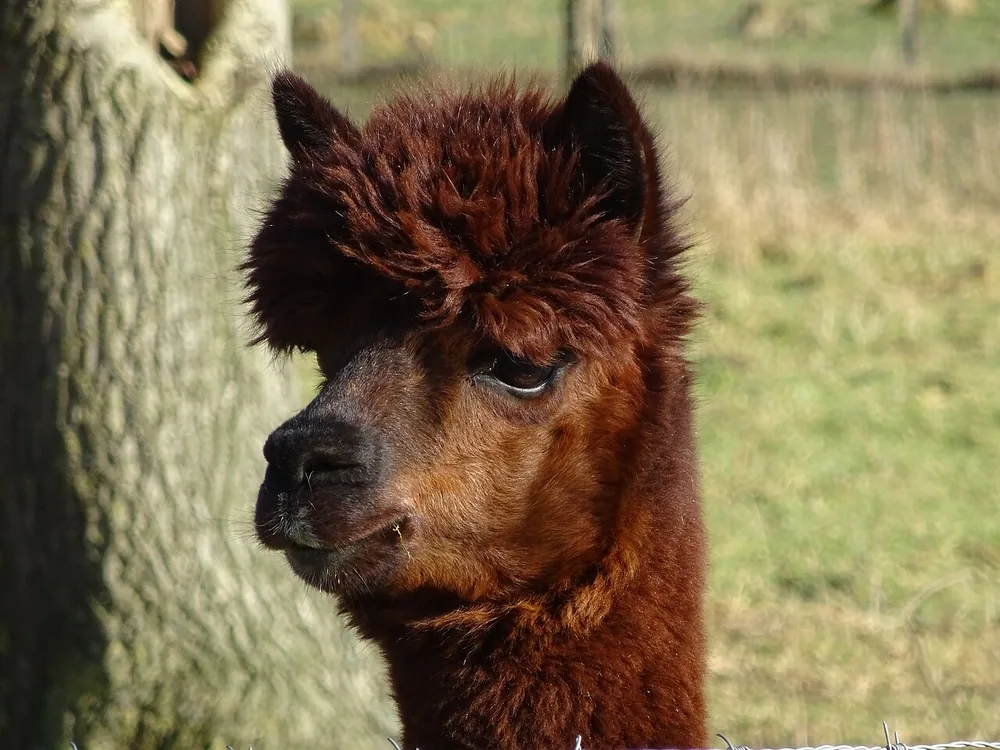
Scientific name: Vicugna pacos · Group: mammal (camelid, domesticated) · Lives: farms; originally the high Andes of Peru, Bolivia and Chile · Size: 48–90 kg · Eats: grass and hay · IUCN status: Domesticated, so not assessed
Alpacas were domesticated from the wild vicuña and are kept for their soft fleece.
7. Alpine ibex
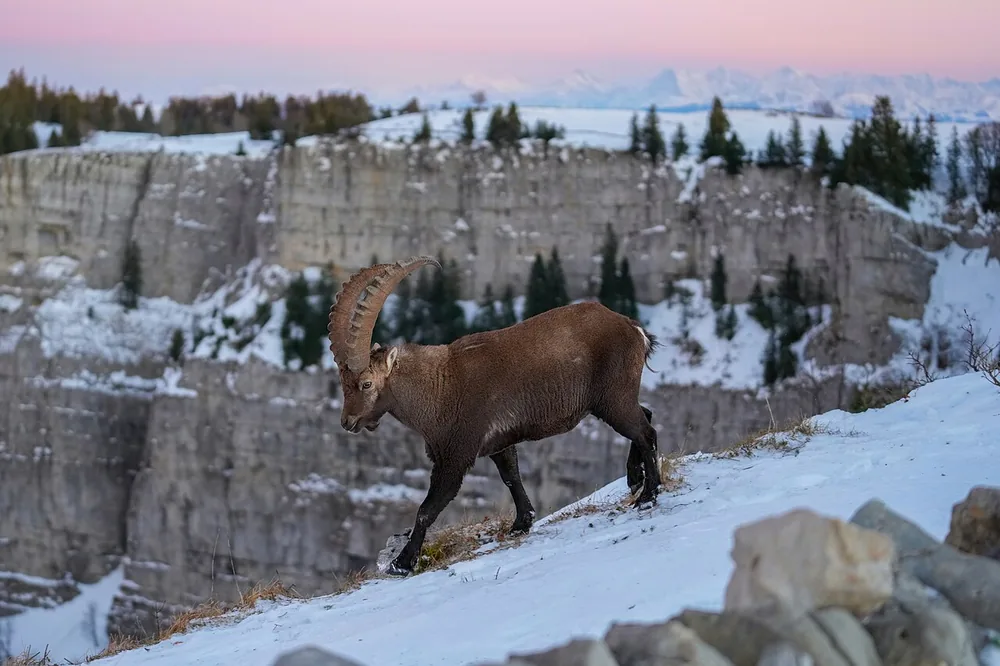
Scientific name: Capra ibex · Group: mammal (wild goat) · Lives: rocky mountain slopes of the European Alps, up to about 3,300 m · Size: males 67–117 kg; male horns 69–98 cm · Eats: grasses, herbs and shrubs · IUCN status: Least Concern
Hunting almost wiped it out: by the 19th century fewer than 100 survived, all in Gran Paradiso, Italy. Every Alpine ibex alive today descends from those survivors.
8. American bison
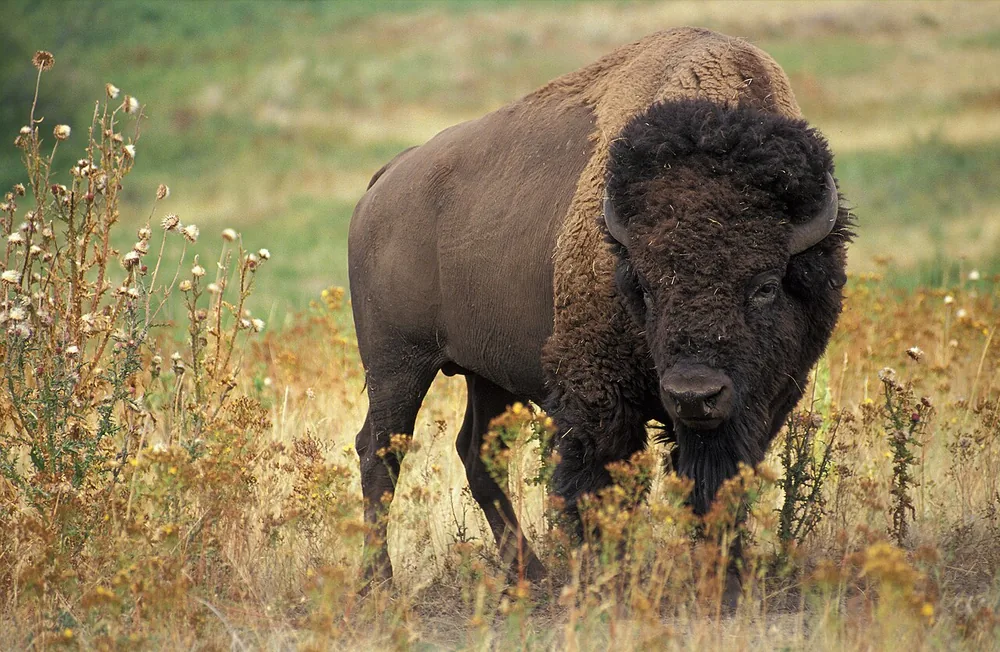
Scientific name: Bison bison · Group: mammal · Lives: prairies and grasslands of North America, now mostly in parks and reserves · Size: bulls up to about 900 kg · Eats: grasses and sedges · IUCN status: Near Threatened
The largest land mammal in North America. It can run up to 55 km/h (35 mph) and jump about 1.5 m high. Read more in our guide to the largest animal in North America.
9. Amur leopard
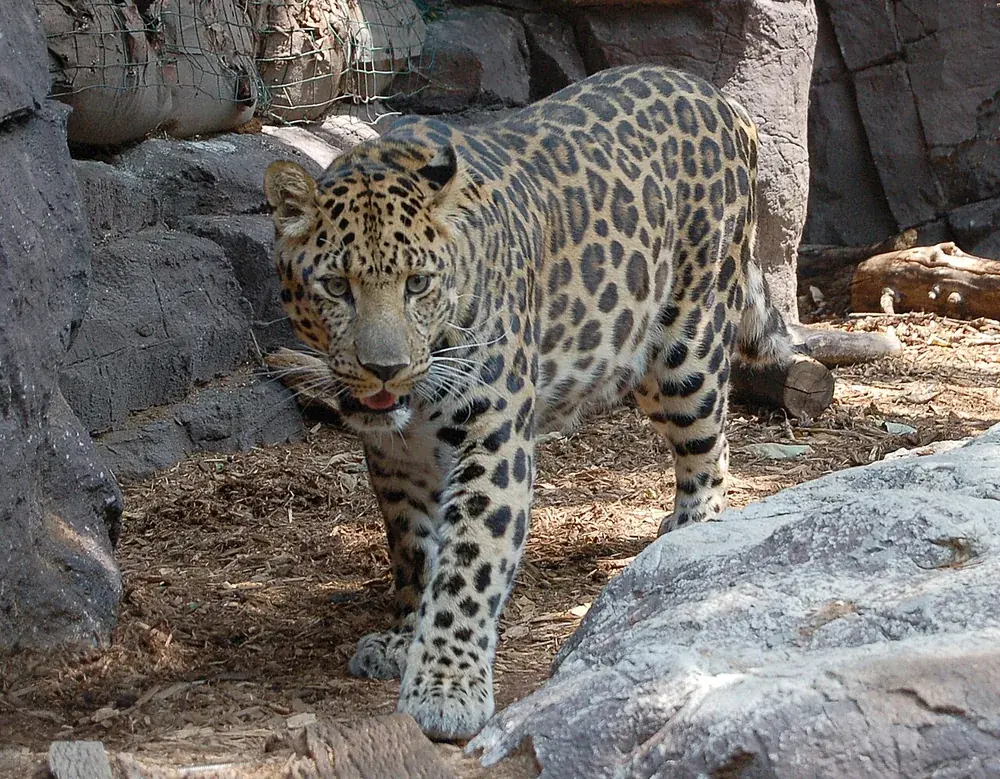
Scientific name: Panthera pardus orientalis · Group: mammal (big cat) · Lives: temperate forests of the Russian Far East and north-east China · Size: males 32–48 kg · Eats: deer, wild boar and hares · IUCN status: Critically Endangered (subspecies, 2008 assessment)
One of the rarest big cats, with around 130 mature individuals according to the IUCN in 2023.
10. Anteater (giant anteater)
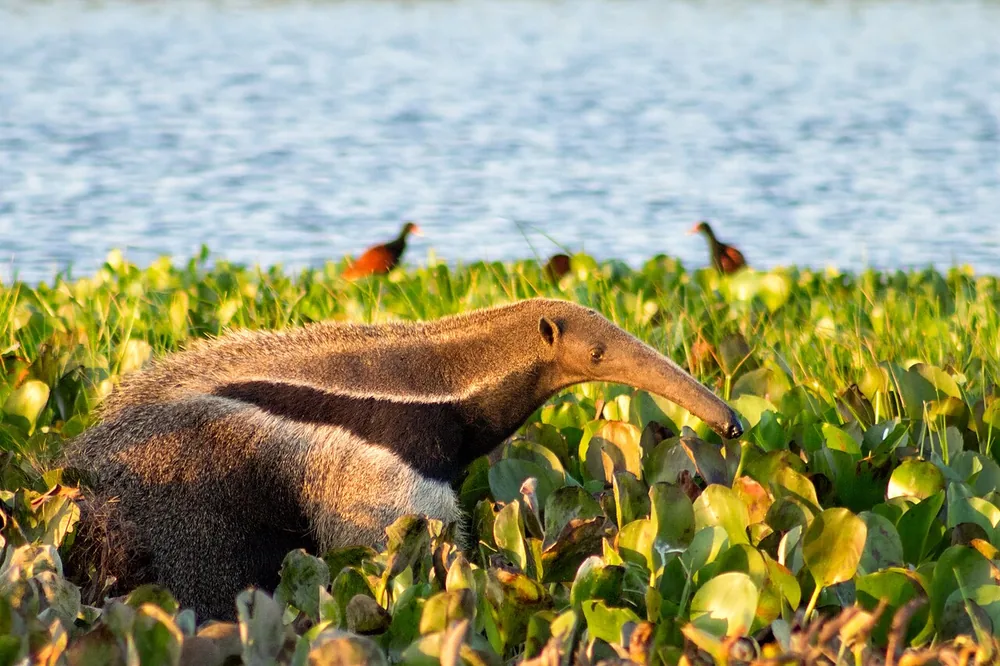
Scientific name: Myrmecophaga tridactyla · Group: mammal · Lives: grasslands, savannas and forests of Central and South America · Size: 182–217 cm long including the tail; 27–50 kg · Eats: ants and termites, about 30,000–35,000 a day · IUCN status: Vulnerable
It has no teeth. Its tongue is about 60 cm long and can flick in and out up to 150 times a minute.
11. Arabian oryx
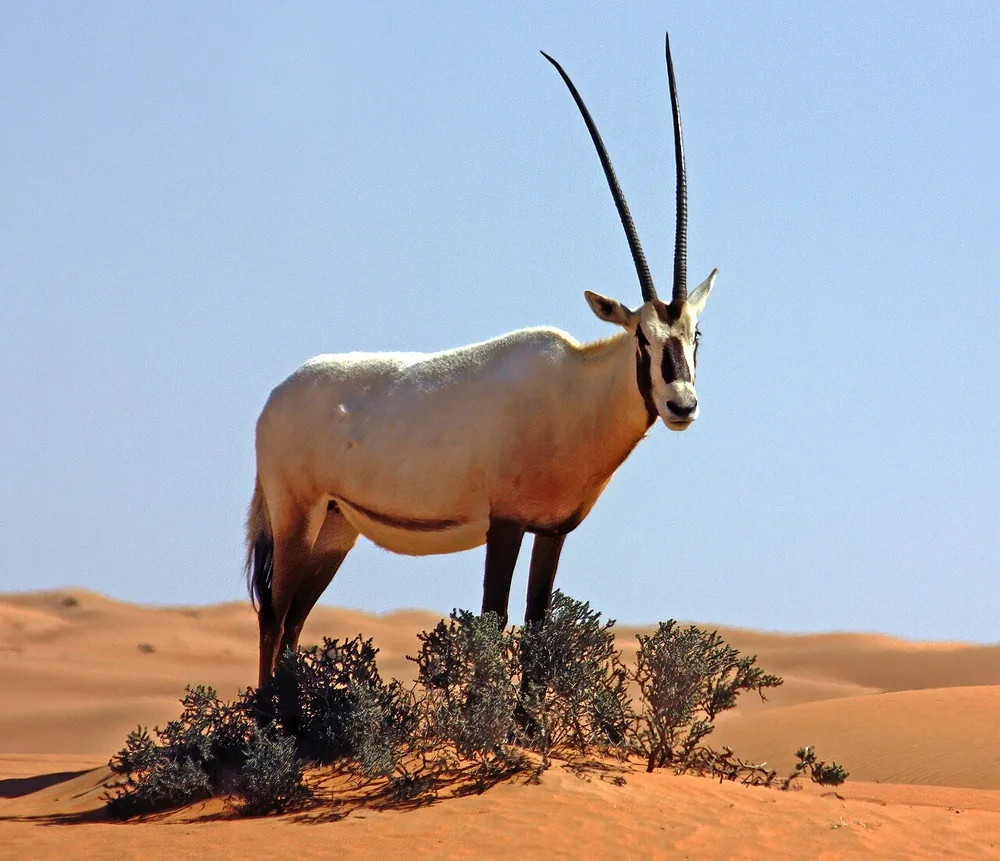
Scientific name: Oryx leucoryx · Group: mammal (antelope) · Lives: deserts and gravel plains of the Arabian Peninsula · Size: about 100–209 kg · Eats: grasses, herbs and roots · IUCN status: Vulnerable
It became extinct in the wild by the 1970s and was saved by captive breeding. In 2011 it became the first animal to move back from “Extinct in the Wild” to Vulnerable on the IUCN Red List.
12. Arctic fox
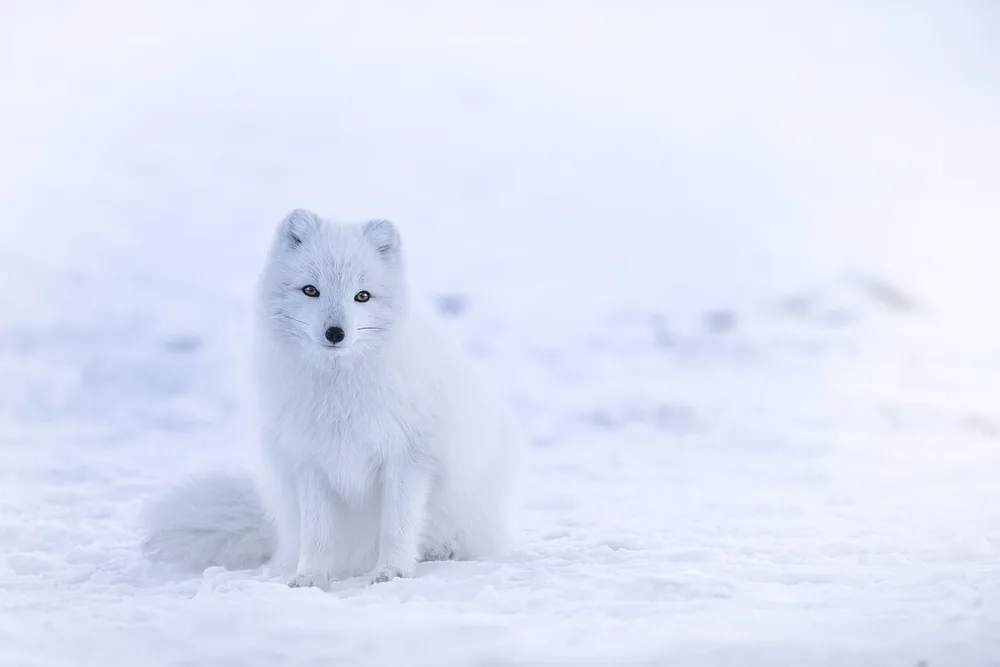
Scientific name: Vulpes lagopus · Group: mammal (dog family) · Lives: Arctic tundra and sea ice around the North Pole · Size: 46–68 cm long; about 1.4–9.4 kg · Eats: lemmings, birds, eggs and carrion · IUCN status: Least Concern
It moults twice a year. The thick white (or blue-grey) winter coat is twice as long as the darker summer coat.
13. Armadillo (nine-banded armadillo)
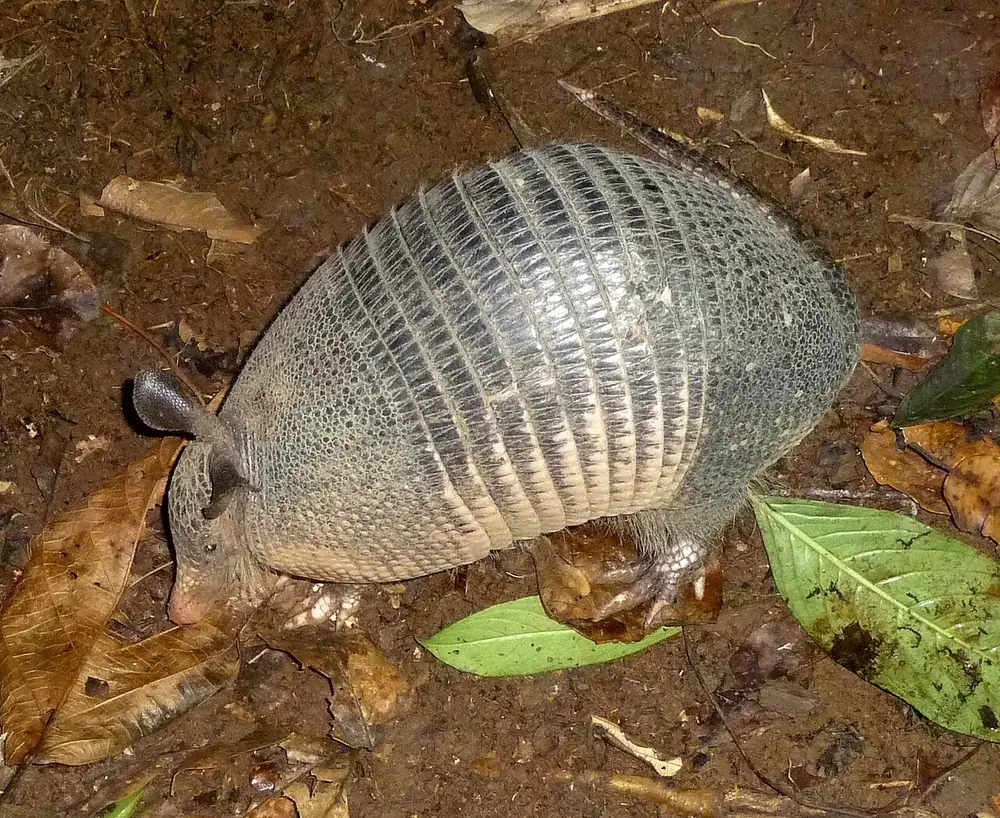
Scientific name: Dasypus novemcinctus · Group: mammal · Lives: southern USA to Argentina, in forests, scrub and grassland · Size: 64–107 cm long including the tail; up to about 10 kg · Eats: insects, grubs and other invertebrates · IUCN status: Least Concern
Females almost always give birth to identical quadruplets, because one embryo splits into four.
14. Asian elephant
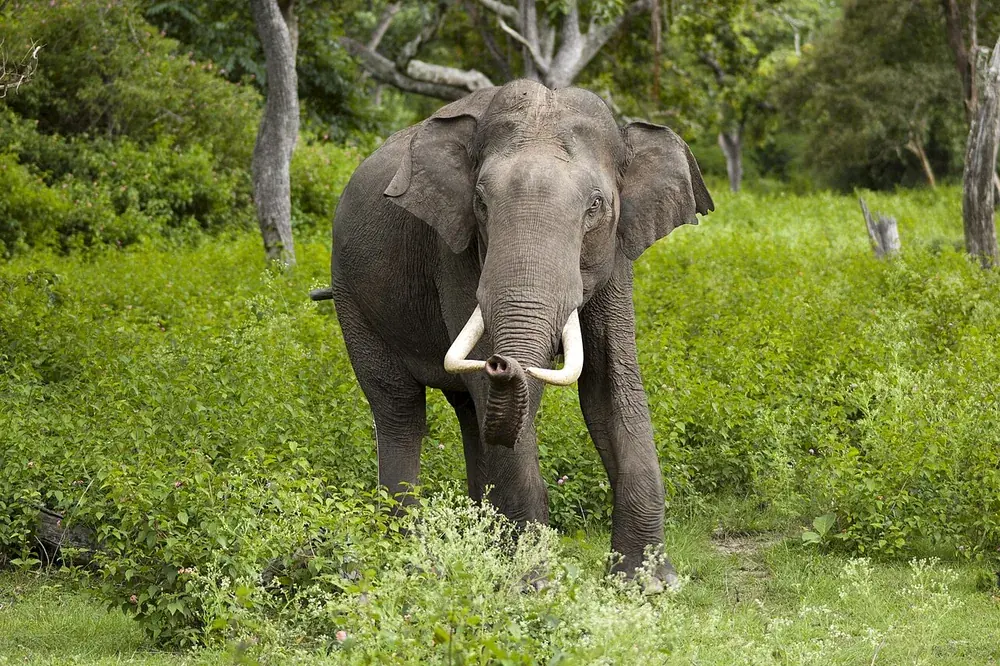
Scientific name: Elephas maximus · Group: mammal · Lives: forests and grasslands of South and South-East Asia · Size: smaller than the African bush elephant · Eats: plants, about 150 kg a day · IUCN status: Endangered
It has smaller ears than an African elephant and a single “finger” on the tip of its trunk. Only the males have large tusks.
15. Aye-aye
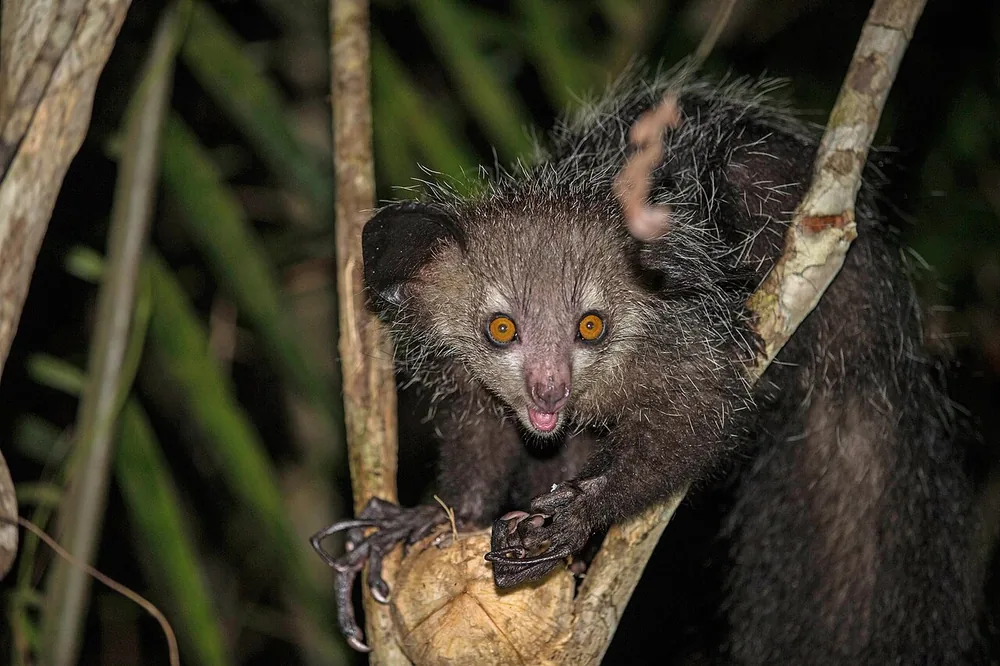
Scientific name: Daubentonia madagascariensis · Group: mammal (lemur) · Lives: rainforests of Madagascar · Size: body 36–43 cm plus a tail of 56–61 cm; about 2 kg · Eats: grubs, fruit and nuts · IUCN status: Endangered
The world’s largest nocturnal primate. It taps on wood with its thin middle finger, listens for hollow tunnels, gnaws a hole and hooks out the grubs.
Birds that start with A
Birds are warm-blooded animals with feathers. The letter A has the bird with the longest wings and the bird that travels the farthest.
16. Adélie penguin
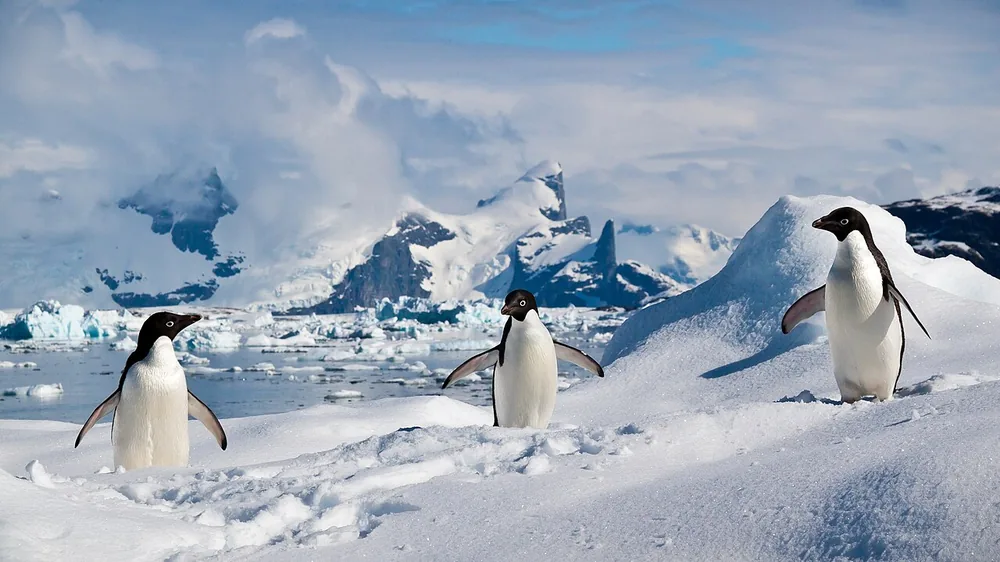
Scientific name: Pygoscelis adeliae · Group: bird · Lives: Antarctic coast and sea ice · Size: 70–73 cm long; 3.8–8.2 kg · Eats: krill and small fish · IUCN status: Least Concern
It is named after Adélie Land, which the explorer Jules Dumont d’Urville named after his wife, Adèle.
17. African fish eagle
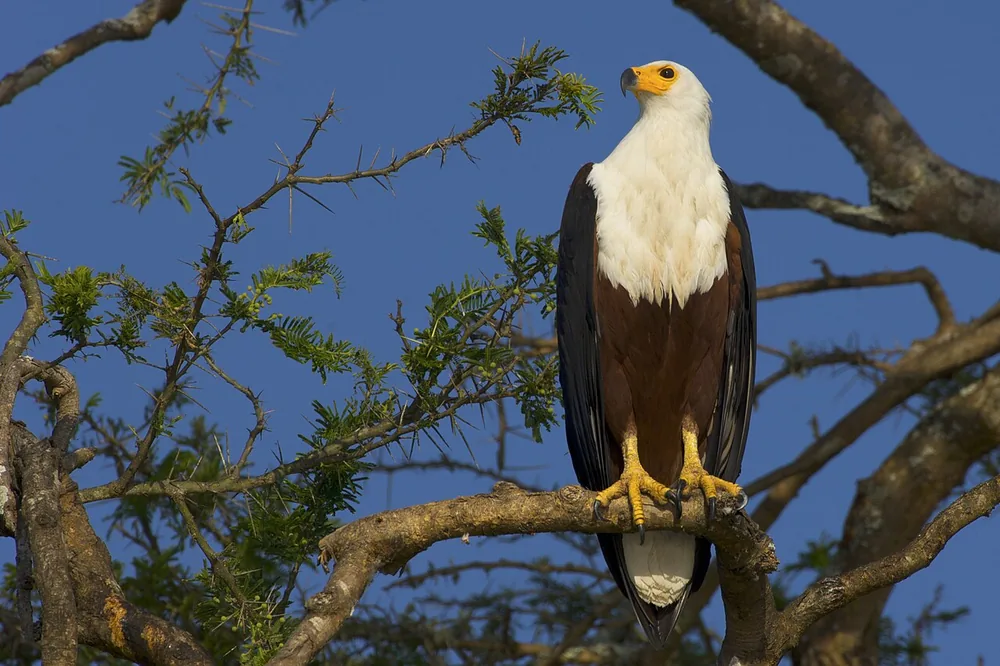
Scientific name: Haliaeetus vocifer · Group: bird of prey · Lives: lakes, rivers and coasts of sub-Saharan Africa · Size: 63–75 cm long; wingspan about 2–2.4 m · Eats: fish snatched from the water surface · IUCN status: Least Concern
It is the national bird of Zambia and Zimbabwe. Females are larger than males.
18. African grey parrot
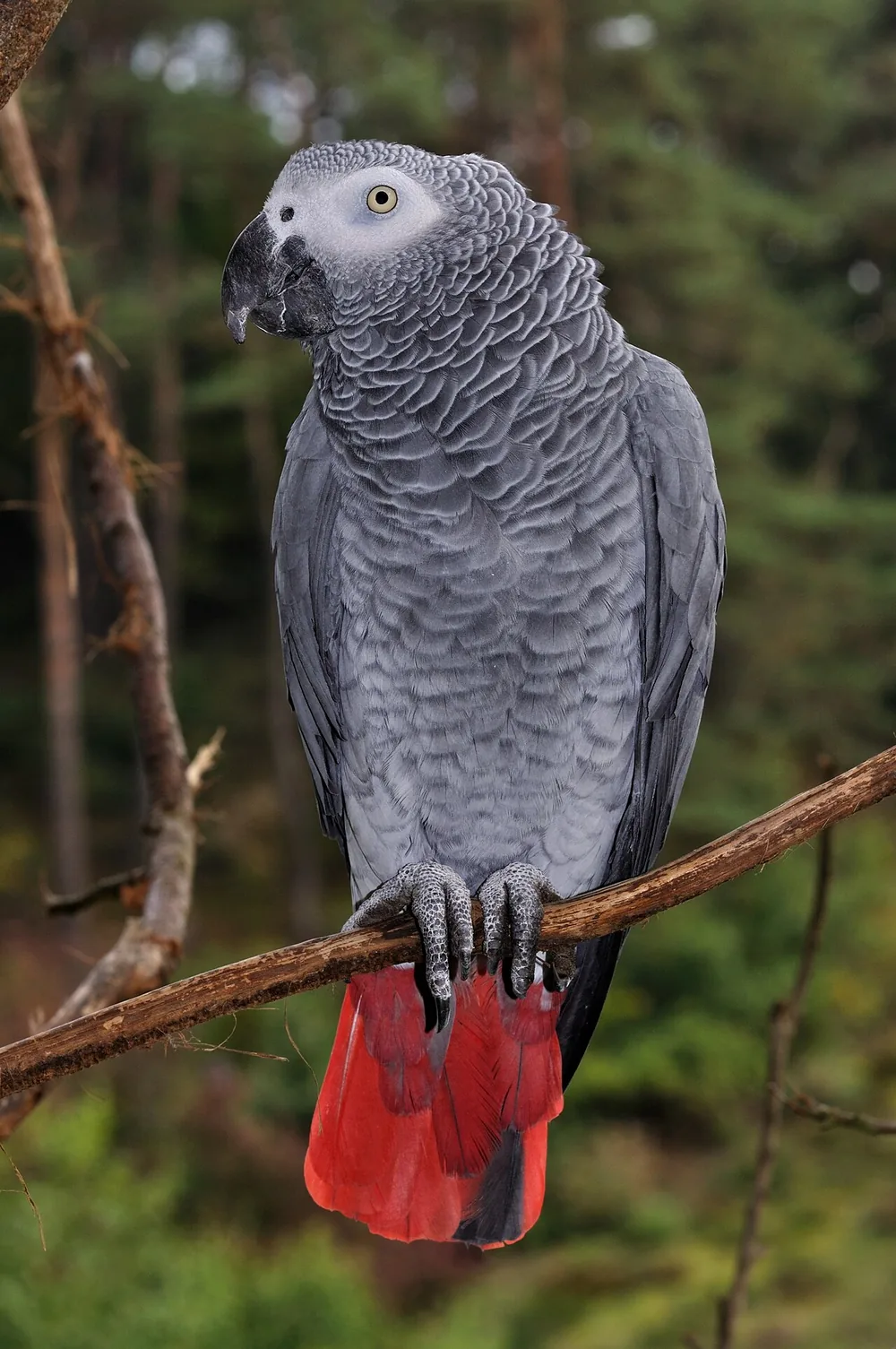
Scientific name: Psittacus erithacus · Group: bird · Lives: rainforests of West and Central Africa · Size: about 33 cm long; about 400 g · Eats: seeds, nuts and fruit · IUCN status: Endangered
Famous for copying human speech, which made it a popular pet. Trapping for the pet trade is a main reason it was listed as Endangered in 2016.
19. Albatross (wandering albatross)
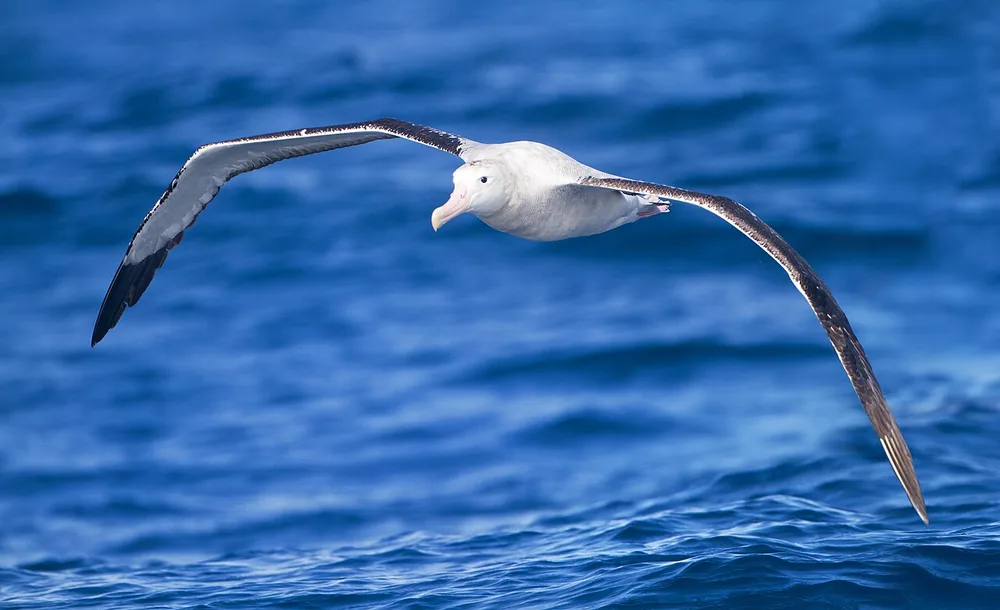
Scientific name: Diomedea exulans · Group: seabird · Lives: Southern Ocean, nesting on sub-Antarctic islands · Size: wingspan usually about 3–3.1 m; record 3.63 m · Eats: squid and fish · IUCN status: Vulnerable
It has the largest wingspan of any living bird. The Guinness record is 3.63 m, from a male caught in 1965. It is now also called the snowy albatross. See more in our guide to amazing birds of the world.
20. American flamingo
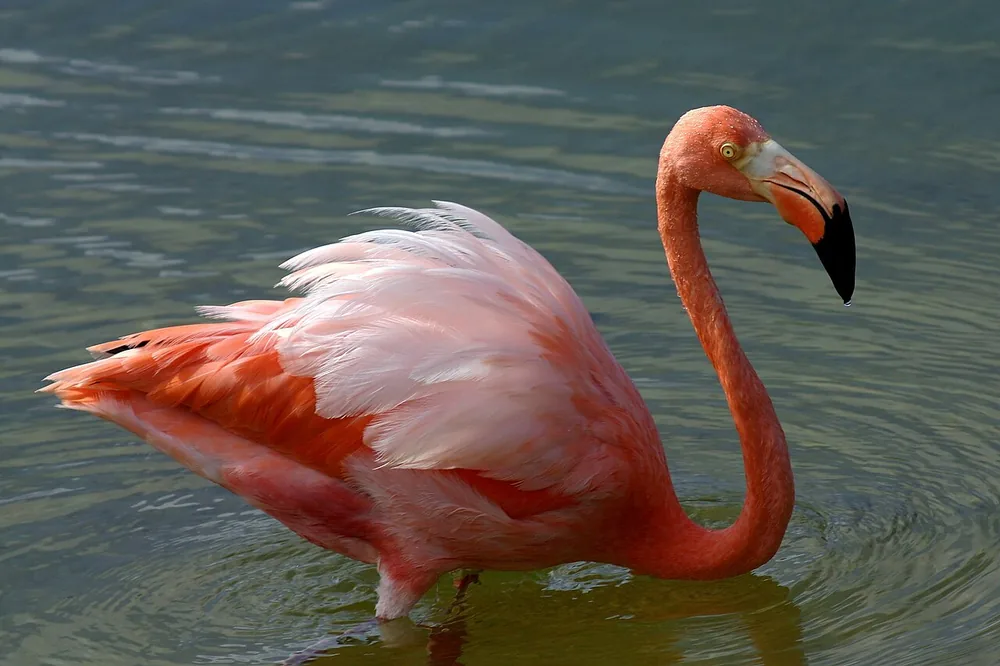
Scientific name: Phoenicopterus ruber · Group: bird · Lives: lagoons and mudflats of the Caribbean, Florida, Yucatán and the Galápagos · Size: 120–145 cm tall · Eats: shrimp, algae and tiny animals filtered from mud · IUCN status: Least Concern
Its reddish-pink colour comes from pigments called carotenoids in its food, and it is much pinker than the paler greater flamingo. Learn more about these waders in our flamingo guide.
21. Andean condor
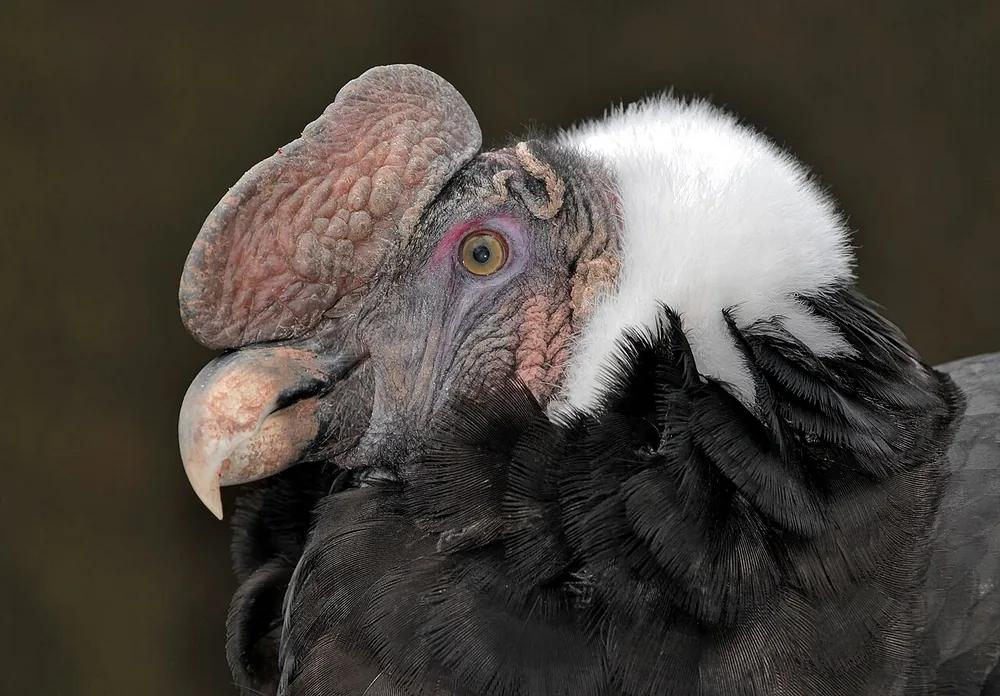
Scientific name: Vultur gryphus · Group: bird (vulture) · Lives: Andes mountains and Pacific coast of South America · Size: wingspan up to 3.3 m; up to 15 kg · Eats: carrion (dead animals) · IUCN status: Vulnerable
It is generally considered the largest bird of prey. It nests as high as 5,000 m. The photo shows a male, which has a fleshy comb on its head.
22. Anhinga
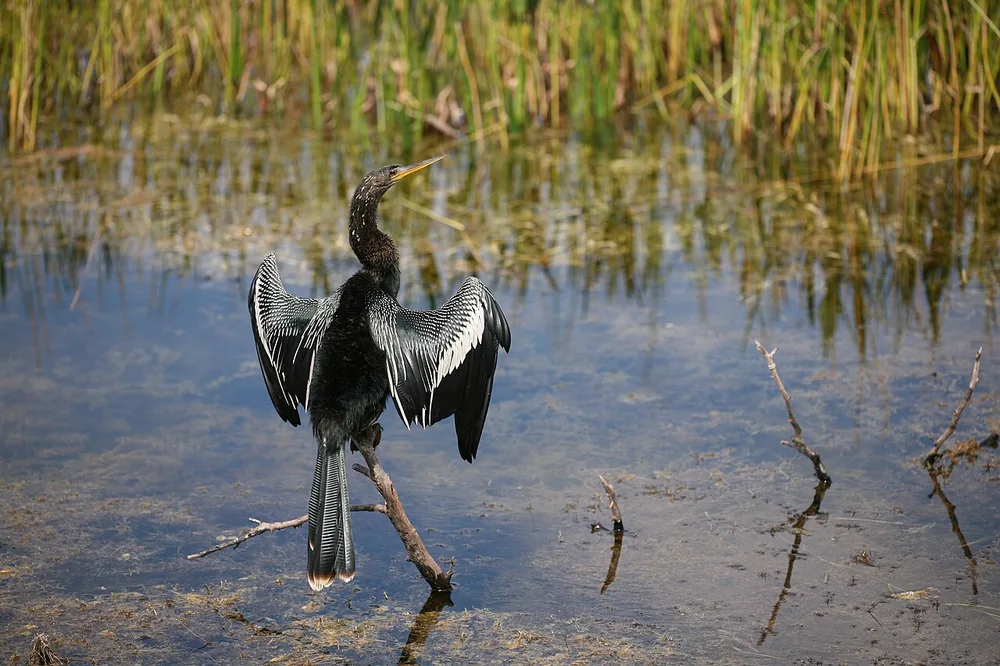
Scientific name: Anhinga anhinga · Group: bird · Lives: swamps, lakes and rivers of the warmer Americas · Size: about 89 cm long; wingspan about 1.14 m · Eats: fish, speared underwater with its sharp bill · IUCN status: Least Concern
Called the “snakebird” because it swims with only its long neck above the water. Its feathers get waterlogged, so it perches with its wings spread out to dry, as in the photo.
23. Arctic tern
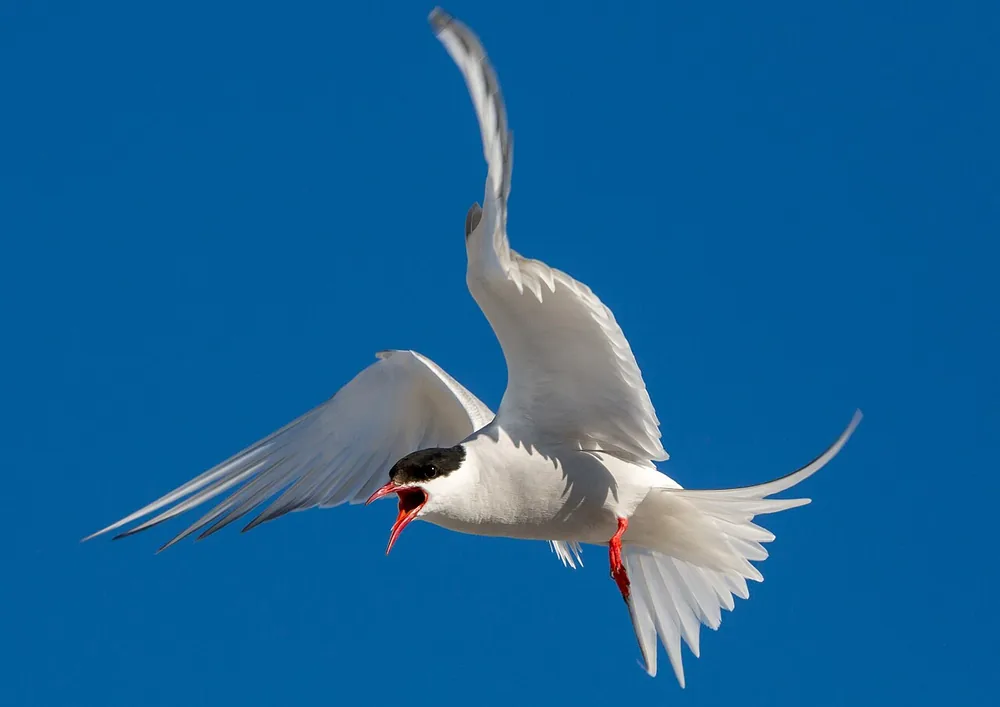
Scientific name: Sterna paradisaea · Group: seabird · Lives: breeds in the Arctic and spends the northern winter in the Antarctic · Size: 33–36 cm long; about 100 g · Eats: small fish and krill · IUCN status: Least Concern
It makes the longest migration of any known animal. Birds nesting in Greenland and Iceland fly about 70,900 km a year on average, and some individuals more than 80,000 km.
24. Atlantic puffin
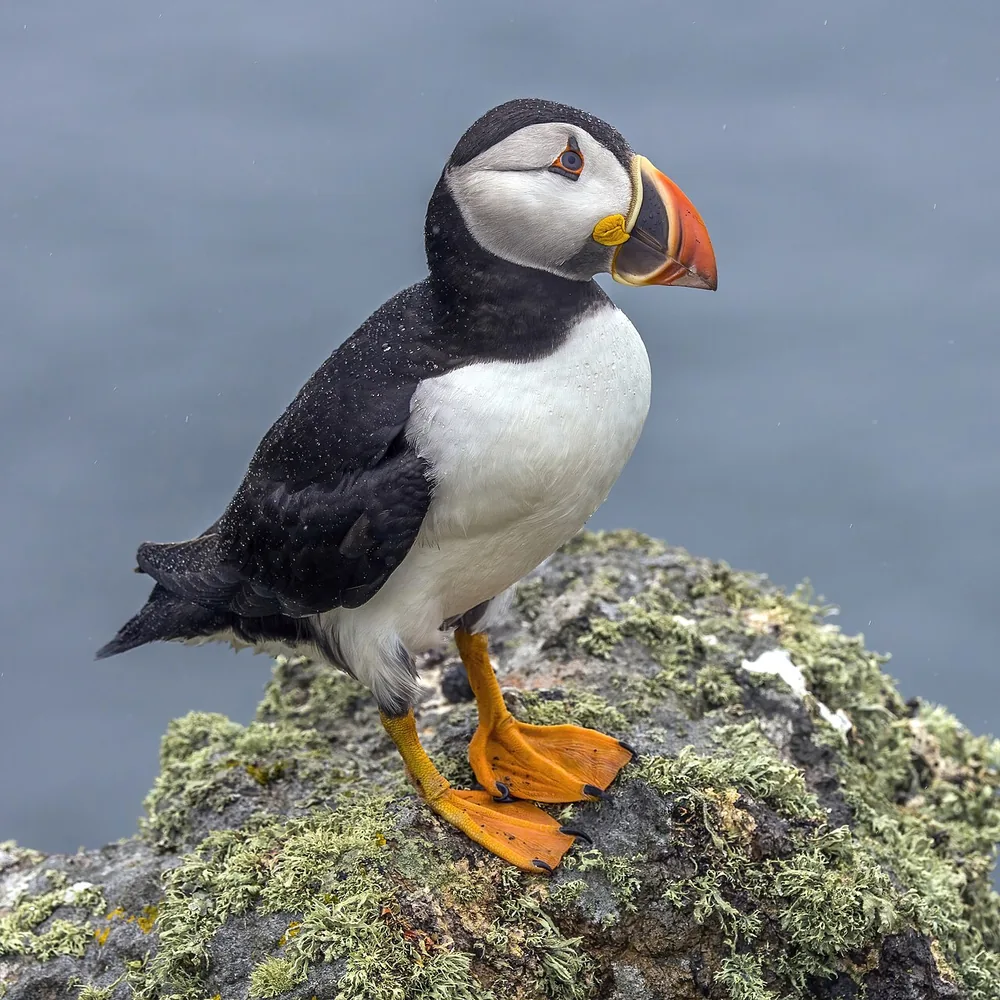
Scientific name: Fratercula arctica · Group: seabird · Lives: North Atlantic, nesting in burrows on clifftops including in the UK · Size: 28–30 cm long; about 400–650 g · Eats: small fish such as sand eels · IUCN status: Vulnerable
Nicknamed the “clown of the sea” and the “sea parrot”. A grooved tongue and a hinged bill let it carry several fish crossways in its beak at once.
25. Avocet (pied avocet)
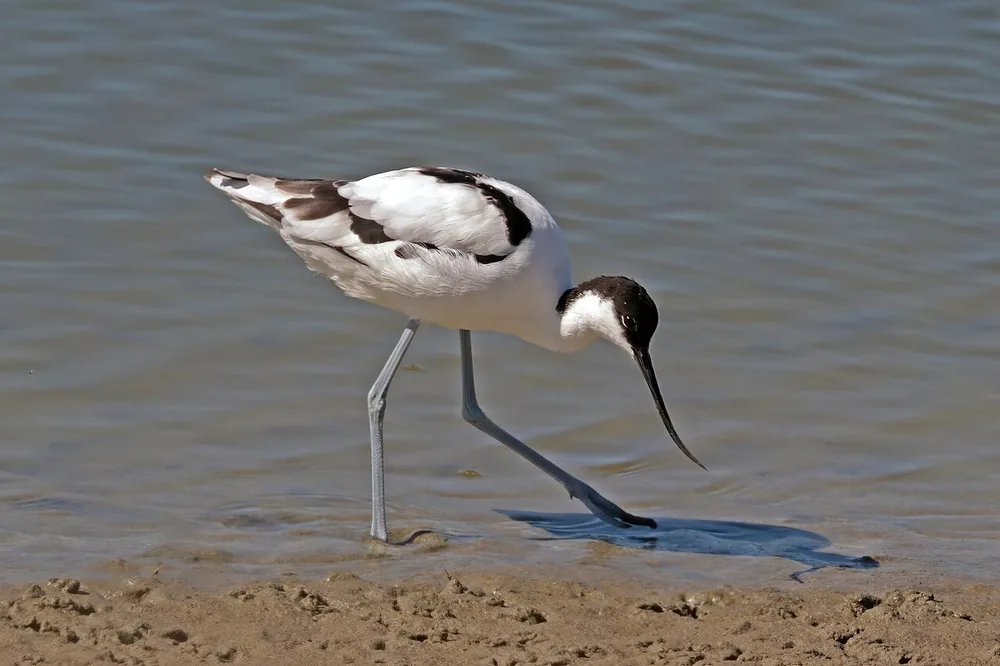
Scientific name: Recurvirostra avosetta · Group: wader · Lives: coastal lagoons, estuaries and mudflats of Europe, Asia and Africa · Size: 42–46 cm long · Eats: small invertebrates, found by sweeping its upturned bill through the water · IUCN status: Least Concern
It vanished as a British breeding bird in the 19th century. It returned to Minsmere in Suffolk in 1947 and became the logo of the RSPB.
Reptiles and amphibians that start with A
Reptiles have dry, scaly skin, while amphibians have moist skin and usually begin life in water. These nine include the UK’s only venomous snake, the heaviest snake in the world and a salamander that never grows up.
26. Adder
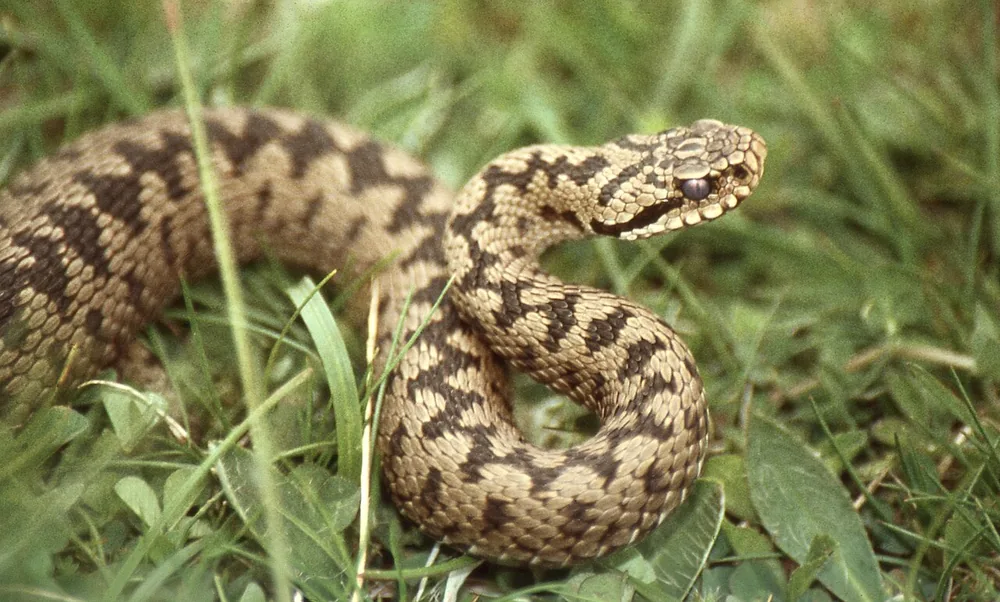
Scientific name: Vipera berus · Group: reptile (snake) · Lives: heaths, moors and woodland edges across Europe and northern Asia, including Britain · Size: usually about 60 cm; up to about 80–87 cm in Britain · Eats: small mammals and lizards · IUCN status: Least Concern
The UK’s only venomous snake, recognisable by the zig-zag stripe down its back. Bites are rare and usually mild: 14 deaths have been recorded in Britain since 1876, the last in 1975.
27. Aldabra giant tortoise
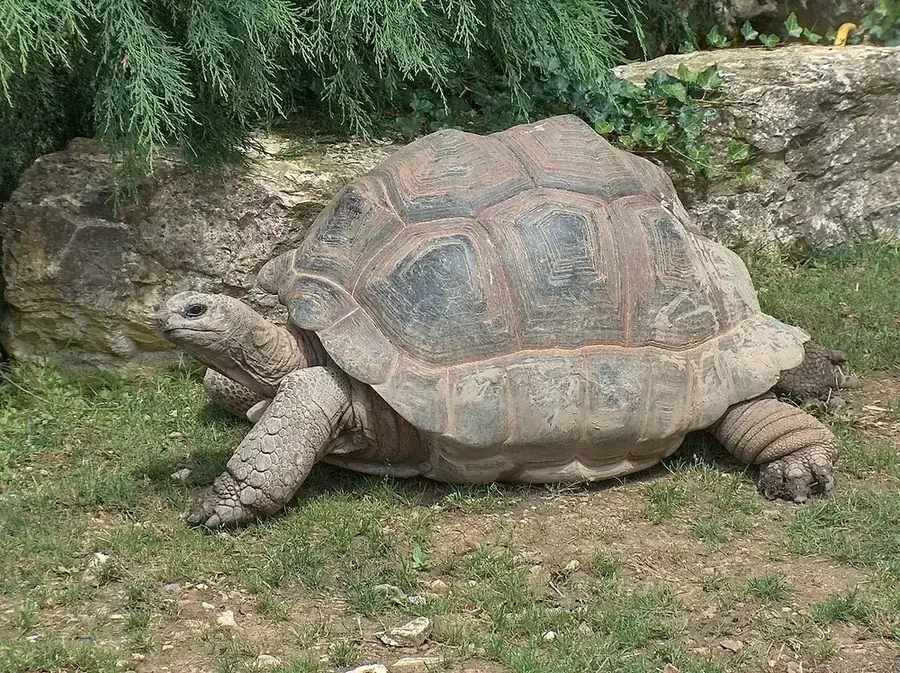
Scientific name: Aldabrachelys gigantea · Group: reptile (tortoise) · Lives: Aldabra Atoll in the Seychelles · Size: shell averages about 122 cm long in males; males average about 250 kg · Eats: grasses, leaves and woody plants · IUCN status: Vulnerable (old assessment, 1996)
One of the largest tortoises in the world, about the size of the Galápagos giant tortoise.
28. Alligator (American alligator)
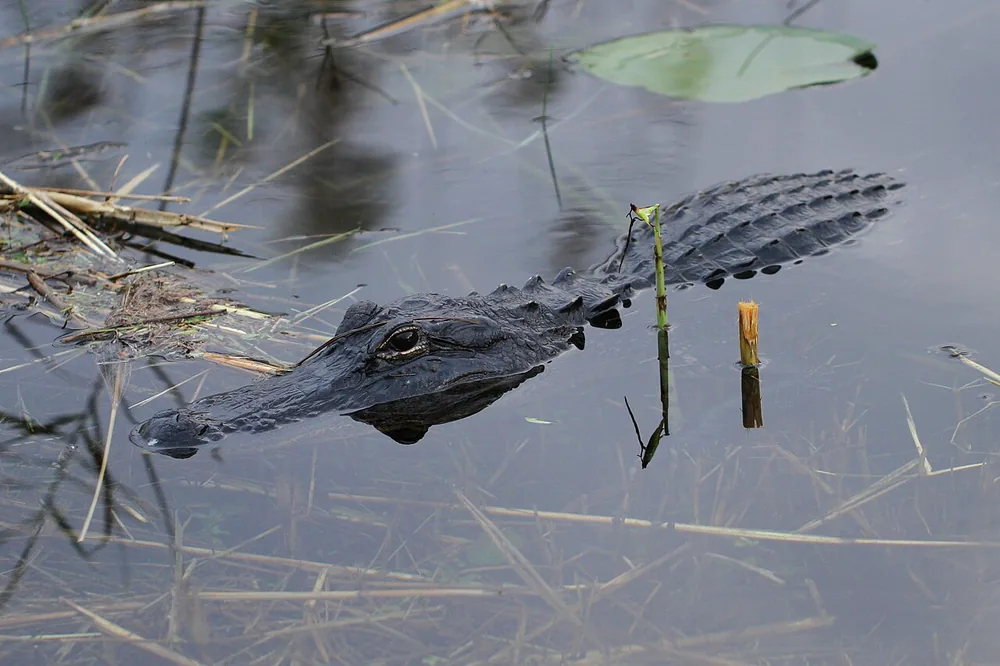
Scientific name: Alligator mississippiensis · Group: reptile (crocodilian) · Lives: freshwater swamps, marshes and rivers of the south-eastern USA · Size: adult males about 3.4–4.5 m and up to about 450 kg · Eats: fish, turtles, birds and mammals · IUCN status: Least Concern
The temperature of the egg decides whether a hatchling is male or female. Wondering how it differs from its cousins? See our guide to crocodile vs alligator.
29. Alligator snapping turtle
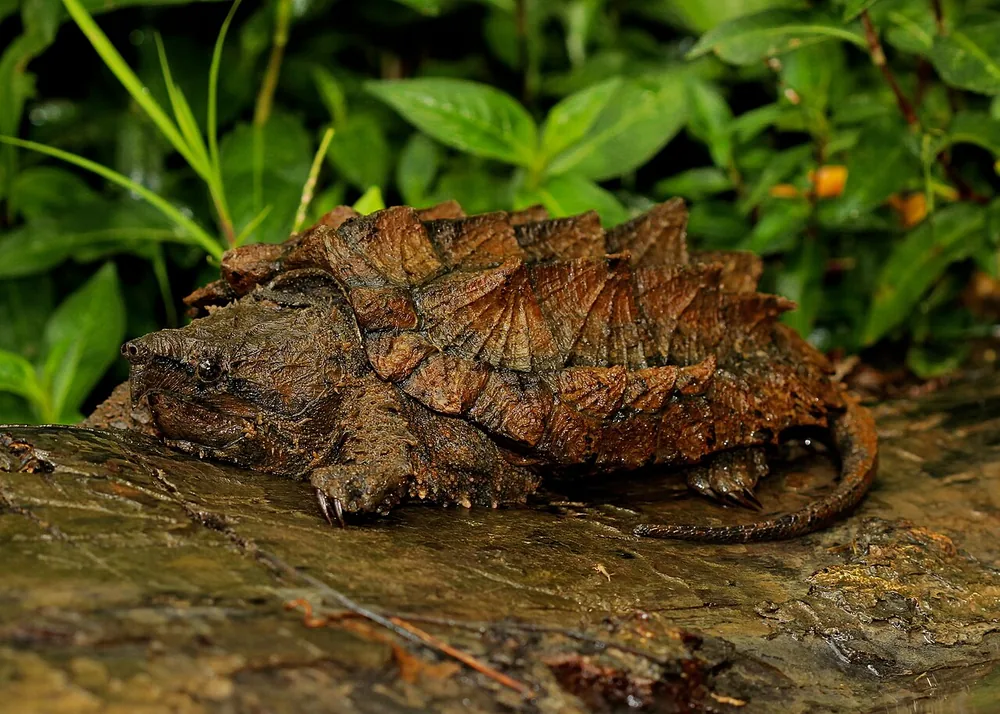
Scientific name: Macrochelys temminckii · Group: reptile (turtle) · Lives: rivers and lakes of the south-eastern USA · Size: one of the heaviest freshwater turtles; captive giants weighed 107–113 kg · Eats: fish, plus snails, crayfish and plants · IUCN status: Endangered (2025 assessment)
It lies still with its mouth open and wiggles a pink, worm-shaped lure on its tongue to trick fish into swimming in.
30. Anaconda (green anaconda)
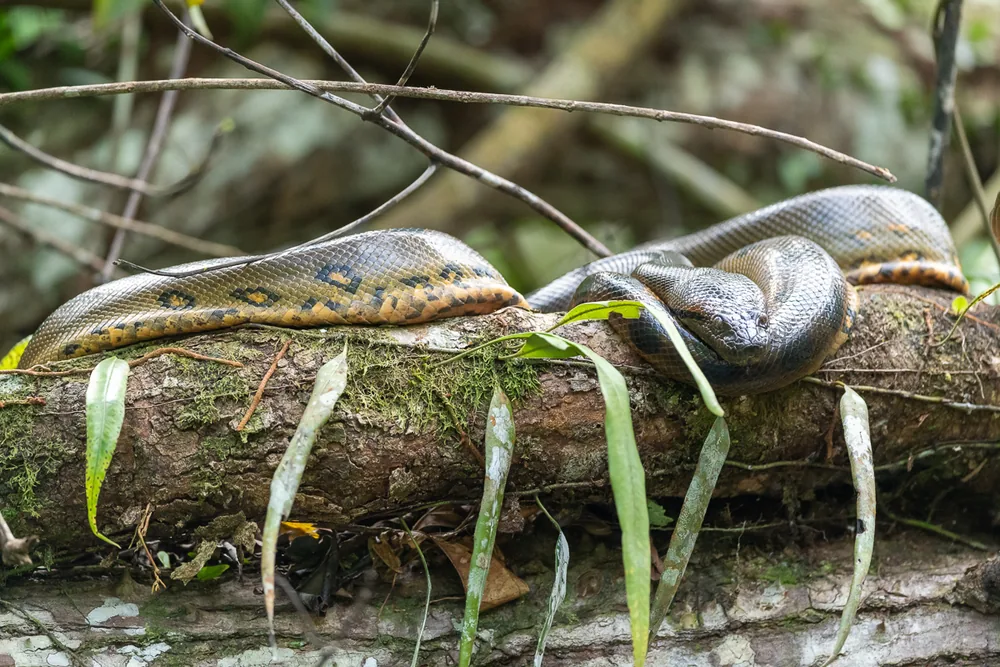
Scientific name: Eunectes murinus · Group: reptile (snake) · Lives: swamps, rivers and flooded forests of tropical South America · Size: females typically up to about 5 m; the heaviest verified female was 5.21 m and 97.5 kg · Eats: fish, birds, capybaras and caimans, killed by constriction · IUCN status: Least Concern
The world’s heaviest snake, although the reticulated python is longer. In 2024 scientists proposed splitting it into two species, with a northern one called Eunectes akayima, but the idea is still debated. More in our anaconda guide.
31. Anole (green anole)
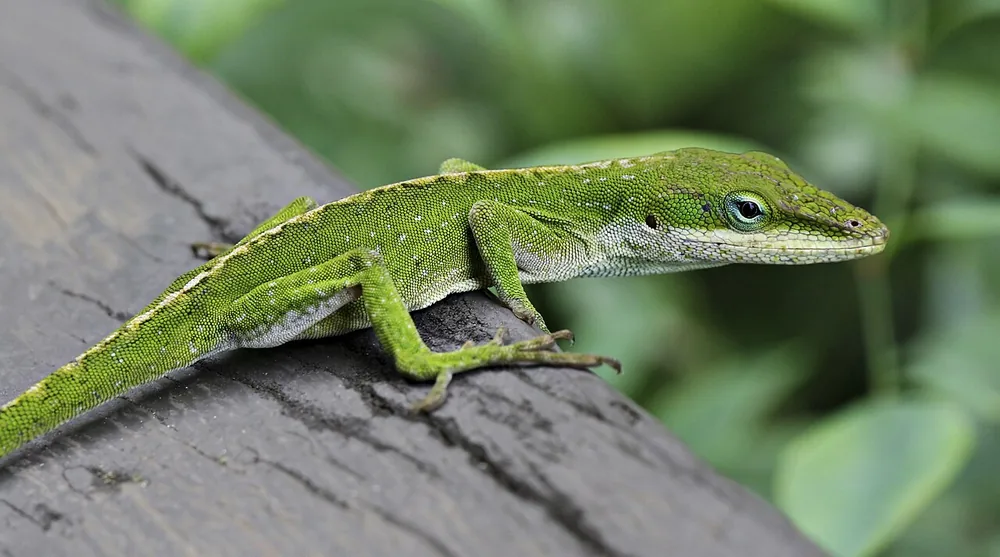
Scientific name: Anolis carolinensis · Group: reptile (lizard) · Lives: south-eastern USA; introduced to Hawaii and elsewhere · Size: 12–20 cm long, most of it tail; 3–7 g · Eats: insects and spiders · IUCN status: Least Concern
It can change from bright green to brown, and males flash a pink throat fan called a dewlap.
32. Asp viper
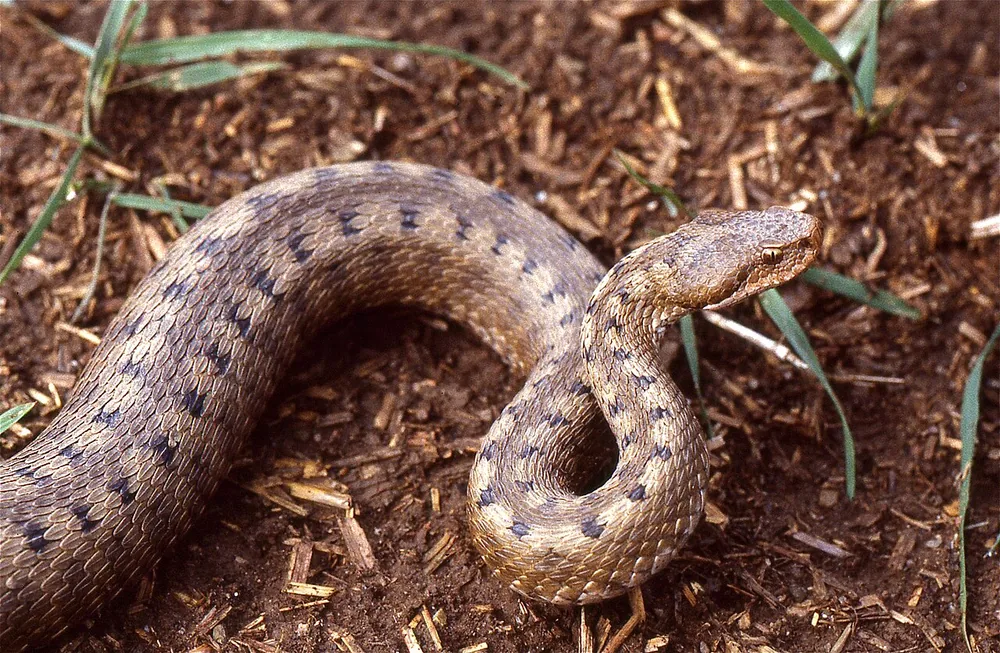
Scientific name: Vipera aspis · Group: reptile (snake) · Lives: hills and mountains of France, Switzerland, Italy and north-east Spain · Size: males up to 85 cm · Eats: small mammals and lizards · IUCN status: Vulnerable (2024 assessment)
In the Pyrenees it lives above 2,100 m. It is a European viper, not the “asp” of Cleopatra’s story.
33. African bullfrog
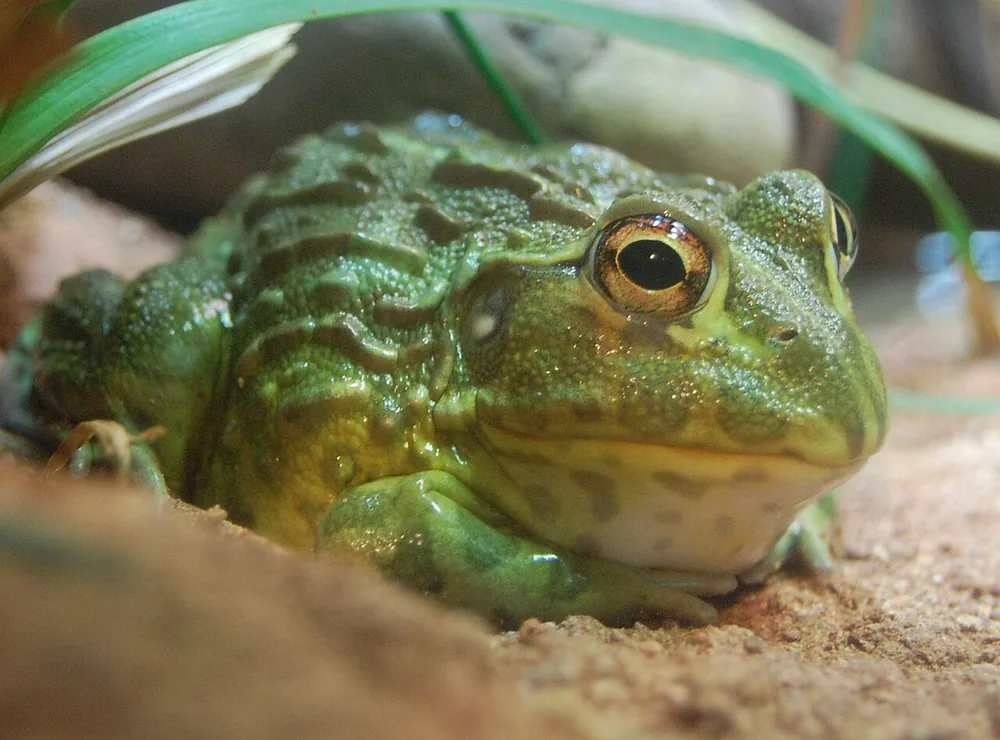
Scientific name: Pyxicephalus adspersus · Group: amphibian (frog) · Lives: savannas and dry grasslands of southern and eastern Africa · Size: up to 24.5 cm long and about 1.4 kg · Eats: insects, mice, other frogs and almost anything it can swallow · IUCN status: Least Concern
In the dry season it buries itself and forms a cocoon that stops it drying out.
34. Axolotl
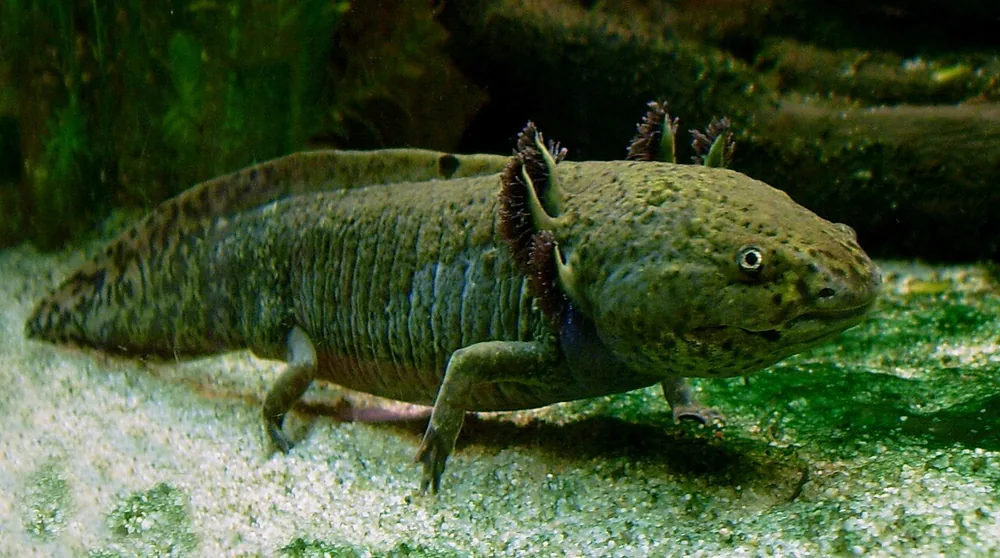
Scientific name: Ambystoma mexicanum · Group: amphibian (salamander) · Lives: canals of Lake Xochimilco in Mexico City; worldwide as pets and in labs · Size: 15–45 cm, usually about 23 cm · Eats: worms, insect larvae and small fish · IUCN status: Critically Endangered
It stays a “forever tadpole” (neoteny), keeping its feathery external gills for life. It can regrow limbs, gills and parts of its eyes and brain. Pale pink axolotls are mostly pets.
Sea animals and fish that start with A
Not every animal in the sea is a fish: the first entry is a relative of jellyfish.
35. Anemone (beadlet anemone)
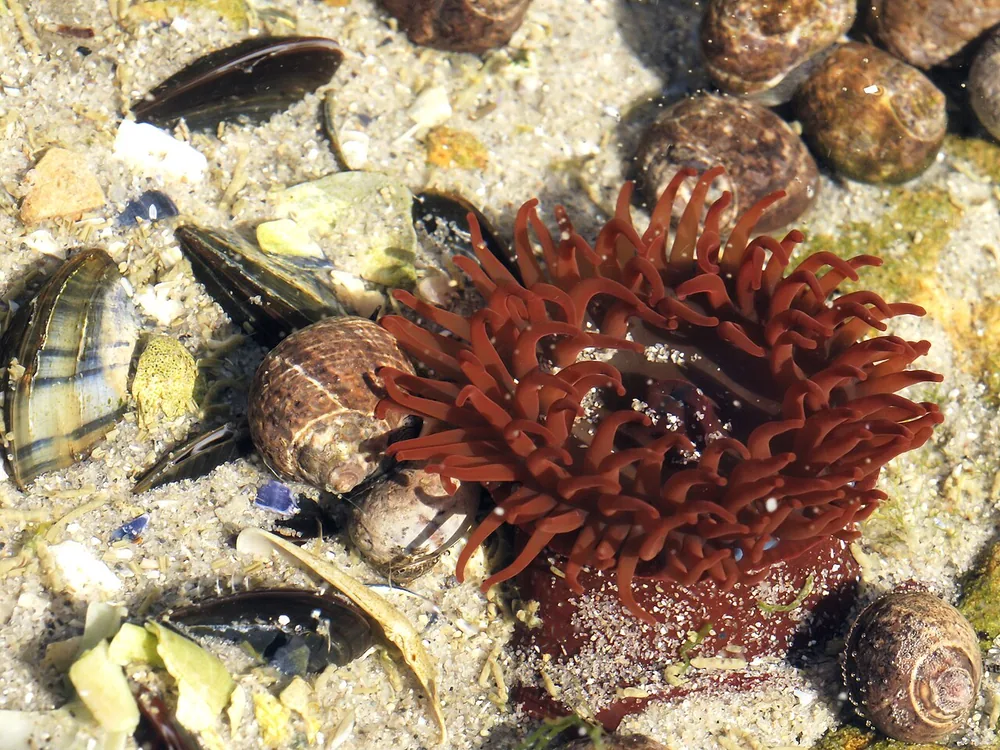
Scientific name: Actinia equina · Group: cnidarian (sea anemone) · Lives: rocky shores and rock pools of the north-east Atlantic, including the UK · Eats: small animals caught with stinging tentacles · IUCN status: Least Concern
It is an animal, not a plant, and a relative of jellyfish. At low tide it pulls in its tentacles and looks like a red jelly blob.
36. Anemonefish (clownfish)
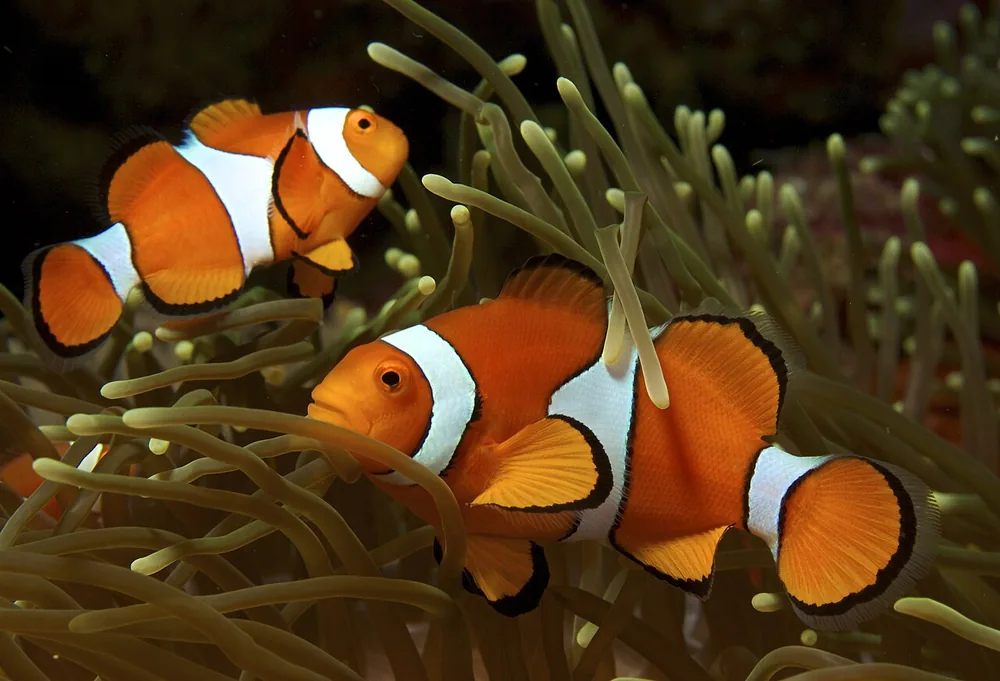
Scientific name: Amphiprion ocellaris · Group: fish · Lives: coral reefs of the eastern Indian Ocean and western Pacific · Size: up to about 11 cm · Eats: plankton and algae · IUCN status: Least Concern
It lives among anemone tentacles and is protected by a coat of mucus. All start life as males, and the dominant fish in a group can change into a female.
37. Angelfish (freshwater angelfish)
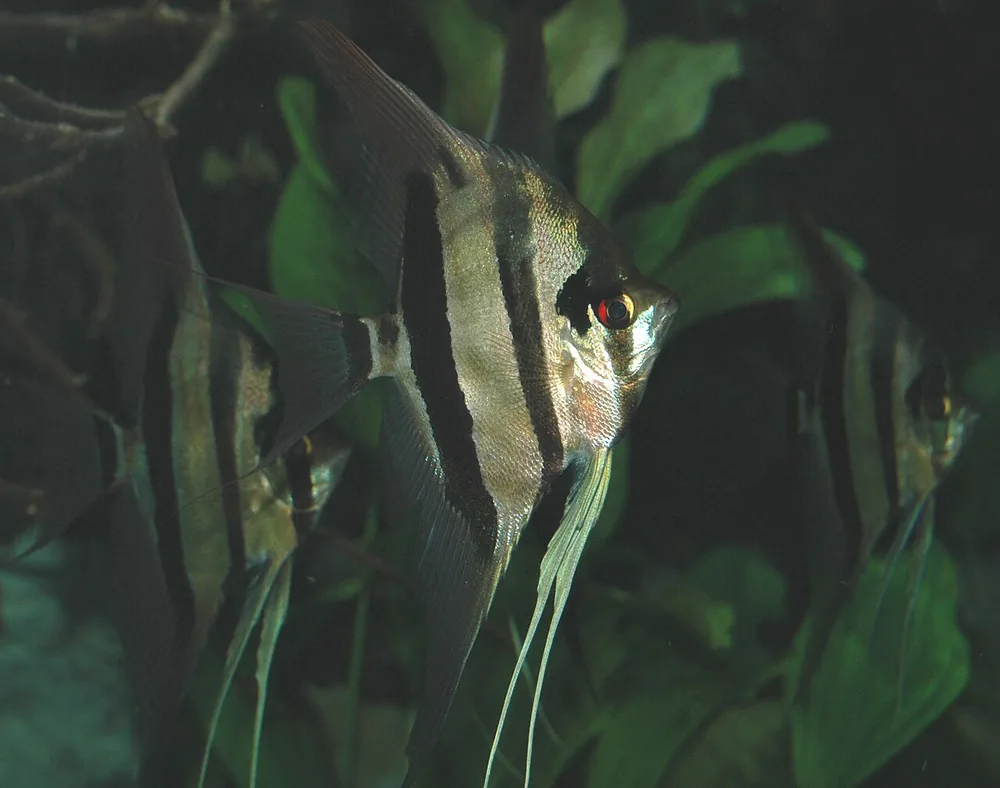
Scientific name: Pterophyllum scalare · Group: fish (cichlid) · Lives: slow rivers of the Amazon Basin in Peru, Colombia and Brazil · Eats: small invertebrates and small fish · IUCN status: Least Concern
A cichlid, not related to the marine angelfish. Its tall, flat body helps it hide among plants, and it is a popular aquarium fish.
38. Anglerfish (monkfish)
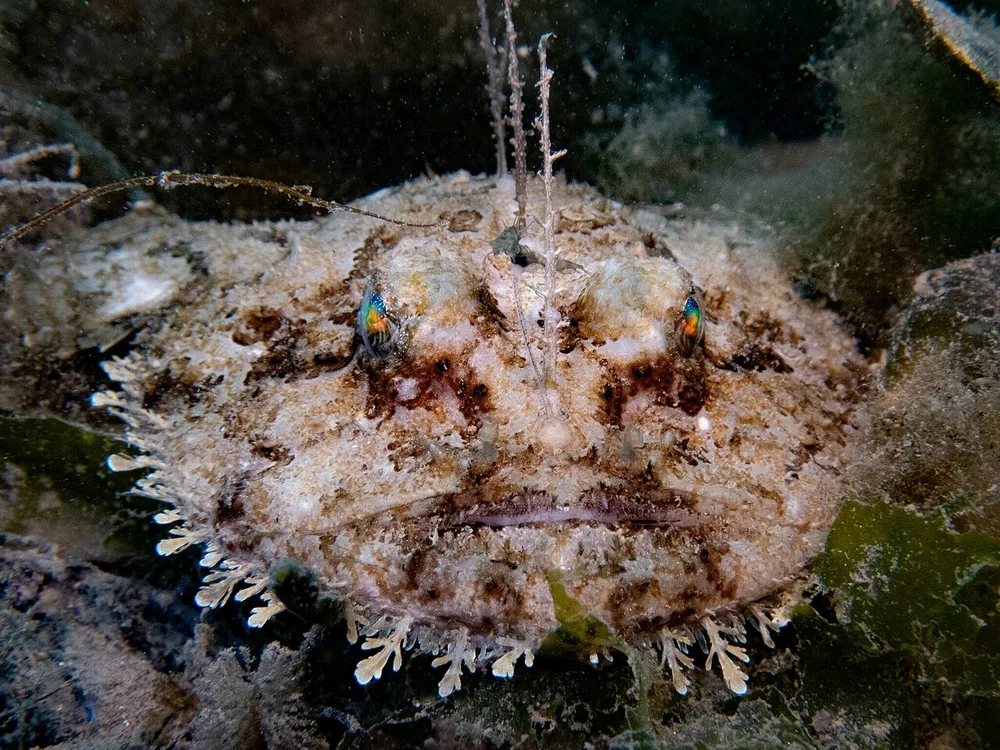
Scientific name: Lophius piscatorius · Group: fish · Lives: seabed of the north-east Atlantic, the Mediterranean and the Black Sea · Size: males mature at about 40 cm and can grow much larger · Eats: fish lured close to its huge mouth · IUCN status: Least Concern
The first spine on its back is a “fishing rod” (the illicium) tipped with a lure. It is sold as “monkfish” in UK shops.
39. Arapaima
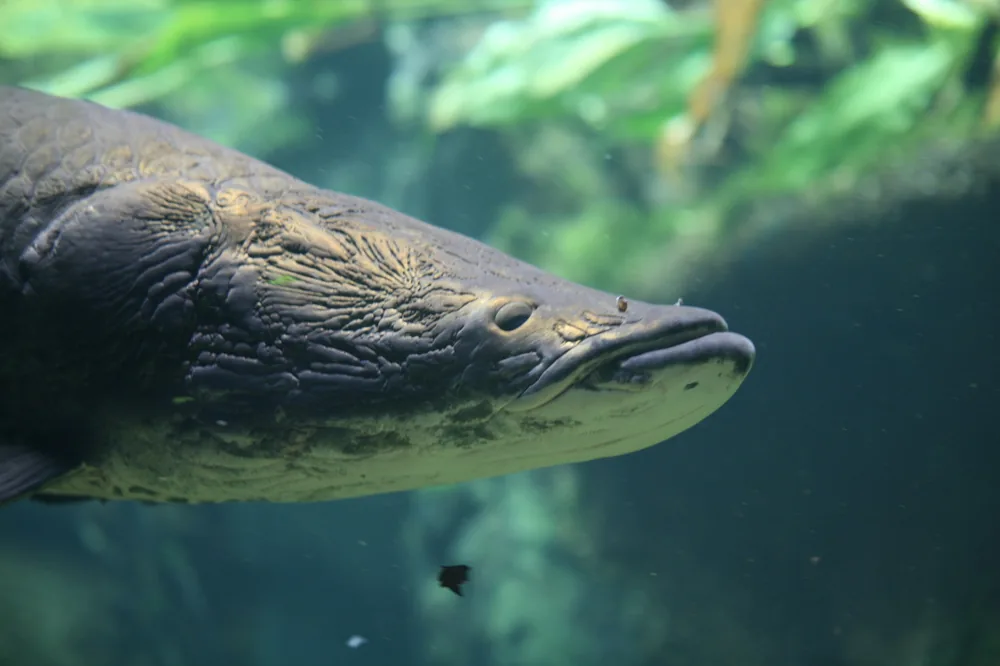
Scientific name: Arapaima gigas · Group: fish · Lives: rivers and flooded forests of the Amazon Basin · Size: commonly about 2 m; up to 200 kg · Eats: fish · IUCN status: Data Deficient (old assessment, 1996)
One of the largest freshwater fish. It must surface to gulp air every 5–15 minutes.
40. Archerfish (banded archerfish)
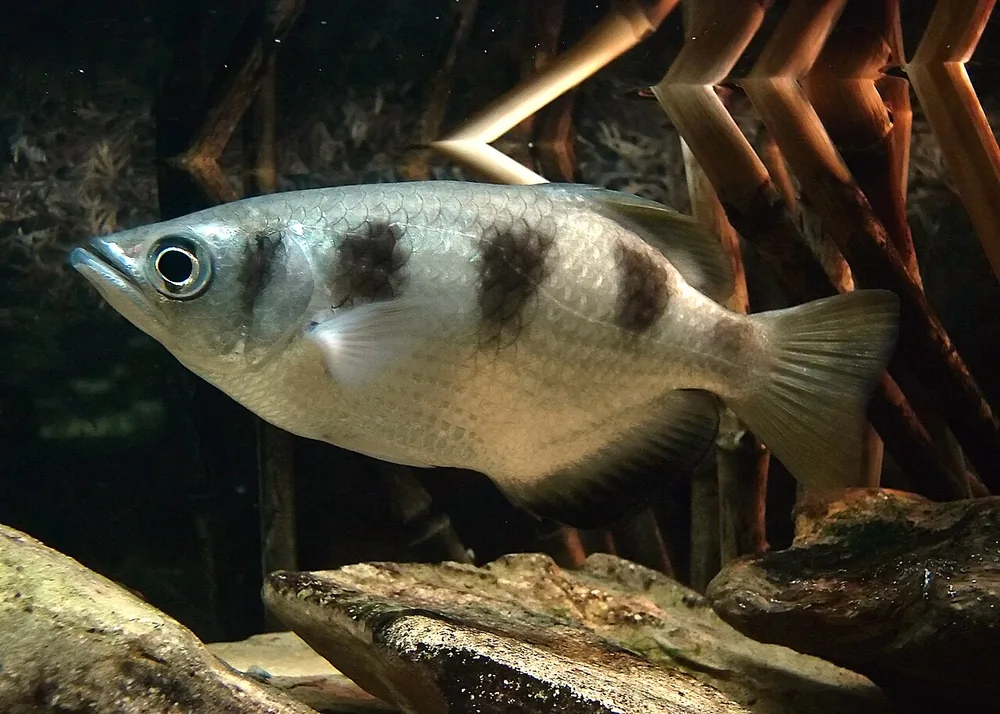
Scientific name: Toxotes jaculatrix · Group: fish · Lives: mangroves and estuaries from India to the western Pacific and northern Australia · Size: usually about 20 cm, up to 30 cm · Eats: insects, plus plants · IUCN status: Least Concern
It spits a jet of water to knock insects off leaves. Most shots hit targets about 1.5 m away, and large fish can manage 2–3 m.
41. Atlantic bluefin tuna
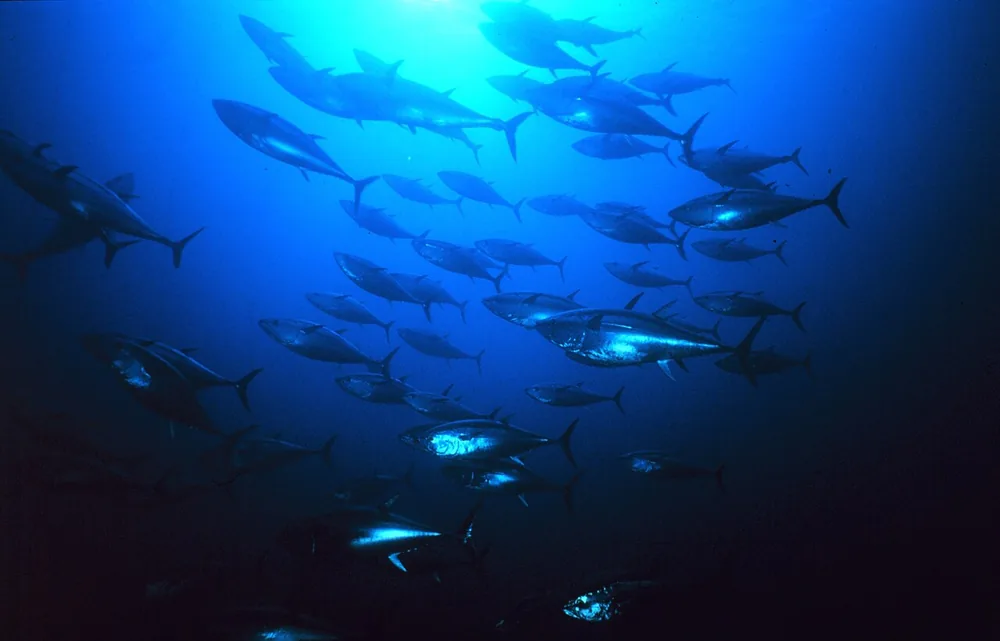
Scientific name: Thunnus thynnus · Group: fish · Lives: open Atlantic Ocean and Mediterranean Sea · Size: recorded up to 680 kg; the IGFA record is 679 kg and 3.84 m · Eats: smaller fish and squid · IUCN status: Least Concern (2021 assessment)
One of the largest bony fish. Countercurrent heat exchange keeps its core muscles warmer than the sea around it. Meet more in our guide to amazing marine fish.
Insects and other invertebrates that start with A
Invertebrates are animals without a backbone. The scorpion below is not an insect but an arachnid.
42. Ant (red wood ant)
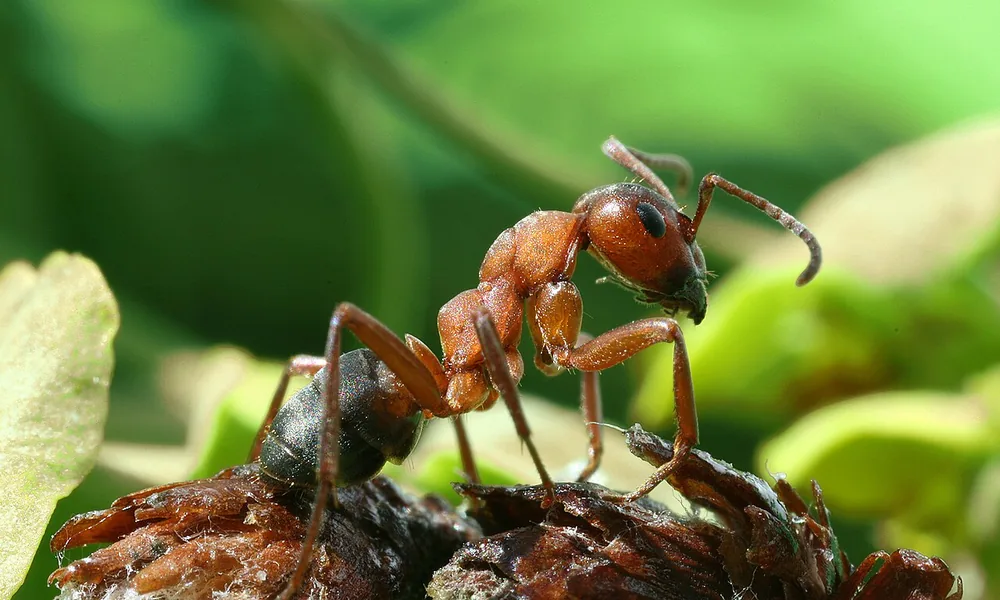
Scientific name: Formica rufa · Group: insect · Lives: woodland across Europe, including Britain · Size: workers 4.5–9 mm · Eats: other insects and honeydew from aphids · IUCN status: Near Threatened (old assessment, 1996)
It builds big dome-shaped mounds from twigs and pine needles, and sprays formic acid in defence. It stands in here for the thousands of ant species that start with A.
43. Aphid (pea aphid)
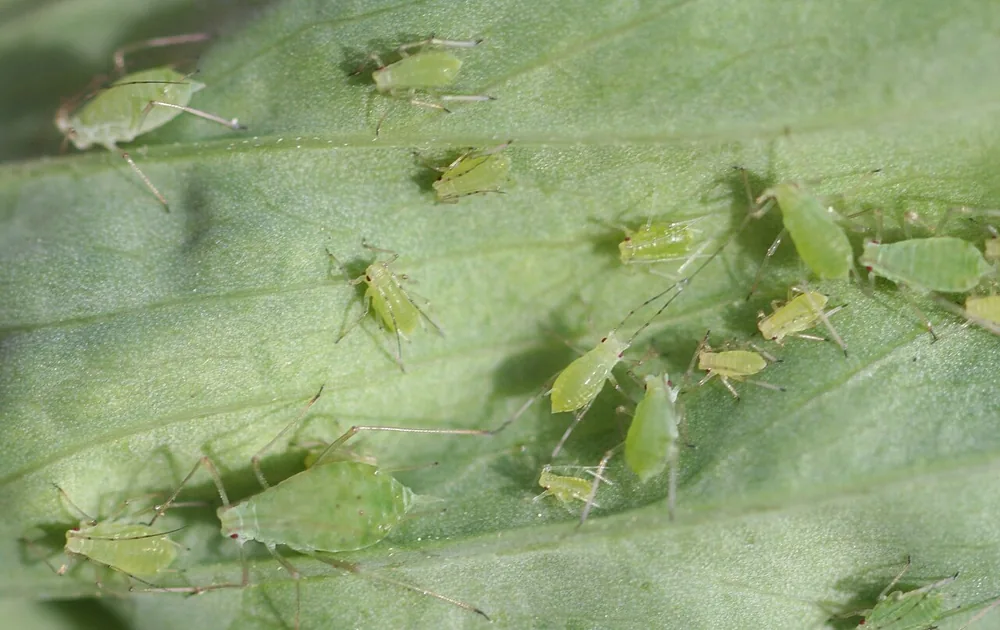
Scientific name: Acyrthosiphon pisum · Group: insect (true bug) · Lives: pea, clover and bean fields in temperate climates worldwide · Eats: plant sap · IUCN status: Not evaluated
In spring and summer the females give birth to live young without mating, which is called parthenogenesis. Males appear only in autumn.
44. Atlas moth
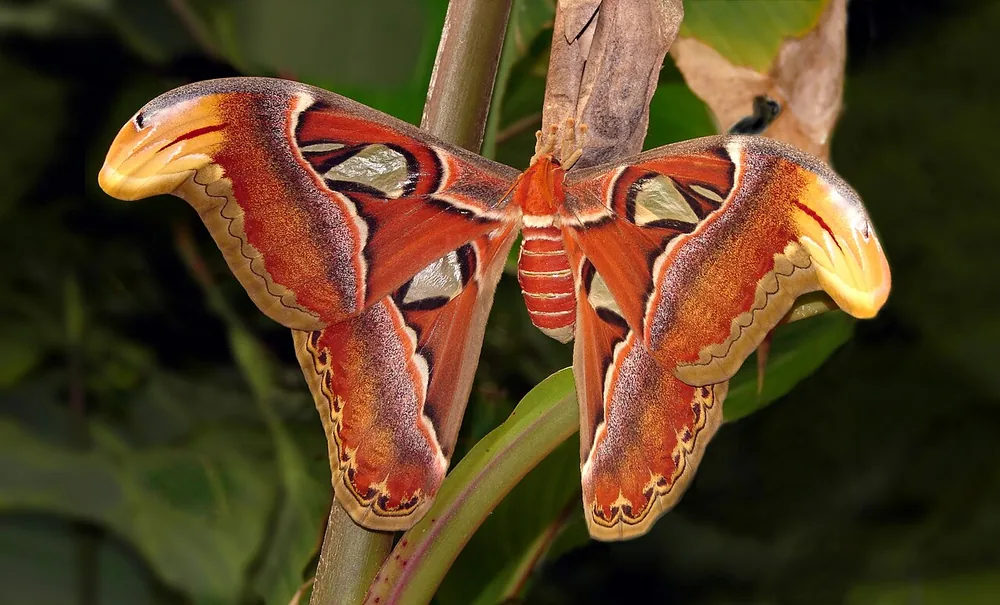
Scientific name: Attacus atlas · Group: insect (moth) · Lives: tropical forests of South and South-East Asia · Size: wingspan often 25–30 cm · Eats: caterpillars eat leaves; adults do not eat · IUCN status: Not evaluated
One of the largest moths in the world. Adults have no working mouthparts and live on the fat stored by the caterpillar, so they survive only about one to two weeks.
45. Army ant
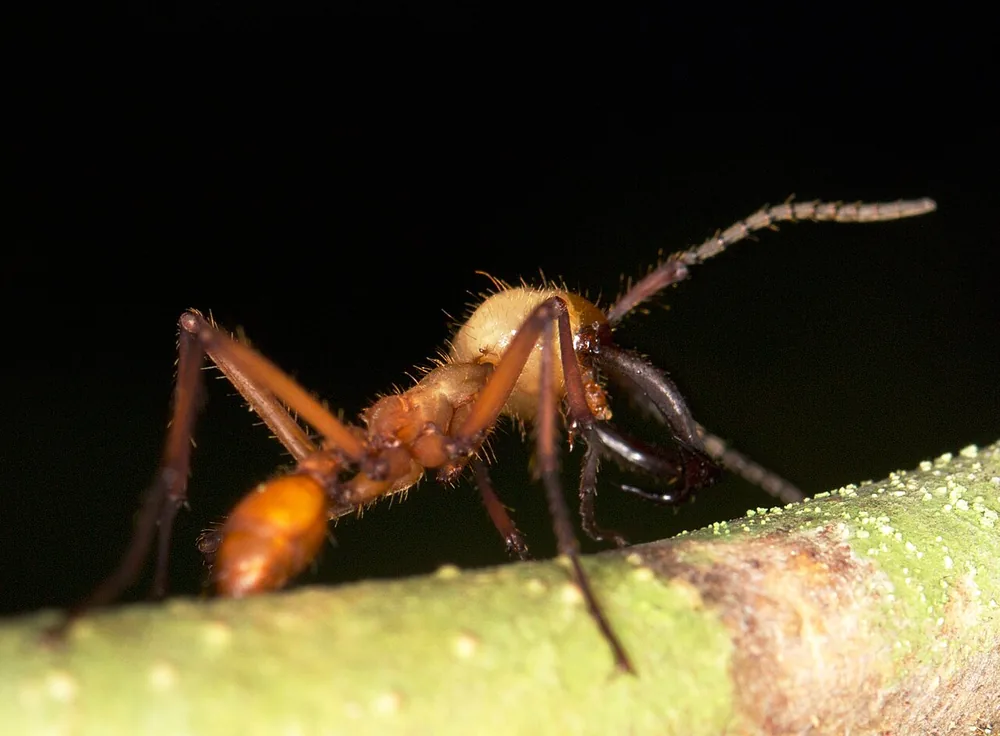
Scientific name: Eciton burchellii · Group: insect · Lives: rainforests of Central and South America · Size: workers 3–12 mm; colonies of 100,000–600,000 adults · Eats: insects and other small animals caught in raids · IUCN status: Not evaluated
It has no permanent nest. Workers link their legs to build a living nest, called a bivouac, out of their own bodies. Antbirds follow the raids to catch the insects that flee.
46. Arizona bark scorpion
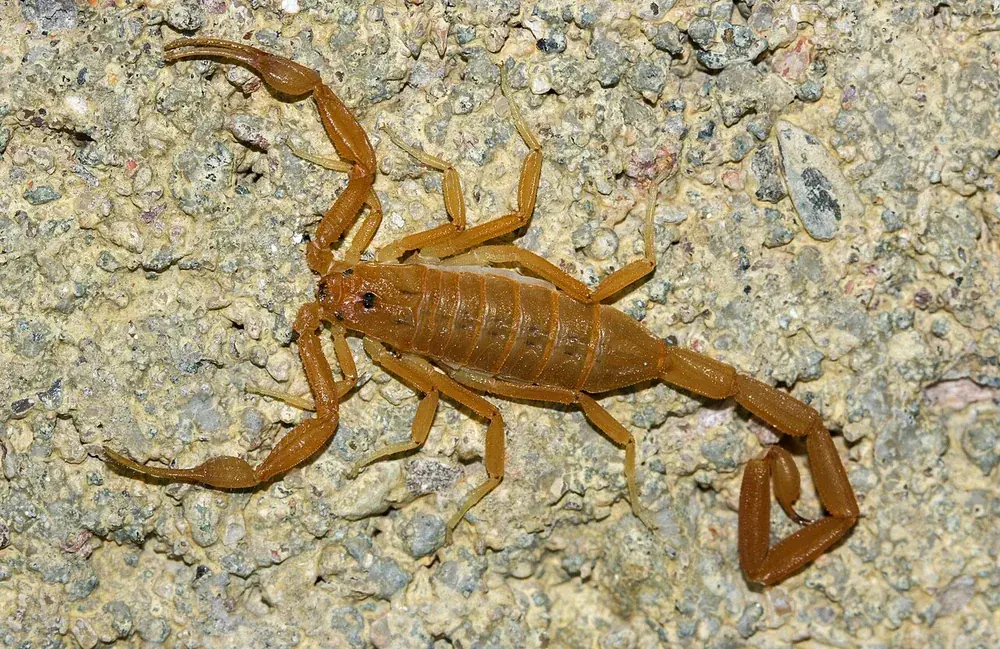
Scientific name: Centruroides sculpturatus · Group: arachnid (scorpion) · Lives: deserts of the south-western USA and north-west Mexico · Size: males up to about 8 cm · Eats: insects and spiders · IUCN status: Not evaluated
The most venomous scorpion in the United States, with a very painful sting. Like most scorpions it glows under ultraviolet light. It is an arachnid, not an insect; for the difference see insects and other animals.
Extinct animals that start with A
All four animals featured here have died out, so we show fossils, a skeleton and a museum cast.
47. Archaeopteryx
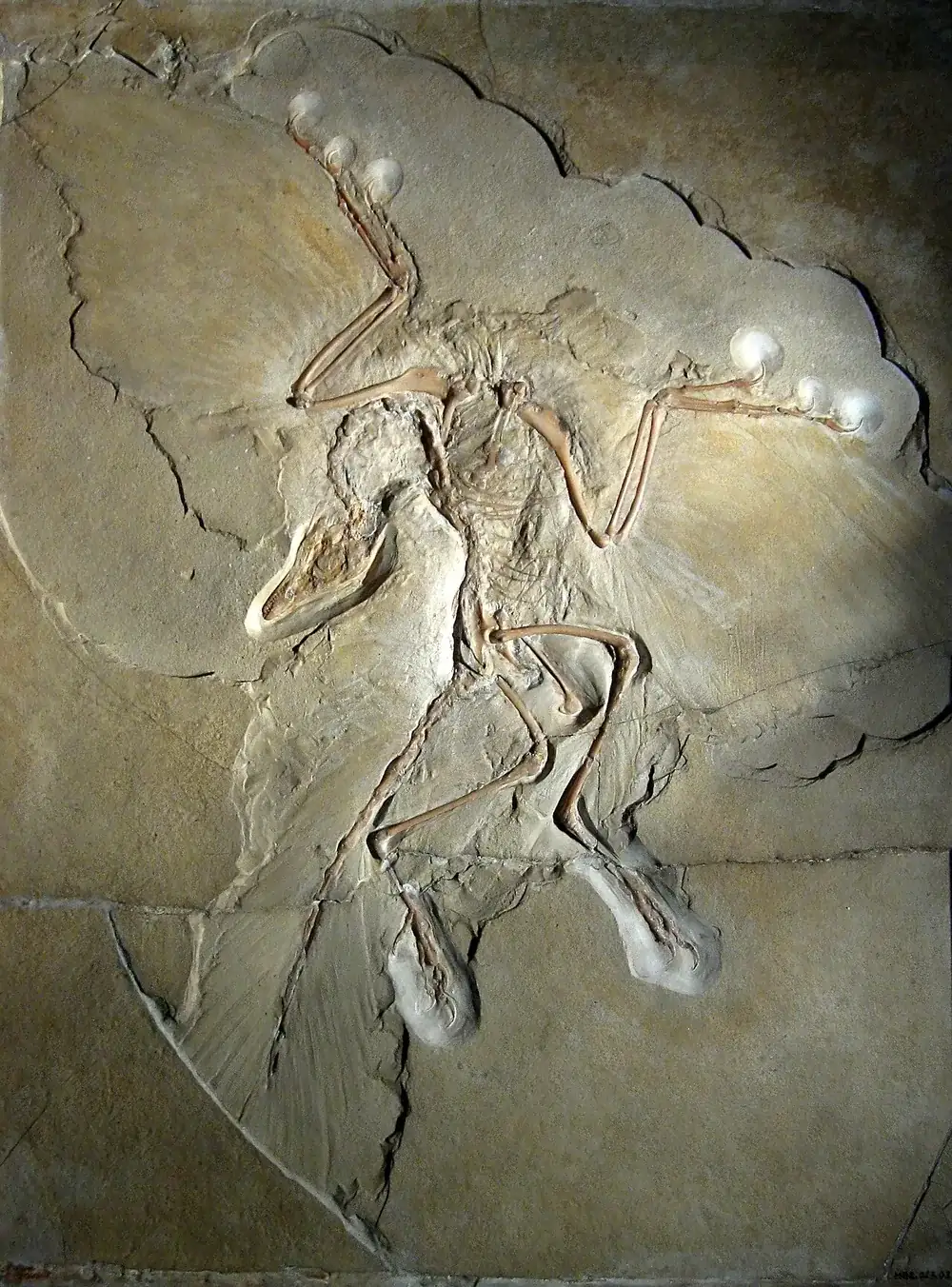
Scientific name: Archaeopteryx lithographica · Group: extinct bird-like dinosaur · Lives: Late Jurassic islands in what is now Bavaria, Germany · Size: magpie- to raven-sized; the largest about 50 cm long · Eats: probably insects and small animals · Status: extinct (known from fossils; not assessed by the IUCN; about 150 million years old)
Feathered wings plus teeth, claws and a bony tail make it a famous link between dinosaurs and birds. Our Archaeopteryx article explains the debate.
48. Aurochs
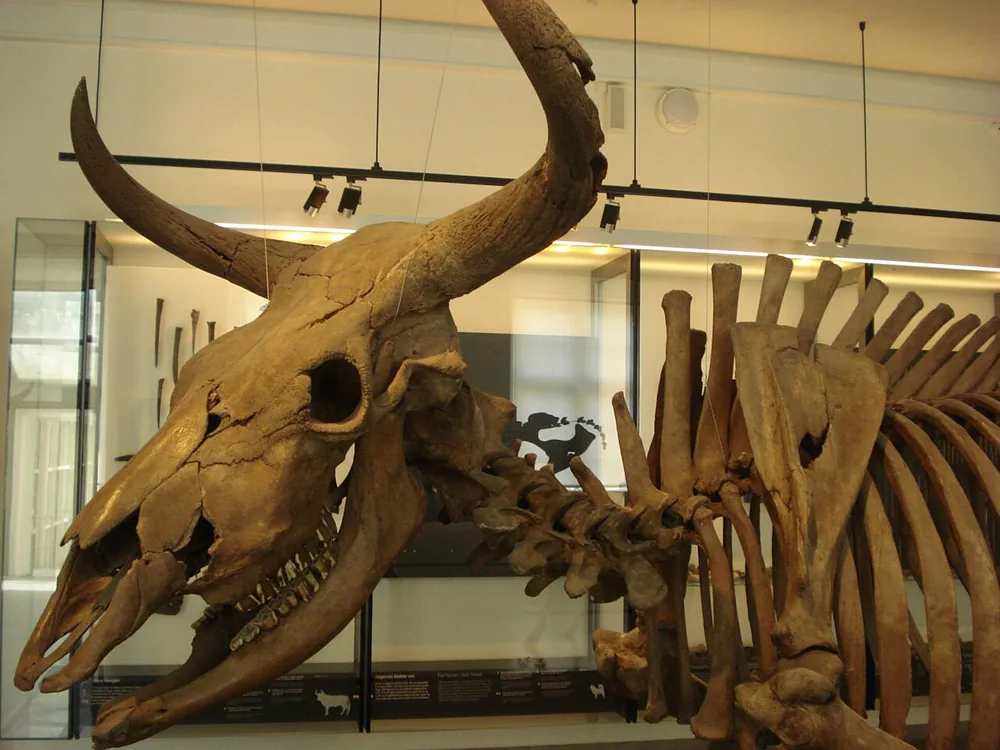
Scientific name: Bos primigenius · Group: extinct mammal (wild cattle) · Lives: forests and grasslands of Europe, Asia and North Africa · Size: bulls about 1.6–1.8 m at the shoulder; horns up to 80 cm · Eats: grass and leaves · Status: extinct (last one died in 1627; IUCN lists it as Extinct)
The wild ancestor of domestic cattle. The last known aurochs, a cow, died in Jaktorów Forest, Poland, in 1627.
49. Ammonite
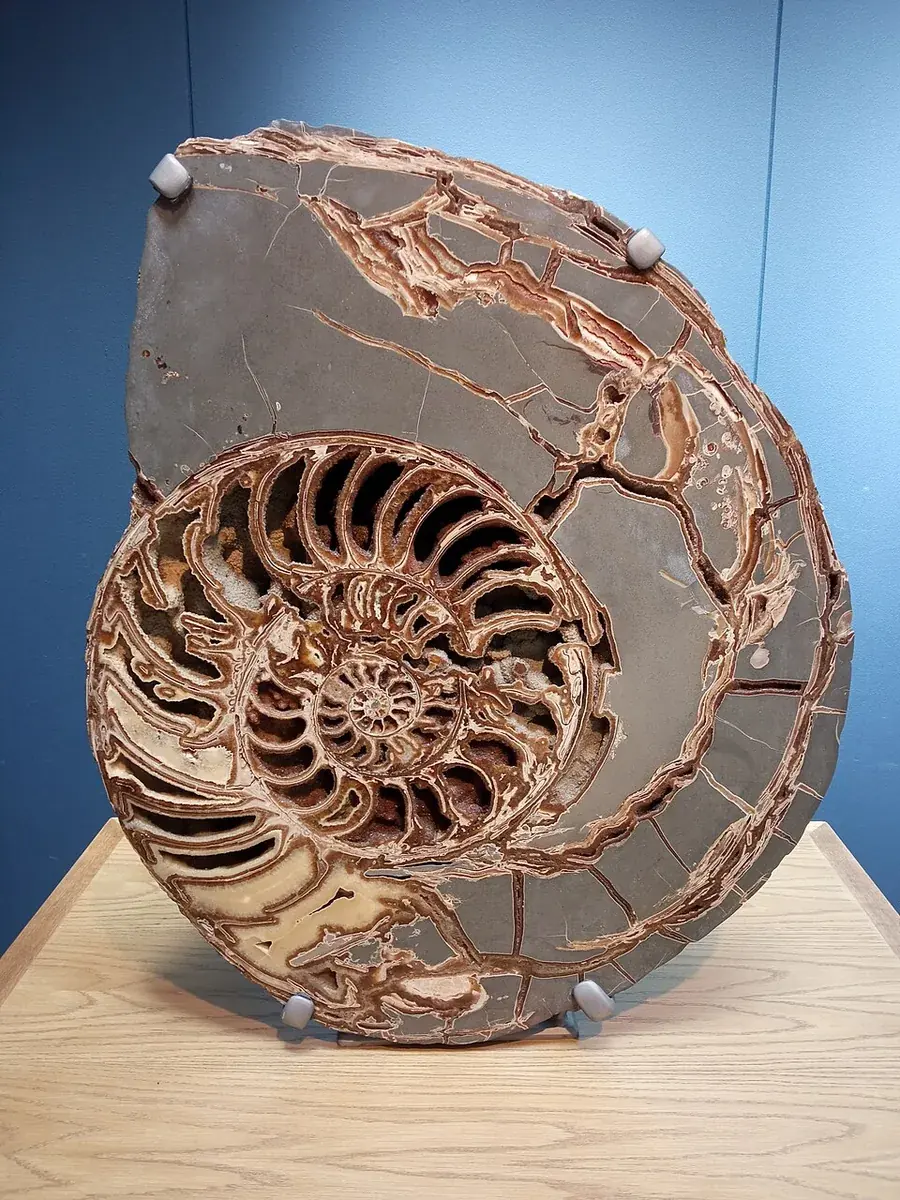
Scientific name: Ammonoidea (a subclass, not one species) · Group: extinct mollusc (cephalopod) · Lives: ancient seas worldwide · Size: most a few centimetres across; the largest about 1.4–1.8 m · Eats: probably plankton and small animals · Status: extinct (known from fossils; not assessed by the IUCN; died out about 66 million years ago)
Relatives of squid, octopuses and nautiluses, with coiled shells. They appeared about 410 million years ago and died out with the dinosaurs about 66 million years ago, in one of the five mass extinctions.
50. Allosaurus
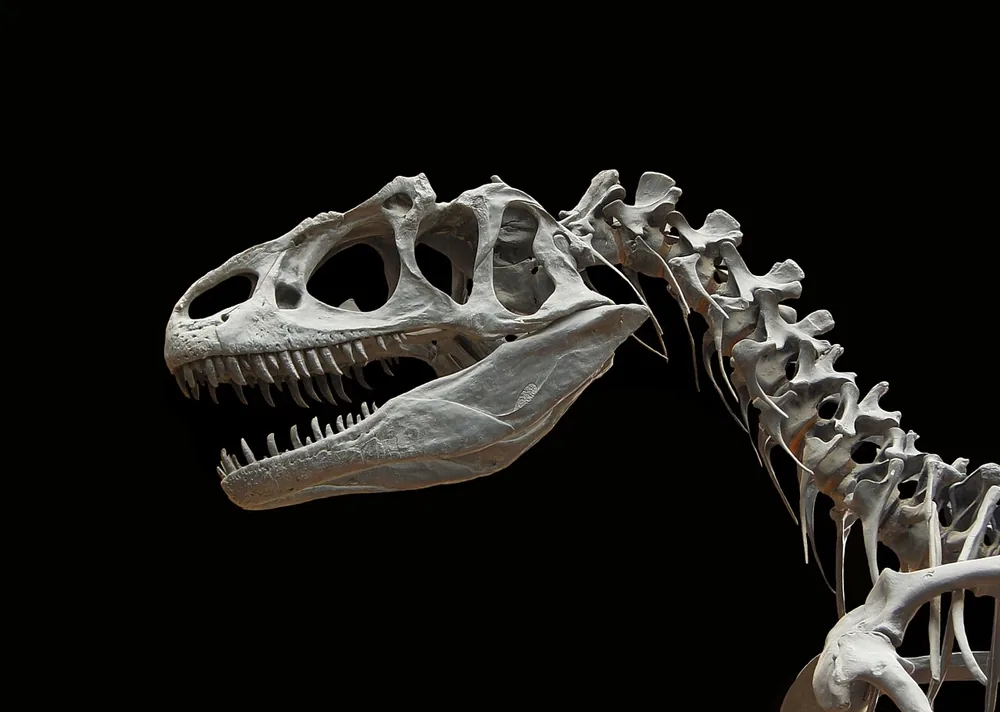
Scientific name: Allosaurus fragilis · Group: extinct reptile (dinosaur) · Lives: Late Jurassic North America (Morrison Formation) and Portugal · Size: about 7–9 m long; 1.7–2.7 t · Eats: meat, mainly large plant-eating dinosaurs · Status: extinct (known from fossils; not assessed by the IUCN; lived 155–143 million years ago)
The top predator of its time, living millions of years before Tyrannosaurus rex.
More animals that start with A
- Agouti (Dasyprocta punctata): Buries seeds to eat later and forgets some, which helps new trees grow.
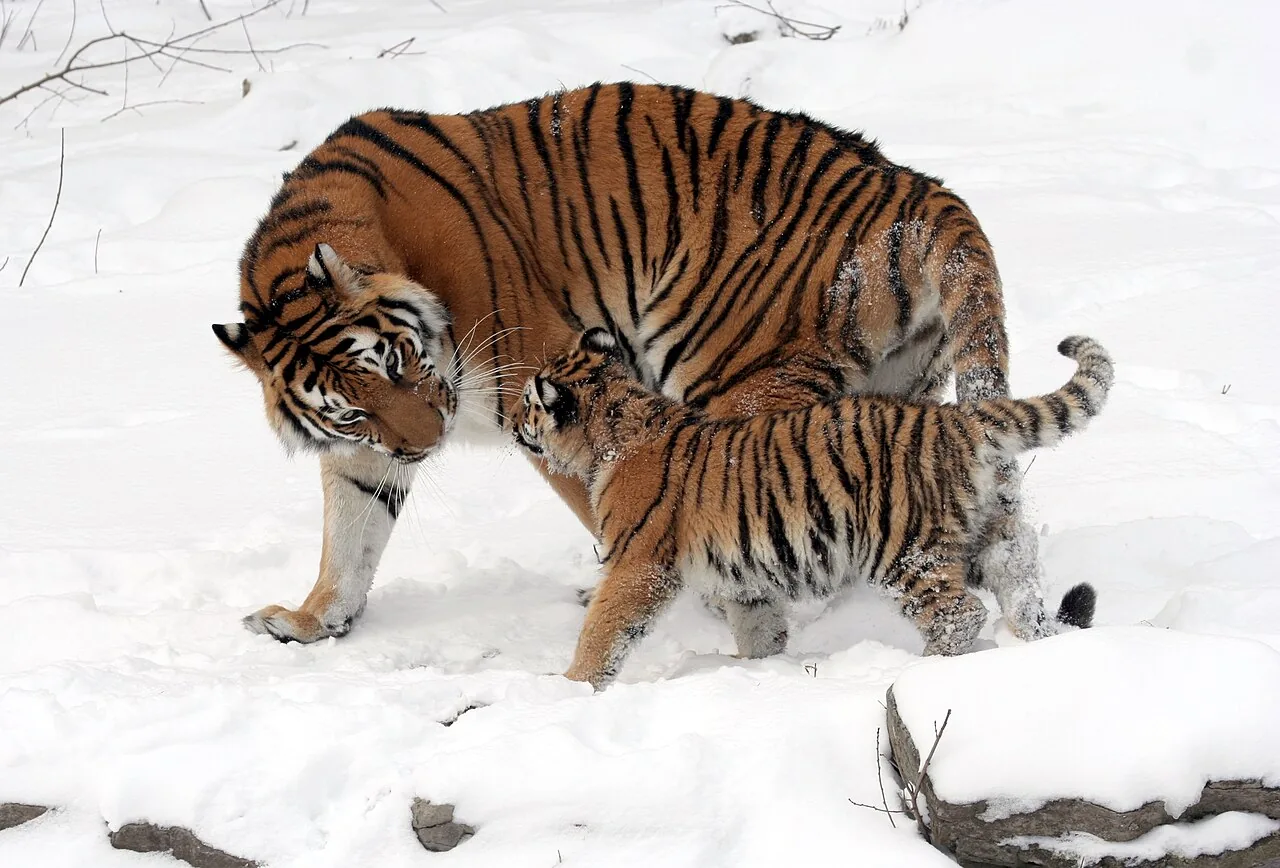
- Amur (Siberian) tiger (Panthera tigris altaica): At least 750 live in Russia including cubs (Amur Tiger Center, 2023), and wild males average about 176 kg. It is the tiger in our main photo.
- American black bear (Ursus americanus): The most widespread bear in North America; its fur can be black, brown, cinnamon or even white.
- Arabian camel (dromedary) (Camelus dromedarius): The single hump is made of fat, not water, and males weigh 400–690 kg.
- Arctic hare (Lepus arcticus): Hares in the far north stay white all year.
- Abyssinian ground hornbill (Bucorvus abyssinicus): A turkey-sized hornbill, 90–110 cm long, that walks rather than flies to find food.
- Common agama (Agama agama): Dominant males have an orange-red head, a blue body and a yellow tail.
- Alpine newt (Ichthyosaura alpestris): Blue-grey on the back with a bright orange belly.
- American toad (Anaxyrus americanus): Warty skin with poison glands that make it taste bad to predators.
- Abalone (Haliotis (a genus of sea snails)): The shell is lined with shiny mother-of-pearl, and overharvesting and poaching threaten many species.
- European anchovy (Engraulis encrasicolus): A small schooling fish, up to 21 cm, that filters plankton.
- Atlantic salmon (Salmo salar): Hatches in rivers, grows at sea, then swims back upriver to spawn.
- Antlion (Myrmeleontidae (a family)): The larvae dig cone-shaped pits in sand to trap ants, and are called “doodlebugs” in North America.
- Apollo butterfly (Parnassius apollo): White wings with red eye-spots and a wingspan of 62–86 mm.
- Assassin bug (Reduviidae (a family)): An ambush predator that stabs prey with its beak; a few blood-sucking “kissing bugs” spread Chagas disease.
- Ankylosaurus (Ankylosaurus magniventris): An armoured plant-eater, 6–8 m long, with a bony tail club.
Pets and farm animals that start with A
Four well-known breeds also begin with A. Breeds are types of one species rather than separate species, so we keep them short.
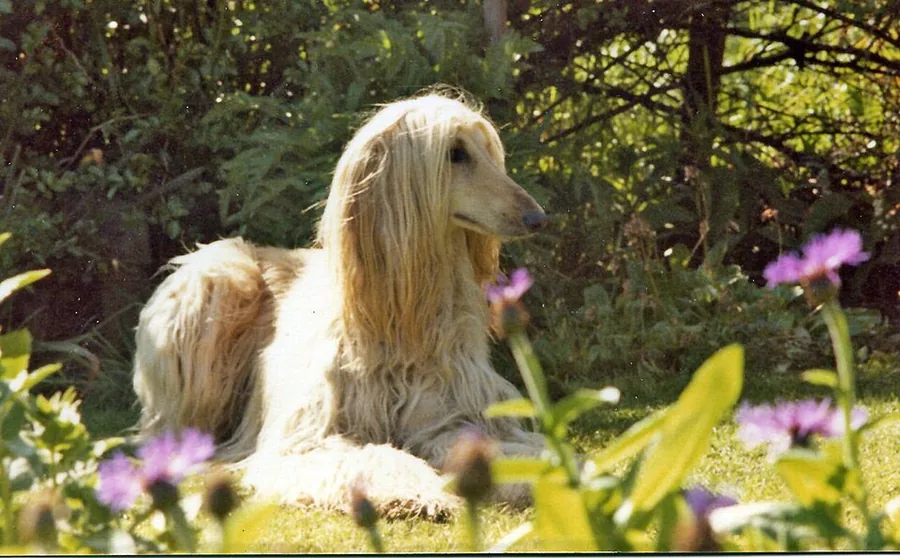
- Afghan hound: Long silky coat that once protected it from harsh mountain weather; it is a sighthound.
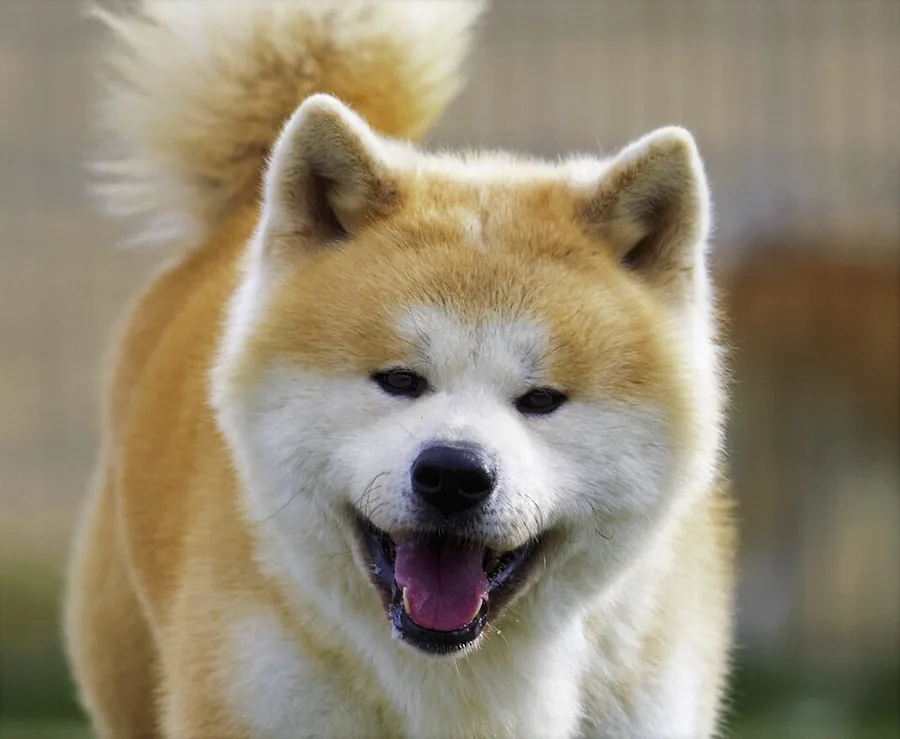
- Akita: Hachikō, the loyal Akita who waited at a Tokyo station for his owner, made the breed famous.
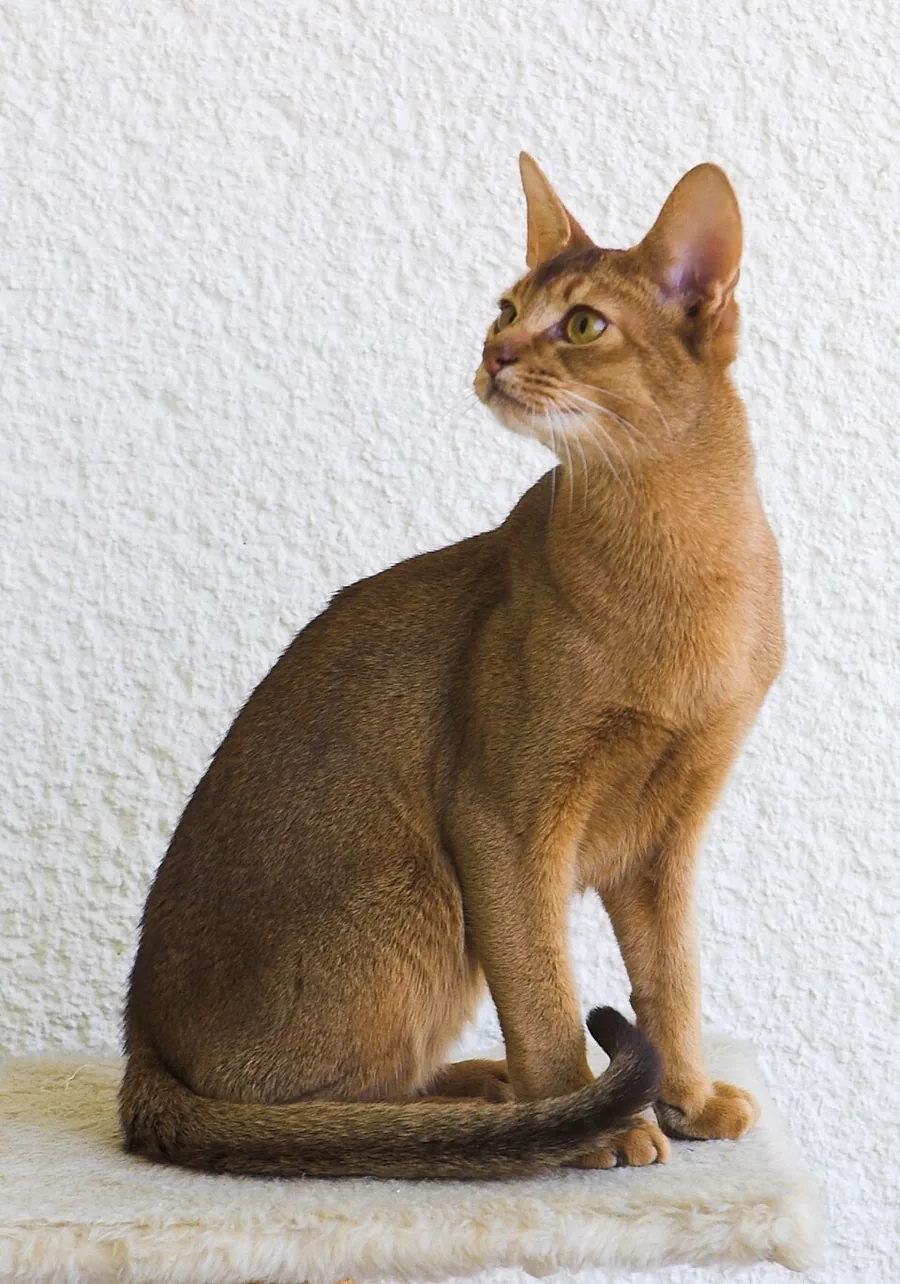
- Abyssinian cat: A “ticked” coat, with each hair banded in several colours, gives it a wildcat look.
- Ankole-Watusi cattle: The breed with the largest horn circumference of any cattle.
Biggest, fastest, rarest and most dangerous animals that start with A
These records come from reliable sources, and where an A animal does not hold a record, we say so.
Biggest animals that start with A
The biggest is the African bush elephant, the largest living land animal. Bulls weigh 5.2–6.9 tonnes. The wandering albatross has the largest wingspan of any living bird, at a record 3.63 m. The green anaconda is the heaviest snake, with the biggest verified female weighing 97.5 kg and measuring 5.21 m. The biggest fish on our list is the Atlantic bluefin tuna, at up to 680 kg.
Fastest and farthest animals that start with A
No animal that starts with A holds the overall speed record. The fastest A runner on our list is the African wild dog, with a top speed of about 68 km/h (42 mph), though chases are usually slower. The American bison can run at up to 55 km/h (35 mph). For the real record holders, read about the fastest animals on the planet. The farthest traveller, however, starts with A: the Arctic tern flies about 70,900 km a year.
Rarest animals that start with A
The Amur leopard is one of the rarest big cats, with about 130 mature individuals according to the IUCN in 2023. The addax and the axolotl are also Critically Endangered. The Arabian oryx was the first animal to move back from Extinct in the Wild to Vulnerable. For the bigger picture, read about the extinction crisis.
Most dangerous animals that start with A
The Arizona bark scorpion is the most venomous scorpion in the United States. The adder is the UK’s only venomous snake, but its bite is rarely serious, and 14 deaths have been recorded in Britain since 1876. National Park Service rangers say American bison have injured more people in Yellowstone than any other animal, so they advise staying 25 yards (23 m) away. Give alligators and elephants space too.
Cutest animals that start with A
This is opinion, but our favourites are the axolotl with its “smile”, the Arctic fox, the alpaca, the Adélie penguin and the Atlantic puffin. The aye-aye is the “so ugly it’s cute” choice.
Animals that start with A for kids and preschool
Here are ten easy animals that start with A. Read them aloud, then draw your favourite.
- Ant: An ant is a small insect that lives in a big group called a colony.
- Alligator: An alligator is a big reptile with a wide snout and strong jaws.
- Alpaca: An alpaca is a fluffy animal that is kept for its soft wool.
- Arctic fox: The Arctic fox grows a thick white coat to stay warm in the snow.
- Axolotl: An axolotl is a smiling salamander that keeps its feathery gills all its life.
- Anteater: An anteater has a long sticky tongue for licking up ants.
- Albatross: An albatross is a seabird with huge wings that glides over the ocean.
- Armadillo: An armadillo has a bony shell that looks like armour.
- Aardvark: An aardvark digs for termites and has a name that means “earth pig”.
- Adélie penguin: The Adélie penguin lives in Antarctica and eats krill.
Now go outdoors and tick the animals you spot; your ticks are remembered in your browser. The habitats worksheet helps you record where each one lives.
A animals you might spot in the UK
- Adder
- Atlantic puffin
- Avocet
- Beadlet anemone
- Red wood ant
- Aphid
- Atlantic salmon
Fun facts about animals that start with A
Can you guess the animal from the clue? Tap a card to flip it.
All 70 animals that start with A: summary table
Every animal in this guide, in alphabetical order.
| Animal | Group | Habitat | IUCN status |
|---|---|---|---|
| Aardvark | Mammal | African savannas and woodlands | Least Concern |
| Aardwolf | Mammal | Dry grassland, eastern and southern Africa | Least Concern |
| Abalone | Mollusc | Rocky coasts, most oceans | Varies (20 of 54 species threatened) |
| Abyssinian cat | Domestic cat breed | Homes worldwide | Domestic breed |
| Abyssinian ground hornbill | Bird | African savannas | Vulnerable |
| Addax | Mammal | Sahara Desert | Critically Endangered |
| Adder | Reptile | Heaths and woodland edges, Europe | Least Concern |
| Adélie penguin | Bird | Antarctic coast and sea ice | Least Concern |
| Afghan hound | Domestic dog breed | Homes worldwide | Domestic breed |
| African bullfrog | Amphibian | Southern and eastern African savannas | Least Concern |
| African bush elephant | Mammal | Sub-Saharan Africa | Endangered |
| African fish eagle | Bird | Lakes and rivers, Africa | Least Concern |
| African grey parrot | Bird | West and Central African rainforest | Endangered |
| African wild dog | Mammal | African savannas | Endangered |
| Agama (common) | Reptile | Sub-Saharan Africa | Least Concern |
| Agouti | Mammal | Forests, Central and South America | Least Concern |
| Akita | Domestic dog breed | Homes worldwide | Domestic breed |
| Albatross (wandering) | Bird | Southern Ocean | Vulnerable |
| Aldabra giant tortoise | Reptile | Aldabra Atoll, Seychelles | Vulnerable (old assessment) |
| Alligator (American) | Reptile | Swamps and rivers, south-eastern USA | Least Concern |
| Alligator snapping turtle | Reptile | Rivers, south-eastern USA | Endangered |
| Allosaurus | Extinct reptile (dinosaur) | Late Jurassic North America | Extinct (fossil; not IUCN-assessed) |
| Alpaca | Mammal | Farms; Andean origin | Domesticated (not assessed) |
| Alpine ibex | Mammal | Rocky slopes, European Alps | Least Concern |
| Alpine newt | Amphibian | Ponds and forests, central Europe | Least Concern |
| American bison | Mammal | North American grasslands | Near Threatened |
| American black bear | Mammal | North American forests | Least Concern |
| American flamingo | Bird | Lagoons, Caribbean and Americas | Least Concern |
| American toad | Amphibian | Gardens and forests, eastern North America | Least Concern |
| Ammonite | Extinct mollusc | Ancient seas | Extinct (fossil; not IUCN-assessed) |
| Amur (Siberian) tiger | Mammal | Forests, Russian Far East and China | Endangered (tiger species) |
| Amur leopard | Mammal | Forests, Russian Far East and China | Critically Endangered (old assessment) |
| Anaconda (green) | Reptile | Swamps and rivers, South America | Least Concern |
| Anchovy (European) | Fish | Atlantic, Mediterranean and Black Sea | Least Concern |
| Andean condor | Bird | Andes and Pacific coast | Vulnerable |
| Anemone (beadlet) | Sea anemone | Rock pools, north-east Atlantic | Least Concern |
| Anemonefish (clown) | Fish | Coral reefs, Indo-Pacific | Least Concern |
| Angelfish (freshwater) | Fish | Amazon Basin rivers | Least Concern |
| Anglerfish (monkfish) | Fish | Seabed, north-east Atlantic | Least Concern |
| Anhinga | Bird | Swamps and rivers, Americas | Least Concern |
| Ankole-Watusi cattle | Domestic cattle breed | Farms; East African origin | Domestic breed |
| Ankylosaurus | Extinct reptile (dinosaur) | Late Cretaceous North America | Extinct (fossil; not IUCN-assessed) |
| Anole (green) | Reptile | South-eastern USA | Least Concern |
| Ant (red wood) | Insect | European woodland | Near Threatened (old assessment) |
| Anteater (giant) | Mammal | Grasslands and forests, South America | Vulnerable |
| Antlion | Insect | Dry sandy places | Not evaluated |
| Aphid (pea) | Insect | Crop fields, temperate regions | Not evaluated |
| Apollo butterfly | Insect | Mountain meadows, Europe and Asia | Least Concern |
| Arabian camel (dromedary) | Mammal | Deserts of Africa and Middle East | Domesticated (not assessed) |
| Arabian oryx | Mammal | Arabian deserts | Vulnerable |
| Arapaima | Fish | Amazon rivers | Data Deficient (old assessment) |
| Archaeopteryx | Extinct dinosaur | Late Jurassic Germany | Extinct (fossil; not IUCN-assessed) |
| Archerfish (banded) | Fish | Mangroves and estuaries, Asia and Australia | Least Concern |
| Arctic fox | Mammal | Arctic tundra | Least Concern |
| Arctic hare | Mammal | Arctic tundra | Least Concern |
| Arctic tern | Bird | Arctic breeder; Antarctic winterer | Least Concern |
| Arizona bark scorpion | Arachnid | Deserts, south-western USA | Not evaluated |
| Armadillo (nine-banded) | Mammal | Americas, forest to grassland | Least Concern |
| Army ant | Insect | Central and South American rainforest | Not evaluated |
| Asian elephant | Mammal | Forests, South and South-East Asia | Endangered |
| Asp viper | Reptile | Hills and mountains, western Europe | Vulnerable |
| Assassin bug | Insect | Worldwide | Not evaluated |
| Atlantic bluefin tuna | Fish | Atlantic Ocean and Mediterranean | Least Concern |
| Atlantic puffin | Bird | North Atlantic cliffs and sea | Vulnerable |
| Atlantic salmon | Fish | North Atlantic and rivers | Near Threatened |
| Atlas moth | Insect | Tropical forests, Asia | Not evaluated |
| Aurochs | Extinct mammal | Europe, Asia and North Africa | Extinct |
| Avocet (pied) | Bird | Coastal lagoons and mudflats | Least Concern |
| Axolotl | Amphibian | Lake Xochimilco, Mexico | Critically Endangered |
| Aye-aye | Mammal | Madagascar rainforest | Endangered |
IUCN key: Least Concern means the species is not at risk for now. Near Threatened means it may soon be threatened. Vulnerable, Endangered and Critically Endangered are the threatened categories, in rising order of risk. Data Deficient means too little is known, and “not evaluated” means never assessed. “Old assessment” dates from the 1990s or 2008.
Keep going through the alphabet: animals that start with B, animals that start with C, animals that start with D, animals that start with E, animals that start with F and animals that start with G.
Frequently asked questions about animals that start with A
What animal starts with A?
Many animals start with A, including the aardvark, alligator, alpaca, anteater, antelope, armadillo, albatross and axolotl. This guide lists 70, from mammals and birds to fish, insects and extinct species.
What is the biggest animal that starts with A?
The African bush elephant is the biggest animal that starts with A and the largest living land animal. Bulls weigh 5.2–6.9 tonnes, and the heaviest on record weighed about 10.4 tonnes.
What is the fastest animal that starts with A?
No animal that starts with A holds the overall speed record. The fastest A runner here is the African wild dog, at about 68 km/h (42 mph), while the American bison can run at up to 55 km/h (35 mph). The Arctic tern is the farthest traveller.
What is the rarest animal that starts with A?
The Amur leopard is one of the rarest. The IUCN estimated about 130 mature individuals in 2023, and it is Critically Endangered. The addax and the axolotl are also Critically Endangered, and very few addax remain in the wild.
What sea animals start with A?
Sea animals that start with A include the Atlantic bluefin tuna, anemonefish (clownfish), anglerfish, abalone, the European anchovy and the beadlet anemone. The Atlantic salmon also grows up at sea before swimming back to rivers to spawn.
What birds start with A?
Birds that start with A include the albatross, African grey parrot, African fish eagle, American flamingo, Andean condor, anhinga, Arctic tern, Atlantic puffin, avocet and Adélie penguin.
What is a cute animal that starts with A?
That is a matter of opinion, but popular choices are the axolotl with its permanent “smile”, the Arctic fox, the alpaca, the Adélie penguin and the Atlantic puffin.
Is an axolotl a fish?
No. An axolotl is an amphibian, a type of salamander. It looks fish-like because it keeps its feathery external gills for life.
What extinct animals start with A?
Extinct animals that start with A include Archaeopteryx, the aurochs, ammonites, Allosaurus and Ankylosaurus. The last aurochs died in Poland in 1627.