The main disadvantages of ceramic coating are a high upfront cost, extra paint preparation, no real protection against stone chips or deep scratches, the need for careful and skilled application, regular washing, possible water spots, and gradual wear from sunlight, friction and chemicals. None of these is a secret flaw, but each one has a scientific reason behind it.
Many pages on this topic come from firms that sell coatings, and few explain why a coating behaves as it does. This article does. We follow the three problems on the slides below (cost, scratches, and care and expertise) and add the chemistry and physics that explain them, from the silica network in the film to the energy carried by a photon of UV light.
What is a ceramic coating made of?
“Ceramic coating” is a trade label, not a chemical name. The products are silicon-based liquids, usually siloxane resins or polysilazanes, and some contain silica nanoparticles. Once brushed or wiped onto paint, the liquid cures into a very thin, hard, glass-like film that is rich in silica and bonded on top of the car’s clear coat. So “silica-based” or “glass-like” is a fairer description than “a layer of real ceramic armour”.
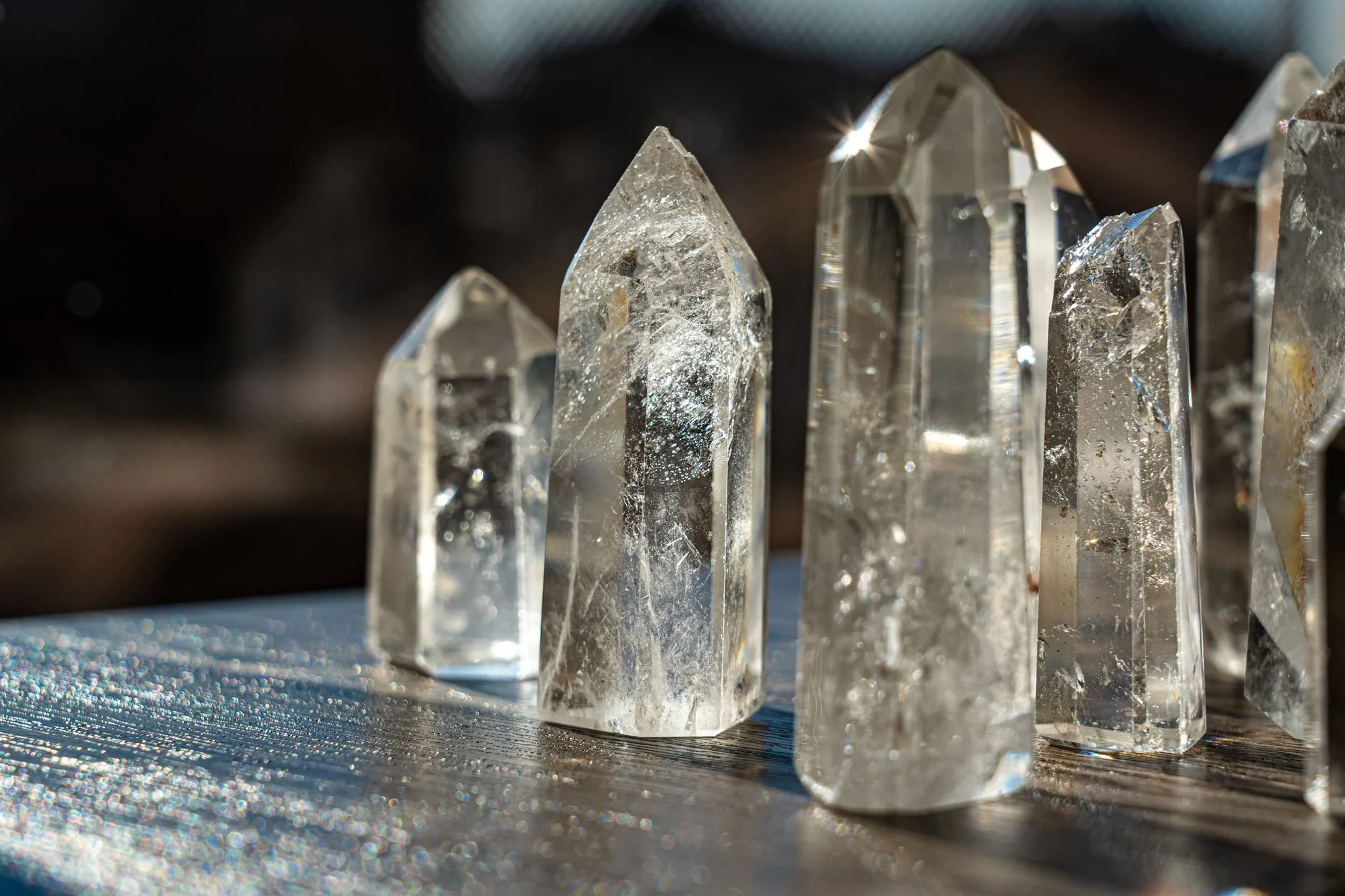
Silica is silicon dioxide, SiO₂, the same compound as quartz. It is a giant covalent structure: every silicon atom is bonded to four oxygen atoms, and every oxygen atom is bonded to two silicon atoms. That makes a continuous network of strong covalent bonds, so silica is hard, has a very high melting point (about 1,700 °C), does not dissolve in water and does not conduct electricity.
Those properties explain why makers choose silica for a protective film. They also explain a limit: strong bonds make a material hard, but a film only a tiny fraction of a millimetre thick cannot do much about a flying stone. We return to that idea in the next section. If silicon, silicone and silica are easily confused, our guide to silicon, silicone and silica sorts them out, and the covalent bonds lecture notes explain how giant structures work.
Where the coating sits on your car’s paint
Factory paint is not one layer. It is a stack, built from the metal outwards, and a coating is added on top of the whole stack. The thicknesses below are typical values from a paint patent, so treat them as ranges rather than exact figures for any one car.
| Layer (from the metal outwards) | Job | Typical thickness |
|---|---|---|
| Electrocoat | Corrosion protection for the metal | ≈15–25 µm |
| Primer-surfacer | Smooths the surface and helps the colour stick | — |
| Basecoat | Provides the colour | ≈10–20 µm |
| Clear coat | Gloss and scratch resistance | ≈30–60 µm |
| Ceramic coating | Extra film on top of the clear coat | Very thin, on top |
One micrometre (µm) is a thousandth of a millimetre, so even the whole paint system is only a fraction of a millimetre thick. The coating adds only a very thin extra film on top. We give no thickness for it here because no reliable figure applies to every product, but the calculator later in this article lets you work out an example from your own numbers.
Disadvantages of ceramic coating at a glance
Here is the whole list in one table, with the science that explains each point. Each row is explored in its own section, in the order of the slides.
| Disadvantage | What you notice | The science behind it |
|---|---|---|
| High cost | A larger bill than wax or sealant | Preparation, machine polishing, skilled labour and curing time all add up |
| Not scratch-proof | Chips, dents and deep scratches still happen | A very thin film cannot absorb impact energy; pencil hardness is not the same as toughness |
| Needs expertise | Streaks, high spots, uneven coverage if done badly | Curing is a chemical reaction that depends on moisture, temperature and time |
| Water spots | Rings left where beads dried | High contact angle plus dissolved minerals left behind on evaporation |
| Still needs upkeep | The car still gets dirty and needs washing | The surface is easier to clean, but it still collects dirt |
| Wears out | Beading fades over time | UV photons, washing friction and harsh chemicals gradually damage the film |
| Hard to remove | Polishing is needed to take it off | The cured film is a hard, adherent layer on the clear coat, so it cannot simply be wiped away |
You will also see these written as ceramic coating downsides or problems. Whatever the wording, the pattern is the same: a coating improves some properties (chemical resistance, easy cleaning) and does little for others (impact and scratch protection).
1. High initial cost
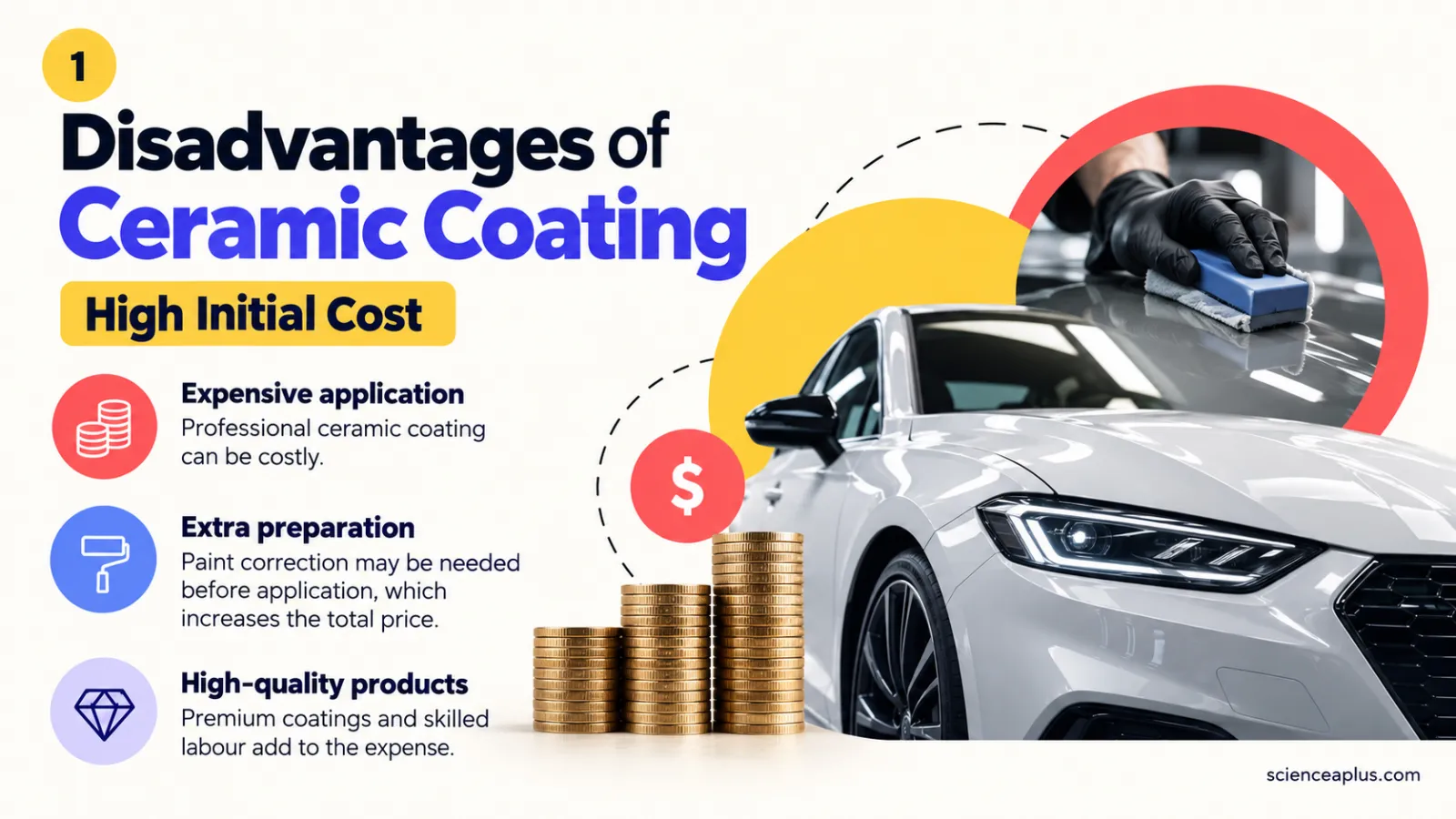
The first slide lists the high initial cost, and it breaks into three points. Application is expensive, extra preparation is needed, and premium products and skilled labour all cost money. We have deliberately left prices out of this article. They vary with car size, paint condition, preparation, product and labour, so any single figure would mislead you.
What matters is why the bill is large. A coating locks in whatever is underneath it. If the paint has swirl marks, light scratches or dull patches, the film seals them in, so the surface must be prepared first. That means washing, removing bonded contamination, drying and often paint correction, which is machine polishing to level out defects in the clear coat.
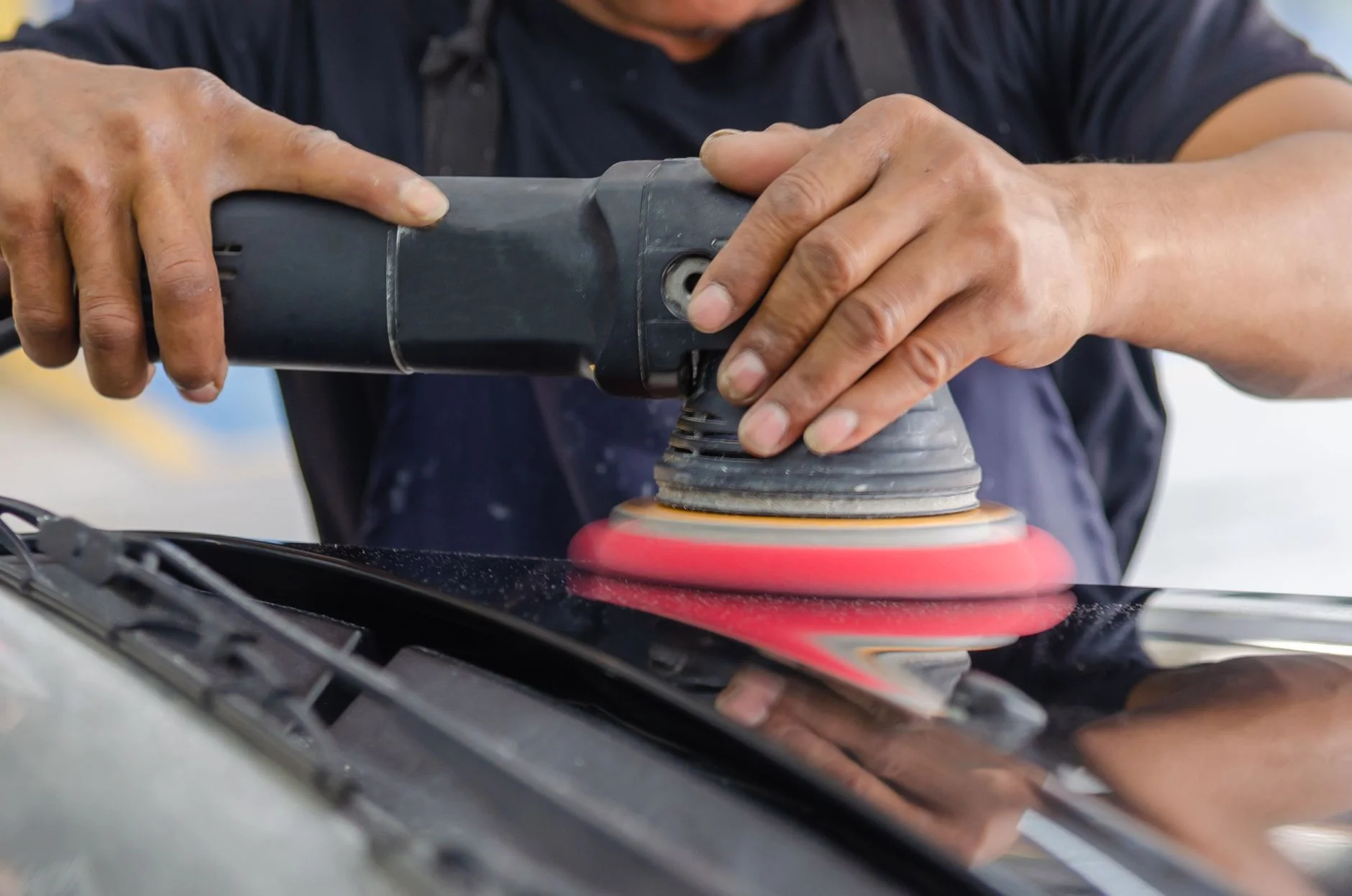
Paint correction takes hours of careful work, and the car then has to stay clean and dry while the coating cures. Add the cost of premium products, the skill needed to apply them evenly and the time the car is off the road, and the total grows quickly. A cheaper do-it-yourself kit lowers the price but raises the risk of mistakes, which we cover below when we look at curing.
Cost is the first disadvantage, but it is not the only one. Next we look at what a coating can and cannot protect against, starting with the claim that it is “scratch-proof”.
2. Not scratch-proof: does ceramic coating prevent scratches?
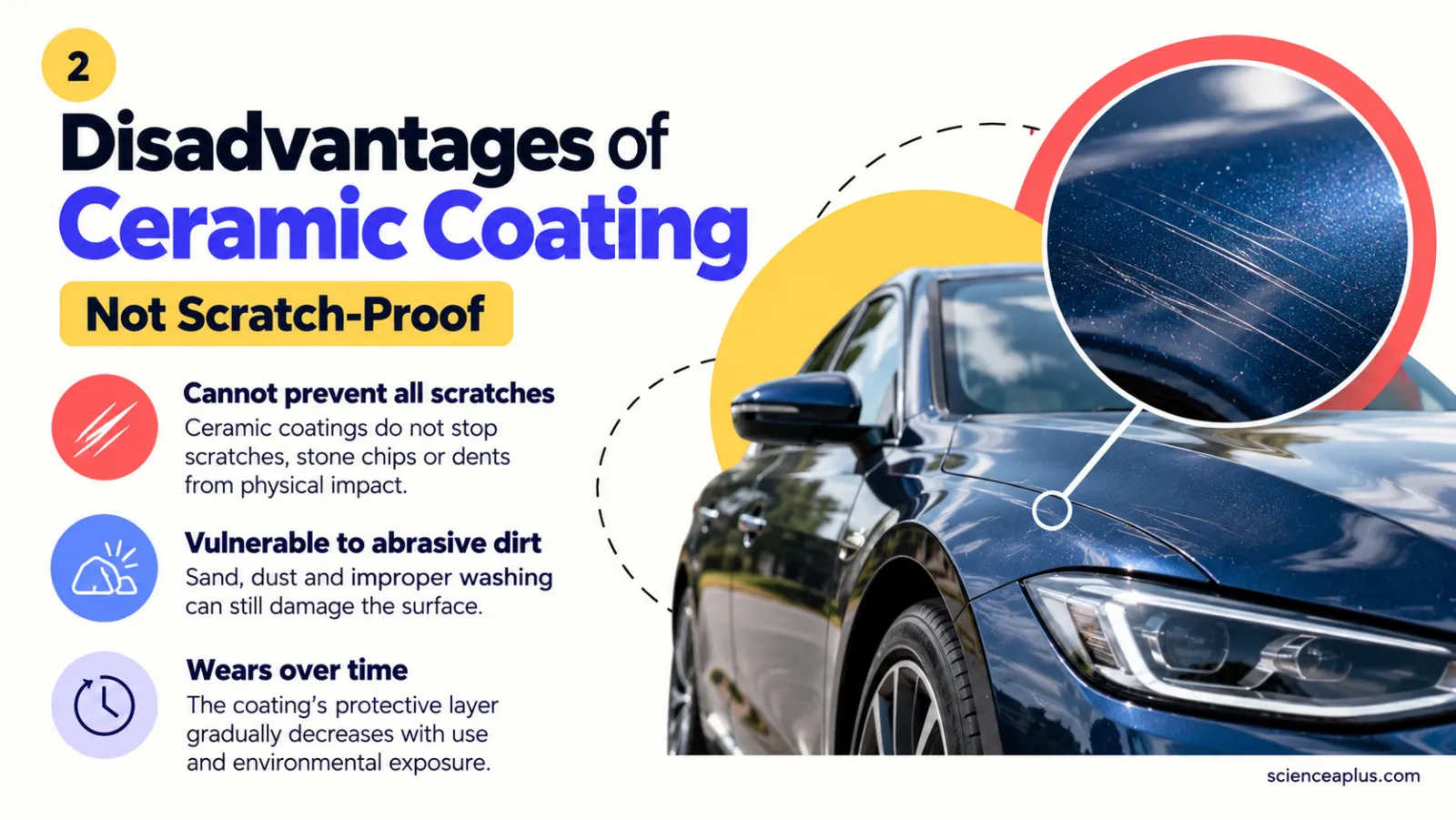
The second slide makes the point plainly: a ceramic coating is not scratch-proof. It cannot prevent every scratch, it cannot stop stone chips or dents, abrasive dirt can still damage it, and the layer wears over time. So the honest answer to “does ceramic coating prevent scratches?” is that it may help against light marks, but it is not armour.
Physics explains why. A stone thrown up by a tyre carries kinetic energy, and that energy has to go somewhere when it hits the car. A film that is a tiny fraction of the thickness of the paint beneath it has no real way to absorb that energy. The clear coat, the colour layer and the metal take the hit, and the coating goes with them. Coatings do give chemical resistance and easier cleaning, helping against dirt, bird lime and stains, but very little physical protection.
Scratches from washing work differently. Grit trapped in a sponge or a dirty towel is dragged across the surface, and the friction pushes sharp hard particles into the film. The harder and sharper the grit, and the harder you press, the deeper the mark. Our friction physics lesson explains how friction forces arise between surfaces, and the same ideas apply to a wash mitt.
What does 9H hardness mean?
Many products advertise “9H”. It sounds impressive, but it is a grade from the pencil hardness test (ASTM D3363 and ISO 15184). In this test, pencil leads graded from soft 6B through HB, F and H up to 9H are pushed across the coating at 45° under a set load. The rating is the hardest lead that does not scratch or gouge the film. ASTM’s own set has 14 leads from 6B to 6H, and 7H to 9H extend it.
Different labs vary the load and the method, so a 9H from one company is not strictly comparable with a 9H from another. A 9H rating tells you that a particular pencil did not mark a film under particular test conditions. It does not tell you how the coating behaves against grit, keys or a stone chip.
Pencil scale vs Mohs scale
Friedrich Mohs devised his scale in 1812. It ranks minerals by whether one can scratch another, from talc at 1 to diamond at 10. It is an ordinal scale: it tells you the order, not the gaps between steps. Diamond is only one step above corundum on the Mohs scale, but on a measured scale such as the Vickers test diamond is about 10,000, while corundum is about 2,035.
| Mineral or object | Mohs hardness | Everyday comparison |
|---|---|---|
| Talc | 1 | Softest mineral on the scale |
| Gypsum | 2 | Fingernail: 2–2.5 |
| Calcite | 3 | Copper: about 3 |
| Fluorite | 4 | Glass: 4–7, depending on type |
| Apatite | 5 | Knife blade: 5–6.5 |
| Orthoclase | 6 | — |
| Quartz | 7 | Common in sand and grit |
| Topaz | 8 | — |
| Corundum | 9 | Sapphire and ruby |
| Diamond | 10 | Hardest natural mineral |
Look at quartz in the table. Dust and grit on a road often contain quartz, with a Mohs hardness of 7, which is harder than most glass and than most things you would clean a car with. A silica-rich coating is not made of crystalline quartz, but the point stands: hard particles can scratch many surfaces. You can read more about how minerals are identified and ranked in our guide to rocks and minerals.
Why can quartz grit scratch a coating that is rated 9H? (2 marks)
The 9H grade comes from a pencil test, which is not the same as hardness on the Mohs scale, so it cannot be compared directly with the hardness of quartz (1 mark). Quartz grit is hard and sharp, and when it is dragged across the surface by a cloth or sponge, friction and pressure can cut into the thin film (1 mark).
Hardness is not toughness
A glass tumbler is hard, yet it shatters when dropped. A rubber ball is soft and survives. Engineers call this difference toughness: the ability to absorb energy without breaking. A thin, hard film can resist light rubbing but still be cut, cracked or chipped by a sharp, fast impact. That is one reason a coating that resists a pencil test still cannot be sold honestly as “stone-chip proof”.
For a quick way to see this, think about two scientific questions. First, what is being tested: a slow scratch, as in the pencil test, or a fast impact, as in a stone chip? Second, how much material is there to take the energy? A film this thin has very little.
Ceramic coating vs PPF for stone chips
If stone chips are your main worry, the product designed for that job is paint protection film (PPF). PPF is a clear, durable urethane film applied over the paint. Because it is a thick, flexible plastic, it can take impacts that a very thin coating cannot, which is why it is the option for protection against chips. Minor scratches in it can “self-heal” when warmed by heat or sunlight.
PPF has downsides of its own. It is expensive to fit, a poor fitting can leave bubbles or lifting edges, and it eventually needs replacing. Some owners choose film for the front of the car, where chips are most likely, and a coating for the rest. That is an option rather than a rule, and the right choice depends on how you use the car.
| Question | Ceramic coating | Paint protection film |
|---|---|---|
| What is it? | Silicon-based liquid that cures to a thin silica-rich film | Clear urethane film |
| Protects against stone chips? | No, it is too thin | Yes, this is its main job |
| Minor scratches | May resist light marks but is not scratch-proof | Can self-heal with heat or sunlight |
| Main drawbacks | Preparation, skill needed, water spots, wear | Costly to fit, can bubble or peel, needs replacing |
The lesson is the same as before: choose a protection method by the problem you want to solve. A coating makes the surface easier to clean and resistant to some chemicals. A film gives physical protection. Neither makes a car immune to damage.
3. Requires care and expertise
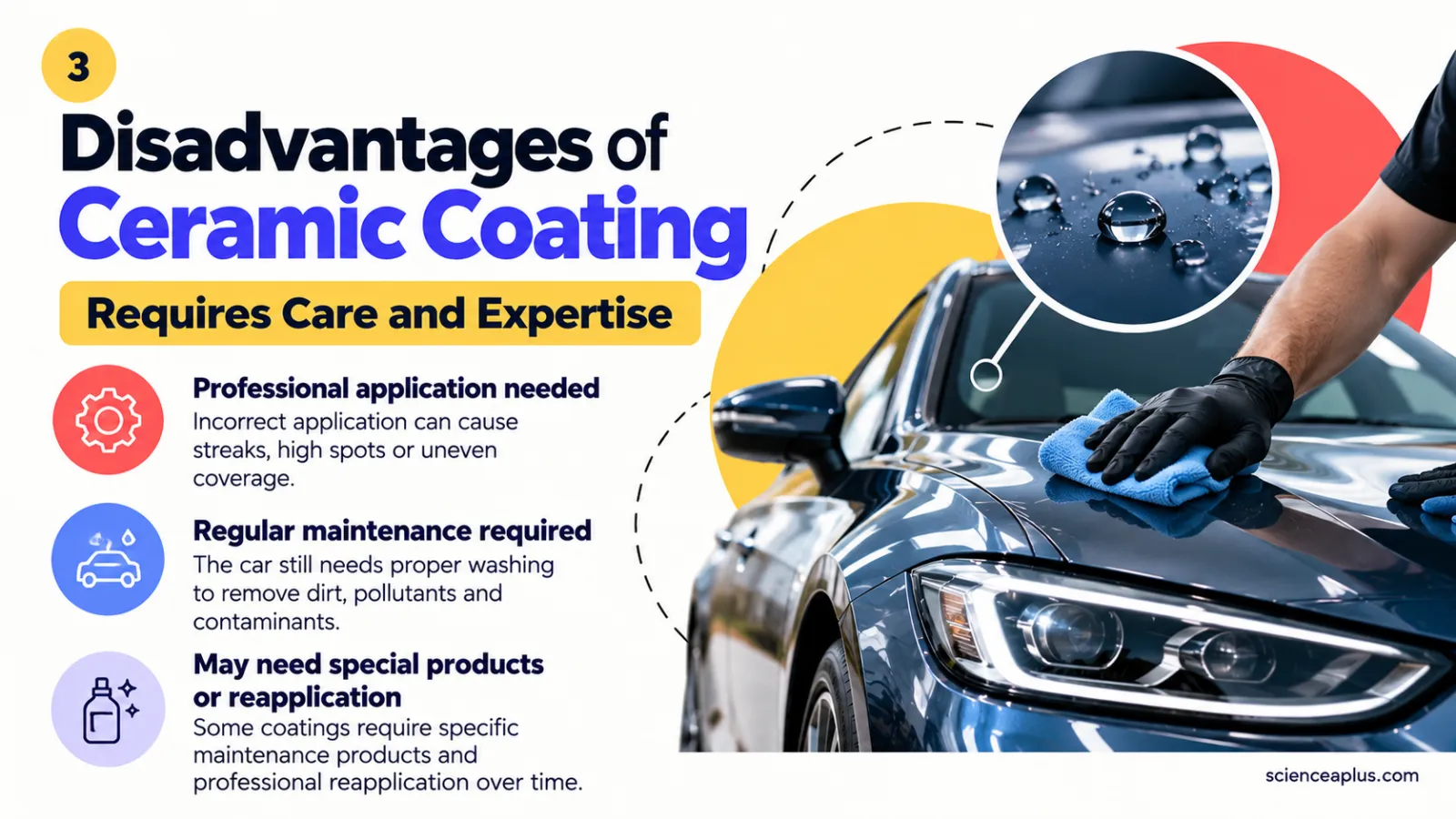
The third slide covers the disadvantage that surprises people most: a coating is only as good as the person who applied it. Incorrect application can leave streaks, high spots and uneven coverage. The car still needs regular washing. And it may need specific maintenance products, or reapplication, to keep working as it did on day one.
This is why professional application is the usual advice, and why it adds to the cost we discussed at the start. The skill is not in wiping a liquid onto paint. It is in controlling a chemical reaction on a surface that is outdoors, in changing weather, with a very short working window.
The chemistry of curing
A coating liquid does not simply dry like paint. It cures, which means chemical bonds form that join small molecules into a network. For polysilazane-type products, moisture in the air does the work. Water converts silicon–nitrogen (silazane) bonds into silicon–oxygen–silicon (siloxane) bonds and releases ammonia gas:
≡Si–NH–Si≡ + H₂O → ≡Si–O–Si≡ + NH₃
The rate depends on humidity and temperature. In one laboratory study, adding a catalyst cut the dry-to-touch time from about 19 hours to about 1 hour. That is a lab result, not a product cure time, so always follow the maker’s instructions for your particular coating rather than any number you find online.
The classic textbook route to a silica film is the sol-gel process. Here is the idealised reaction, using tetraethyl orthosilicate (TEOS) and water:
Si(OC₂H₅)₄ + 2H₂O → SiO₂ + 4C₂H₅OH
It happens in two steps. First comes hydrolysis, where Si–OC₂H₅ groups become Si–OH. Then comes condensation, where two Si–OH groups join to form Si–O–Si and release water. Real products are more complicated and end up as hydrated silica, but the idea is the same: small molecules link into a giant silicon–oxygen network, just like the structure of silica described earlier.
Why timing and conditions matter
Because curing is a chemical reaction, humidity, temperature and time all matter. Too much liquid left on the surface will still cure, and once it has cured it is hard. The result is a high spot: a patch where excess coating has hardened into a slightly raised, smeared or rainbow-tinted area. Wiping off the excess with a clean microfibre towel before it cures is called levelling, and it must happen inside the maker’s window. Miss it and the hardened patch usually has to be polished off, which means more time and more cost.
Poor results are not always the applicator’s fault. Oils and old polish on the surface can get in the way of the coating, which is why preparation ends with a wipe designed to remove oils.
A practical preparation checklist
The steps below are a general order, not a substitute for the maker’s instructions. Tick them off as you read; your ticks are remembered in your browser.
- Wash the car thoroughly and rinse well
- Decontaminate: remove bonded dirt and surface contamination
- Dry the paint completely
- Polish or correct any swirls and scratches you do not want locked in
- Wipe the panels with a panel-wipe product to remove oils
- Apply to small sections at a time, out of direct sun
- Level and buff off the excess within the maker’s window
- Keep the car dry and clean while the coating cures
- Inspect each panel under bright light for high spots and streaks
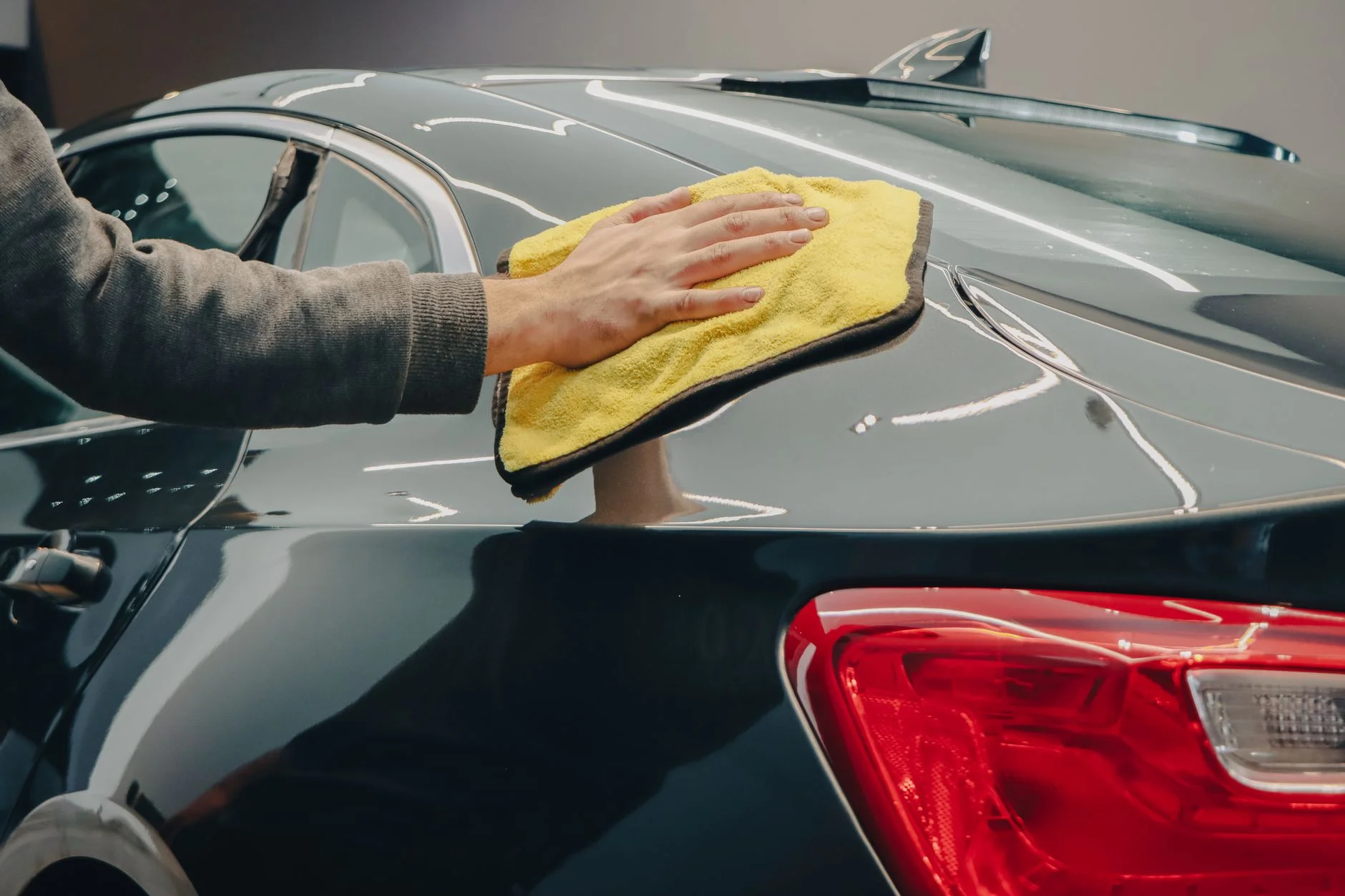
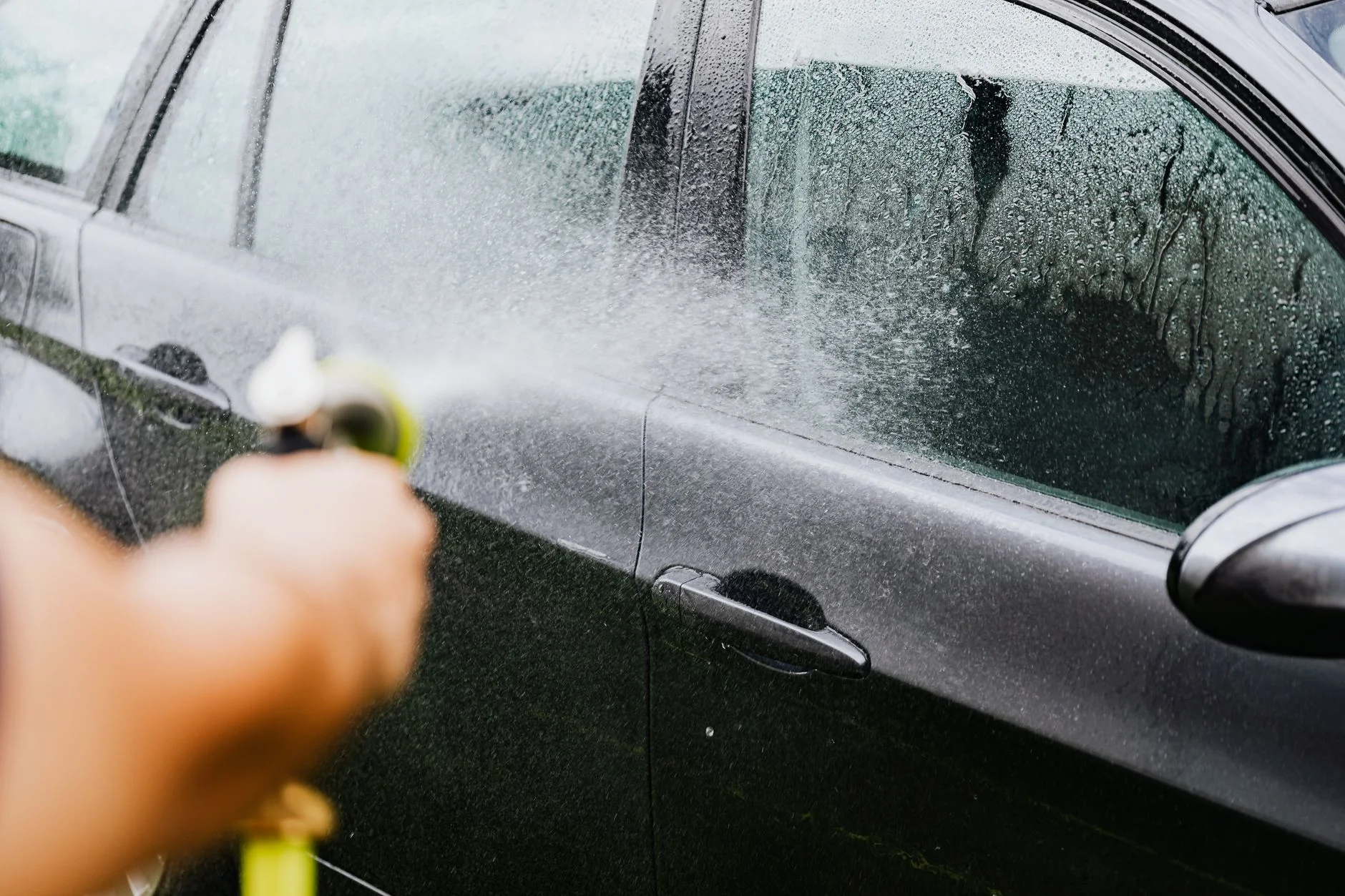
Notice how much of this list happens before the coating touches the paint. Preparation is where most of the time, and most of the cost, goes. That is also why a DIY job needs patience as well as products.
4. Water spots: when beading backfires
One of the best-known benefits of a coating is water beading. Water forms round drops that roll off. The same effect causes one of its best-known problems: ceramic coating water spots. To see why, we need a little surface physics.
Contact angle and beading
The contact angle (θ) is the angle between a water drop’s edge and the surface it sits on. If θ is less than 90°, the surface is hydrophilic (water-loving) and the drop spreads out. If θ is more than 90°, the surface is hydrophobic (water-repelling) and the drop beads up. A surface is called superhydrophobic when the angle is above 150° and the drop slides off at a tilt of less than 10°.
Beading happens because water has a high surface tension, about 72 mN/m at 25 °C, caused by strong hydrogen bonding between its molecules. On a low-energy surface the molecules cling to each other more than to the surface, so the drop pulls itself into a ball.
| Contact angle (θ) | Surface type | What the drop does |
|---|---|---|
| Less than 90° | Hydrophilic | Spreads out |
| More than 90° | Hydrophobic | Forms beads |
| More than 150° (and slides off below 10°) | Superhydrophobic | Rolls off easily |
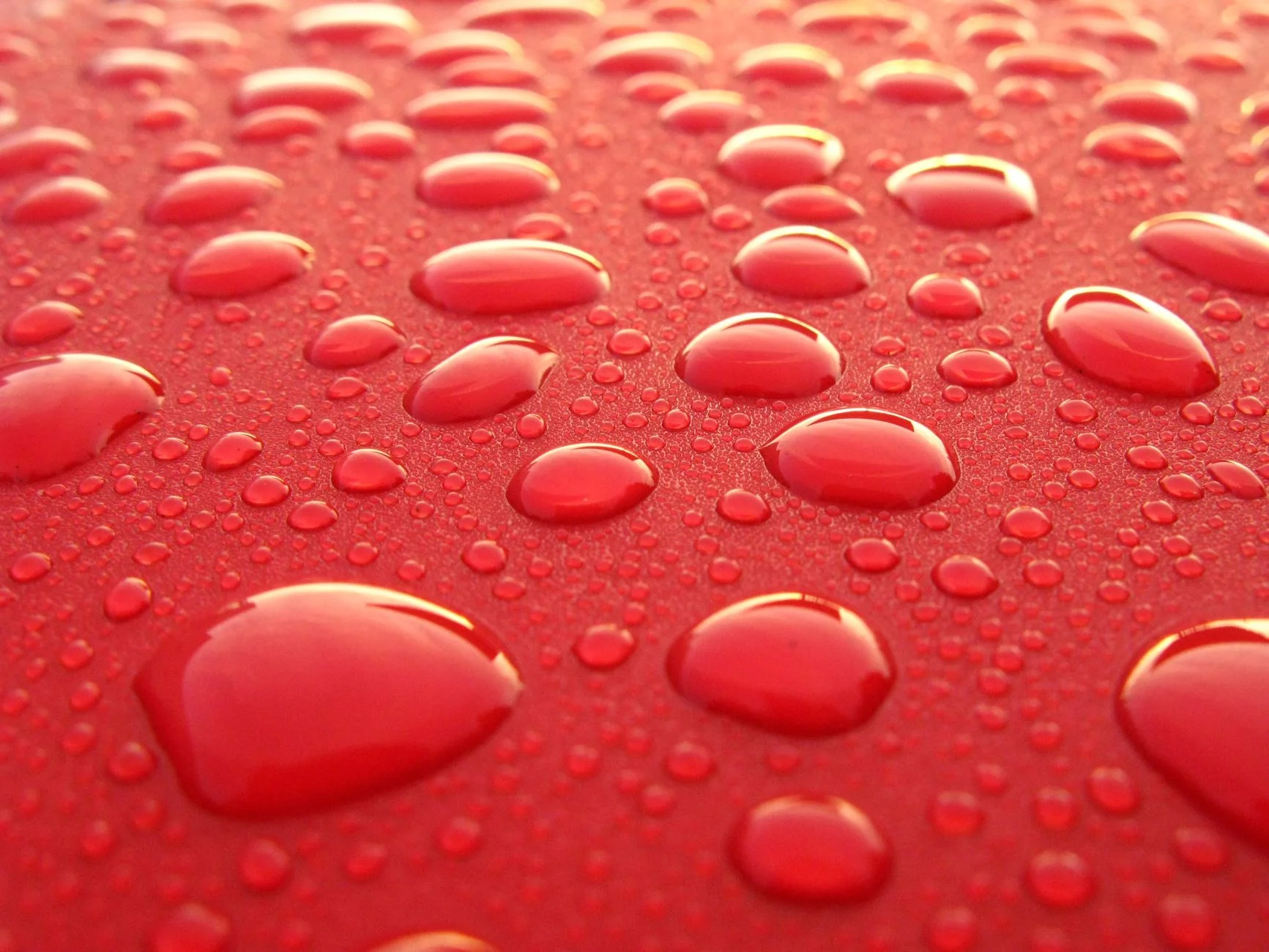
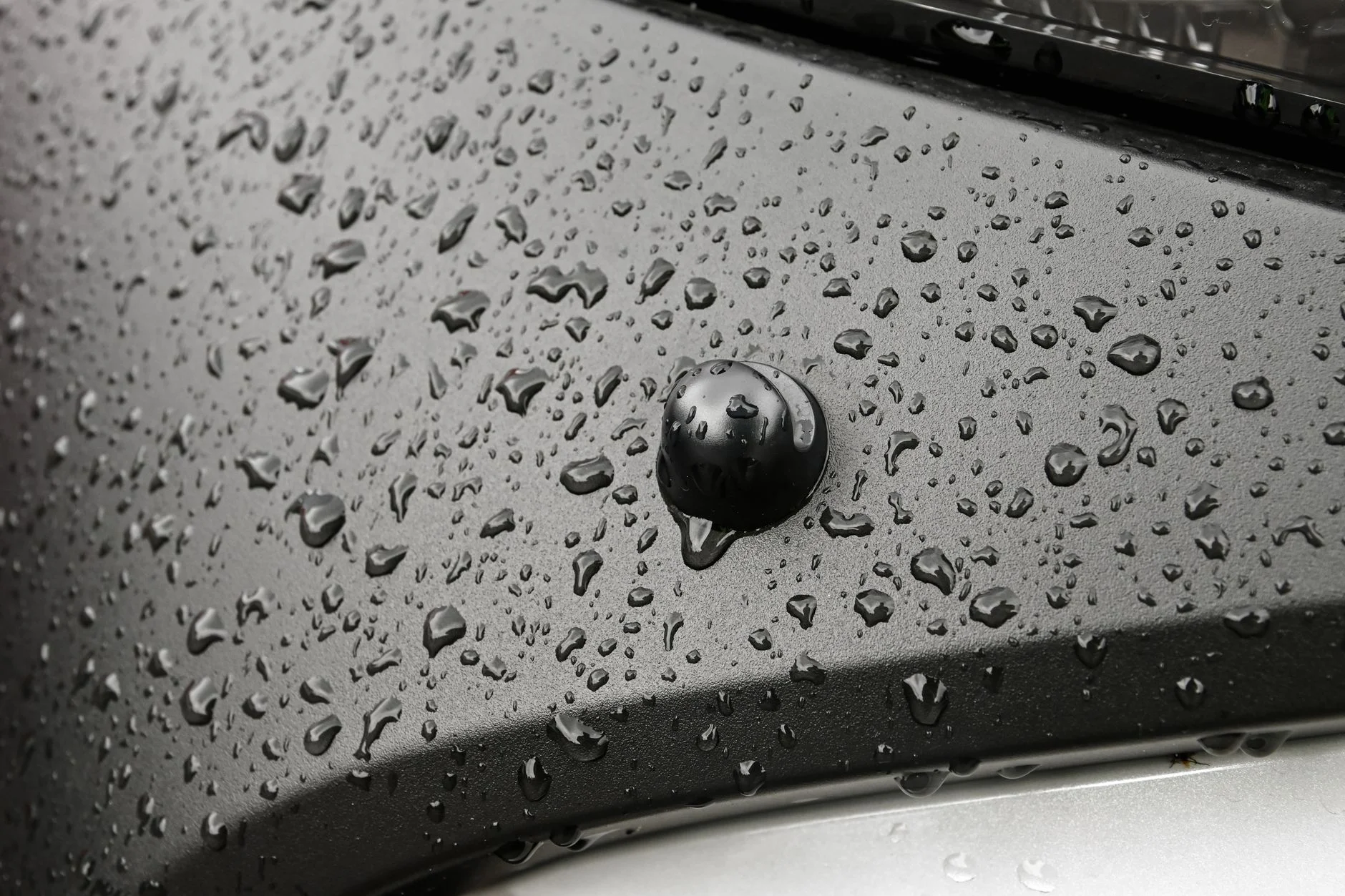
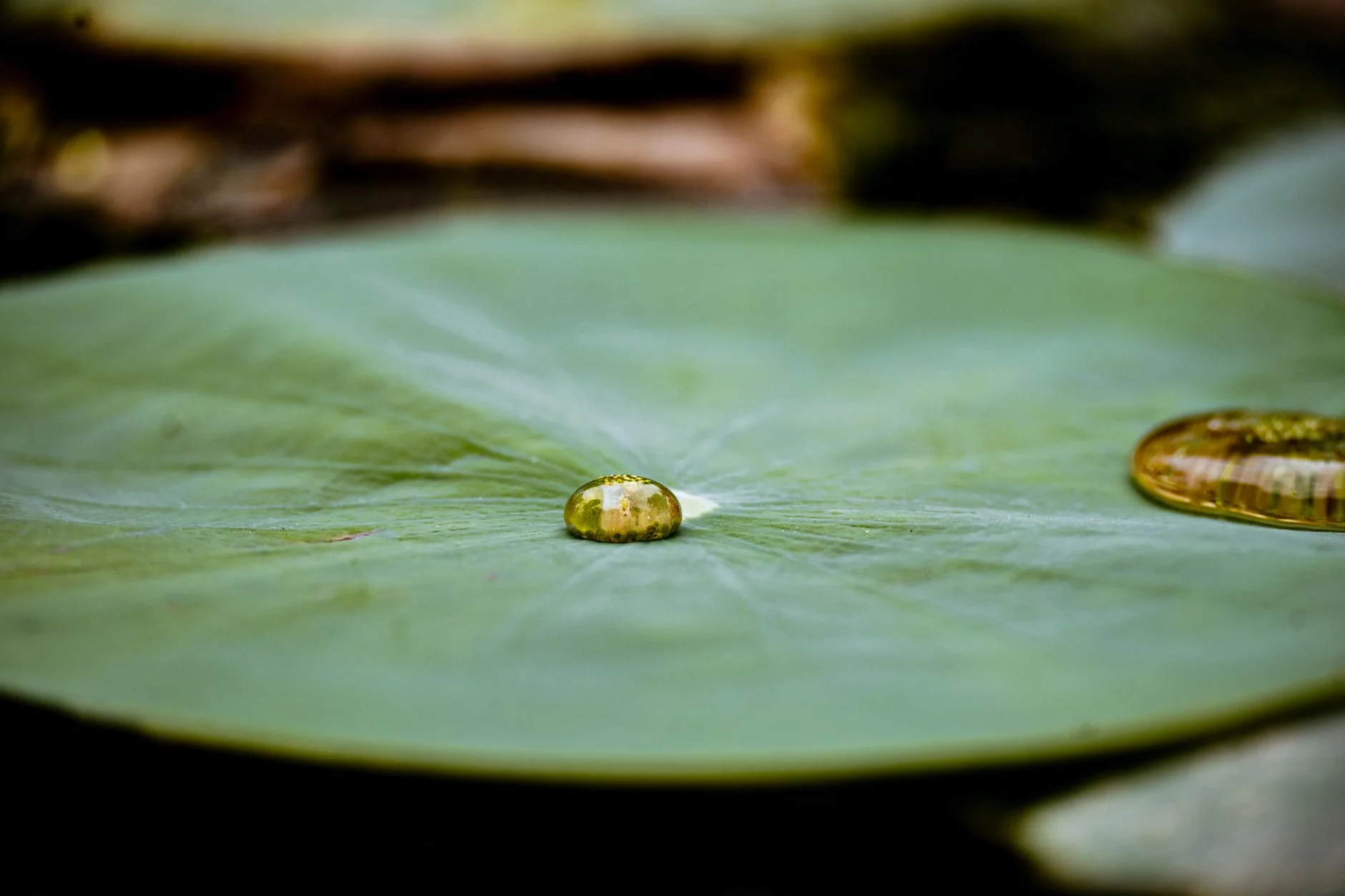
The lotus leaf is nature’s standard for this. Its contact angle is above 160° and drops slide off at less than 5°. Barthlott and Neinhuis named the lotus effect in 1997: a micro- and nano-rough waxy surface repels water, and rolling drops pick up dirt as they go. In the Cassie–Baxter state, the drop sits on top of the bumps with air trapped underneath. In the Wenzel state, water fills the roughness instead. Our article on nanotechnology and its applications shows more examples of surfaces designed this way.
Why water spots form
A hydrophobic surface repels water, but it does not remove it. Beads that stay on the paint in the sun will evaporate, and the water that leaves was carrying dissolved minerals. In hard water these are calcium and magnesium compounds. When the water is gone, the minerals stay behind as a ring: a similar process to the limescale that builds up in a kettle.
| Water type | Hardness (mg/l as CaCO₃) |
|---|---|
| Soft | Up to 100 |
| Slightly hard | 100–150 |
| Moderately hard | 150–200 |
| Hard | 200–300 |
| Very hard | Over 300 |
These are the bands used by the Drinking Water Inspectorate. There is no UK legal standard for hardness. Detailers widely report that coated cars still spot in hard-water areas, and the more minerals in the water, the more visible the rings are likely to be. Acidic rain or other contaminants left on a surface can also mark it, as we explain in our guide to rain water and acid rain.
Water spots are rarely permanent damage, but fresh spots wipe away more easily than old ones. That is another reason regular washing is not optional, even with a coating.
5. It wears out: UV, chemicals and friction
The last disadvantage on our list is the one that surprises people who read “lifetime protection” on a product page: a coating is sacrificial. It protects the paint by taking the wear itself, and it slowly loses that ability. Three things do most of the work: sunlight, washing friction and harsh chemicals.
How long does a ceramic coating last? Auto Express describes newer ceramic coatings as “more durable, sometimes lasting from one to three years”, and says they last longer than traditional wax, which needs topping up every few months. Makers often claim much longer lifetimes, but those are marketing claims. In practice the figure depends on the product, the preparation and the care it gets afterwards.
Why UV light damages materials
Light travels as photons, and the energy of each photon depends on its wavelength. The equation is E = hf = hc/λ, where h = 6.63 × 10⁻³⁴ J s and c = 3.00 × 10⁸ m/s. Visible light runs from about 380 nm to 750 nm. A UV photon of 300 nm carries about 6.63 × 10⁻¹⁹ J (about 4.14 eV), while a 600 nm red photon carries about 3.32 × 10⁻¹⁹ J. The UV photon has twice the energy, enough to break some bonds in organic polymers. That damage is called photodegradation, and it is why UV absorbers and stabilisers are added to clear coats in the first place.
E = hc ÷ λ
Try the calculator below. Change the wavelength and watch how the energy per photon changes: the shorter the wavelength, the larger the energy.
Sunlight is only one cause of wear. Every wash drags a mitt across the film, and the friction wears it away a little at a time, especially if grit is trapped in the mitt. Strong cleaners can attack the film chemically. Our article on the disadvantages of friction explains why moving surfaces always lose material. For a wider look at how a hard, glassy material behaves under real conditions, see our guide to the performance and durability of glass.
The science behind it
Look back over all five disadvantages and three scientific ideas keep returning. First, the coating is a thin silica-rich network on top of the clear coat, so it can change the surface but not replace the paint. Second, it has a low surface energy, which gives a high contact angle, so water beads. Third, hardness is not toughness: a hard film can still be cut or chipped because there is so little of it.
The study of films only a few hundred nanometres thick belongs to nanotechnology, and it has its own problems too, which our article on the challenges of nanomaterials and nano designs covers. To get a feel for how thin a coating is, use the calculator below. The default numbers are example values only, so check a product’s data sheet for real ones.
Maths practice questions
These worked examples use made-up numbers to practise the ideas above. They are not product data. Tap each question to reveal the answer.
A bottle holds 30 ml of coating, spread over 10 m². What is the wet film thickness? If 20% of it remains as solid after curing, how thick is the cured film? (4 marks)
1 ml = 1 cm³ and 10 m² = 100,000 cm². Thickness = 30 ÷ 100,000 = 0.0003 cm, which is 3 µm (2 marks). Cured thickness = 20% of 3 µm = 0.6 µm (2 marks).
Suppose a cured coating were 1 µm thick on a 40 µm clear coat. How many times thicker is the clear coat, and what percentage of the combined thickness is the coating? (3 marks)
The clear coat is 40 ÷ 1 = 40 times thicker (1 mark). Combined thickness = 41 µm, so the coating is 1 ÷ 41 × 100 ≈ 2.4% (2 marks).
Calculate the energy of a 300 nm UV photon and a 600 nm red photon, and compare them. Use E = hc/λ. (4 marks)
UV: E = (6.63 × 10⁻³⁴ × 3.00 × 10⁸) ÷ (300 × 10⁻⁹) = 6.63 × 10⁻¹⁹ J (2 marks). Red: the same sum with 600 nm gives 3.32 × 10⁻¹⁹ J (1 mark). The UV photon carries twice the energy because its wavelength is half as long (1 mark).
Classify drops with contact angles of 40°, 95° and 155°. Then classify tap water at 250 mg/l CaCO₃. (4 marks)
40° is hydrophilic because it is below 90° (1 mark). 95° is hydrophobic because it is above 90° (1 mark). 155° is superhydrophobic if the drop also slides off at a tilt below 10° (1 mark). Water at 250 mg/l falls in the 200–300 band, so it is hard (1 mark).
Is ceramic coating worth it?
Is ceramic coating worth it? There is no single answer, because the pros and cons depend on the car and the owner. The table compares the three common options using only the points we have checked.
| Question | Wax | Ceramic coating | Paint protection film |
|---|---|---|---|
| What is it? | Traditional protective wax | Silicon-based liquid curing to a thin silica-rich film | Clear urethane film |
| How long does it last? | Needs topping up every few months | Sometimes one to three years (Auto Express) | Lasts, but eventually needs replacing |
| Stops stone chips? | No | No | Yes |
| Beading and easy cleaning? | — | Yes, plus chemical resistance | Not its main job |
| Main drawback | Frequent reapplication | Preparation, skill, water spots, wear | Costly to fit; can bubble or peel |
A coating may suit you if you wash the car regularly, plan to keep it for years and park it outside. It may not suit you if you rarely wash the car, expect to sell soon, or live in a hard-water area and will not dry the car after rinsing. If chips are your main worry, film does the job a coating cannot.
Frequently asked questions about ceramic coating disadvantages
What are the disadvantages of ceramic coating?
The main disadvantages are a high upfront cost, the paint preparation needed first, no real protection against stone chips, dents or deep scratches, the skill needed to apply it without streaks or high spots, possible water spots, regular washing, and gradual wear from UV light, friction and chemicals.
Is ceramic coating worth it?
It can be, if you wash the car regularly, keep it for years and value easy cleaning and chemical resistance. It is less worthwhile if you expect scratch or chip protection, rarely wash the car or will sell soon. Ask for a written quote that lists preparation, layers and aftercare before deciding.
Does ceramic coating stop scratches and stone chips?
No. A coating may help against very light marks, but it is a very thin film and cannot absorb the energy of a stone or stop dents and deep scratches. Abrasive dirt dragged across it can still damage it. Paint protection film is the product designed to resist stone chips.
What does 9H mean on a ceramic coating?
9H is a grade from the pencil hardness test (ASTM D3363, ISO 15184). It means the hardest pencil lead used did not scratch the film under the test’s load. It is not the Mohs scale, so it does not mean as hard as sapphire, and results vary between labs.
Why does my ceramic-coated car get water spots?
A coating makes water bead, but it does not remove it. When beads dry in the sun, the dissolved calcium and magnesium minerals stay behind as rings. The harder your local water, the more visible they tend to be. Drying the car with a clean microfibre towel helps.
How long does a ceramic coating last?
Auto Express describes newer ceramic coatings as sometimes lasting from one to three years. Makers often claim longer, but the real figure depends on the product, how well the paint was prepared, how the car is washed and how much sun, friction and harsh chemicals the surface faces.
Can a ceramic coating damage paint?
The risk is mainly in the application. Poor application can leave streaks, uneven coverage or high spots where excess has hardened. Fixing these usually means machine polishing, which takes time and money. Careful preparation and levelling within the maker’s time window reduce the risk.
Do you still need to wash a ceramic-coated car?
Yes. A coating makes the surface easier to clean and gives some resistance to dirt, bird lime and stains, but the car still collects dirt. Regular, gentle washing with clean mitts and a rinse keeps the film working and helps stop grit from scratching it.
Is ceramic coating better than wax?
For durability, usually yes: Auto Express says coatings last longer than traditional wax, which needs topping up every few months. A coating also adds chemical resistance and easier cleaning. Neither wax nor a coating protects against chips or deep scratches.