Is hostel life good and bad at the same time? Yes. Living away from home brings strong friendships, independence and teamwork, but it also brings homesickness, less privacy, noise and clashes with roommates. Whether it works for you depends mostly on your habits, and the science of sleep, stress and germs shows which habits help.
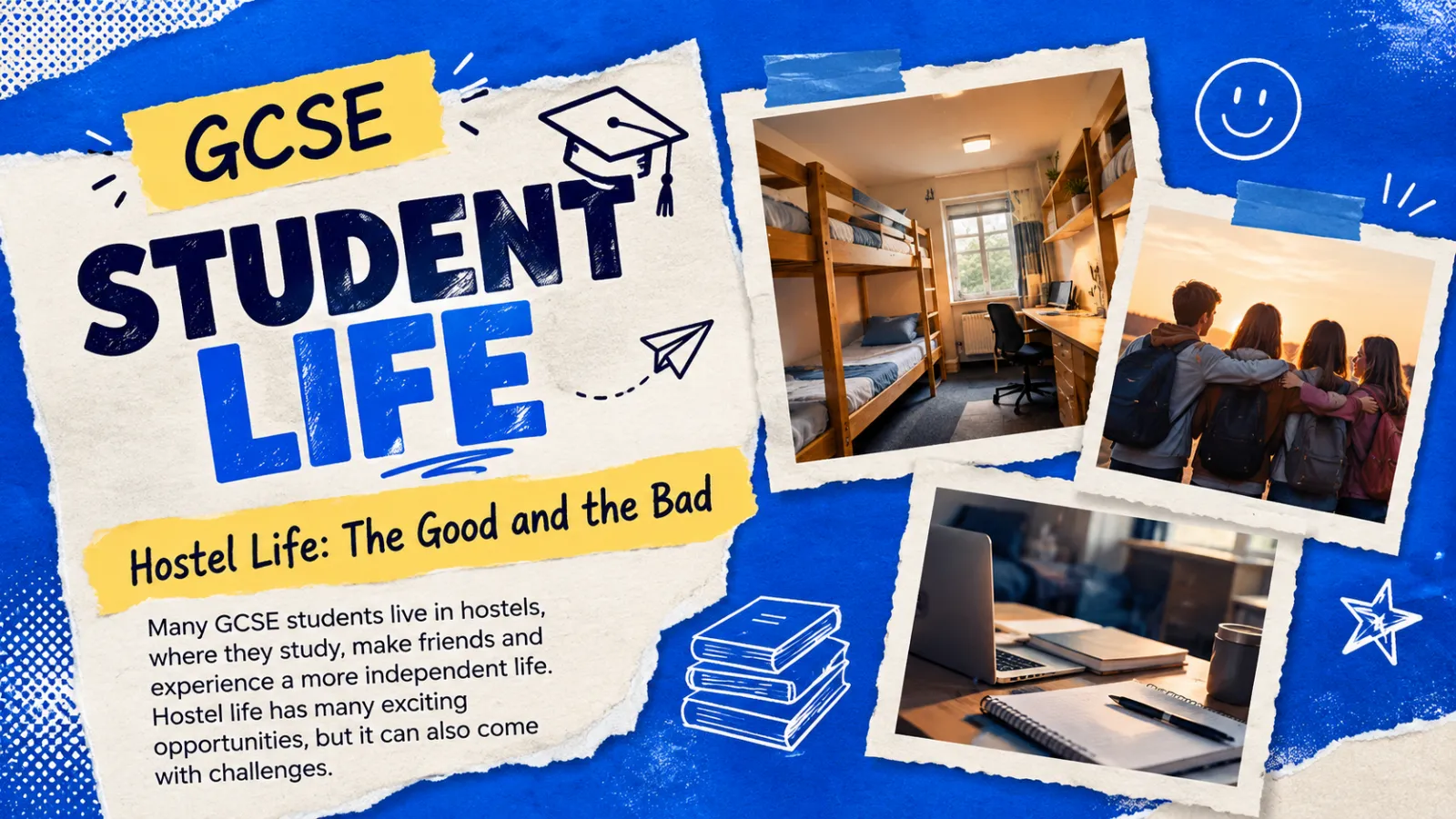
What is hostel life?
Hostel life means living in a school or college hostel, which is also called a boarding house, instead of at home. Students who live there are called hostellers or boarders. You share rooms, bathrooms and meals with other students and follow a timetable set by the staff.
Boarding comes in several forms. Full boarders live at school all week and often at weekends. Weekly boarders go home at weekends, and flexi boarders stay for some nights only. In the UK, the Independent Schools Council (ISC) uses these three terms when it counts boarders.
So in the UK only a minority of pupils board, and ISC schools are only one part of the school system. In some other countries, school and college hostels are more common. The ideas below apply wherever you live away from home.
Hostel life at a glance: pros and cons
Here are the pros and cons of hostel life side by side. Each row pairs a benefit with a matching challenge, and the last column links it to some science that we explore later in this article.
| Good side | Bad side | Science link |
|---|---|---|
| Strong friendships | Homesickness | Attachment and separation psychology |
| Independence | Rules and routines | Habit formation and body-clock regularity |
| Teamwork | Conflicts with roommates | Communication and peer influence |
| Academic support | Distractions and noise | Sleep, attention and memory |
| Fun experiences | Less privacy | Germs in shared spaces |
The good side of hostel life: benefits for students
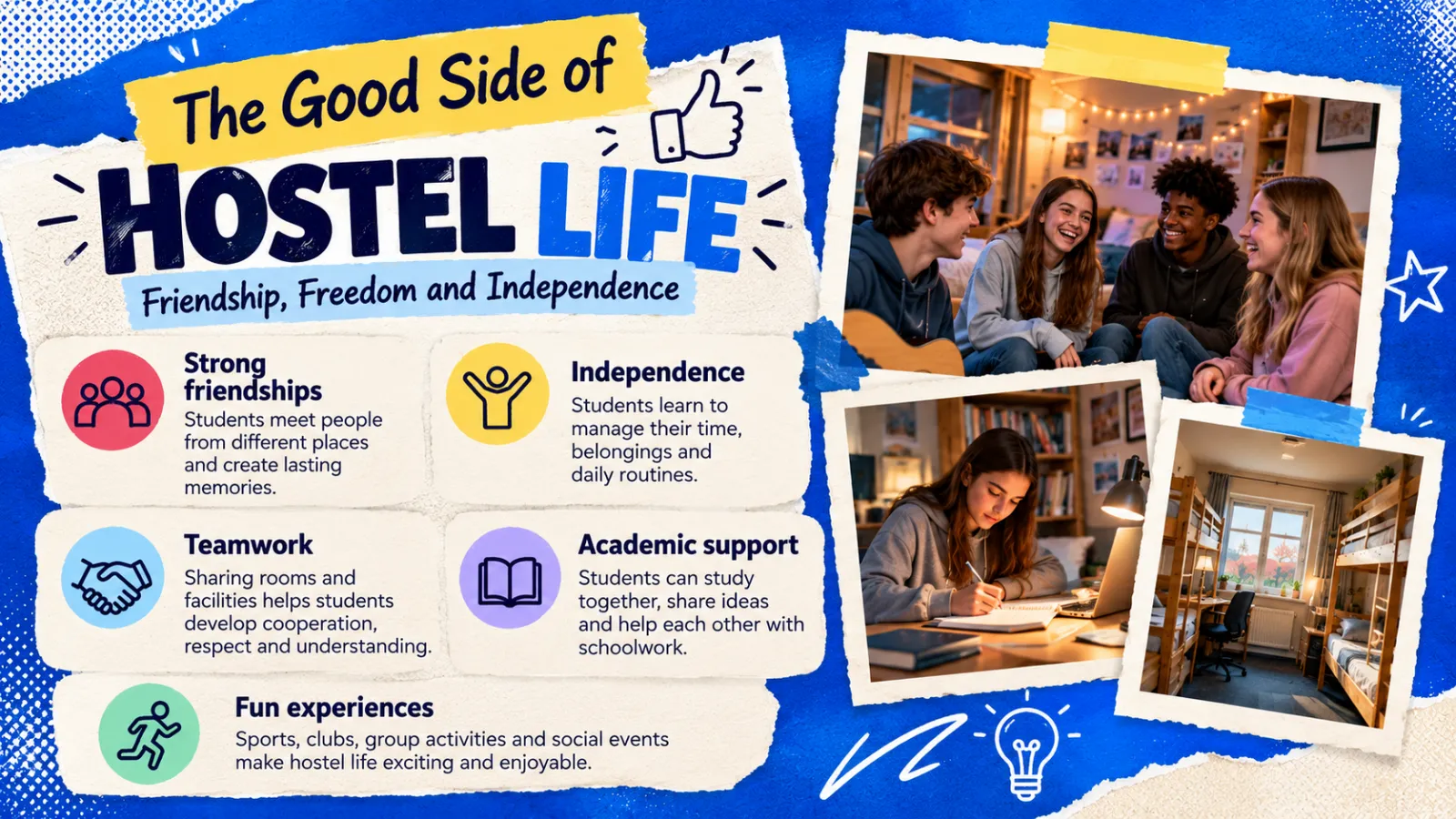
The benefits of hostel life for students are real, and most of them come from one simple fact: you are surrounded by people your own age. The infographic below shows the five main strengths. Let us take them one at a time.
Strong friendships
When you share a room, a corridor and a dining hall, you meet the same people every day. Late-night chats, meals together and shared jokes build friendships quickly. Friendships made this way can last long after you leave.


These friends also become your support team. When you feel low or stressed, someone who lives next door understands what you are going through. We return to this idea when we look at homesickness, because talking to other people is one of the best ways to cope.
Independence
In a hostel you manage your own time, belongings and daily routines. You decide when to do your washing, when to revise and how to organise your cupboard. These are small jobs, but they build responsibility and confidence.
This kind of practice is part of growing up, and it is a useful skill for university or work. If you want to go further, read our guide on why self-development is important for students.
Teamwork
Living together means cooperating. You share space, agree on quiet times, take turns with chores and learn to respect different views. That is teamwork in daily life, and it teaches you to listen and understand other people.
Good teams grow when members believe they can improve. Our article on a growth mindset in teamwork for GCSE students explains how that works in practice.
Academic support
A hostel is full of classmates, which makes group study easy. You can test each other, share notes and talk through a tricky idea over a table. Explaining a topic to a friend is a good way to learn it, because you must put it in your own words.
Fun experiences
Hostel life is not all work. Sports, clubs, group activities and social events fill evenings and weekends, and you try things you might never try at home. These shared experiences make a hostel feel like a community instead of just a place to sleep.
Hostel life vs home life
Compared with living at home, a hostel gives you more peers, more responsibility and more structure, because the staff run set times for meals, study and lights out. At home you usually get more privacy, familiar food and your family close by. Neither is better for everyone. Day scholars (students who go home each evening) and hostellers can both do well.
What matters is that you know the trade-offs before you choose, and that you build habits that suit the place you live in.
That is the good side. The bad side is just as real, and the next section looks at it honestly, with the science that explains why each challenge happens.
The bad side of hostel life: challenges to understand
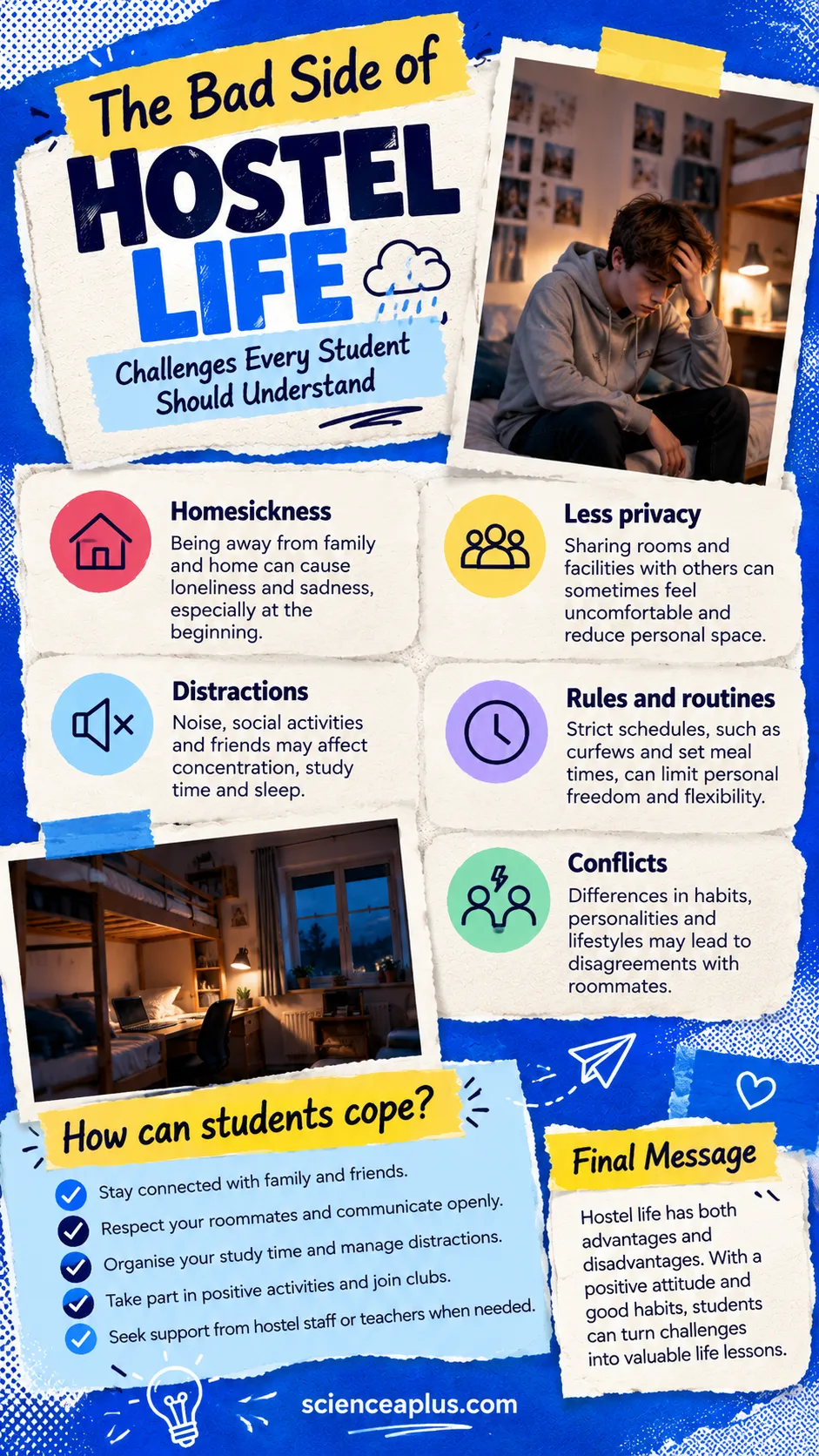
Now for the disadvantages of hostel life. The card below lists five challenges and five ways to cope with them. None of these problems means hostel life is a mistake. They are common, and knowing why they happen is the first step to dealing with them.
Homesickness: what the research says
Homesickness is the sadness and loneliness you feel when you are away from home, and it is often strongest at the beginning. Psychologists define it more exactly. A report by Thurber and Walton for the American Academy of Pediatrics describes it as distress and impairment caused by an actual or anticipated separation from home and from attachment objects such as parents. The main features are an acute longing for home and thoughts that keep coming back to it.
The same report says that almost all children, teenagers and adults feel some degree of homesickness when they are apart from familiar people and places. In other words, missing home is normal, not a sign that something is wrong with you.
Why does it happen? Humans form strong bonds with the people who care for them, and a new place removes those familiar people, routines and smells at once. You also lose some control over your day. The research suggests several things that help:
- Take part in the decision to go, so you feel some control.
- Plan how you will keep in touch, for example by calls or letters.
- Use a calendar to see how long you will be away.
- Think about the good things the hostel gives you.
- Share your feelings with other people instead of keeping them to yourself.
Strong feelings that do not ease, or that stop you eating, sleeping or taking part, are a reason to talk to someone. We list where to get help later in this article.
Less privacy
Sharing a room means someone else is nearly always there. You may change, study and sleep in the same space as other people. That can be tiring, especially if you are quiet by nature and need time alone to recharge.

A few habits make shared space easier. Agree simple house rules with roommates, such as when the light goes off. Use headphones for music or videos. Find a quiet corner, such as a library or common room, when you need to think. A shared room also means shared germs, which we investigate in the next section of this article.
Distractions, noise and sleep
The card says distractions such as noise, social activities and friends can affect concentration, study time and sleep. Sleep matters most, because it affects everything else you do. The NHS sleep medicine team at Evelina London Children’s Hospital says most teenagers need 9–9.5 hours of sleep a night, although the normal range is 7 to 11 hours. Under 7 hours on most nights is probably not enough.
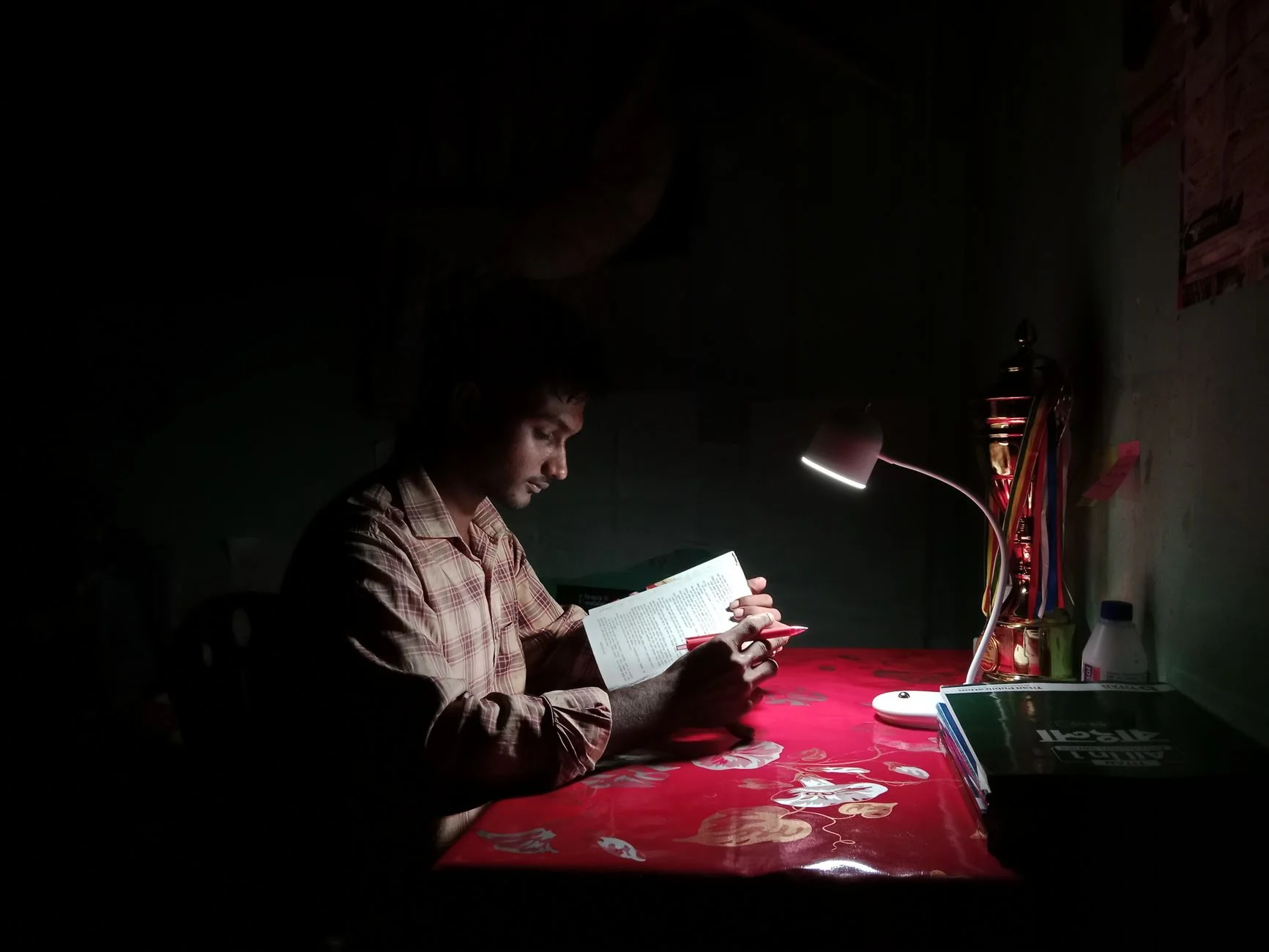
Why is early sleep hard for teenagers? During puberty the body clock, or circadian rhythm, shifts later. Most teenagers naturally sleep best from about 11pm to midnight, while most adult clocks say about 10–11pm. Evelina compares it to jet lag. It is biology, not laziness.
The brain also uses a hormone called melatonin to signal that it is time to sleep. It is released when it gets dark, and light, activity before bed and stress or worry all affect it. Blue light from phones and tablets interferes with melatonin production because it tricks the brain into thinking it is daylight.
During the night you cycle through several stages of sleep. Light sleep gives way to the deepest sleep, called N3, and then to REM sleep, and the cycle repeats. You get more deep sleep early in the night and more REM towards morning. Deep sleep supports growth and physical healing. Light sleep and REM sleep support memory, learning and emotional regulation. Because REM sleep is more common towards morning, a very early alarm cuts into it. Our guide on the effects of sleep deprivation explains what that can feel like.
Most people fall asleep within about 30 minutes. You can work out a bedtime from your wake-up time, the hours you need and the time you take to drift off. Try the calculator below.
The sums behind it are simple. If you must wake at 7am and want 9 hours, you need to be asleep by 10pm. Add 15 minutes to fall asleep and you should be in bed by about 9.45pm. If you need 9.5 hours but only sleep from 11pm to 7am, that is 8 hours, so you are 1.5 hours short each night.
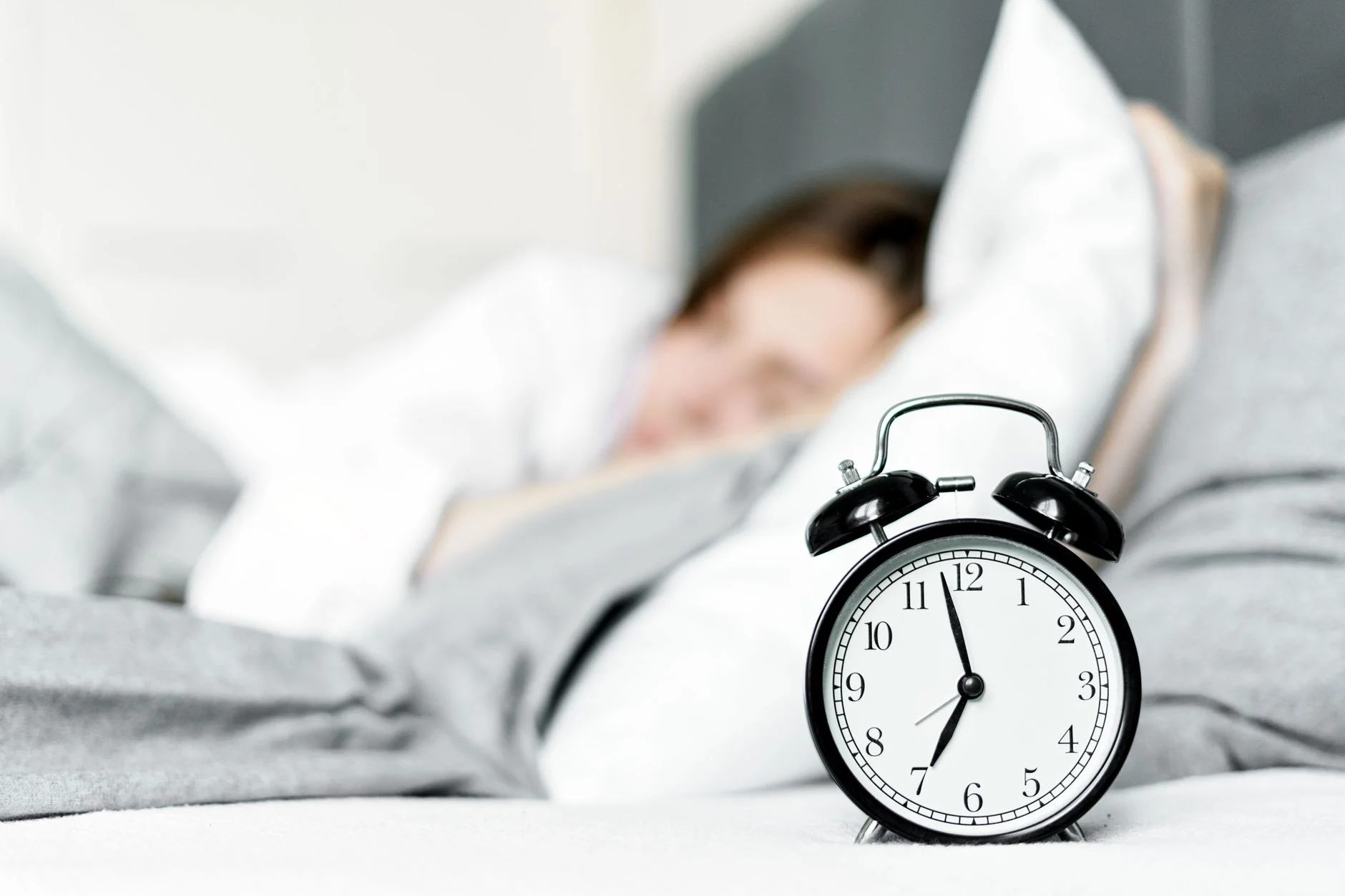
Evelina London suggests keeping the same sleep and wake times every day, including weekends, and getting up by about 9–10am at the weekend. It also advises at least 20 minutes of natural light after waking, a dark, quiet and cool bedroom, no caffeine after lunch (chocolate and green tea contain some), and naps of no more than 20 minutes and not after 5pm. If you cannot sleep after about 20–30 minutes, get up, do something calm and try again 15–20 minutes later.
Rules and routines
Curfews and set meal times can feel strict, especially if you are used to choosing your own schedule. They do have reasons. A fixed lights-out time and wake-up time make it easier to keep a regular sleep pattern, and the staff need to know where everyone is. Rules for fire safety and visitors also protect everybody in the building.
If a rule seems unfair, ask a member of staff to explain it or raise it politely. Safety rules matter most, so always know the fire exits and who to tell if something is wrong.
Conflicts with roommates
Different habits, personalities and lifestyles cause friction. One person is an early bird and the other a night owl. One is tidy and the other is not. Expectations that nobody has said out loud are a common source of friction, so state them calmly and early. Use “I” statements, such as “I find it hard to sleep when the light is on”, rather than blaming.
Living with others also means peer influence. Friends can encourage good habits like revising together, or poor ones like staying up late. Our article on positive and negative peer pressure shows how to tell the difference and say no when you need to.
Hostel science in one line: flip the cards
Test what you have learnt so far. Tap each card to check the answer.
The science behind it: germs in shared spaces
Shared rooms, bathrooms and kitchens are where the disadvantages of hostel life become microbiology. The more people share a space, the more chances germs have to move from one person to another. That is not a reason to panic. It is a reason to learn a few habits that really work.
How infections spread in a hostel
Germs travel by close contact, by touching contaminated surfaces and by shared food or water. A good example is norovirus, often called the winter vomiting bug. UKHSA and the NHS describe it as spreading easily in exactly these ways. Most people get better in about two days, but it spreads fast in places where many people live together.
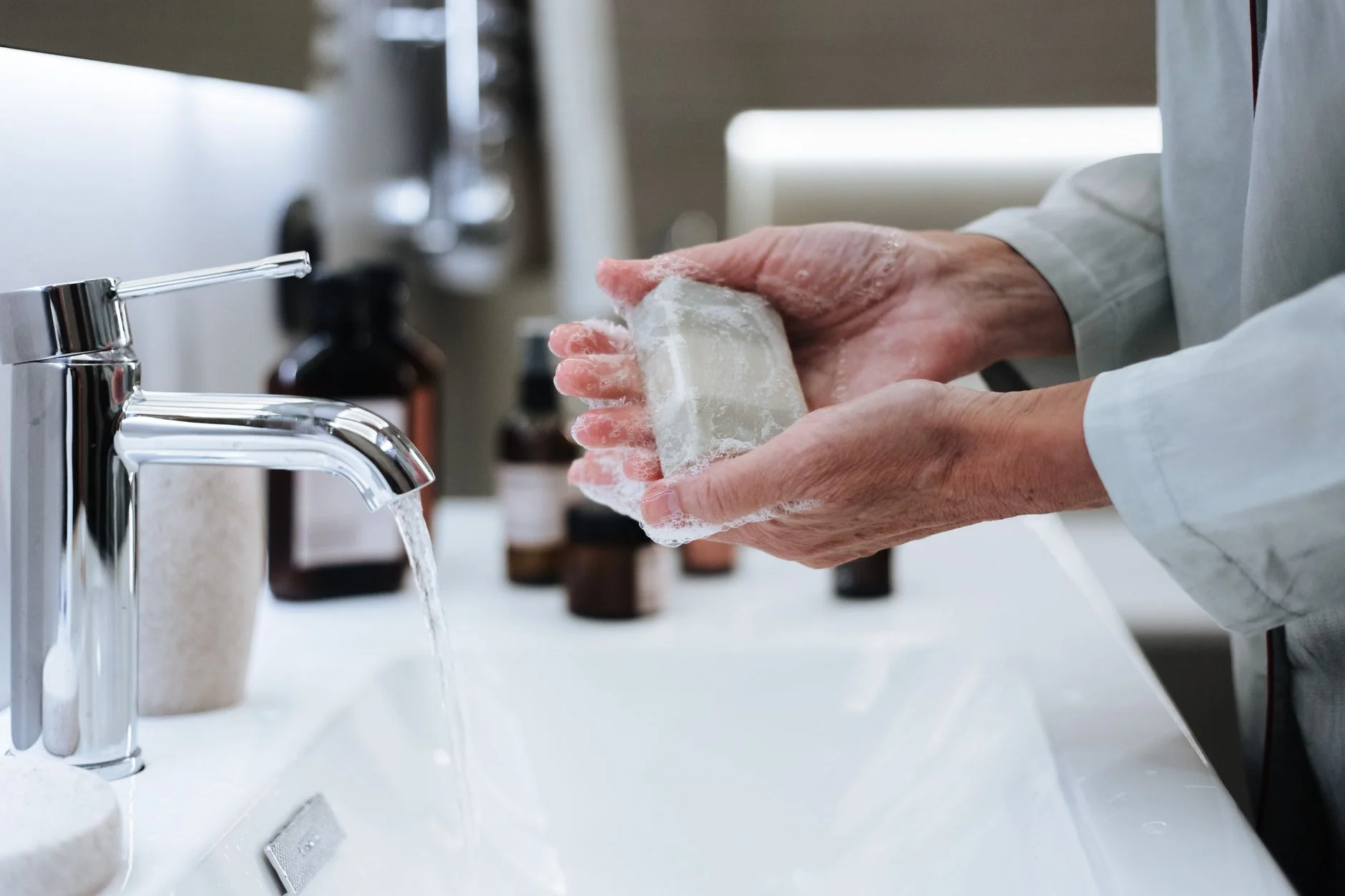
The best defence is washing your hands properly. The NHS says to wash for around 20 seconds, which is about the time it takes to sing “Happy Birthday” twice. Do it in this order:
- Wet your hands and add soap.
- Rub the palms, then the backs of both hands.
- Clean between your fingers, round your thumbs and over your fingertips.
- Rinse, then dry completely with a disposable towel, and use the towel to turn off the tap.
Wash after using the toilet, before and after handling raw foods, before eating, and after blowing your nose, sneezing or coughing. If soap and water are not available, use an alcohol-based hand sanitiser.
Why does soap work? Soap molecules have a water-loving head and a grease-loving tail. The tails grab the oils and dirt on your skin and the heads hold on to water, so rubbing and rinsing lifts germs off your hands and washes them away. Our comparison of different types of soap goes deeper into the chemistry.
If you do catch norovirus, the guidance is to stay away from school or work for 48 hours after your symptoms clear, so you do not pass it on. In a hostel, tell the staff so they can help and keep other students safe. Your body also has defences of its own, which you can read about in our guide to the human immune system. Seek advice from a GP, a school nurse or NHS 111 if you feel very unwell.
How fast can bacteria multiply?
Bacteria reproduce by splitting in two, a process called binary fission. Under ideal lab conditions, with a rich nutrient broth at 37°C, the bacterium E. coli can double about every 20 minutes. In the wild, the generation times are much longer.
The maths is powerful. After each doubling the number is multiplied by 2, so after n doublings you have 2n times as many.
N = N₀ × 2t ÷ d
Here N₀ is the number you start with, t is the time and d is the doubling time. Five hours is 300 minutes, which is 15 doublings of 20 minutes each. One cell becomes 215 = 32,768 cells. Try your own numbers below.
This is an idealised sum. Real bacteria slow down as food runs out, and cold slows them more. That is why food safety rules focus on keeping food cold and eating it quickly.
Eating well on a hostel budget
Food is another part of hostel life that changes. Meals may come at set times, or you may cook for yourself in a shared kitchen. Either way, the NHS Eatwell Guide gives a simple picture of a balanced diet.

- Fruit and vegetables should make up just over a third of what you eat each day.
- Starchy foods, such as potatoes, bread, rice and pasta, should make up just over a third.
- Eat some beans, pulses, fish, eggs and meat. Pulses such as beans, peas and lentils are low in fat and are good alternatives to meat.
- Have some dairy foods or alternatives, and use unsaturated oils in small amounts.
- Drink 6–8 cups or glasses of fluid a day.
The NHS “5 A Day” advice says 80 g of fresh, canned or frozen fruit or vegetables counts as one portion, so five portions is 400 g a day. Frozen and tinned foods count, as long as the tinned ones are in juice or water with no added sugar or salt. A portion of dried fruit is 30 g and is best eaten at mealtimes. Fruit juice and smoothies together count as one portion at most, and no more than 150 ml a day. Beans and pulses count only once a day, however much you eat.
On a budget, that means you can often rely on frozen vegetables, tinned beans and pulses, and starchy staples. Prices vary by shop and country, so compare labels and look for the options that fit your own budget instead of assuming one is always cheaper.
Healthy eating also supports sleep, concentration and a strong body. For a deeper look at the nutrients behind the plate, read why we require a balanced diet.
How to survive hostel life: 5 coping strategies that work
The infographic on coping gives five strategies. Each one has a reason behind it, so here is the advice and the science side by side. If you are wondering how to survive hostel life, start here.
1. Stay connected with family and friends
The American Academy of Pediatrics report on homesickness recommends planning how to keep in touch, for example by letters or calls, and sharing your feelings instead of keeping them inside. Pick a regular day and time to call home so you have something to look forward to. Strong family ties matter too, whether you come from a small household or a large one. Our article on nuclear and joint families shows how different family set-ups support young people.
2. Respect roommates and communicate openly
Agree quiet hours, how to share space and what to do when someone is ill. Talk early and kindly. A simple chat about sleep times protects everybody’s sleep, which, as we saw, affects mood and memory.
3. Organise your study time and manage distractions
Set a fixed study slot each evening, put your phone out of reach and take a short break every so often. Active methods such as testing yourself work better than just re-reading. For a full toolkit, see our guide on how to practise and remember what you study. Stop screens at least an hour before bed so that studying does not cost you sleep.
4. Join positive activities and clubs
Sport, music, art and other clubs give you structure and new friends. The AAP advice to think about the good things your school or camp is giving you applies here. Joining one club is a simple, realistic start.
5. Seek support from staff or teachers
Hostel staff and teachers have seen these problems before. Telling an adult early is a sensible step, not a failure. The box below lists who to contact.
Use this checklist as a daily routine. Your ticks are remembered in your browser.
- Charge my phone outside the bedroom
- Get up at the same time every day, even at weekends
- Wash my hands for about 20 seconds before eating
- Label and date leftovers, and eat them within 48 hours
- Call or text home on a planned day
- Join one club or activity
- Agree quiet hours with my roommates
- Know which member of staff I can talk to
Maths practice questions: hostel life by numbers
Numbers help you check a claim. Try these questions, then tap to reveal each answer.
A teenager needs 9.5 hours of sleep but sleeps from 11pm to 7am on 5 school nights. How many hours of sleep are they short in a week? (2 marks)
Sleep from 11pm to 7am is 8 hours. The shortfall is 9.5 − 8 = 1.5 hours a night. Over 5 nights that is 1.5 × 5 = 7.5 hours short.
A student goes to bed 15 minutes earlier on 5 school nights. How much extra time in bed is that in a week? (1 mark)
15 × 5 = 75 minutes, which is 1 hour 15 minutes extra.
The ISC counted 57,836 boarders among 526,611 pupils in 2026. What percentage of pupils were boarders? Give your answer to 1 decimal place. (2 marks)
57,836 ÷ 526,611 × 100 ≈ 11.0%. Extension: boarders fell by 5,199 from about 63,035 in 2025. The percentage decrease is 5,199 ÷ 63,035 × 100 ≈ 8.2%.
You eat 5 portions of fruit and vegetables a day, each of 80 g. How many kilograms is that in a week? (2 marks)
5 × 80 g = 400 g a day. Over 7 days that is 400 × 7 = 2,800 g, which is 2.8 kg a week.
Hostel life good and bad: the verdict
So is hostel life good or bad? The honest answer is that it is both. It gives you friendships, independence, teamwork, academic support and fun. It also brings homesickness, less privacy, distractions, strict routines and conflicts. The final message on the infographic sums it up well: with a positive attitude and good habits, challenges become life lessons.
The science backs that up. Homesickness is common and can be eased by staying in touch and sharing feelings. Sleep need is real, and a steady routine protects it. Good handwashing and food safety cut the risk of infection, and a balanced diet supports your energy. None of this is complicated, but it works best when you do it every day.
Frequently asked questions about hostel life
Is hostel life good or bad for students?
It is both. Hostel life can give you friendships, independence and teamwork, but it can also bring homesickness, less privacy, noise and conflicts. Good habits such as staying in touch with home, keeping a sleep routine and talking to staff help the good side win.
What are the advantages of hostel life?
The main advantages are strong friendships, independence in managing time and belongings, teamwork and respect for others, academic support from classmates, and fun experiences such as sports, clubs and social events. Together they help you grow in confidence and responsibility.
What are the disadvantages of hostel life?
The main disadvantages are homesickness, less privacy, distractions such as noise that affect study and sleep, strict rules and routines such as curfews and set meal times, and conflicts with roommates over habits and personalities. Most of these can be reduced with planning and communication.
Is it normal to feel homesick in a hostel?
Yes. A report by the American Academy of Pediatrics says almost all children, teenagers and adults feel some homesickness when they are away from familiar people and places. Staying in touch, sharing your feelings and joining activities can help. Talk to someone if it does not ease.
How much sleep do teenagers need?
Most teenagers need about 9–9.5 hours of sleep a night, although the normal range is 7 to 11 hours. Sleeping under 7 hours on most nights is probably not enough. During puberty the body clock shifts later, so early nights can feel difficult.
How can I sleep better in a noisy hostel?
Keep the same sleep and wake times every day, stop phones and tablets at least an hour before bed, and keep the room dark, cool and as quiet as you can. If you are not asleep after 20–30 minutes, get up, do something calm and try again later.
How can I avoid getting ill in a shared hostel?
Wash your hands with soap and water for about 20 seconds, especially after the toilet and before eating. Do not rely on hand gel for norovirus. Store food in a fridge at 0–5°C, eat leftovers within 48 hours, and tell staff if you are unwell.
What is a student who lives in a hostel called?
A student who lives in a school or college hostel is usually called a hosteller. In the UK, the usual word is boarder, and the building is a boarding house. Students who go home each evening are often called day scholars.
How do I write an essay on hostel life?
Start with an introduction that explains what hostel life is. Then give three advantages, three disadvantages, ways to cope, and a balanced conclusion. Support each point with an example or a fact, such as sleep needs or the research on homesickness, and give your own judgement at the end.