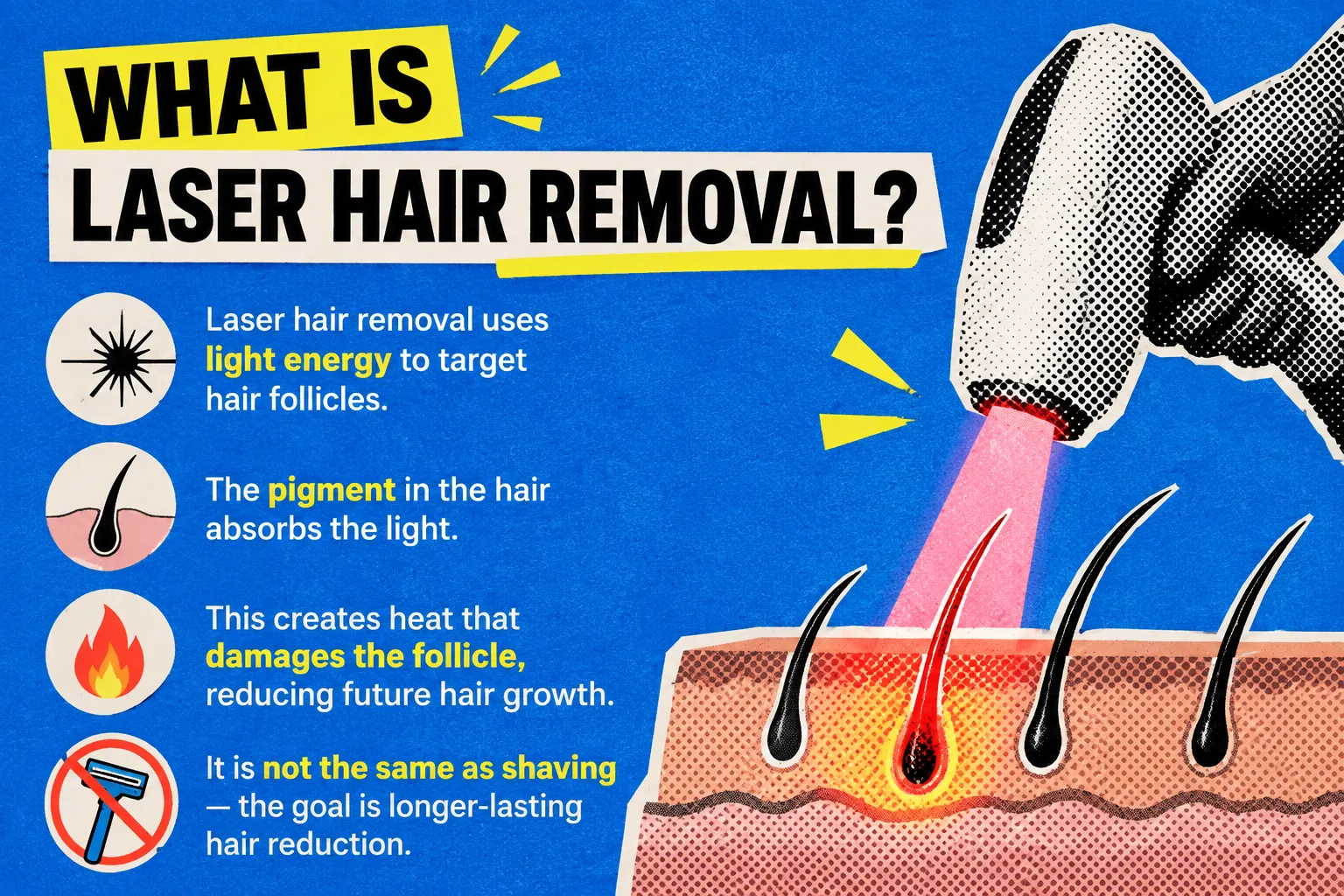
Is the treadmill or the open road better for your health? Both are excellent. Either way you get similar heart, lung and muscle benefits of running, and the differences are mostly about convenience, variety and cost. The best option is the one you will actually do, so consistency beats location every time.
If you have ever wondered about treadmill vs running outside, you are not alone. Teenagers, parents, new runners and gym regulars all ask it, usually while looking out of the window at the rain. This guide compares the two fairly, using NHS guidance and published research, so you can choose with confidence.
Treadmill vs running outside: the quick answer
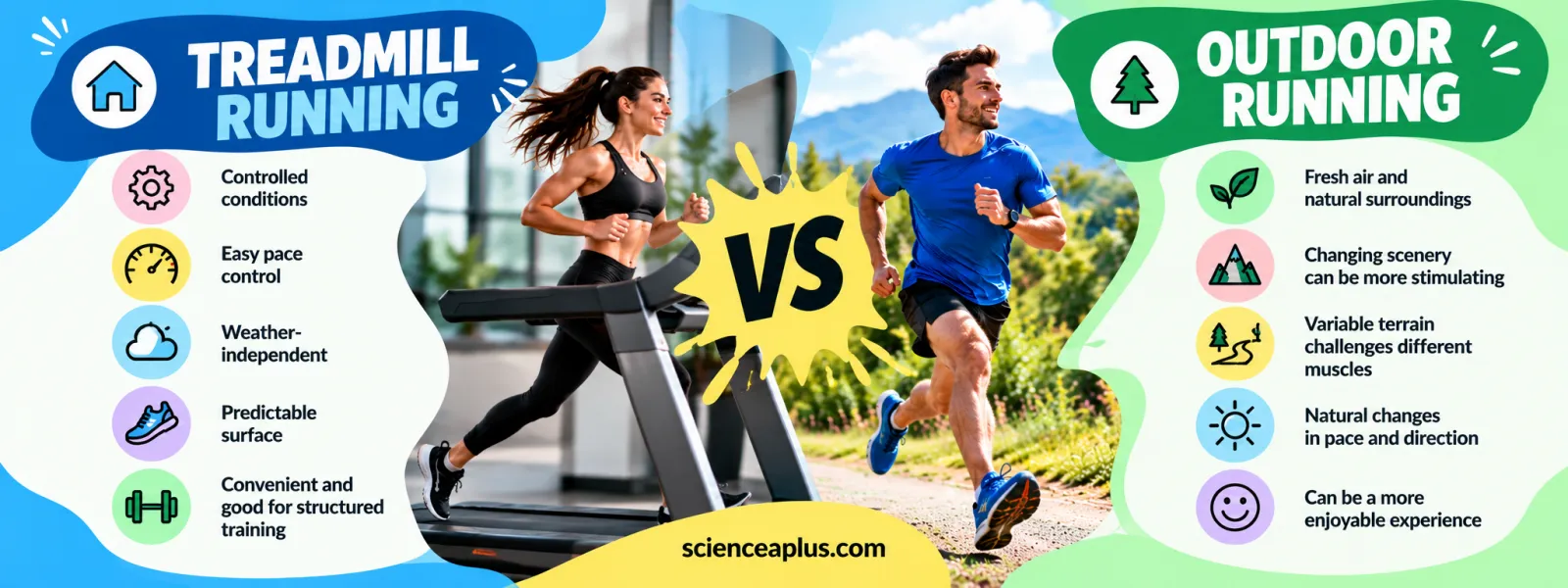
When people compare treadmill vs outdoor running, they usually want a simple verdict. There is not a single winner, because each one suits different situations. This table sets out the main differences side by side.
| Factor | Treadmill | Outdoors |
|---|---|---|
| Pace and incline | Controlled exactly, so it suits structured intervals | Set by you, the wind and the slopes you meet |
| Weather | Not affected, so you can train in any conditions | Rain, wind, heat and cold all affect your run |
| Surface | Cushioned and predictable | Varied and sometimes uneven, which trains balance and different muscles |
| Scenery and mood | Can feel monotonous | Fresh air, daylight and “green exercise” |
| Cost | Gym membership or a machine at home | Free |
| Safety | No traffic or darkness, but you must use the safety clip | Be visible, watch for traffic and tell someone your route |
| Tracking | Pace, distance and heart rate are easy to follow | Needs a watch or phone, and numbers are estimates |
In short, the treadmill gives you control and comfort, while the outdoors gives you variety and a free change of scenery. Many runners happily use both, which we cover later in this series.
How much running do you need?

Before choosing running indoors or outdoors, it helps to know how much activity your body needs. The NHS physical activity guidelines are clear and the same wherever you run.
- Adults (19–64): at least 150 minutes of moderate activity or 75 minutes of vigorous activity a week, plus strength activities on two or more days.
- Children and young people (5–18): an average of at least 60 minutes a day.
Running counts as vigorous activity, so it can fit into these targets efficiently. For example, three short runs that add up to 75 minutes would cover the vigorous target for an adult. You can also mix moderate and vigorous activity, such as a brisk walk on one day and a run on another.
The guidelines do not say where the activity must happen. A treadmill, a park path and a school field all count equally towards the totals.
If you are just starting
New runners often worry that they must jog for 30 minutes straight. You do not. The NHS Couch to 5K is a free 9-week plan, available as an app, that takes you from no running at all to 5 km by alternating running and walking. It works on a treadmill, outdoors or a mix of the two.
If starting feels hard, the problem is often motivation rather than fitness. Our guides on how to motivate yourself to exercise and on what to do when there is no motivation to workout have practical ideas for the days you would rather stay on the sofa.
Making it a habit
Choosing a setting that removes your usual excuses is a smart move. If dark evenings put you off, a treadmill removes the darkness and traffic. If gym fees put you off, a free local route removes the cost. Matching your running place to your own obstacles is the quickest route to consistency.
Now that you know the target and the basic differences, the next question most people ask is whether the treadmill is actually easier. The answer involves air resistance, a small incline setting and the moving belt, which we look at next.
Is treadmill running easier?
Many people say yes, and there is a good reason. When you run outside, you push through the air, and that air pushes back. On a treadmill you stay in the same spot, so there is no air resistance to overcome.
So is treadmill running easier? At the same speed, it can be, because your body uses a little less oxygen to do the same work. Whether it feels easier is a different matter, and we will come back to that below.
The 1% incline guideline
To make up for the missing air resistance, runners are often told to set the treadmill to a small slope. A well-known study by Jones and Doust (1996, Journal of Sports Sciences) tested trained runners at a range of speeds. They found that a 1% incline most accurately matched the oxygen cost of running outdoors.
Later studies suggest that 0–1% may be enough at slower speeds. Treat 1% as a handy guide rather than a law. If you run at an easy jogging pace, the difference is small, and you do not need to worry about it.
Why does the treadmill sometimes feel harder?
If you have ever asked "why is the treadmill harder?", you are not alone. Oxygen cost is only part of the story. The belt keeps going at a fixed pace, there is no breeze to cool you, and there is often nothing to look at except a screen. Treadmill running can also feel monotonous, which makes the same effort seem longer.
Outdoors, the scenery changes, you may get a cooling wind, and you naturally ease off on a hill without thinking about it. A treadmill removes those small breaks, so the effort can feel more constant.
Why is running outdoors slightly harder than running on a treadmill at the same speed? (2 marks)
Outdoors, the runner has to push against air resistance (1 mark), whereas on a treadmill you stay still relative to the air, so there is almost none (1 mark). This is why a 1% incline is often used to match the effort of outdoor running.
Calories: indoors or outdoors?
A common search is "do you burn more calories running outside?" The honest answer is that the difference is small, and it is hard to measure exactly. A useful rule of thumb is that running uses roughly 1 kcal per kilogram of body mass for every kilometre, and this stays fairly independent of speed.
Energy used ≈ 1 kcal × body mass (kg) × distance (km)
For example, a 50 kg runner covering 5 km would use roughly 250 kcal. A 70 kg runner covering the same 5 km would use roughly 350 kcal. The key idea is that distance and body mass matter more than speed. Try your own numbers in the calculator below.
Remember that these are estimates. The calorie counts shown on treadmills and sports watches are estimates too, and they can be wrong by a fair margin. Use them to compare your own sessions over time, not as exact measurements. If you want to understand how your body uses energy at rest, our article on whether you can burn calories while you sleep explains the basics.
Benefits of treadmill running
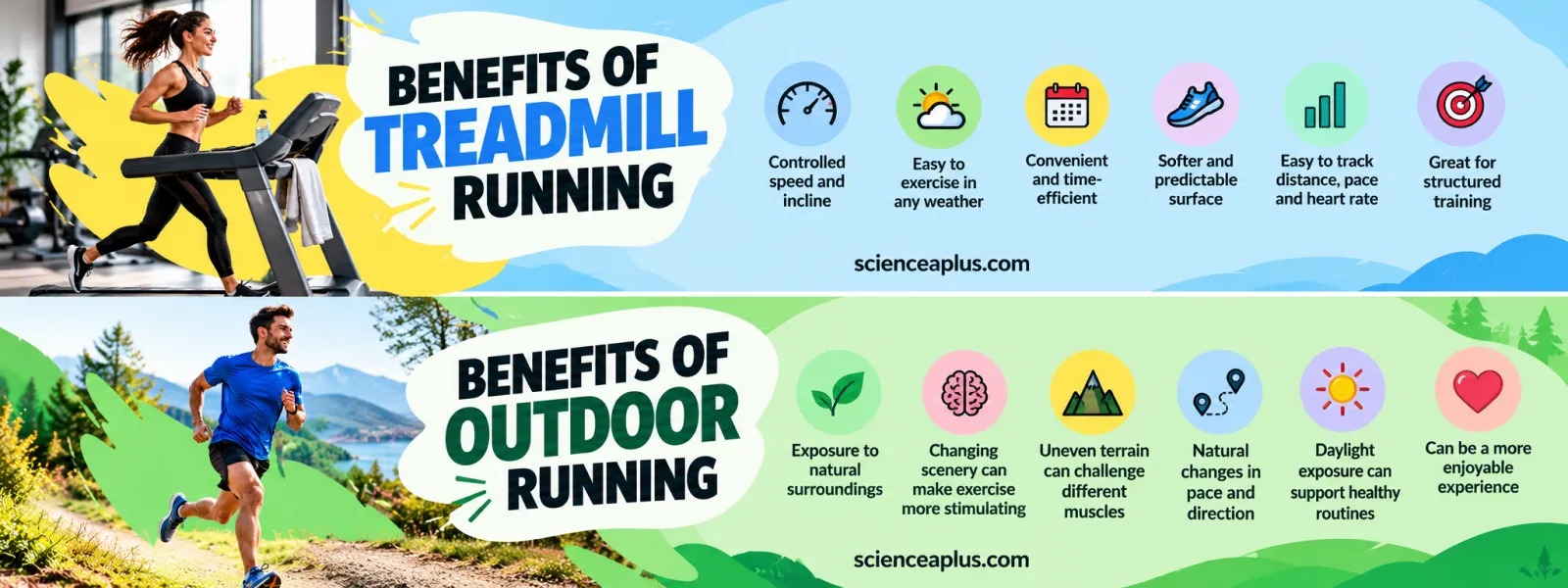
Treadmills are not just for bad weather. They have real advantages, and for some people they are the best way to keep running regularly. Here are the main benefits of the treadmill vs outdoor running comparison that favour the machine.
You control the pace and the incline
You can set an exact speed and slope and keep them the same for as long as you like. That makes it easy to follow a structured session, such as intervals, where you alternate fast and slow periods. You can also repeat the same workout next week and compare how it felt.
It does not depend on the weather
Rain, ice and heat do not stop a treadmill session. For anyone who finds it hard to stay consistent, that matters a lot, because the best plan is the one you actually do.
It is safe from traffic and darkness
Indoors, you do not need to worry about cars, dark evenings or uneven pavements. This can be especially helpful for people who feel unsafe running alone outside after school or work.
It is easy to track your effort
Most machines show pace, distance and time, and many can read your heart rate. Seeing the numbers can help you notice progress and pace yourself sensibly.
The surface is cushioned and predictable
A treadmill belt is the same under every step, with no potholes, kerbs or loose stones. Many belts are also cushioned, which some runners find more comfortable than hard pavement.
Water and a toilet are close by
At a gym or at home, a drink and a toilet are only a few steps away. Beginners often appreciate that peace of mind.
The drawbacks to keep in mind
Treadmills have downsides too. Running in place can feel dull, there is no wind or changing terrain, and gym access costs money. You also need to learn how to use the machine safely.
Overall, treadmill running is a perfectly good way to meet the NHS activity guidelines. It is not a worse option than running outdoors, just a different one. In the next section, we look at what running outside offers in return.
Benefits of running outside

When people compare treadmill vs running outside, the outdoors tends to win on variety. No two paths are quite the same, and that variety is where most of the benefits come from.
Varied terrain keeps your body guessing
A treadmill belt is flat, even and predictable. A park path, a trail or a pavement is none of those things. Uneven ground, camber, kerbs and gentle slopes all ask your body to make constant small adjustments.
That trains your balance and brings different muscles into play. Wind and hills also add challenge without you having to press a button. Run into a headwind and the same pace feels harder, which is exactly the effect a treadmill has to imitate with its incline setting.
Green exercise and mood
Exercising in a natural setting is sometimes called “green exercise”. A 2010 analysis by Barton and Pretty found that even 5 minutes of exercise in green spaces improved mood and self-esteem. That is a short enough time to try before school, after work or on a lunch break.
Nobody should treat this as a guaranteed fix for a bad day. It does suggest that where you run can matter as well as how far, which is one reason many people enjoy running indoors or outdoors in different moods.
Daylight, your body clock and vitamin D
Running outside means daylight, and daylight helps set your body clock. If you run in the morning, that bright light can be a useful signal that the day has started.
Sunlight is also how most of us make vitamin D. According to the NHS, most people can make enough vitamin D from sunlight from late March or April to the end of September. In the UK winter, sunlight is not enough for this, so outdoor running does not replace the NHS advice on vitamin D in those months.
It is free
Outdoor running needs shoes, suitable clothes and somewhere to go. There is no membership, and many people also find that a free event such as parkrun gives them a reason to turn up each week. You can read more about those in the final part of this article.
Downsides of each: pollution, weather, monotony and cost
Neither option is perfect. A fair look at treadmill vs outdoor running has to include the drawbacks of both.
Outdoors: pollution, weather, darkness and traffic
- Air pollution. Air near busy roads can be more polluted. On high-pollution days, check the UK air quality forecast and choose parks or quieter routes. Our air pollution essay explains where it comes from.
- Weather. Rain, ice and wind can make a run unpleasant or slippery. In hot weather, run at cooler times of day and drink water.
- Darkness and traffic. Early mornings and winter evenings are dark. Wear bright or reflective clothing so drivers and cyclists can see you.
- Uneven ground. The same terrain that trains your balance can also be a trip hazard, especially if you are looking at a watch or phone.
Treadmill: monotony, cost and the learning curve
- It can feel dull. The view does not change. Many people cope with music, videos or interval sessions that break the run into chunks.
- Cost and access. You need a gym membership or a machine at home. That is a real barrier for many families.
- No wind or terrain variety. You miss the natural challenge of hills, wind and uneven ground.
- The belt can feel different. A set belt speed can feel harder or easier than the same pace outdoors. Be ready to adjust.
- Learning the controls. You need to know how the safety key or clip and the stop button work before you start.
The treadmill does have real strengths: you control the pace and incline, the weather is irrelevant, there is no traffic, and you can track pace, distance and heart rate easily. The surface is also cushioned and predictable. If the choice is between a treadmill run and no run because it is dark and raining, the treadmill is the better option.
Is a treadmill better for your knees?
This is one of the most common questions about running indoors or outdoors, and the honest answer is that the evidence is mixed. Studies comparing injury rates on treadmills and outdoors have not given a clear winner.
A treadmill surface is cushioned and predictable, which some runners find comfortable. Outdoors, the ground varies, which some runners find helpful and others find harder on their bodies. Neither can be called “safe” or “risky” by default.
What does seem to matter more is how you build up. Overuse injuries are often linked to doing too much, too soon, wherever you run. Many coaches suggest small weekly increases, rather than big jumps, along with rest days and a pair of shoes that suit you.
This article is for education and cannot diagnose anything. If you have pain in your knees or anywhere else that does not settle, or that gets worse when you run, stop and see a GP or physiotherapist. If you are unwell or worried, you can also contact NHS 111.
If you want the bigger picture on keeping your body strong, our guide to bone strength, obesity and heart disease risk is a good next read.
Your run-safety checklist
Whichever you pick, a few habits make a run safer. Tick them off as you go; your ticks are remembered in your browser.
- Start slowly and build distance gradually, with rest days in between.
- Wear shoes that suit you and are in good condition.
- Outdoors, wear bright or reflective clothing so you are visible.
- Tell someone your route and when you expect to be back.
- Stay aware of traffic and other people, especially if you wear headphones.
- On a treadmill, clip on the safety key, start slowly and never step off a moving belt.
Which should you choose?

The honest answer to treadmill vs outdoor running is that the better option is the one that fits your life, your budget and your goals this month. Both count towards the NHS activity targets, and both can be adjusted to suit a beginner or an experienced runner.
Choose the treadmill if…
- You want a controlled pace and incline, for example for structured intervals where you switch between fast and easy running.
- The weather is poor, it is dark, or you do not feel safe near traffic.
- You like tracking pace, distance and heart rate on one screen.
- You prefer a cushioned, predictable surface and want a toilet and water close by.
- You are new to running and want to start in a calm, steady setting. Just learn how the safety clip and stop button work first.
Choose running outside if…
- You want the variety of terrain, wind and slopes, which challenge your balance and use your muscles in different ways.
- You would rather not pay for a gym or a machine, since a pair of shoes is enough to begin.
- You enjoy fresh air and daylight, which can lift your mood and help your body clock.
- You want to join a group event such as parkrun.
Running indoors or outdoors is also not a permanent choice. Plenty of people use both, and that is where the best results often come from.
Mixing both for the best results

Combining the two lets you use each one for what it does best. The treadmill suits planned, measurable sessions and bad-weather days. The outdoors suits longer, relaxed runs and exploring new routes. If you are running on a treadmill to prepare for outdoor runs, a 1% incline is a sensible starting guide, because it roughly matches the effort of running outside at the same speed.
Here is a sample week for someone who can already run for 20–30 minutes (complete beginners should start with the NHS Couch to 5K plan). It is an example, not a prescription, so adjust it to your fitness and any advice from a GP or physio.
| Day | Session | Where |
|---|---|---|
| Monday | Easy run, steady pace | Treadmill or outdoors |
| Tuesday | Strength activities (NHS advises 2+ days a week) | Home or gym |
| Wednesday | Short intervals: fast and easy blocks | Treadmill |
| Thursday | Rest day or a gentle walk | Anywhere |
| Friday | Easy run, steady pace | Outdoors, in a park if possible |
| Saturday | Longer, relaxed run or parkrun | Outdoors |
| Sunday | Strength activities or full rest | Home |
This plan keeps hard sessions apart, includes rest, and adds distance slowly. Overuse injuries are often linked to doing too much, too soon, so many coaches suggest small weekly increases rather than big jumps. Good shoes and rest days help too. If something hurts and does not settle, see a GP or physio rather than running through it.
Whichever mix you choose, aim for the NHS guidelines: at least 150 minutes of moderate or 75 minutes of vigorous activity a week for adults, plus strength activities on 2 or more days. Children and young people aged 5–18 should average at least 60 minutes of moderate or vigorous activity a day across the week, plus activities that strengthen muscles and bones on three days a week. Running counts as vigorous activity.
Best time of day to run
There is no strong evidence that one time of day is best for health. Morning, lunchtime and evening runs all work. The best time is the one you can stick to, because consistency matters most.
That said, a few practical points can help you decide. Outdoors in winter, daylight may limit your options, and being visible matters, so wear bright or reflective clothing. In hot weather, choose a cooler time of day and drink water. On a treadmill, timing hardly matters, which is one reason people use it after school or work.
Your routine around running matters too. If you are trying to build a habit while managing sleep, see our guide to sleep hygiene and mental health. If running is part of how you unwind, our article on living a stress-free life has more ideas. And for the wider picture of everyday habits, read about lifestyle choices that improve brain function.
Parkrun and Couch to 5K: two ways to begin
If you are just starting, two free options are worth knowing. NHS Couch to 5K is a free 9-week plan, delivered through an app, that takes you from no running to 5 km. You can follow it on a treadmill or outdoors.
parkrun is a free weekly timed 5 km event. It started in 2004 at Bushy Park, London. Junior parkrun is 2 km and is for 4–14-year-olds. You can walk, jog or run, and nobody minds how fast you go.
Flip card revision
Frequently asked questions about treadmill vs outdoor running
Is treadmill running as good as running outside?
Yes, for general health. Running on a treadmill counts as vigorous activity towards the NHS guidelines, just like running outdoors. Outdoor running adds terrain, wind and daylight, while a treadmill offers control and convenience. The better choice is the one you will do regularly.
Do you burn more calories running outside?
Slightly more, in some cases, because of air resistance and uneven ground. A rough rule is that running uses about 1 kcal per kilogram of body mass per kilometre, fairly independent of speed. Calorie numbers on treadmills and watches are estimates, so treat them as a guide.
Why is running on a treadmill harder?
For many people the belt pace feels harder or easier than outdoors, and the monotony and lack of airflow can make it feel tougher. Physically, treadmill running removes air resistance, so it is often slightly easier at the same speed. How hard it feels is partly mental.
What incline should I use on a treadmill?
A 1% incline most accurately matched the oxygen cost of outdoor running in trained runners (Jones and Doust, 1996). Later studies suggest 0–1% may be enough at slower speeds. It is a guide, not a law, so adjust to how the effort feels.
Is treadmill running better for your knees?
The evidence on injury rates on treadmills versus outdoors is mixed. Treadmills offer a cushioned, predictable surface, but overuse injuries are often linked to doing too much, too soon. Build up gradually, rest, wear good shoes, and see a GP or physio if you have pain.
How often should I run?
There is no single answer. The NHS advises adults to do at least 150 minutes of moderate or 75 minutes of vigorous activity a week, plus strength activities on 2 or more days. Beginners can spread short runs across the week and include rest days.
What is the best time of day to run?
There is no strong evidence that one time is best for health. The best time is the one you can stick to. Outdoors, choose cooler times in hot weather and make sure you are visible in low light. Consistency matters most.
Is it safe to run outside when air pollution is high?
Air pollution is higher near busy roads. On high-pollution days, check UK air quality forecasts and choose parks or quieter routes, or run on a treadmill instead. If you have a health condition that affects breathing, ask your GP for advice first.
Can beginners start on a treadmill?
Yes. A treadmill gives a controlled pace and a cushioned surface, which suits many beginners. Learn the safety key or clip, start slowly, and never step off a moving belt. The free NHS Couch to 5K plan can be followed indoors or outdoors.