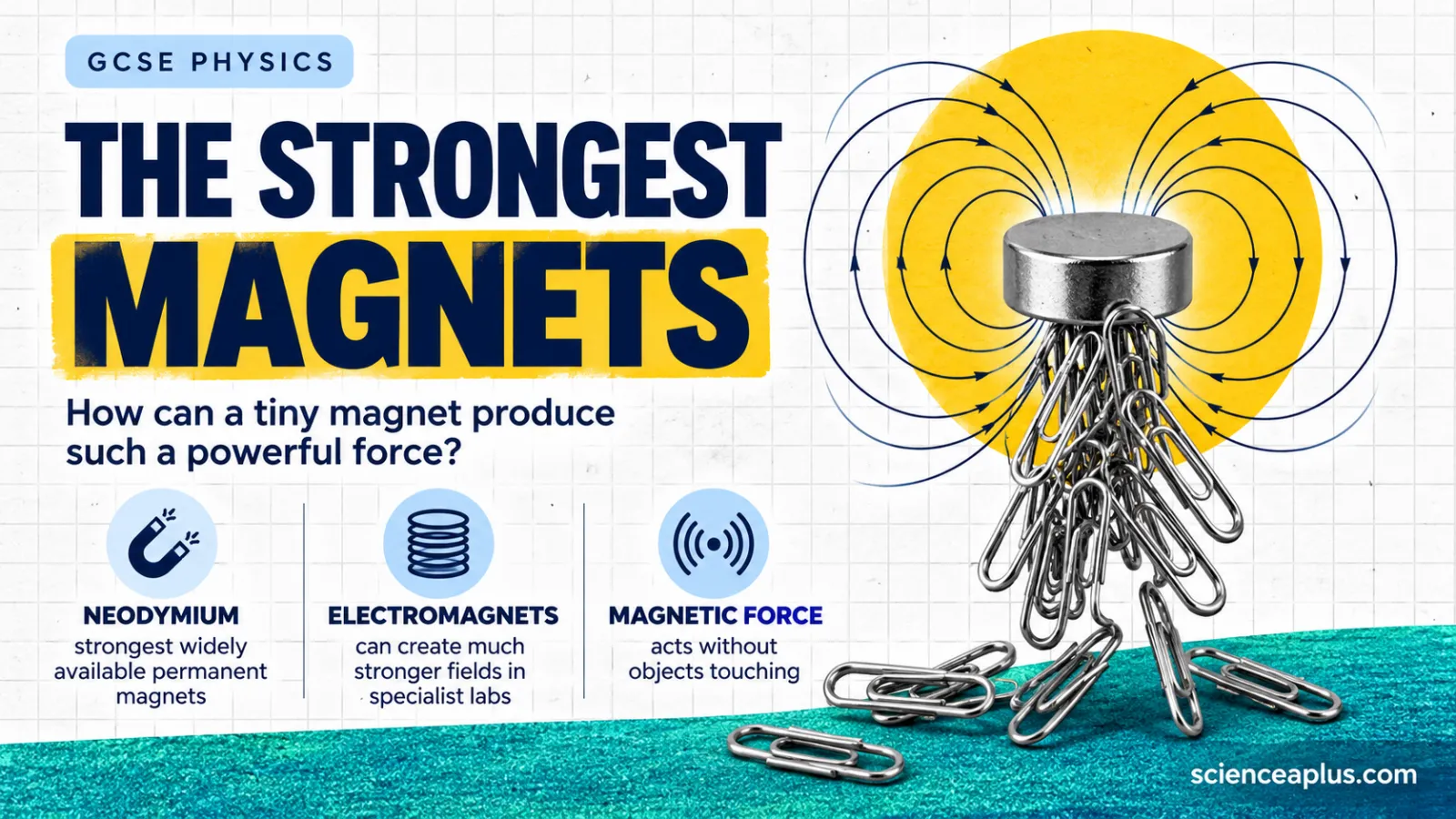
The strongest magnets depend on which kind you mean. Neodymium (NdFeB) is the strongest permanent magnet, but laboratory electromagnets go much further, with a record steady field of 48.7 tesla set in 2025. Pulsed magnets reach 100 tesla and beyond, and magnetars in space are stronger still.
This guide covers the GCSE physics behind all of it: poles, field lines and electromagnets. You will find comparison tables, two working calculators and a quiz to test yourself.
What is the strongest magnet in the world?
There is no single answer, because scientists count magnets in different categories. A magnet that stays magnetic on its own is a permanent magnet. A magnet that needs an electric current is an electromagnet. Some magnets run steadily for hours, while others make a huge field for only a fraction of a second.
The table below sets out the record holders, with figures checked in October 2026. Records do change, so treat it as a snapshot.
| Category | Record holder | Strength | When |
|---|---|---|---|
| Permanent magnet | Neodymium (N52 grade) | Remanence about 1.4–1.5 T inside the material | Commercial since 1984 |
| Steady field, any magnet | MagLab “Little Big Coil” test coil inside a 31 T magnet | 48.7 T | 2025 |
| Steady field, working user magnet | Hefei hybrid magnet, China | 45.22 T | 2022 |
| Resistive magnet | Hefei, China | 42.02 T | 2024 |
| All-superconducting user magnet | Chinese Academy of Sciences, Beijing | 35.6 T | 2026 |
| Non-destructive pulse | Los Alamos, USA | 100.75 T | 2012 |
| Destructive pulse (indoors) | University of Tokyo | 1,200 T | 2018 |
| In nature | Magnetars | About 1011 T | — |
So the answer to “what is the strongest magnet in the world?” is: the 48.7 T Little Big Coil for a steady field, and a magnetar for the strongest magnet known anywhere in the universe. Among permanent magnets that you can actually buy, neodymium wins easily.
How is magnet strength measured? Tesla and gauss
Magnetic field strength is also called magnetic flux density, with the symbol B. Its SI unit is the tesla (T). An older unit, the gauss (G), is still common on magnet datasheets, and 1 T = 10,000 G.
Some everyday values help to build a feel for the scale:
- Earth’s magnetic field: about 0.00005 T, or one twenty-thousandth of a tesla.
- A strong fridge magnet: about 0.01 T (100 gauss).
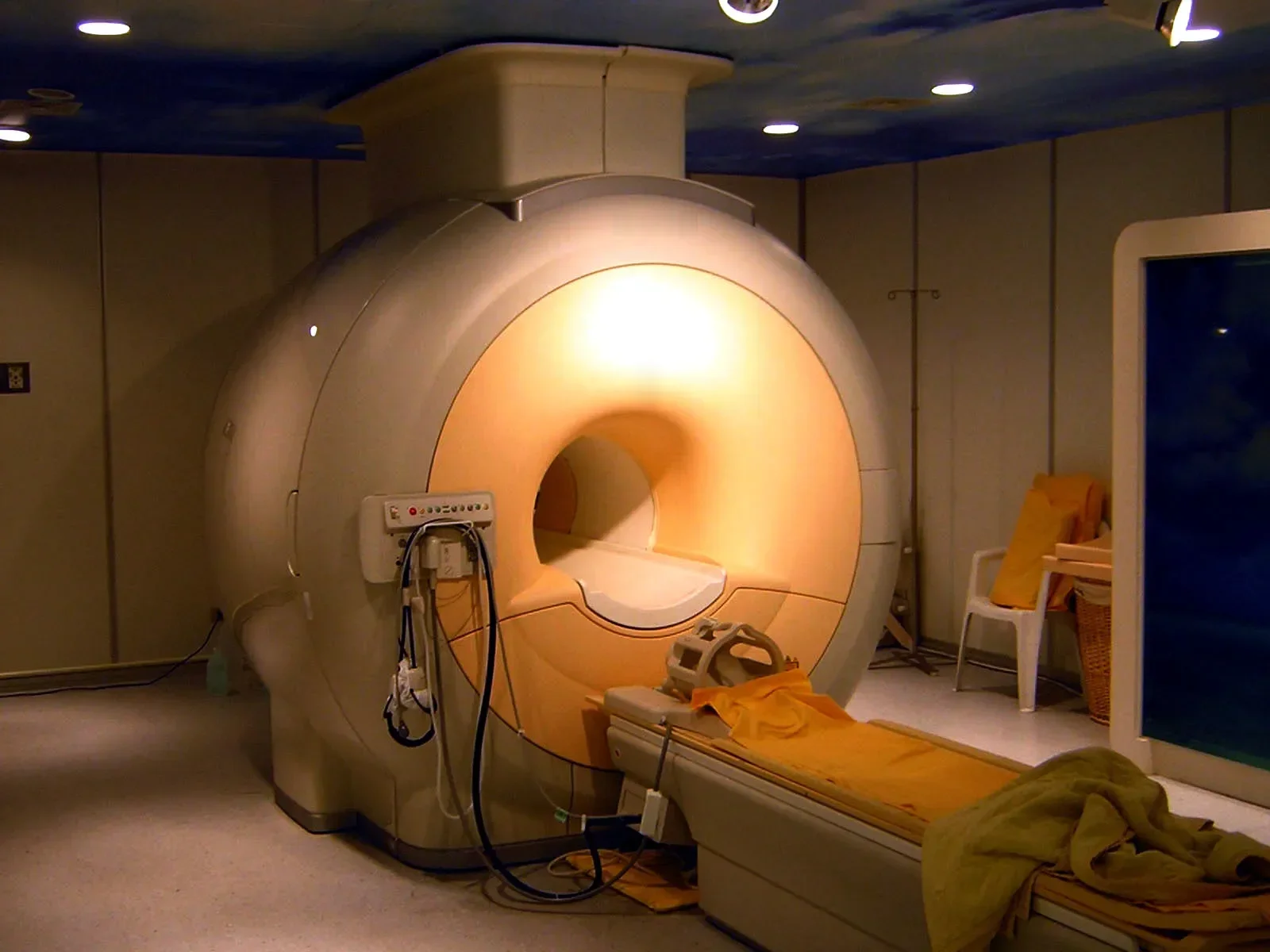
- A hospital MRI scanner: 1.5 or 3 T. Our guide to MRI scanners explains how the scan works.
Be careful with datasheet numbers. A small N52 neodymium block measuring 12.7 × 6.35 × 3.2 mm has a surface field of only about 0.42 T (4,174 gauss), even though the material itself has a remanence of 1.4–1.48 T. Remanence describes the magnetism locked inside the material, not the field you would measure at its surface. That small block can still pull with a force of about 2.7 kg on a thick steel plate, according to the manufacturer.
Field strength also falls with distance from the magnet, which is why a magnet you hold in your hand feels weak from across the room. Use the calculator to compare some well-known magnets with Earth and with a fridge magnet.
Magnetic fields and poles: the GCSE basics
Every magnet has two poles, and the poles are the places where the magnetic forces are strongest. A north pole and a south pole attract each other, while two like poles repel. These rules are the same for the weakest fridge magnet and the strongest magnets on Earth.
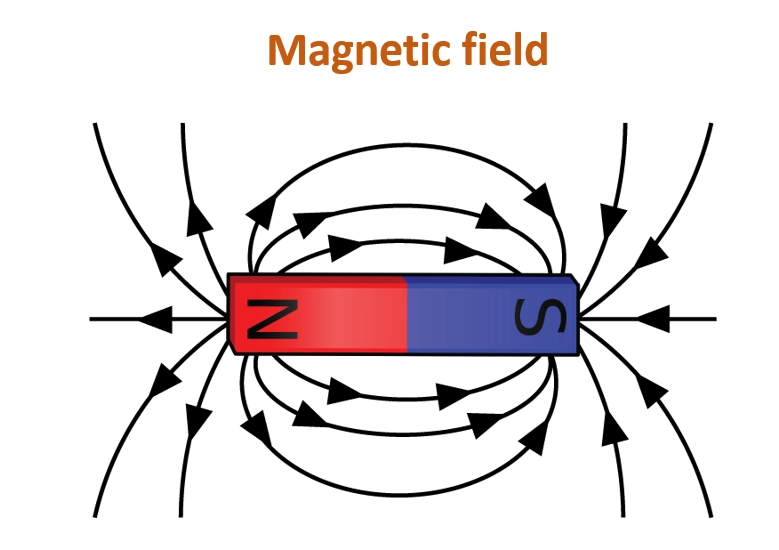
The region around a magnet where another magnet or a magnetic material feels a force is called its magnetic field. We draw it with field lines. The lines leave the north pole, curve round and enter the south pole. Where the lines are closest together, the field is strongest, and that is always at the poles.
Why do magnets exist at all? In iron, nickel and cobalt, the atoms behave like tiny magnets because of their electrons (see our guide to atoms and sub-atomic particles). In a magnet those tiny magnets point mostly the same way, so their effects add up.
Only a few materials are strongly attracted to a magnet: iron, steel (which is mostly iron), cobalt and nickel. These are metals, but most other metals are not magnetic. You can look at the whole list in our guide to all the metals on the periodic table.
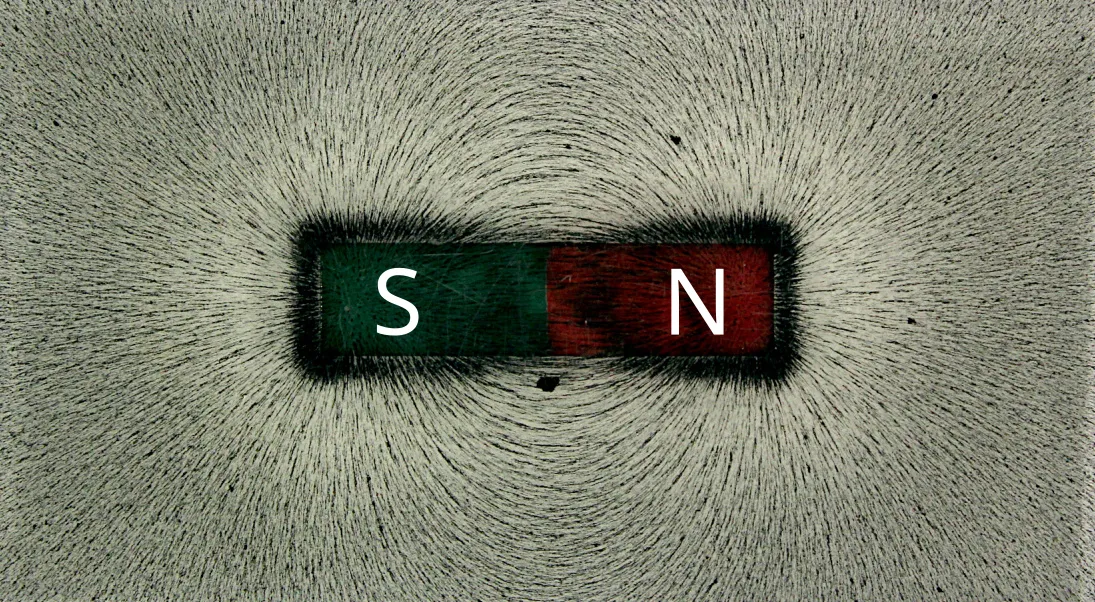
You can see a field with iron filings. Swipe through the photos to compare one magnet, two unlike poles and two like poles.
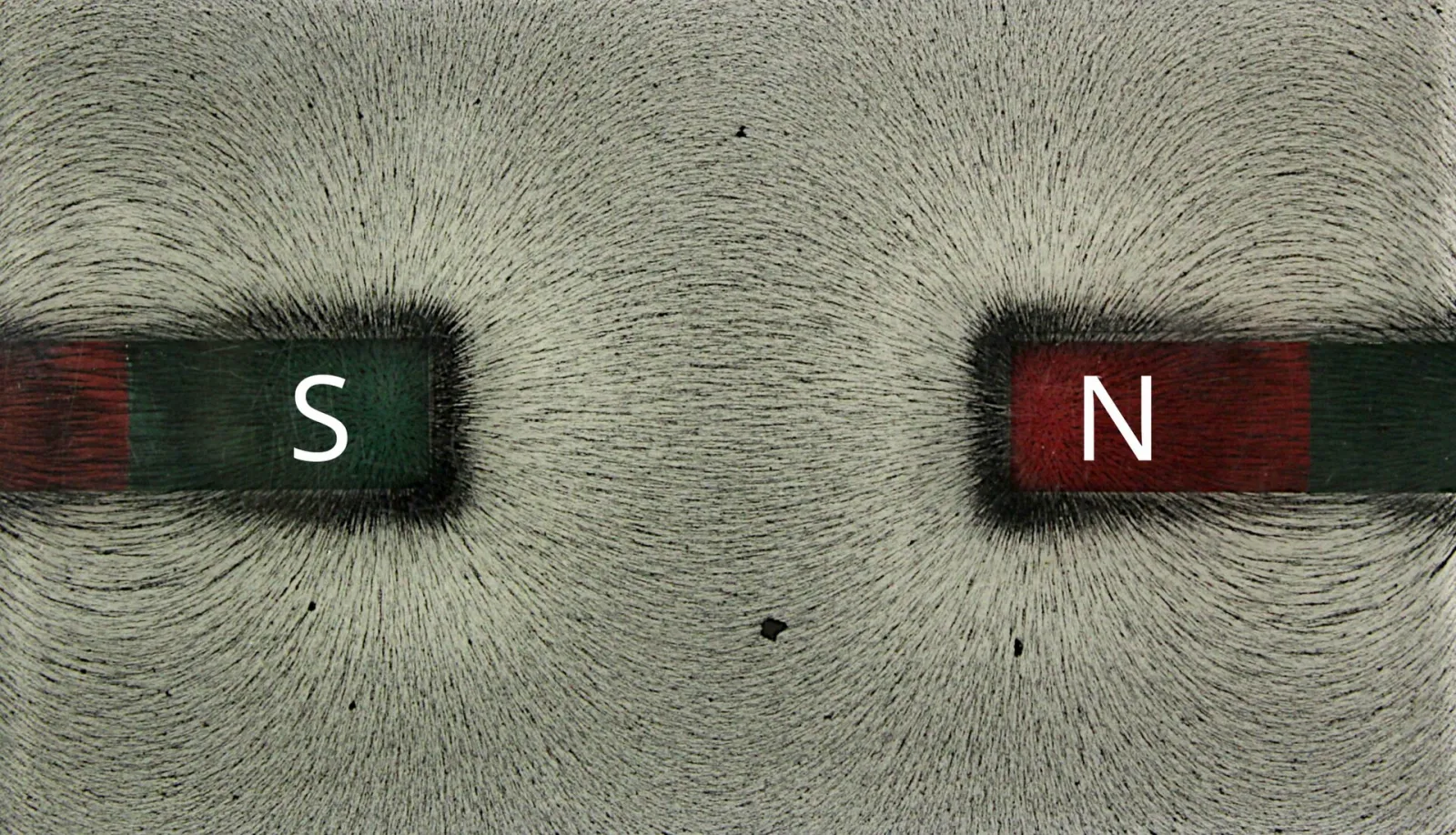
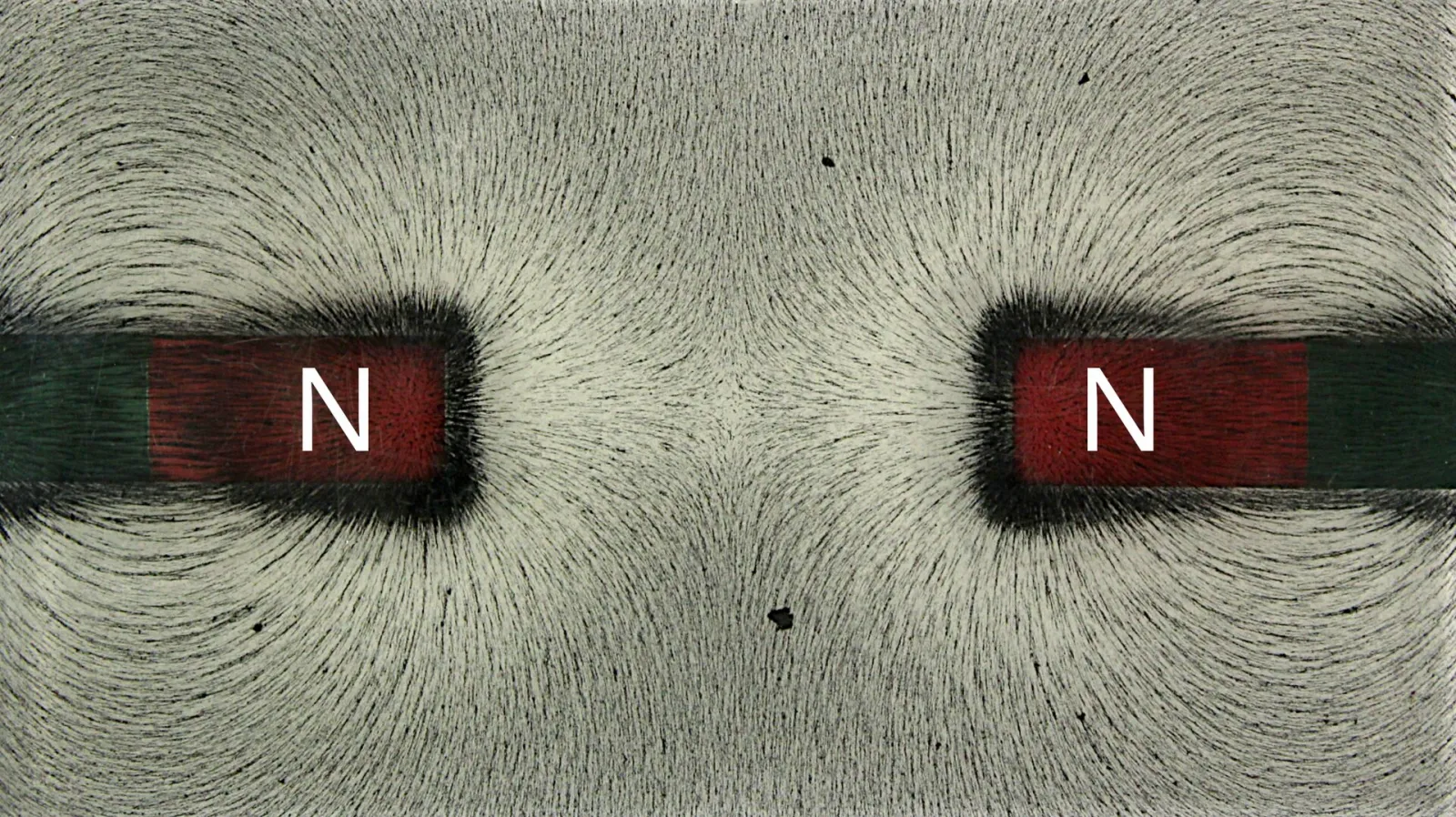
A magnet can also act on an unmagnetised piece of iron. That piece becomes an induced magnet while it is in the field, and it loses most or all of its magnetism quickly when the magnet is taken away. Induced magnetism always causes attraction, which is why a magnet picks up paper clips but never pushes them away.
Describe how to plot the magnetic field pattern of a bar magnet using a plotting compass. (4 marks)
Place the bar magnet on a sheet of paper and draw round it. Put the plotting compass near the north pole and mark a dot at each end of the needle. Move the compass so that its tail is on the last dot, and mark again. Keep going until you reach the south pole, then join the dots into a smooth line and add an arrow from north to south. Repeat from different starting points to build up the pattern.
Strongest permanent magnets: the four types compared
A permanent magnet produces its own magnetic field without any electricity. Four materials dominate the market, and they sit in a clear order of strength. Ferrite is the weakest, then alnico, then samarium cobalt, and neodymium iron boron is the strongest type of magnet you can buy.
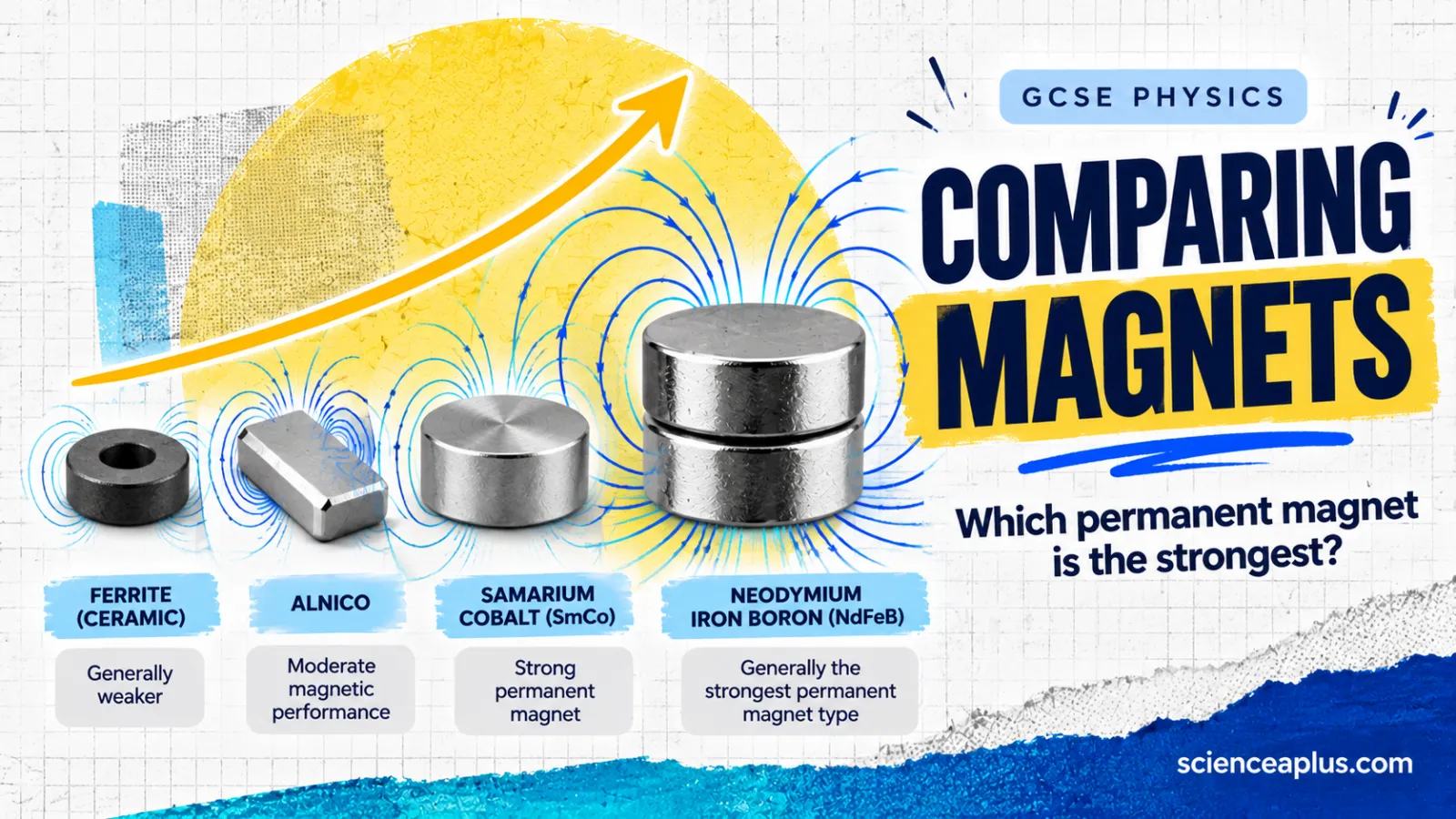
The table puts the numbers side by side. Remanence (Br) is the magnetism left in the material after it has been magnetised, and the Curie temperature is the point at which heat destroys it.
| Material | Typical Br (T) | Curie temperature | Good at | Weak at |
|---|---|---|---|---|
| Ferrite | 0.25–0.40 | About 450 °C | Cheap, does not rust | Weakest, sensitive to temperature |
| Alnico | 0.67–1.35 | About 840 °C | Stable when hot | Easily demagnetised, brittle |
| Samarium cobalt | About 1.1 | 750–825 °C | Strong and heat-proof | Expensive, brittle |
| Neodymium (NdFeB) | 1.42–1.48 (N52) | About 310 °C | Strongest (energy product over 52 MGOe) | Corrodes, weakens when hot |
The “energy product” in the last column is a simple idea. It tells you how much magnetic energy each cubic centimetre of the material can store. A higher value means a smaller magnet can do the same job.
Neodymium (NdFeB): the strongest permanent magnet
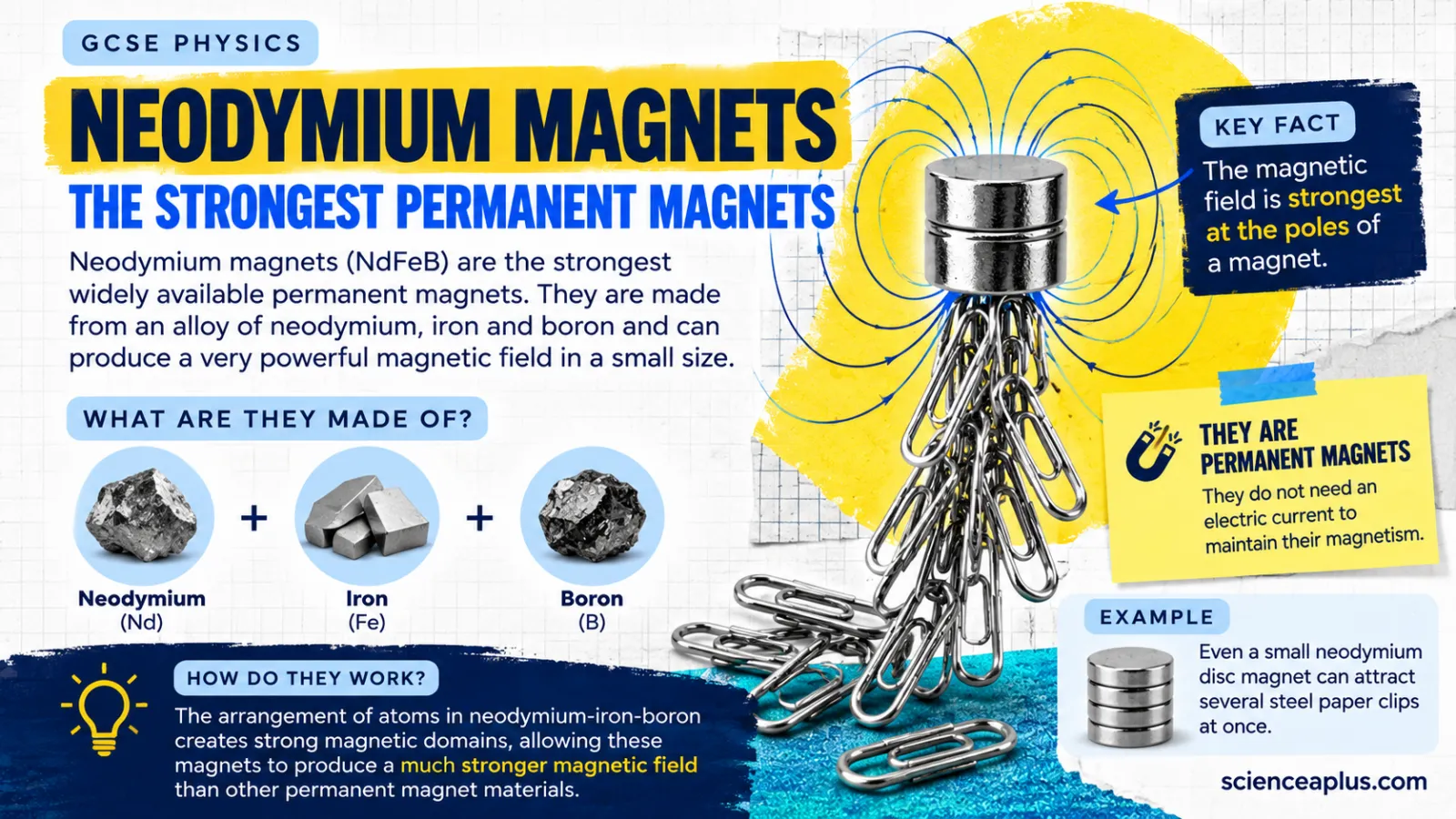
Neodymium magnets are an alloy of neodymium, iron and boron, which is why chemists write them as Nd₂Fe₁₄B or NdFeB. The boron is a small but important ingredient, and you can read more about it in our guide to boron and its properties. Contrary to a common claim, NdFeB is not a ceramic. It is a metal alloy.
The magnet was developed in the early 1980s and became commercially available in November 1984. Masato Sagawa won the 2022 Queen Elizabeth Prize for Engineering for the sintered Nd-Fe-B magnet. He replaced the costly samarium and cobalt with iron and neodymium plus boron, and the result almost doubled the performance of the previous best magnet.
Why is it so strong? The Nd₂Fe₁₄B crystal holds its magnetic direction very firmly, so it resists being demagnetised, while the iron gives a strong magnetisation. Together they let a small piece store a lot of magnetic energy. A very strong common grade, N52, has a remanence of about 1.42–1.48 T and an energy product of over 52 MGOe, about 414 kJ/m³. Only a few even higher neodymium grades beat it, so no other type of commercial magnet comes close.
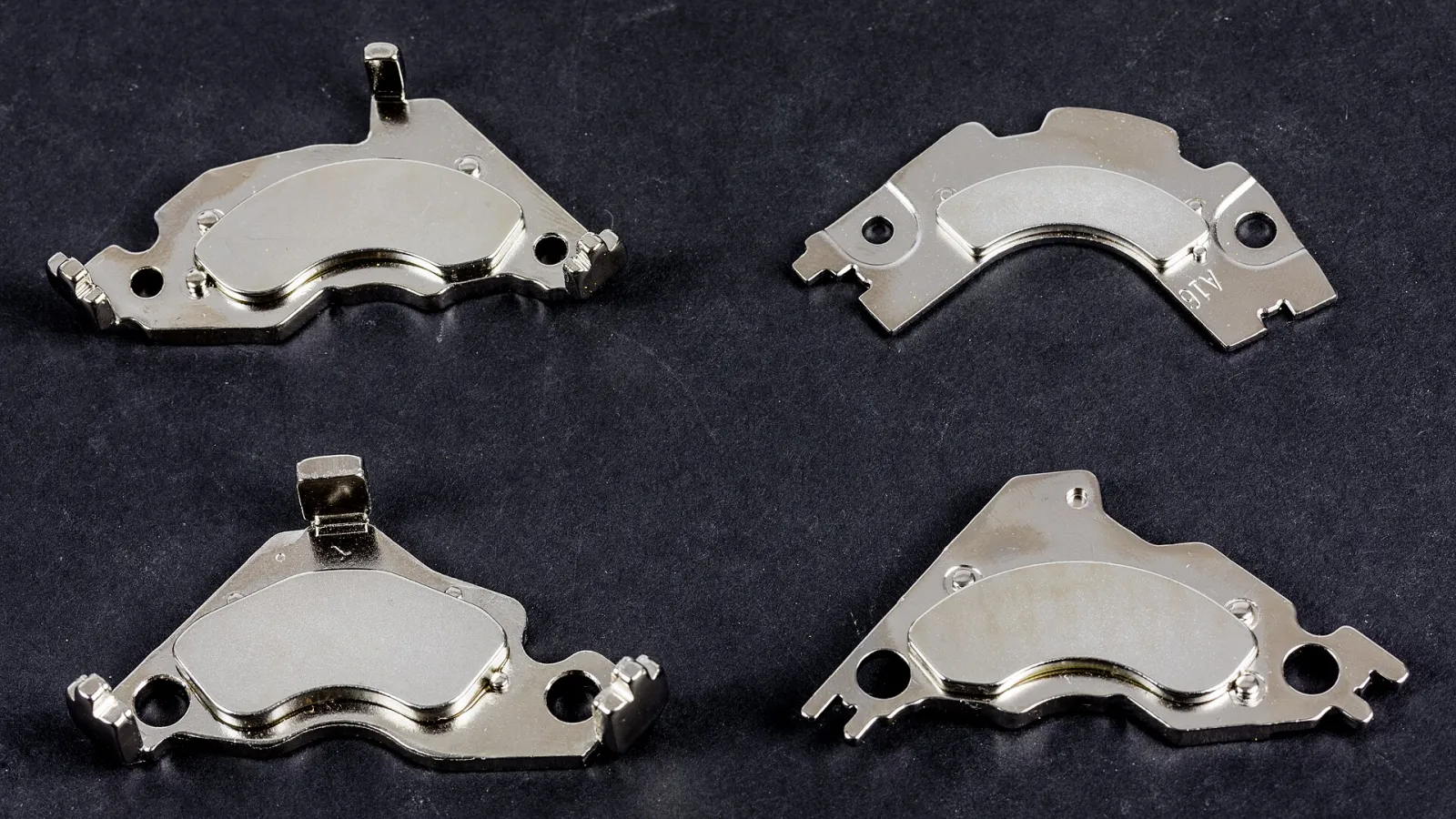
Neodymium has weaknesses too. Its Curie temperature is only about 310 °C, and the N52 grade should not be used much above about 80 °C. It also corrodes easily, so the surface is almost always coated, usually with nickel. A bare magnet would corrode in damp air, much like the rusting we cover in our article asking is iron rusting a chemical change?
You will find neodymium magnets in hard disk drives, electric-car motors, robots and some wind-turbine generators. China produced about 94% of the world’s sintered permanent magnets in 2024, so the supply chain is a matter of international interest.
Samarium cobalt: the heat-proof rival
Samarium cobalt (SmCo) was developed in the late 1960s and early 1970s, in a US Air Force project involving the University of Dayton. It is not quite as strong as neodymium at room temperature, with a remanence of about 1.1 T. Its Curie temperature is high, between 750 and 825 °C.
Above about 160 °C it out-performs neodymium, so engineers choose it where things get hot. The price is a high cost and a brittle, easily chipped material.
Alnico: the classic horseshoe
Alnico is made from aluminium, nickel and cobalt, plus iron. It was developed just before the Second World War, and it is the material behind many classic horseshoe magnets. It stays magnetic up to about 840 °C, so it is very stable when hot. Its weakness is low coercivity, which means it is easily demagnetised by a knock or a nearby opposing magnet. It is also hard and brittle.
Ferrite: the ceramic magnet
Ferrite magnets were developed by Philips in the early 1950s (sold as Ferroxdure). They are the most economical type. Ferrite is a ceramic, so it is an electrical insulator and very resistant to corrosion. It is the weakest of the four, with a remanence of only 0.25–0.40 T. You find it in fridge magnets and in small car motors, such as those for window lifts and wipers.
What makes a material magnetic?
Iron, nickel and cobalt are ferromagnetic, and so is steel. Inside them the atoms act like tiny magnets that line up in small regions called domains. Magnetising a piece of iron lines the domains up, and the object becomes a magnet.
Heat can undo this. Above its Curie temperature a material loses its ordered domains and stops being ferromagnetic. The approximate values are iron 770 °C, nickel 355 °C and cobalt 1,120 °C. Gadolinium is a surprise: it is ferromagnetic only below about 20 °C, which is around room temperature.
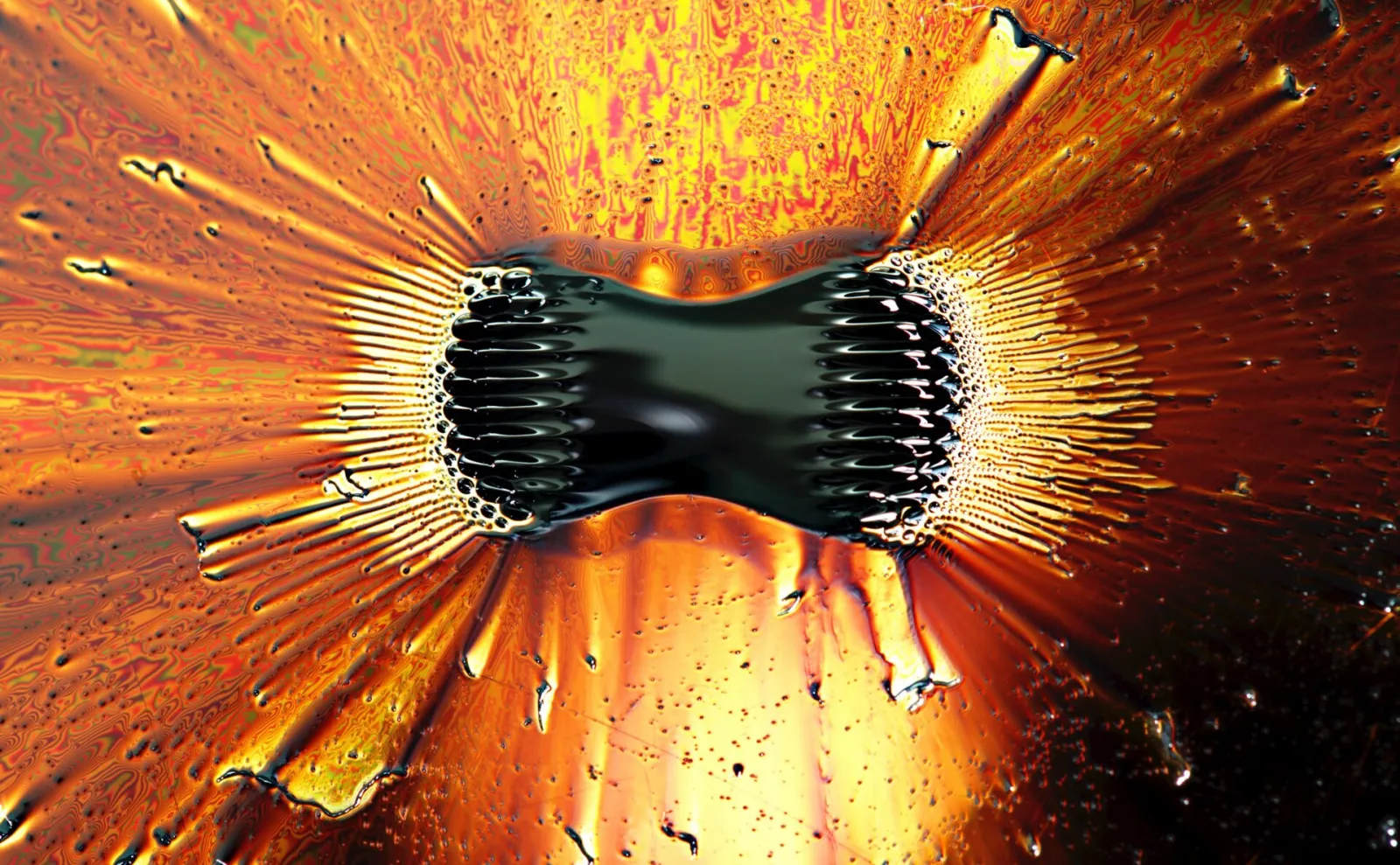
Ferrofluid shows the effect nicely. It is a liquid full of tiny magnetic particles, and it climbs into spikes at the poles of a strong magnet.
Plenty of metals are not attracted to a magnet in everyday use, including gold, copper and aluminium. A strong magnet dropped through a copper or aluminium tube falls slowly, but that is because moving magnetic fields induce currents in the tube that oppose the fall, not because the tube is attracted.
Why electromagnets are the strongest magnets
Permanent magnets are limited by their material. Even the best neodymium magnet has a remanence of only about 1.5 T. An electromagnet has no such ceiling, because you can turn its field up by pushing more current through the coil. That is why every record in the table earlier in this article, apart from the magnetar, belongs to an electromagnet.
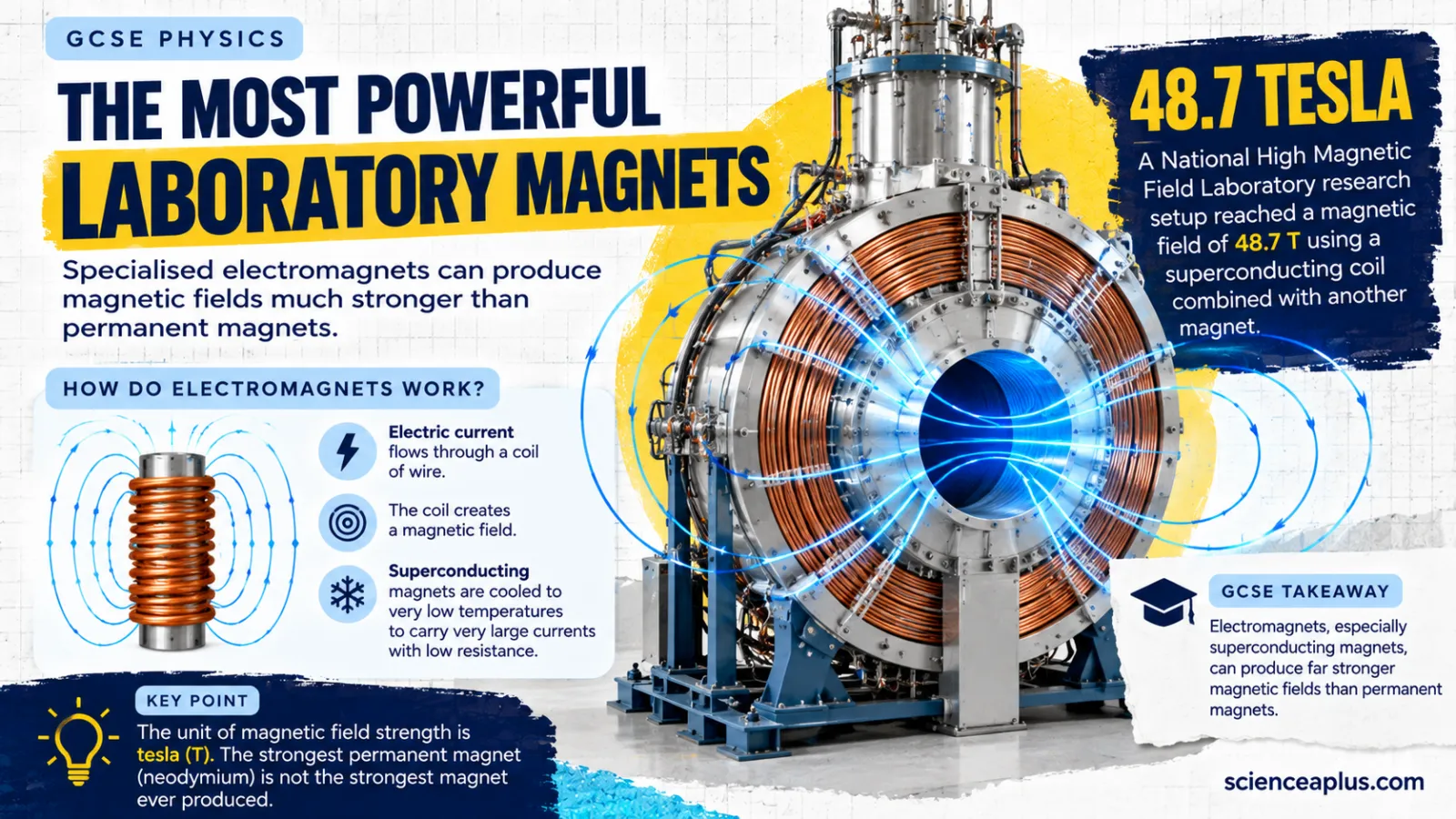
The GCSE idea is simple. A current in a straight wire makes a weak magnetic field. Shaping the wire into a solenoid, which is a long coil, strengthens the field and makes the field inside the coil strong and uniform. Adding an iron core strengthens it further, and an electromagnet is simply a solenoid with an iron core.
More turns + more current + an iron core = a stronger electromagnet
The big advantage is control. A scrapyard crane can pick up a car body, move it, and then drop it just by switching the current off. A permanent magnet cannot do that. Hospital scanners work the other way round, because their magnets run all the time.

Give three ways to make an electromagnet stronger. (3 marks)
Increase the current in the coil. Increase the number of turns of wire on the coil. Add an iron core, or use a soft iron core, inside the coil.
Superconducting magnets
Very strong electromagnets have a problem: ordinary wire gets hot. A superconductor solves it. Cooled to very low temperatures, it carries current with zero electrical resistance, so huge currents flow without heating the wire.
The cooling usually uses liquid helium. You can read more about this element in our guide to the chemical properties of helium. Most hospital scanners use superconducting magnets cooled this way, with fields of 1.5 or 3 T. The Iseult scanner in France is an 11.7 T MRI machine for humans. Its first images of a living brain were released in April 2024.
The strongest all-superconducting user magnet was announced by the Chinese Academy of Sciences in January 2026. It reaches 35.6 T, with a 35 mm bore, at a facility in Beijing. That is more than 700,000 times stronger than Earth’s magnetic field.
Superconducting magnets matter for fusion too. In September 2021, MIT and Commonwealth Fusion Systems reached 20 T in a large, D-shaped magnet for the SPARC fusion device. It was called the strongest fusion magnet in the world.
World-record magnets: a timeline
Records in this field move in steps, and several of the current holders are very recent. Here is how they stack up:
- December 1999: MagLab’s 45 T hybrid magnet in Florida comes online. It weighs about 32 tonnes, needs about 30 MW of power and keeps its superconducting part at 1.8 K. For over 20 years it was the strongest magnet that visiting scientists could use for experiments, until Hefei’s 45.22 T hybrid in 2022.
- 2012: Los Alamos reaches 100.75 T in a non-destructive pulse.
- 2017: MagLab’s resistive magnet reaches 41.4 T.
- 2018: The University of Tokyo makes a 1,200 T field indoors, destroying the coil in the process.
- 2021: MIT and Commonwealth Fusion Systems build the 20 T fusion magnet.
- August 2022: The Hefei hybrid magnet reaches 45.22 T, the highest steady field by a working magnet.
- September 2024: Hefei’s resistive magnet reaches 42.02 T, beating MagLab’s 41.4 T.
- September 2025: MagLab announces the Little Big Coil at 48.7 T.
- January 2026: Beijing announces the 35.6 T all-superconducting user magnet.
The Little Big Coil is the current steady-field record holder. It is a superconducting test coil about the size of a salt shaker, around 4 cm across and 5 cm tall. On its own it produced 17.6 T, and it was placed inside MagLab’s 31 T resistive magnet, so the two fields added up to 48.7 T. That beat the previous record of 45.5 T, which was set by an earlier version of the same test coil, by more than 3 T.
The coil is wound from about 220 m of REBCO superconducting tape, using a “no-insulation” winding. It is a test coil rather than a magnet that scientists can use for experiments. MagLab says it is almost 50 times stronger than a scrapyard magnet that is able to lift a car.
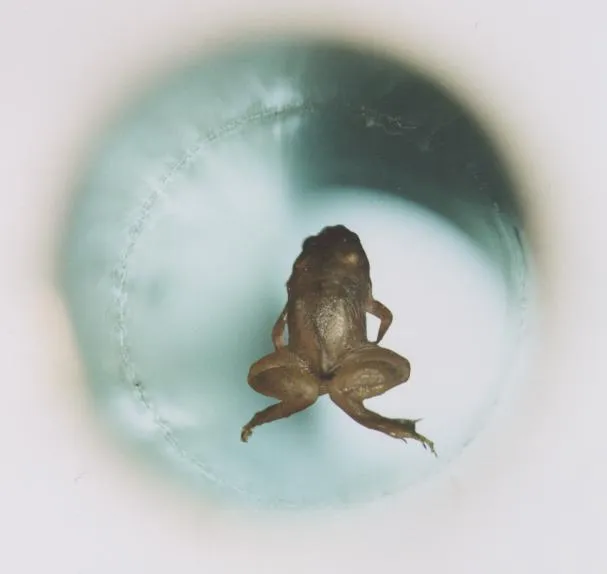
Pulsed magnets: 100 tesla and beyond
If a field does not have to last, it can be far stronger. Pulsed magnets store energy and release it in a burst. Los Alamos, part of the US MagLab, reached 100.75 T in a non-destructive pulse in March 2012. That is about 2 million times Earth’s field, and the magnet survives to be used again.
A destructive pulse goes higher. At the University of Tokyo, researchers produced 1,200 T indoors in 2018 using electromagnetic flux compression. The field lasted only microseconds and destroyed the coil, but it was about 400 times the field of a hospital MRI scanner. Experiments using chemical explosives outdoors have produced even stronger fields.
How strong magnets make motors and generators work
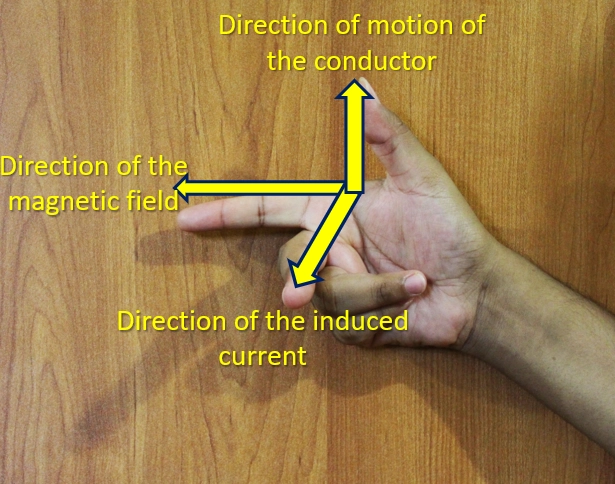
Strong magnets are not just for records. Any current-carrying wire in a magnetic field feels a force, called the motor effect. For a wire at right angles to the field, the force is:
F = B × I × l
Here F is the force in newtons, B is the magnetic flux density in tesla, I is the current in amperes and l is the length of wire in the field in metres. The direction comes from Fleming’s left-hand rule. A stronger field means a bigger force for the same current, so a motor with strong magnets can be smaller and lighter. Try changing the numbers below.
That is why neodymium magnets appear in the motors of electric cars. The same magnets can also be used the other way round in a generator, where a changing magnetic field induces a voltage. We explain the principle in how generators work. Some direct-drive wind turbines use neodymium permanent magnets, which is one reason magnet supply matters for the advantages and disadvantages of wind energy.
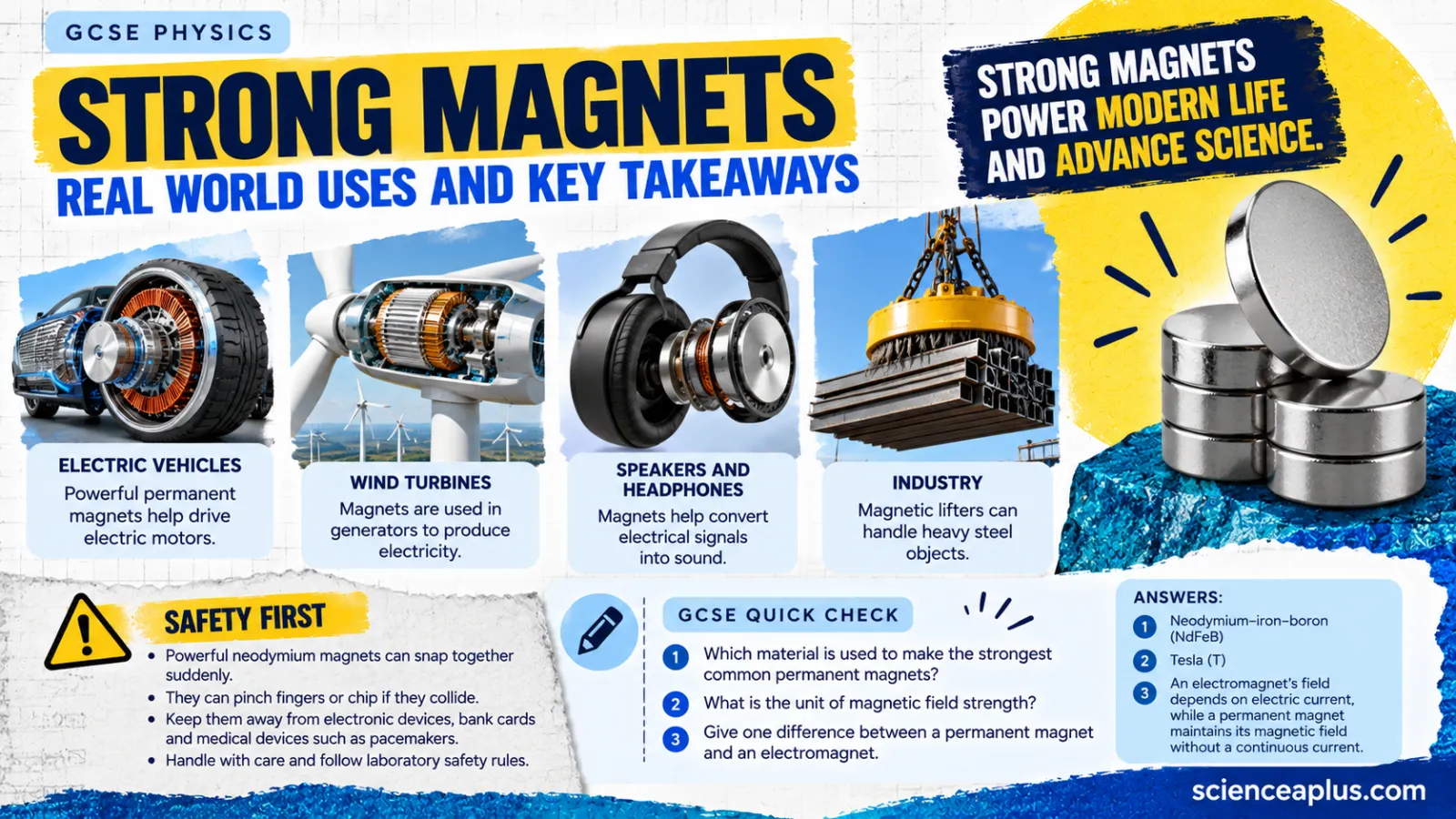
Strong magnets also sit in speakers and headphones, where a changing current in a coil pushes against a fixed magnet, and in industrial lifting equipment. The card below sums up the main uses and some safety tips, which we look at in more detail later.
The strongest magnets in nature
Laboratory records are impressive, but nature makes both the gentlest and the most extreme magnets we know about. Earth is on the gentle side, and a magnetar sits at the extreme end.
Earth: a giant but weak magnet
Earth’s magnetic field comes from electric currents in the molten iron of its outer core. It is huge in size but weak in strength, ranging from about 30 to 60 microtesla (30,000–60,000 nT), which is weaker near the equator and stronger near the poles. That is why the value of about 0.00005 T is used for comparison earlier in this article.
A compass needle is a tiny magnet, and it points north because it lines up with Earth’s field. This leads to a curious fact. The north pole of a compass is attracted to the region near the geographic North Pole, so that region must contain a magnetic south pole.
The field also protects us. It shields Earth from charged particles in the solar wind. When some of those particles are guided towards the polar regions, they produce auroras. Our guide to how sunspots affect the Earth covers the solar side of the story.


Magnetars: the strongest known magnets in the universe
Magnetars are a type of neutron star, and they hold the record for the strongest magnetic fields known. The magnetar SGR 1806-20 has a field of about 1015 gauss, which is roughly 1011 T or 100 billion tesla. Compared with Earth’s field, that is about 2 × 10¹⁵ times stronger. You can try it yourself by choosing “Magnetar” in the calculator earlier in this article.
No laboratory comes close. Even the 1,200 T destructive pulse in Tokyo is smaller than a magnetar’s field by a factor of about 100 million.
Are strong magnets dangerous? Safety rules
Strong magnets are not toys. The most serious risk is swallowing. In May 2021 the UK’s Office for Product Safety and Standards issued a safety alert after rising reports of injuries from swallowed small, high-powered magnets, especially in children and young people. The examples included fridge magnets, earrings, tongue “piercings” and drink charms. Swallowing them can cause serious or fatal internal injury.
If you think a magnet has been swallowed, call 999 or go to A&E straight away. Do not wait for symptoms to appear. Keep small magnets away from children.
There are other hazards too. Strong neodymium magnets can snap together and pinch fingers, and they can chip and send out sharp fragments. Keep them away from electronic devices, bank cards and medical devices such as pacemakers. Heat weakens them as well, and an N52 magnet should stay below about 80 °C.
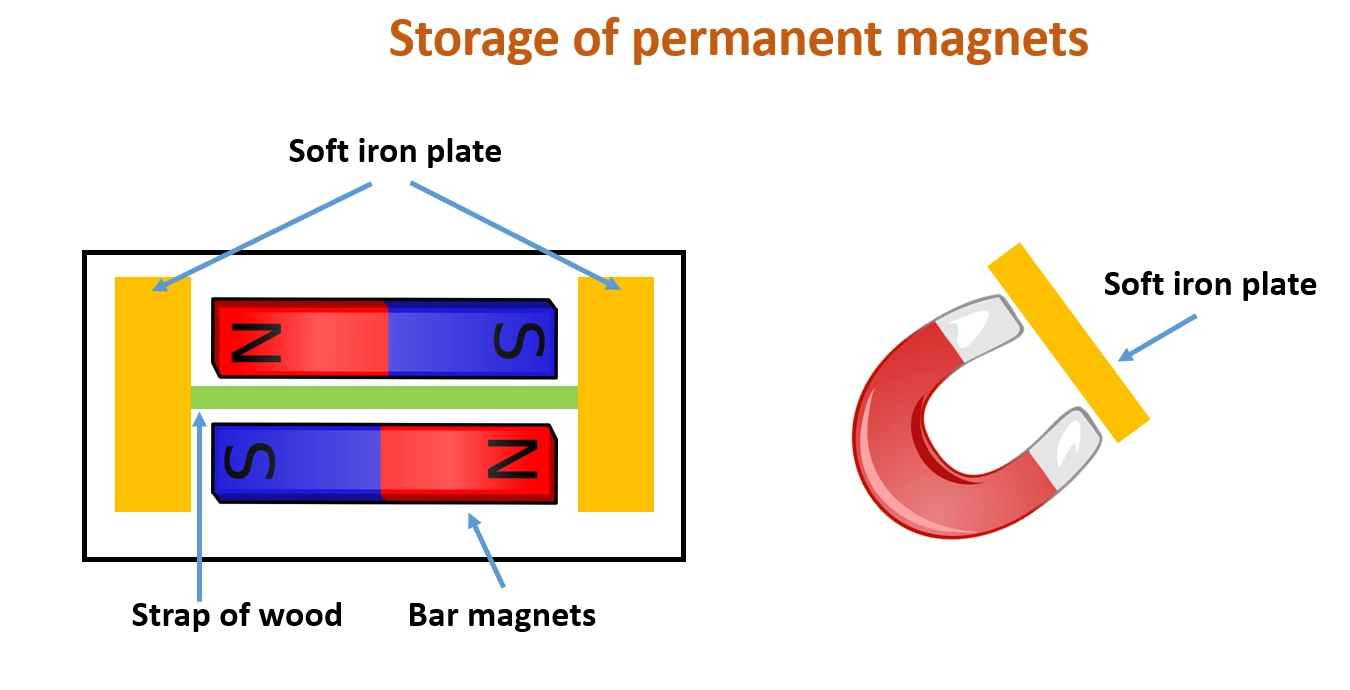
Store bar magnets in pairs with opposite poles side by side and a soft-iron keeper across each end. For a horseshoe magnet, place a keeper across its poles.
Tick off the checklist before you handle strong magnets in the lab or at home. Your ticks are remembered in your browser.
- Keep small, strong magnets away from young children.
- Slide magnets apart sideways, never prise them apart.
- Wear eye protection if the magnets might chip.
- Keep magnets away from pacemakers, bank cards and phones.
- Store magnets with keepers or spacers.
- Keep N52 magnets below about 80 °C.
Test yourself on the strongest magnets
Explain why an electromagnet can be stronger than a permanent magnet. (2 marks)
The field of an electromagnet increases with the current, the number of turns and the use of an iron core, so it can be turned up. A permanent magnet’s field is fixed by its material, and for neodymium the remanence is at most about 1.5 T.
Frequently asked questions about the strongest magnets
What is the strongest magnet in the world?
For a steady field, it is the Little Big Coil at the US National MagLab, which reached 48.7 tesla in 2025. Pulsed magnets reach higher fields for fractions of a second, with 100.75 T non-destructively. In the universe, magnetars are strongest, at about 100 billion tesla.
What is the strongest permanent magnet?
Neodymium iron boron (NdFeB) is the strongest permanent magnet you can buy. Its energy product is over 52 MGOe, the highest of any commercial magnet, and the N52 grade has a remanence of about 1.4–1.5 tesla. It was developed in the early 1980s and has been on sale since 1984.
How strong is a neodymium magnet?
The material has a remanence of about 1.4–1.5 tesla, but the field at a real magnet’s surface is much lower. A small N52 block measuring 12.7 × 6.35 × 3.2 mm has a surface field of about 0.42 tesla and pulls about 2.7 kg on a thick steel plate.
What is the strongest magnetic field ever made?
The strongest steady field is 48.7 tesla, from MagLab’s Little Big Coil in 2025. For pulses, Los Alamos reached 100.75 T without destroying the magnet, and the University of Tokyo made 1,200 T indoors for microseconds, destroying the coil. Explosive experiments outdoors have gone higher still.
What is a tesla?
The tesla (T) is the SI unit of magnetic field strength, also called magnetic flux density. One tesla equals 10,000 gauss. Earth’s field is about 0.00005 T, a strong fridge magnet about 0.01 T, and a hospital MRI scanner 1.5 or 3 T.
Why are electromagnets stronger than permanent magnets?
An electromagnet’s field can be turned up. More current, more turns of wire and an iron core all strengthen it, and superconducting wire carries huge currents without resistance. A permanent magnet’s field is fixed by its material, and for neodymium that is only about 1.5 tesla.
What is the strongest magnet in the universe?
Magnetars are the strongest known magnets. These neutron stars have fields of about 1015 gauss, which is roughly 100 billion tesla. For comparison, Earth’s magnetic field is about 0.00005 tesla, so a magnetar’s field is around 2 × 10¹⁵ times stronger.
Are neodymium magnets dangerous?
They can be. Swallowed magnets can cause serious or fatal internal injury, so call 999 or go to A&E at once if a child swallows one. Strong magnets can also pinch skin, chip, and interfere with pacemakers, bank cards and electronics. Keep them away from children and heat.
Which metals are attracted to magnets?
Iron, nickel and cobalt are strongly attracted, and so is steel because it is mostly iron. Gadolinium is magnetic only below about 20 °C. Most other metals, including aluminium, copper and gold, are not attracted to a magnet in everyday use.