This guide to youth and drugs explains what drugs are, how common they really are among young people, how they affect the teenage brain, and where to get free, confidential help. The reassuring headline: around 87% of 11–15-year-olds in England have never taken drugs.
What are drugs?
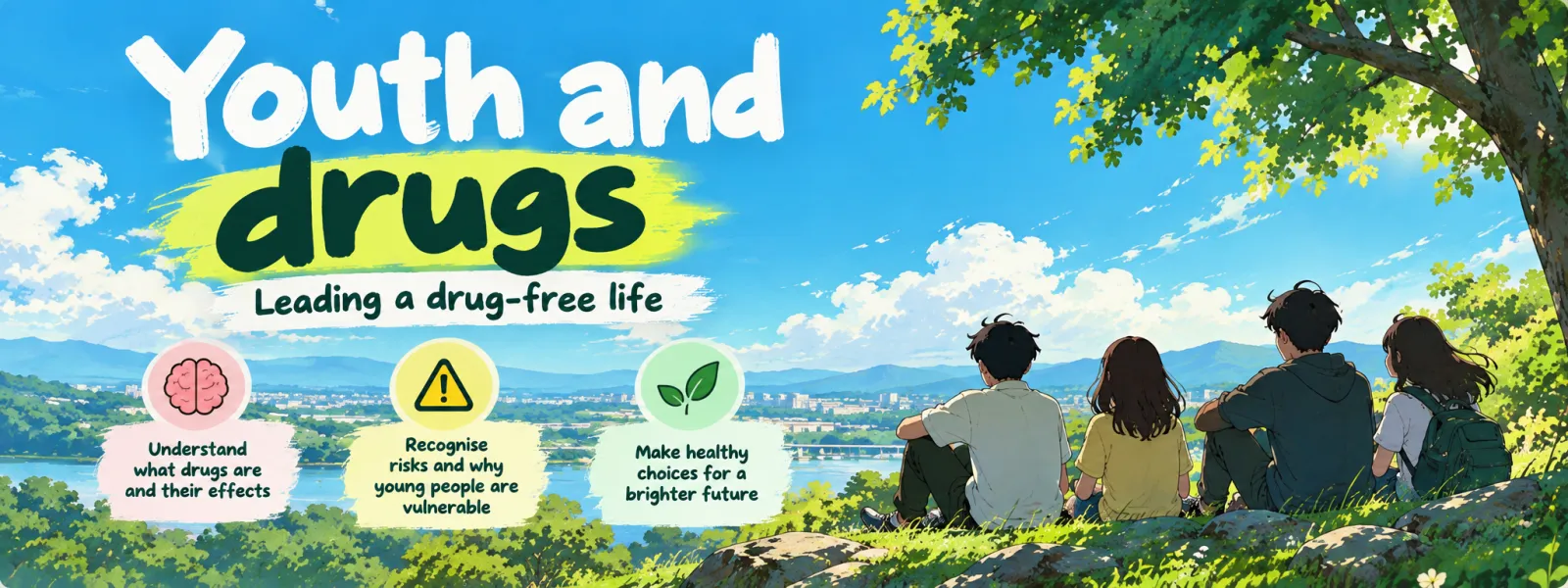
A drug is any substance that changes how your body or brain works. That is a broad definition, and it covers more than most people expect. Alcohol, nicotine and caffeine are all drugs, and so are medicines when they are taken in ways they were not prescribed for.
Some drugs are legal for adults, some are legal only with a prescription, and some are banned outright. Legal does not mean harmless. Alcohol and nicotine, for example, can both cause serious harm, especially to a body that is still growing.
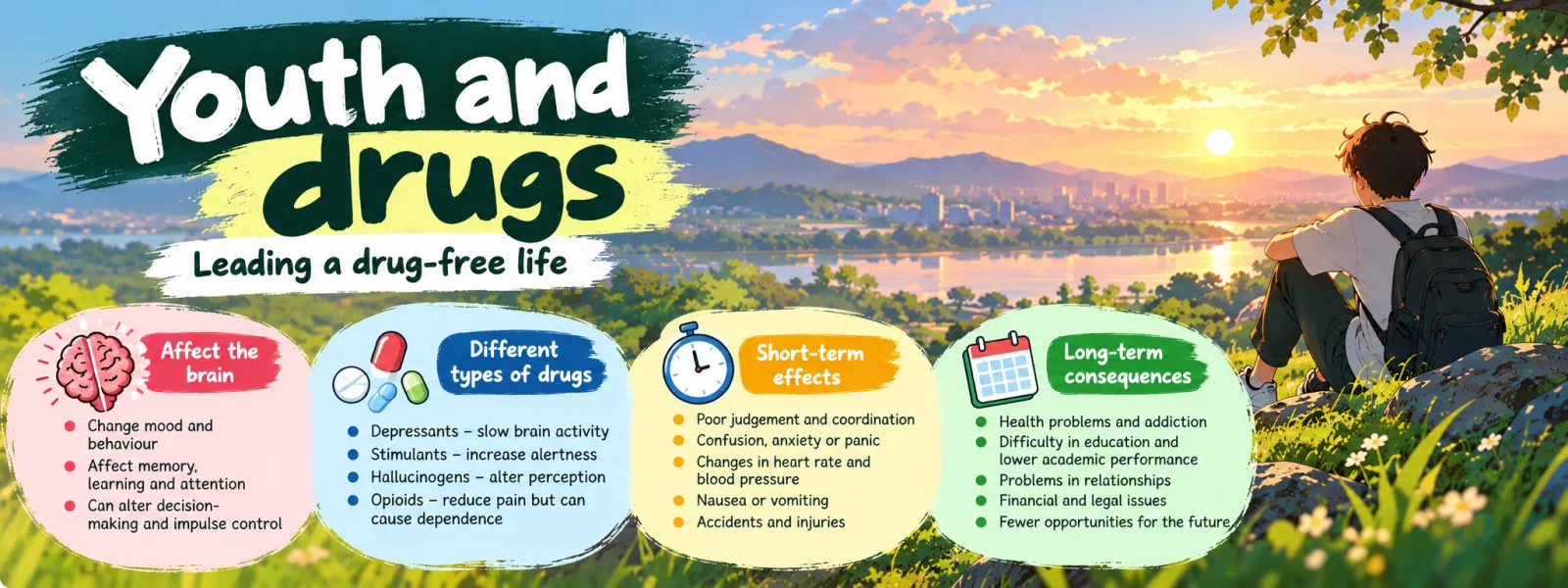
Drugs are usually grouped by their main effect on the brain. Depressants (such as alcohol and heroin) slow brain activity down. Stimulants (such as nicotine, cocaine and amphetamines) speed it up. Hallucinogens (such as LSD and magic mushrooms) change how people see and sense the world. Opioids reduce pain but can cause dependence and slow breathing, and cannabis has mixed effects. We look at these groups in more detail later in this guide.
Understanding the effects of drugs on teenagers starts with facts rather than fear, so that is what this article sticks to. It is not here to judge anyone, and it will never make drug use sound exciting. It is here to help you make informed choices and know where to turn if you or someone you know needs support.
How common is drug use among young people?
Quite a lot less common than many people assume. The NHS England survey Smoking, Drinking and Drug Use among Young People in England, 2023 asked more than 13,000 pupils aged 11–15 about their experiences. It was published in October 2024. Here are the main findings.
| Measure | 2023 figure |
|---|---|
| Had ever taken drugs | 13% (down from 18% in 2021) |
| Had taken drugs in the last year | 9% |
| Had ever taken cannabis (the most common drug) | 7% |
| Ever taken a Class A drug | Around 2–4% in surveys since 2010 |
| Currently vape (aged 11–15) | About 1 in 10 (9%) |
Put another way, roughly 87 in every 100 pupils in this age group had never taken a drug. The number who had tried one fell between 2021 and 2023, and use of the most dangerous group, Class A drugs, has stayed low for well over a decade.
These numbers describe groups of people, not individuals, and they do not mean drugs carry no risk for the minority who use them. They simply show that choosing not to take drugs is the normal choice, not the unusual one.
How do drugs affect the teenage brain?
The brain keeps developing throughout adolescence and into the mid-20s. It does not mature all at once. The prefrontal cortex, the region behind your forehead that handles decisions, planning and impulse control, is the last part to finish developing.
Meanwhile, the brain’s reward system is very active during the teenage years. This combination is part of why risk-taking, new experiences and the opinions of friends can feel so powerful at this age. It is normal biology, not a character flaw. It also means that a substance which interferes with brain chemistry can matter more when the brain is still being wired.
If you are curious about how the brain works and how to look after it, our guides to amazing facts about the brain and lifestyle choices that improve brain function are good places to continue.
Cannabis and the teenage years
Cannabis is the drug young people in the survey were most likely to have tried, so it is worth being clear about the evidence. According to NHS and FRANK information, regular cannabis use that starts in the teenage years is linked to a higher risk of mental health problems, including psychosis, and to problems with memory and learning.
That does not mean every person who tries cannabis will develop these problems. It means the risk is higher, and that the teenage years are a time when the brain is especially sensitive.
Later parts of this guide cover the short-term effects of different drugs, the law in the UK, addiction, peer pressure and practical ways to say no. If anything here raises worries for you now, you can talk to FRANK on 0300 123 6600 (free, confidential, 24/7) or to Childline on 0800 1111 if you are under 19.
Types of drugs and their effects
Scientists and health professionals often group drugs by their main effect on the brain and body. The groups below are a useful map, but real drugs do not always fit neatly into one box, and the same drug can affect different people in different ways. Tap each card to see what the group does and one key risk.
Notice that opioids can also be medicines. Doctors prescribe some of them for severe pain. The danger comes from using them without medical advice, or taking drugs that were not meant for you.
Short-term effects of drugs on teenagers
The effects of drugs on teenagers start within minutes or hours, and they are not always what a person expects. Depending on the drug, short-term effects can include:
- poor judgement and coordination
- confusion
- anxiety or panic
- changes in heart rate and blood pressure
- nausea and vomiting
- accidents and injuries
Two things make these risks harder to predict. First, mixing drugs, including mixing them with alcohol, increases the risk. Second, street drugs can be stronger than expected or contain other substances, so nobody can be sure what they are really taking.
If you or a friend feel unwell after taking something, or you are worried about symptoms, speak to a GP or call NHS 111. In an emergency, such as someone being unconscious, having breathing problems or fitting, call 999. Paramedics are there to help — don’t let fear of getting into trouble stop you calling 999.
Legal drugs are still drugs: alcohol, nicotine and vapes
Many people think of “drugs” as only illegal substances, but alcohol and nicotine change how the brain works too. They are easy to overlook because they are common in everyday life.
Alcohol
The UK Chief Medical Officers advise that an alcohol-free childhood is the healthiest and best option. If children do drink, they say it should not be before the age of 15.
Nicotine and vapes
Nicotine is addictive. It is illegal to sell vapes to under-18s in the UK, yet the 2023 NHS survey found that about 1 in 10 (9%) of 11–15-year-olds currently vape. Single-use (disposable) vapes have been banned in the UK since 1 June 2025.
Smoking tobacco has its own set of health effects, including on the heart and blood vessels. You can read more in our guide on whether smoking can cause high blood pressure.
Drugs and the law in the UK
In the UK, the Misuse of Drugs Act 1971 sorts controlled drugs into three classes: A, B and C. The class reflects how harmful a drug is judged to be and sets the maximum penalties.
| Class | Examples | Maximum for possession | Maximum for supply or production |
|---|---|---|---|
| A | Heroin, cocaine, ecstasy/MDMA, LSD, magic mushrooms | 7 years (plus unlimited fine) | Life |
| B | Cannabis, amphetamines, ketamine | 5 years (plus unlimited fine) | 14 years |
| C | Nitrous oxide (since 8 November 2023), some tranquillisers | 2 years (plus unlimited fine) | 14 years |
The Advisory Council on the Misuse of Drugs (ACMD) advised in 2026 that ketamine should stay in Class B. The Psychoactive Substances Act 2016 also bans supplying so-called “legal highs”, which is why they are not as legal as the name suggests.
These are maximum penalties, not what everyone receives. Young people are dealt with differently from adults, but a record can still follow you. A drug conviction can affect travel, jobs and university courses.
Why are drugs put into classes A, B and C? (2 marks)
The classes rank drugs by how harmful they are judged to be. This sets the maximum penalties for possession and supply, with Class A carrying the most serious penalties and Class C the least.
Knowing the facts makes it easier to make your own choices, so here is what drug use can lead to, why some young people try drugs, and how to handle pressure when it comes.
Long-term consequences of drug use
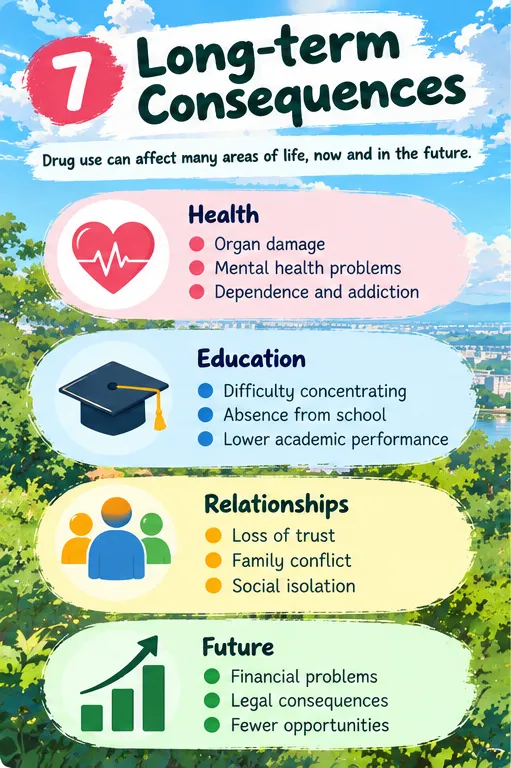
Most young people never take drugs, and for those who do, outcomes vary a lot. Still, the effects of drugs on teenagers can reach into several parts of life, because the brain is still developing into the mid-20s.
Health
Regular cannabis use that starts in the teenage years is linked to a higher risk of mental health problems, including psychosis (NHS/FRANK). Heavy use of nitrous oxide can cause vitamin B12 deficiency and nerve damage, with symptoms such as numbness and problems walking. Mixing drugs, including with alcohol, increases risk further.
Education
The same cannabis research links regular use to problems with memory and learning. Poor concentration, missed lessons and anxiety can add up, which is why drug use sometimes shows up first as slipping school performance.
Relationships
Mood changes, secrecy and money worries can strain friendships and family life. Trust is usually rebuilt through honest conversations, and support is available for the whole family.
Future plans
A drug conviction can affect travel, jobs and university courses. Penalties for young people are handled differently from adults, but a record can still follow you.
Addiction and dependence explained
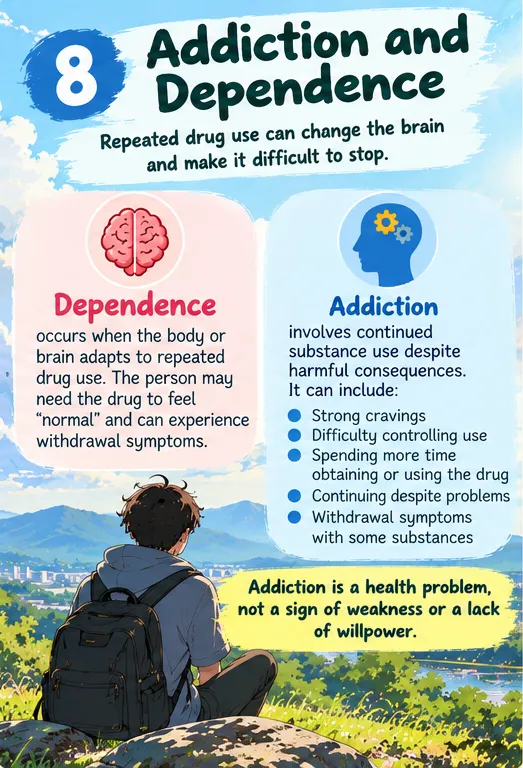
The two words are related but not identical. Dependence means the body and brain have adapted to a drug, so withdrawal symptoms appear when it is missing. Addiction means continuing to use despite harm, with cravings and a loss of control.
Addiction is a health problem, not a moral failing or a sign of weakness. Both dependence and addiction are treatable health conditions, and people recover with the right support.
Signs that someone may be struggling include changes in mood, sleep, appetite, friends or school performance, and losing interest in hobbies. None of these proves drug use on its own, since many things cause them, including stress and normal teenage ups and downs. If you are worried about your own health, speak to a GP or call NHS 111.
Why do some young people try drugs?
There is rarely a single reason. Understanding why young people take drugs helps remove the judgement, because the reasons are very human.
- Curiosity about what drugs are like.
- Peer pressure, either direct or indirect.
- Stress or difficult feelings that someone wants to escape.
- Boredom.
- Wanting to fit in with a group.
- Misinformation, especially the idea that everyone does it.
Peer pressure and drugs: direct and indirect
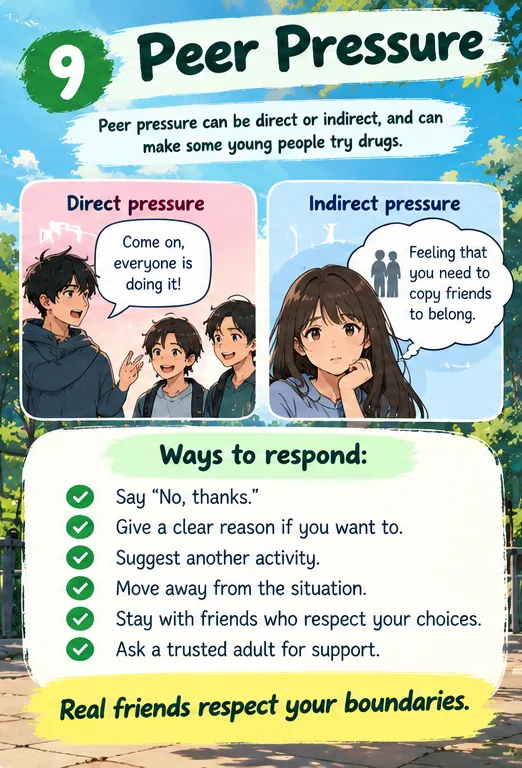
Peer pressure and drugs are linked because teenage brains have a very active reward system, which makes friends’ opinions feel powerful. Pressure comes in two forms.
Direct pressure is when someone offers a drug, urges you to try it or teases you for refusing. Indirect pressure is quieter: you see others doing it, or believe everyone does, and feel you must join in to belong.

Peer influence is not always bad. Friends can also encourage sport, study and kindness. Our guide to negative and positive peer pressure with examples explores both sides.
How to say no to drugs
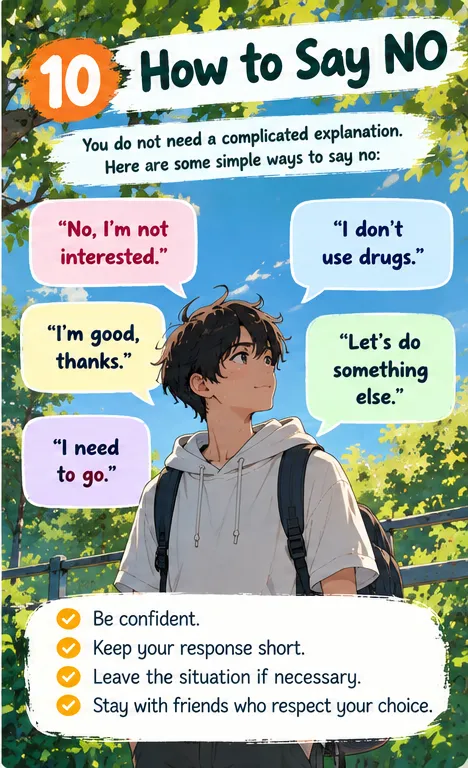
You do not need a speech or an excuse. Short, calm and confident works best. Try one of these:
- “No, I’m not interested.”
- “I don’t use drugs.”
- “I’m good, thanks.”
- “Let’s do something else.”
- “I need to go.”
Keep it brief, leave if you need to, and stay with friends who respect your choice. Real friends accept a clear no without making a fuss.
Feeling stressed can make pressure harder to resist, so looking after your wellbeing helps too. Our guide to a stress-free life for everyone has practical ideas.
- Choose your go-to line from the list above.
- Decide in advance what you will do if the answer is not accepted, such as walking away.
- Know which friends will back you up.
- Save a trusted adult’s number, plus FRANK (0300 123 6600) and Childline (0800 1111).
- Have an exit plan so you can leave a situation that feels wrong.
Leading a drug-free life: what helps

Most young people in England never take drugs. In the 2023 NHS survey of more than 13,000 pupils aged 11–15, around 87% had never tried them. A drug-free life is the normal choice, not the unusual one, and it is not about being perfect or boring. It is about looking after the brain and body you are still building.
There is no single trick that protects everyone. But several everyday habits make it easier to stay out of trouble, handle pressure and feel good about your choices.
Keep moving and find something you love
Sport, music, art, coding, drama, volunteering, a part-time job: anything that gives you a regular routine, a goal and a group of people. Boredom is one of the common reasons young people give for trying drugs, so having things to look forward to leaves less room for it.
You do not need to be talented. Turning up to a football session, a dance class or a local running group is enough. If your first choice does not suit you, try another. Plenty of people take a few attempts to find their thing.
Protect your sleep
Your brain keeps developing through adolescence into your mid-20s, and sleep is part of how you cope with that. Tired people find it harder to manage stress and emotions, which are two of the main reasons young people give for trying drugs. Our guide to sleep hygiene and mental health has practical routines you can start tonight.
Look after your stress and your feelings
Stress and difficult feelings can make a quick escape sound tempting. Drugs do not solve the problem, though, and some can make anxiety worse. Healthier ways to cope include talking to someone you trust, being active, writing things down and taking breaks from screens.
If feelings are getting too heavy, that is a good reason to ask for help, not a sign of weakness. Childline (0800 1111) is free for anyone under 19, and your GP can help too.
Choose friends who respect you
Good friends accept your choices without making you justify them. If someone keeps pushing after you have said no, that says something about them, not you. Staying close to people who respect your decision makes it much easier to say, "I’m good, thanks," and mean it.
It also helps to know that you are not alone. Because most of your age group do not take drugs, the idea that "everyone does it" is simply wrong.
Set goals that matter to you
Exams, college, an apprenticeship, a driving licence, a trip, a career. A conviction for a drug offence can affect travel, jobs and university courses, so protecting your future is a practical reason as well as a personal one. Thinking about where you want to be in five years makes today’s choices clearer. It is also a reminder that your brain is still developing and deserves protection.
What if you have already tried something? Trying a drug once does not make you a bad person or mean you are addicted. If you are worried about your own use or a friend’s, support is confidential and non-judgemental, and the sections below explain where to find it.
For parents and carers: how to talk about drugs

Many parents worry about raising the subject in case it gives teenagers ideas. Talking calmly and honestly keeps the conversation open. It tells them that they can come to you when something goes wrong.
Starting the conversation
- Pick a relaxed moment. A car journey, a walk or while cooking together can feel easier than a face-to-face sit-down.
- Use the news or a TV storyline as a way in, rather than starting with questions about their own behaviour.
- Listen more than you talk. Ask what they know and what their friends say, then respond without interrupting.
- Stick to the facts. Explain how drugs can affect a developing brain, the legal consequences and why mixing substances is risky.
- Stay calm. Avoid accusations or threats. Teenagers who fear a big reaction are less likely to tell you the truth.
Possible signs a young person is struggling
Changes in mood, friendships, sleep, appetite or school performance, money going missing, or a loss of interest in hobbies can all be signs that a young person is struggling. None of these proves drug use. They are common in adolescence and can have many causes, including stress, bullying, low mood or simply growing up.
If you are concerned, choose a quiet moment, say what you have noticed without blame, and ask how they are. Your GP is a good first contact, and FRANK offers advice for parents too.
Where to get help
Asking for help is a sensible, grown-up step. Every service below is free, and you do not have to be certain you have a problem before you get in touch.
- FRANK: free, confidential advice, 24 hours a day. Call 0300 123 6600, text 82111 or visit talktofrank.com.
- Childline (under 19): call 0800 1111 or visit childline.org.uk to talk about anything that is worrying you.
- Your GP: can talk through concerns, check your health and refer you to local support. Parents and carers can also book an appointment to talk about a young person.
- NHS 111: for urgent advice when it is not an emergency.
- A trusted adult: a teacher, school nurse, relative or youth worker can help you work out the next step.
Dependence and addiction are health conditions, and both are treatable. Needing support is nothing to be ashamed of, and getting it early gives the best chance of a good recovery.
Key takeaways
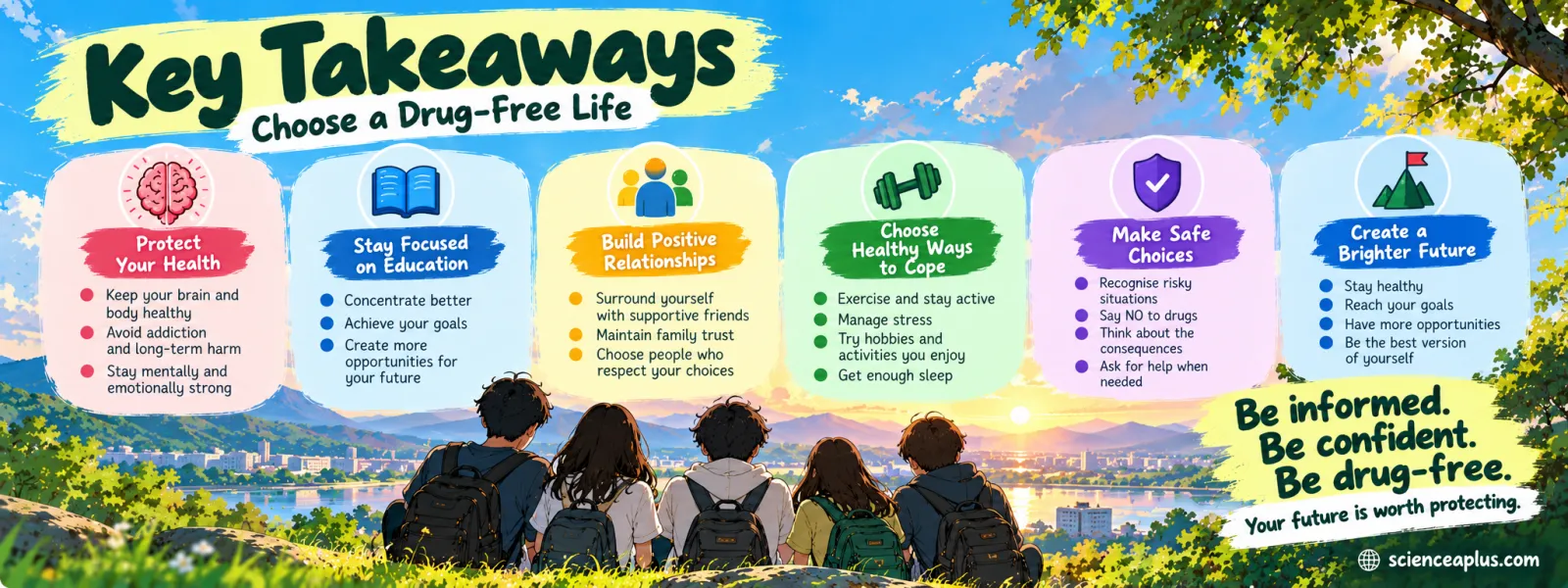
Youth and drugs is a topic full of myths, so here is the short version. Most young people do not take drugs, the teenage brain is especially worth protecting, and help is always available without judgement. Knowing the facts makes it far easier to make confident choices and to support a friend who is struggling.
Frequently asked questions about youth and drugs
Why do young people take drugs?
Common reasons include curiosity, peer pressure, stress or difficult feelings, boredom and wanting to fit in. Some young people believe that "everyone does it", but the 2023 NHS survey shows that most do not. Understanding the reasons helps young people find healthier ways to cope and ask for support.
How do drugs affect the teenage brain?
The brain keeps developing into the mid-20s. The prefrontal cortex, which handles decisions and impulse control, matures last, while the reward system is very active in teenagers. Drugs can interfere with this development. Regular cannabis use from the teenage years is linked to memory, learning and mental health problems.
What are the most common drugs used by teenagers?
Cannabis is the most commonly used illegal drug among young people. In the 2023 NHS survey, 7% of 11–15-year-olds had ever tried it. Legal substances such as alcohol and nicotine, including vapes, are also widely used by young people, and both carry health risks, even though they are legal for adults.
What are the drug classes in the UK?
The Misuse of Drugs Act 1971 sorts controlled drugs into Class A, B and C. Class A includes heroin, cocaine, ecstasy and LSD. Class B includes cannabis, amphetamines and ketamine. Class C includes nitrous oxide and some tranquillisers. Maximum penalties for possession are 7, 5 and 2 years respectively.
What happens if you get caught with drugs under 18?
The outcome varies, but police and youth justice services may get involved. Young people are treated differently from adults, and the response could be a caution or another outcome, but a record can still follow you. A drug conviction can affect travel, jobs and university courses, so it is worth taking seriously.
How can I say no to drugs without losing friends?
Keep it short and confident: "No, I’m not interested", "I’m good, thanks" or "Let’s do something else." If the pressure continues, leave. Real friends respect your choice, and most young people do not take drugs, so you are far from alone. Stay close to friends who support you.
What are the signs of drug use in teenagers?
Possible signs include changes in mood, friends, sleep, appetite or school performance, money going missing and a loss of interest in hobbies. None of these proves drug use, because they are common in adolescence and can have other causes. Talk calmly, avoid accusations and speak to a GP if you are worried.
Is cannabis harmful for teenagers?
Yes, it can be. Cannabis is a Class B drug in the UK. According to the NHS and FRANK, regular use starting in the teenage years is linked to a higher risk of mental health problems, including psychosis, and to problems with memory and learning. The teenage brain is still developing, which is why the risks are greater.
Where can young people get help with drugs?
FRANK offers free, confidential advice 24/7 on 0300 123 6600, by text on 82111 and at talktofrank.com. Childline is free for under-19s on 0800 1111. You can also speak to your GP, call NHS 111 or talk to a trusted adult. In an emergency, call 999.