The common comparisons in physics are pairs of ideas that sound almost the same but mean different things: mass and weight, speed and velocity, series and parallel, AC and DC, fission and fusion. Examiners love them because one wrong word loses the mark. This guide explains 12 pairs in the wording of the AQA GCSE Physics (8463) specification, with the mistake students usually make and a one-line answer you can safely write.
If you are also revising the other sciences, we have matching guides: our chemistry comparisons and the biology comparisons. Together they cover most of the “what is the difference between…” questions at GCSE.
Common comparisons in physics at a glance
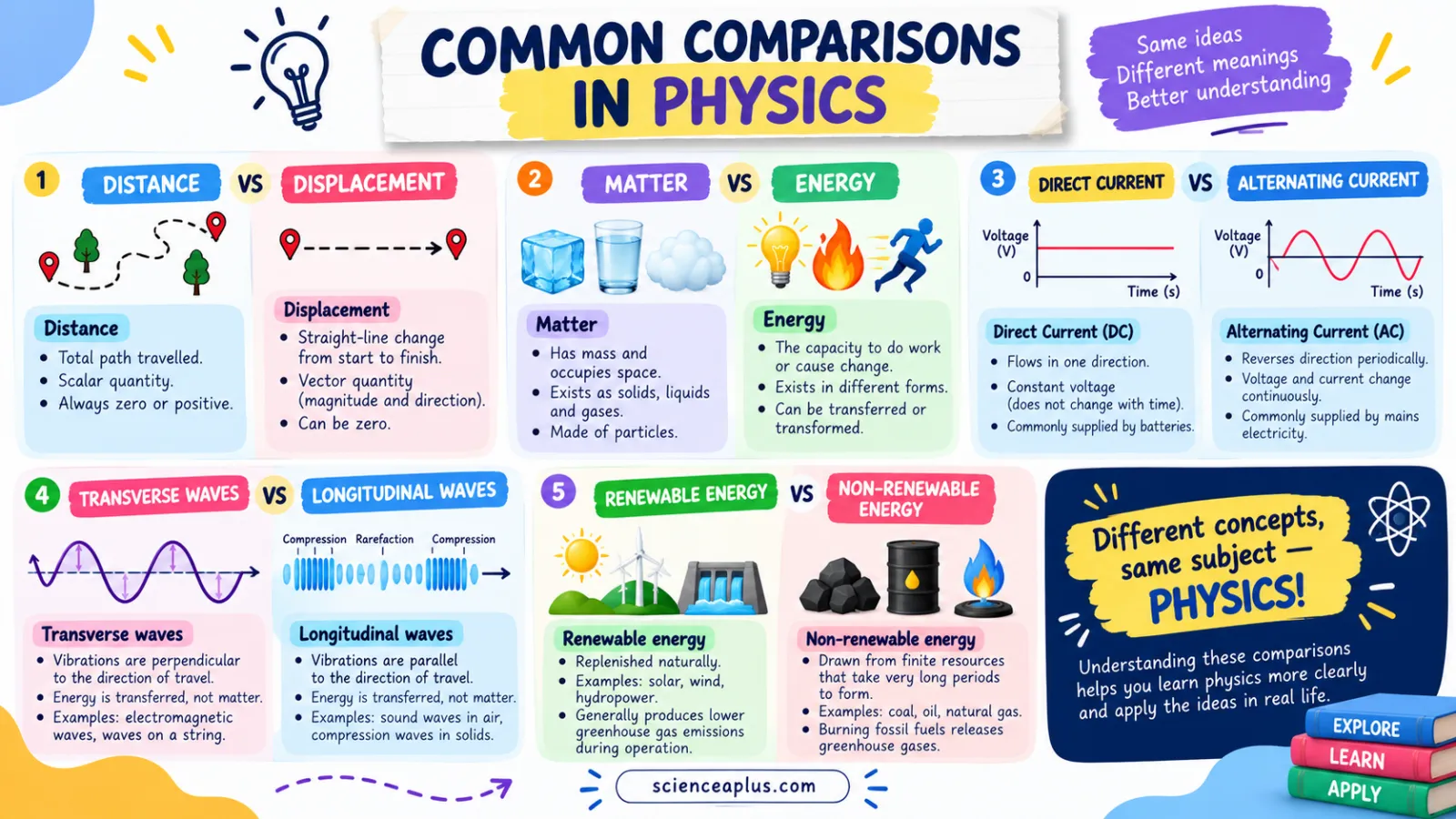
Use this table as your map. Each row is explained properly in its own section below, so treat it as a quick-check list once you have read the detail.
| Pair | The key difference | Exam keyword |
|---|---|---|
| Scalar vs vector | Magnitude only, or magnitude and direction | direction |
| Mass vs weight | Amount of matter (kg) vs force of gravity on it (N) | gravitational field strength |
| Distance vs displacement | Total path travelled vs straight line from start to finish, with direction | straight line |
| Speed vs velocity | Speed has no direction; velocity is speed in a given direction | direction |
| Series vs parallel | One path for the current vs several branches | branches |
| AC vs DC | Current that keeps changing direction vs current in one direction | direction of current |
| Heat vs temperature | Energy transferred vs how hot something is | energy transfer |
| Conduction, convection, radiation | Through particles, in a moving fluid, or as electromagnetic waves | medium |
| Transverse vs longitudinal | Vibrations at right angles to the wave direction vs along it | direction of oscillation |
| Elastic vs inelastic | Returns to its original shape or stays deformed | original shape |
| Fission vs fusion | Splitting a large nucleus vs joining two light nuclei | nucleus |
| Renewable vs non-renewable | Being replenished as it is used, or not | replenished |
Why does revising in pairs work? Putting two ideas side by side forces you to say exactly what is different, which is what exam questions ask. For more on the method, see our guide to revising with comparisons.
Scalar vs vector quantities
This is the master key for the next three pairs, so learn it first. The AQA specification says: “Scalar quantities have magnitude only” and “vector quantities have magnitude and an associated direction.” Magnitude just means size.
A vector can be drawn as an arrow. The length of the arrow shows the magnitude and the way it points shows the direction. A force is always a vector, which is why a force diagram needs arrows and not just numbers.
| Scalar (size only) | Vector (size and direction) |
|---|---|
| Distance | Displacement |
| Speed | Velocity |
| Mass | Force, including weight |
| Energy | Acceleration |
| Temperature | Momentum |
| Time |
Students are expected to explain the vector–scalar distinction for displacement, distance, velocity and speed. The next three sections show you how.
Mass vs weight
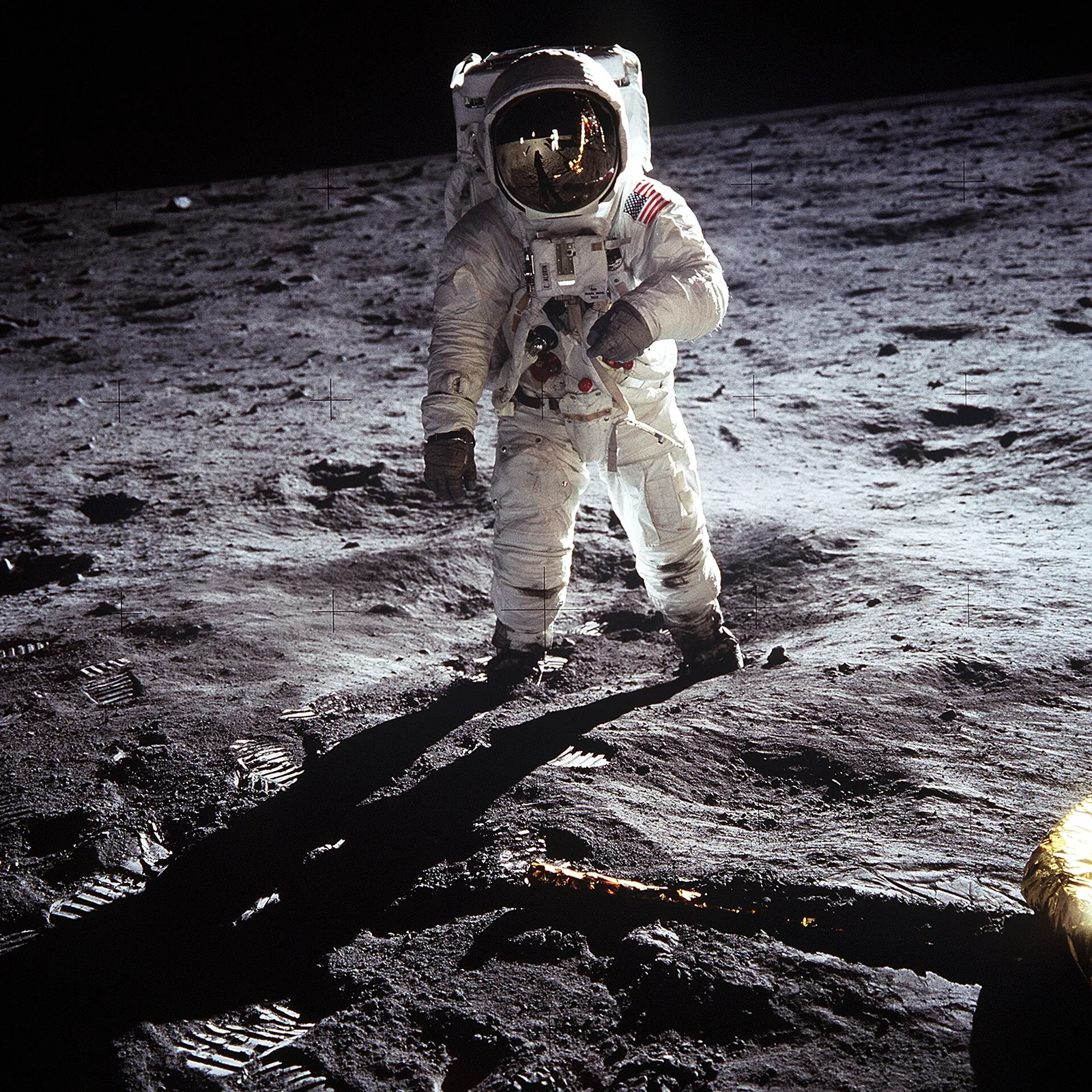
In everyday talk, “weight” and “mass” are swapped all the time. In physics they are different quantities. Mass is the amount of matter in an object, measured in kilograms (kg). It is a scalar and it is the same everywhere. The AQA specification defines weight as “the force acting on an object due to gravity”. That makes weight a force, measured in newtons (N), and a vector that acts towards the centre of the planet or moon.
Weight depends on the gravitational field strength, g, where the object is. The two are linked by the equation you must recall:
W = m × g
Here W is weight in newtons, m is mass in kilograms and g is in newtons per kilogram (N/kg). In an exam the value of g will be given. Because g is a constant at one place, weight and mass are directly proportional: double the mass and you double the weight. Weight is measured with a calibrated spring balance (a newtonmeter), while mass is measured with a balance.
| Feature | Mass | Weight |
|---|---|---|
| What it is | Amount of matter | Force of gravity on the object |
| Unit | kilogram (kg) | newton (N) |
| Scalar or vector? | Scalar | Vector (a force) |
| Changes with location? | No | Yes, with g |
| Measured with | Balance | Newtonmeter (spring balance) |
The surface gravity of the Moon is 1.62 m/s² against 9.80 m/s² on Earth, according to NASA’s planetary fact sheets. That is a ratio of about 0.165, or roughly one-sixth. Your weight on the Moon is about a sixth of your weight on Earth, but your mass has not changed at all. (Gravitational field strength in N/kg and acceleration due to gravity in m/s² have the same value.) We link weight to the idea of a force in our guide to Newton’s laws.
One-line exam answer: mass is the amount of matter and is constant; weight is the force of gravity on that mass, and changes with g.
Try the calculator below. Change the world and watch the weight change while the mass stays put.
Distance vs displacement
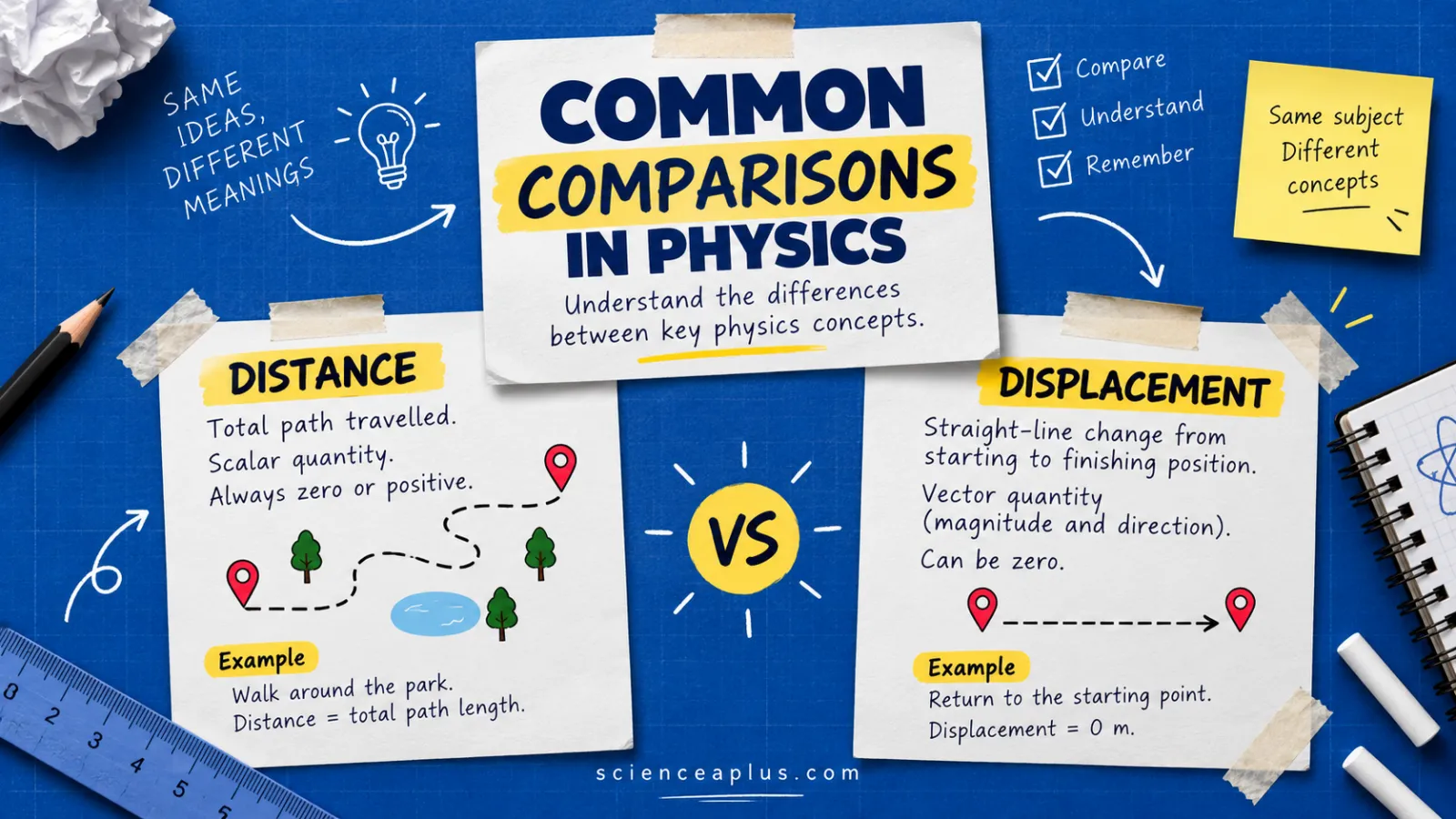
These two sound alike but one of them knows where you ended up. The AQA specification says: “Distance is how far an object moves. Distance does not involve direction. Distance is a scalar quantity.” Displacement “includes both the distance an object moves, measured in a straight line from the start point to the finish point and the direction of that straight line. Displacement is a vector quantity.”
Walk 5 m east and then 5 m west. Your distance is 10 m, because that is how far you moved. Your displacement is 0 m, because you finished where you started. A round trip always has zero displacement, and distance can never be smaller than the size of the displacement.
| Feature | Distance | Displacement |
|---|---|---|
| Measures | Total path length | Straight line, start to finish |
| Scalar or vector? | Scalar | Vector |
| Needs a direction? | No | Yes, e.g. “600 m north” |
| Can it be zero after moving? | No | Yes, on a round trip |
| Unit | metre (m) | metre (m) |
One-line exam answer: distance is the total path travelled and has no direction; displacement is the straight-line change in position, with direction.
Speed vs velocity
Speed and velocity follow the same pattern as distance and displacement. The AQA specification says: “Speed does not involve direction. Speed is a scalar quantity.” Then: “The velocity of an object is its speed in a given direction. Velocity is a vector quantity.” So “5 m/s” is a speed, but “5 m/s north” is a velocity.
For constant motion you can find the distance travelled with the equation you must recall:
s = v × t
Here s is distance in metres, v is speed in metres per second and t is time in seconds. For motion that is not steady, you work with the average speed. On a distance–time graph, the gradient (slope) of the line is the speed.
AQA gives typical values to help you judge whether an answer is sensible: walking is about 1.5 m/s, running about 3 m/s, cycling about 6 m/s, and the speed of sound in air is about 330 m/s.
| Feature | Speed | Velocity |
|---|---|---|
| Scalar or vector? | Scalar | Vector |
| Direction needed? | No | Yes |
| Linked to | Distance | Displacement |
| Unit | m/s | m/s |
| Example | A car travels at 20 m/s | A car travels at 20 m/s east |
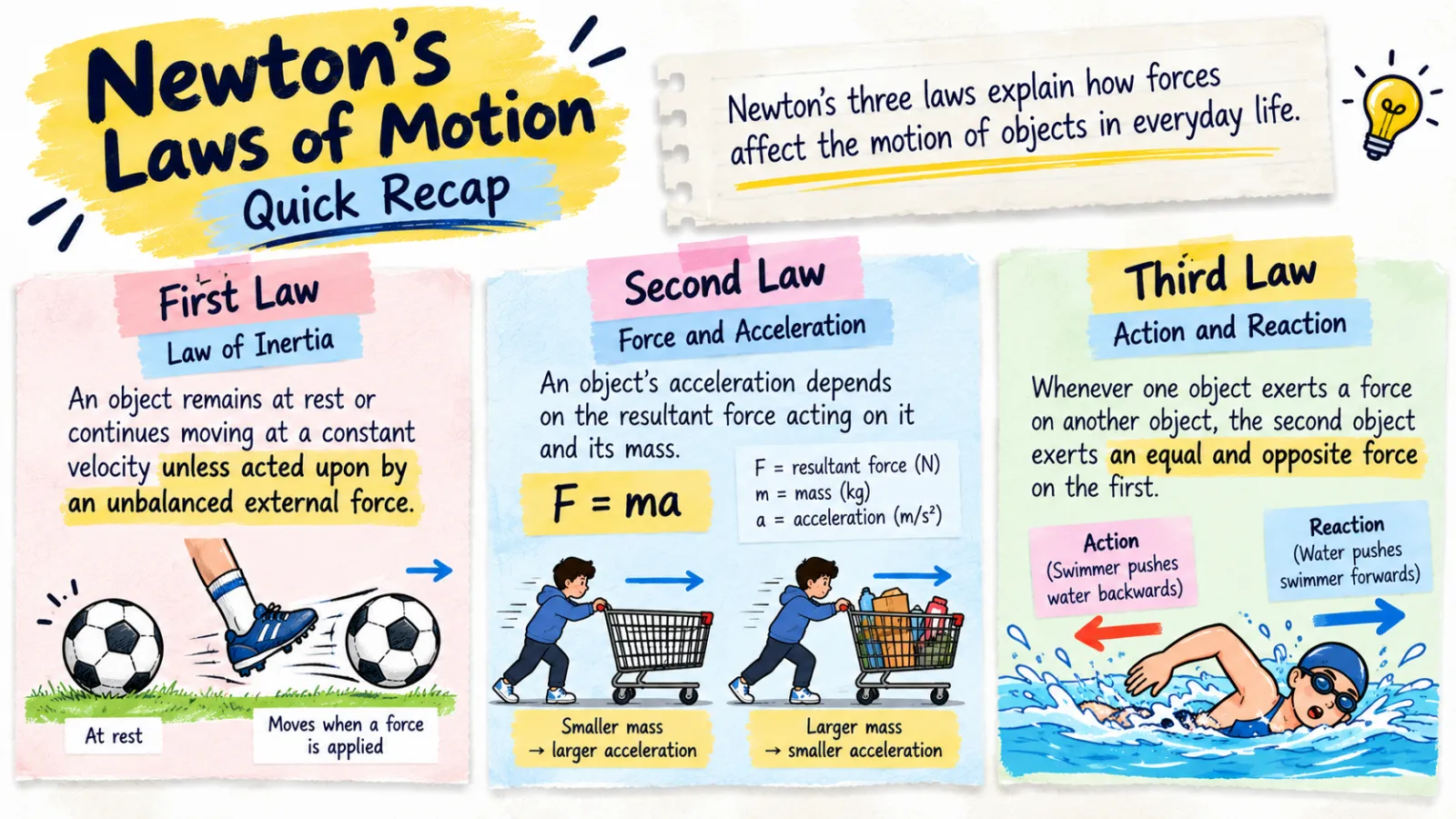
Here is where the difference really matters. Acceleration is the change in velocity divided by time (a = Δv ÷ t). Because velocity includes direction, changing direction means the velocity changes, even if the speed does not. Higher tier students meet this in the specification as “motion in a circle involves constant speed but changing velocity”. A car going round a roundabout at a steady 10 m/s is accelerating. A change of velocity needs a resultant force, as we explain in our guide to Newton’s laws of motion.
One-line exam answer: speed is how fast something moves; velocity is speed in a stated direction.
Series vs parallel circuits

Circuits are the other big place where students mix things up. In a series circuit the components are joined one after another in a single loop, so the current has only one path. In a parallel circuit the circuit splits into branches, and the current has a choice of routes. The AQA specification gives clear rules for each, and the table below puts them side by side.
| Rule | Series | Parallel |
|---|---|---|
| Current | The same through each component | The total current is the sum of the currents through the separate components |
| Potential difference (p.d.) | The supply p.d. is shared between the components | The p.d. across each component is the same |
| Total resistance | The sum of the resistances: R = R₁ + R₂ | Less than the smallest individual resistor |
| If one component breaks | The loop is broken, so the current stops everywhere | Current can still flow in the other branches |
The photo shows a string of lights. Whether the whole string goes dark when one bulb fails depends on how the bulbs are wired. If they are in series, a break stops everything. If they are in parallel, the other branches stay lit. You cannot tell from a picture which it is.
Students are asked to explain why adding resistors in series increases the total resistance, whereas adding resistors in parallel decreases it. In series the charge has to pass through every resistor, so each extra one makes the journey harder. In parallel, each extra branch is another path for the charge. From the same supply p.d., more current flows in total, and since resistance is p.d. divided by current, the total resistance goes down.
Pick any two resistors and a supply p.d. and compare the two circuits.
AC vs DC (alternating vs direct current)
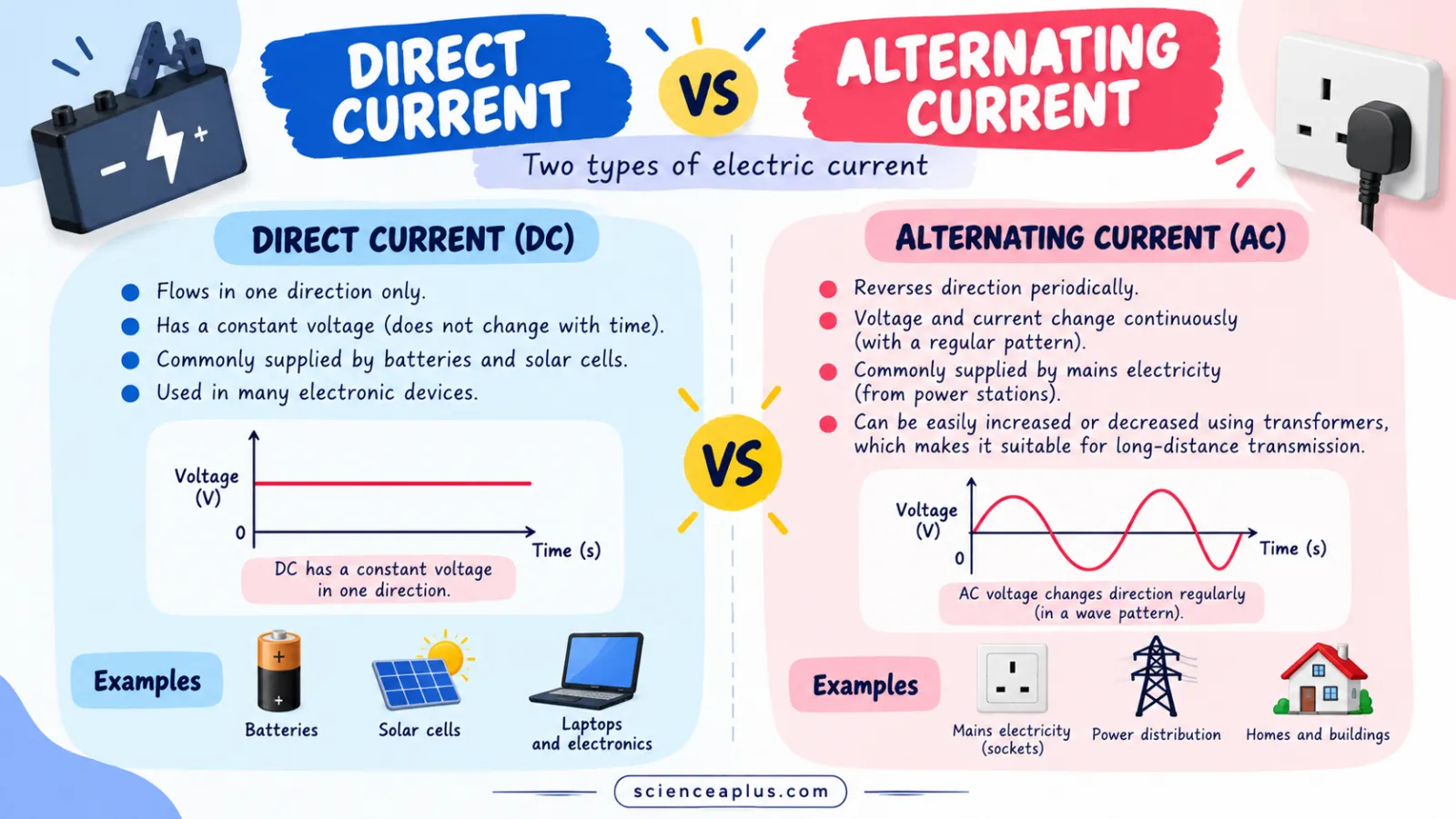
The AQA specification asks you to “explain the difference between direct and alternating potential difference”. Direct current (DC) always passes in the same direction. Cells and batteries supply DC, and so do solar cells (see how solar panels work). In a DC circuit, we usually draw the current as flowing from the positive terminal round to the negative one, which is called conventional current, covered in our guide to the direction of current.
Alternating current (AC) repeatedly changes direction. The AQA specification states that “mains electricity is an ac supply. In the United Kingdom the domestic electricity supply has a frequency of 50 Hz and is about 230 V.” A frequency of 50 Hz means 50 complete cycles every second. Each cycle has two reversals, so the current changes direction 100 times a second. AC is generated when a coil and magnet move relative to each other, as you can see in the electromagnetic induction experiment.
On a graph of p.d. against time, a DC supply gives a flat horizontal line. An AC supply gives a wave that crosses zero as it swaps direction.
| Feature | DC | AC |
|---|---|---|
| Direction of current | Always the same | Reverses repeatedly |
| Typical sources | Cells, batteries, solar cells | Mains supply |
| Graph of p.d. against time | Flat line | Wave crossing zero |
| UK example | A torch battery | A wall socket: 50 Hz, about 230 V |
Why is the mains supply AC? The National Grid is “a system of cables and transformers linking power stations to consumers”. Step-up transformers raise the p.d. from the power station before the electricity travels along the cables, and step-down transformers lower it, to a much lower value, for homes. A higher p.d. means a lower current for the same power, so less energy is wasted heating the cables (power loss = I²R). Transformers only work with an alternating p.d., which is the reason the grid uses AC.
One more mains fact worth knowing: in a plug the live wire is brown and carries the alternating p.d. at about 230 V, the neutral wire is blue and is at or close to 0 V, and the earth wire is striped green and yellow.
One-line exam answer: direct current flows in one direction only; alternating current keeps reversing, and UK mains is AC at 50 Hz and about 230 V.
Heat vs temperature
In everyday language, “heat” and “temperature” are used for the same thing. In physics they are not. The AQA specification defines internal energy as “the total kinetic energy and potential energy of all the particles (atoms and molecules) that make up a system”. Heating a system increases the energy of its particles. That either raises the temperature or produces a change of state.
Put simply, heat is energy transferred, measured in joules (J). Temperature is how hot something is, measured in degrees Celsius (°C), and it relates to the average kinetic energy of the particles. The difference is that heat depends on how much material you have, while temperature does not.
The equation that connects them is on the AQA equation sheet:
ΔE = m × c × Δθ
Here ΔE is the energy transferred in joules, m is mass in kilograms, c is the specific heat capacity in J/kg °C and Δθ is the change in temperature in °C. The specific heat capacity of a substance is “the amount of energy required to raise the temperature of one kilogram of the substance by one degree Celsius”. For water, GCSE questions use 4,200 J/kg °C (GCSE value). The temperature rise depends on the mass, the material and the energy input.
| Feature | Heat (energy transferred) | Temperature |
|---|---|---|
| What it tells you | How much energy moves | How hot something is |
| Unit | joule (J) | degree Celsius (°C) |
| Depends on the amount of material? | Yes | No |
| Linked to particles by | Energy passed to or from them | Their average kinetic energy |
There is a neat twist. While ice is melting, energy is going in but the temperature stays the same. The energy goes into the change of state, not into raising the temperature. This is why specific latent heat is a separate idea from specific heat capacity. For definitions across all three sciences, see our page on key definitions in biology, chemistry and physics.
You can test the idea with numbers. Heating 0.50 kg of water in a kettle by 80 °C needs the same energy as heating 2.0 kg of water in a pan by 20 °C. Try that in the maths questions near the end of this article.
One-line exam answer: heat is energy transferred, in joules; temperature is how hot something is, in °C.
Conduction vs convection vs radiation

A pan of boiling water shows all three ways of transferring energy by heating. A word of honesty first: the AQA GCSE specification names conduction and infrared radiation, but convection is KS3 knowledge you are expected to bring with you. Other exam boards do list it, and you should know all three.
Conduction passes energy from particle to particle through a material. It works best in solids, and metals are good thermal conductors. The AQA specification says: “The higher the thermal conductivity of a material the higher the rate of energy transfer by conduction across the material.” That is why the metal pan heats up quickly.
Convection happens when a fluid, meaning a liquid or a gas, is in motion. The portion of fluid that is less dense rises, and the denser portion sinks. So it needs a fluid and cannot happen in a solid. In the pan, the warmer water rises and the cooler water sinks, setting up a circulation.
Radiation is the transfer of energy by electromagnetic waves, in this case infrared. The specification says: “All bodies (objects), no matter what temperature, emit and absorb infrared radiation. The hotter the body, the more infrared radiation it radiates in a given time.” Electromagnetic waves all travel at the same velocity through a vacuum, so radiation needs no medium. That is how energy from the Sun reaches Earth across space.
| Feature | Conduction | Convection | Radiation |
|---|---|---|---|
| Needs a medium? | Yes, a material | Yes, a fluid | No |
| What moves? | Energy passes between particles | The fluid itself circulates | Electromagnetic waves |
| Typical example | Metal pan handle warming up | Water circulating in a pan | Warmth from the Sun or a fire |
For more everyday examples like this one, read our post on physics in everyday life.
One-line exam answer: conduction passes energy through particles, convection moves energy with a flowing fluid, and radiation needs no particles at all.
Transverse vs longitudinal waves
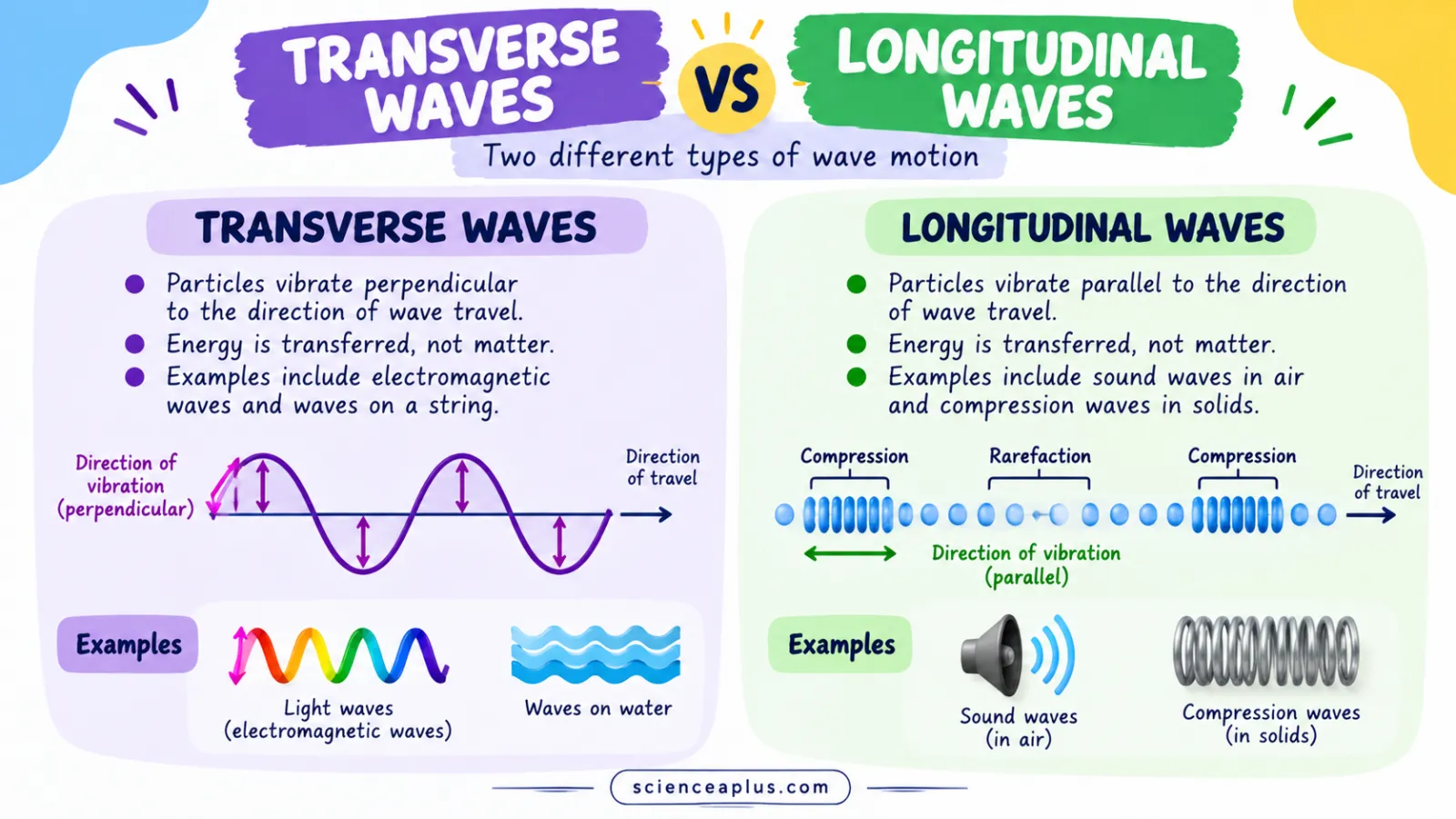
The AQA specification says that “waves may be either transverse or longitudinal”. The difference is the direction of the vibrations compared with the direction the wave transfers energy.
In a transverse wave, the oscillations are at right angles (perpendicular) to the direction of energy transfer. The specification states that “the ripples on a water surface are an example of a transverse wave”, and that electromagnetic waves are transverse. In a longitudinal wave, the oscillations are parallel to the direction of energy transfer. Longitudinal waves show areas of compression, where particles are squeezed together, and rarefaction, where they are spread out. “Sound waves travelling through air are longitudinal.”
A slinky spring shows both. Push and pull one end along the spring and you make a longitudinal wave. Shake it side to side and you make a transverse wave.
| Feature | Transverse | Longitudinal |
|---|---|---|
| Oscillations | Perpendicular to energy transfer | Parallel to energy transfer |
| Key features | Peaks and troughs | Compressions and rarefactions |
| Examples | Water ripples, electromagnetic waves, S-waves | Sound in air, P-waves |
Seismic waves show the difference nicely. S-waves are transverse and cannot travel through a liquid, while P-waves are longitudinal. Both types of wave transfer energy, not matter. You can show this with a cork on water: it bobs up and down as ripples pass, but it does not travel with them.
The same equation works for every wave, whatever its type:
v = f × λ
Wave speed v in m/s equals frequency f in hertz multiplied by wavelength λ in metres. Light and other electromagnetic waves travel at about 3.0 × 10⁸ m/s in a vacuum.
Elastic vs inelastic deformation
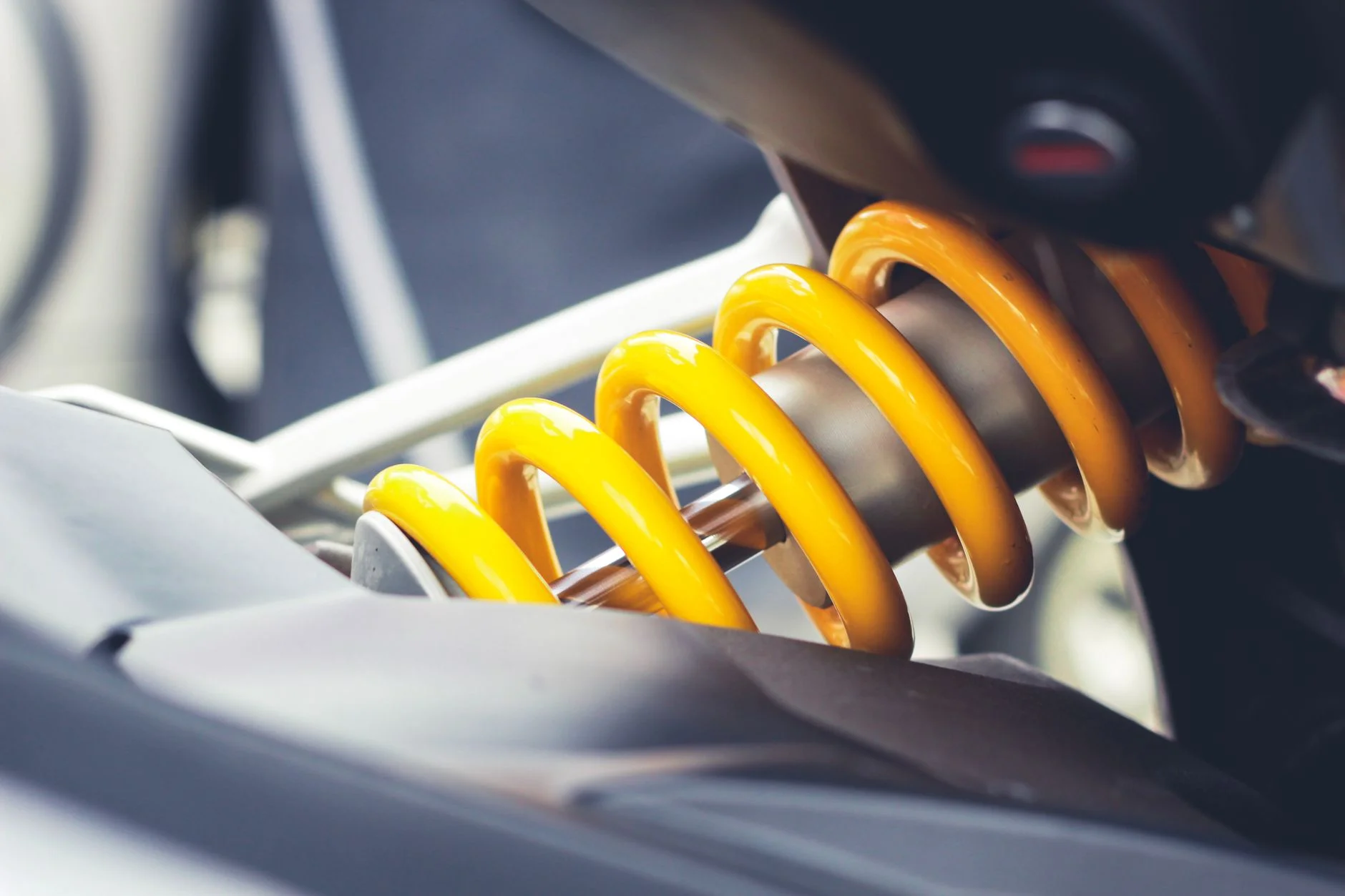
Students must “describe the difference between elastic deformation and inelastic deformation caused by stretching forces”. In elastic deformation, the object returns to its original shape and length when the forces are removed. In inelastic deformation, it does not, and it is permanently changed. To stretch, bend or compress a stationary object, more than one force has to be applied.
For a spring, the extension is directly proportional to the force applied, provided the limit of proportionality is not exceeded:
F = k × e
Here F is force in newtons, k is the spring constant in N/m and e is the extension in metres. The same equation covers compression. Past the limit of proportionality the line on a force–extension graph curves, and if you stretch the spring far enough it will not go back to its original length. The energy stored in a spring that has not been inelastically deformed is given by:
Ee = ½ × k × e²
You will measure this relationship in the required practical on springs. Everyday examples help: a rubber band or a suspension spring springs back, which is elastic. A bent paperclip or a squashed drinks can stays deformed, which is inelastic.
Extra question: a spring has a spring constant of 25 N/m. A force of 5.0 N is applied, within the limit of proportionality. Find the extension and the elastic energy stored. (3 marks)
Extension: e = F ÷ k = 5.0 ÷ 25 = 0.20 m. Energy stored: Ee = ½ × k × e² = ½ × 25 × 0.20² = 0.50 J.
One-line exam answer: an elastic object goes back to its original shape when the force is removed; an inelastically deformed one does not.
Nuclear fission vs fusion
Both release energy from the nucleus, but in opposite ways. The AQA specification says: “Nuclear fission is the splitting of a large and unstable nucleus”, for example uranium or plutonium. Spontaneous fission is rare. Usually the unstable nucleus must first absorb a neutron. It then splits into two smaller nuclei of roughly equal size and emits two or three neutrons plus gamma rays, and energy is released.
Those neutrons may go on to start a chain reaction. In a nuclear reactor the chain reaction is controlled. The specification notes that the explosion caused by a nuclear weapon is caused by an uncontrolled chain reaction.
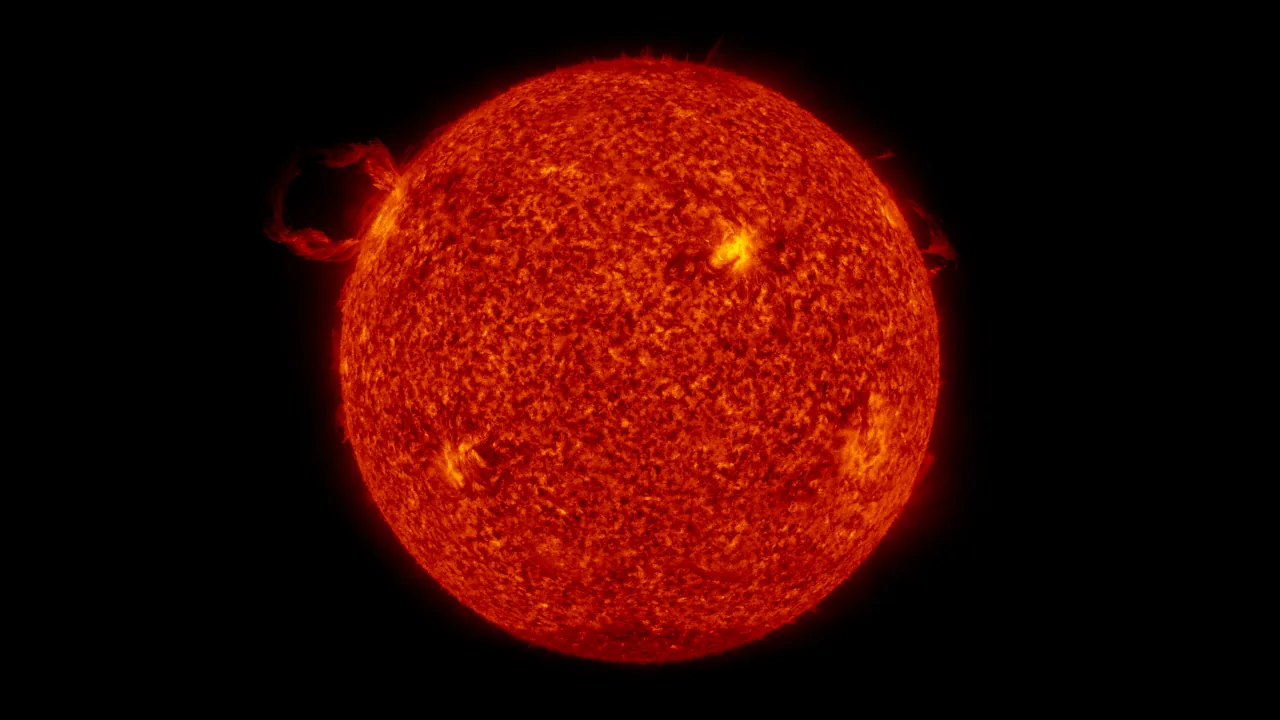
The AQA specification defines fusion like this: “Nuclear fusion is the joining of two light nuclei to form a heavier nucleus. In this process some of the mass may be converted into the energy of radiation.” In the Sun’s core, NASA tells us that hydrogen is fused to form helium, which powers the Sun’s heat and light. Gravity pulls dust and gas together to start fusion, and fusion in turn balances the gravitational collapse of a star.
| Feature | Fission | Fusion |
|---|---|---|
| What happens to the nuclei? | A large, unstable nucleus splits into two smaller ones | Two light nuclei join to form a heavier one |
| What starts it? | An unstable nucleus absorbs a neutron | Light nuclei brought together, as in a star’s core |
| Products | Two smaller nuclei, two or three neutrons, gamma rays, energy | A heavier nucleus and energy (radiation) |
| Where does it happen? | Nuclear reactors | The Sun and other stars |
Fusion power stations on Earth are still being developed, for example in the international ITER experiment, according to the US Department of Energy. So today’s nuclear power stations use fission.
Renewable vs non-renewable energy resources
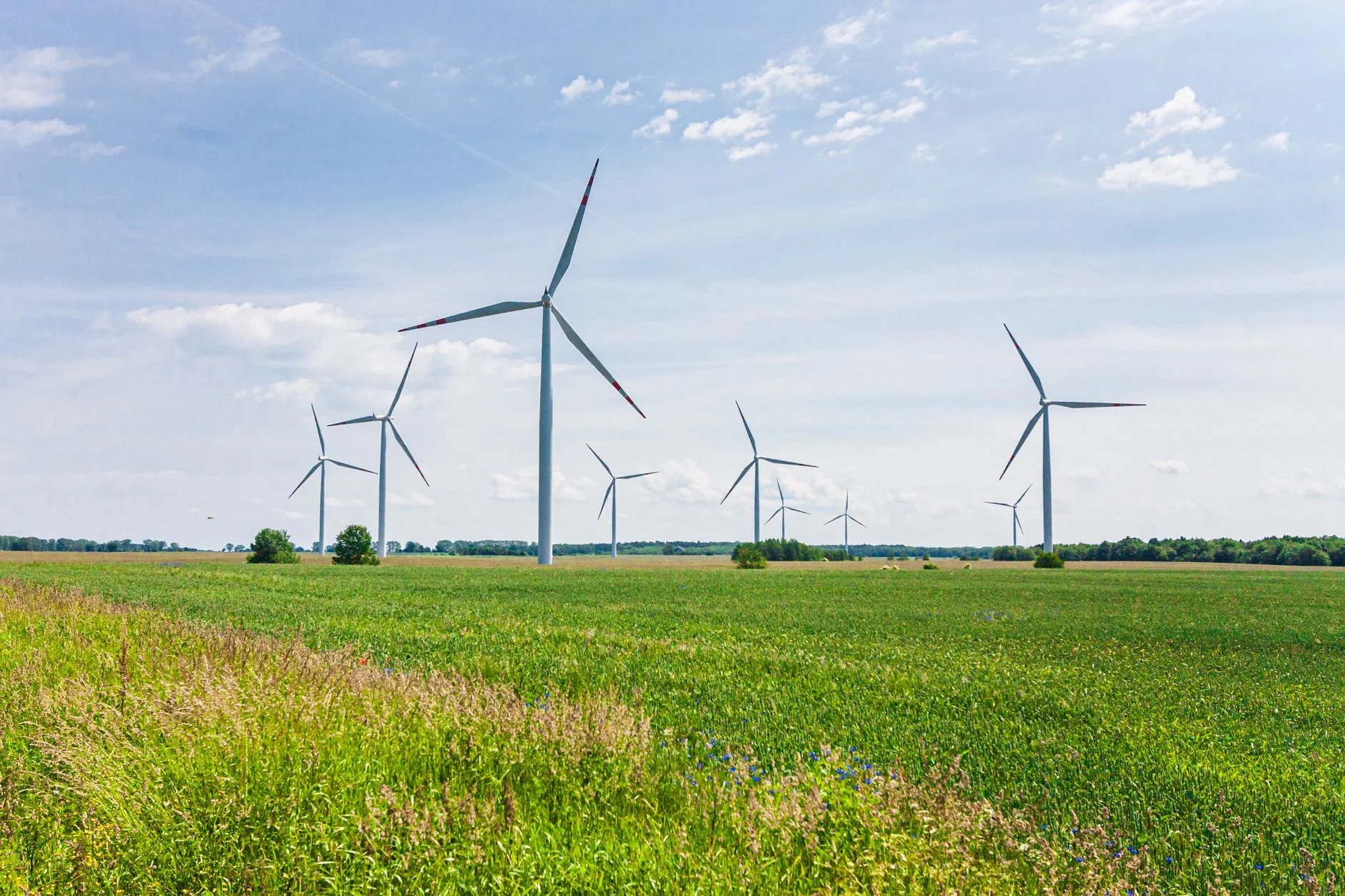
The AQA specification says: “A renewable energy resource is one that is being (or can be) replenished as it is used.” Its list of the main energy resources is fossil fuels (coal, oil and gas), nuclear fuel, bio-fuel, wind, hydro-electricity, geothermal, the tides, the Sun and water waves. They are used for transport, electricity generation and heating.
| Renewable | Non-renewable |
|---|---|
| Bio-fuel | Coal |
| Wind | Oil |
| Hydro-electricity | Gas |
| Geothermal | Nuclear fuel |
| The tides | |
| The Sun (solar) | |
| Water waves |
Students compare reliability and environmental impact. Wind and solar depend on the weather and daylight, while fossil fuels and nuclear fuel can supply energy on demand. Burning fossil fuels releases carbon dioxide, a greenhouse gas. Nuclear power is low-carbon in operation, but it is not renewable because uranium is a finite resource. Read more in our guides to energy sources and their uses and the advantages and disadvantages of wind energy.
Maths practice questions: physics comparisons with numbers
Cover the answer, try it on paper, then tap the question to check your working. Remember units and, for vectors, a direction.
1. Mass vs weight: a student has a mass of 65 kg. g = 9.8 N/kg on Earth and 1.6 N/kg on the Moon. Find her weight on each and her mass on the Moon. (3 marks)
Earth: W = m × g = 65 × 9.8 = 637 N. Moon: W = 65 × 1.6 = 104 N. Her mass is still 65 kg, because mass does not change with location.
2. Weight to mass: a bag weighs 49 N on Earth (g = 9.8 N/kg). Find its mass. (2 marks)
m = W ÷ g = 49 ÷ 9.8 = 5.0 kg. Common error: answering “49 kg”, which forgets to divide by g.
3. Distance vs displacement, speed vs velocity: a runner completes one 400 m lap of a track in 80 s, finishing where she started. Find the distance, displacement, average speed and average velocity. (4 marks)
Distance = 400 m. Displacement = 0 m, because she finishes where she started. Average speed = 400 ÷ 80 = 5.0 m/s. Average velocity = 0 ÷ 80 = 0 m/s.
4. Velocity with direction: a cyclist rides 1,200 m north in 200 s, then 600 m south in 100 s. Find the distance, displacement, average speed and average velocity. (4 marks)
Distance = 1,200 + 600 = 1,800 m. Displacement = 1,200 − 600 = 600 m north. Total time = 300 s. Average speed = 1,800 ÷ 300 = 6.0 m/s. Average velocity = 600 ÷ 300 = 2.0 m/s north. (6 m/s matches AQA’s typical cycling speed.)
5. Series: 4 Ω and 8 Ω resistors are connected in series with a 6.0 V battery. Find the total resistance, the current and the p.d. across each resistor. (3 marks)
R = 4 + 8 = 12 Ω. I = V ÷ R = 6.0 ÷ 12 = 0.50 A, the same through both. V₁ = 0.50 × 4 = 2.0 V and V₂ = 0.50 × 8 = 4.0 V. Check: 2.0 + 4.0 = 6.0 V.
6. Parallel: the same 4 Ω and 8 Ω resistors are connected in parallel across 6.0 V. Find the current in each branch, the total current and the total resistance. (4 marks; the total-resistance step goes beyond AQA GCSE, which only expects you to know it is less than 4 Ω)
Each branch has 6.0 V across it. I₁ = 6.0 ÷ 4 = 1.5 A. I₂ = 6.0 ÷ 8 = 0.75 A. Total current = 2.25 A. Total resistance = 6.0 ÷ 2.25 = 2.7 Ω (2 significant figures; 2.67 Ω), which is less than 4 Ω as it should be. (Beyond AQA GCSE: 1/4 + 1/8 = 3/8, so R = 8/3 = 2.67 Ω.)
7. Heat vs temperature: the specific heat capacity of water is 4,200 J/kg °C. A kettle heats 0.50 kg of water from 20 °C to 100 °C. A pan heats 2.0 kg of water from 20 °C to 40 °C. Find the energy transferred in each case. (4 marks)
Kettle: ΔE = m c Δθ = 0.50 × 4,200 × 80 = 168,000 J (168 kJ). Pan: ΔE = 2.0 × 4,200 × 20 = 168,000 J. The same energy is transferred, but the temperature rises are very different (80 °C and 20 °C). Energy is not the same thing as temperature.
8. Wave speed: (a) a sound wave in air has a frequency of 660 Hz and the speed of sound is 330 m/s. Find its wavelength. (b) A water ripple has a frequency of 2.0 Hz and a wavelength of 0.15 m. Find its speed. (4 marks)
(a) λ = v ÷ f = 330 ÷ 660 = 0.50 m. (b) v = f × λ = 2.0 × 0.15 = 0.30 m/s. Sound is longitudinal and ripples are transverse, yet the same equation works for both.
Flip cards and quiz: scalar or vector, which wave, which current?
Frequently asked questions about common comparisons in physics
What is the difference between mass and weight?
Mass is the amount of matter in an object, measured in kilograms, and it is the same everywhere. Weight is the force of gravity acting on that mass, measured in newtons. The two are linked by W = m × g, so weight changes with the gravitational field strength, but mass does not.
Is weight a vector or a scalar quantity?
Weight is a vector quantity because it is a force, and force has both magnitude and direction. It acts towards the centre of the planet or moon. Mass, by contrast, is a scalar because it has size only. This is a common one-mark question.
Can displacement be zero when distance is not?
Yes. Displacement is the straight-line change in position, so if you finish where you started it is zero. A runner who completes a 400 m lap has covered a distance of 400 m but has a displacement of 0 m. Distance can never be less than the size of the displacement.
What is the difference between speed and velocity?
Speed tells you how fast something moves and has no direction, so it is a scalar. Velocity is speed in a given direction, so it is a vector. A car at 20 m/s has a speed; a car at 20 m/s east has a velocity.
Why does adding resistors in parallel decrease the total resistance?
Each extra branch gives the charge another path. From the same supply p.d., more current flows in total, and since resistance is p.d. divided by current, the total resistance falls. This is why the total is always less than the smallest individual resistor in parallel.
Why is mains electricity AC rather than DC?
The National Grid uses transformers to step the p.d. up for transmission and down for homes. A higher p.d. means a lower current for the same power, so less energy is wasted heating the cables. Transformers only work with an alternating p.d., so the mains supply is AC.
What is the difference between heat and temperature?
Heat is energy transferred, measured in joules. Temperature is how hot something is, measured in degrees Celsius, and relates to the average kinetic energy of its particles. Two objects can receive the same energy yet end up at different temperatures, depending on their mass and material.
Is sound a transverse or longitudinal wave?
Sound waves travelling through air are longitudinal. The air particles vibrate parallel to the direction the wave travels, creating areas of compression and rarefaction. Water ripples and electromagnetic waves are transverse, which means their oscillations are at right angles to the direction of energy transfer.
Does the Sun use nuclear fission or fusion?
The Sun uses nuclear fusion. In its core, hydrogen nuclei are fused to form helium, releasing the energy that gives us heat and light. Fission is the splitting of large nuclei such as uranium, which is what happens in today’s nuclear power stations, not in the Sun.
Is nuclear power renewable?
No. Nuclear power is low-carbon when a reactor is running, but the fuel, uranium, is a finite resource that is not replenished as it is used. The US Energy Information Administration groups nuclear fuel with coal, oil and gas as non-renewable.