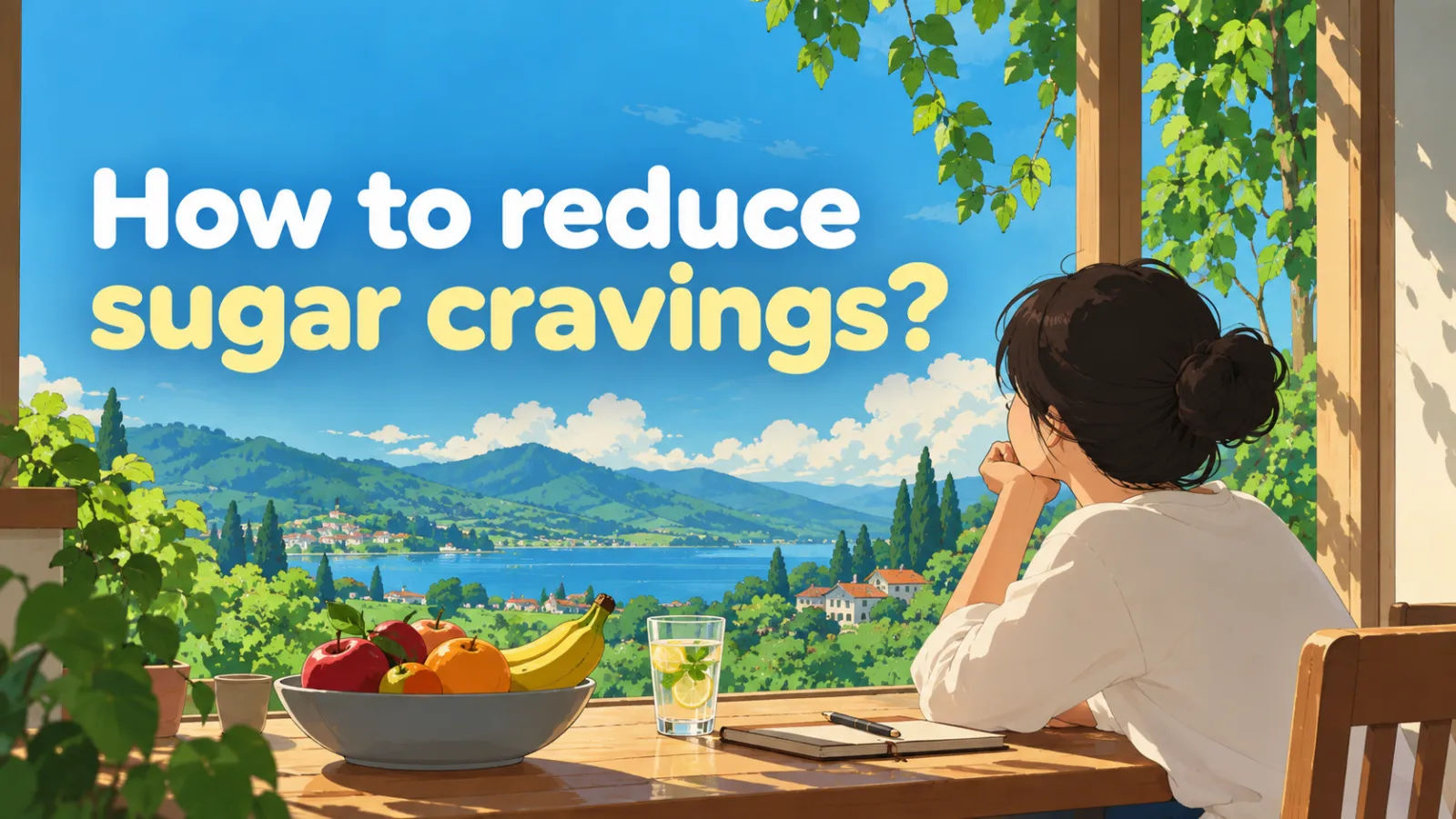
To reduce sugar cravings, eat regular balanced meals with protein and fibre, drink enough fluid, sleep well, manage stress without food, and cut sugar down gradually instead of banning it. Small, steady changes work better than strict rules, and cravings usually become easier to handle.
Wanting something sweet is completely normal. Almost everyone has sugar cravings now and then, and nothing is wrong with you if you do. This guide explains what causes them, how much sugar the NHS says is too much, and then gives 15 practical, sensible tips. The aim is to reduce, not to obsess.
What is a sugar craving?
A craving is a strong urge for a particular food, usually a sweet one. It is not the same as being hungry, although the two can feel alike in the moment. Telling them apart is the first step towards how to stop sugar cravings from running your day.
| Hunger | Craving |
|---|---|
| Builds up slowly over time | Arrives suddenly |
| Almost any food will satisfy it | Only one specific food will do |
| Shows up as stomach signs, such as a rumbling stomach | Comes from the mind and emotions, such as boredom, stress or habit |
If a plain piece of fruit or a sandwich does not appeal, but a chocolate bar does, you are probably dealing with a craving rather than hunger.
Why do we crave sugar?
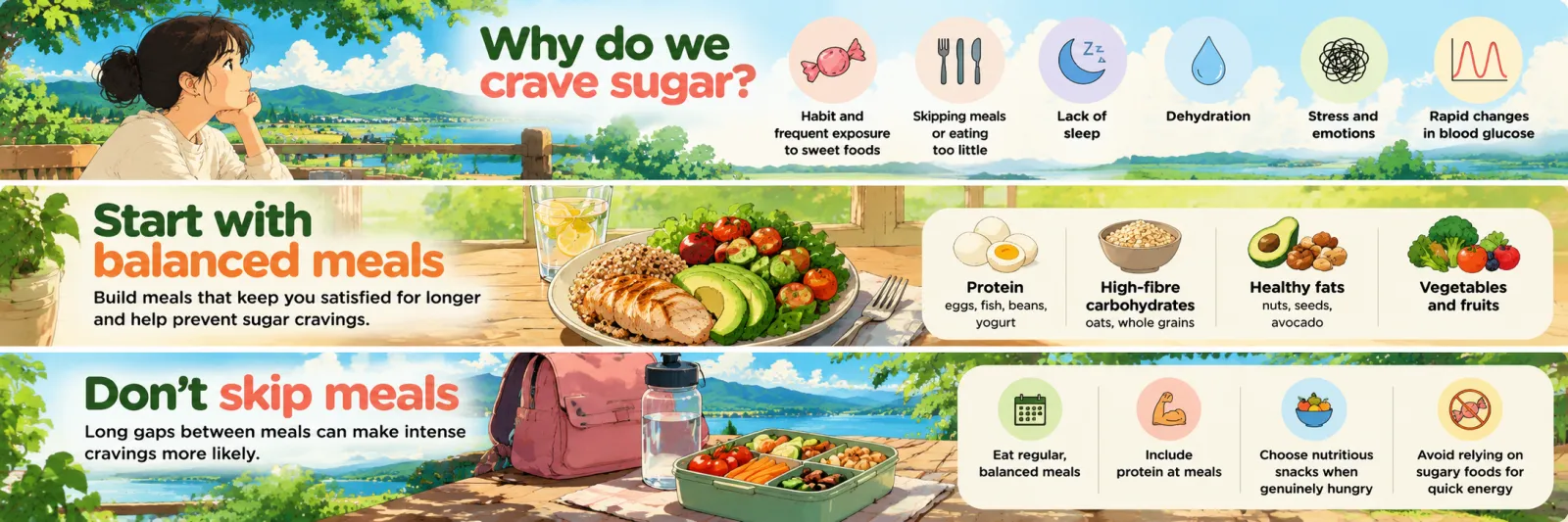
If you have ever asked yourself why do I crave sugar, the answer is rarely a single thing. Sweet taste activates the brain’s reward system, which involves a chemical messenger called dopamine, and that can make you want to repeat the experience. On top of that, six everyday factors can turn the volume up on sugar cravings.
1. Habit and frequent exposure
If you have a sweet snack at the same time every day, your body and brain learn to expect it. The more often sweet foods are around, the more often you want them.
2. Skipping meals or eating too little
Going a long time without food, or not eating enough at meals, leaves you hungry and more likely to grab something sugary.
3. Lack of sleep
A 2020 randomised crossover trial in healthy young adults found that short sleep increased sweet-taste preference, appetite and food intake. Evidence on the hunger hormones ghrelin and leptin is mixed, so scientists are still working out exactly how sleep and appetite connect.
4. Thirst mistaken for hunger
Some people may mistake thirst for hunger, so a drink is worth trying first.
5. Stress and emotions
Many people reach for sweet food when they feel stressed, tired, sad or bored. Food becomes a quick comfort, and the habit can stick.
6. Rapid rises and falls in blood glucose
Very sugary foods and drinks can cause blood glucose to rise and fall quickly. The drop afterwards can leave you wanting more sweet food.
How much sugar is too much?
The NHS gives limits for free sugars. These are sugars added to food and drink, plus the sugars in honey, syrups (maple, agave, golden), nectars, and unsweetened fruit juices, vegetable juices and smoothies. Sugars that are naturally inside whole fruit, vegetables and milk are not counted as free sugars.
| Age | Maximum free sugars a day | Sugar cubes |
|---|---|---|
| Adults and children aged 11 and over | 30 g | ≈7 |
| Children aged 7–10 | 24 g | 6 |
| Children aged 4–6 | 19 g | 5 |
Younger children need even less. Fruit juice and smoothies together should be no more than 150 ml a day. The World Health Organization (WHO) recommends keeping free sugars below 10% of your daily energy, and ideally below 5%.
The NHS says too much sugar can lead to weight gain and tooth decay. Through weight gain, a high sugar intake also raises the risk of type 2 diabetes, heart disease and some cancers.
Want to see how your day adds up? Try the sugar calculator below.
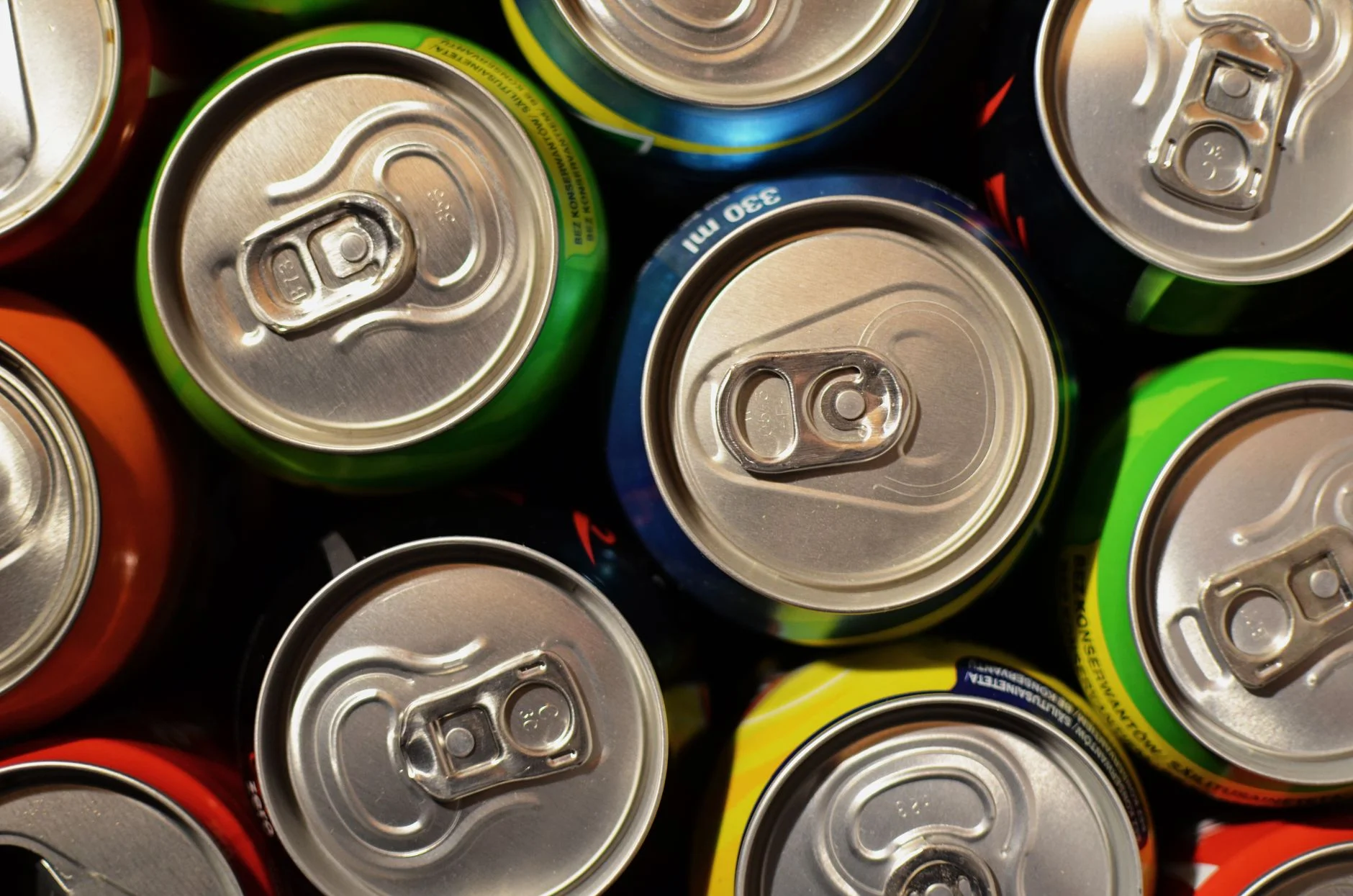
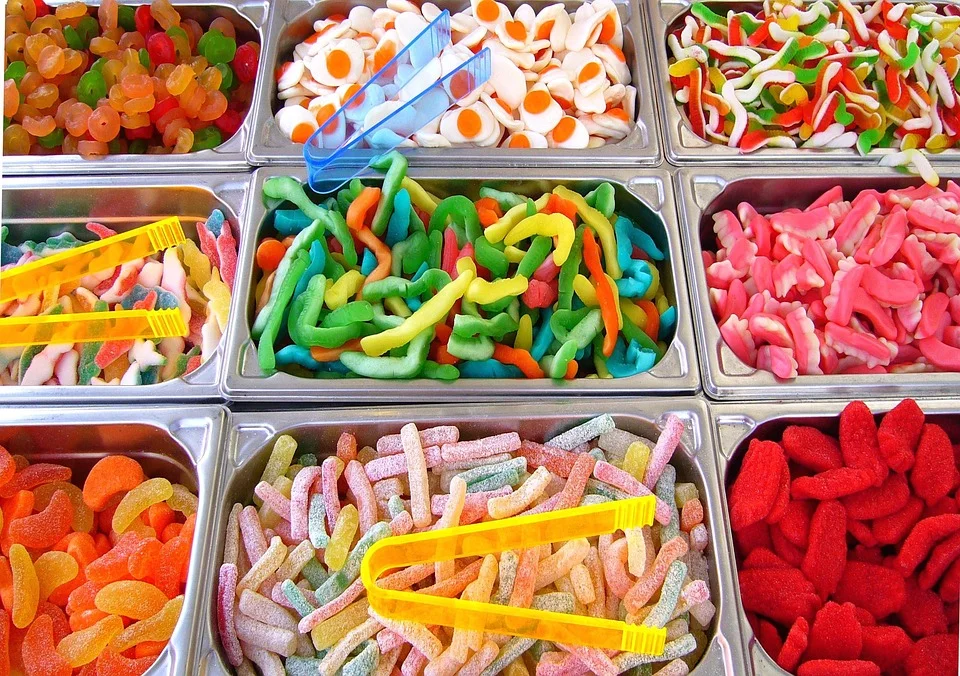
Sugary drinks are one of the biggest sources of free sugar, and some regular fizzy drinks contain close to (or more than) a whole day’s maximum in a single can, so check the label. Sweets, biscuits and other snacks add up too, which is part of the story in the good and bad of junk food.
15 practical ways to reduce sugar cravings
You do not need willpower of steel to reduce sugar cravings. Most of the tips below work by changing the things that set cravings off: long gaps between meals, thirst, tiredness, stress and habit. Try one or two at a time, keep what works, and drop what does not.
The first five tips are about food and drink, so we will start there.
1. Eat balanced meals
Meals built around protein, fibre and healthy fats help you feel full for longer, which makes a sudden urge for something sweet less likely. Fibre comes from wholegrains, beans and vegetables. Protein comes from foods such as fish, eggs, beans, lentils and meat. Healthy fats come from foods such as nuts and seeds.
The NHS Eatwell Guide gives a simple pattern to follow:
- Base meals on starchy carbohydrates, choosing wholegrain where possible.
- Eat at least 5 portions of fruit and vegetables a day.
- Include some protein, and some dairy or dairy alternatives.
If you want to see why each food group matters, our guide to why we need a balanced diet explains what each nutrient does in the body.
2. Don't skip meals
Skipping meals or eating too little is one of the common causes of sugar cravings. By mid-afternoon you may be so hungry that anything sweet and quick looks very appealing. Regular meals, including a breakfast with some protein, make that moment less likely.
Very sugary foods and drinks can make blood glucose rise and fall quickly, and that dip may feel like another craving. Eating regularly, with fibre and protein, gives you a steadier pattern. This is a general food habit rather than a medical treatment. If you often feel unwell between meals, speak to a GP.
A few breakfast ideas:
- Porridge made with milk, topped with berries and a few nuts.
- Wholegrain toast with eggs.
- Plain yogurt with fruit and seeds.
- Wholegrain toast with peanut butter and sliced banana.
3. Choose naturally sweet foods
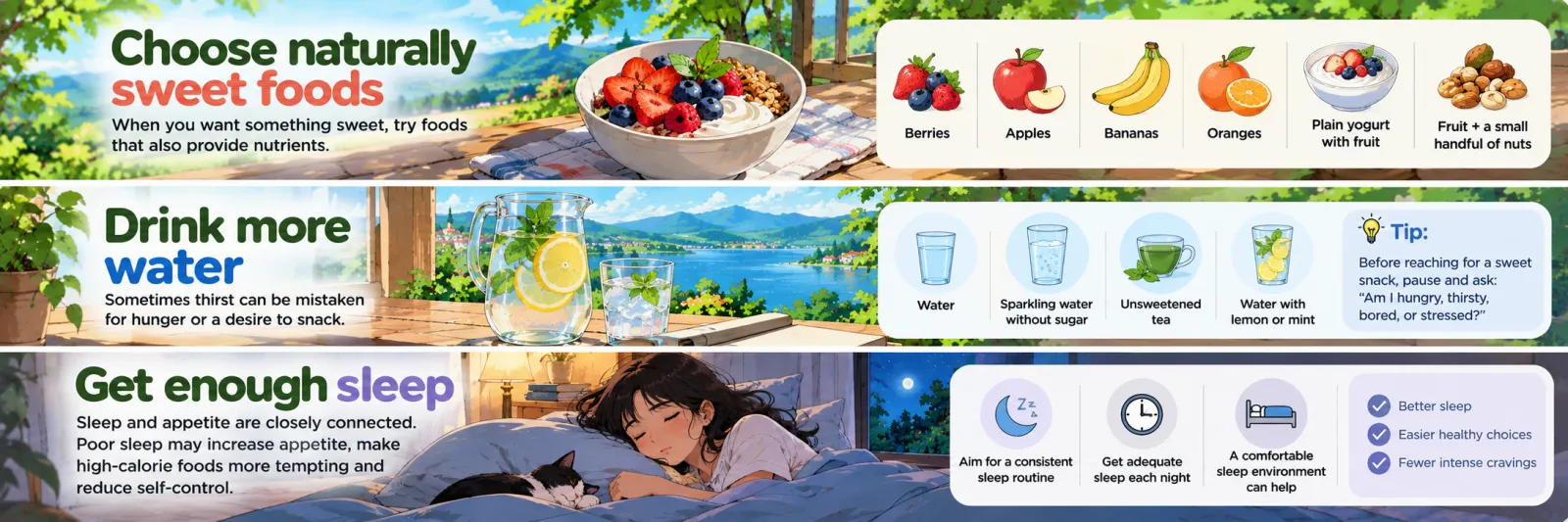
When you want something sweet, whole fruit is a good first choice. Berries, apples and bananas all work, and so does plain yogurt with chopped fruit, or an apple with a handful of nuts. The sugars naturally inside whole fruit, vegetables and milk are not counted as free sugars by the NHS, and the fibre in whole fruit helps you feel fuller.
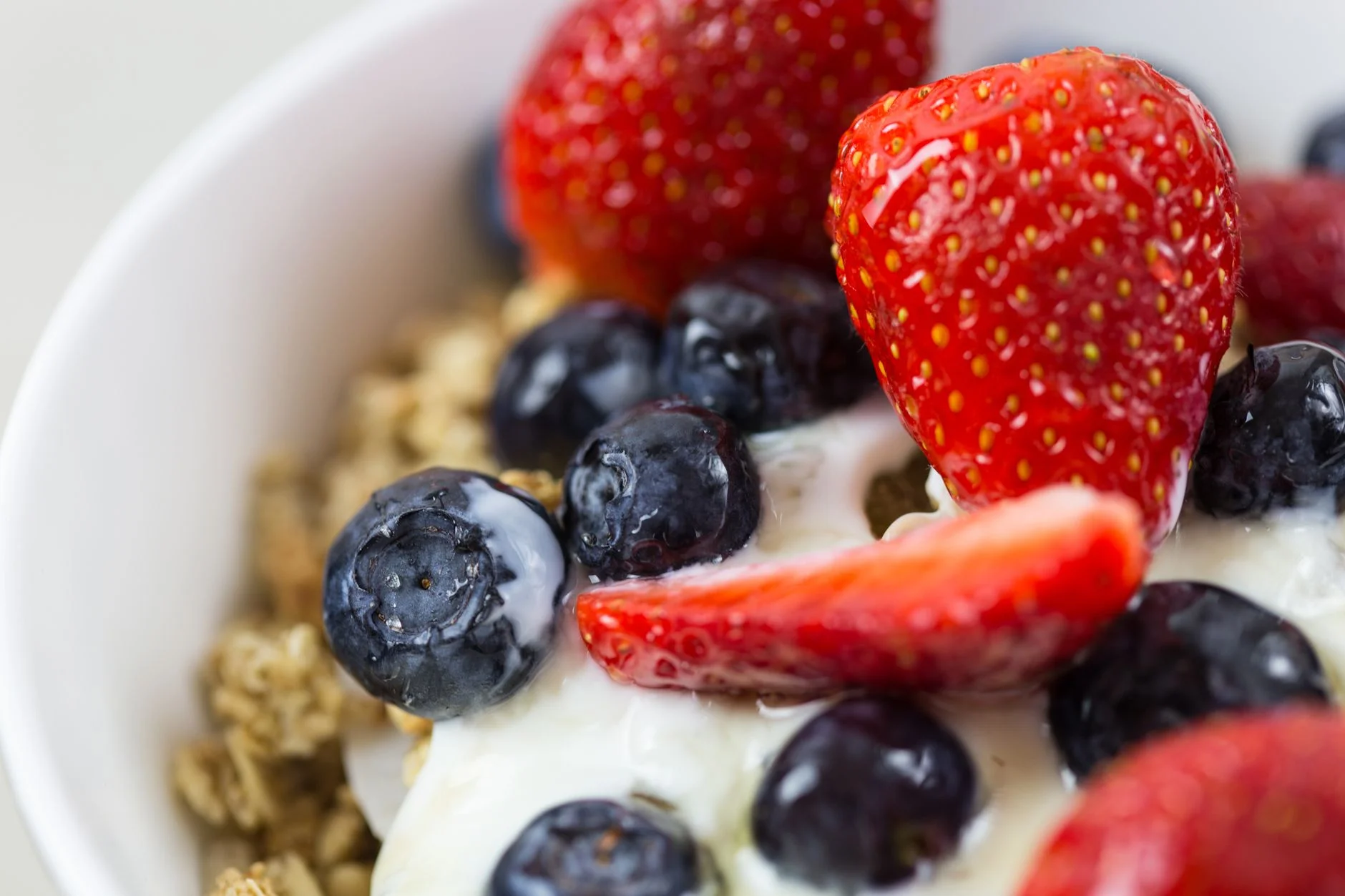
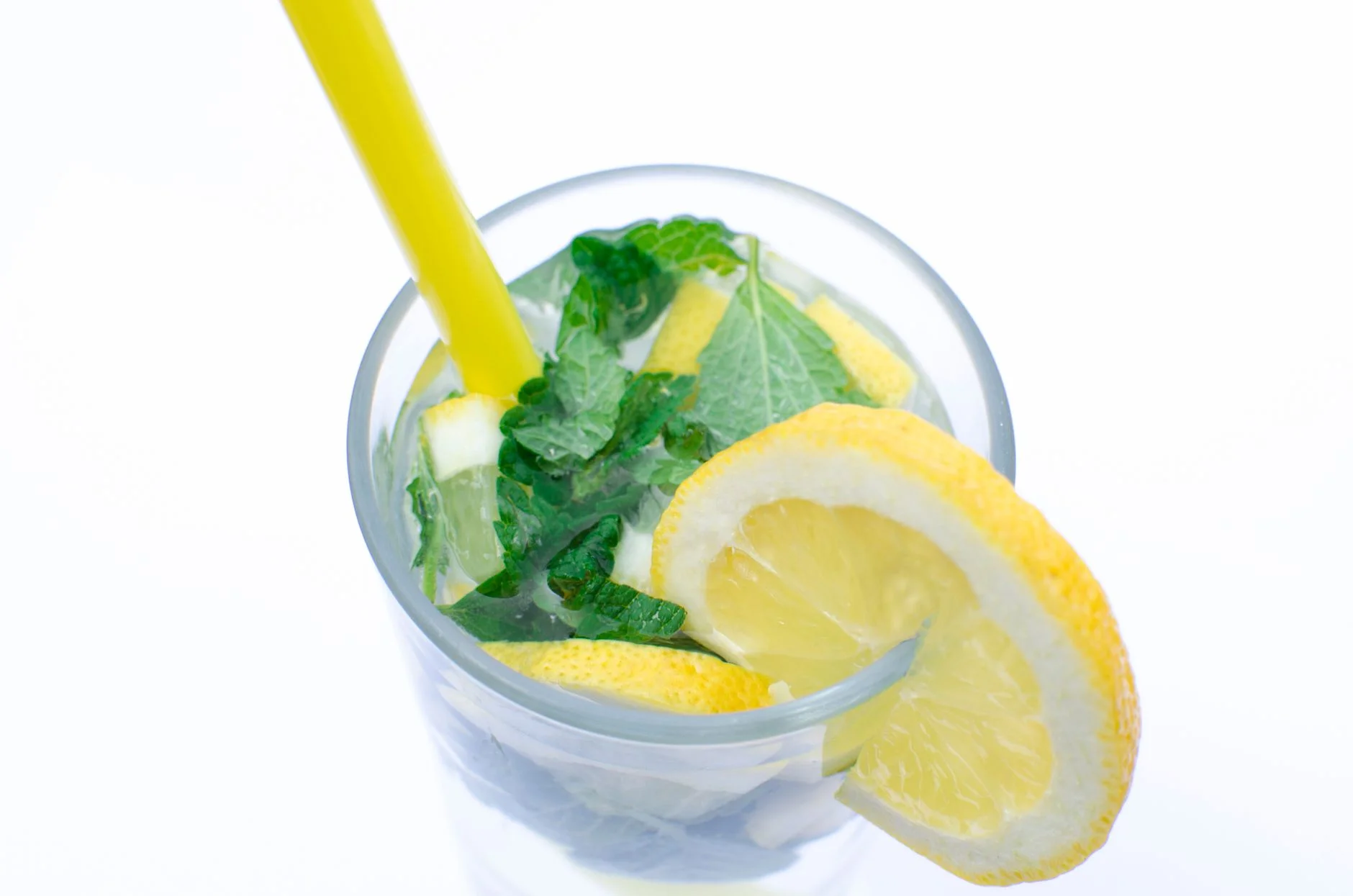
Fruit juice is different. The NHS counts the sugars in unsweetened fruit juice, vegetable juice and smoothies as free sugars. Keep juice and smoothies to no more than 150 ml a day combined.
4. Drink more water
Thirst can sometimes be mistaken for hunger. Before reaching for a snack, try a glass of water and wait a few minutes. The NHS suggests 6–8 glasses or cups of fluid a day. Water, lower-fat milk and lower-sugar drinks all count, and so do tea and coffee.
A refillable bottle on your desk or in your school bag makes this easier, because drinking becomes a habit rather than something you have to remember. Sugary drinks are best kept as an occasional extra rather than your main source of fluid.
If plain water feels boring, try:
- Sparkling water.
- Unsweetened tea, hot or cold.
- Water with a slice of lemon or a few mint leaves.
5. Read food labels
Sugar turns up in foods you might not expect, such as sauces, cereals and yogurts. The label on the back of a pack shows total sugars per 100 g. More than 22.5 g per 100 g is high, and 5 g or less is low. For scale, 1 teaspoon of sugar is about 4 g.
Check the ingredients list too, because sugar goes by many names. Look out for:
- sucrose, glucose, fructose and maltose
- syrups of all kinds
- honey
- fruit juice concentrate
Ingredients are listed from the largest amount to the smallest, so a sugar near the top of the list means there is a lot of it. If you are curious about how these sugars differ at molecular level, see the chemistry of everyday foods.
Healthy swaps at a glance
Small swaps add up. You do not have to make all of them, and none of them is a rule.
| Instead of | Try |
|---|---|
| Fizzy drinks | Sparkling water with lemon or mint |
| Fruit juice or a large smoothie | A piece of whole fruit, with juice kept to 150 ml |
| Sugary breakfast cereal | Porridge or plain wholegrain cereal with berries |
| Flavoured, sweetened yogurt | Plain yogurt with chopped fruit |
| Biscuits or sweets | An apple or banana with a handful of nuts |
| Sugar in tea or coffee | Less sugar each week, or none |
| Sweet spreads on toast | Peanut butter with no added sugar, or sliced banana |
| Sweet snack from a vending machine | Fruit and nuts packed from home |
6. Get enough sleep
Tired people often want sweet food, and there is research behind that. In a 2020 randomised crossover trial in healthy young adults, short sleep increased sweet-taste preference, appetite and food intake. In other words, the same people wanted more sweet food after a short night than after a normal one.
Scientists are still working out exactly why. Evidence on the hunger hormones ghrelin and leptin is mixed, so it is safest to say that poor sleep and stronger sugar cravings often go together, rather than naming one single cause.
The NHS says most adults need 7–9 hours of sleep a night, and children and teenagers need more. A steady bedtime, a darker room and less screen time before bed all help. Our guide to the effects of sleep deprivation explains what a short night does to your body and mind.
7. Manage stress without food
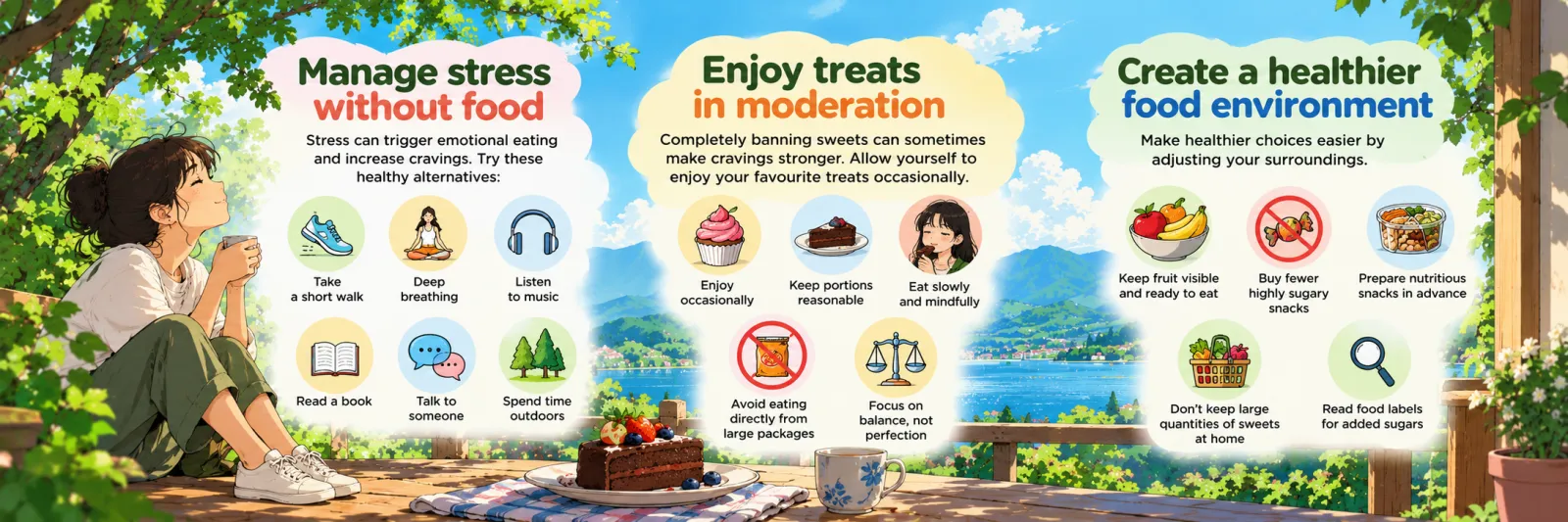
Stress and emotions are one of the main reasons people reach for sweet snacks. A biscuit may feel comforting for a few minutes, but it does not fix whatever is causing the stress. If you want to stop sugar cravings that are linked to feelings, it helps to have other things ready to try.
- Take a short walk, ideally outdoors.
- Breathe slowly: in through the nose, then out for a little longer.
- Put on a favourite song or playlist.
- Read a few pages of a book.
- Talk to a friend, parent, teacher or someone you trust.
You will not manage this every time, and that is fine. For more ideas, see our article on living a less stressful life.
8. Move more
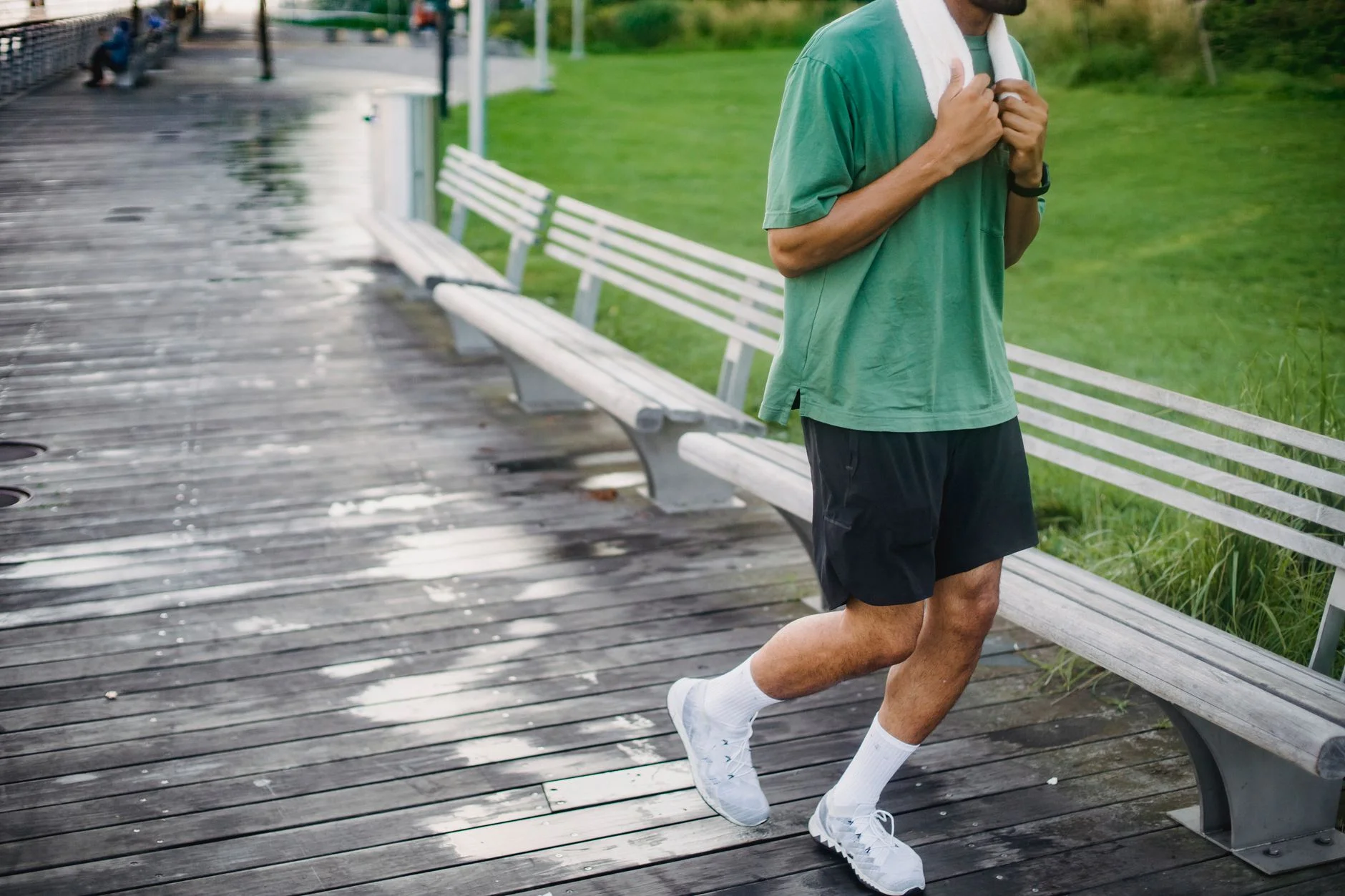
The NHS recommends that adults aim for at least 150 minutes of moderate activity a week. That might be brisk walking, cycling or dancing. Regular activity is good for health in many ways, and it also gives you something to do other than snack.
A short walk is a handy craving break. A short walk gives the urge time to fade and changes your surroundings, which may help break the habit loop. If motivation is the sticking point, how to motivate yourself to exercise has practical ideas.
9. Use the 10-minute strategy
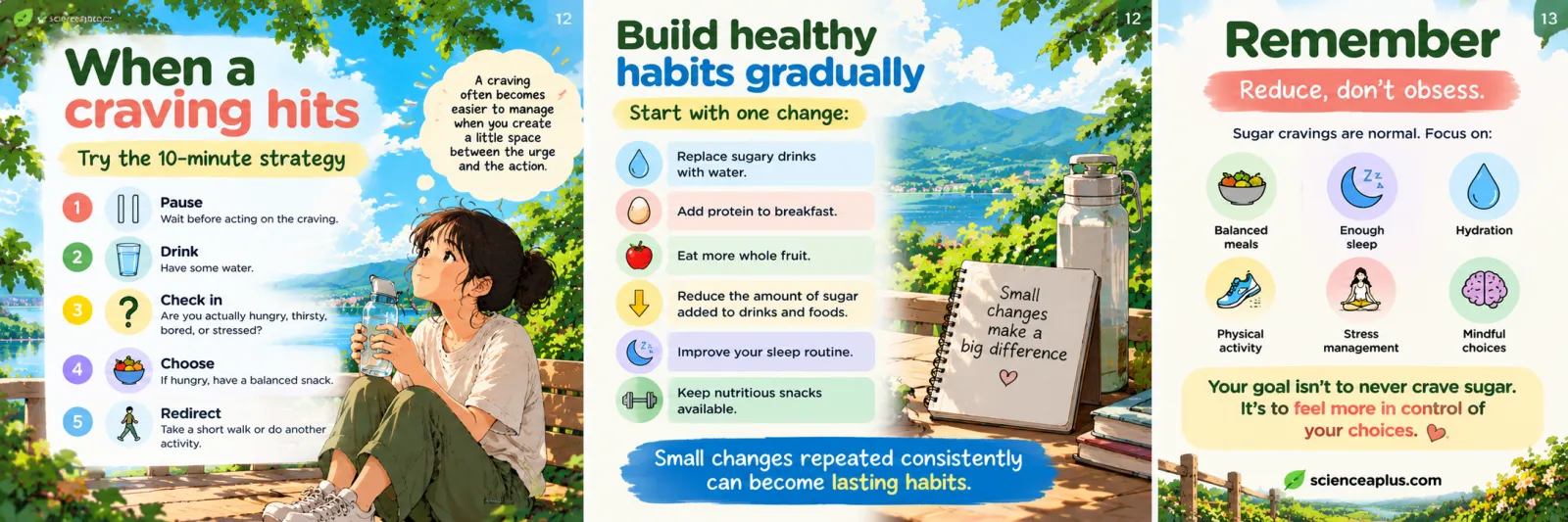
When a craving hits, you do not have to obey it or fight it. Try giving it ten minutes and working through these steps in order:
- Pause. Stop what you are doing and notice the urge without judging it.
- Drink. Have a glass of water. Thirst can sometimes be mistaken for hunger.
- Check in. Ask yourself: am I hungry, thirsty, bored or stressed?
- Choose. If you are hungry, eat a proper snack or meal. If not, move on to the next step.
- Redirect. Do something else for the rest of the ten minutes, such as a walk, a call or a tidy-up.
Here is the same plan as a checklist you can tick off. Your ticks are remembered in your browser.
- Pause and notice the craving
- Drink a glass of water
- Check in: hungry, thirsty, bored or stressed?
- Choose a proper snack if I am genuinely hungry
- Redirect with a walk, a song or a chat
10. Enjoy treats in moderation
Banning a food completely can make cravings stronger for some people. A more realistic goal is to enjoy sweet foods sometimes, in sensible amounts, without guilt. That is the heart of reduce, don’t obsess.
- Serve a portion. Put it on a plate or in a bowl instead of eating from a large packet.
- Eat slowly. Sit down, put your phone away and notice the taste.
- Keep it in context. The NHS maximum for free sugars is 30 g a day for adults and children aged 11 and over, which is about 7 sugar cubes. A treat can fit within that.
11. Make your environment work for you
What you see and what is within reach shape what you eat, so a few small changes make it easier to reduce sugar cravings without relying on willpower.
- Keep a bowl of fruit where you can see it.
- Keep fewer sweets and sugary drinks in the house, or store them out of sight.
- Prepare snacks in advance, such as chopped fruit, nuts or yogurt.
- Plan your shopping with a list, and avoid shopping when you are very hungry.
12. Cut down gradually
Taste preferences can adjust. If you go from very sweet to none overnight, the drink or snack you miss can feel impossible to ignore. Reducing sugar step by step is usually easier to stick to than an outright ban, and for some people, banning foods completely can make cravings stronger.
Here are small steps that add up:
- Halve the sugar you add to tea or coffee, then halve it again a few weeks later.
- Make one swap a week, such as plain yogurt with fruit instead of a sweetened one.
- Choose the smaller portion of a sweet snack before you give it up entirely.
Progress does not need to be perfect. A week with one swap is a week that moved in the right direction.
13. Don’t use food as a reward
“I’ve finished my homework, so I deserve a chocolate bar” is a very common habit. The trouble is that it teaches your brain to link effort and emotion with sweet food, and sweet taste already activates the brain’s reward system. Over time, that link may make cravings stronger.
Try rewards that are not food:
- Watching an episode of a favourite show.
- Calling a friend or going for a walk with them.
- Playing music, gaming or reading for 20 minutes.
- Putting a few pounds towards something you are saving for.
Sleep, movement and focus also affect how you feel after a long study session. Our guide to lifestyle choices that improve brain function explains how these habits support your thinking, which is a better reward than a sugar spike.
14. Be careful with “healthy” sugars
Honey, maple syrup, agave and golden syrup sound natural, but the NHS counts them as free sugars. So are the sugars in fruit juice, vegetable juice and smoothies. Your body does not treat them very differently from added table sugar.
What about sweeteners? Those approved in the UK are considered safe by the Food Standards Agency within acceptable daily intakes, and they can help cut sugar. However, they keep the taste for sweetness going, so pair them with the gradual approach from tip 12.
15. Use an evening routine to end the day’s snacking
Many people reach for something sweet after dinner out of habit rather than hunger. A clear signal that eating is finished can break the loop. Brushing your teeth straight after your evening meal is a simple cue: some people find the fresh taste makes more snacking less appealing, and your teeth benefit too, because the NHS links too much sugar to tooth decay.
Build the routine around it. Brush, make a herbal tea or glass of water, then do something calm such as reading or tidying your bag for tomorrow. With repetition, the sequence can start to feel automatic.
Sugar cravings at night: why they happen
Sugar cravings at night are common, and they usually have ordinary explanations. You may be tired, since short sleep is linked with a stronger preference for sweet tastes. You may have eaten too little earlier in the day, so your body is catching up. Or the evening snack may simply be a habit tied to the sofa and a screen.
To stop sugar cravings at night, start with the day: regular meals with protein and fibre, enough fluids, and the evening routine from tip 15. If you are revising for exams, remember that a rested brain copes better than one running on late-night snacks. Our guide on balancing sleep and work for better GCSE results has practical ideas for planning your evenings.
When to talk to a GP
This article is for education only. It cannot diagnose anything, and a GP or pharmacist is the right person to ask about your own health.
Reduce, don’t obsess
You do not need to give up sweet foods or count every gram. Aim to stay under the NHS limit of 30 g of free sugars a day if you are 11 or older, make a few swaps, look after your sleep, and be kind to yourself on the days it does not go to plan. Small, steady changes last.
Frequently asked questions about sugar cravings
Why do I crave sugar all the time?
Constant sugar cravings usually come from a mix of habit, skipped or small meals, lack of sleep, thirst, stress and the brain’s reward response to sweet taste. Rapid rises and falls in blood glucose after very sugary foods can also play a part. Regular balanced meals and good sleep often help.
How do I stop sugar cravings at night?
Eat regular meals with protein and fibre during the day, drink enough fluids, and get enough sleep. Then use a clear end-of-dinner cue, such as brushing your teeth, and replace the snack with a calm activity or a warm unsweetened drink. Pausing for a few minutes may help the urge pass.
What can I eat to stop sugar cravings?
Meals with protein, fibre and healthy fats help you feel full for longer. For something sweet, try whole fruit, berries, plain yogurt with fruit, or fruit with nuts. Whole fruit is a better choice than juice, because its sugars are not counted as free sugars.
How long do sugar cravings last when you cut down?
It varies from person to person. There is no fixed timescale. Some people find cravings ease as their taste preferences adjust over time. Reducing sugar step by step, getting enough sleep and keeping regular meals usually makes the process more comfortable than cutting everything out at once.
Is sugar addictive?
Sugar can be habit-forming, but calling it an addiction like drugs is not supported by strong human evidence. A 2016 review found little evidence for sugar addiction in people. Addiction-like bingeing has mainly been seen in rats given intermittent access to sugar. Scientists still disagree on the topic.
Does lack of sleep cause sugar cravings?
Short sleep appears to increase them. A 2020 randomised crossover trial in healthy young adults found that short sleep increased sweet-taste preference, appetite and food intake. Evidence on the hunger hormones ghrelin and leptin is mixed. The NHS says most adults need 7–9 hours a night, and teenagers need more.
How much sugar should I eat a day?
The NHS says adults and children aged 11 and over should have no more than 30 g of free sugars a day, about 7 sugar cubes. Children aged 7–10 should have 24 g, and children aged 4–6 should have 19 g. Younger children need even less.
Are sugar cravings a sign of diabetes?
Cravings alone are not a sign of diabetes. However, the NHS lists being very thirsty all the time, needing to pee a lot (especially at night), feeling very tired and losing weight without trying as possible signs. If you notice these, with or without cravings, speak to a GP.
Is fruit bad for sugar cravings?
No. Sugars naturally inside whole fruit are not free sugars, and fruit also provides fibre, which helps you feel full. Whole fruit is a sensible way to satisfy a sweet tooth. Juice and smoothies are different, so keep them to 150 ml a day combined.